

U.S.-Ghana Trade Relations Remain Strong, Says Ambassador Palmer
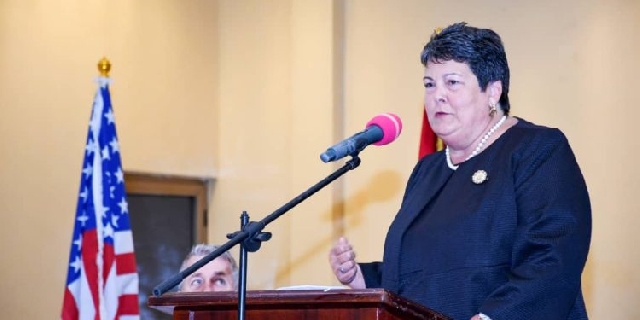
U.S. Ambassador to Ghana, Virginia Evelyn Palmer, stood confidently before a gathering of local leaders and entrepreneurs. Apexnewsgh reports With a reassuring smile, she addressed the crowd, embodying the strength of the longstanding partnership between the United States and Ghana. “Despite the shifting tides of American trade policy, I want to assure you all that our trade relationship remains not just intact, but robust and resilient,” she declared. The audience listened intently as she spoke about the recent introduction of new tariffs by President Donald Trump, including significant levies on goods from China and the European Union. However, Palmer was quick to emphasize that these changes would not dampen the bonds forged between their two nations. “Bilateral trade and investment between the U.S. and Ghana exceed $3 billion,” she explained, highlighting the mutual benefits that have grown from their collaboration. Ghana’s rich resources—gold and gas—flowing to the U.S., while American automobiles and pharmaceuticals found a welcoming market in Ghana. This exchange, rooted in friendship and mutual respect, formed the backbone of their relationship. Ambassador Palmer also touched on the importance of life-saving programs funded by the U.S., which have had a profound impact on countless lives in Ghana. “These programs will continue to thrive, reinforcing the partnership we have built over the years,” she affirmed, ensuring the audience that the ties connecting the two nations would endure. Despite the looming uncertainties of global trade tensions, Palmer exuded optimism, particularly regarding Ghana’s exports. “I have full confidence that your key exports, like gold and gas, will uphold their vital role in the global market, unaffected by changes in U.S. trade policies,” she stated, further solidifying her commitment to Ghana’s economic landscape. The historical and cultural connections between the U.S. and Ghana were not lost on the ambassador as she concluded her remarks. She reminded everyone present that, no matter the changes in trade focus, the partnership built on shared values and experiences would continue to flourish. As she stepped away from the podium, it was clear that Ambassador Palmer’s words were not merely promises but a reaffirmation of a bond that would withstand the test of time. The vibrant spirit of Ghana resonated in the air, echoing the sentiment that their partnership was, indeed, stronger than ever. Source: Apexnewsgh.com
Rockson-Nelson Dafeamekpor Wins Landmark Case Against Former Chief of Staff
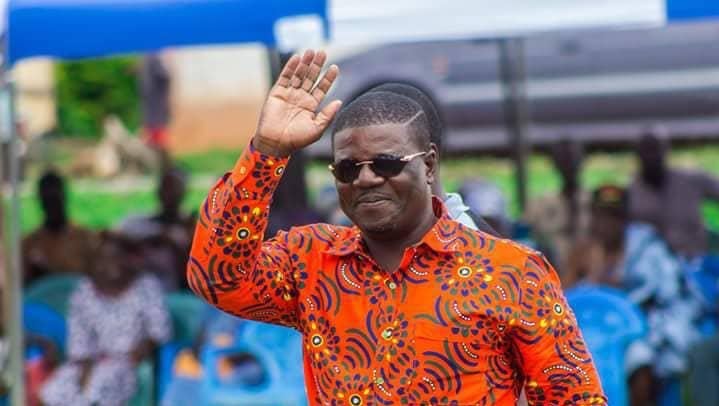
Rockson-Nelson Dafeamekpor emerged victorious against the former Chief of Staff in a case that had stirred controversy over the illegal sale of vehicles belonging to Kumasi Technical University. Apexnewsgh reports The High Court, under the watchful eye of Justice John Eugene Nyante Nyadu, delivered a ruling that not only favored Dafeamekpor but also set important precedents for the proper management of public assets. The courtroom buzzed with anticipation as the judgment was announced. Justice Nyante Nyadu laid out the court’s directives, which required the Vice-Chancellor of Kumasi Technical University to take immediate action. The first step involved assessing the value of two unserviceable vehicles that had been retrieved. Following this evaluation, the Vice-Chancellor was also tasked with obtaining the necessary approvals for disposing of nine other unserviceable vehicles. This process required consultations with the Minister of Finance and the Minister of Education, alongside the university’s council, ensuring that all protocols were duly followed. But that wasn’t all. The court had more to say. It mandated that those who had previously purchased the nine unserviceable vehicles would be given the first option to buy them back—a gesture that recognized past transactions while promoting fairness. Additionally, the former Chief of Staff was ordered to pay Dafeamekpor GHC 30,000 in costs, a financial acknowledgment of the legal battle fought. This landmark ruling not only closed a chapter on the troubling issue of the illegal sale of university vehicles but also underscored a firm reminder about the necessity of adhering to legal protocols in the disposal of public assets. Dafeamekpor’s victory was celebrated as a win for accountability and the rule of law, marking a pivotal moment in the governance of public resources. Source: Apexnewsgh.com
MTN CEO’s Shocking Encounter with Mobile Money Fraudster

Stephen Blewett, the newly appointed CEO of MTN Ghana, was still finding his footing in his new role. It was his first month on the job, and he was eager to connect with the challenges facing the telecommunications industry. Apexnewsgh reports Little did he know that he would soon encounter a situation that would underscore a pressing issue in Ghana—a growing wave of mobile money scams. One afternoon, as he was settling into his daily routines, Blewett received an unexpected phone call. On the other end of the line was a voice that exuded confidence, claiming to have detected a suspicious transaction linked to Blewett’s account. The fraudster alleged he had made a transfer, expertly weaving a story designed to sow doubt and panic. Instead of reacting hastily, Blewett made a choice that would soon set him apart. He decided to keep the scammer on the line, engaging him in conversation for a lengthy 15 minutes. With every passing moment, he could feel the importance of his actions; by delaying the scammer, he hoped to protect potential victims from falling prey to the deception. As the conversation unfolded, Blewett remained calm and collected. He was not just a CEO but a determined advocate for the safety of MTN’s customers. Eventually, he revealed his true identity, letting the scammer know he was indeed the CEO of the company they were trying to defraud. The reaction was telling; the fraudster was momentarily stunned, their fabric of deceit unraveling in an instant. Angered and flustered, the scammer abruptly ended the call, leaving Blewett reflecting on the vulnerability that many faced in the face of such nefarious tactics. In light of this personal experience, Blewett made it clear to the public: MTN Ghana was fully committed to the fight against mobile money fraud. He spoke passionately about the company’s dedication to ensuring users’ security and well-being, emphasizing a customer-first approach in addressing these challenges. MTN was actively exploring innovative solutions to protect its users, a promise that resonated deeply in a country where trust in mobile transactions was critically important. This incident was more than just a personal encounter for Blewett; it was a calling to bolster the security measures in place and to advocate for a safer digital environment in Ghana. His experience served as a reminder that even the highest echelons of leadership were not immune to deception, but it also reaffirmed his resolve that, together, MTN would stand vigilant in the battle against mobile money scams. Source: Apexnewsgh.com
World Bank refutes claims of suspended Projects in Ghana
Rumors swirled like autumn leaves, suggesting that the vital projects funded by the World Bank had come to a standstill. Apexnewsgh reports Concerned stakeholders held their breath, fearing for the developmental strides the country had made. But soon enough, clarity emerged. The World Bank, recognizing the unease, released a reassuring statement: “No projects in the World Bank-financed portfolio in Ghana are currently suspended.” This affirmation was pivotal, aimed at restoring confidence during a turbulent time. The World Bank has long been a cornerstone in Ghana’s development, partnering with the nation to address various critical sectors that underpin its growth. Infrastructure projects, including roads, bridges, and public transportation systems, had significantly improved connectivity across regions. In healthcare, initiatives aimed at expanding access to essential medical services had become a beacon of hope for many. Educational institutions burgeoned with new programs designed to foster learning, while advances in energy brought sustainable solutions to communities, lighting up homes and businesses alike. However, the sky wasn’t entirely clear. Ghana faced a storm of fiscal challenges that threatened its stability. The Ghanaian cedi had depreciated significantly, bringing forth worries over purchase power. Inflation rates soared, casting shadows over the living standards of ordinary citizens. Compounding these issues were ongoing efforts towards debt restructuring, crucial steps needed to restore macroeconomic stability. Amid these trials, the World Bank’s projects stood as a testament to resilience and positive impact. Initiatives like the Ghana Productive Safety Net Project had played a critical role in reducing poverty, providing support to those in needs. Clean and accessible sanitation was made possible through the Greater Accra Metropolitan Area Water and Sanitation project, enhancing public health across the city. Furthermore, agricultural advancements, particularly the Ghana Commercial Agricultural Project, had helped farmers boost productivity, ensuring that families could feed themselves and thrive. As the national narrative unfolded, the partnership between the World Bank and Ghana remained a beacon of hope, guiding the country through challenges while paving a pathway towards a more resilient and prosperous future. Source: Apexnewsgh.com
Former ECG MD Dubik Mahama Promises Full Cooperation in Missing Containers Investigation
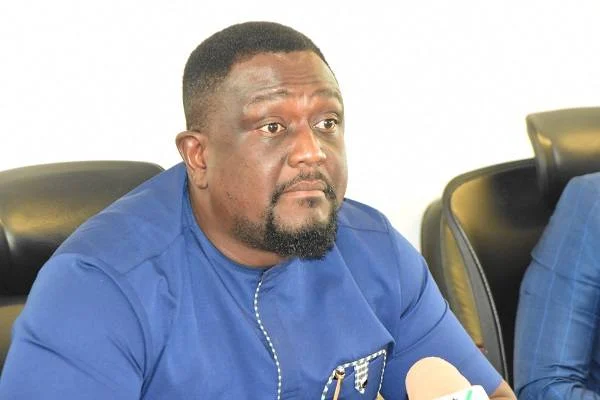
A dark cloud loomed as news broke regarding the disappearance of over 1,300 containers belonging to the Electricity Company of Ghana (ECG). Apexnewsgh reports Once filled with vital equipment necessary for the company’s operations, these containers had become the centerpiece of a growing scandal. At the center of the storm was Samuel Dubik Mahama, the former Managing Director of ECG. As the details emerged, it became clear that 1,357 out of a total of 2,491 containers expected to be cleared had vanished without a trace. The situation was exacerbated by the financial constraints that plagued ECG, leading to the discontinuation of a dedicated fund for clearing shipments prior to 2022. Mahama found himself in a position that demanded answers. He was surprised and disappointed by the developments, stressing that the containers were never within ECG’s custody. With a sense of responsibility weighing heavily on his shoulders, he vowed to cooperate fully with any investigations launched into the matter. “I am all for whatever investigations there will be, and I am ready to sit with whoever to give my side of the story,” he stated firmly. The investigation uncovered a web of procurement issues, including contracts awarded to two firms. While one of these firms had been pre-financed by ECG, the other lacked the necessary licensing, raising serious questions about adherence to regulations. Compounding the dilemma was the merging of ECG’s procurement directorate with its Housing and Estate unit, a move that sparked concerns over potential procurement violations. As the narrative unfolded, it was evident that the situation was not merely a case of neglect but rather a complex interplay of mismanagement and financial woes. Samuel Dubik Mahama, caught in the crossfire of a scandal that threatened to tarnish the reputation of an essential service provider, remained determined to shed light on the truth. The journey to accountability had only just begun, and Mahama was prepared to face the challenges ahead. Source: Apexnewsgh.com
Cease E-Levy deductions from midnight– GRA directs all charging entities
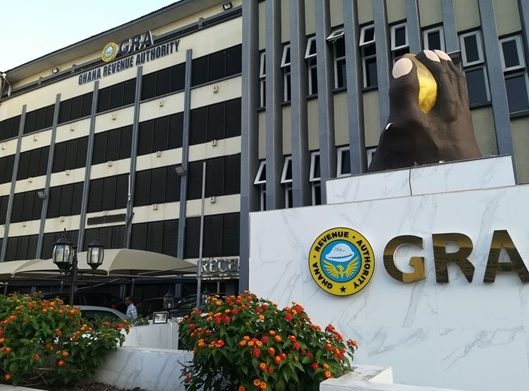
Ghana Revenue Authority (GRA) has made a significant announcement. It was April 2, 2025, a day that would mark a pivotal moment in Ghana’s financial landscape. Apexnewsgh reports Following a long-awaited legislative decision, President John D. Mahama had officially assented to the Electronic Transfer Levy Act, 2022 (Act 1075) and its subsequent amendment, the Electronic Transfer Levy (Amendment) Act, 2022 (Act 1089). The news spread quickly: the 1% Electronic Transfer Levy, commonly known as the E-Levy, had been abolished. The announcement came in a formal statement from the GRA, addressing all charging entities and emphasizing the immediate impact of this change. “The abolishment of the E-Levy is expected to take effect from today, April 2, 2025,” the statement proclaimed, stirring a wave of relief among citizens and businesses alike who had long felt the burden of the levy on digital transactions. With the sun just rising over the horizon, the GRA provided clear instructions for the charging entities that facilitated electronic transactions. “In accordance with our previous communication regarding implementation guidelines, this letter serves as formal authorization for you to proceed with the deployment of the ‘no charge’ configuration on your platforms,” it declared, signaling a new era of financial freedom for users. The guidelines laid out by the GRA were straightforward yet crucial for the transition. First, they announced that the GRA Electronic Transfer Levy Management and Assurance System (ELMAS) would automatically apply a “no charge” to all transactions processed from that very midnight. It was a simple yet powerful move designed to ensure a seamless switch to a levy-free system. As the clock struck midnight, charging entities were instructed to halt the application of the 1% E-Levy across all their channels, marking the end of a contentious chapter in Ghana’s e-commerce history. Furthermore, businesses were reminded of their responsibility to their customers: they were to process immediate refunds for any E-Levy amounts recently deducted, ensuring that every transaction honored the new regulations. “The entities must establish an expedited refund process for these cases and maintain proper documentation of all refunds processed,” the GRA stated. They stressed the importance of submitting comprehensive reports detailing these refunds to ensure transparency and compliance. With the dawn of a new day, the GRA’s directive not only heralded a freedom from the E-Levy but also set forth a commitment to uphold fairness and integrity in the financial dealings of the nation. As citizens began to feel the effects of this monumental change, many looked hopeful towards a brighter financial future, empowered by the new policies that promised to ease the burden of digital transactions. Source: Apexnewsgh.com
IMF Begins Fourth Review of Ghana’s Economic Programme
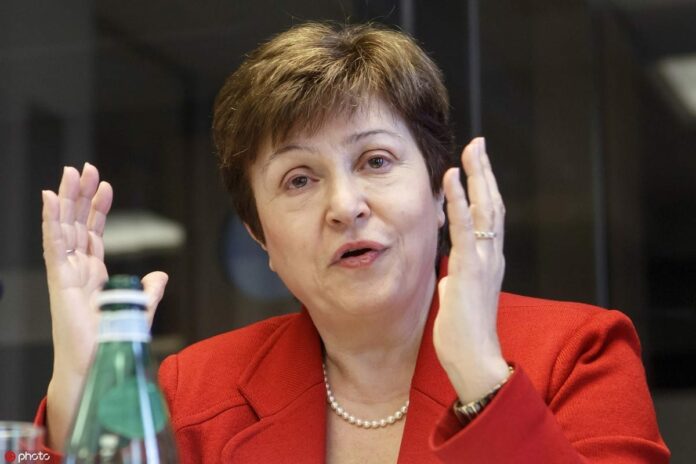
The atmosphere was charged with anticipation as the International Monetary Fund (IMF) embarked on its fourth review mission to the country, a critical moment for assessing Ghana’s economic performance and progress within the framework of the Extended Credit Facility (ECF) program for the years 2023 to 2026. Apexnewsgh reports Kicking off on April 2 and running until April 15, the two-week mission aimed to dive deep into the intricacies of Ghana’s economic landscape, scrutinizing key indicators such as inflation control, monetary policy, and fiscal discipline. As the IMF delegation settled in, their agenda was brimming with essential focus areas. They were particularly keen on understanding Ghana’s fiscal performance for the year 2024. This required an in-depth look at the nation’s tax revenues and expenditure management. Equally important was the evaluation of structural reforms. The mission had its eyes set on the progress of reforms in public procurement and the ambitious policies laid out in the 2025 budget—changes that could significantly reshape the country’s economic framework. Another pressing concern on the agenda was Ghana’s approach to debt restructuring. The IMF’s experts planned to assess how well the nation was adhering to its fiscal discipline targets, and whether the steps taken were stabilizing the economy effectively. In the midst of this critical review, Ghana’s Finance Minister, Dr. Cassiel Ato Forson, stood firm in his belief in the government’s commitment to reform. He had reason to be optimistic, pointing to several significant achievements, including the recent passage of transformative tax amendment bills. With confidence in his voice, he projected that Ghana’s economy could find its footing by May 2025, drawing attention to encouraging macroeconomic trends that hinted at recovery. As the clock ticked down to April 15, the implications of the IMF’s review loomed large. The assessment would not just reflect on past performances but would also play a crucial role in determining whether Ghana could secure the next tranche of financial support from the IMF. This support was vital for maintaining macroeconomic stability in a time of uncertainty. The world awaited the final statement from the IMF, a document that would encapsulate their findings and offer insights into the pathways forward for Ghana’s economy, shaping its financial fate for years to come. Source: Apexnewsgh.com
Dr. Mahamudu Bawumia: The Resounding Front-Runner for NPP’s 2028 Flagbearer
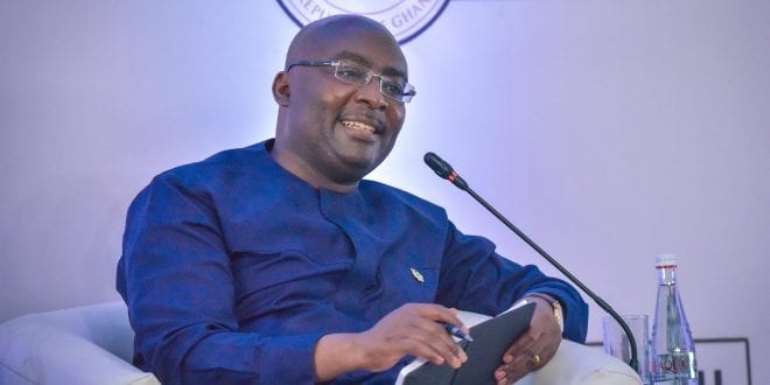
New poll conducted by Global InfoAnalytics has positioned Dr. Mahamudu Bawumia as the leading contender for the party’s flagbearer in the upcoming 2028 general election. Apexnewsgh reports The survey revealed that a significant 48% of Ghanaians believe Dr. Bawumia should once again take the helm of the party, solidifying his status as the clear front-runner in this critical race for leadership. This remarkable level of support places him well ahead of his competitors, showcasing his strong connection with the electorate. In the ballot of potential contenders, Kennedy Agyapong, who previously competed in the 2024 NPP primaries, accounted for 25% of the votes, while Dr. Osei Adutwum managed to score 13%. The remaining candidates collectively attracted just 14% of the vote. These figures indicate that, despite the presence of competitive figures within the party, Dr. Bawumia is the favored choice among the electorate at large. The sentiments among NPP voters are even more favorable toward Dr. Bawumia. Among this group, a remarkable 57% expressed support for his leadership bid, making him the overwhelming favorite. In contrast, Kennedy Agyapong and Dr. Osei Adutwum garnered just 22% and 11% respectively, demonstrating Dr. Bawumia’s stronghold among party loyalists. While the ultimate decision regarding the NPP’s flagbearer will rest in the hands of party delegates, this poll underscores Dr. Bawumia’s considerable popularity. His dual support from both the broader Ghanaian public and the party base solidifies his standing as a formidable figure in Ghanaian politics. As the political landscape evolves, all eyes will be on him as the party gears up for a fascinating leadership contest in the years ahead. Source: Apexnewsgh.com
68% of Ghanaian voter’s points Akufo-Addo as the cause of NPP defeat in 2024

In the wake of the 2024 general elections, a storm of sentiment swept through the nation, unraveling the deep-seated frustrations felt by many voters. Apexnewsgh reports A post-election poll conducted by Global InfoAnalytics captured this sentiment, revealing that a staggering 68% of respondents held former President Nana Akufo-Addo accountable for the New Patriotic Party’s (NPP) unexpected defeat. As the results circulated, it became clear that the public sentiment was not solely focused on Akufo-Addo. The findings painted a broader picture of accountability within the party. Among the surveyed voters, 40% specifically blamed former Finance Minister Ken Ofori-Atta for the electoral fallout, citing economic mismanagement that had plagued the nation. Meanwhile, 37% of respondents directed their ire toward Dr. Mahamudu Bawumia, the NPP’s presidential candidate and former Vice President, suggesting that his leadership did not resonate well with the electorate. The dissatisfaction didn’t stop there; 33% of participants pointed their fingers at Dr. Matthew Opoku-Prempeh, as many felt his contributions fell short in addressing voters’ pressing concerns. Even the Members of Parliament were not left unscathed, as 25% of voters attributed some level of blame to them for the party’s loss, highlighting a broader discontent with governmental performance. The poll’s results reflected a general consensus that the Akufo-Addo administration’s handling of various issues—ranging from economic challenges to governance-related matters—played a pivotal role in the party’s downfall. Public dissatisfaction loomed large, with many feeling that the government had not adequately addressed their needs. Interestingly, only 9% of respondents felt that Kennedy Agyapong, who had contested in the NPP’s primaries but did not lead the party into the elections, deserved any of the blame. This indicated that while internal party dynamics might have played a part in voter choices, the primary responsibility was overwhelmingly attributed to those within the existing administration. As these findings emerged, they highlighted the intricacies of voter sentiment and the formidable obstacles the NPP now faced in rebuilding its reputation and reconnecting with an electorate yearning for change after the election debacle. The path ahead appeared challenging, as the echoes of disappointment lingered in the air—a reminder that public trust is a fragile commodity in the realm of politics. Source: Apexnewsgh.com
57% of NPP Members Want Dr. Bawumia to Represent the Party in 2028

In a recent poll conducted by Global InfoAnalytics has stirred excitement among supporters of the New Patriotic Party (NPP). Apexnewsgh reports The results underscore the popularity of Dr. Mahamudu Bawumia, revealing that an impressive 57% of NPP supporters envision him as the party’s leader for the 2028 presidential elections. Dr. Bawumia, who is currently the party’s Presidential Candidate for the upcoming 2024 elections, has emerged not just as a contender but as a frontrunner in the eyes of the party faithful. If delegates are to select a flagbearer for the following election cycle, he stands as a clear favorite. The poll indicates that Dr. Bawumia commands a notable 48% of the potential votes in the anticipated 2028 NPP leadership race. In contrast, his closest competitor, Kennedy Agyapong, trails with 25%, while Dr. Osei Adutwum lags behind at 13%. The remaining candidates share the rest, collectively capturing 14% of the votes. Among the NPP supporters, Dr. Bawumia’s dominance sharpens even further. Here, 57% express their unwavering support for him, while Kennedy Agyapong finds backing from 22% and Dr. Osei Adutwum just 11%. These numbers speak volumes about Dr. Bawumia’s influential presence within the party and suggest a continuity of support that transcends the immediate 2024 elections. His tenure as Vice President, coupled with his role as the current flagbearer, seems to have solidified Dr. Bawumia’s standing as not just a leader for now, but as a preferred choice for the future among party members looking ahead to the next election cycle. The path seems clear for him as he captures the hearts and minds of NPP supporters everywhere. Source: Apexnewsgh.com