





In Accra, growing unease is spreading among urban transport stakeholders as key Aayalolo terminals face uncertain futures. Facilities once hailed as pillars of the city’s modern transport system are now at the centre of debates that could impact efforts to decongest the capital and improve public mobility.
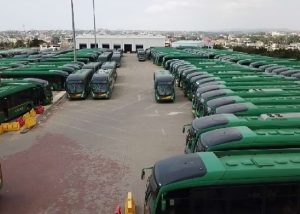
At the heart of the controversy lies the Kinbu Terminal, situated in Accra’s bustling Central Business District (CBD). Built with World Bank support as part of the Urban Transport Project, the terminal serves as a critical hub for Aayalolo bus operations. However, recent plans to construct stalls on the premises have sparked tension among drivers, who worry that shrinking parking space could disrupt their services and undermine the terminal’s original purpose. Stakeholders are questioning whether commercial activities are being prioritised over public transportation needs and if the Aayalolo service’s operational requirements are still being considered in long-term planning.
Simultaneously, reports of the demolition of the Achimota New Station Bus Terminal to make way for a proposed 24-hour market have alarmed transport experts. The Achimota terminal, also developed under the Urban Transport Project, was designed to serve as a gateway for northbound vehicles and to prevent unnecessary traffic in the CBD. Its removal, stakeholders argue, risks undoing years of progress toward a more integrated and efficient transport system for the city.
Concerns go beyond infrastructure. Transport operators say the Aayalolo Bus Rapid Transit (BRT) system, inaugurated in 2016 and operated by GAPTE, has yet to reach its full potential. While the service offers subsidized fares as a social intervention, it continues to buy fuel at commercial rates and lacks sustained government financial backing. The gradual loss of dedicated BRT lanes has forced buses to compete with private vehicles, reducing efficiency and reliability. Promised government interventions, such as additional buses, have often benefited inter-city operators rather than GAPTE’s intra-city routes.
Stakeholders highlight that the 2026 Mid-Year Budget Review mentioned plans for more buses, but did not earmark any specifically for GAPTE. As a result, calls are intensifying for the government to provide targeted support: restoring dedicated bus lanes, investing in infrastructure, and ensuring GAPTE receives additional vehicles to ease congestion, especially with increased demand expected during the festive season.
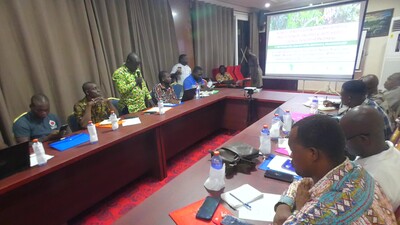
With Michael Kpakpo Allotey, Accra’s Metropolitan Chief Executive, also chairing GAPTE’s board, stakeholders are demanding transparency about terminal management and long-term urban transport plans. They warn that Ghana’s investment in modern infrastructure will only pay off if protected and properly managed.
As Accra’s population swells and traffic pressures mount, the fate of its urban transport system—and the daily experience of commuters, may hinge on how these pivotal decisions about infrastructure and investment are resolved.
Source: Apexnewsgh.com