


Empowering Health Workers to Support Maternal Mental Health in Upper East Region

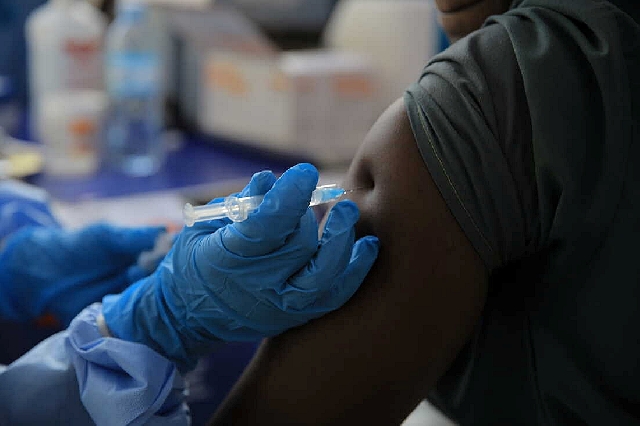
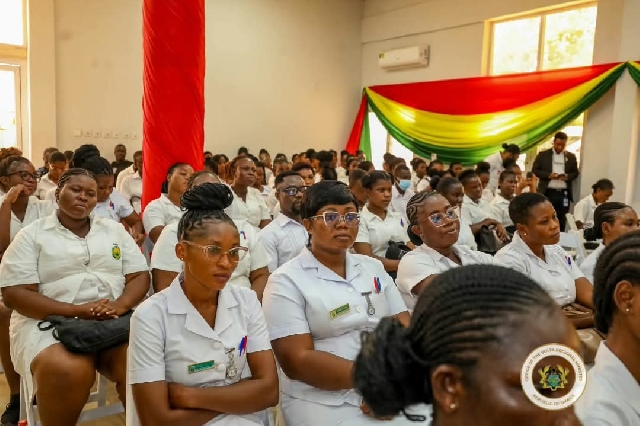
BasicNeeds-Ghana has taken a significant step towards improving maternal and child health outcomes in the Upper East Region by training 200 health care workers on managing the mental health of pregnant women. Apexnewsgh reports This initiative is part of a larger project aimed at supporting the poorest and most vulnerable women and girls in the region. The project, according to Mr. Bernard Azuure, Upper East BasicNeeds Programme Coordinator, seeks to strengthen community systems to deliver integrated, people-centred services. These services include HIV, TB, sexual reproductive health (SRH), and mental health and psychosocial support during the peripartum period. The target beneficiaries are women and adolescent girls living with or at risk of HIV, TB, and gender-based violence/intimate partner violence (GBV/IPV). The project also aims to address gender-based differences and inequalities in access to healthcare services and health status among pregnant and postpartum women and adolescent girls. By doing so, it hopes to promote equitable access to healthcare and improve overall health outcomes for this vulnerable population. By training health workers to manage mental health issues during pregnancy, BasicNeeds-Ghana is taking a crucial step towards improving maternal and child health outcomes in the Upper East Region. This initiative has the potential to make a significant impact on the lives of women and girls in the region, and it is a testament to the organization’s commitment to promoting holistic healthcare. Dr. Dennis Bomansang Daliri, a respected health worker and the Upper East Regional psychiatrist, highlighted the complexities of postpartum mental health issues, emphasizing that they can have severe short- and long-term consequences for newborns. These challenges are often difficult for parents to deal with, and in extreme cases, can lead to tragic outcomes such as suicide and infanticide, although these are rare. The financial burden on healthcare systems is substantial. Dr. Daliri outlined the psychological approach used at his facility to address these challenges. A key component of this approach is motivational interviewing, a technique that helps individuals progress from denial to realization and ultimately to deciding to change. This approach acknowledges that overcoming postpartum mental health issues takes time, patience, and support. He further emphasized the crucial role of psychosocial support for pregnant women during an engagement with health workers. He stressed that offering emotional and practical assistance is vital for expectant mothers, as it can significantly impact their mental health and overall well-being. By providing psychosocial support, healthcare providers can help alleviate common pregnancy-related stressors, reduce the risk of mental health disorders like depression and anxiety, and foster a positive maternal-fetal relationship. Dr. Daliri’s message was clear: “A happy mother is a happy baby.” By prioritizing psychosocial support, healthcare providers can play a pivotal role in shaping maternal experiences and outcomes. This approach underscores the importance of comprehensive maternal care that integrates emotional and psychological well-being, ultimately contributing to healthier families. Source: Apexnewsgh.com
Ghana’s Water Crisis Warning: A Call to Action

Ghana could face a severe clean water crisis by 2030 if immediate and collective action is not taken to protect its water resources. Apexnewsgh reports This warning was issued by Dr. Justice Aduko, Project Manager for Blue Deal Ghana, during a sensitisation workshop organised for members of the Gambaga-Sub-Basin Committee. Dr. Aduko cited scientific studies highlighting the escalating threats to the country’s water bodies due to pollution, illegal mining, poor waste management, and climate change. He emphasized that illegal mining is a major concern, consuming vast amounts of water and contaminating it with hazardous chemicals. The Blue Deal Project, backed by the Dutch government, aims to build the capacity of local stakeholders in water resource management. The initiative seeks to ensure that 20 million people worldwide gain access to clean, safe, and adequate water. In Ghana, the project promotes Integrated Water Resources Management (IWRM) approaches, focusing on areas such as drinking water, sanitation, and disaster risk reduction. The workshop trained participants in conflict resolution, trust-building, and effective communication skills. Sabastein Salia Yiah, an engineer who attended the training, described it as transformative, highlighting the importance of being well-informed about water conservation. Dr. Aduko reaffirmed Blue Deal Ghana’s commitment to equipping stakeholders with the tools and strategies to protect water resources. He emphasized the importance of collective action, stating, “Water is life. Without it, sustainable development is impossible. We must act now, and we must act together.” The initiative encourages stakeholders to take action, including tree planting, proper waste management, and combating illegal mining activities near water sources. Source: Apexnewsgh.com
Ghana Gold Board Extends License Transition Deadline

The Ghana Gold Board (GoldBod) has officially extended the deadline for transitioning to its new gold trading license regime from May 21 to June 21, 2025. Apexnewsgh reports This decision follows multiple petitions from stakeholders within the gold trading industry, who requested more time to comply with the new regulations. Under the revised directive, all persons currently holding licenses previously issued by the now-defunct Precious Minerals Marketing Company (PMMC) and the Ministry of Lands and Natural Resources are permitted to continue purchasing and dealing in gold using those licenses until the new deadline. However, GoldBod has made it clear that this grace period is final and non-extendable. After June 21, 2025, only holders of a GoldBod license will be allowed to purchase, sell, or deal in gold. The use of licenses issued by the defunct PMMC or the Ministry of Lands and Natural Resources will be prohibited beyond this date. A breach of this directive will constitute a punishable offense under the Ghana Gold Board Act, 2025 (Act 1140). Effective immediately, the export function tied to old licenses has been revoked. Only GoldBod, as a corporate entity, retains the authority to export small-scale gold from Ghana. This marks a significant shift in gold export control, centralizing the process under a single regulatory body. GoldBod encourages all prospective traders and dealers to begin or complete their license applications via its official website. While the application process remains open beyond the June 21 deadline, the agency reiterated that no trading or dealing in gold will be allowed without a valid GoldBod license after that date. GoldBod calls for continued cooperation from all stakeholders and members of the public as it implements these regulatory reforms aimed at ensuring transparency, accountability, and national interest in the gold sector. Source: Apexnewsgh.com
Police Operation Turns Deadly in Dominase

A police operation targeting illicit drug peddlers in Dominase, Gomoa East District, Central Region, has resulted in a violent confrontation. The incident occurred during a crackdown aimed at dismantling a suspected drug trafficking network in the area. The operation turned deadly when officers from the Ghana Police Service encountered fierce resistance from the alleged drug peddlers. During the clash, a civilian believed to be connected to the peddlers was fatally wounded. The identities of the deceased and the injured officers have not yet been released. Three police officers sustained various degrees of injury and are currently receiving medical treatment. The Ghana Police Service is yet to issue a full statement on the incident. However, residents report a heightened security presence in the area as investigations continue. The police operation aimed to curb the illicit drug trade in the community, but it ended in tragedy. The incident has raised concerns about the safety and security of both the police and civilians in the area. As investigations continue, the Ghana Police Service will likely provide more information on the circumstances surrounding the deadly confrontation. The community is waiting with bated breath for more details on the incident and the actions that will be taken to prevent similar incidents in the future. Source: Apexnewsgh.com/ Ngamegbulam Chidozie Stephen
NLC Orders University Staff Unions to Call Off Strike

The National Labour Commission (NLC) has directed three university staff unions to immediately call off their strike action, citing violations of Ghana’s Labour Act. Apexnewsgh reports The unions, which include the Senior Staff Association – Universities of Ghana (SSA-UoG), the Technical University Administrators Association of Ghana (TUAAG), and the Federation of Universities Senior Staff Association of Ghana (FUSSAG), had embarked on an indefinite strike over alleged non-implementation of agreed conditions of service. In a letter dated May 21, 2025, the NLC invoked Section 139(1)(d) of the Labour Act, 2003 (Act 651), ordering the unions to end their industrial action. The directive follows a notice of intention to strike served on the Commission on May 12. Despite the NLC’s intervention and directive to stay the strike, the unions defied the order and proceeded with industrial action. The NLC cited a press release by the unions, also dated May 21, announcing the indefinite strike in protest of what they described as the government’s continued breach of the agreement. The agreement between the unions and the government was signed on November 12, 2024. As a result of the unions’ defiance, the NLC has declined to hear the matter further, invoking Section 161 of the Labour Act. This section states that a matter cannot be entertained if parties are engaged in illegal strike actions. The NLC has advised the unions to call off the strike and formally notify the Commission before any further steps can be taken. The NLC’s directive is clear: the unions must call off the strike and comply with the Labour Act. The Commission’s decision highlights the importance of adhering to the law and negotiating in good faith. The unions must now decide whether to comply with the NLC’s order and resume negotiations or continue with their industrial action. Source: Apexnewsgh.com
Ghana’s Economic Stability: A Legacy of Prudent Policies?

The recent appreciation of the Ghanaian cedi has sparked a debate about the country’s economic policies. President Mahama attributed the cedi’s stability to the country’s robust gross international reserves, which stood at $10.6 billion as of April 2025. Apexnewsgh reports However, a closer look at the figures reveals that a substantial $8.98 billion of these reserves was inherited from the previous New Patriotic Party (NPP) administration. The Minority in Parliament, led by Dr. Amin Adam, argues that the current National Democratic Congress (NDC) administration has benefited from the strong macroeconomic buffers established under the Akufo-Addo/Bawumia era. The NPP administration’s prudent economic policies, including the aggressive build-up of gold reserves, have provided a foundation for the current government’s economic stability. The GoldBod programme, which involves buying and selling gold for foreign exchange, remains a key tool for achieving currency stability. Dr. Amin Adam emphasized that the NDC government has merely continued the policy shift introduced by the NPP to leverage Ghana’s gold reserves as a strategic weapon against currency depreciation. However, the Minority is concerned about inconsistencies in reserve data and the slow pace of gold accumulation under the NDC government. Since January 2025, the government has added less than one metric ton to gold reserves. Dr. Amin Adam called for transparency, urging the Bank of Ghana and Goldbod to reconcile these figures and provide Parliament with a full account of forex movements. While the cedi’s appreciation is a positive development, the Minority expects the Monetary Policy Committee to reduce policy rates significantly. However, Dr. Amin Adam warned that deeper structural challenges remain, and macroeconomic discipline must be matched with transparency and reform, not rhetoric. “Ghanaians deserve transparency and accountability to sustain the gains made on the cedi,” he said, emphasizing the need for real economic benefits to trickle down to the people. Source: Apexnewsgh.com
Metro Mass Transit: A New Era of Revival and Reform

The Managing Director of Metro Mass Transit Limited, Caleb Ceaser, has revealed that the previous New Patriotic Party (NPP) government left the company in disarray. Apexnewsgh reports The company inherited a massive debt of over GH₵125 million and numerous damaged and scrapped buses. Despite these challenges, Mr. Ceaser is determined to restore the company’s operations and improve the conditions of service. Speaking to workers in Cape Coast, Mr. Ceaser assured staff that the current administration, led by President John Dramani Mahama, is committed to reviving the transport sector without discrimination and to the satisfaction of all Ghanaians. He emphasized that the government is determined to make Metro Mass Transit attractive again to Ghanaians. The company plans to revamp its operations by introducing over 500 new buses before the end of 2025. The fleet will include mini-buses to boost efficiency and coverage. Mr. Ceaser highlighted that a strong maintenance culture will be the hallmark of the company’s new approach. “Metro Mass will rise again with discipline, structure, and accountability,” he added. Mr. Ceaser also assured workers that all outstanding salaries and arrears would be paid immediately, alongside a salary increment. This move is expected to boost worker morale and productivity. Deputy Managing Director Haroun Apaw-Wiredu warned workers against financial misappropriation, emphasizing that the new leadership will not tolerate laziness or misconduct. “The era of workers pocketing company funds is over. We expect discipline and respectful conduct towards passengers,” Mr. Apaw-Wiredu stated. The Central Regional Manageress of Metro Mass Transit, Mrs. Elsie Bart-Addison, commended President Mahama for introducing reforms. She pledged to work hard to make Metro Mass Transit attractive in the Central Region. With a renewed focus on discipline, structure, and accountability, Metro Mass Transit is poised to rise again and provide efficient and reliable transportation services to Ghanaians. Source: Apexnewsgh.com