


Importers and Exporters Association Criticizes Finance Minister’s Lack of Stakeholder Engagement
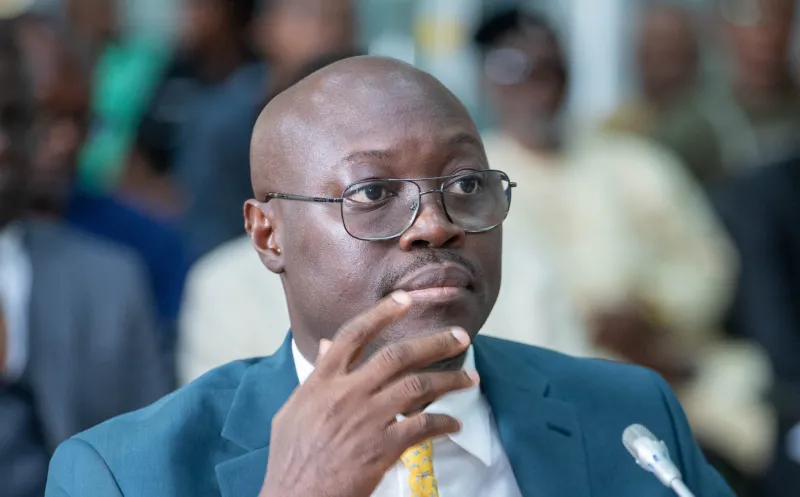
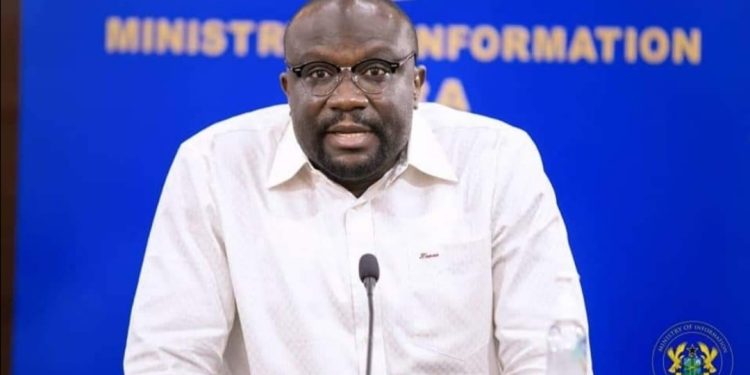
In a strong statement ahead of the upcoming mid-year budget review scheduled for Thursday, the Importers and Exporters Association of Ghana (IEAG) has voiced its dissatisfaction with the Minister for Finance, Dr. Cassiel Ato Forson. The association expressed concern over what they perceive as a neglect of inclusive stakeholder engagement in the government’s consultation process. Samson Asaki Awingobit, Executive Secretary of the IEAG, shared his frustrations during an interview with Class News, highlighting a significant lack of transparency leading up to the critical budget discussion. He recounted a recent meeting convened by the Ghana Revenue Authority (GRA) to address proposed reforms to the Value Added Tax (VAT), pointing out that several key trading bodies, including the IEAG, were notably excluded from these important conversations. Awingobit recalled that Dr. Forson had previously assured stakeholders during the main budget presentation that there would be broad consultations before implementing any new tax measures, especially concerning the contentious VAT reforms. Yet, as the mid-year budget review approaches, he lamented that there has been no engagement or prior consultation with the Finance Minister. “There has been no dialogue, and we do not expect anything new from the government. Our concerns were never solicited or heard,” Awingobit stated, urging the government to honor its commitments and ensure that all relevant stakeholders, particularly those directly impacted by tax policies, are adequately represented in such critical discussions. He emphasized the importance of open dialogue and transparent policymaking processes. “Sustainable economic development hinges on the government’s willingness to listen to the voices of its economic partners,” Awingobit concluded, signaling the association’s resolve to continue advocating for a more inclusive approach to economic governance. As the budget review looms, the IEAG remains vigilant, calling for accountability and collaboration in shaping the nation’s financial landscape. Source: Apexnewsgh.com
NDC Claims Victory Over Alleged Electoral Fraud with Innovative Surveillance

Dr. Edward Omane Boamah, the Director of Elections and IT for the National Democratic Congress (NDC), proclaimed that the party successfully thwarted alleged electoral fraud schemes orchestrated by the then-ruling New Patriotic Party (NPP). The turning point, he revealed, came with the activation of the NDC’s innovative body camera surveillance strategy deployed nationwide. Addressing party supporters and stakeholders during a post-election review, Dr. Boamah highlighted the pivotal role that body cameras played in both exposing and deterring electoral malpractice at polling stations. “The NPP’s rigging strategies collapsed the moment we activated all our body cameras across the country,” he stated, emphasizing the effectiveness of the initiative. He described this technological advancement as a “game-changer” that not only protected the integrity of the electoral process but also returned power to the hands of the people. The vigilance and discipline exhibited by NDC agents, equipped with these cameras, were paramount in ensuring a credible and transparent electoral outcome. Analysts have since noted the NDC’s innovative approach to election monitoring as a significant factor in the party’s successful electoral performance. The commitment to leveraging technology was clear, as Dr. Boamah reinforced the party’s dedication to using innovation and transparency tools in future elections. “Our aim is to safeguard democracy and prevent electoral manipulation at all costs,” he affirmed, rallying supporters around the idea that the fight for fair elections continues. With the 2024 elections behind them, the NDC is already looking ahead, determined to build on their successes while ensuring the integrity of the democratic process in Ghana. Source: Apexnewsgh.com
President Mahama Promises Road Contractors’ Return to Vital Projects

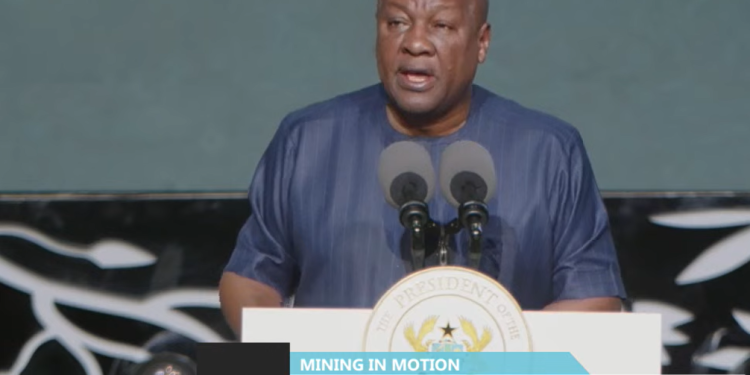
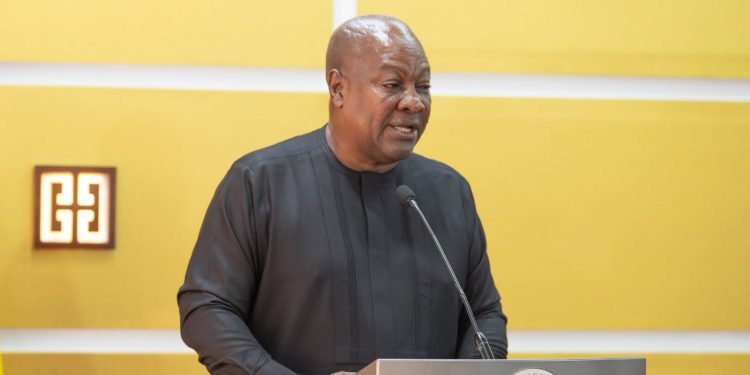
In a heartfelt address during his Thank You Tour in Koforidua, President John Dramani Mahama shared encouraging news for citizens across the nation: road contractors who have long abandoned key projects will soon be back at work. Apexnewsgh reports This development follows the completion of an extensive audit conducted by the Auditor-General, which examined road contracts awarded under the previous administration. “The audit has been completed, and we are now in a position to move forward with these critical projects,” President Mahama stated, radiating optimism about the future of infrastructure in Ghana. He highlighted the significance of these roadworks as part of the government’s ambitious Big Push Agenda aimed at revitalizing the nation’s infrastructure. In his address, President Mahama promised that every region would see tangible benefits from this initiative, ensuring that no community would be overlooked. “Every region will benefit—no community will be left behind,” he assured the audience, reinforcing his administration’s commitment to equitable infrastructure development. The President underscored the vital role that road construction plays in driving national growth and promoting regional integration. As he laid out the path forward, he also took a firm stance against corruption among contractors. He warned that any contractor found to have received payments from both the Road Fund and the Ministry of Finance, a practice referred to as double-dipping, would face serious consequences. “There will be no room for impunity. Accountability and transparency are pillars of this administration, and anyone found guilty of financial misconduct will be dealt with,” he declared firmly, setting a clear expectation for contractors as the government moves ahead with these key infrastructure projects. As the tour continued, President Mahama’s commitment to enhancing Ghana’s infrastructure resonated with many, offering hope for improved roads and connectivity across the country. Source: Apexnewsgh.com
Bank of Ghana promotes inclusive finance on Non-Interest Banking & Finance
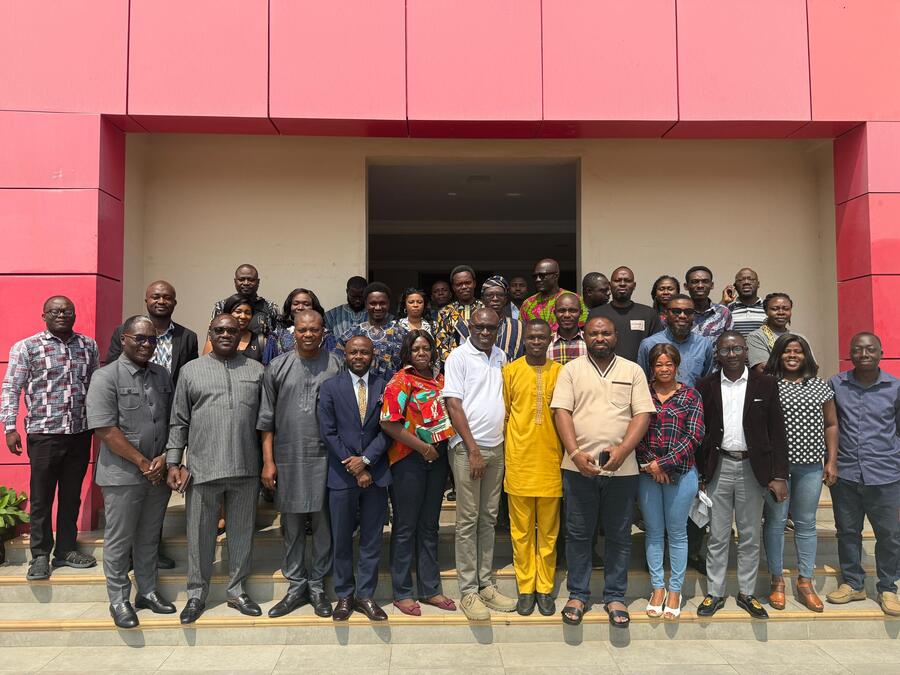
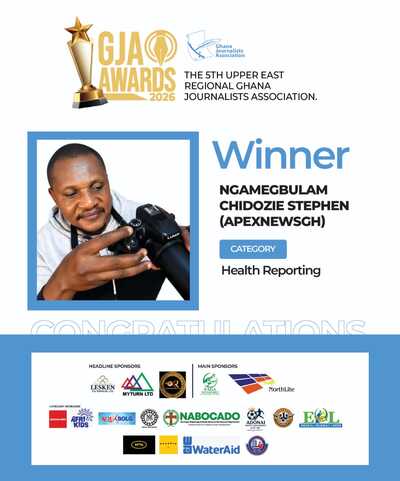
The Bank of Ghana (BoG), in collaboration with the Ghana Journalists Association (GJA), organized a landmark media engagement workshop on Non-Interest Banking and Finance (NIBF) . Apexnewsgh reports The initiative held in Koforidua from July 18 to 20, 2025, aimed at enhancing media understanding of NIBF as a tool for ethical, inclusive, and sustainable financial development in Ghana. Speaking on behalf of the Governor, Dr. Johnson P. Asiama, the Director of Banking Supervision Department, Mr. Ismail Adam, reiterated the Bank’s commitment to creating a robust legal and institutional framework for implementing non-interest banking. “This workshop is part of BoG’s broader stakeholder engagement strategy to equip the media to lead public education efforts,” Mr. Adam said. Non-Interest Banking, also known as Islamic or Participatory Banking, operates on profit-and-loss sharing principles and prohibits interest-based or unethical transactions such as gambling and speculative investments. It is open to all Ghanaians, regardless of religion, and complements conventional banking. With global NIBF assets surpassing USD 5 trillion in 2024, Mr. Adam stressed its growing influence in both Muslim and secular economies. He noted that NIBF supports key goals of the UN Sustainable Development Goals (SDGs), particularly reducing inequality, promoting decent work, and financing infrastructure projects through ethical means. Participants, including media practitioners, were sensitized on the fundamentals of Islamic finance, its role in financial inclusion, risk-sharing, and sustainable development. They were also urged to demystify misconceptions such as that Islamic banking is solely religious or a threat to conventional banking and instead promote its benefits for SMEs, trade, and Ghana’s 24-hour economy. Special commendation was given to Prof. John Gartchie Gatsi, Advisor to the Governor on NIBF, for his leadership in spearheading the initiative. The BoG emphasized its inclusive approach—bringing on board Christians and Muslims alike—to build a financial system that is representative, equitable, and supportive of Ghana’s economic aspirations. A national policy on NIBF is currently being developed. The workshop forms part of BoG’s multi-phase stakeholder engagement strategy targeting professional bodies, academia, regulators, and the media. The overarching goal is to integrate NIBF into Ghana’s mainstream financial ecosystem, increase foreign direct investment, and enhance socio-economic development. Journalists lauded the initiative as timely, strategic, and vital for public financial literacy. Source: Apexnewsgh.com/Ngamegbulam Chidozie Stephen
The Asantehene Champions Local Empowerment in Ghana’s Mining Sector

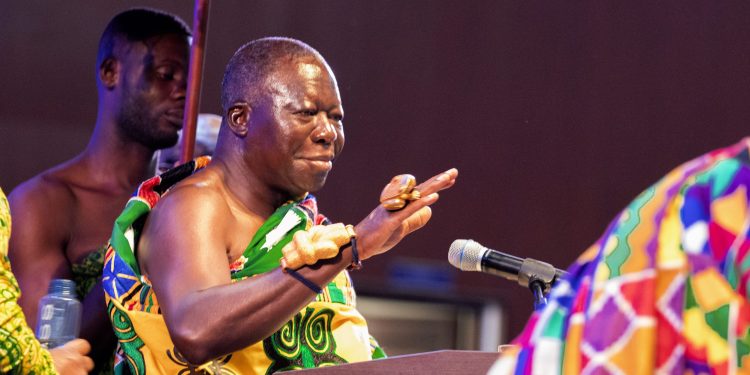
In a thought-provoking address, the Asantehene, Otumfuo Osei Tutu II, passionately advocated for a pivotal shift in Ghana’s mining industry. Apexnewsgh reports During a recent meeting of the Ashanti Regional House of Chiefs, he made a compelling case for large-scale mining concessions to be awarded to local investors rather than foreign entities. “Imagine a Ghana where our own people own and operate the mines, reaping the benefits for future generations,” he urged, suggesting that increased local ownership would lead to more meaningful and lasting economic benefits for the nation. The Asantehene pointed to Johannesburg, South Africa, as a prime example, showcasing how indigenous control over mining enterprises can drive national development and create substantial wealth. His words resonated particularly in light of growing apprehension regarding the dominance of foreign companies in Ghana’s mining sector. Critics have voiced concerns that this trend not only limits long-term national gain but also undermines the country’s developmental potential. Otumfuo Osei Tutu II stressed that it was time to move beyond the current system, where foreign firms extract resources while local communities receive minimal returns. He advocated for empowering Ghanaian businesses and individuals to take the lead in mining operations, ensuring a more equitable distribution of the country’s vast mineral wealth. In a bold call to action, the Asantehene urged traditional leaders to shift their focus from merely accepting royalty payments to pursuing equity stakes in mining ventures. He argued that such an approach would promote local participation and secure sustained benefits for future generations. His passionate plea aligns with a growing national advocacy for economic empowerment and resource nationalism as Ghana navigates new strategies to maximize the value derived from its abundant natural resources. With the Asantehene’s leadership, there is a hopeful vision for a future where Ghanaians thrive through their rich mineral heritage. Source: Apexnewsgh.com