


Traders Group Blames Soaring Prices on Corruption at Ghana’s Ports
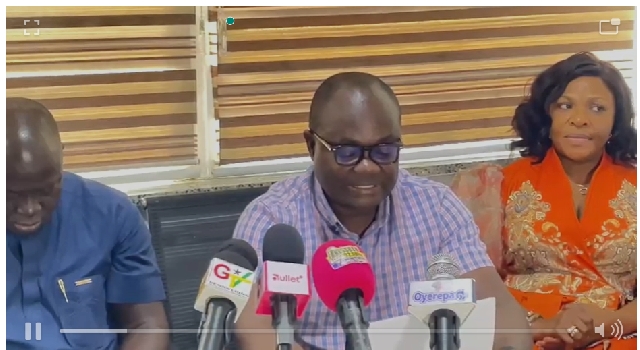
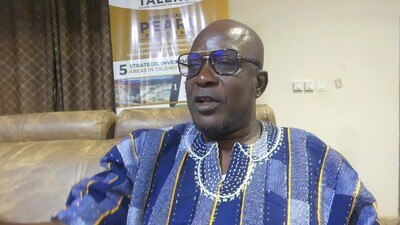
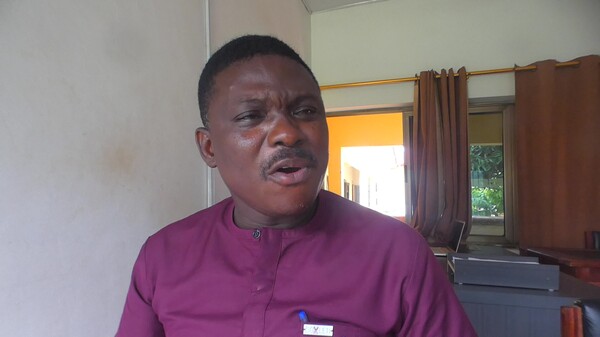
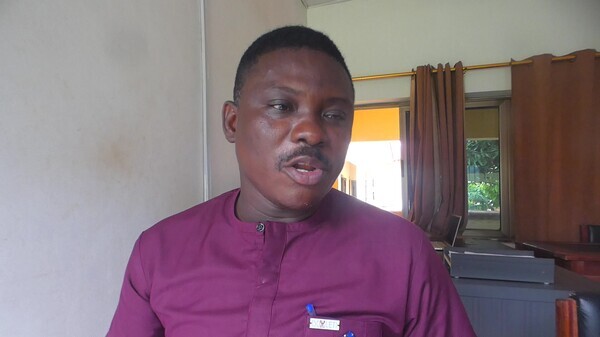
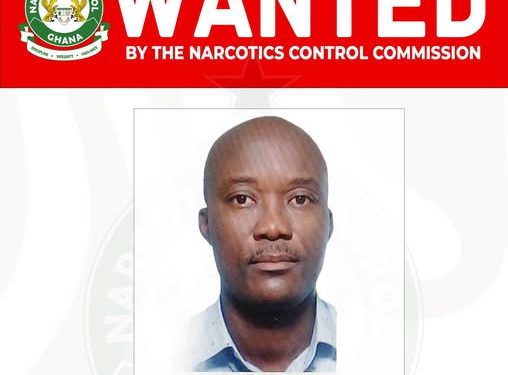
The persistent surge in prices of goods across Ghana has been linked to alleged bribery and corruption within the Customs Division of the Ghana Revenue Authority (GRA), according to the Traders Advocacy Group Ghana (TAGG). Speaking at a press conference in Accra, TAGG President Daniel Kwadwo Amoanteng revealed that the rising cost of importing goods is no longer solely a matter of official duty charges. Instead, he said, traders are being forced to pay “hidden payments” demanded by some customs officers at the country’s ports. These unofficial charges, Amoanteng stressed, are pushing traders to hike retail prices in order to recover their increased expenses. Amoanteng noted that many TAGG members have complained of extortion, delays, and unnecessary obstacles during the clearance of goods. He pointed to a specific case involving Prince Daniels Mensah Odai, the head of the Ashanti Region Task Force, who allegedly intercepted two containers cleared in Accra, accused the importer of undervaluation, and demanded GHS 120,000, eventually settling for GHS 40,000 paid via mobile money and cash. After the incident was reported, the officer reportedly tried to legitimize the payment by depositing it into state coffers. TAGG has called on the government to take immediate action by cleaning up operations at the ports, increasing oversight, and addressing corruption within the customs service. The group maintains that without such interventions, the cycle of rising import costs and higher consumer prices is likely to continue unabated. Source: Apexnewsgh.com
WHO Sounds Alarm on Gender-Based Violence as Global Crisis Persists
The World Health Organisation (WHO) has sounded a grave warning over the ongoing crisis of gender-based violence (GBV), calling it a public health emergency that continues to devastate the lives of one in three women around the world. In a statement released to mark the International Day for the Elimination of Violence Against Women, WHO underscored the profound and lasting physical, mental, sexual, and reproductive health consequences faced by survivors. The organisation also highlighted the often-unseen toll on children who witness violence at home, leaving them at greater risk for emotional and behavioural issues. WHO noted that health workers are frequently the first—and sometimes the only—professionals whom survivors turn to for support. This reality, the organisation stressed, underscores the urgent need for robust, survivor-centred health systems capable of responding to the complex needs of those affected by GBV. In the Eastern Mediterranean Region, WHO EMRO reiterated its ongoing support for Member States by training healthcare providers, strengthening system-wide responses, and improving cross-sector coordination to ensure that no survivor is left unseen or unsupported. The statement drew attention to the heightened risks faced by women and girls in emergency settings, such as refugees and those displaced by conflict, who are vulnerable to violence both online and offline. Women and girls with disabilities, WHO added, confront even greater obstacles in seeking help. Reaffirming its commitment, WHO called for inclusive, accessible, and safe health services where every woman and girl can seek care and support with dignity and without fear. Source: Apexnewsgh.com
Chinese Defence Attaché Visits Ghana’s Defence Ministry, Pledges Stronger Security Ties
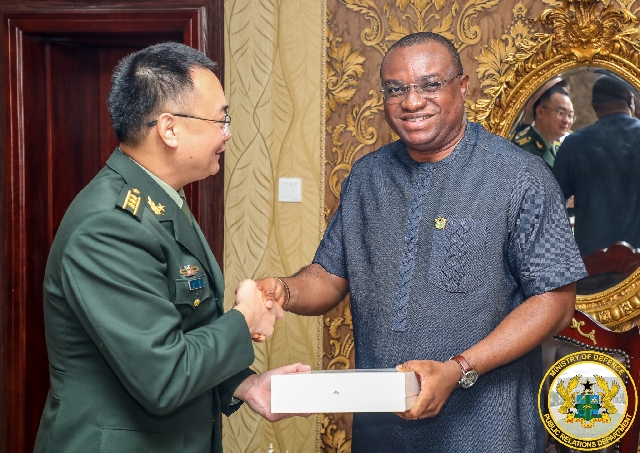
Colonel Dou Yan, the Chinese Defence Attaché to Ghana, paid a working visit to the Ministry of Defence, underscoring the deepening diplomatic engagement between Ghana and China. Welcoming Colonel Dou Yan, Deputy Minister for Defence Mr. Ernest Brogya Genfi expressed sincere appreciation for China’s critical support in the ongoing investigation into the recent Z-9 helicopter crash. Mr. Genfi highlighted that China’s assistance exemplifies its enduring commitment to Ghana’s defence progress. Colonel Dou Yan, in turn, reaffirmed Beijing’s readiness to further strengthen bilateral defence ties. He extended an official invitation to the Deputy Minister to visit China, aiming to facilitate additional high-level dialogues and collaboration. Discussions during the visit centered on expanding military-to-military cooperation and identifying new avenues for partnership, particularly in capacity building, technological advancement, and operational support. Both sides agreed that deepening cooperation would yield mutual benefits and strengthen the security architecture of both nations. Source: Apexnewsgh.com
CDS Visits Injured Soldiers at 37 Military Hospital, Pledges Support and Safety Review
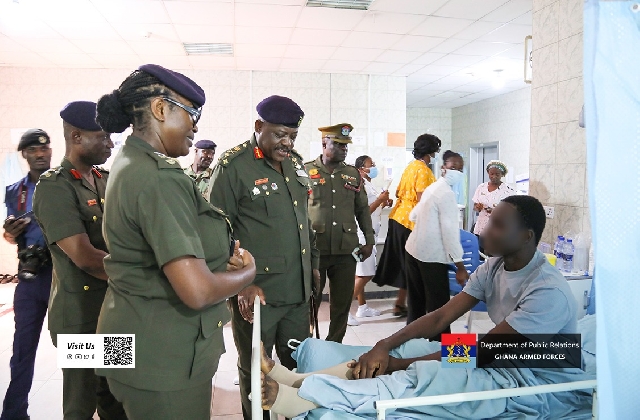
Lieutenant General William Agyapong, Chief of the Defence Staff (CDS), has paid a compassionate visit to military personnel recuperating at the 37 Military Hospitals after a recent vehicular accident between Salaga and Tamale. The accident, which occurred late last week, involved a military vehicle carrying duty-bound personnel. Several officers sustained injuries of varying severity and were promptly airlifted to Accra for specialised treatment. On Monday, 24 November 2025, Lt. Gen. Agyapong met with the wounded soldiers, extending the Ghana Armed Forces’ unwavering support and personally commending the hospital’s medical team for their rapid and professional response. He assured the injured officers that every effort would be made to provide them with the best possible care. The CDS also announced that a full investigation would be launched to determine the cause of the accident and to review safety protocols for troop movement and operations. The families of those injured voiced their gratitude for the visit and the ongoing commitment shown by the Armed Forces’ leadership to the welfare of its personnel. Source: Apexnewsgh.com
Majority Caucus Stresses Transparency and Public Input in Ghana’s Lithium Mining Negotiations
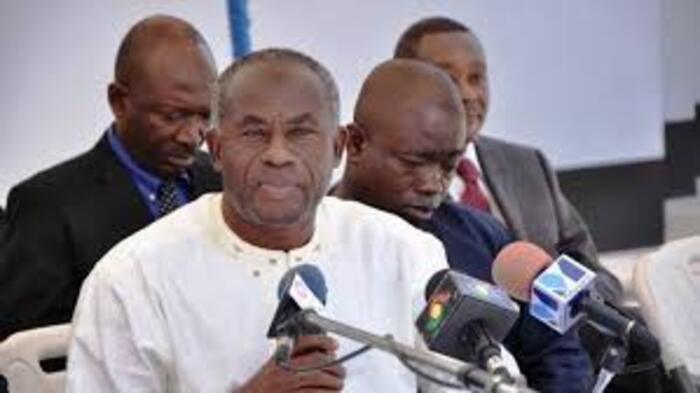
The Majority Caucus on the Lands and Natural Resources Committee has put the spotlight on the need for public participation and legal clarity in Ghana’s lithium mining negotiations, insisting that the country’s mineral wealth must be managed through open and transparent processes. Committee Chairman Alhaji Collins Dauda, speaking to the media, outlined the evolving status of the lithium mining agreement currently before Parliament. He drew attention to the significant differences between the original deal presented in 2024 and the revised version now under consideration. According to Dauda, the initial agreement between Ghana and Barari DV Ghana Limited, tabled by then-Minister for Lands and Natural Resources Abu Jinapor, was the result of consultations with traditional authorities and state agencies. However, during parliamentary scrutiny, concerns surfaced over the royalty rate and the fairness of the proposed terms. The 2024 agreement recommended a 10% royalty on lithium, a figure that contradicted Ghana’s Minerals and Mining Act, which, after a 2010 amendment, sets a flat royalty rate of 5%. The committee advised that the law needed to be amended to accommodate this higher rate, but no such amendment occurred, rendering the agreement legally non-compliant and halting its ratification. The new agreement, submitted by the current administration, aligns royalty payments with the legal 5% rate, with Dauda stressing that any future increase would require a formal amendment to the law. To ensure a fair and inclusive process, the committee has launched a wide-ranging public consultation, publishing notices and inviting stakeholder input on the agreement’s terms and the country’s broader approach to lithium mining. Dauda assured that no agreement will be ratified until all legal requirements are met and the perspectives of Ghanaians are fully considered, reaffirming the committee’s commitment to a transparent and beneficial outcome for the nation. Source: Apexnewsgh.com
President Mahama Hails Ghana-UK Partnership During Prince Edward’s Visit
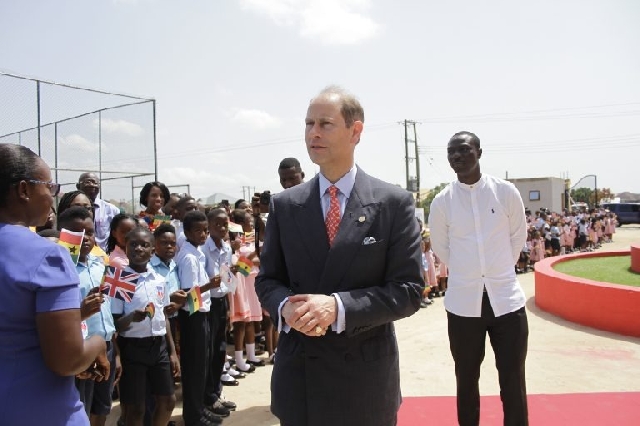
A renewed spirit of friendship was on display at the Jubilee House as President John Dramani Mahama welcomed the Duke of Edinburgh, Prince Edward, reaffirming Ghana’s deep and enduring ties with the United Kingdom. The occasion, marked by ceremonial warmth and diplomatic candor, underscored the shared values, historic bonds, and mutual interests that continue to unite the two nations. Addressing dignitaries gathered at the forecourt, President Mahama reflected on the shifting landscape of international relations. He emphasized that, in the face of mounting global challenges, strengthened multilateralism and close collaboration remain more crucial than ever. The President lauded the UK’s leadership on climate change and called for even greater cooperation to address pressing environmental issues. President Mahama also highlighted the transformative impact of the Duke of Edinburgh International Award in Ghana. He described the programme as a catalyst for growth among young people, fostering discipline, creativity, and ambition. He assured Prince Edward of Ghana’s commitment to supporting and expanding the initiative, expressing confidence that the Duke’s visit would further boost its reach and positive influence. Prince Edward, in his remarks, echoed his passion for the Award, describing it as a powerful vehicle for empowering the next generation. He noted that the programme continues to instill confidence, resilience, and a strong sense of purpose in young participants, qualities needed to thrive in today’s complex world. The day’s events not only reinforced the goodwill between Ghana and the UK but also spotlighted their shared investment in the future of youth, cooperation, and global progress. Source: Apexnewsgh.com
Traders Group Accuses Customs Task Force of Systematic Extortion in Ashanti Region
A storm is brewing in Ghana’s business community as the Traders Advocacy Group Ghana (TAGG) has leveled grave accusations of extortion against members of the Ghana Customs Division Task Force operating under the Ghana Revenue Authority in the Ashanti Region. At a press conference in Accra, TAGG President David Kwadwo Amoateng painted a picture of a task force gone rogue. What began as an initiative to improve post-clearance checks and ensure fairness for importers, he claimed, has mutated into a machinery for systematic extortion. “Traders initially welcomed the task force, but its operations have fundamentally transformed into an extortion force,” Amoateng said. The group alleges that funds collected from importers under the pretext of revaluation assessments are siphoned back to Accra, creating incentives for senior officers to perpetuate the existence of these task forces. TAGG questioned the necessity of the force, arguing that Ghana Customs already has robust systems in place for valuation and duty collection. “If Customs were prioritising the national interest and implementing their existing mechanisms efficiently, why would an additional task force be necessary?” Amoateng asked. TAGG spotlighted a case it described as emblematic of the wider problem, involving an officer named Prince Daniels Mensah Odai—allegedly the head of the Ashanti Region Task Force. According to the group, Odai intercepted two containers lawfully cleared in Accra, accused the importer of undervaluation, and demanded GHS 120,000 before settling for GHS 40,000, paid through a combination of mobile money and cash. The payment was later deposited into state coffers, purportedly to cover tracks after the incident was reported. Mr. Amoateng suggested this may be only the tip of the iceberg, asking, “How many other importers have fallen victim to this officer?” He also warned that the practice of inflating recovery figures to create the illusion of robust revenue collection is a recurring problem. TAGG delivered a stern message to the new administration, reminding it that similar issues had eroded public confidence under the previous government. The group outlined a four-point demand: immediate investigation into the allegations, a comprehensive audit of all Customs task forces, transparent systems to eliminate extortion, and an independent reporting channel for traders. Cautioning that official statistics on revenue “recoveries” may mask the true nature of the task force’s operations, TAGG concluded that rooting out corruption within Customs is essential for restoring trust, enabling business growth, and supporting the government’s broader reform agenda. Source: Apexnewsgh.com
Presidency Reveals DSS and Military Negotiated Directly with Bandits to Secure Release of Eruku Church Hostages
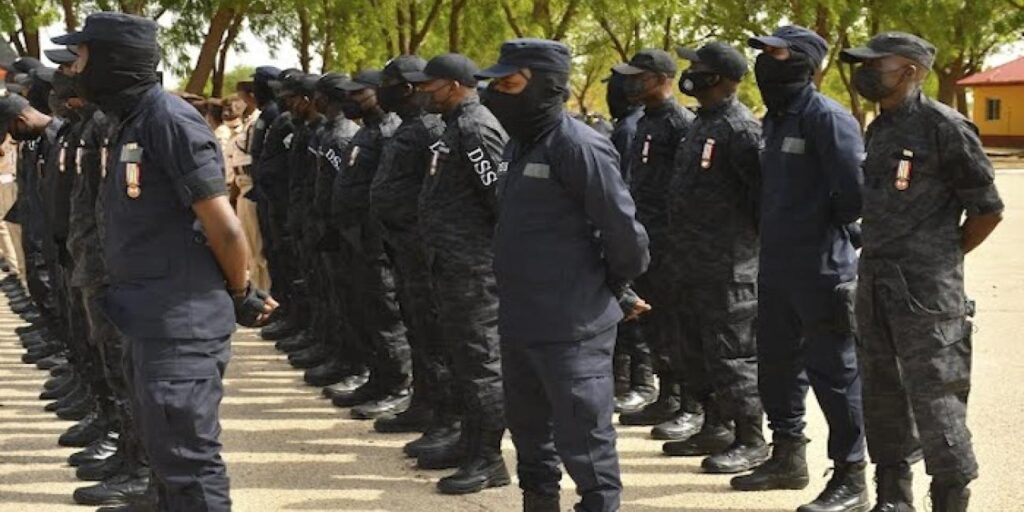
The Bola Tinubu administration has confirmed that Nigeria’s Department of State Services (DSS) and the military made direct contact with the armed bandits responsible for abducting 38 worshippers from a church in Eruku, Kwara State, leading to the victims’ safe release. Bayo Onanuga, Special Adviser to the President on Information and Strategy, shared details of the operation during an interview on Arise Television. He explained that security agencies reached out to the kidnappers with a firm demand for the immediate and unconditional release of the captives. “After the incident happened, the DSS and the military were involved in the rescue efforts. They got in contact with the bandits to release those people unharmed, and finally, on Sunday, they were able to get them out,” Onanuga stated. According to Onanuga, the bandits complied due to their awareness of the grave consequences of defying government orders. He further noted that while security forces have advanced methods to track armed groups, operational caution is often exercised to prevent endangering hostages, who are frequently used as human shields. Pressed on the absence of a direct military confrontation, Onanuga emphasized that the government’s overriding priority was the safe return of the abducted worshippers. “The first thing the government must do is get those people freed. That objective has been achieved. The next level of action is for the security agencies, and I don’t want to pre-empt them,” he said. All 38 abducted individuals were reportedly rescued alive, though officials have withheld further details about the operation or subsequent steps against the perpetrators. The high-profile Eruku abduction has heightened public anxiety over insecurity in Kwara South and nearby regions, fueling calls for enhanced intelligence and improved community protection. Source: Apexnewsgh.com
Bandits Unleash Chaos in Isapa: Pregnant Woman, Children Among Those Abducted in Kwara State
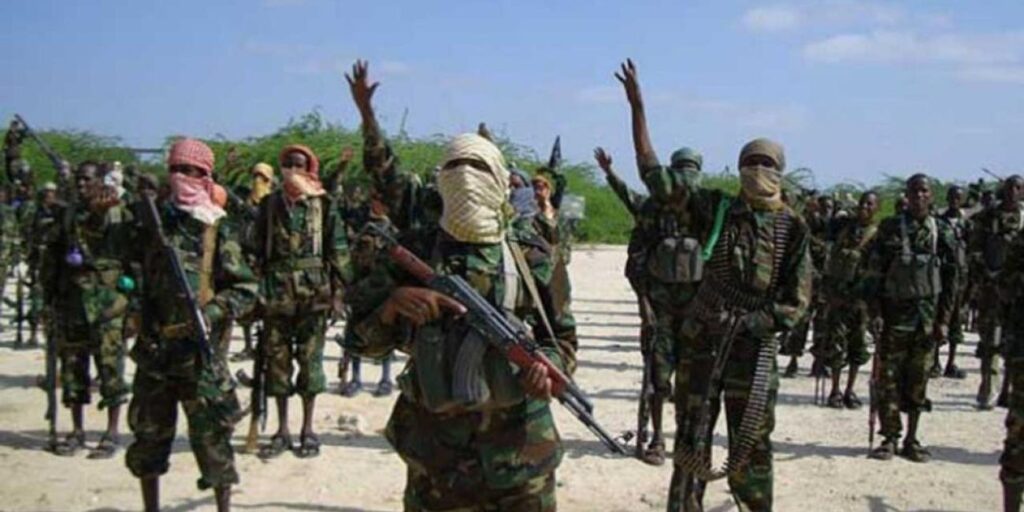
On a quiet Monday evening in Isapa, Ekiti Local Government Area of Kwara State, the sound of gunfire shattered the calm. Around 6pm on November 24, 2025, a group of 20 to 30 armed bandits descended upon the rural community, their arrival marked by a stampede of cattle and the chilling echo of sporadic shots fired into the air and at homes. The violence was swift and targeted. An elderly woman was wounded by a stray bullet, while panic swept through the town as families scrambled for cover. When the chaos subsided, the full scale of the attack came into view: eleven residents had been abducted, including seven members of a single family. Among those taken were a pregnant woman, two nursing mothers, and several children. The victims, now missing, have been named by local sources as Talatu Kabiru, Magaji, Kande, Hadiza, Mariam, Saima, Habibat (a housewife), Fatima Yusufu (a housewife), Sarah Sunday (pregnant woman), Lami Fidelis (a nursing mother), and Haja Na Allah. The gunmen’s path through Isapa was evident in the bullet holes left behind on walls and doors. Expended AK-47 shells littered the streets after the assailants melted away into the night. This latest abduction comes on the heels of another harrowing incident in nearby Eruku, where terrorists stormed a Christ Apostolic Church branch, opening fire on worshippers and killing three people before abducting others, including the pastor. Eyewitnesses in Eruku recounted how the attackers burst into a church meeting, sent congregants fleeing for their lives, and marched their captives into the bush at gunpoint. The two attacks, linked by proximity and the audacity of the perpetrators, have left a trail of fear, grief, and unanswered questions. Residents in both Isapa and Eruku are now gripped by uncertainty, their communities scarred by violence and searching for answers as authorities continue their investigation. Source: Apexnewsgh.com
Deloitte Warns Bank of Ghana’s NPL Target is Ambitious, Calls for Aggressive Recovery Measures

Deloitte Ghana has sounded a note of caution over the Bank of Ghana’s drive to slash non-performing loans (NPLs) to 10% by the end of 2026, describing the target as ambitious and warning that it will require aggressive recovery actions by banks, even as recent trends show improving asset quality. In its analysis following the presentation of the 2026 national budget, the auditing firm described the banking sector’s ability to meet this goal as a crucial test for Ghana’s broader financial stability. The warning comes on the back of positive momentum: Ghana’s NPL ratio has already declined from 22.8% in 2024 to 20.4% as of September 2025, thanks to a stronger cedi, loan write-offs, recoveries, and moderate credit growth. Still, under new NPL reduction guidelines, all regulated financial institutions are now required to submit board-approved strategies outlining how they plan to manage and reduce bad loans over the next year. Deloitte’s report also highlighted a marked improvement in credit conditions, with average lending rates falling from 30.6% in 2024 to 22.7% in 2025, and projected further declines as macroeconomic stability strengthens. On restructuring, Deloitte pointed to a major turnaround at the National Investment Bank (NIB) following government interventions, which included GH¢450 million in cash, GH¢1.5 billion in marketable bonds, and GH¢500 million in Nestlé Ghana shares. These measures have transformed NIB’s negative capital adequacy to a robust 23%, fully restoring compliance and enabling the bank to refocus on supporting SMEs and expanding its transaction capacity. Deloitte further noted that government plans to recapitalize other state-owned banks could help reinforce sector stability, protect depositor confidence, preserve jobs, and prepare these institutions for future listing on the Ghana Stock Exchange. Source: Apexnewsgh.com