

IMF Warns Ghana’s Fight Against Corruption Is at a Breaking Point Amid Chronic Underfunding
Ghana’s battle against corruption is facing a critical threat, with the nation’s key accountability institutions “severely weakened” by persistent underfunding, according to the 2025 IMF Governance Diagnostic Report. The report, conducted in September 2023, cautions that the country’s anti-corruption architecture is approaching a breaking point unless urgent reforms are implemented. The IMF’s findings reveal that major institutions, including the Office of the Special Prosecutor (OSP), the Economic and Organised Crime Office (EOCO), and the Commission on Human Rights and Administrative Justice (CHRAJ), regularly receive less than half of their budgets as approved by Parliament. As a result, agencies tasked with investigating corruption, prosecuting financial crimes, safeguarding public funds, and protecting whistleblowers are left struggling without the basic resources they need to operate effectively. Despite annual budgetary allocations, the report points out that actual disbursements from the Ministry of Finance fall far short, leaving institutions unable to recruit staff, maintain investigations, upgrade technology, or conduct specialised prosecutions. Even the OSP, established to spearhead high-profile corruption cases, is forced to seek clearance from the Ministry of Finance before hiring or paying its own staff, an arrangement the IMF describes as fundamentally incompatible with operational independence. Beyond the financial shortfall, the IMF warns of deep structural vulnerabilities. Ghana’s anti-corruption framework is described as “fragmented, overlapping and exposed to political influence,” with harmful duplication of mandates among the OSP, EOCO, and CHRAJ. The lack of clear coordination protocols, the report says, creates confusion, delays investigations, and allows political actors to exploit institutional weaknesses. The Attorney-General’s sweeping constitutional authority over all prosecutions further undermines the prosecutorial autonomy of agencies like EOCO and the OSP, rendering their independence “more symbolic than guaranteed.” The IMF points to recent high-profile incidents, such as the resignation of the first Special Prosecutor and the removal of the Auditor-General, as evidence of mounting political pressure on Ghana’s anti-corruption bodies. While Ghana has made gains through digitalisation, access-to-information reforms, and improved procurement laws, the IMF asserts that these steps are overshadowed by the deeper structural issues. The report concludes that, without decisive reforms, including guaranteed financing, clearer mandates, and effective insulation from political interference, corruption will continue to drain public revenue, scare off investors, and undermine Ghana’s prospects for economic recovery. Source: Apexnewsgh.com
GNPC and Explorco Refute Allegations Over Data Submission in Springfield Asset Valuation
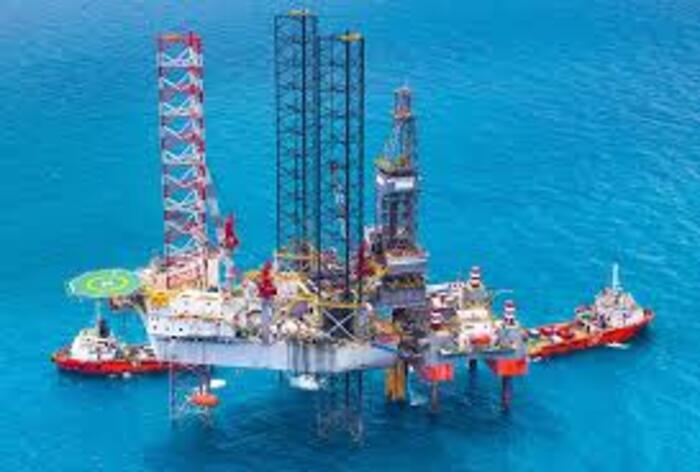
The Ghana National Petroleum Corporation (GNPC) and its subsidiary, GNPC Explorco, have issued a strong denial of recent allegations suggesting their involvement in the submission of outdated or secondary data for valuing Springfield Exploration and Production Limited’s interest in the West Cape Three Points Block 2 (WCTP-2). These allegations resurfaced following a press release from the Ministry of Energy and Green Transition, which claimed that GNPC and Explorco provided 2020 data, previously used in an arbitration case, instead of more recent 2024 appraisal data for valuation purposes. In a detailed statement released on Monday, GNPC and Explorco dismissed the claims as both misleading and inaccurate. They clarified that they never supplied U.S.-based consultancy Sewell & Associates with any secondary data from the 2020 Aryeetey Report. Instead, the corporations pointed out that the Sewell report itself includes a disclaimer confirming that all data used was supplied exclusively by Springfield. GNPC and Explorco further stated that they had received no communication from Springfield regarding the submission of such data and were unaware that Springfield had commissioned the valuation. Responding to the accusation that the same dataset contributed to Ghana losing an international arbitration case, GNPC insisted that the use of 2020 data was “solely Springfield’s” decision. Neither GNPC nor Explorco, they emphasised, influenced or directed the data used for the Sewell valuation. The corporations also highlighted that Sewell’s disclaimer noted the absence of raw geoscience data for the relevant block, and the firm relied on a 2020 GNPC estimate as provided by Springfield. This, they said, clearly demonstrates they were not responsible for the data supplied. Dismissing further accusations, GNPC and Explorco insisted they did not withhold updated 2024 primary data, maintaining they “were not in control of the process” and could not have concealed any information. They also rejected claims of an attempt to inflate valuations, stressing they had no involvement in the data submission process. Addressing a separate allegation that more than US$700 million of state funds were at risk due to manipulated or discredited information, GNPC described this as entirely false. The Corporation asserted that it has never valued Springfield’s asset at US$700 million nor advised the government to make payments on such a basis. Rather, internal evaluations are routine commercial assessments considering various scenarios, not final valuation recommendations. GNPC affirmed that the government is commencing a transparent process to recruit a competent technical firm and transaction advisor to conduct an independent valuation of the WCTP-2 and related assets, using the most current data available. The Corporation reassured the public that all decisions regarding the Springfield asset have been transparent and are conducted in the best interest of the Ghanaian people. The statement was issued by the Corporate Affairs Division of GNPC. Source: Apexnewsgh.com
US Lifts Tariffs on Ghana’s Cocoa and Agricultural Exports, Boosting Bilateral Trade
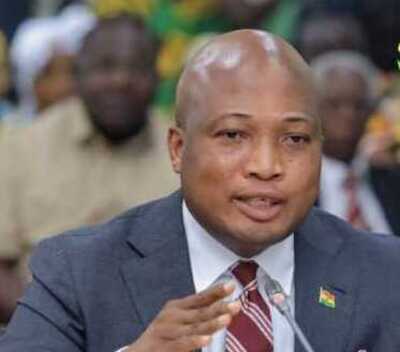
The United States Administration has officially informed the Government of Ghana that President Trump’s 15% tariffs on cocoa and several key agricultural products from Ghana have been rescinded, Foreign Affairs Minister Samuel Okudzeto Ablakwa announced on Monday, November 24, 2025. Breaking the news in a statement posted to his Facebook page, Mr. Ablakwa revealed that US diplomats confirmed the reversal of the tariffs, which took effect on November 13, 2025, following a new Executive Order by President Trump. “Other agricultural products from Ghana now exempted include cashew nut, avocado, banana, mango, orange, lime, plantain, pineapple, guava, coconut, ginger and assorted peppers,” the Minister listed, highlighting the breadth of the fresh exemption. Mr. Ablakwa expressed optimism about the economic impact of the decision. “With an estimated annual Ghanaian cocoa beans export to the US averaging 78,000 metric tons, and at the current spot price of $5,300 per metric ton, Ghana stands to raise additional revenue of US$60 million (GHS667 million) each year resulting from Trump’s tariff rescission.” He described the development as a significant boost for Ghana, noting, “Ghana welcomes this positive development from the US, which is the world’s leading importer of chocolate and cocoa products.” Concluding his statement, Mr. Ablakwa emphasised the strengthening ties between the two countries: “Ghana and the USA will continue to forge closer and mutually beneficial relations.” Source: Apexnewsgh.com
King Tackie Teiko Tsuru II Graces AAAG Conference in Accra, Champions Financial Accountability for Africa’s Future
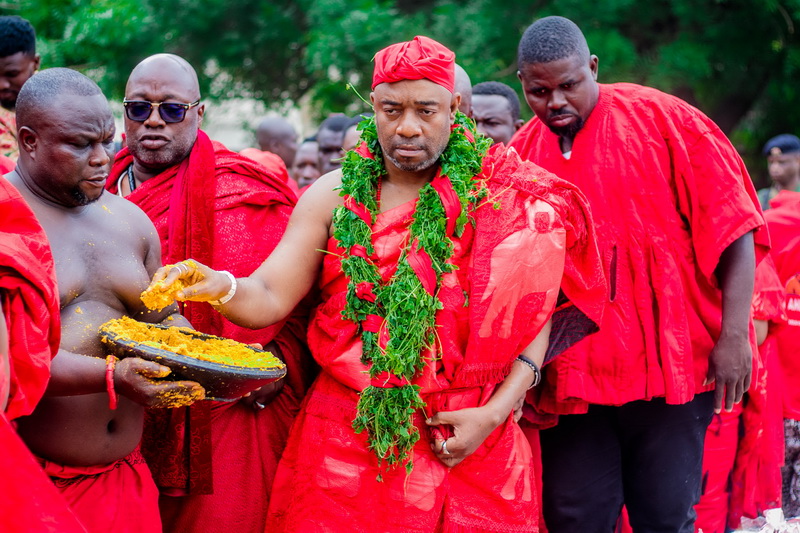
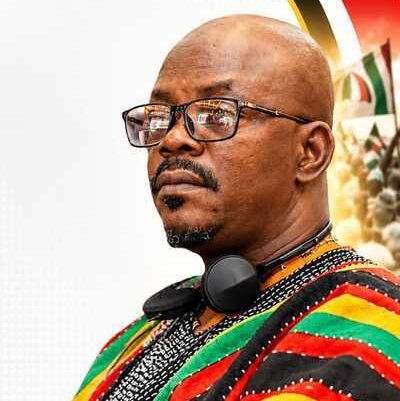
Accra came alive as His Royal Majesty King Tackie Teiko Tsuru II, Ga Mantse, graced the opening of the 3rd Annual Conference of the African Association of Accountants General (AAAG), serving as the esteemed Special Guest of Honour. The prestigious event brought together Accountants General, finance leaders, policymakers, and public sector innovators from across Africa and beyond. Their mission: to deliberate on crucial reforms aimed at strengthening Public Financial Management (PFM) systems and driving economic prosperity across the continent. The conference, themed “Africa of Tomorrow: Positioning Public Finance Management (PFM) for Economic Prosperity,” focused on aligning PFM structures with Africa’s development agenda. Discussions centred on enhancing accountability and harnessing digital tools to improve financial governance, all while ensuring PFM systems support sustainable growth. In his keynote remarks, King Tackie Teiko Tsuru II applauded the organisers for prioritising financial accountability and institutional reform. He underscored the vital role effective PFM plays in Africa’s pursuit of sustainable economic transformation. The Ga Mantse called on African governments to invest in capacity building, modern financial systems, and transparent governance practices to build public trust and foster inclusive growth across the continent. Attracting a diverse delegation of experts and practitioners, the conference is expected to yield actionable recommendations to help countries strengthen fiscal discipline, improve resource mobilisation, and ensure value for money in public expenditure, key steps toward Africa’s economic future. Source: Apexnewsgh.com
Vice President Prof. Naana Jane Opoku-Agyemang Urges AU–EU Leaders to Unite Against Violent Extremism
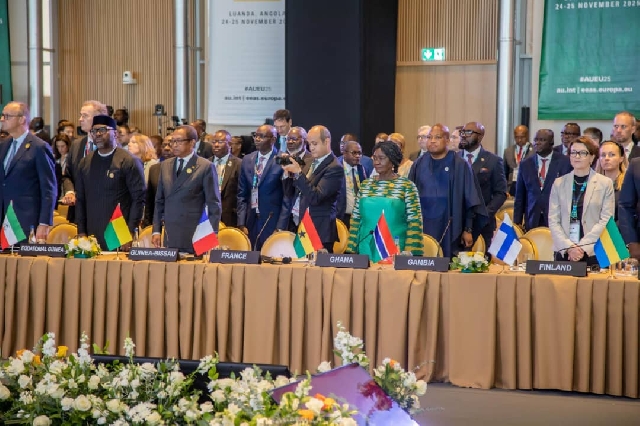
At the 7th African Union–European Union Summit, Vice President Prof. Naana Jane Opoku-Agyemang delivered a powerful message on behalf of President John Mahama, calling on African and European leaders to intensify their joint efforts against violent extremism. Highlighting the growing insecurity in West Africa, she proposed a dedicated regional meeting to find targeted solutions to the pressing threat. “Extremist groups continue to exploit poverty, marginalisation, and political fragility across our sub-region,” Prof. Opoku-Agyemang warned. “Ghana is proposing a focused meeting on violent extremism to tackle the root causes of insecurity through regional unity and community-based peace-building.” Reaffirming Ghana’s commitment to a revitalised AU–EU partnership, the Vice President emphasised the importance of shared values, equity, and mutual respect. She recalled the vision adopted at the 2022 AU–EU Summit, reiterating Ghana’s role in Africa’s transformation agenda, the strengthening of governance systems, and support for regional economic communities. Prof. Opoku-Agyemang also pointed to Ghana’s recent progress in stabilising its economy, mentioning declining inflation, a steadying cedi, and ongoing public financial management reforms. Outlining Ghana’s national development priorities for 2026, she listed: Infrastructure and connectivity to accelerate economic growth Job creation and human capital development for inclusive prosperity Enhanced stability and confidence in governance and fiscal management On the broader security landscape, the Vice President praised the African Peace and Security Architecture as a significant achievement but cautioned that climate change, political unrest, and maritime threats are deepening humanitarian challenges across the continent. She called for renewed commitment to peace-building and resilience. Prof. Opoku-Agyemang commended the European Union’s Global Gateway Initiative, which pledges €150 billion to Africa, particularly in renewable energy and digital infrastructure. She highlighted Ghana’s own priorities under the programme, such as the hydro dam and Wongbo water facility, and advocated for support of an AU waiver on offshore patrols to strengthen maritime security in the Gulf of Guinea. In a historic announcement, she revealed Ghana’s intention to introduce a United Nations resolution on reparations for the trans-Atlantic slave trade, inviting European partners to join as co-sponsors. She described the slave trade as “one of humanity’s gravest injustices.” Citing the late Kofi Annan, Prof. Opoku-Agyemang reminded summit attendees: “There can be no development without security, no security without development, and neither without respect for human rights.” She concluded her remarks by urging Africa and Europe to transform policy commitments into concrete action, insisting that peace, opportunity, and stability must drive the next phase of the AU–EU partnership. Only through a strong and collaborative relationship, she asserted, can the two continents deliver sustainable prosperity for their people. Source: Apexnewsgh.com
A Section of Ghanaians to Stage Protest Demanding Removal of Special Prosecutor
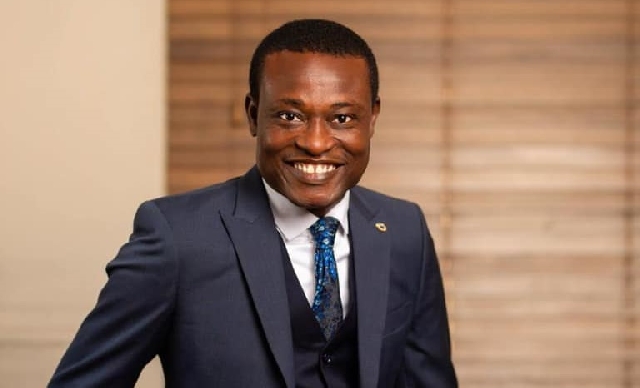
A section of Ghanaians gathered with a single mission: to demand the removal of the Special Prosecutor, Kissi Agyebeng. Their reason was clear; they believed he had failed to fulfill the mandate of his office. The previous day, Apostle Abraham Larbi Lincoln, the lead convener of the protest, addressed the media. He asserted that the group had lost confidence in the Special Prosecutor and called on President John Dramani Mahama to terminate Mr. Agyebeng’s appointment. The protest, themed “Agro Ne Fom,” was intended to shine a spotlight on what the group described as inefficiency within the Office of the Special Prosecutor. “We will be in our reds, and we will be there to present our case. If he doesn’t listen, then we know the kind of person he is. We are marching straight to the Jubilee House, and we will petition the President,” Apostle Lincoln declared, emphasizing the group’s determination. Apostle Lincoln was quick to clarify that their demonstration was not driven by personal animosity. “We do not hate Mr. Agyebeng,” he explained, “but we believe the office must be either reformed or dissolved entirely, with all staff removed.” Adding to the chorus of criticism, private legal practitioner Martin Kpebu revealed that 15 separate petitions had already been filed seeking the Special Prosecutor’s removal. “When was the last time you heard of other persons subject to Article 146 proceedings ever having 15 petitions filed against them? That tells you that there is something wrong,” Mr. Kpebu asserted, highlighting the growing public dissatisfaction with the office. As the protestors prepared to march to the Jubilee House to present their petition, the nation watched to see how the President would respond to their demands and whether the calls for change at the Office of the Special Prosecutor would be heeded. Source: Apexnewsgh.com