









AAK Ghana and Ministry of Food and Agriculture Forge Landmark Partnership to Advance Shea Industry

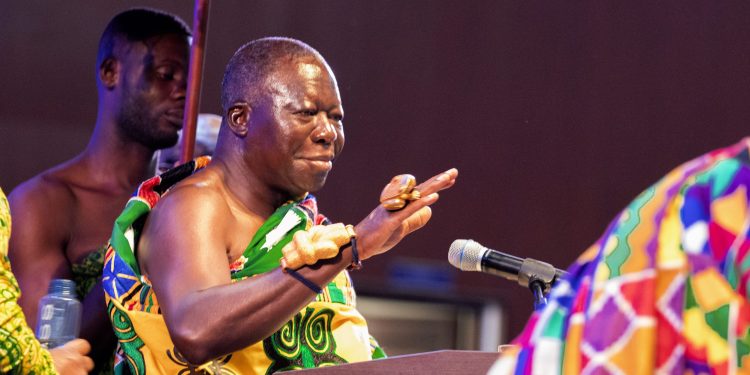
A new era of collaboration has dawned for Ghana’s shea sector as AAK Ghana Limited (AAK) and the Ministry of Food and Agriculture (MoFA) have inked a Memorandum of Understanding (MoU) designed to enhance value addition, competitiveness, and sustainable growth across the industry. The agreement, signed at the Ministry’s headquarters in Accra by Minister Eric Opoku and AAK West Africa’s Vice President, Lasse Skaksen, was witnessed by Denmark’s Ambassador to Ghana, H.E. Jakob Linulf. The presence of diplomatic and sector leaders underscored the strategic significance of the partnership for Ghana’s agribusiness ambitions. Under the MoU, AAK and the Government of Ghana have formalised their collaboration to boost local processing capacity, empower small and medium-sized enterprises, and position Ghana as a major player in the global shea market. The partnership places special emphasis on inclusive growth, targeting women collectors, youth employment, and sustainable sourcing throughout the shea value chain. AAK, a global leader in shea production and procurement since 1958, reaffirmed its commitment to Ghana’s development, spotlighting the recent FairWild certification of its Kolo Nafaso programme—the first ever for shea. This milestone not only sets a new ethical sourcing standard but also supports more than 230,000 women collectors, with plans to expand that number by 70,000 in northern Ghana over the coming years. Speaking during the ceremony, Lasse Skaksen articulated a bold vision: “Ghana has the potential to become a global reference point for value-added shea processing, and AAK intends to be a long-term partner in making that happen.” Skaksen outlined four key priorities under the MoU: expanding Kolo Nafaso’s reach and impact; launching the AAK Ghana Innovation Academy to drive skills development and SME growth; investing in advanced local processing facilities to create jobs and boost exports; and supporting reforestation and parkland preservation in partnership with the Tree Crops Development Authority. MoFA welcomed the partnership, noting its alignment with the government’s Agriculture for Economic Transformation Agenda and the Feed Ghana Programme. Minister Opoku and his team pledged to provide an enabling environment to ensure the success of these investments, recognizing the shea sector’s role in agro-processing, tree crop development, and export-led growth. The event drew senior government officials, sector stakeholders, and representatives of the Danish Embassy, all echoing a shared commitment to transform Ghana’s shea industry from a raw commodity market into a value-driven pillar of the nation’s economy. With this agreement, AAK and Ghana’s government have set the stage for an inclusive, sustainable, and globally competitive shea industry. Source: Apexnewsgh.com
COCOBOD Chief Addresses Payment Delays, Outlines Steps to Support Cocoa Farmers
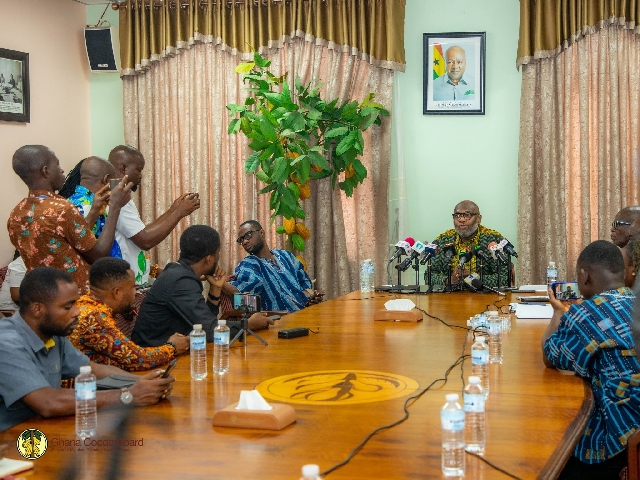
The head of Ghana Cocoa Board (COCOBOD), Dr. Ransford Abbey, has responded to growing unease within the cocoa sector, acknowledging the mounting frustration among farmers facing delays in payments for their produce. Speaking candidly at a press conference held at Cocoa House in Accra, Dr. Abbey explained that recent payment delays stem from a complex mix of liquidity challenges, constrained funding, and a slump in global cocoa prices—all of which have strained the Board’s cash flow and impacted its ability to pay farmers on time. He recognized the hardship this poses for Ghana’s cocoa farmers, many of whom rely on prompt payments to support their families and plan for the next planting season. In his address, Dr. Abbey assured farmers that COCOBOD is actively implementing measures to resolve the issues, stabilize operations, and restore confidence in the system. “We are aware of the difficulties this situation has created and are committed to supporting our farmers. We ask for your patience as we work to improve our financial position and ensure payments are made as soon as possible,” he stated. Dr. Abbey further reaffirmed COCOBOD’s commitment to safeguarding the long-term welfare of Ghana’s cocoa farmers and ensuring the sustainable growth of the nation’s cocoa industry. He emphasized that protecting farmers’ livelihoods remains a top priority, even as the sector navigates ongoing global and financial pressures. The press conference concluded with a call for unity and resilience, as Dr. Abbey encouraged all stakeholders to work together in overcoming the challenges currently facing Ghana’s cocoa sector. Source: Apexnewsgh.com
GFA Expands Black Stars Technical Team, Citing World Cup Ambitions

The Ghana Football Association (GFA) has moved to defend its recent decision to bolster the Black Stars’ technical team, describing the expansion as a calculated step toward elevating the senior national team’s performance ahead of crucial international fixtures and the 2026 FIFA World Cup campaign. Under the leadership of head coach Otto Addo, five new backroom staff members have been appointed to augment coaching support, performance monitoring, medical services, and match analysis. The move is part of a broader effort to ensure the Black Stars benefit from the highest levels of expertise and support available in modern football. Addressing concerns about the cost implications, GFA Communications Director Henry Asante Twum dismissed claims that the expansion is a financial strain. “It is unfortunate for anyone to describe this as a waste of money. That has never been the goal of the FA,” he told Akoma FM. Twum was emphatic that the association’s primary focus is the team’s competitiveness and readiness for the global stage. “Our goal at the World Cup is to make an impact, and we can only achieve that with the best expertise guiding us. We believe these coaches will take us where we want to be.” Twum further clarified that Ghana’s technical team remains lean compared to many other national teams, arguing that the decision is not about increasing the headcount for its own sake, but rather about raising the quality and scope of support. “When you compare the coaches we have assembled with those of other countries, ours are even fewer in number. This is not about increasing the headcount, but about ensuring we put forward the very best to compete at the highest level,” he said. He urged Ghanaians to be patient and expressed confidence that the impact of the new appointments would become clear in due course. “In time, everyone will testify to the impact these additions will have on our progress,” Twum affirmed, underscoring the GFA’s commitment to building a technical team capable of transforming the Black Stars’ fortunes on the world stage. Source: Apexnewsgh.com
Ministry of the Interior Unveils Online Aptitude Test for 2025/26 Security Services Recruitment

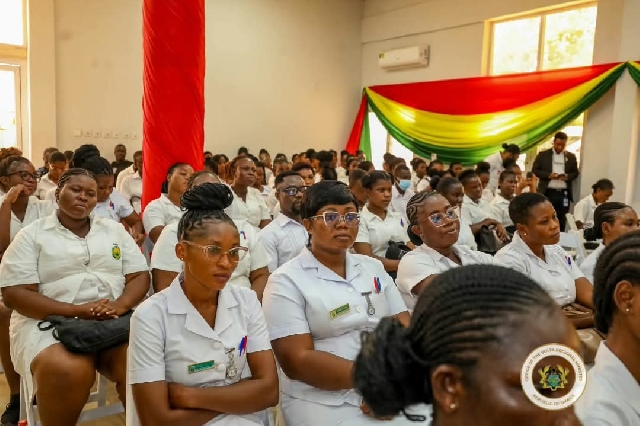
A new chapter in security services recruitment is set to begin in Ghana, as the Ministry of the Interior has announced that the 2025/26 Centralised Services E-Recruitment Portal (C-SERP) aptitude test will be conducted entirely online. This development, detailed in a recent Ministry statement, marks a significant shift in how applicants aspiring to join the nation’s security agencies will be assessed. The online aptitude test forms a central part of the recruitment process for the Ghana Police Service, Ghana Prisons Service, Ghana National Fire Service, and Ghana Immigration Service. To ensure fairness and a smooth examination experience, applicants are required to participate using a computer equipped with a webcam and microphone, an upgrade reflecting the growing integration of technology into national processes. The test will be administered in three distinct category lots, tailored to applicants’ qualifications. Category A, comprising NVTI, JHS, sportsmen, and other certificate holders, will face 30 questions and later participate in a trade test based on their chosen trade area. Category B, which includes HND, Degree, and Master’s holders, as well as Category C for WASSCE applicants, will each tackle 60 questions. For all categories, the pass mark is set at 65 percent. Timelines for the aptitude test have been carefully structured. Category A candidates will sit for their test from Tuesday, 10th February to Friday, 13th February 2026. Category B applicants are scheduled from Saturday, 14th to Tuesday, 17th February, while Category C will be assessed between Wednesday, 18th and Sunday, 22nd February 2026. Each applicant must log in to their respective recruitment portals within these periods to access the exam link. In a move to streamline information, the Ministry will send SMS notifications to all qualified candidates, confirming their test periods and instructions. Importantly, those who have applied to multiple security services will only need to take the aptitude test once—except in cases where they applied under different categories or across agencies. The Ministry of the Interior has urged all applicants to prepare thoroughly and adhere strictly to the guidelines, emphasizing that readiness and compliance are key to a successful recruitment process in this digital era. Source: Apexnewsgh.com/Ngamegbulam Chidozie Stephen
Tuntui: Ancestral Nourishment, Seasonal Renewal, and Health Wisdom from Northern Ghana
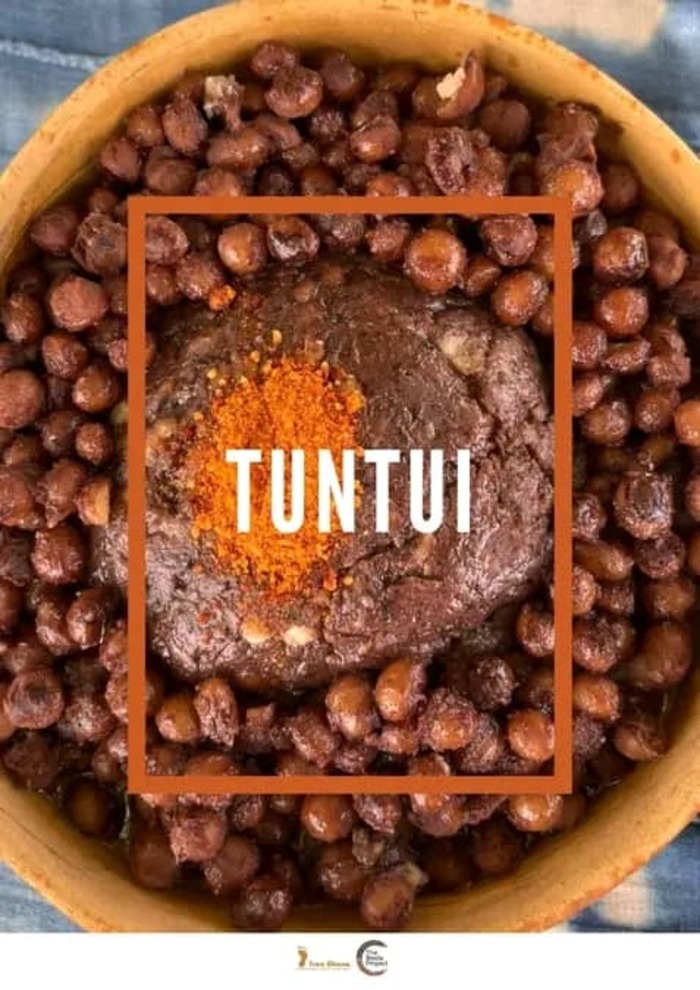
In Northern Ghana, food has always transcended mere sustenance. Meals are woven with memory, medicine, ritual, and identity, passed through generations as vessels of practical wisdom and cultural meaning. Among these ancestral foods, Tuntui stands as one of the most spiritually significant and nutritionally powerful dishes—a ceremonial meal that ushers in the farming season, renews the bond between the living and the ancestors, and fortifies the body for the demanding months of cultivation. Traditionally, Tuntui is prepared at the threshold of the rainy season, between April and May, when the land awakens and farmers return to the fields. This period is one of anticipation and hard work, as granaries dwindle and the physical demands of farming intensify. Tuntui’s dense, slow-digesting composition was designed for this moment, providing long-lasting energy and nourishment during a time of scarcity and exertion. Elders speak of its ability to sustain a person through a full day’s labor—an indigenous understanding of seasonal nutrition and bodily needs, crafted long before scientific validation. Central to Tuntui’s ritual is the act of feeding the ancestors before the living partake. In many Northern Ghanaian cosmologies, ancestors are seen as guardians of fertility, rainfall, and social order. Presenting the first Tuntui to them is a moral and spiritual obligation, seeking their blessings for the new agricultural year and expressing gratitude for survival through the past season. This act reinforces communal ethics: no one eats before the collective—visible and invisible—is honored. A defining ingredient is shea butter—specifically, the first shea butter of the season. Extracted through laborious traditional methods, this “first butter” symbolizes renewal, purity, and ancestral blessing. It enriches Tuntui with healthy fats and bioactive compounds, embodying the belief that nourishment must heal both body and spirit. The use of fresh, unrefined shea butter links the meal to the rhythms of nature and the cycles of life. Though Tuntui is now most commonly served at funerals and major rites of passage, its continued presence at these events underscores its role as a food of transition and continuity. Funerals in Northern Ghana are not just about mourning; they affirm intergenerational bonds and mark movement between worlds. Tuntui, served at these ceremonies, feeds both body and soul, reminding participants of their roots and responsibilities. Modern nutrition science affirms what tradition long knew: Tuntui, made from whole grains, shea butter, and minimal processing, is a nutritional powerhouse. Its slow release of energy, high fiber content, and healthy fats support sustained labor and metabolic health. The added wisdom that one must drink water after eating Tuntui highlights an indigenous understanding of digestion and hydration. Tuntui also exemplifies resilience and food security. Made from local, seasonally available ingredients, it offers a model for sustainable nourishment in a changing climate. As processed foods and new habits challenge traditional diets, Tuntui stands as a reminder that ancestral foodways provide tested solutions for health, sustainability, and cultural continuity. In essence, Tuntui is much more than a meal. It is a seasonal marker, a spiritual offering, a source of strength, and a cultural archive. Its preparation and consumption embody patience, respect, communal responsibility, and bodily wisdom. By honoring Tuntui, the people of Northern Ghana affirm that true nourishment feeds both body and spirit, linking past, present, and future in every slow, sustaining bite. Source: Apexnewsgh.com/ Prosper Adankai/Contributor
Mue Moliga Kunkore: The Quiet Language of Hospitality and Nourishment in the Upper East Region
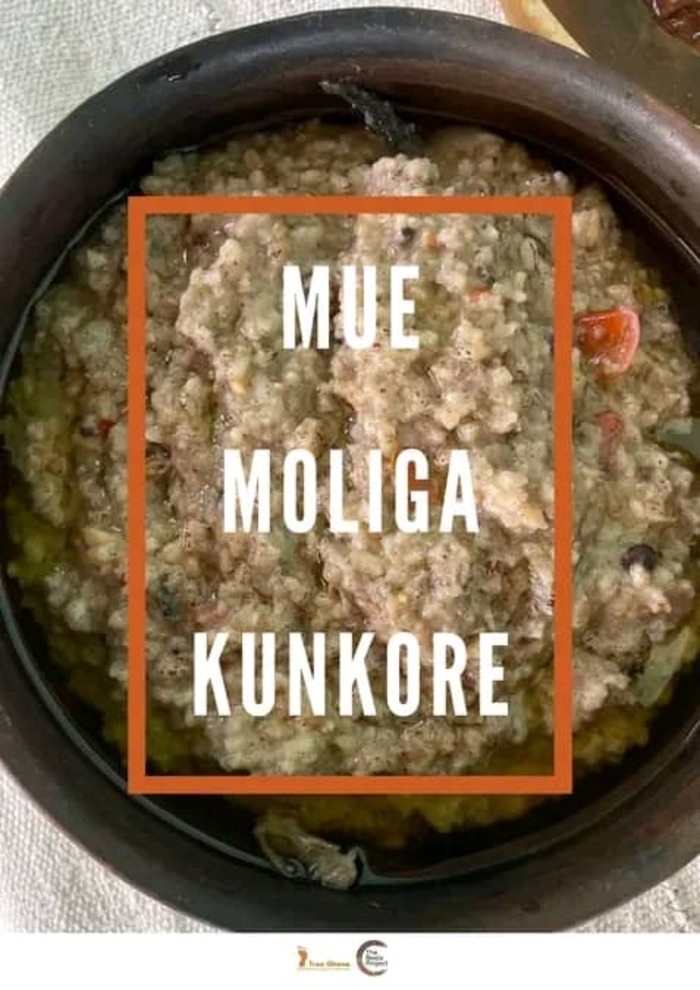
Across Northern Ghana, food has always spoken louder than words. Long before formal invitations or ceremonial welcomes, communities expressed respect, honor, and belonging through what they cooked and how they served it. Among the most profound expressions of this ethic is Mue Moliga Kunkore—a dish prepared not just to feed, but to honor guests and affirm the sacred bond between host and visitor. Mue Moliga Kunkore transcends the realm of everyday food. It is a social ritual and a quiet performance of generosity, reflecting a worldview in which visitors are considered blessings. Its preparation, ingredients, and discreet serving style reveal a sophisticated philosophy—one that prioritizes dignity, respect, and heartfelt welcome. In many Northern Ghanaian societies, hospitality is a moral obligation. Guests, expected or not, are believed to arrive with their own destiny, bearing blessings or significant news. Serving them well is both a social expectation and a spiritual duty. Mue Moliga Kunkore emerged from this belief as a dish reserved especially for visitors, signaling that they are valued and deserving of the household’s best, even when resources are scarce. The act of preparing this dish communicates a simple but powerful message: “You are important. Your presence matters.” Traditionally, households would preserve dried guinea fowl, carefully smoked or sun-dried, and store pre-ground rice for immediate use. This was a mark of foresight and respect, rooted in the understanding that true hospitality means being prepared to give before being asked. This practice symbolized a culture of anticipatory generosity—being always ready to welcome. Guinea fowl, the chosen protein, carries deep symbolism. It is not an everyday food, but one set aside for guests and special occasions, honoring visitors with its rarity and flavor. Pre-ground rice, chosen for ease and speed, ensures that the guest is not left waiting or made to feel burdensome—a mark of emotional intelligence and consideration. Perhaps the most profound aspect lies in the preparation itself. When a visitor arrived, family members would engage them in conversation while the special meal was quietly prepared. The guest often remained unaware that such effort was being made in their honor, reflecting a cultural value: true generosity does not announce itself. Hospitality flowed naturally and unobtrusively, preserving dignity on both sides. Mue Moliga Kunkore was more than nourishment—it was reassurance. The careful preparation, warm conversation, and eventual serving of the dish told visitors they were safe, welcome, and respected. In societies where words of affection may be reserved, food became the language of care and trust. Nutritionally, the dish is balanced and sustaining. Rice provides energy, while guinea fowl offers lean, high-quality protein and essential minerals. The practice of drying meat—developed long before refrigeration—demonstrates traditional wisdom in food preservation, resilience, and food security. Sharing Mue Moliga Kunkore marked the transition from visitor to temporary family member. It set the stage for important conversations, conflict resolution, or celebrations, dissolving social distance and fostering trust. Though modern life has made elaborate hospitality rituals less common, the values embedded in Mue Moliga Kunkore endure. Elders still recount stories of being welcomed with warmth and a meal, prepared quietly and served with heartfelt respect. Today, the dish lives in memory and ceremony, reminding all of a time when food was the quiet language of hospitality. In a fast-paced world, Mue Moliga Kunkore offers timeless lessons: hospitality is an attitude, preparation is respect, and generosity preserves dignity. Reviving knowledge of such dishes means reclaiming values that foster empathy, patience, and genuine community. Source: Apexnewsgh.com/By Prosper Adankai/Contributor
Keamuliga Sagebo La Sama – Namiyela Community: Tradition, Wisdom, and Nutritional Heritage
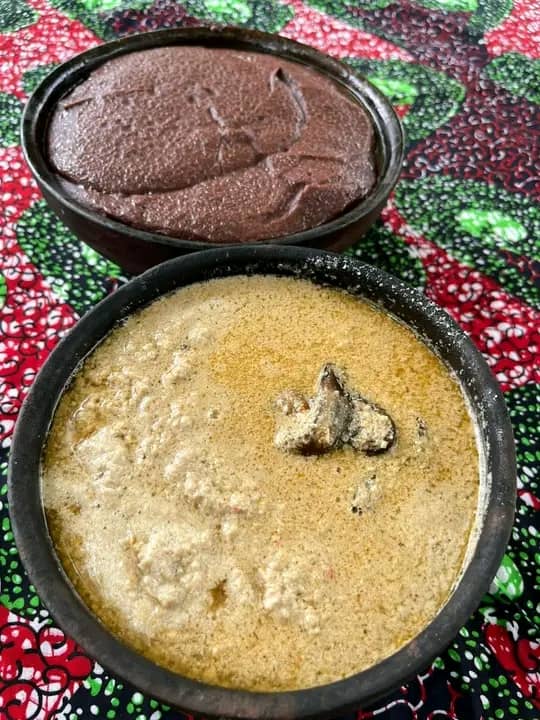
In the fertile heart of Ghana’s Upper East Region, tradition and memory find their most enduring expression at the communal table. Among the dishes that define this region’s culinary identity, Keamuliga Sagebo La Sama, native to the Namiyela community, stands out as a living emblem of resilience, ancestral wisdom, and communal pride. The roots of Keamuliga Sagebo La Sama run deep. For centuries, the people of Namiyela have prepared this dish during moments of significance—harvest festivals, rites of passage, and family celebrations. Its name, drawn from the Gurunsi dialect, reveals its dual heritage: “Keamuliga” refers to a patient, slow-cooking technique over fire, while “Sagebo La Sama” highlights the blend of locally grown grains and vegetables. The dish was born from necessity: to stretch local ingredients into nourishing meals capable of sustaining families throughout the demanding agricultural season. Yet, from that necessity arose a culinary tradition that celebrates both ingenuity and abundance. Preparation was, and remains, a communal affair. Women gather around clay pots and open fires, each bringing knowledge of spice blends, cooking times, and ingredient selection. In this circle, children learn practical skills and cultural values—patience, teamwork, and respect for resources—while elders impart the deeper wisdom of the land. The process transforms simple cooking into a living classroom and a rite of passage. Beyond sustenance, Keamuliga Sagebo La Sama is a symbol of hospitality and togetherness. A plate offered to a guest is an act of welcome and inclusion—food as social glue binding families and neighbors. The use of indigenous grains, leafy greens, and traditional methods reaffirms the community’s relationship with its land and its heritage. In a world where globalized food systems can erode local foodways, this dish stands as a resilient marker of identity and pride. Ceremonially, the dish is woven into the rhythms of the farming calendar. It is prepared and shared to invoke blessings at the start of the planting season, a ritual that entwines nourishment with spirituality and a respect for natural cycles. Such practices reinforce the community’s holistic worldview, where food, health, and nature are inseparable. The ingredients and techniques define the dish’s character. Whole grains—millet, sorghum, or rice—are paired with fresh okra, leafy greens, legumes, and, on special occasions, smoked or dried meats or fish. The grains are carefully soaked and washed, vegetables harvested for peak freshness, and herbs and spices added for both flavor and digestion. Slow cooking over a fire or clay stove develops a deep, smoky aroma and preserves essential nutrients, reflecting the broader Northern Ghanaian philosophy that food should heal and sustain, not just fill. Nutritionally, Keamuliga Sagebo La Sama is powerful. Whole grains provide fiber for digestion and blood sugar control, legumes and meats add protein for growth and tissue repair, and leafy greens and herbs supply vitamins and minerals crucial for vision, bone health, and immunity. The emphasis on seasonal, minimally processed ingredients supports biodiversity and strengthens the community’s food systems. Today, Keamuliga Sagebo La Sama faces the challenges of urbanization and shifting food preferences, but Namiyela’s women and elders have become custodians of its survival. Through workshops, school programs, and hands-on mentorship, they pass down not just recipes, but the stories and values that give the dish its meaning. In this way, the meal remains a vibrant symbol of resilience, continuity, and communal identity. As the world looks for models of sustainable eating and cultural rootedness, Keamuliga Sagebo La Sama offers invaluable lessons. It demonstrates how food can carry memory, identity, spiritual meaning, and ecological stewardship. By honoring this tradition, the people of Namiyela nourish both body and soul, and show that safeguarding culinary heritage is a powerful act of wisdom and community. Source: Apexnewsgh.com/Prosper Adankai/Contributor
Gora La Koose: From Survival to Culinary Tradition in Northern Ghana
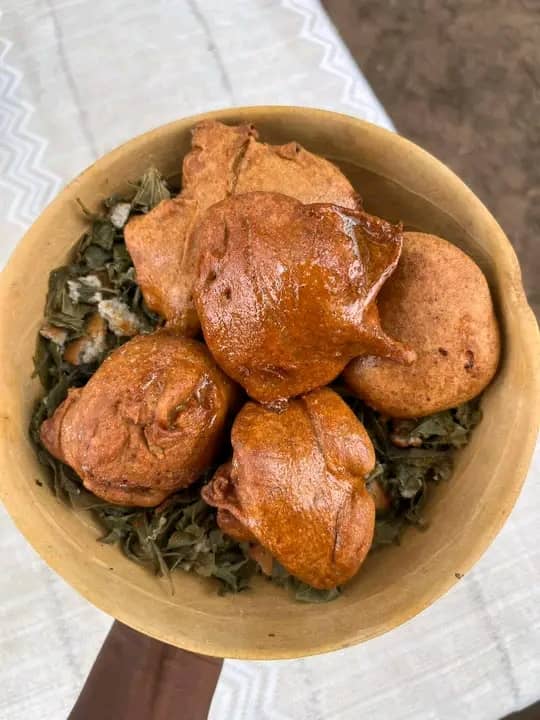
In the heart of Northern Ghana, among the resilient communities of Zaato-Fungu, a dish called Gora La Koose rises above mere sustenance—it tells a story of survival, ingenuity, and enduring cultural heritage. The origins of Gora La Koose are rooted in both resourcefulness and the keen observation of nature. Long ago, elders in Zaato-Fungu noticed monkeys feasting on the fruit of the wild monkey orange tree, a native species with a tough exterior and leaves that, if not handled properly, could be bitter or mildly toxic. Inspired by the monkeys’ instincts and driven by the challenges of food scarcity, the community began experimenting with the fruit and leaves. Through generations of trial and error, they mastered techniques to transform these wild ingredients into safe, nourishing food. What began as a means of survival evolved into a beloved delicacy, celebrated across households and generations. The very name “Gora La Koose” encapsulates this legacy. “Gora” refers to the monkey orange, while “La Koose” describes the method—roasting, grinding, and blending with local grains and legumes. Each step in its preparation is a testament to ancestral wisdom, patience, and communal learning. Beyond its nutritional value, Gora La Koose carries deep cultural meaning. It was traditionally prepared during times of scarcity, but its making was always communal—elders guiding youth, sharing not just methods but stories and values. The act of sharing Gora La Koose became a symbol of hospitality and respect, connecting present generations with their ancestors’ resilience. During festivals and gatherings, the dish is a centerpiece, reminding all of the survival skills and unity that sustained the community through hardship. Preparation is meticulous. Monkey oranges are harvested at peak ripeness, their pulp carefully extracted and leaves collected when bitterness is lowest. To remove toxins and enhance flavor, both undergo roasting and sun-drying. The ingredients are then ground and combined with staples like millet, sorghum, or legumes, along with indigenous spices. The result is a dish rich in texture and flavor, bridging ancient techniques with contemporary tastes. Gora La Koose is also a powerhouse of nutrition. The monkey orange supplies vitamin C and antioxidants, while grains and legumes provide fiber and protein. The leaves add vital minerals. Traditional knowledge and modern research agree: regular consumption aids digestion, supports immune health, and reduces inflammation. Women have long been the stewards of Gora La Koose’s traditions, teaching its preparation as a lesson in patience, resourcefulness, and land stewardship. Today, their knowledge endures through community workshops and educational initiatives, ensuring that both the recipe and its deeper meanings are preserved for future generations. As global interest in indigenous foods grows, Gora La Koose is gaining recognition beyond Zaato-Fungu. It exemplifies sustainable, community-based food systems that rely on local, seasonal ingredients and traditional ecological wisdom. The dish is more than nourishment: it is a living archive of courage, collaboration, and continuity. To eat Gora La Koose is to taste history—to honor the legacy of ancestors who transformed adversity into tradition, and to sustain a culture where food is both story and sustenance. Through dishes like this, the world is reminded of the enduring power of indigenous knowledge and the importance of preserving culinary heritage for generations to come. Source: Apexnewsgh.com/ Prosper Adankai/ Contributor