
Ghana’s Foreign Minister Demands Probe into Xenophobic Attacks on Ghanaians in South Africa

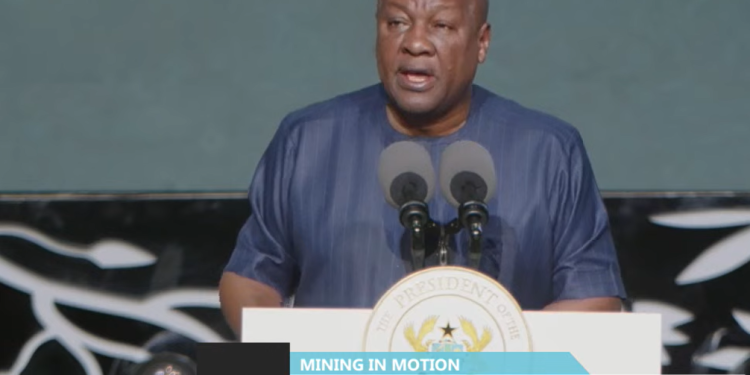
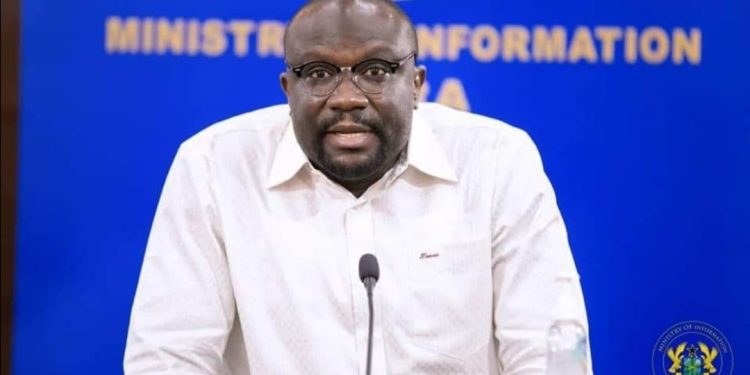
Ghana’s Minister for Foreign Affairs, Samuel Okudzeto Ablakwa, has called for a comprehensive investigation into recent xenophobic incidents targeting Ghanaians in South Africa. The demand comes in the wake of a viral video circulating on social media, which shows a South African woman leading a group of youths to confront a Ghanaian resident, accusing him of overstaying and urging foreigners to return home instead of seeking opportunities abroad. In the widely shared footage, the woman voiced frustration over intra-African migration, insisting that Africans should focus on developing their home countries rather than seeking better prospects elsewhere. The video has sparked outrage and concern among Ghanaians at home and abroad. Reacting to the incident, Minister Ablakwa revealed in a Facebook post on Wednesday, April 22, 2026, that he held a telephone conversation with his South African counterpart, Ronald Lamola. “I called him on the trending videos about Ghanaians coming under extremely disturbing xenophobic attacks in South Africa,” Ablakwa wrote. According to Ablakwa, the South African government has expressed empathy for the victims and assured the Ghanaian government of prompt, full-scale investigations. Authorities in South Africa are also expected to brief African ambassadors on developments. Meanwhile, Ghana’s diplomatic mission in South Africa, led by High Commissioner Benjamin Quarshie, has mobilized to support affected citizens. Ablakwa confirmed that the main victim featured in the viral video has been located and is receiving consular assistance. “He is doing very well. No Ghanaian life has been lost,” the Minister assured. Calling for calm among Ghanaians, Ablakwa reaffirmed the administration’s unwavering commitment to the safety and welfare of its citizens under President John Dramani Mahama. “Let me assure compatriots that the Mahama Administration remains uncompromising about the welfare and safety of Ghanaians, both at home and abroad. We are determined to guarantee the protection of all citizens,” he stated. Despite the tense situation, Ablakwa urged Africans not to let isolated incidents sow division, emphasizing the enduring spirit of Pan-Africanism. “May these regrettable incidents never quench our Pan-African love and solidarity for each other. The overwhelming majority of Africans are united and share an unbreakable bond, we shall not be divided by the hatred of a few fringe elements,” he added. Source: Apexnewsgh.com
Ghana Coalition Against Galamsey Urges NPA to Cut Off Fuel Supply to Illegal Miners
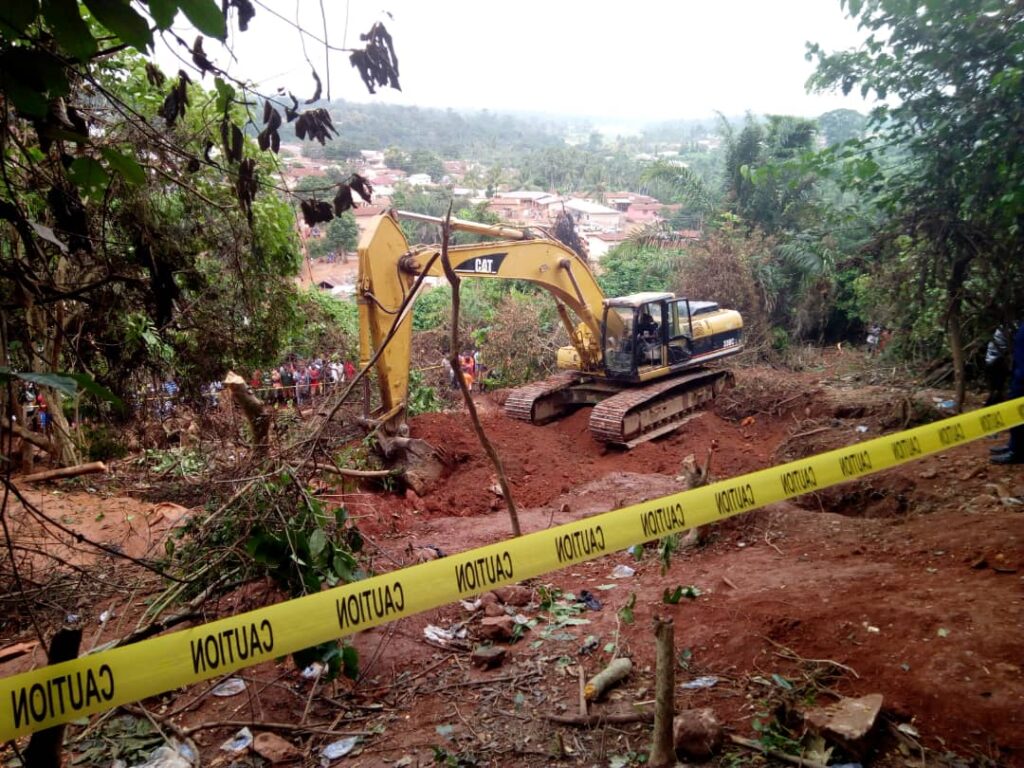
The Ghana Coalition Against Galamsey (GCAG) has sounded the alarm, urging the National Petroleum Authority (NPA) to take immediate and decisive action to stem the flow of fuel to illegal mining operations across the country. In a petition dated Saturday, April 18, and addressed to the NPA’s Chief Executive, Edudzi Tamakloe, the coalition outlined a series of interventions it believes are crucial to disrupting what it describes as the primary driver of galamsey: the easy access to fuel. Among the coalition’s key proposals is a call for the NPA to conduct thorough, data-driven assessments of fuel distribution patterns, with special attention to filling stations in mining hotspots. The GCAG suggests analyzing stations that record unusually high sales volumes compared to the number of registered vehicles in their vicinity, as these may be indicators of fuel being diverted to illegal mining sites. The group further insists that the findings of such assessments should be made public to ensure transparency and accountability. The GCAG also recommends tough sanctions for Oil Marketing Companies (OMCs) found complicit in fueling illegal mining. It proposes the withdrawal of licenses from these firms, a lifetime industry ban for their directors, and the referral of offenders to the Attorney-General for possible prosecution. Additionally, the coalition is advocating for the strict enforcement of “Know Your Customer” (KYC) protocols. This would require fuel suppliers to verify the legitimacy of clients, especially those purchasing large quantities of diesel in bulk containers, a common practice among illegal miners. The group is also calling for closer collaboration between the NPA and security agencies to trace and intercept fuel consignments suspected of being destined for galamsey sites. Moreover, it stresses the need for more rigorous enforcement of environmental regulations, ensuring that those who facilitate illegal mining by supplying fuel are held accountable. GCAG maintains that restricting access to fuel is one of the most effective ways to tackle illegal mining and is pressing for swift, concrete action to protect Ghana’s environment from further degradation. Source: Apexnewsgh.com
The National Petroleum Authority Battles Exodus of Tanker Drivers to Illegal Mining
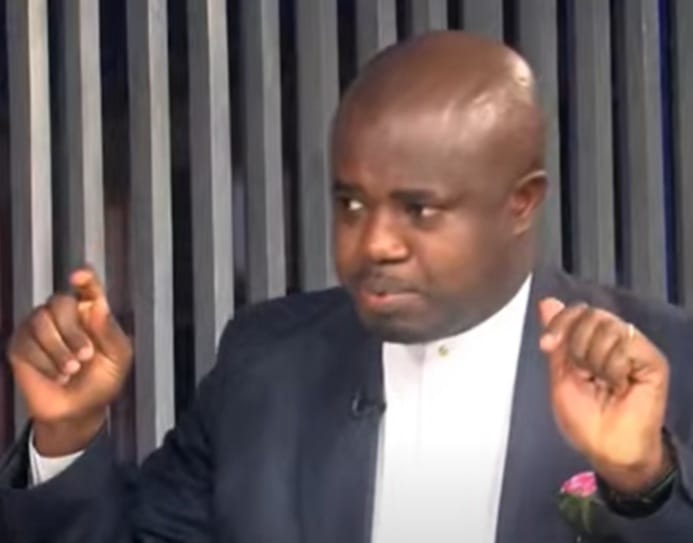
The National Petroleum Authority (NPA) has raised alarm over a troubling trend: fuel tanker drivers and their assistants are leaving the petroleum transportation sector in droves, lured by the promise of quick riches in illegal mining, popularly known as galamsey. This concern took center stage at a meeting with Parliament’s Energy Committee in Accra on Wednesday, April 22. Godwin Edudzi Tameklo, Chief Executive Officer of the NPA, recounted how the industry is feeling the pinch. According to Mr. Tameklo, the relatively low income earned by tanker drivers and their assistants has become a driving force behind the shift. He explained that many drivers now struggle to keep their assistants, especially when their routes take them through mining communities. “Every time the tanker drivers come back, they have different mates,” he observed. “When they go to mining areas to deliver petroleum products, some assistants choose to stay behind, attracted by the higher and faster financial rewards of galamsey.” This exodus, Mr. Tameklo noted, is causing a significant shortage of skilled drivers in the downstream petroleum sector, hampering the safe and efficient distribution of petroleum products across the country. The loss of experienced personnel to alternative sources of income is disrupting operations and raising concerns about future industry stability. In response, the NPA is developing a new remuneration framework for tanker drivers. The initiative aims to standardize salaries and improve working conditions, making the profession more attractive and discouraging staff turnover. Mr. Tameklo expressed hope that these measures will help retain skilled workers and restore stability to the sector. As the NPA works on these interventions, it remains optimistic that better pay and improved conditions will keep drivers on the road, ensuring the safe delivery of petroleum products nationwide. Source: Apexnewsgh.com
Dr Grace Ayensu-Danquah Appointed to Key African Union Health Committee, Elevating Ghana’s Influence in Global Health Reform
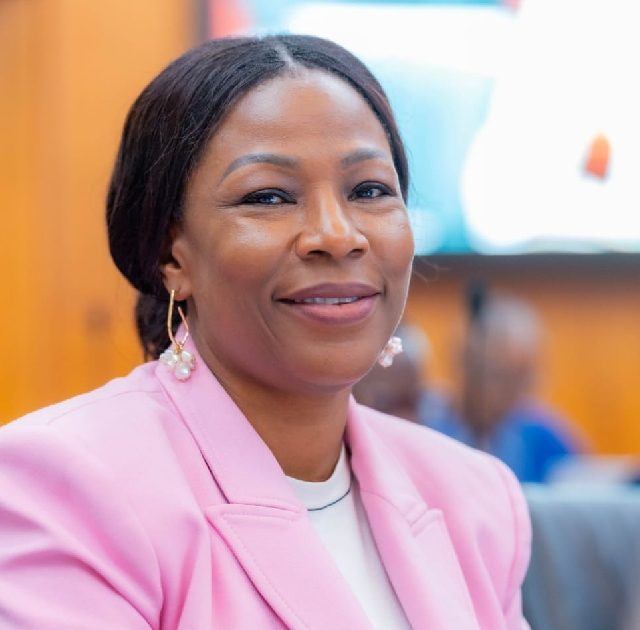
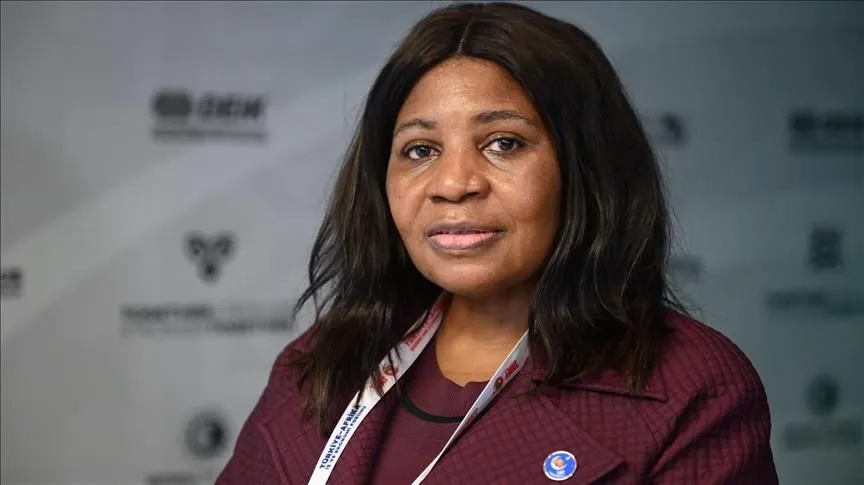
In a move that underscores Ghana’s rising leadership in continental health policy, the Deputy Minister of Health, Dr Grace Ayensu-Danquah, has been appointed as a Secretariat Member of the African High-Level Ministerial Committee (AHLMC). Her new role will see her helping to steer the reform of the global health architecture, ensuring that Africa’s interests and its citizens are placed at the heart of future health systems. The AHLMC, a flagship initiative of the African Union, was established to cement Africa’s influence in global health decision-making and champion a more equitable, coherent, and effective international health system. Dr Ayensu-Danquah, who also serves as the National Democratic Congress (NDC) Member of Parliament for Essikado-Ketan, received her appointment in an official letter dated April 13, 2026, signed by the Director-General of the Africa Centre for Disease Control and Prevention (CDC), Dr Jean Kaseya. The appointment follows a decision by the AU Assembly at its 39th Ordinary Session held in February 2026. Under the direction of the Africa CDC and with support from member states such as Ghana and South Africa, the Secretariat delivers strategic, technical, and operational assistance to the committee. Its responsibilities include engaging high-level stakeholders, providing policy and analytical support, coordinating partners, and implementing agreed reforms. As a member of this Secretariat, Dr Ayensu-Danquah will contribute her expertise to critical priorities such as health governance reform, sustainable financing, equity in healthcare access, resilient health systems, and improved data and accountability. Each of these thematic areas benefits from a dedicated Secretariat, ensuring coordinated action and high-quality outcomes for the continent. Dr Ayensu-Danquah’s credentials are both impressive and wide-ranging. A board-certified general surgeon with advanced fellowship training in trauma, burns, and reconstructive surgery, she is recognised as a leading public health policy expert. Her career includes pivotal roles in Ghana’s health sector, where she has supported efforts to strengthen health systems, expand access to care, and align Ghana’s policies with regional and continental frameworks. The appointment has been seen as a reflection of growing confidence in President John Dramani Mahama’s health policies. It also aligns with the government’s renewed emphasis on health sovereignty, health system strengthening, preventive care, and regional cooperation. President Mahama has made significant investments in public health financing, revitalised the National Health Insurance Scheme, and expanded access to primary healthcare, especially in underserved communities. Notably, he recently introduced the Free Primary Healthcare policy, aimed at helping Ghana reach Universal Health Coverage by 2030. To further these ambitions, President Mahama launched the Ghana Medical Health Trust—an initiative designed to mobilise sustainable funding for critical healthcare delivery, infrastructure, and specialist care. This trust is intended to complement public health financing by channelling resources into priority medical interventions, tertiary care, and high-quality treatment for complex health conditions. The government’s commitment to deepening Ghana’s role in continental and global health governance is equally strong, with active support for initiatives promoting equitable access to medicines, local manufacturing, disease surveillance, and data accountability. Dr Kaseya, Director-General of the Africa CDC, praised Dr Ayensu-Danquah’s experience and leadership, stating that her involvement would “greatly enrich the work of the AHLMC Secretariat” and help drive meaningful reform in global health systems. Dr Ayensu-Danquah’s academic background includes medical degrees from the University of Wisconsin–Madison and the University of Southern California, along with a Master of Public Health from Johns Hopkins University, all in the United States. She maintains active medical licences in California, Michigan, and Maryland, operates a private surgical facility in Accra, and serves as an Adjunct Professor of Surgery at the University of Utah’s Center for Global Surgery. Her service record extends to the Technical Advisory Committee on the Safety of Vaccines and Biological Products of Ghana’s Food and Drugs Authority and Days for Girls International Ghana. Through the Healing Hands Organisation, a non-governmental organisation. Source: Apexnewsgh.com
Banks, Filling Stations, and Telecoms Should Be Mandated to Provide Toilets: Journalist Calls for Bold Action Against Open Defecation
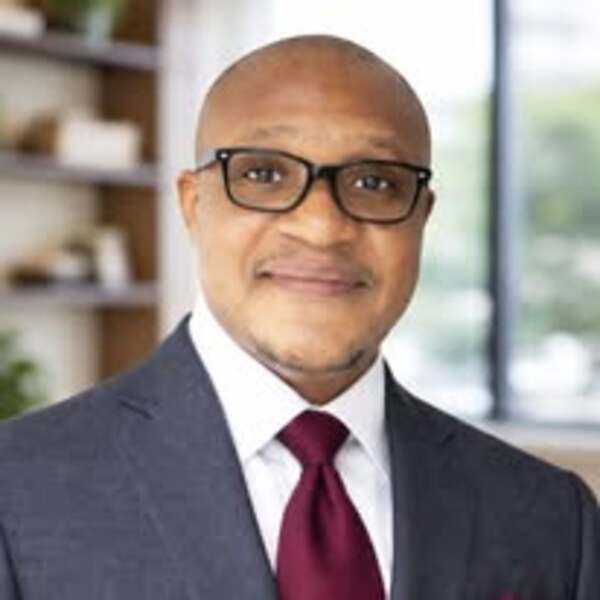
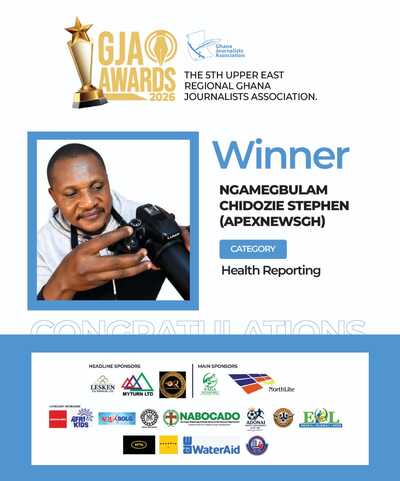
In a passionate call to action, the Editor-in-Chief of Apexnewsgh, Mr. Ngamegbulam Chidozie Stephen, has urged the government, through Municipal and District Assemblies, to enact laws compelling banks, filling stations, telecommunication offices, and other commercial establishments to provide modern toilet facilities for their clients. According to the journalist, such a measure would significantly reduce, and potentially help eradicate, open defecation (OD), a persistent public health crisis affecting both urban and rural communities across Ghana. “Open defecation is a serious threat to our health. It is something that needs to be worked on urgently,” Mr. Ngamegbulam stated. “The government must take it seriously because it affects lives, and when lives are affected, properties are also affected.” Despite national efforts, the journalist cited recent data indicating that as of late 2025, approximately 5.4 million Ghanaians – about 18 percent of the population – still practice open defecation, posing a significant public health risk. The prevalence rate has hovered between 15.2 and 18 percent, with rural areas and villages bearing the brunt. The situation is particularly dire in the Upper East Region. According to the 2021 Population and Housing Census, the region has a population of 1,301,226. Recent studies published in 2025 and 2026 show that open defecation rates there remain critically high, with estimates ranging from 49 percent to a staggering 81.9 percent of households engaging in the practice. “The Upper East Region is consistently identified every year as having one of the highest open defecation rates in Ghana. This is a cause for great worry,” Mr. Ngamegbulam emphasized. Mr. Ngamegbulam argued that tackling open defecation requires innovative thinking beyond conventional approaches. “When issues like this come up, we should be able to think outside the box. What should we do as a people to minimize this, even if we cannot eradicate it completely?” he asked. He pointed to the rapid proliferation of banks, filling stations, and other businesses across communities, yet these establishments rarely provide toilet access for their clients. “It is unfair that you go to a bank to transact business, and unfortunately, you feel the urge to ease yourself, but there is no toilet provision made for clients,” he said. “You are forced to look for a nearby bush, enter there to avoid disgracing yourself, and in doing so, create more health hazards for society.” Mr. Ngamegbulam believes that if these establishments were required to provide appropriate toilet facilities, it would go a long way in reducing open defecation. The journalist proposed a practical solution: Municipal and District Assemblies should enact by-laws making it mandatory for any bank, filling station, or similar facility within their jurisdiction to have a public toilet attached. “If assemblies can consider enacting this in their laws, it will go a long way in the fight against open defecation,” he said. “Everyone needs to come on board to contribute to eradicating this practice from our society.” He also stressed the need for toilet facilities in schools and noted that many homes still lack attached toilets, a worrying gap that demands urgent attention. “Any serious government that cares about the health of its people must take this seriously,” Mr. Ngamegbulam concluded. Source: Apexnewsgh.com