
Governor Warns: Converging Risks Threaten Ghana’s Economic Gains
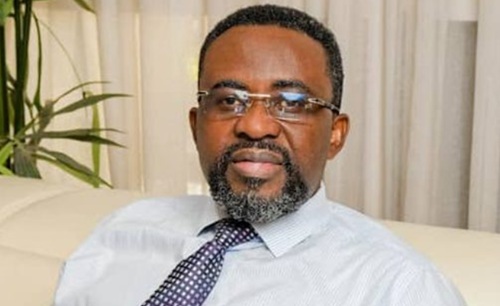
It was a pivotal moment in Accra as Dr. Johnson Asiama, Governor of the Bank of Ghana, addressed the opening of the 130th Monetary Policy Committee (MPC) meeting. With the city bustling outside, the Governor’s message inside was one of both caution and urgency: Ghana’s economy faces a confluence of external and domestic threats that could undermine the hard-won macroeconomic stability achieved in recent years. Dr. Asiama placed global energy developments and domestic pressures at the forefront of his address. He highlighted the prolonged Middle East conflict, which continues to inflate global energy prices and ripple through Ghana’s economy. “The protracted Middle East conflict and sustained energy price elevation are all risks which, if not addressed, could dislodge inflation expectations before they are firmly anchored,” he warned. For an energy-importing country like Ghana, every uptick in crude prices translates to higher fuel and transport costs, with cascading effects on consumer prices and inflation. The Governor described how these external shocks intersect with local vulnerabilities, especially disruptions in domestic energy supply, to create a “dual-channel inflation expectations problem.” Policymakers, Dr. Asiama said, are increasingly concerned that these risks could undo recent progress in stabilizing inflation. “Without timely policy responses, the current trajectory could reverse recent disinflation gains, complicating monetary policy decisions in the near term,” he cautioned. Beyond inflation, the Governor drew attention to Ghana’s external balances. Improvements in the current account, he noted, could be short-lived if global headwinds weaken export earnings and limit foreign exchange inflows. “The second risk is the current account and reserve vulnerability issues, fiscal risks from external revenue compression, and the domestic power crisis,” he explained. Fiscal risks are also heightened by possible revenue shortfalls linked to global economic slowdowns and volatile commodity prices. Dr. Asiama did not downplay the impact of domestic structural problems, particularly in the energy sector. While the power situation is “showing signs of abatement,” it still weighs heavily on the economy. Persistent power supply disruptions have driven up business costs and inflation expectations, raising the stakes for both producers and consumers. Against this backdrop, the Governor urged his colleagues on the MPC to scrutinize how well monetary policy is working in the current climate. “The current monetary policy transmission is still of concern,” he admitted, questioning whether policy signals are effectively influencing lending and credit growth. The answer, he stressed, would be critical for sustaining broader economic activity as conditions tighten. As the MPC’s deliberations got underway, it was clear that the stakes had rarely been higher. With risks ranging from global geopolitical tensions to domestic energy and fiscal challenges, the path forward would require a careful balancing act. “These risks will be central to the discussions this week,” Dr. Asiama concluded, underlining the importance of decisive and timely action. His final message was unmistakable: Ghana’s economic resilience will depend not just on the foundation of past reforms, but on the country’s ability to respond swiftly and effectively to a rapidly changing risk environment. Source: Apexnewsgh.com
Ministry of Health Recruits Over 6,200 Nurses and Midwives to Boost Primary Healthcare
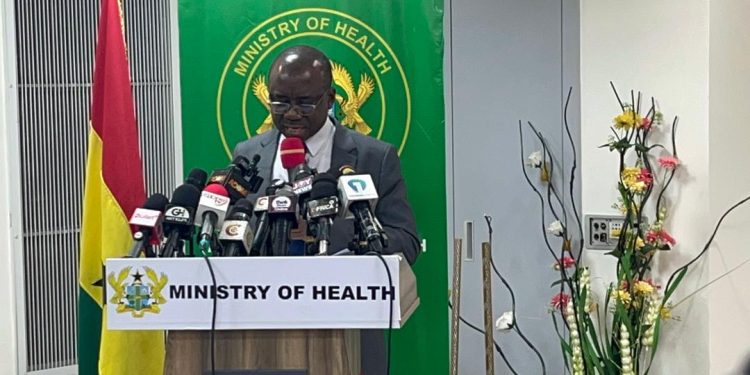
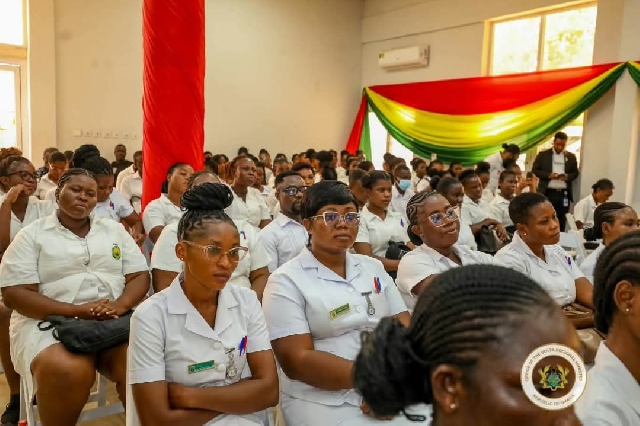
A major step forward in Ghana’s quest to strengthen primary healthcare was announced this week, as the Ministry of Health revealed that 6,245 nurses and midwives have been successfully recruited out of 6,500 available slots in its latest nationwide employment drive. The recruitment forms part of the government’s broader free primary healthcare initiative, which seeks to deploy trained healthcare professionals to underserved communities and close critical staffing gaps. The exercise, which received financial clearance from the Ministry of Finance, is part of a wider plan to recruit about 8,000 health professionals across the country. This comes as the nation grapples with a backlog of approximately 105,000 unemployed but qualified health workers, many of whom have been waiting for opportunities since as far back as 2018 and 2019. In addition to the new nurses and midwives, the Ministry also succeeded in recruiting 771 out of 900 available positions for allied health professionals, 235 out of 250 pharmacy professionals, and 300 physician assistants. These efforts are expected to significantly improve access to essential health services, especially in areas where primary care has long been lacking. At a press conference in Accra, Frederick Mensah-Acheampong, Director of Human Resources at the Ministry of Health, noted that while around 87 nursing positions remain unfilled in the Northern districts, competition for the available slots was fierce due to the large number of qualified applicants. He emphasized that the ongoing recruitment is guided by the government’s Primary Healthcare policy, which prioritizes preventive care, community-based services, and the equitable distribution of health workers. “We have received financial clearance to recruit about 8,000 health professionals from the Ministry of Finance. The Ministry acknowledges the anxiety and interest these recruitment exercises have generated, particularly given the backlog of about 105,000 unemployed health professionals, some of whom have been awaiting recruitment since 2018 and 2019,” Mensah-Acheampong explained. To ensure no qualified candidate is left behind, Mr. Mensah-Acheampong added that a mop-up exercise is planned in the coming weeks to absorb eligible applicants who were unable to complete the process during the main recruitment phase. The Ministry’s efforts mark a renewed push to deliver quality healthcare to all corners of the country, with a special focus on the most underserved communities. Source: Apexnewsgh.com
Bank of Ghana Unveils 2025 Financial Stability Review, Emphasizes Vigilance Amid Emerging Risks
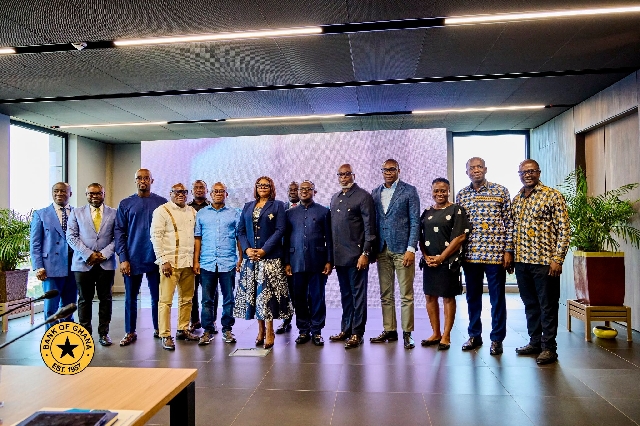
The Bank of Ghana ushered in a new chapter of transparency and oversight with the official launch of the 2025 Financial Stability Review, the flagship publication of the Financial Stability Advisory Council. The ceremony, held on Friday, May 15, 2026, brought together key stakeholders to assess the current health and resilience of Ghana’s financial sector under the theme: “From Stress to Stability: Staying on Course.” In her address on behalf of the Governor, Second Deputy Governor Matilda Asante-Asiedu praised the continued resilience of Ghana’s financial system. She reaffirmed the central bank’s unwavering commitment to maintaining stability, reinforcing public confidence, and safeguarding the integrity of the sector. However, Asante-Asiedu cautioned that new risks are beginning to emerge, subtly shaping the outlook for the financial sector. “Some risks are emerging in the outlook. Financial institutions are reassessing their business models to adapt to evolving conditions and avoid disruptions to the stable trajectory we have enjoyed,” echoed Governor Johnson Pandit Asiama in remarks included in the report. The 2025 Financial Stability Review highlights how regulators are proactively working with financial institutions to ensure they adjust their strategies in response to changing economic conditions. The report underscores ongoing efforts to preserve stability across the banking and financial services sector, even as the landscape continues to evolve. With this new publication, the Bank of Ghana signals its continued vigilance and readiness to respond to challenges, ensuring that Ghana’s financial sector remains robust and trusted in the face of uncertainty. Source: Apexnewsgh.com
Public Accounts Committee Probes Missing Vehicles and Documentation Gaps at Labour Ministry
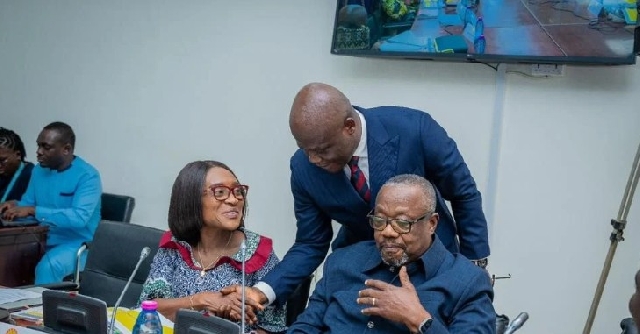
The tale of two missing vehicles has cast a shadow over the Ministry of Labour and Employment, as the Public Accounts Committee (PAC) sounded the alarm over procurement lapses and interest charges linked to unsettled claims. The issue came to light during the PAC’s review of a GH¢223,127 payment claim, highlighted in the Auditor-General’s special audit report on government arrears totaling GH¢68.7 billion. According to the audit, the sum relates to the purchase of two Nissan Tiida saloon cars that, more than a decade after their reported procurement, cannot be located. Making matters worse, the key documents supporting this transaction have also vanished. When the Ministry’s Director of Finance, Mary Ninson, appeared before the committee on May 18, she admitted that records tied to the acquisition, believed to have taken place in 2011, were missing. Auditors, she explained, had been informed that the Ministry was unable to trace the documentation, leaving the status of the vehicles in limbo. Ninson also revealed that delays in settling certain obligations led to interest charges, even though partial payments had been made for some price adjustments. The Ministry of Finance, she added, had been notified about the situation. The documentation woes did not end there. Ninson disclosed that records relating to the procurement of two-horsepower air conditioners were also missing, and while auditors were kept in the loop, efforts to obtain clarification from relevant institutions yielded no official replies. The probe extended to the Fair Wages and Salaries Commission, where a building project estimated at GH¢5.1 million was scrutinized. Of this amount, GH¢4.3 million was accepted as certified completed work, but the remaining balance was disallowed by auditors as it related to unfinished construction, a position the Ministry accepted. When PAC members pressed for details on how 40 percent of payments had been confirmed and what records supported the process, Ninson said the issue only surfaced during the audit. Subsequent efforts to verify the transaction with Japan Motors and other institutions turned up only photocopied documents; no originals could be found. Ninson emphasized to the committee that original documents are essential for authenticating payment claims. Photocopies alone, she noted, cannot be relied upon for approval or settlement. She insisted that all outstanding claims must be backed by credible, verifiable records before any future payments can be processed. The PAC’s inquiry underscores the critical need for transparency and accountability in government procurement and record-keeping, as ministries and agencies work to restore public trust and financial discipline. Source: Apexnewsgh.com
Ghana’s Growing Reliance on Costly Liquid Fuels Threatens Energy Sector Stability, Says CEMSE Analysis

In 2025, the story of Ghana’s energy sector took a worrying turn. A new analysis by the Centre for Environmental Management and Sustainable Energy (CEMSE), led by Benjamin Nsiah, revealed mounting concerns over the country’s increasing dependence on expensive liquid fuels to keep the lights on. For years, Ghana’s power plants have relied on natural gas as their main source of fuel, with liquid fuels such as Heavy Fuel Oil (HFO), Diesel Fuel Oil (DFO), and Light Crude Oil (LCO) serving as backup during gas shortages. But as the supply of natural gas faltered between 2021 and 2025, backup fuels became the mainstay. The cost of this shift has proven staggering. The CEMSE report found that thermal generation continues to dominate Ghana’s electricity sector, making up about 70 percent of the nation’s dependable generation capacity by 2025. As gas supply disruptions became more frequent, power producers increasingly turned to liquid fuels, at a steep financial cost. The numbers tell a dramatic story. In 2025, the use of Heavy Fuel Oil for power generation surged to 133,237 metric tonnes, a jaw-dropping 947 percent increase from the previous year. The bill for this HFO alone was estimated at US$80.6 million. Diesel Fuel Oil, which had been used only sparingly in 2021 and 2022, saw a significant jump in consumption, with costs reaching US$32.39 million in 2025. Light Crude Oil imports for power plants also soared, from US$36.57 million in 2024 to about US$116.8 million in 2025, a 210 percent spike. Altogether, the combined cost of HFO, DFO, and LCO for the year hit an eye-watering US$229.89 million, translating to roughly US$19.16 million in monthly expenditure. CEMSE’s analysis warned that these escalating costs are not fully accounted for in Ghana’s electricity tariffs. This means the government is forced to rely heavily on petroleum levies to keep the sector afloat, further straining public finances. The report attributed the growing reliance on liquid fuels to persistent deficits in natural gas supply, a trend, it warned, that jeopardizes the financial sustainability of the entire energy sector. With the threat of mounting debt and instability looming, CEMSE called for urgent action. The Centre urged policymakers to address gas supply challenges, diversify the country’s energy sources, improve fuel procurement practices, and reduce Ghana’s exposure to expensive liquid fuels. Only through these steps, the report emphasized, can Ghana secure a more stable and affordable energy future. Source: Apexnewsgh.com
The National Anti-Illegal Mining Operations Secretariat (NAIMOS) Strikes Decisively at Dawusaso
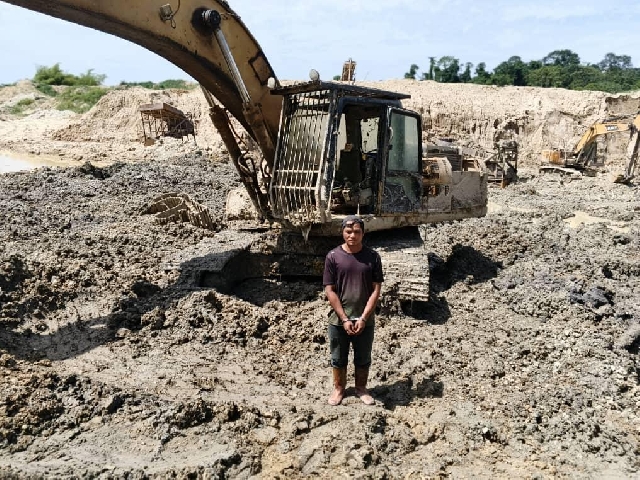
The usually quiet community of Dawusaso in the Amansie South District was jolted into action. The National Anti-Illegal Mining Operations Secretariat (NAIMOS), through its Manso Adubia task force, launched a decisive operation targeting illegal mining activities devastating the Offin River. The mission began shortly before noon, as credible intelligence reached the NAIMOS team about organized illegal mining in the area. With urgency and precision, the task force mobilized from their base in Manso Adubia, setting their sights on the banks of the Offin River where miners had reportedly diverted sections of the river into an artificial dam, a tactic threatening both the environment and the communities downstream. As the team arrived, they encountered a flurry of activity. Several individuals, including women, were found working frantically at the river, operating changfan machines that churned up the water and the riverbed. The sudden appearance of the task force sent the miners scattering into the surrounding bush, leaving their equipment behind. Despite most suspects fleeing, the task force apprehended one individual: Xiao Weixin, a 41-year-old Chinese national who had made Dawusaso his home. On him, the operatives found an Apsonic tricycle, two Gota radio sets, and a Huawei mobile phone, all secured as evidence. The destruction left behind by the illegal miners was evident. The Offin River, once a lifeline for the community, had been deliberately diverted, its flow manipulated to feed the miners’ artificial dam. This, authorities noted, posed a serious threat to the river’s ecological balance and the well-being of those who depend on its waters. Determined to put an end to the destruction, the task force set ablaze two changfan machines mounted directly on the river, rendering them inoperable. They also discovered three excavators, two Caterpillar and one Sany, abandoned at the site. The operators, in a bid to thwart seizure, had removed the machines’ monitors and keys, while the chassis numbers were so corroded they were unreadable. The story did not end there. On their way to the main site, the NAIMOS team intercepted another group of illegal miners near the Dawusaso road. Once again, the suspects fled into the bush, but the operatives managed to retrieve a drum of diesel left behind in the chaos. With Xiao Weixin in custody, the task force transported him to the NAIMOS Secretariat in Accra for further investigation. He will be handed over to the Ghana Immigration Service for the next phase of action. The Dawusaso operation is a stark reminder of NAIMO’s relentless commitment to protecting the Offin River. The Secretariat has assured the public that it will not relent in its efforts to restore the river’s integrity, vowing to intensify actions against destructive mining activities, particularly those that alter the natural course of the river. Through coordinated enforcement and swift action, NAIMOS continues its fight to preserve Ghana’s precious water bodies for generations to come. Source: Apexnewsgh.com
Hajia Charity Rahinatu Asoemah Empowers Bolgatanga Dressmakers with Sewing Machines and Cash Donation

At the 2026 graduation ceremony of the Bolgatanga Central Zone One branch of the Ghana National Tailors and Dressmakers Association (GNTDA), hope and opportunity took center stage. The guest of honor, Hajia Charity Rahinatu Asoemah, Former Upper East Regional Women’s Organizer of the NDC and Deputy Director General of Warehouse of NADMO, made a generous donation of 30 sewing machines and GH₵5,000 cash to the association. Hajia Charity explained that her donation was aimed at supporting the association’s mission to train more young people, particularly young women, in the craft of dressmaking. “As a daughter of this region, I understand the challenges many young ladies face in their daily lives. For some, even having three square meals a day is a struggle. That is why seeing all of you, young graduates, standing before me today is deeply meaningful. I know it has not been easy to get here, and for that, I say a big congratulations to every one of you”. She told the gathering. She commended GNTDA for its steadfast commitment to equipping the youth with valuable, employable skills and encouraged the association to further expand its training programs. Addressing the apprentices, Hajia Charity urged the youth, especially young women, to take their handiwork seriously, emphasizing the potential for vocational training to pave the way for a brighter future. “I want to admonish the youth of this region, especially the ladies, to take their handiwork seriously and become better people in the future,” she advised. Pledging her ongoing support, Hajia Charity promised to assist the association whenever the need arises. The ceremony was also marked by the graduation of 73 apprentices from the Bolgatanga Central Zone One branch. Leaders of the association took the opportunity to call on government authorities to prioritize support for local dressmakers, encouraging efforts to help new graduates establish their own businesses locally rather than seeking opportunities elsewhere. Source: Apexnewsgh.com