
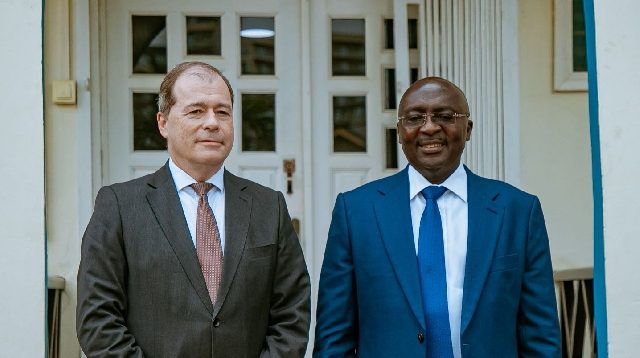
King Charles III Expresses Profound Sorrow Over Legacy of Slave Trade at Commonwealth Summit
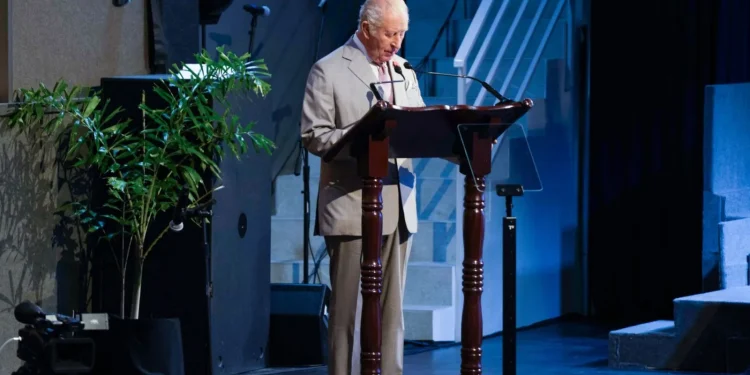
King Charles III of the United Kingdom has publicly described the transatlantic slave trade as a shameful chapter in human history, expressing deep regret for its enduring impact on Commonwealth nations. The monarch’s remarks came during the opening ceremony of the Commonwealth Heads of Government Meeting (CHOGM) in St John’s, Antigua and Barbuda. Addressing leaders and dignitaries, King Charles acknowledged that the history of slavery continues to cast a long shadow over the Caribbean and other regions within the Commonwealth. He described the trade in enslaved Africans as a chapter that “fills my heart with horror and my soul with the most profound personal sorrow.” “We cannot change the actions of those who came before us. We can, however, learn from the past,” the King said, emphasizing his commitment to listening, learning, and building partnerships that address historical injustices through practical action. His comments arrive at a time of renewed global calls for recognition and reparative justice for the transatlantic slave trade. On March 25, 2026, the United Nations General Assembly passed a landmark resolution, spearheaded by President John Dramani Mahama with backing from the African Union and CARICOM, declaring the transatlantic trade in enslaved Africans and racialised chattel enslavement the “gravest crime against humanity.” The resolution was adopted with 123 votes in favour. Looking to the future, King Charles said the Commonwealth must not be defined solely by its painful history. Instead, he urged member states to address the legacy of slavery by expanding access to education, investing in employment and economic opportunities, promoting intra-Commonwealth trade, and supporting climate resilience. He called on leaders to focus on practical solutions that meet the needs of their people, ensuring that the Commonwealth responds not just to the past, but also to present and future challenges. Source: Apexnewsgh.com
Bawumia Calls for Laws to Safeguard Jobs Amid Rising Artificial Intelligence Adoption

Flagbearer of the New Patriotic Party (NPP), Dr. Mahamudu Bawumia, has sounded the alarm over the potential threat Artificial Intelligence (AI) poses to job security, urging lawmakers to enact legislation that protects Ghanaian workers from displacement as automation advances. Addressing the Trades Union Congress (TUC) during a session devoted to labour issues, economic transformation, and the future of work, Dr. Bawumia described AI as a “frightening prospect” for the workforce. He acknowledged that while AI promises significant improvements in productivity and efficiency, its rapid integration into the workplace could jeopardize employment and income security for many. “Machines and software applications are increasingly capable of performing tasks traditionally undertaken by humans,” he told the gathering, warning that businesses globally are embracing automation to cut costs and boost output, leaving several occupations vulnerable to technological disruption. Dr. Bawumia emphasized the need for Ghana to act proactively, developing a national strategy that harnesses AI’s potential while safeguarding workers. “Artificial Intelligence should be a tool to complement human labour and not a substitute for it,” he asserted. He called for collaboration among government, organized labour, employers, and technology experts to craft comprehensive laws and regulations that both protect workers and foster innovation. The proposed framework, he suggested, should include provisions for retraining, reskilling, and continuous education, ensuring workers are equipped with the skills to remain relevant in a digital economy. Encouraging labour unions to take an active role in shaping the national AI agenda, Dr. Bawumia also expressed concern that Africa’s youthful population could face surging unemployment if technological progress outpaces investment in human capital. He stressed the importance of policies to guarantee that the rewards of AI are distributed equitably, avoiding a widening of social and economic divides. With the right legislative safeguards and forward-thinking policies, Dr. Bawumia expressed confidence that Ghana can embrace the benefits of AI while protecting jobs and preserving the dignity of work. Source: Apexnewsgh.com
EOCO Demands Financial Records from Law Firm Linked to Manhyia North MP
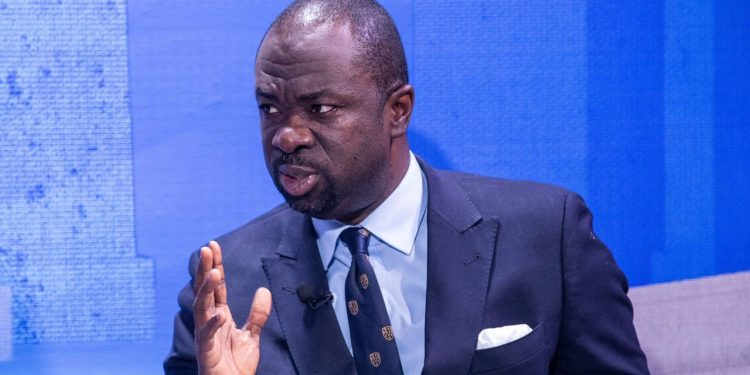
The Economic and Organised Crime Office (EOCO) has intensified its investigations into alleged financial misconduct involving Sarkodie Baffour Awuah and Partners, a prominent law firm where Manhyia North MP, Nana Agyei Baffour Awuah, serves as senior partner. In a letter dated Friday, October 30, 2026, EOCO invoked its statutory mandate under Section 19 of the Economic and Organised Crime Office Act, 2010 (Act 804), formally requesting the firm’s financial and operational records. The move is part of a broader probe into suspected offences including criminal conspiracy, causing financial loss to SIC Savings and Loans, money laundering, and various tax-related breaches. EOCO has asked the firm to submit its audited financial statements covering the years 2017 through 2025, as well as evidence of tax payments made to the Ghana Revenue Authority (GRA). The requested tax documentation spans corporate tax, Value Added Tax (VAT), levies, and withholding tax records. Further, the investigative body is seeking a comprehensive list of all bank accounts operated by the law firm, accompanied by corresponding bank statements for the nine-year period under scrutiny. EOCO also wants copies of the firm’s operating permit, issued by the appropriate local authority, and evidence of its renewal, along with a current list of employees, if any. Sarkodie Baffour Awuah and Partners has been directed to comply and provide the requested documents to EOCO by November 6, 2026, as the agency presses ahead with its efforts to unravel the truth behind the allegations. Source: Apexnewsgh.com
Government Mulls Light Rail Network to Replace Aayalolo Contra-Flow in Accra
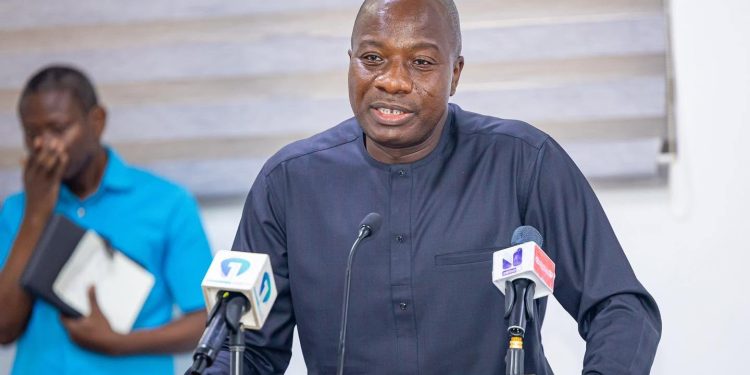
The Minister for Local Government, Chieftaincy and Religious Affairs, Mahama Ayariga, has revealed that the government is considering a bold new approach to addressing Accra’s persistent transportation woes: replacing the Aayalolo bus contra-flow system with a modern light rail network. Speaking on the Citi Breakfast Show on Wednesday, November 4, 2026, Ayariga explained that President John Dramani Mahama has tasked him to begin discussions on the feasibility of introducing light rail services along four of the city’s busiest commuter corridors. These routes currently benefit from the Aayalolo contra-flow arrangement, which allows designated buses to travel against the normal direction of traffic to cut down on congestion and shorten commute times. “Contra-flow is good, but look at light rail as your more permanent solution going into the future,” Ayariga quoted the President as saying. In response, the minister has begun engaging the Railway Authority and other stakeholders to explore how the ambitious light rail plan could take shape. The Aayalolo contra-flow system, introduced to improve public transport efficiency during peak traffic hours, has undoubtedly brought relief to many Accra commuters. By allowing buses to use select lanes in the opposite direction of regular traffic, the system has helped reduce delays and make public transportation more reliable for thousands traveling between residential neighborhoods and the city’s main commercial and employment hubs. Yet, Ayariga acknowledged that the current set-up has its limitations. The success of contra-flow depends on road infrastructure, traffic management, and the availability of enough buses and trained personnel. A light rail network, he suggested, would offer a more sustainable, high-capacity alternative that could keep pace with Accra’s growth and the ever-increasing demand for efficient urban transport. As the government weighs its options, discussions are set to intensify in the coming months, with stakeholders and the public watching closely to see if Accra’s transit system will soon be riding the rails into the future. Source: Apexnewsgh.com
IMANI Africa Vice-President Alleges Grand Conspiracy Behind Airport Drug Trafficking in Ghana
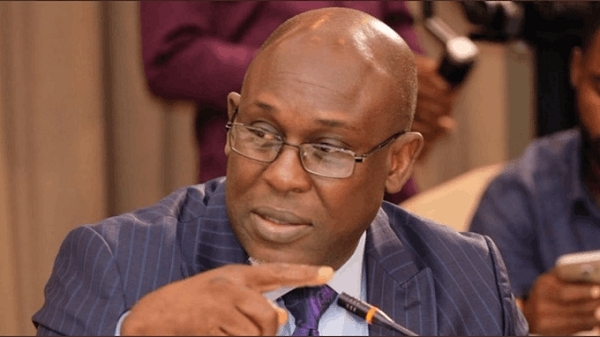
Kofi Bentil ESQ, Vice-President of the policy think tank IMANI Africa, has set social media abuzz after revealing what he describes as a wide-reaching conspiracy enabling Ghana’s airports to serve as transit hubs for illicit drugs, including cocaine. In a Facebook post, Bentil shared messages from an anonymous source who claimed to have direct knowledge of recent events surrounding the record-breaking cocaine bust at Beirut’s Rafic Hariri International Airport. The source described an elaborate scheme involving multiple Ghanaian security agencies, allowing narcotics to be smuggled out of the country undetected. According to the account relayed by Bentil, the operation is meticulously coordinated. “There is a grand conspiracy in respect of the cocaine seizure at the airport. The suitcases are driven to the tarmac and loaded directly into the airplane,” the source explained. The conspiracy, it was alleged, includes insiders from Customs, the Narcotics Control Commission (NACOC), the Bureau of National Investigations (BNI), National Security, Police, and Aviation Security, all of whom are aware of and complicit in these operations. “The TEAM at various points ensures the bags are loaded in special spaces on board.” The source even described a code phrase, “NNE WO NYAME NKO,” meaning “Go with your God”—used as a signal to facilitate the movement of the contraband. “If all goes through, everyone is sorted big time aside the usual,” the message added, implying lucrative payoffs for the collaborators. In a striking contradiction to official accounts, Bentil’s source alleged that the widely publicized explanation by NACOC, that the Beirut cocaine bust was the result of a controlled delivery operation in partnership with Lebanese authorities, was a fabrication. “NACOC is lying. The government is deeply involved,” the source claimed, further alleging that after the arrest in Beirut, Lebanese Customs contacted Ghana Customs directly, bypassing NACOC. The controversy follows the October 31 arrest of a Syrian national at Beirut’s international airport. The suspect, who arrived from Accra, was caught with 46.7kg of cocaine, the largest drug seizure ever recorded at the airport. NACOC responded with a statement on November 1, insisting the incident was part of a coordinated effort with Lebanese counterparts to disrupt transnational trafficking networks and apprehend suspects at both ends. However, the official narrative has come under scrutiny from security analysts and opposition figures, who question how such a large consignment could leave Ghana if authorities were truly monitoring the operation. NACOC, for its part, maintains that it is actively pursuing accomplices within the country as the investigation continues. Bentil’s explosive revelations have intensified calls for transparency and accountability, as Ghanaians grapple with the possibility of systemic collusion in the nation’s law enforcement ranks. Source: Apexnewsgh.com
The Narcotics Control Commission Nabs Three Foreign Nationals Over Historic Beirut Cocaine Bust
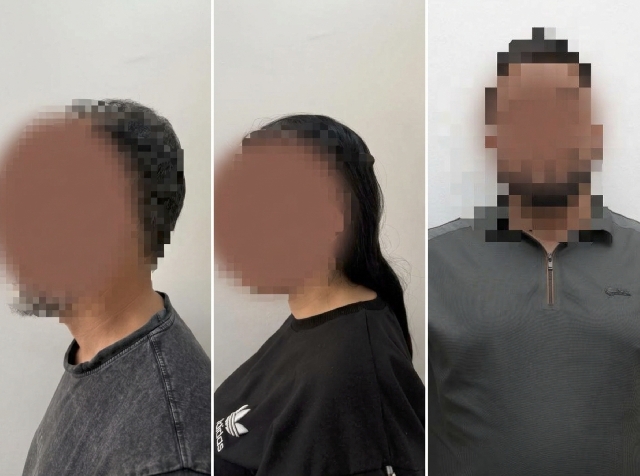
The Narcotics Control Commission (NACOC) of Ghana has arrested three foreign nationals linked to a record-breaking cocaine seizure at Beirut’s Rafic Hariri International Airport. The suspects, a woman and two men of Syrian, Tunisian, and Lebanese nationalities, were apprehended in separate, intelligence-led operations in Accra on Tuesday, November 3, 2026. Their arrests were the result of swift information sharing between Ghanaian and Lebanese law enforcement agencies. It all began on Saturday, October 31, when Lebanese Customs officers at Rafic Hariri International Airport made a startling discovery. Acting on a tip, they stopped a Syrian national who had just arrived from Accra aboard a Middle East Airlines flight. Inside two seemingly ordinary suitcases, officers uncovered 40 packages ingeniously concealed with sophisticated packaging and insulation materials, cocaine weighing a staggering 46.7 kilogrammes, the largest haul ever at the airport. Investigators also found electronic tracking devices hidden among the drugs, suggesting a highly organized smuggling operation. Preliminary investigations revealed that the Syrian suspect had entered Lebanon through the Masnaa border crossing from Syria several weeks prior, before making his way to Accra and returning with the illicit cargo. The bust set off a flurry of international cooperation. Ghana’s NACOC and Lebanese security agencies quickly launched joint investigations to trace the shipment’s origins, identify other key players, and map out the broader international trafficking network. On November 3, acting on intelligence from their Lebanese counterparts, NACOC moved in Accra. Two suspects were picked up earlier in the day, while the third was arrested around 5 PM. The operations were part of a coordinated controlled-delivery strategy designed to nab accomplices at both ends of the trafficking route and to gather intelligence to dismantle the criminal network. According to a statement by the commission, the investigation is ongoing, with both Ghanaian and Lebanese authorities working tirelessly to identify the intended recipient of the cocaine, track down suspected accomplices, and uncover the masterminds who orchestrated the elaborate smuggling attempt. NACOC emphasized that their efforts reflect a broader mission to stamp out transnational drug trafficking and ensure that Ghana does not become a conduit for international narcotics crime. Source: Apexnewsgh.com