

Ghana Immigration Service Launches Six-Month Rotational Transfer System
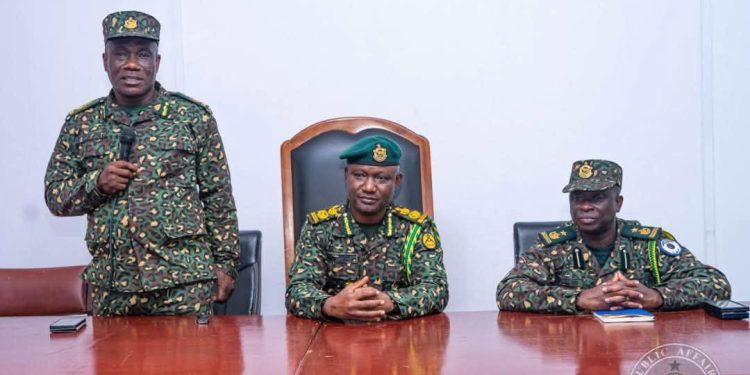
The Ghana Immigration Service (GIS) has unveiled a new six-month rotational transfer system, aimed at broadening officers’ operational experience and enhancing efficiency across its regional commands. The initiative, announced by Comptroller-General Samuel Basintale Amadu, marks a departure from the previous practice where some personnel could remain at the same duty post for up to five years before reassignment. Under the new arrangement, officers will be transferred to different sectors and commands within their regions every six months. According to a GIS statement shared on Facebook on Thursday, November 12, the rotational system is designed to expose officers to a variety of working environments, helping them acquire diverse operational experiences and develop skills across different aspects of immigration work. “The initiative is intended to expose personnel to varied operational environments, broaden their experience, and enhance their professional competencies. The new arrangement will replace the previous practice, under which officers could remain at a single duty post for four to five years before being transferred,” the statement read. The decision is expected to foster a more versatile and adaptable workforce, equipping officers to meet the evolving operational demands within their regions and ultimately strengthening the service’s effectiveness. The announcement comes in the wake of a tragic incident on November 3, when an explosion occurred along an unauthorised route at Hamile. During a border patrol, a four-member immigration team intercepted a motor tricycle carrying suspected explosives. The explosives detonated as officers attempted to stop the rider, resulting in the deaths of an officer and two civilians. Two other officers were injured—one later died, while the other was transferred to the 37 Military Hospital in Accra for specialised care. The explosion triggered unrest in the local community, with confrontations leading to injuries among 11 civilians. Nine of those injured were treated and discharged, while two required further medical attention at the Upper West Regional Hospital. With the introduction of the new rotational system, the GIS aims to build a more experienced, resilient, and responsive team, better equipped to deal with the challenges of border security and immigration management across the country. Source: Apexnewsgh.com
Ghana Pushes for Stronger Climate Financing and Action at COP31
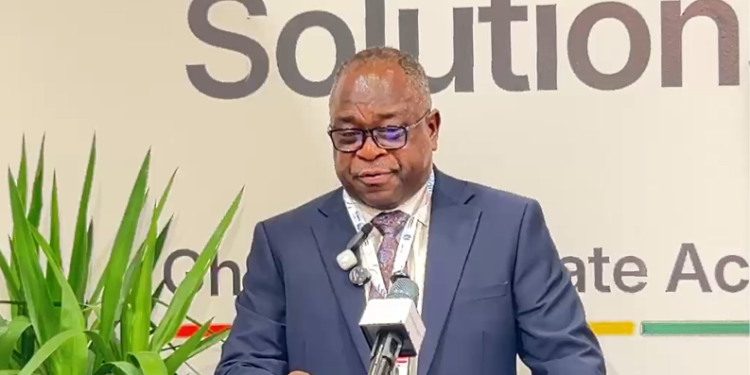
At the 31st United Nations Climate Change Conference (COP31) in Antalya, Türkiye, Ghana is making an assertive push for concrete climate solutions, focusing on stronger financing, resilience, and improved access to carbon markets. Minister of State for Climate Change and Sustainability, Seidu Issifu, outlined these priorities as he led Ghana’s delegation into crucial negotiations that could shape the country’s climate future. Speaking to journalists on the sidelines of the conference, Issifu emphasized that Ghana’s negotiating team had received clear mandates: to secure predictable funding and practical support, particularly for vulnerable communities grappling with the impacts of climate change. “Our priorities are scaling up predictable climate finance, adaptation and resilience, and also how to take advantage of carbon market opportunities to increase climate funding to address our development challenges,” he stated. Ghana, he explained, is championing not only its own interests but also Africa’s wider agenda. The country is seeking to ensure that adaptation, financing, and the unique needs of developing nations remain front and centre in the global climate conversation. Issifu described COP31 as a turning point, where countries must move beyond promises and focus on real delivery. “COP31 is unique. Everybody is very deliberate about what to achieve and what to do. We are moving from pledges to implementation. It is all about implementation and nothing else,” he said. For Ghana and other climate-vulnerable countries, the challenge is clear: securing adequate financing to turn climate plans into projects that protect communities, strengthen infrastructure, and drive economic development. But Issifu stressed that international negotiations alone are not enough. He called for greater public understanding and more active community participation, urging government, the media, and stakeholders to join forces in climate education, especially in areas facing environmental degradation. “Community sensitisation and advocacy are key. We need strategic partnerships that will help us take the message to vulnerable communities,” he said. Issifu also challenged journalists to go beyond reporting on COP31 negotiations, encouraging them to become agents of change in their communities. “I want to throw the challenge back to you to collaborate and see how we can do community work to change behaviours so that people become more sensitive to their environment,” he added. On waste management, the Minister highlighted the need for Ghana to treat waste as an economic resource, not just an environmental problem. He said the government is looking for innovative solutions that would create economic value from waste while supporting climate action, and that ongoing discussions at COP31 would help inform Ghana’s approach. Financing, Issifu noted, remains a critical requirement for Ghana’s transition to renewable energy and for achieving its Nationally Determined Contributions (NDCs) under the Paris Agreement. Ghana’s updated NDC framework, which runs from 2025 to 2035, requires an estimated US$53.3 billion in investment across energy, transport, agriculture, forestry, water, and health sectors. He called for stronger partnerships with international institutions and development partners to mobilise these resources. “Clearly, transitioning to renewable energy will require funding… And we need to scale up financing to enable us to address our Nationally Determined Contributions,” Issifu said, expressing confidence that access to climate finance and strategic partnerships would help Ghana move from policy to practical action. COP31 in Antalya has brought together governments, international institutions, businesses, and civil society to negotiate and advance global climate action, a stage where Ghana is making its voice and priorities heard. Source: Apexnewsgh.com
The Commercial Court Releases MP’s Passport Amid Criminal Trial
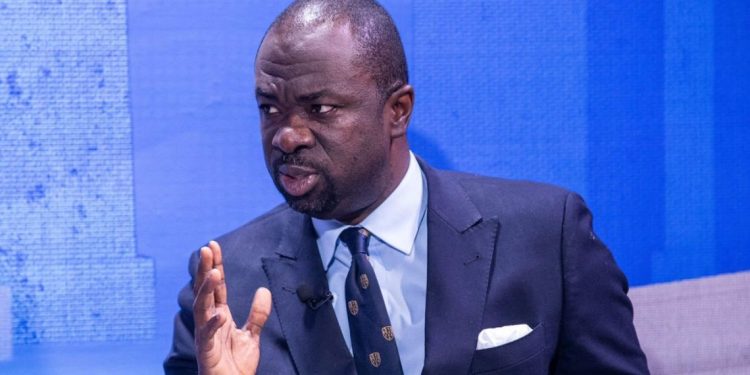
Commercial Court 5 Division of the High Court in Accra, Manhyia South MP, Nana Agyei Baffour Awuah, has successfully secured the release of his passport. The document had been seized as part of his bail conditions in an ongoing criminal trial, where he faces allegations of causing financial loss to the state and money laundering. The case against the MP originates from legal work he conducted for SIC Savings and Loans Limited in a loan recovery dispute. Authorities claim his involvement in the matter constituted criminal acts. During the court proceedings on Thursday, November 12, the MP’s legal counsel, Samuel Atta Akyea, assured the court that his client posed no flight risk. He pointed to parliamentary rules, explaining that if the MP were to miss a specified number of sittings, he could lose his seat, thus providing a strong incentive for his return to Ghana. Dr Justice Srem-Sai, Deputy Attorney-General and representative for the state, did not oppose the request. After considering the arguments, Her Ladyship Justice Charity Akosua Asem agreed to vary the bail condition and ordered the MP’s passport to be released from the custody of the court registry. Source: Apexnewsgh.com
BoG Reassures Public: Old and New Banknotes to Circulate Together in Smooth Currency Transition
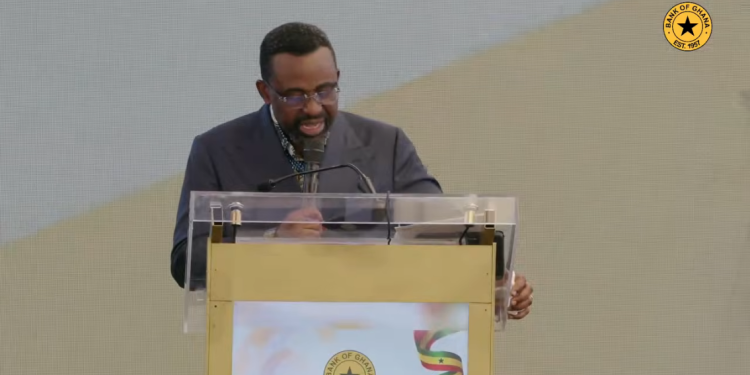
Anticipation filled the air at the Bank of Ghana headquarters as dignitaries and members of the press gathered for a historic occasion. Dr. Johnson Asiama, Governor of the Bank of Ghana, took the podium to unveil the much-anticipated Heritage Series banknotes. With poise and assurance, he addressed the nation’s curiosity about the fate of the existing currency. “From December 1, 2026, the Heritage Series will enter circulation and, importantly, will do so alongside our current banknotes,” Dr. Asiama declared. His words were met with nods of relief from business leaders and everyday Ghanaians alike, who listened intently for clarity on what the transition would mean for daily transactions. Dr. Asiama emphasized that the existing banknotes would remain legal tender, allaying fears of sudden changes that could disrupt economic activities. “The introduction of the new notes does not invalidate the cedi notes you have in your wallets today. Both the Heritage Series and the current banknotes will be used together, ensuring a seamless transition for individuals, businesses, and all participants in our economy.” He explained that allowing both series to circulate would provide ample time for everyone to adjust, reducing the risk of confusion or inconvenience. The gradual phasing in of the new banknotes was designed, he said, to maintain public confidence in the cedi and guarantee continuity in Ghana’s payment systems. “The Bank of Ghana remains committed to a well-managed transition that supports the smooth operation of payments and reinforces trust in our national currency,” Dr. Asiama affirmed, concluding his address. As the event drew to a close, a sense of reassurance lingered among attendees. With clear communication and a steady hand, the Bank of Ghana had charted a path forward—one where both old and new banknotes would coexist in the wallets of Ghanaians, marking a new chapter in the nation’s economic story. Source: Apexnewsgh.com