
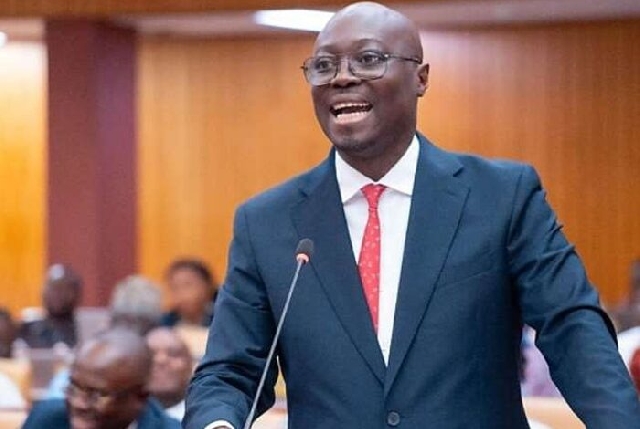
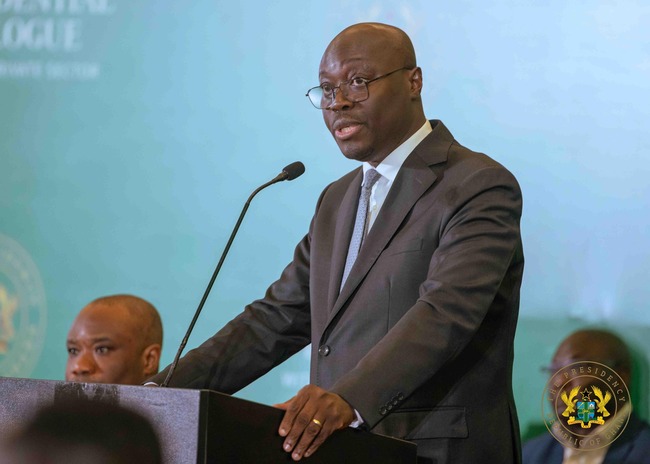
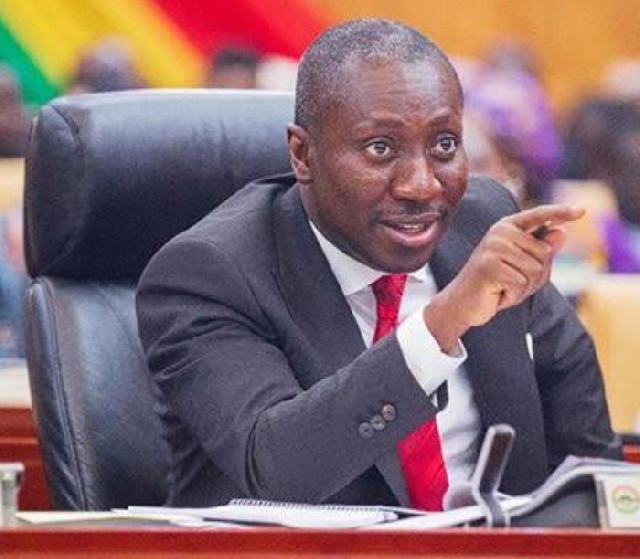
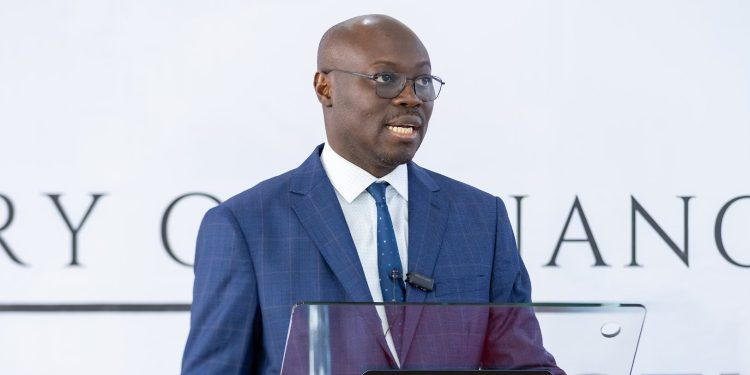
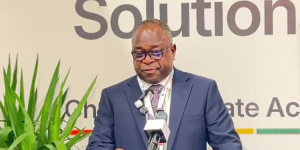
At the 31st United Nations Climate Change Conference (COP31) in Antalya, Türkiye, Ghana is making an assertive push for concrete climate solutions, focusing on stronger financing, resilience, and improved access to carbon markets. Minister of State for Climate Change and Sustainability, Seidu Issifu, outlined these priorities as he led Ghana’s delegation into crucial negotiations that could shape the country’s climate future.
Speaking to journalists on the sidelines of the conference, Issifu emphasized that Ghana’s negotiating team had received clear mandates: to secure predictable funding and practical support, particularly for vulnerable communities grappling with the impacts of climate change. “Our priorities are scaling up predictable climate finance, adaptation and resilience, and also how to take advantage of carbon market opportunities to increase climate funding to address our development challenges,” he stated.
Ghana, he explained, is championing not only its own interests but also Africa’s wider agenda. The country is seeking to ensure that adaptation, financing, and the unique needs of developing nations remain front and centre in the global climate conversation.
Issifu described COP31 as a turning point, where countries must move beyond promises and focus on real delivery. “COP31 is unique. Everybody is very deliberate about what to achieve and what to do. We are moving from pledges to implementation. It is all about implementation and nothing else,” he said.
For Ghana and other climate-vulnerable countries, the challenge is clear: securing adequate financing to turn climate plans into projects that protect communities, strengthen infrastructure, and drive economic development.
But Issifu stressed that international negotiations alone are not enough. He called for greater public understanding and more active community participation, urging government, the media, and stakeholders to join forces in climate education, especially in areas facing environmental degradation. “Community sensitisation and advocacy are key. We need strategic partnerships that will help us take the message to vulnerable communities,” he said.
Issifu also challenged journalists to go beyond reporting on COP31 negotiations, encouraging them to become agents of change in their communities. “I want to throw the challenge back to you to collaborate and see how we can do community work to change behaviours so that people become more sensitive to their environment,” he added.
On waste management, the Minister highlighted the need for Ghana to treat waste as an economic resource, not just an environmental problem. He said the government is looking for innovative solutions that would create economic value from waste while supporting climate action, and that ongoing discussions at COP31 would help inform Ghana’s approach.
Financing, Issifu noted, remains a critical requirement for Ghana’s transition to renewable energy and for achieving its Nationally Determined Contributions (NDCs) under the Paris Agreement. Ghana’s updated NDC framework, which runs from 2025 to 2035, requires an estimated US$53.3 billion in investment across energy, transport, agriculture, forestry, water, and health sectors. He called for stronger partnerships with international institutions and development partners to mobilise these resources.
“Clearly, transitioning to renewable energy will require funding… And we need to scale up financing to enable us to address our Nationally Determined Contributions,” Issifu said, expressing confidence that access to climate finance and strategic partnerships would help Ghana move from policy to practical action.
COP31 in Antalya has brought together governments, international institutions, businesses, and civil society to negotiate and advance global climate action, a stage where Ghana is making its voice and priorities heard.
Source: Apexnewsgh.com