
Nsa Gh¢30.7m Scandal: Investigations Trace Funds To Company Wholly Owned By Gifty Oware-Mensah
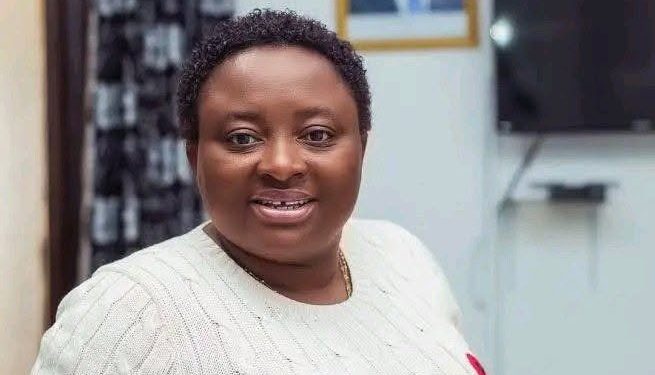
A prosecution witness has told the Accra High Court that investigations into the alleged GH¢30.7 million National Service Authority (NSA) hire-purchase scheme traced the funds from the Authority through Blocks Life Consult to Amaecom Global Company Limited, a company wholly owned by former NSA Deputy Chief Executive Officer, Gifty Oware-Mensah. Detective Sergeant Collins Woode, the fourth prosecution witness in the case, disclosed this during cross-examination, explaining that financial investigations established the movement of the money through the two companies. According to the investigator, Gifty Oware-Mensah was the sole owner and signatory of Amaecom Global Company Limited. He told the court that exhibits marked W and W1 contained the financial analysis detailing how the GH¢30.7 million was transferred and withdrawn by the accused. Detective Sergeant Woode explained that the money was initially deposited into an account bearing the name NSS Hire Purchase, which was opened at the Agricultural Development Bank (ADB) on the instructions of Gifty Oware-Mensah, before being transferred to Blocks Life Consult. He added that the transactions were executed based on written instructions from the accused. The prosecution witness further told the court that investigations established that Blocks Life Consult had not been properly registered and onboarded as a vendor of the National Service Authority and was therefore not eligible to receive payments through the Authority’s established procurement and payment procedures. He explained that companies seeking to become NSA vendors were required to submit their registration documents, obtain approval from the accused or the Deputy Director, complete the procurement onboarding process and have their e-zwich details validated by the Ghana Interbank Payment and Settlement Systems (GhIPSS). However, he said these procedures were not followed in the transaction, as the alleged national service personnel who had opted to receive items under the arrangement were faceless, making it impossible for deductions to be made from their allowances. The investigator further disclosed that Blocks Life Consult did not supply any items to national service personnel after receiving the GH¢30.7 million but instead transferred the money to Amaecom Global Company Limited. Detective Sergeant Woode also told the court that a list containing 63,637 names, which was presented to ADB as national service personnel who had opted to receive items through Blocks Life Consult, was not genuine. He explained that a comparison of the names with records obtained from the NSA’s Central Management System revealed that they had been extracted from a general list of faceless names. During cross-examination, the witness disagreed with defence counsel, Gary Nimako Marfo, who suggested that no such list of 63,637 faceless names existed. The prosecution witness also addressed questions concerning the Auditor-General’s Technical and Forensic Audit Report dated October 1, 2025, indicating that he had no prior knowledge of the document. He explained that his investigative team had completed its independent investigations into the NSA-ADB hire-purchase arrangement and submitted its docket to the Attorney-General long before the audit report was produced. Detective Sergeant Woode maintained that his team’s investigation focused specifically on the hire-purchase arrangement between the National Service Authority and Agricultural Development Bank, whereas the Auditor-General’s report examined broader financial irregularities within the Authority. Proceedings were briefly interrupted when defence counsel, Gary Nimako Marfo, complained that the witness was not responding directly to questions and was repeatedly referring to portions of his witness statement. However, the Director of Public Prosecutions, Mrs Yvonne Atakora Obuobisa, disagreed with the complaint, arguing that the witness had diligently answered questions relating to the charges before the court. The case involves allegations surrounding the GH¢30.7 million NSA hire-purchase arrangement, with the prosecution relying on financial records, transaction documents and investigative findings to establish how the funds were received, transferred and utilised. The proceedings are continuing before the Accra High Court. Source: Apexnewsgh.com
Ghana Records 592.7 Diabetes Cases Per 100,000 People In 2025, Health Service Calls For Intensified Screening
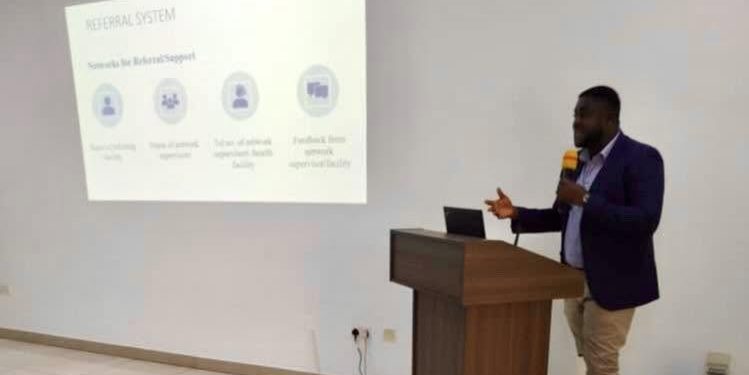
Ghana recorded 592.7 reported diabetes cases per 100,000 people in 2025, highlighting the growing public health challenge posed by the disease and the need for intensified screening, early diagnosis and improved long-term management. Figures from the Ghana Health Service (GHS) Non-Communicable Diseases (NCDs) Control Programme indicate a slight decline in the reported rate from 603.6 cases per 100,000 people in 2024. Despite the marginal improvement, health authorities say the figures remain a concern and underscore the need to strengthen preventive interventions to reduce diabetes-related complications and premature deaths. Programme Manager of the GHS NCDs Control Programme, Dr Wallace Odiko-Ollennu, said the persistent burden of diabetes made it necessary for the country to intensify preventive measures and improve healthcare interventions. He made the remarks during a presentation at the launch of the CRM Patient Africa programme in Accra, an initiative aimed at strengthening Ghana’s response to non-communicable diseases. During the presentation, diabetes was identified as one of Ghana’s priority non-communicable diseases, alongside cardiovascular diseases, chronic kidney disease, cancers and other chronic conditions. Further data from the Ghana STEPS Survey 2023 revealed that 5.2 per cent of adults aged between 18 and 69 had diabetes or raised blood glucose levels, raising concerns about the disease’s impact on public health. Dr Odiko-Ollennu noted that non-communicable diseases were increasingly contributing to illness and premature deaths in Ghana, while placing considerable pressure on the country’s healthcare system. He explained that addressing the challenge required sustained investment in disease prevention, early detection and long-term care, as well as stronger healthcare delivery systems. According to him, the Ghana Health Service is implementing various interventions to reduce exposure to risk factors, improve early diagnosis and strengthen the management of non-communicable diseases across the country. The interventions include community engagement, training for healthcare providers, strategic partnerships and the implementation of policies aimed at improving disease prevention and treatment. As part of these efforts, 463 healthcare providers have received training in Type 1 diabetes management across six districts. Community screening exercises and health education programmes are also being undertaken to promote early detection and improve access to appropriate care. Dr Odiko-Ollennu further emphasised that adopting healthier lifestyles remained essential in reducing the risk of diabetes and other non-communicable diseases. He urged Ghanaians to embrace balanced diets, engage in regular physical activity, maintain healthy body weights and reduce salt consumption. He also advised the public to avoid tobacco use and harmful alcohol consumption as part of efforts to prevent diabetes and other chronic health conditions. The Ghana Health Service maintains that strengthening public awareness, expanding screening opportunities and improving access to quality healthcare will be critical to reducing the country’s non-communicable disease burden. Source: Apexnewsgh.com
Mahama Announces Plans to Acquire Two Additional Airbus H175 Helicopters For Ghana Air Force
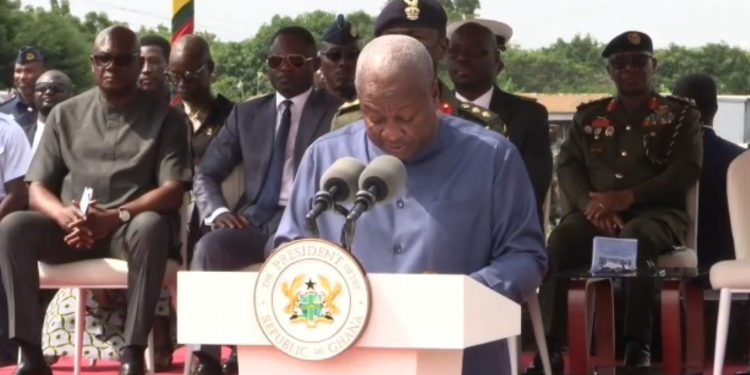
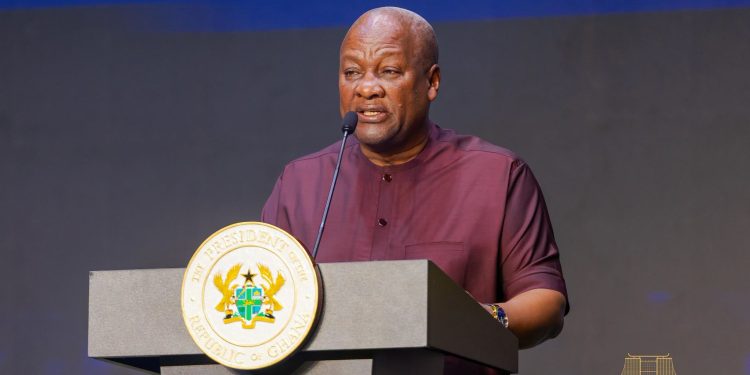
President John Dramani Mahama has announced plans to acquire two additional Airbus H175 helicopters for the Ghana Air Force in 2027 as part of the government’s efforts to strengthen the operational capacity and modernisation of the Ghana Armed Forces. The proposed acquisition is expected to enhance the military’s air transport capabilities and complement three newly acquired aircraft recently handed over to the Ghana Air Force at a ceremony held at the Air Force Base in Accra. Speaking at the handing-over ceremony, President Mahama said the additional helicopters formed part of the government’s broader investment programme aimed at upgrading military equipment, improving operational readiness and strengthening Ghana’s defence capabilities. “Next year, we also look forward to receiving two additional Airbus H175 helicopters under the procurement agreement,” the President announced. He emphasised that the aircraft belonged to the Republic of Ghana and urged the Ghana Air Force, as their custodian and operator, to ensure their proper maintenance, safe operation and efficient utilisation in the national interest. President Mahama stressed that the newly acquired aircraft must be properly maintained and deployed strategically to support the country’s national security operations. According to him, the government’s investment in military aviation is intended to improve the Ghana Armed Forces’ ability to respond to emerging security threats, undertake transportation missions and support military operations across the country. Beyond the acquisition of additional helicopters, President Mahama announced plans to allocate resources towards rehabilitating several grounded military aircraft to restore their operational capabilities. The aircraft earmarked for rehabilitation include MI-17 helicopters, CASA-295 transport aircraft and K-8 fighter jets, which have been affected by various operational and maintenance challenges. The planned rehabilitation is expected to increase the availability of military aircraft, improve the Ghana Air Force’s operational capacity and ease the pressure on the limited number of aircraft currently available for military assignments. The President also disclosed that the government would provide new vehicles to the Ghana Army in 2027 to enhance troop mobility and strengthen the military’s ability to deploy personnel and equipment for operational duties. The planned investments in military aviation, aircraft rehabilitation and ground transportation form part of the government’s broader efforts to modernise the Ghana Armed Forces and improve their capacity to protect the country’s territorial integrity and respond effectively to national security challenges. Source: Apexnewsgh.com
Parliament’s Education Committee Meets UG Management, Rent Control Over Hostel Fee Increases
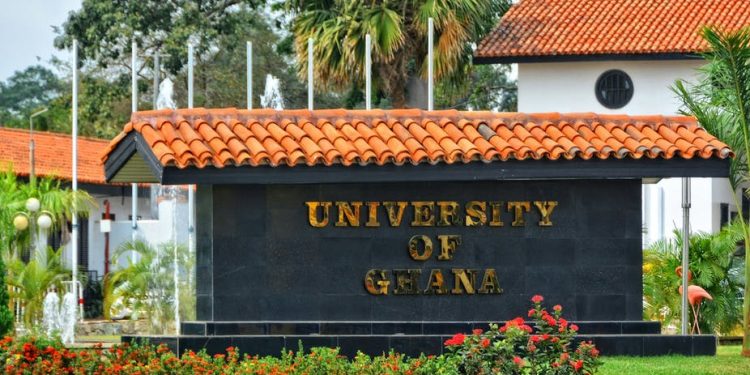
Parliament’s Education Committee has engaged officials of the Rent Control Department, the University of Ghana management and the University’s Students’ Representative Council (SRC) over the controversy surrounding increases in hostel accommodation fees. The meeting forms part of efforts by the Committee to address growing concerns among students following disagreements between the University management and the Rent Commissioner during an inspection of some hostels operated by the University of Ghana Enterprises Limited (UGEL). The controversy emerged after an initial 26 per cent increase in hostel accommodation fees was announced, triggering concerns among students and raising questions about the circumstances surrounding the adjustment. Following consultations with student leaders, the University management subsequently announced a reduction in the proposed increase from 26 per cent to 15 per cent. However, the revised 15 per cent adjustment has also been rejected by the University of Ghana SRC, which maintains that the new accommodation rates remain excessive and unaffordable for many students. In protest against the increase, the SRC organised a demonstration to express students’ dissatisfaction and demand a reconsideration of the revised fees. The engagement by Parliament’s Education Committee is aimed at providing an opportunity for all parties to present their positions, clarify the circumstances surrounding the hostel fee adjustments and address the concerns raised by students. The Committee is expected to explore possible solutions that will balance the financial and operational interests of the University with the need to ensure that hostel accommodation remains affordable and accessible to students. The discussions come amid growing concerns over the cost of tertiary education and the financial difficulties students face in securing accommodation, particularly within and around university campuses. Source: Apexnewsgh.com
Mahama Reassigns GNPC CEO Kwame Ntow Amoah to Energy Ministry
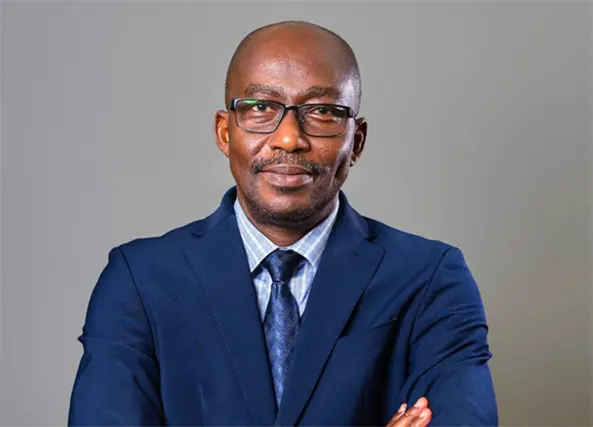
President John Dramani Mahama has reassigned the Chief Executive Officer of the Ghana National Petroleum Corporation (GNPC), Kwame Ntow Amoah, to the Ministry of Energy and Green Transition with immediate effect. Mr Amoah will serve as a Technical Advisor to the Ministry for the remainder of his contract, following a directive issued by the President on Thursday, November 26, 2026. The reassignment forms part of changes to the leadership of GNPC, which also include the appointment of the Corporation’s Deputy Chief Executive responsible for Finance, Commercial and Administration, Hamis Ussif, as Acting Chief Executive Officer. Mr Ussif is expected to assume office immediately and oversee the affairs of the Corporation until a substantive Chief Executive Officer is appointed. In a related development, President Mahama has reconstituted the GNPC Governing Board, appointing Solomon Quaynor as the new Chairman. According to a statement issued by the Presidency, the Minister for Energy and Green Transition has been directed to work closely with the newly constituted board to facilitate an orderly handover and ensure continuity in the Corporation’s operations. The directive is expected to ensure a smooth transition in the leadership of the national petroleum corporation while maintaining the effective delivery of its mandate. President Mahama also expressed appreciation to Mr Kwame Ntow Amoah for his service to the nation and his contributions to the Ghana National Petroleum Corporation and the country’s petroleum sector. Source: Apexnewsgh.com
Upper West Police Command Honours Fallen Officers On Police Memorial Day
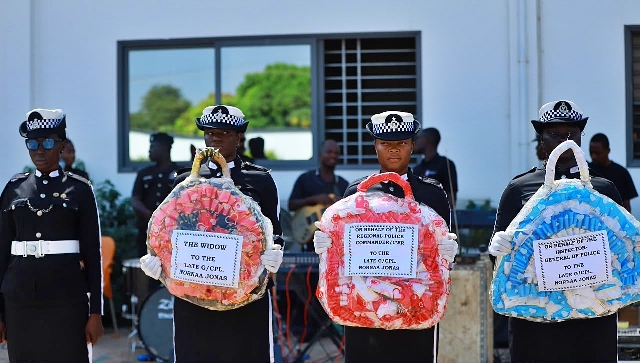
The Upper West Regional Police Command on Wednesday, November 25, 2026, commemorated Police Memorial Day, honouring police officers who lost their lives in the line of duty while serving and protecting lives and property. The solemn occasion provided an opportunity to reflect on the courage, dedication and sacrifices of fallen officers, whose commitment to national security and public safety continues to inspire serving personnel. Particular tribute was paid to General Corporal Nornaa Jonas, a former officer of the Upper West Regional Police Command, who died on September 16, 2025, leaving behind a wife and four children. The event brought together the Upper West Regional Police Commander, DCOP Cosmos Afena Damoah, senior police officers, other personnel, media representatives, friends of the Police Service and members of the deceased officer’s family for a moment of remembrance, reflection and solidarity. Delivering his tribute, DCOP Afena Damoah highlighted the significance of Police Memorial Day, acknowledging the bravery, dedication and selflessness of officers who perform their duties under challenging circumstances, sometimes paying the ultimate price in the service of the nation. He stressed that the sacrifices of fallen officers should not be remembered merely for the loss of their lives but also for the values of service, commitment and humanity they demonstrated throughout their careers. The commemoration began with prayers and an exhortation led by the Regional Police Chief Imam, C/Inspr. Sadiq Tijani, who offered prayers for the departed officers, their bereaved families and the safety of personnel who continue to serve. In a gesture of compassion and institutional support, cash assistance and commemorative souvenirs were presented on behalf of the Inspector-General of Police to the widow and children of the late General Corporal Jonas. The gesture reaffirmed the Police Service’s recognition of the sacrifices made not only by officers who die in active service but also by the families who bear the pain of losing their loved ones. The occasion served as a poignant reminder that policing goes beyond wearing a uniform or carrying a badge. It involves personal sacrifices, family responsibilities and an unwavering commitment to protecting others, often under difficult and dangerous conditions. The Upper West Regional Police Command also reaffirmed its commitment to preserving the memories of fallen personnel and maintaining solidarity with the families they left behind. Although these officers are no longer alive, their dedication to duty, courage and sacrifices remain part of the Police Service’s history and continue to inspire those who uphold the responsibility of protecting lives and property. Source: Apexnewsgh.com
DDEP Bondholders Have Sacrificed Enough; Government Must Not Impose Further Losses– Dr. Mohammed Amin Adam
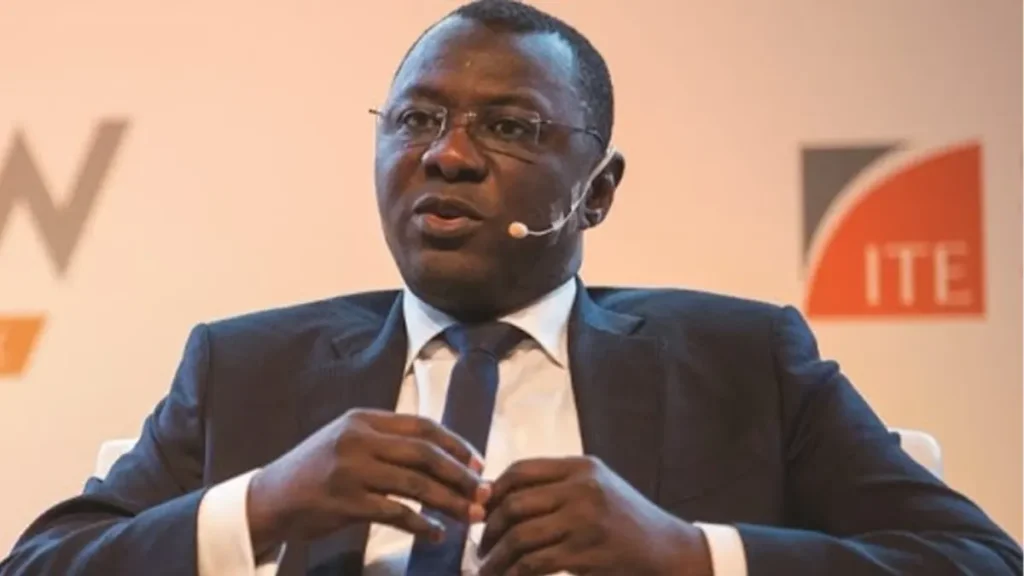
Former Finance Minister, Dr. Mohammed Amin Adam, has called on the government to recognise the sacrifices made by bondholders under the Domestic Debt Exchange Programme (DDEP), warning against any new arrangement that could leave investors worse off. Dr. Amin Adam, in a Facebook post commenting on the government’s voluntary bond buyback programme, argued that bondholders had already made significant financial sacrifices to support Ghana’s economic recovery and should now be allowed to enjoy the full benefits of their investments. According to him, investors, including pensioners and ordinary bondholders, accepted reduced interest rates and extended repayment periods under the DDEP to help stabilise the economy. He maintained that their sacrifices contributed to the economic recovery the government is now celebrating. “Bondholders have already paid their share. Under the DDEP, they accepted lower interest and waited longer to get their money back. They helped carry the cost of fixing the economy, and the government now celebrates the fall in the national debt-to-GDP ratio,” he stated. Dr. Amin Adam questioned why bondholders who endured the difficult terms of the DDEP were now being encouraged to surrender their investments 82 days before their scheduled repayment date through the voluntary bond buyback programme. He argued that investors who hold on to their bonds until February 16, 2027, would receive their full principal and the agreed interest, while those who accept the early buyback could lose out financially. He explained that the bonds currently offer an annual interest rate of 8.35 per cent, whereas reinvesting the proceeds in 91-day Treasury bills would yield approximately 4.5 per cent. To illustrate the potential financial implications, the former Finance Minister estimated that for every GH¢100 worth of bonds, investors who sell early and immediately reinvest in Treasury bills could lose approximately 86 pesewas by February 2027. He added that the losses could be higher if investors delayed reinvesting the proceeds for four weeks, while those who did not reinvest at all would forfeit the interest they would otherwise have earned by holding the bonds until maturity. Dr. Amin Adam further warned that the collective financial implications of the buyback could be substantial, considering that the total value of the affected bonds stands at GH¢28.58 billion. He estimated that if all the bonds were sold early, bondholders could collectively lose approximately GH¢247 million if they immediately reinvested the proceeds, GH¢346 million if the funds remained idle for four weeks, and as much as GH¢536 million if the money was not reinvested before February 2027. He was, however, quick to clarify that these figures were estimates and that the actual financial implications would depend on the price offered by the government, how accrued interest was treated and the returns investors could obtain from alternative investments. He therefore called on the government to provide a comprehensive explanation of the financial terms of the buyback to enable bondholders to make informed decisions. The former Finance Minister also questioned the government’s reported decision to cap the buyback price at GH¢100, arguing that, based on prevailing Treasury bill rates, a GH¢100 bond could be worth approximately GH¢100.90, excluding interest already accrued. He expressed concern that the auction notice did not adequately explain how investors would be compensated for interest already earned. “Based on what Treasury bills pay today, a GH¢100 bond is worth about GH¢100.90, not counting interest already earned. Yet the government has reportedly capped its price at GH¢100. If the government wants people to give up their February payment, why does it cap its price below what the bond is worth? And why doesn’t the auction notice explain how interest already earned will be paid?” he questioned. He insisted that bondholders deserved clear information about the value of their investments and the financial implications of accepting the early repayment offer. Dr. Amin Adam also questioned what he described as a contradiction between the sacrifices demanded of bondholders and the government’s position on the country’s improving economic circumstances. He pointed to claims by the government’s side in Parliament that Ghana’s improved economic performance could make the proposed GH¢720 million presidential jet affordable. According to him, it was unfair for investors who helped support the country’s economic recovery to be encouraged to accept a deal that could leave them financially disadvantaged while the government considered such a major expenditure. He maintained that bondholders deserved compensation or meaningful relief for the sacrifices they made under the DDEP rather than another arrangement that could expose them to further losses. “What bondholders need is compensation or relief for the sacrifices they made to help rebuild the economy, not a buyback that leaves them worse off,” he emphasised. Although Dr. Amin Adam acknowledged that bond buybacks were legitimate debt-management instruments that had been used by previous governments, he cautioned that such arrangements should not be structured to disadvantage investors who had already endured significant financial losses. He advocated an approach that combines responsible debt management with meaningful relief for bondholders who contributed to the country’s economic recovery. He further challenged the government to publish two important figures side by side for every GH¢100 worth of bonds: the amount investors would receive if they accepted the buyback immediately, including interest already accrued, and the amount they were guaranteed to receive in February 2027. He argued that publishing these figures and explaining the rationale behind the offer would demonstrate the government’s commitment to transparency and fairness. The former Finance Minister also reminded the current Finance Minister, Dr. Cassiel Ato Forson, of the position he took while in opposition, when he advocated for the protection of pensioners and other bondholders affected by the DDEP. Dr. Amin Adam argued that Dr. Forson, having previously demanded accountability and protection for investors, should now be prepared to uphold those same principles as the person responsible for managing the country’s finances. “When he was in opposition, the Minister stood with pensioners and other bondholders. He promised to protect their interests. Now he controls the public purse, so Ghanaians have the right to judge him by
Decolonising African Education and Reclaiming Indigenous Knowledge: The Role of Culture, Development and Artificial Intelligence
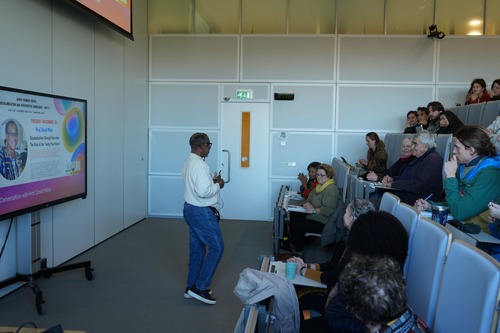
Professor David Millar did not come to the Netherlands to ask for pity, reparations, or sympathy for Africa. He came with a harder question: whose knowledge counts? The founder and president of the Millar Institute for Transdisciplinary and Development Studies was in the Netherlands to teach in the Afrocentric programme he runs together with the Broos Institute for Afrocentric Studies and Research. During the visit, he also delivered a public guest lecture at Wageningen University & Research. His message was clear. Decolonisation is about more than reparations. It is about knowledge. Before colonialism, Millar reminded his audience, African education was education for life. It lived in storytelling, ceremonies, community work, farming, healing, and practical experience. It taught a child how to understand their environment, serve their community, and preserve their culture. Britain, France, Portugal and Belgium did not build schools in Africa primarily to produce independent thinkers. They built them to produce clerks, interpreters, junior administrators and foremen, people who could follow instructions, not challenge authority. The curriculum was imported from Europe. African children learned about European kings and queens, while the great civilisations of Mali, Songhai and Great Zimbabwe were pushed to the margins. Speaking an indigenous language could be punished. Memorisation was rewarded. Questioning was not. The result, Millar argued, was a system that taught obedience rather than leadership, and planted a deep sense of cultural inferiority. Independence did not fully break the pattern. Textbooks changed in places, but rote learning, examination-driven teaching, and the preference for foreign languages remained. Today, many African systems still prize certificates over practical skills, while graduates struggle to find work and many of the continent’s brightest minds leave in search of opportunity. “The important question is: What next?” Millar asked. “If we recognise that education is one of the most colonised aspects of African society, then our next responsibility should be to liberate the educational system.” He thanked three people who shaped his academic journey: his master’s supervisor, Professor Niels Rooney, who took on “a troublesome student from Ghana” and guided him to a distinction, cum laude, and later a PhD scholarship; Professor Norman Long, who supervised his PhD amid a fierce intellectual debate between the systems approach and the actor-oriented perspective; and Janice Jiggins, who offered quiet intellectual support behind the scenes since the 1990s. He also thanked Beatrice Haberkamp, his fieldwork partner, with whom he disagreed, collected data, and learned to separate fieldwork from interpretation. Those encounters, he said, gave him “confidence, vision and the courage to stand up for ideas.” When Millar began working on indigenous knowledge, few called it decolonisation. He simply wanted indigenous knowledge to be taken seriously as another dimension of knowledge. Instead, it was marginalised and ridiculed. And some of the strongest resistance, he said painfully, came from African scholars themselves. After the University of Ghana, he found little willingness to engage his thesis, which some dismissed as storytelling or imagination without scientific credibility. That pushback drove him to seek an academic environment at Wageningen University where the work could receive serious consideration. Looking back, he now sees those experiences as manifestations of colonial influence still living inside African knowledge systems. He first worked with an NGO linked to the Catholic Diocese of Cameroon, which supported his master’s education. After his master’s and PhD, he returned to serve the Diocese out of gratitude. In 1996, he joined the newly established University for Development Studies (UDS) in northern Ghana. The invitation came in memorable fashion: Professor Dittor arrived in a Peugeot 504 station wagon whose doors would not open properly, forcing the occupants to climb out through the windows. Millar joked that he was being asked to leave a comfortable NGO job, with vehicles whose doors opened normally, for a university where people jumped through windows. He accepted anyway. He rose from assistant lecturer to full professor at UDS, and even aspired to become vice-chancellor. That ambition did not materialise. Some of his ideas, he believes, were not compatible with those who preferred the status quo. After years of discussing agricultural extension, participatory development and community engagement, he grew frustrated. Too many processes, he observed, were still designed and directed from outside. Gender, for example, was sometimes reduced to simply adding women to a committee and calling the institution gender-sensitive. About 14 years ago, he founded the Millar Institute, with cultural development at its centre. Its framework deliberately accommodates ethics and culture, gender and culture, feminism and culture, and other related disciplines. Accreditation was a battle. The National Accreditation Board, now the Ghana Tertiary Education Commission, summoned him to defend the institution. During the hearing, Millar explained how numbers in some African contexts carry cultural and symbolic meaning, not only mathematical value, using examples around three and four and their associations with masculine and feminine groupings. The chairman, a mathematician, became fascinated. The conversation shifted from bureaucracy to ideas. That intellectual connection helped the application gain acceptance. Today, the institute focuses on African philosophies, philosophy of science, endogenous development, applied endogenous development, transdisciplinarity and applied transdisciplinarity. Students first learn theory, then are challenged to apply it to real life. Millar calls that liberating. Financed largely from his own resources, without major donors, churches or government dictating its direction, the institute has produced 60 PhD graduates. About 98 per cent of the students are already employed when they enrol. They are not chasing certificates. They want knowledge that improves their work. They come from accounting, social work, medicine and many other fields. One striking example was an American medical doctor, a consultant in non-communicable diseases, whose brother challenged him to look beyond Western definitions and explore indigenous interpretations. He spent four years on a PhD and developed an indigenous perspective on a health condition he described as DAGON. That, Millar said, is the point: research that does not simply reproduce existing knowledge but expands it with local realities. At the institute, every PhD student must dedicate a chapter to local knowledge systems. Where appropriate, that knowledge