








The Bank of Ghana (BoG) has introduced a new, tiered penalty system aimed at curbing the issuance of dud cheques, a move designed to protect the integrity of the country’s financial system and encourage responsible banking.
Under the revised rules, a dud cheque is defined as one that cannot be honoured due to insufficient funds in a customer’s account. If such a cheque is issued, the bank will reject and return it, and the account holder could face legal action in addition to financial penalties.
For first-time offenders, the BoG mandates a penalty of 10% of the cheque’s face value. Offenders will also receive a formal warning outlining the ramifications of future violations. Banks are required to report these cases to both the Credit Reference Bureaus (CRBs) and the central bank.
The penalties increase for repeat offenders. A second dud cheque issued within a year of the first attracts a 15% penalty and a renewed warning, with the incident again being reported to CRBs and the BoG. A third offence within the same period will result in a 20% penalty.
After the third strike, consequences stiffen significantly: the customer will be banned from issuing cheques for at least three years and denied access to new credit facilities for one year. The BoG will notify all banks and Specialised Deposit-Taking Institutions of the sanction, ensuring the ban is enforced across the sector.
The BoG warns that these offences can damage a customer’s creditworthiness, making it harder and more expensive to borrow in the future. Banks must notify customers of a cheque-issuing ban within five working days and recall all unused cheque books, refraining from issuing new ones until the sanction is lifted.
Customers who fail to return unused cheque books within ten working days face even stiffer penalties, including a possible ban on operating any current account and inclusion in the BoG’s Directory of High-Risk Cheque Issuers.
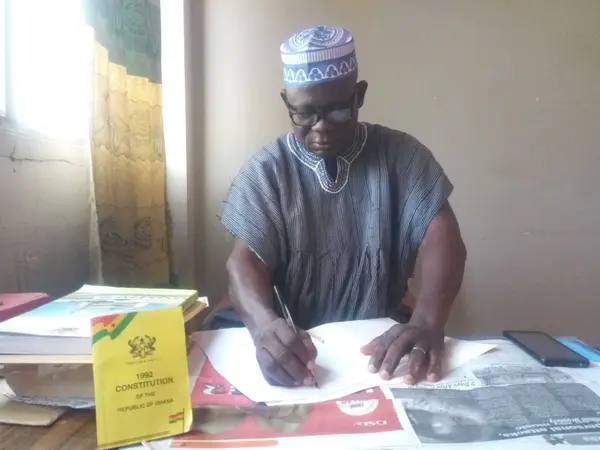
The central bank is urging all customers to be vigilant about their account balances and not to issue cheques based on anticipated funds unless they are certain the money will be available. Keeping accurate records of issued cheques and their expected presentation dates, and alerting one’s bank in the event of insufficient funds, are also strongly advised.
Source: Apexnewsgh.com