



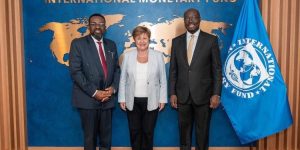
Ghana is preparing to participate in the upcoming IMF-World Bank meetings in Bangkok, Thailand, aiming to reassure investors of its economic prospects and reaffirm its commitment to ongoing reforms, following the conclusion of its US$3 billion bailout programme.
The meetings, slated for October 12–18, mark Ghana’s first appearance since transitioning from the IMF’s Extended Credit Facility (ECF) to a non-financing Policy Coordination Instrument (PCI) arrangement. This shift means the country will no longer receive direct financial support from the Fund, but will instead focus on policy monitoring, reform implementation, and building investor confidence in the nation’s economic direction.
A delegation from the Ministry of Finance and the Bank of Ghana is set to engage with investor groups through both joint and separate discussions. Officials are expected to provide updates on Ghana’s economic conditions, outline the government’s reform agenda, and seek agreements where needed to support the country’s ongoing recovery.
The timing of these discussions is critical. While Ghana has made notable progress under the IMF-supported bailout, maintaining that momentum will require disciplined fiscal management, prudent debt handling, and continued reform, especially in the absence of new IMF disbursements.
Investor sentiment is likely to hinge not just on government promises but on visible evidence of policy implementation. Fiscal targets, expenditure controls, revenue mobilisation, and debt sustainability will be closely scrutinised to determine Ghana’s risk profile and future borrowing costs.
The meetings also provide an opportunity for Ghanaian officials to address concerns about the sustainability of recent economic gains and the risks that could threaten them. Recent visits from IMF staff and further talks in Bangkok are expected to focus on the benchmarks and reforms that will guide the new arrangement.
Although the PCI does not bring fresh funds, it offers a framework for external monitoring and reinforces policy credibility. However, experts note that lasting investor confidence will depend on Ghana’s ability to deliver on its reform promises and maintain fiscal discipline without the safety net of IMF financing.
As the government looks to consolidate economic stability and lay a solid foundation for future growth, investors will be seeking clarity on medium-term fiscal prospects, debt management strategies, and policies that will support private-sector development. Ghana’s central message in Bangkok will be that it is committed to sustaining reforms and meeting its obligations, without relying on continued IMF lending.
Ultimately, while the outcome of the meetings may influence investor sentiment in the short term, enduring confidence will rest on Ghana’s ability to follow through with real economic progress at home.
Source: Apexnewsgh.com