
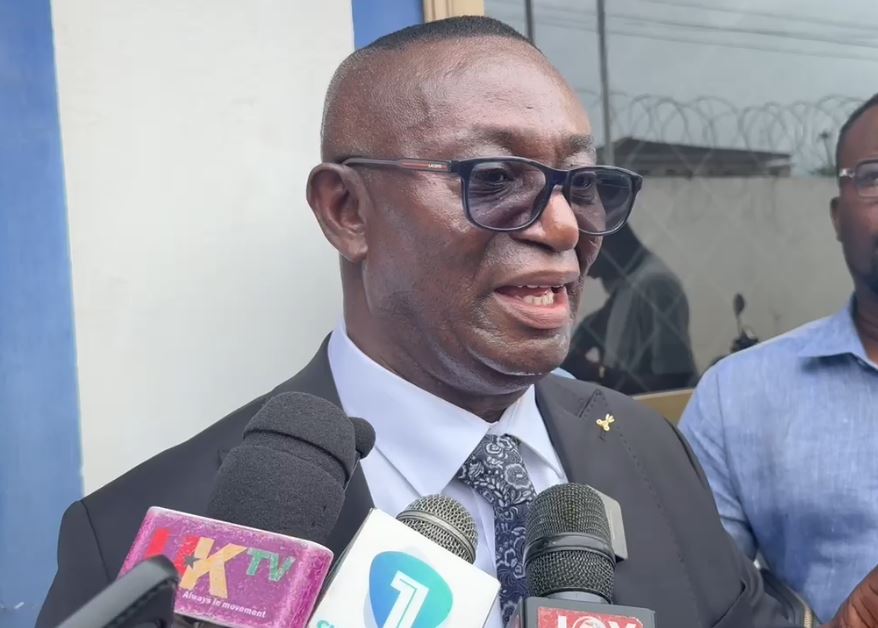
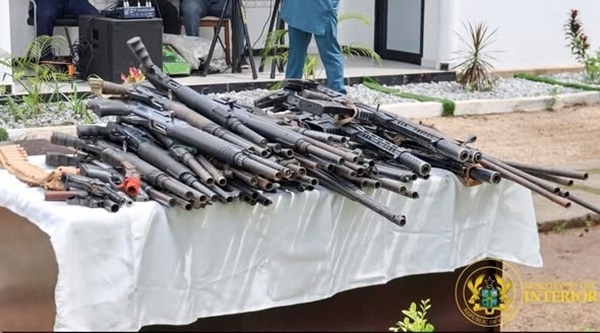
Dr Jinapor Urges NDC Supporters to Be Patient as Government Works to Improve Livelihoods
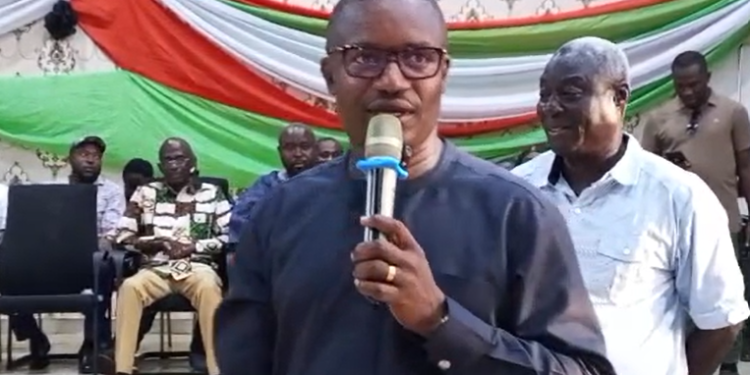
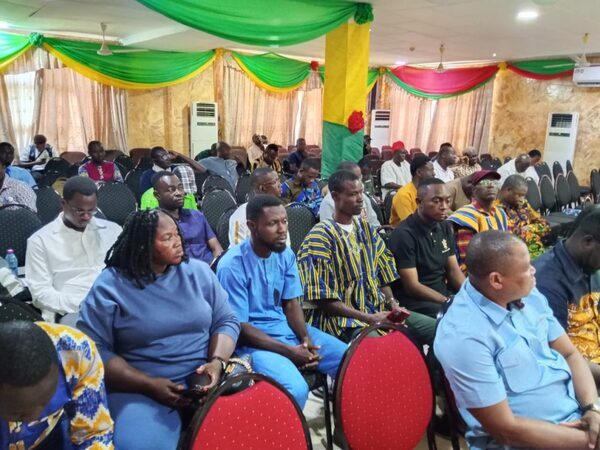
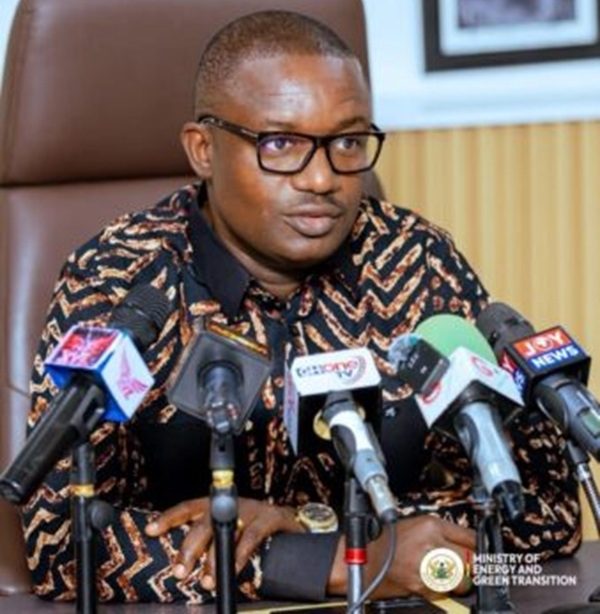
During a spirited gathering in the Savannah Region, the Member of Parliament for Yapei Kusawgu and Minister for Energy, Dr John Abdulai Jinapor, addressed enthusiastic supporters of the National Democratic Congress (NDC) with a message of patience and unity. The occasion was NDC Chairman Johnson Asiedu Nketiah’s thank-you tour on Thursday, May 14, where expectations for jobs and economic support ran high among party faithful. Dr Jinapor, aware of the community’s hopes, acknowledged the pressing demands for employment and business opportunities. “I will plead with you to be patient with the government. We are barely two years in office. We know you need jobs, we know you need businesses,” he assured the crowd. Highlighting the government’s commitment, Dr Jinapor shared recent initiatives aimed at supporting local farmers, including his personal funding for 2,000 bags of fertiliser and 2,000 bags of weedicides this year. “So please exercise patience for the party,” he urged, emphasizing that these measures are just the beginning of broader efforts to uplift livelihoods in the region. But Dr Jinapor’s appeal wasn’t just for patience; it was also for peace and party unity. He cautioned against resorting to violence or divisive actions that could jeopardize the NDC’s political fortunes. “If we are sharing while in office, it is just a matter of time, everybody will get some, but when we use violence and it lands the party in opposition, it will be our loss,” he warned, underscoring the importance of solidarity. Looking ahead, the Energy Minister reassured residents that the government is making preparations to provide pipe-borne water and improve local roads as part of ongoing development projects. Dr Jinapor’s story is one of hope, urging supporters to stand together and trust that their patience will be rewarded as the government’s initiatives take root. Source: Apexnewsgh.com
The Ghana Chamber of Mines Warns: Could Ghana Lose Its Gold Crown?

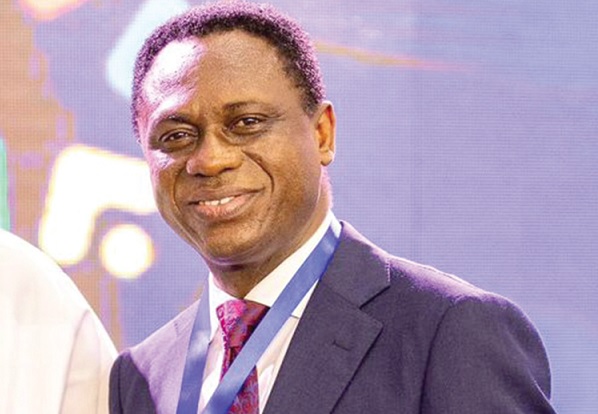
Ing. Ken Ashigbey, the Chief Executive Officer of the Ghana Chamber of Mines, delivered a message that echoed through Ghana’s mining sector. “The reason why we became the number one mining destination in Africa is because of some of the decisions we took. Let’s not reverse them,” he cautioned, his words carrying the weight of decades of mining history. Ghana, long celebrated in history books as Africa’s leading gold producer, now finds itself at a crossroads. The Chamber’s warning comes amid growing concerns that policy shifts could erode the investor confidence that has long fueled the nation’s mining industry. Ashigbey’s caution follows a recent proposal by the Institute of Economic Affairs, which urged the government not to approve a 20-year lease extension for Gold Fields’s Tarkwa Mine. The Institute argues for greater state control and increased local participation in the sector. But Ashigbey’s message was clear: while reform is necessary, Ghana must not lose sight of the stability and predictability that has made it an investment magnet. The threat is not just from within. In neighboring Côte d’Ivoire, officials are rolling out ambitious strategies to transform their country into Africa’s next gold giant within the next decade. “Côte d’Ivoire has developed a long-term strategy aimed at becoming Africa’s leading gold producer,” Ashigbey explained. Both Ghana and Côte d’Ivoire share similar geological riches, their gold deposits stretching across borders. But investors, he warned, can easily shift their attention, and their capital, to countries that offer more attractive and stable environments. Evidence of this shift is already visible. The Chamber has observed a movement of mining investments and Ghanaian entrepreneurs into Côte d’Ivoire, drawn by its evolving policies and investor-friendly climate. Ashigbey emphasized the need for Ghana to not just attract foreign investors but also retain its local talent and capital. “We need to make sure that we are attracting the investment capital but not only foreign, local investment capital as well. There are Ghanaians who now want to go and set up in Cote d’Ivoire,” he noted. As Ghana stands at this critical juncture, the story of its mining sector is being rewritten. The next chapters will depend on whether policymakers choose to safeguard the confidence of investors, both local and foreign, or risk losing the nation’s golden legacy to its ambitious neighbors. Source: Apexnewsgh.com
Bawumia Defies Arrest Threats, Says NPP Will Not Be Silenced
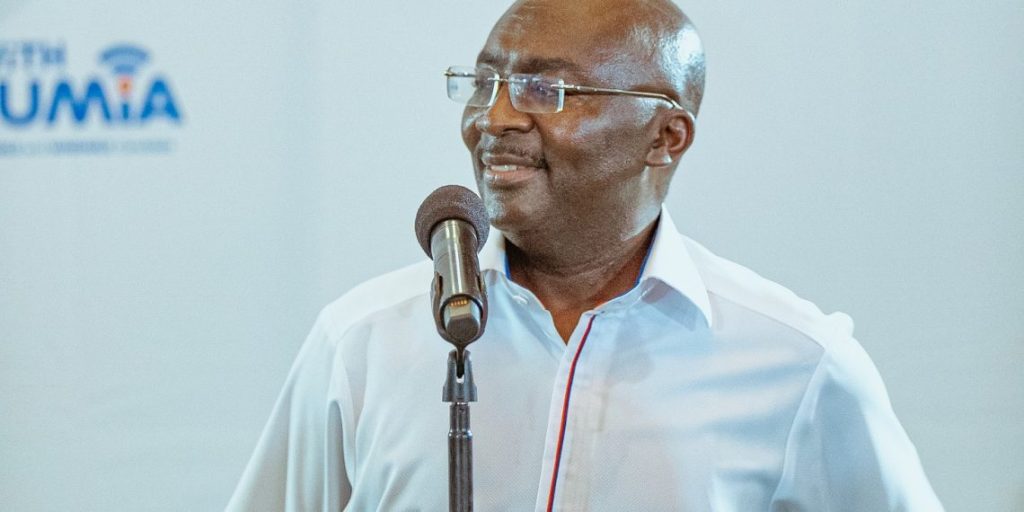
The flagbearer of the opposition New Patriotic Party (NPP), Dr. Mahamudu Bawumia, has declared that the party will not be cowed or intimidated by the recent arrests involving some of its members, insisting that the NPP remains determined to take its message and political ideas to the people of Ghana. His remarks come at a time of growing unease within the party following a series of arrests targeting prominent NPP figures by security agencies. Among those recently arrested are the Bono Regional Chairman of the NPP, Kwame Baffoe, popularly known as Abronye DC, as well as the Agona West NPP Organiser, David Essendoh. The developments have sparked concern among party supporters, with many questioning the motive behind the actions. Speaking during an engagement with student leaders at the University of Ghana on Wednesday, May 13, 2026, ahead of a three-day boot camp organised by the NPP, Dr. Bawumia struck a defiant tone, assuring party faithful that the arrests would not discourage the party from actively participating in national political discourse. According to him, the NPP’s response would not be driven by fear, but rather by sustained engagement with Ghanaians through debate and the presentation of ideas. “We will take the debate and ideas to the country, and we will make our case. We are, however, saying that we will not be intimidated,” Dr. Bawumia stated. He further stressed the party’s resolve by declaring that no amount of arrests would silence the NPP. “You can arrest all of us. We will come back and make our case to the people of Ghana,” he added. Source: Apexnewsgh.com
Court battle brews over assets in Richard Nii Armah Quaye divorce casek

A fresh legal battle has emerged between businessman Richard Nii Armah Quaye and his former wife, Joana Quaye, as she seeks a court injunction to prevent the sale or transfer of several properties, luxury vehicles, and company shares allegedly acquired during their marriage. Mrs. Quaye has filed an application at the Divorce and Matrimonial Division of the Accra High Court, asking the court to restrain her ex-husband from disposing of selected assets while an appeal relating to their divorce settlement remains pending. According to court documents submitted by Dame & Partners on her behalf, the disputed assets include interests in multiple companies, residential properties, and high-end vehicles, which she argues were jointly acquired during the course of their marriage and should therefore be subject to equitable distribution. In an affidavit supporting the application, Mrs. Quaye recounted the history of their relationship, revealing that the couple first met in 2002 shortly after completing secondary school before officially marrying in 2010. She claimed she played a significant role in supporting Mr. Quaye financially and personally during the early stages of his academic and business journey. According to her, part of that support contributed to the establishment of Quick Credit Company Limited, now operating as Bills Micro Credit. Mrs. Quaye further stated that before their marriage, they operated a joint bank account and invested together, adding that proceeds from those investments were used to support Mr. Quaye’s studies in the United Kingdom. Upon his return to Ghana, she alleged that they jointly explored business opportunities and invested personal savings into setting up a microfinance business. The affidavit also stated that in 2011, the couple jointly incorporated Quick Micro Credit and Investment Limited, where both served as directors and shareholders. However, Mrs. Quaye alleged that her name was later removed from company records without her knowledge or consent, an issue she said surfaced during proceedings in the divorce case. Among the assets listed in the application are shareholding interests in companies such as Quick Credit, Quick Angels, Waterfall Engineering, Tigon Entertainment, Ridge Medical Centre, and CEQA Foods. The application also references residential properties located at Trasacco Estates, East Legon, Dansoman, and Mamprobi, in addition to several luxury vehicles believed to be part of the disputed marital assets. Mrs. Quaye is therefore urging the court to preserve the assets until the appeal is determined, arguing that any attempt to transfer or dispose of them could make it difficult to enforce a future judgment should the appeal succeed. The affidavit additionally raised concerns about aspects of the original divorce judgment delivered on January 20, 2026. Mrs. Quaye contended that delays in obtaining the full written judgment affected her ability to properly exercise her right of appeal.
EU Envoy Urges Ghana to Sustain Stability and Attract More European Investment
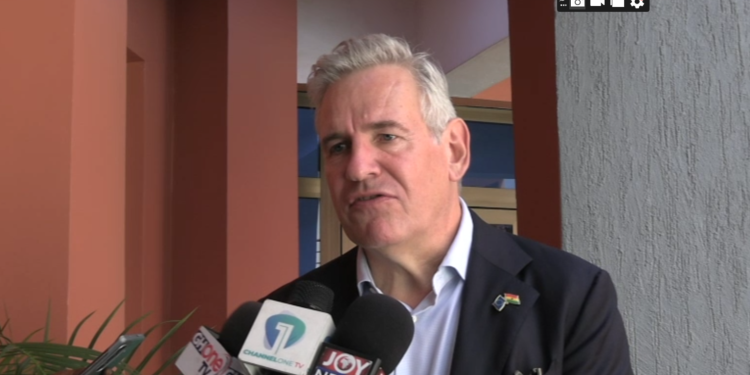
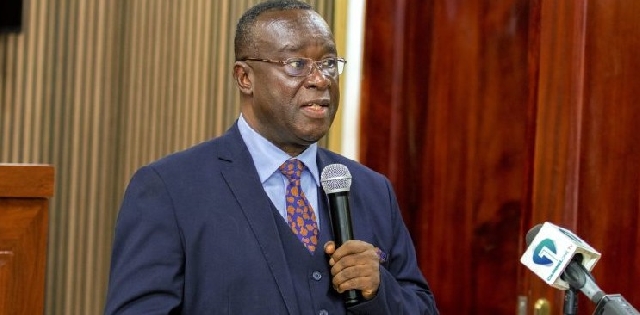
The European Union (EU) Ambassador to Ghana, Rune Skinnnebach, has called on Ghana to maintain its strong record of economic and political stability, emphasizing that such efforts are key to attracting more European investors and strengthening Ghana’s reputation as a top investment destination in West Africa. Speaking at a Career Service Centre programme for young people at the Kwame Nkrumah University of Science and Technology (KNUST) on Thursday, May 14, 2026, Ambassador Skinnnebach highlighted Ghana’s current stability as a positive signal for investors. However, he cautioned that upholding investor confidence would require continued economic reforms and good governance, especially during election periods, when uncertainty can be heightened. The ambassador warned that instability in the Sahel and neighbouring countries could pose risks to Ghana’s peace and security. Against this backdrop, he reaffirmed the European Union’s commitment to supporting Ghana’s democratic stability and ongoing development. Ambassador Skinnnebach also underscored the importance of democratic freedoms, encouraging Ghanaians to use these rights to hold leaders and public institutions accountable. He urged Ghana to leverage the EU’s Global Gateway Investment Package for Africa, which has mobilized 150 billion euros since 2022, to secure greater development financing and attract strategic investments. “This is a huge amount, of course. It’s a merger of traditional development financing, international financial institutions’ financing, and private sector investments,” he explained. The ambassador pointed out that the European Union remains Ghana’s largest investor, top export market, and leading development partner. However, he stressed that continued investment would depend on Ghana’s ability to offer an attractive, stable business environment. “It has to make sure that it has the required political and macroeconomic stability, that they have the business-friendly climate, that they have the functioning infrastructures, that make the legal frameworks, that makes itself attractive for European investors,” he stated. “If that is in place, then the European investors will come. If it’s in place, but not as good as in neighbouring countries, then the European investors will go to neighbouring countries.” Ambassador Skinnnebach’s message was clear: Ghana’s future as a regional investment leader hinges on its commitment to stability, reform, and accountability. Source: Apexnewsgh.com
Dr. Bawumia Rallies NPP Youth for 2028 Leadership and Victory

The Flagbearer of the New Patriotic Party (NPP), Dr Mahamudu Bawumia, has called on the party’s youth wing to prepare for leadership and work tirelessly towards winning back power in the 2028 general elections. Dr. Bawumia delivered this rallying message during a meeting with student leaders ahead of a three-day boot camp organised by the party on Wednesday, May 13, 2026. He explained that the training programme was designed to empower young party members with the skills and experience needed to take up key leadership roles in the future. “I want you to be assured that this training program is for your benefit because we want the youth to take key leadership positions,” Dr. Bawumia told the gathering. “And we cannot get you into key leadership positions if we don’t prepare you for the uptake of these leadership positions.” Confident about the NPP’s chances in 2028, Dr. Bawumia stressed the importance of early organisation and mobilisation. “2028, Inshallah, it is going to happen in 2028. It is possible. It is possible. And we are going to work towards it,” he declared, emphasizing that victory would not come by chance but through determined preparation. He underscored the decisive role the youth would play in the next election, just as they did in 2024, making student engagement and leadership development a central part of the party’s campaign strategy. “The youth will take over the key positions as we move forward in this country. You know that the vote is largely youth-dominated. 2028, as it was in 2024, will be a youth-dominated election,” he noted. Dr. Bawumia also announced plans to deepen the party’s engagement with the Tertiary Students Confederacy of the New Patriotic Party (TESCON), promising to visit several campuses in the coming years to share the party’s ideas and vision. “We will take the debate, the ideas to the country, and we will make our case,” he said. Addressing the issue of political pressure, Dr. Bawumia insisted that the NPP would not be intimidated. “We are, however, saying that we will not be intimidated. You can arrest all of us. We will come back and make our case to the people of Ghana,” he asserted. He concluded by urging the student leaders to stand united behind the party’s efforts and seize the opportunities offered by the training programme. Source: Apexnewsgh.com
Why Upper East Residents Must Drive Development Beyond Government Interventions
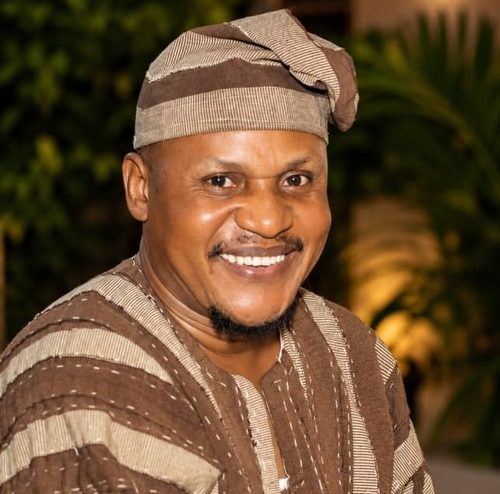
The Upper East Region of Ghana, despite its immense potential, continues to lag in development, a situation that, according to Ngamegbulam Chidozie Stephen, Editor-in-Chief of Apexnewsgh, can be traced to an overreliance on government intervention and a lack of proactive citizen involvement. In his candid opinion, Mr. Ngamegbulam challenges residents to shift their mindset from waiting for politicians and government officials to take action to becoming active participants in the region’s progress. The Journalist observes that most developmental projects in the Upper East Region are the result of government interventions, often financed through public funds such as the Common Fund, GETFund, or NHIA. Rarely, he notes, do you find projects initiated and funded by individual citizens or local philanthropists. “It will be hard for you to go to a constituency and trace what even our politicians have done with their pocket money,” he asserts, highlighting a culture where even affluent residents refrain from using their resources for community development. He points out that this attitude has become deeply ingrained in the region. Despite the presence of wealthy individuals, most residents prefer to wait for politicians to take the initiative, resulting in a cycle where only Members of Parliament and District Chief Executives are recognized for developmental achievements. As he puts it, “Why always politicians? Why always hoping for these politicians?” Mr. Ngamegbulam further illustrates his point with examples across various constituencies, including Talensi, Bolga Central, Bongo, and Nabdam. In all these areas, development is typically credited to MPs or political office holders, while other well-resourced individuals remain passive. This, according to him, stifles the region’s progress and perpetuates underdevelopment. However, the region has seen glimpses of what citizen-led development can achieve. Mr. Ngamegbulam cites the Vea community, which came together to build a bridge through communal effort, as a model for others to emulate. He also lauds the Alagumgube group, which spearheaded the establishment of a regional passport office in Bolgatanga. Although government support was eventually necessary, the initiative began with the group’s own resources and determination, demonstrating the impact collective action can have. The ongoing discussions about constructing an airport in the region further reinforce his argument. The Alagumgbe group did not wait for the government to act; instead, they began preliminary work, clearing the site and drawing public attention. Their initiative has pressured the government to take the project seriously, proving once again that citizen action can catalyze development where political promises have stalled. Mr. Ngamegbulam concludes by emphasizing that the spirit of community initiative is essential for the region’s advancement. He challenges residents to move beyond waiting for the government or using development as a political tool. “If such spirit is alleviated in the region, I bet you that the Upper East Region will be a very developed region,” he asserts. He laments that the region still lacks basic infrastructure, such as a stadium, and warns that continual passivity will only prolong underdevelopment. “If we continue to hope only on politicians to bring development, the region will continue to be underdeveloped as far as the Upper East is concerned,” he says. Source: Apexnewsgh.com
Lawyers Challenge Police Account of Deadly Raid in Zuarungu
In the Upper East Region town of Zuarungu, a night that began with ordinary conversation ended in death, detention, and mounting questions about the conduct of Ghana’s police force. It was April 29, 2026. According to lawyers representing the families of two men killed that night, along with several others still behind bars, a group of people were gathered peacefully at their residence. They were seated, talking among themselves, when police officers entered the premises and made multiple arrests. No gunfire, no armed confrontation, the lawyers insist. Just the sudden intrusion of law enforcement into a private home. Yet the Ghana Police Service tells a different story. Days earlier, the Service announced it had dismantled a robbery gang in the Upper East Region following an intelligence-led operation. Two suspects were dead. Several others were in custody. Now, the legal team from Libran Consults has stepped forward, demanding answers. In a press statement, the lawyers acknowledged the police’s constitutional duty to maintain order. But they pointed to troubling gaps between the official account and what affected families and eyewitnesses have reported. “Some details in the police narrative simply do not match the information available to us,” the statement implied. The lawyers further revealed that roughly ten individuals were arrested that night and transported to the Zuarungu Police Station, where they remain held. But four of them were released the following day without any charges. That fact alone, the legal team argued, raises a critical question: if all those apprehended were part of a violent robbery gang, why were nearly half let go so quickly? For the families of the two deceased men, grief has quickly turned into a fight for accountability. Their lawyers say the circumstances surrounding the deaths implicate fundamental constitutional protections, the rights to life, dignity, and due process. “We are calling for an immediate, independent, and transparent investigation,” the legal representatives stated. They specifically urged the Ghana Police Service to release a complete chain of events: arrest logs, detention records, transfer documents, and any details regarding the “operational deployment” of the deceased persons before they died. To ensure public confidence, the lawyers appealed to the Commission on Human Rights and Administrative Justice (CHRAJ) to step in as an independent oversight body. And they left the door open to further legal action. The families, they said, reserve the right to pursue constitutional and civil claims over what they described as a prima facie case of unlawful deprivation of life. This is not the first time voices have been raised over the Zuarungu operation. Last week, families and friends of the two deceased men held their own press conference, echoing the same concerns now laid out by their legal team. So far, the police have not formally responded. The Upper East Regional Command indicated last week that the case remains under further investigation, and any official response would come from national headquarters, when deemed necessary. For now, the people of Zuarungu wait. And the lawyers have a final message: civil society, the media, and the general public must demand accountability and adherence to the rule of law, especially when lives are lost in state custody. Source: Apexnewsgh.com
NPP Bono Regional Chairman Abronye DC Remanded Amid Misinformation Probe
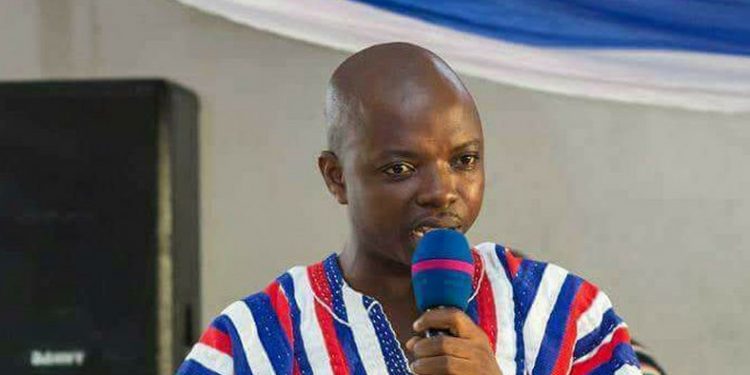
The Bono Regional Chairman of the New Patriotic Party (NPP), Kwame Baffoe, popularly known as Abronye DC, has been remanded in custody for two weeks as authorities pursue ongoing investigations into allegations of misinformation and offensive public statements. Abronye DC’s latest arrest took place on Wednesday, May 13, 2026, coming just weeks after he was granted bail following a previous arrest related to the same matter. His initial detention occurred on Monday, April 13, when he was picked up by security officials amid allegations of offensive conduct, false publication, and making statements considered likely to incite fear and panic among the public. After his first arrest, Abronye DC was released on bail while investigations continued. However, with authorities intensifying their probe, the outspoken regional chairman was rearrested as part of broader efforts to curb the spread of alleged misinformation and inflammatory public remarks that could disturb public order. Details surrounding Abronye DC’s most recent arrest remain scarce, with officials yet to clarify the specific circumstances or confirm whether new charges will be brought against him. Sources close to the investigations suggest that the case underscores a renewed crackdown by security agencies on the dissemination of false information and provocative commentary in the public space. Source: Apexnewsgh.com
Professor Christian Agyare Appointed as New Vice-Chancellor of KNUST
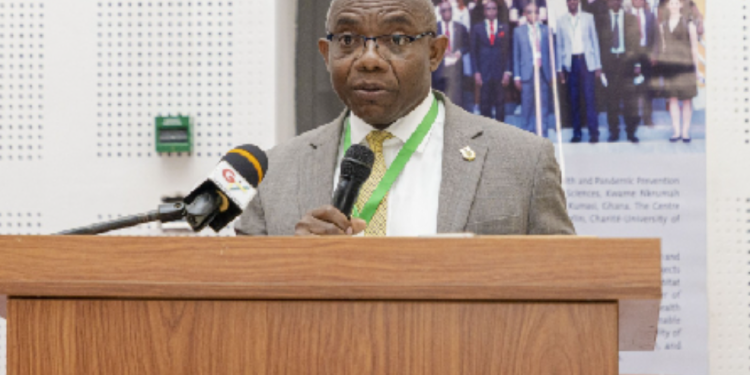
The Kwame Nkrumah University of Science and Technology (KNUST) has ushered in a new chapter in its leadership, announcing the appointment of Professor Christian Agyare as the university’s next Vice-Chancellor. His four-year term is set to begin on August 1, 2026, and will run until July 31, 2030. The announcement was made in an official notice released by the Registrar, Benjamin B. Owusu, on May 13, 2026, following the University Council’s 292nd Special Meeting. According to the statement, the Council’s decision followed careful consideration of the Search Committee’s report on candidates for the position. Professor Agyare, a distinguished Professor of Pharmaceutics and the current Provost of the College of Health Sciences at KNUST, emerged as the Council’s choice for the university’s top office. The leadership transition comes at a time of heightened public interest, with recent reports alleging political interference in the selection process. KNUST, however, firmly rejected these claims as false and misleading, asserting that the search and appointment were conducted professionally, transparently, and in keeping with established institutional procedures. Professor Agyare is widely respected in academic and research circles for his significant contributions to pharmaceutical sciences and higher education administration. His appointment is being seen as a move that promises continuity, integrity, and a renewed focus on academic excellence at KNUST. Source: Apexnewsgh.com