

Johnson Ayine: A Voice Demanding Development for Upper East

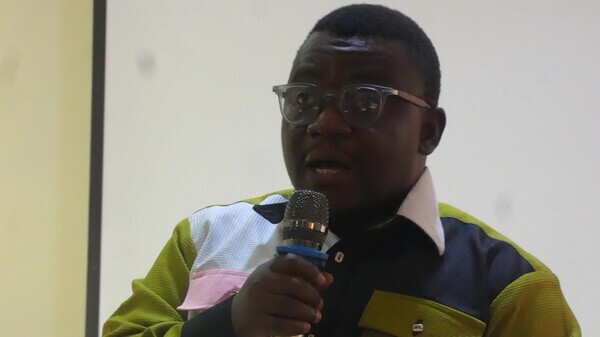
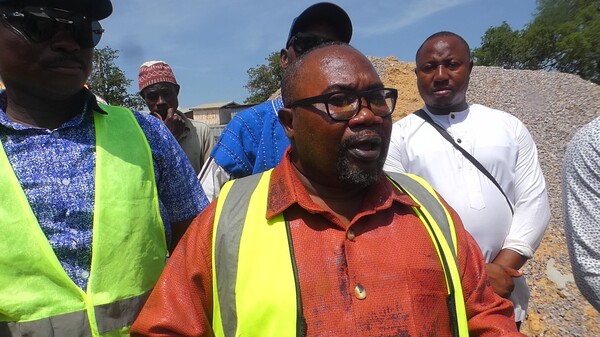
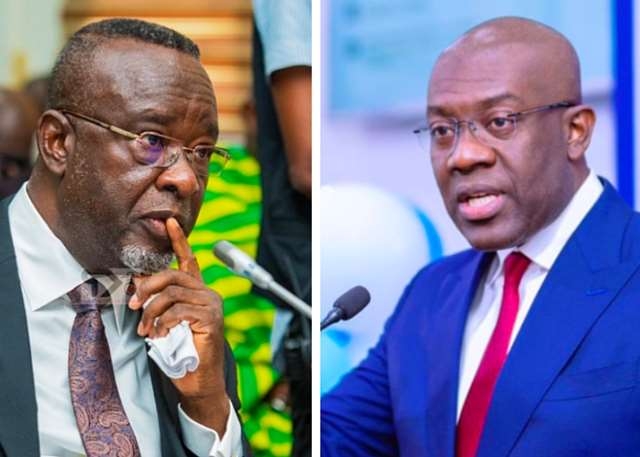
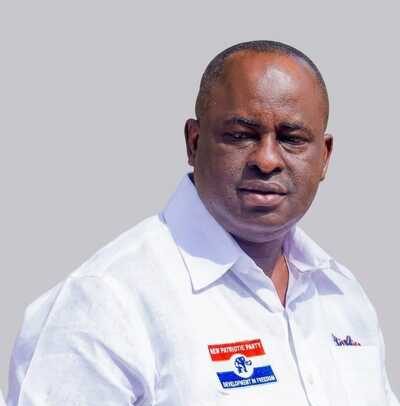
Johnson Ayine, an outspoken contender for the Communications Director position of the Upper East branch of the New Patriotic Party (NPP), has become a prominent advocate for development in the region. His unfiltered criticism and bold advocacy have resonated with many residents who feel let down by the slow pace of progress. Ayine, drawing from his experience as the former Regional Deputy Communication Director, has openly challenged the Upper East Regional Minister. He insists that, with his extensive network and political influence, the Minister has no excuse for failing to secure the region’s fair share of national development. “With his links, you have bargaining power. Your bargaining power is 15 MPs, 100% score. So, you have also given me the development. We are not seeing it,” Ayine declared, underlining his frustration. The aspiring Communications Director’s criticism extends to the National Democratic Congress (NDC) Members of Parliament. According to Ayine, the people’s faith in the NDC’s “Agenda 15-15” has not been rewarded. “They campaigned on Agenda 15-15 and delivered it well. Now, compare the votes that they had to what we are receiving as a result of it. It’s nothing to write home about,” he said, reflecting the widespread disappointment across the region. Ayine pointed to specific examples of unfulfilled promises, such as the stalled regional airport project. He recalled a particularly disappointing moment when the Buffer Stock Regional boss announced that President John Dramani Mahama would soon inaugurate the airport, a promise that remains unfulfilled to this day. But Ayine’s concerns go beyond unfinished projects. He accused some politicians of sidelining key community leaders, including Gabriel Agambila and Alagumgube, from the Airport project. This, he argued, has led to the hijacking and mismanagement of development efforts. He also challenged seasoned political figures, like Donatus Akamugri, to use their influence more effectively. “Every government comes in this Akamugri’s life. So, you mean the man is not actually living up to his expectations? He should make good use of his network,” Ayine remarked. Despite the Upper East Region being home to parliamentary heavyweights such as the Majority Leader Mahama Ayariga and Isaac Adongo, the Chairman of the Finance Committee, Ayine lamented the region’s continued lack of major development projects. “How can you have a Majority Leader from the Upper East, the Chairman of the Finance Committee from the Upper East, and still not get your share of major projects?” he questioned. Ayine’s message is clear: the people of the Upper East Region deserve better. He called for urgent, effective leadership and strong advocacy to secure the region’s rightful share of national development, especially in crucial sectors like roads, agriculture, and infrastructure. His words serve both as a warning to current leaders and a rallying cry for citizens to demand more from those in power. Source: Apexnewsgh.com
The New Patriotic Party (NPP): A History and Leadership Directory (1992 to Present) – Alhaji Dr Hafiz Bin Salih
The New Patriotic Party (NPP) is a major centre-right political party in Ghana, established on 28 July 1992 during the national transition to multi-party constitutional governance under the Fourth Republic. Rooted in the historic Danquah-Dombo-Busia tradition—named in honour of founding figures Dr J. B. Danquah, Chief S. D. Dombo, and Dr K. A. Busia—the party advocates liberal conservatism, a property-owning democracy, free-market economics, and individual freedom. With the elephant as its symbol and red, white, and blue as its colours, the NPP operates under the motto “Development in Freedom”. Alongside the National Democratic Congress (NDC), it forms one of the two primary forces in Ghanaian politics. The party contested its first presidential election in 1992 under Professor Albert Adu Boahen, subsequently achieving national executive governance under Presidents John Agyekum Kufuor (2001–2009) and Nana Addo Dankwa Akufo-Addo (2017–2025). The party’s administrative leadership is anchored by its National Chairman and supported by the General Secretary. Over the years, the party has elected capable individuals to these key positions. National Chairmen 1. B. J. da Rocha (1992–1995): Inaugural National Chairman 2. Peter Ala Adjetey (1995–1998) 3. Samuel Odoi-Sykes (1998–2001): Led the party through the 2000 election victory 4. Harona Esseku (2001–2005) 5. Peter Mac Manu (2005–2010) 6. Jake Otanka Obetsebi-Lamptey (2010–2014) 7. Paul Afoko (2014–2015): Suspended by the party’s National Executive Committee in October 2015 8. Freddie Blay (2015–2022): Served in an acting capacity from October 2015; elected substantively in July 2018 9. Stephen Ntim (2022–present): Elected at the National Delegates Conference in July 2022 General Secretaries 1. Joseph Agyenim Boateng (1992–1998): Inaugural General Secretary 2. Dan Botwe (1998–2005) 3. Nana Ohene Ntow (2005–2010) 4. Kwadwo Owusu Afriyie (Sir John) (2010–2014) 5. Kwabena Agyapong (2014–2015): Suspended by the party’s National Executive Committee in December 2015 6. John Boadu (2015–2022): Served in an acting capacity from December 2015; elected substantively in July 2018 7. Justin Frimpong Kodua (JFK) (2022–present): Elected at the National Delegates Conference in July 2022 Hafiz Bin Salih (PhD) Member of the National Council of NPP Former Upper West Regional Minister Former Upper West Regional 1st Vice Chairman Source: Apexnewsgh.com
Democratic-Led States Sue Trump Administration Over New Tariffs
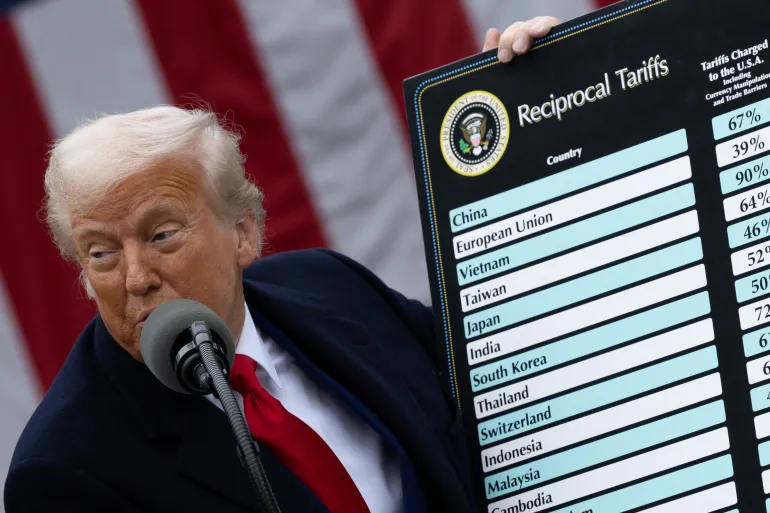
A coalition of 25 Democratic-led states has launched a legal challenge against the Trump administration’s latest round of tariffs, alleging that the former president exceeded his legal authority in imposing the new levies. The lawsuit, filed on Monday, August 3, in the US Court of International Trade, targets double-digit tariffs placed on 60 trading partners last month. The administration justified the tariffs by accusing those countries of failing to curb the importation of goods produced with forced labour. The move came just as earlier temporary tariffs expired, after the Supreme Court struck down Trump’s signature “liberation day” levies in a February ruling. “After losing at the Supreme Court, the administration is once again trying to illegally raise taxes on families and businesses with a new round of tariffs,” said New York Attorney General Letitia James. States participating in the lawsuit, including Oregon and New York, are all led by Democratic attorneys general or governors. Responding to the lawsuit, White House spokesman Kush Desai defended the administration’s actions, stating, “A foreign country’s failure to impose and effectively enforce a prohibition on the importation of goods produced with forced labor is unreasonable and burdens US commerce, including American workers, and must be addressed.” The legal battle comes as Trump continues to argue that high tariffs are necessary to revive US manufacturing. Last year, he broke with decades of US policy favoring low tariffs and open trade, citing the 1977 International Emergency Economic Powers Act (IEEPA) as justification for double-digit tariffs on imports from nearly every country. Trump claimed that the nation’s trade deficit constituted a national emergency. However, the Supreme Court ruled that IEEPA did not authorize such tariffs, forcing the administration to refund importers who had paid them. To make up for lost revenue, the administration imposed temporary 10 percent tariffs, which expired on July 24. The newest tariffs, announced in July under Section 301 of the Trade Act of 1974, are aimed at countering unfair or discriminatory practices by other countries and now affect more than 99 percent of US imports. The coalition of states, echoing arguments from previous lawsuits by small businesses, contends that the Trump administration is using concerns about forced labor as a pretext to reimpose tariffs already deemed illegal by the courts. They argue that sweeping import taxes will not effectively address the global issue of forced labor and instead harm American families and businesses. Source: Apexnewsgh.com
One Dead, Several Communities Cut Off After Bridges Collapse in Tempane District
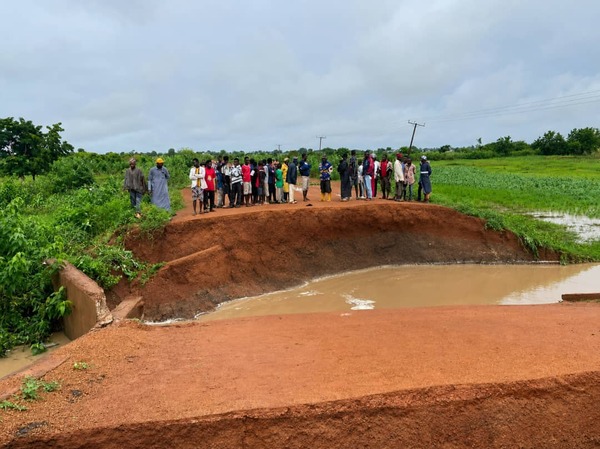
A tragic incident has struck the Tempane District of the Upper East Region after the collapse of a bridge at Bugri claimed one life and left several communities isolated. According to residents, the victim lost his life on Monday when the bridge linking Bugri and Bugri Corner suddenly collapsed. The incident has thrown the affected communities into distress, with fears that more lives could be at risk if urgent action is not taken. The situation has been worsened by the collapse of another bridge connecting Bugri to Pusiga, which has also been washed away. The destruction of the two key bridges has disrupted transportation, leaving residents, traders, farmers and commuters stranded and making it difficult to access essential services and markets. Community members are now appealing to the Ministry of Roads and Highways, the Member of Parliament for Tempane, and the Tempane District Assembly to intervene immediately by reconstructing the damaged bridges. They warn that unless swift measures are taken, the continued isolation of the affected communities could lead to further hardship, economic losses and the risk of additional casualties. Residents are therefore urging the authorities to treat the reconstruction of the bridges as an emergency to restore safe movement and prevent further loss of life. Source: Apexnewsgh.com
Supreme Court Ruling: Opening Party Primaries Won’t End Money Politics, But Will Curb Electoral Corruption
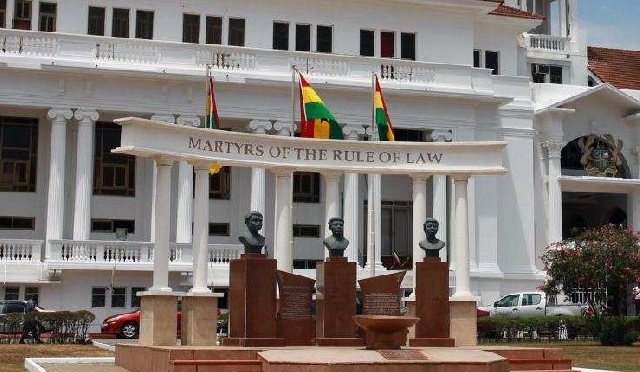
In a landmark decision, Ghana’s Supreme Court has ruled that although opening political party primaries to all registered members will not abolish money politics, it will make electoral corruption significantly more difficult. This pivotal stance was set out in the judgment of Prof. Frimpong-Boateng & 2 Others v NPP & 4 Others, in which a seven-member panel, by a 5–2 majority, declared the delegates system used by political parties to elect their presidential and parliamentary candidates unconstitutional. The panel, comprising Chief Justice Paul Baffoe-Bonnie, Justice Gabriel Scott Pwamang, Justice Issifu Omoro Tanko Amadu, Justice Samuel Kwame Adibu-Asiedu, Justice Senyo Dzamefe, Justice Ernest Yao Gaewu, and Justice George Kingsley Koomson, emphasized that while corruption may not be eradicated overnight, broadening participation is an essential step toward strengthening Ghana’s democracy. An excerpt of the judgment, shared on Facebook by Deputy Attorney General Justice Srem-Sai, addressed concerns that expanding participation would not automatically wipe out vote-buying. Chief Justice Baffoe-Bonnie candidly stated that the Court was under no illusion that such corruption would simply vanish. “True, opening party primaries to every party member is no guarantee that money politics will disappear. Corruption is remarkably adaptable. It often changes its form rather than vanish altogether. Yet constitutional adjudication rarely offers perfect solutions. The Court is often required to choose the course that best promotes constitutional values in imperfect circumstances,” he noted. Chief Justice Baffoe-Bonnie explained that the delegates system, by concentrating power in the hands of a select few, made targeted inducements easier and more attractive to those seeking to influence outcomes. “Concentrating decisive electoral power in a relatively small body of delegates inevitably increases the value of each delegate’s vote. It creates a smaller market, a more identifiable electorate and, therefore, a more attractive environment for targeted inducements. A broader electorate may increase campaign costs, but it also disperses political power among thousands of ordinary members, making it considerably more difficult for electoral outcomes to be shaped by a relatively small number of transactions,” he explained. For the Supreme Court, the critical question was not whether the new system would entirely eliminate corruption, but whether it would better advance the democratic values enshrined in Ghana’s Constitution. Chief Justice Baffoe-Bonnie concluded that the nation’s constitutional democracy requires political parties to adopt a broader, more inclusive model for internal elections. “For that reason, this Court may legitimately conclude that, at this stage of Ghana’s democratic development, fidelity to the Constitution requires political parties to embrace the model of democracy that the Constitution itself consistently prefers for the purpose of constituting political authority.” With this judgment, the Supreme Court has mandated political parties to abandon the delegates system in favour of broader participation by their members in the selection of party executives and candidates, a move seen as a milestone in Ghana’s evolving democratic journey. Source: Apexnewsgh.com
Africa’s Future Lies in Investment: GOLDBOD CEO Urges Diaspora to Go Beyond Remittances
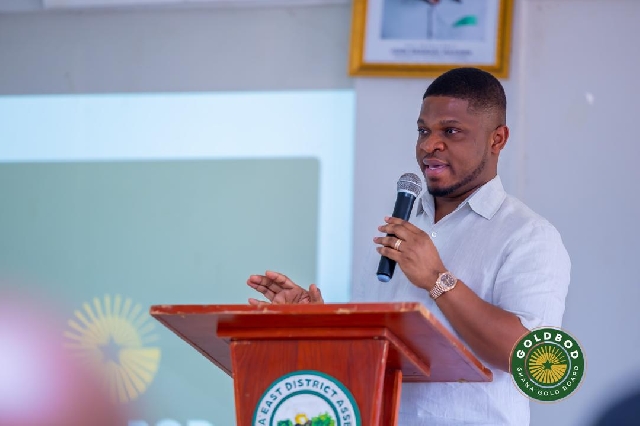
At the prestigious Africa Rising Symposium in London, the air was thick with anticipation as Sammy Gyamfi, Chief Executive Officer of the Ghana Gold Board (GOLDBOD), took the stage. Addressing an audience brought together by EMY Africa, Mr. Gyamfi delivered a stirring call to action: it is time for Africans abroad to become more than senders of remittances, they must become strategic investors in Africa’s economic transformation. Under the headline theme, “The Growing Relationship Between Africa and Its Global Diaspora and Why This Movement Matters,” Mr. Gyamfi spoke passionately about the continent’s future. He described the African diaspora as one of Africa’s greatest strategic assets, endowed with the financial resources, expertise, technology, and global networks needed to accelerate the continent’s development. “Remittances are lifelines, but investments build self-sustaining engines. Remittances help households survive but investments help economies transform,” Gyamfi declared, drawing a clear distinction between short-term support and long-term prosperity. He urged diaspora communities to channel their resources into productive sectors such as manufacturing, agribusiness, information technology, healthcare, infrastructure, renewable energy, and value addition. Beyond capital, he called for the sharing of skills, mentorship, and governance expertise, emphasizing the role of the diaspora in nurturing Africa’s next generation of entrepreneurs. Mr. Gyamfi also turned his attention to African governments, challenging them to create a more conducive environment for diaspora investment. He stressed the need for policy consistency, robust institutions, and respect for contracts, while commending President John Dramani Mahama for policies aimed at strengthening local ownership and encouraging mutually beneficial foreign investment in Ghana. The GOLDBOD CEO concluded his address with a resounding message: “Fellow Africans, Africa is rising. Let Africans rise with her.” He went on to highlight reforms at the Ghana Gold Board under his leadership, including intensified efforts to formalize gold trade, combat smuggling, promote responsible sourcing, and bolster Ghana’s gold reserves. These reforms, he explained, are designed to maximize value retention, protect national resources, and ensure that Ghana’s mineral wealth delivers sustainable and inclusive benefits for all. As the applause echoed through the hall, Mr. Gyamfi’s vision for Africa’s future was clear: a continent transformed not by charity, but by ownership, value creation, and powerful partnerships with its global sons and daughters. Source: Apexnewsgh.com
NPP Upper East Communication Director Aspirant Johnson Ayine Pledges Strong, Transparent Relationship with the Media
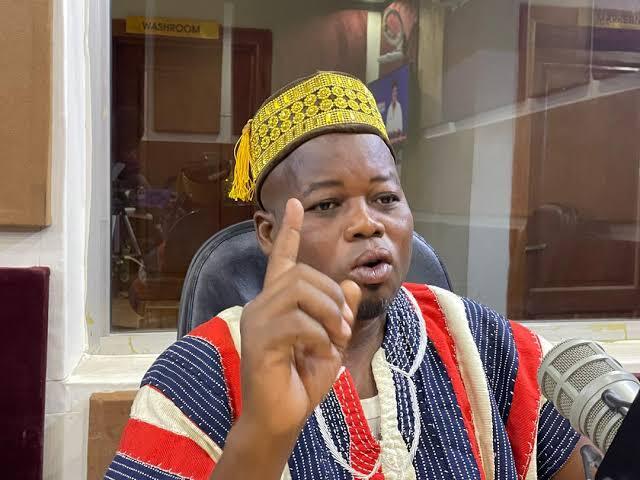
Johnson Ayine, an aspirant for Upper East Regional Communication Director of the New Patriotic Party (NPP), has outlined his vision for a collaborative and transparent relationship with the media if given the opportunity to serve as Communication Director. Reflecting on his over two decades in the media, Ayine credited the industry for shaping his career and connections. “The media has played a pivotal role in getting me to where I am today. I’ve always said, if media professionals were the delegates for this election, no one would contest me, my rapport with journalists across the region is that strong,” he stated. Ayine emphasized that, for any communicator, the media should be an ally, not an adversary. “You need the media on your side. As a communicator, your reach is limited without them. I’ve never had issues with any journalist, host, or hostess in this region,” he said, adding that his approach is to work with all, regardless of the platform or interviewer. He proposed a fair and inclusive system for media engagement at party events. “If there are 50 journalists in the region and you can only accommodate 10 at an event, rotate them. The next program, invite a different set, so everyone feels included and all have the opportunity to report on party activities,” Ayine explained. This, he believes, will ensure wider coverage and strengthen the party’s relationship with the media. Ayine made this commitment in response to the numerous challenges and disappointments the media have experienced due to selective and tribalistic behavior by some party communicators. He also acknowledged the challenges journalists face, particularly inadequate compensation and welfare support. “The media fights for the rights of all, yet their own welfare is often neglected. We need to address this by making provisions for journalists at our events, ensuring they are comfortable, have refreshments, and are able to do their work effectively,” he said. He pledged to work closely with the leadership of the Ghana Journalists Association (GJA) in the region, designating liaison persons to facilitate smooth communication and avoid misunderstandings. “Transparency will be key. I want to maintain the strong reputation I’ve built with the media. By working directly with media representatives, we can plan better and avoid leaving anyone out,” he noted. Ayine also highlighted the importance of proactive communication and mutual respect. “Sometimes, when sensitive or potentially damaging information is shared, I reach out to editors and producers to clarify or request restraint. This is the kind of professional relationship I want to maintain, one built on trust, openness, and shared goals.” He cautioned against favoritism and exclusion, warning that repeatedly inviting the same journalists while ignoring others could breed resentment and negative coverage. “Every media house should feel valued and engaged. That way, when we have good news, they’ll help amplify it, and when challenges arise, we can address them together.” In conclusion, Ayine affirmed his belief that leveraging the goodwill and professionalism of the media in the Upper East Region will be crucial in shaping public opinion and advancing the NPP’s communication goals. “With a transparent, respectful, and inclusive approach, we can use the power of the media to change minds and move the party forward.” Source: Apexnewsgh.com
NPP Upper East Communication Director Aspirant Johnson Ayine Unveils Vision for Stronger, United Party Messaging
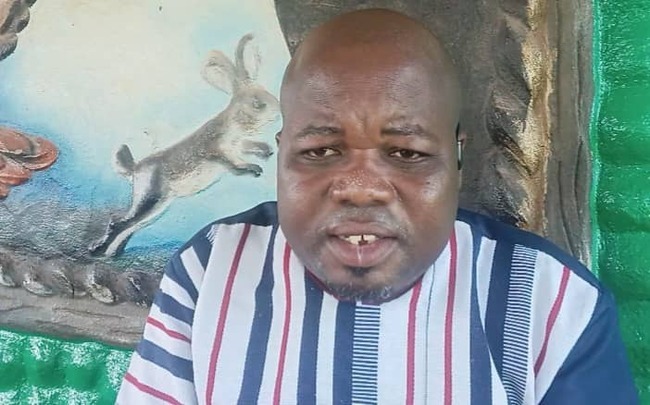
Johnson Ayine, an aspirant for Upper East Regional Communication Director of the New Patriotic Party (NPP), has laid out a bold vision to overhaul the party’s communication strategy, promote unity, and expand its appeal at both grassroots and regional levels. With over twenty years of experience in communication, known for his fact-based, data-driven approach, Ayine has pledged to address existing weaknesses and foster transparency, accountability, and inclusivity in the NPP’s outreach. “I know there are weaknesses we need to address to strengthen NPP communication. My aim is to do things differently and better,” he said in an interview. Ayine emphasized that effective political communication is crucial for shaping public opinion and influencing voter behavior. “If we want to win more constituencies and secure more votes for the NPP, we must equip every party executive and supporter with basic communication skills. This way, they can confidently represent the party in any setting, whether on radio, in the market, or on their farms.” He plans to introduce regular training for party members, ensuring everyone can clearly communicate NPP policies and respond to criticism. “Our communicators should be able to debate and win arguments wherever they are, helping people understand the party’s pro-poor policies and achievements.” Ayine also stressed the importance of unity, selflessness, forgiveness, and teamwork within the party, noting that unity is critical for public trust and electoral success. “When people see that party members are united, supportive, and ready to solve problems together, they are more likely to support us,” he said. To ensure transparency and accountability, Ayine will establish a welfare committee with a dedicated bank account for communication resources. “All contributions and expenditures will be recorded and acknowledged, so supporters know exactly how their resources are used. This will encourage more people to support the party financially.” He also intends to set up a research and archives committee to monitor promises made by both the NPP and their opponents, especially the NDC. “We must hold the NDC accountable for their promises and highlight the unfulfilled ones, just as they have done to us in the past by tagging our then Vice President Dr. Bawumia as “Bawuliar”. This committee will gather facts to support our arguments and strengthen our public messaging.” A monitoring and publicity committee will also be introduced to track media appearances and ensure the most suitable spokespersons address relevant issues. “We’ll monitor all media, match communicators to topics they are best suited for, and ensure we have the right people addressing the right issues to avoid missteps.” Ayine proposes an annual ‘Communicators Day’ to acknowledge and reward outstanding communicators, fostering motivation and healthy competition within the team. He also outlined plans for outreach days, where party communicators, executives, and candidates will visit communities, engage with voters, and conduct house-to-house campaigns. “Direct engagement helps us understand voters’ problems firsthand and tailor our messages to resonate with them.” He stressed the importance of localizing communication and making party messages relevant to the daily lives of constituents. “People want to hear how national policies affect their daily lives. Our communicators must be able to link party achievements to the concerns of the people.” Johnson Ayine’s vision centers on training, transparency, research-backed messaging, strategic media engagement, recognition of top communicators, and grassroots outreach. By implementing these strategies, he believes the NPP can build a more effective, united, and responsive communication network to win the hearts and minds of voters across the Upper East region. Source: Apexnewsgh.com
NPP Secures Police Approval for Mammoth Protest Following Court Ruling
The New Patriotic Party (NPP) has received the green light from the Greater Accra Regional Police Command to hold a massive demonstration on Thursday, August 6. The move comes in the wake of the Court of Appeal’s decision to acquit and discharge the former Chief Executive Officer of the Microfinance and Small Loans Centre (MASLOC), Sedina Tamakloe-Attionu, overturning her conviction and 10-year prison sentence handed down by the High Court. After securing police approval, the NPP’s National Organiser, Henry Nana Boakye, popularly known as Nana B, addressed the media and detailed the demonstration route. “We intend to stage this demonstration to press home our demand that democracy must be protected. On Thursday, August 6, at 5 AM, we will assemble in front of the Supreme Court before proceeding to the Economic and Organised Crime Office (EOCO) and then to the Jubilee House. We will also present a petition to Parliament through a designated representative,” Nana B announced. According to Nana B, the planned protest aims to draw attention to what the party sees as a subversion of justice, suppression of free speech, and the erosion of Ghana’s democracy. He explained, “On Friday, July 31, we submitted our notice to stage a mammoth demonstration over what we describe as selective justice, interference with the judiciary, and the repressive bail conditions imposed on members of the opposition.” Nana B further asserted, “Today, democracy is under attack. We are witnessing the suppression of free speech and the criminalisation of free expression. Our democracy is dying, and this is not what President Mahama promised.” The NPP’s upcoming demonstration is set to be a significant event, highlighting the party’s concerns about the current state of governance and judicial independence in Ghana. Source: Apexnewsgh.com
Uncovered Illegal Mining Pits Claim 23 Lives in Ashanti Region, Prompting Crackdown and Land Reclamation Efforts
Uncovered illegal mining pits have claimed the lives of 23 people, including 12 adults and 11 children, across 19 districts in the Ashanti Region this year, with four additional individuals still missing. The alarming toll of drownings in abandoned pits was revealed during the Ashanti Regional First Half-Year Review meeting organized by the Regional Coordinating Council (RCC). Ashanti Regional Minister Dr. Frank Amoakohene, speaking to the media, described the situation as “a key concern to NADMO and the security agencies.” He issued a stern directive to Metropolitan, Municipal, and District Chief Executives (MMDCEs), stressing their responsibility to combat illegal mining within their jurisdictions. Rejecting excuses about inadequate funding, Dr. Amoakohene emphasized that MMDCEs must act promptly on notifications from the Forestry and Minerals Commissions or formally escalate issues to NAIMOS and the RCC. “If you don’t have the funding to fight it at your level, there should be evidence of you writing to NAIMOS or RCC so we can pick it up,” he charged. In response to the drownings, the RCC has launched targeted land reclamation projects to fill hazardous open pits in high-risk communities. The minister warned that regional security forces would intensify crackdowns on illegal operations near forest reserves, water bodies, and key infrastructure, urging miners to shift to the government-backed cooperative mining framework or face full law enforcement action. To further protect critical infrastructure, Dr. Amoakohene highlighted the recent establishment of a permanent Forestry Commission post, supported by the UK government, at the Oda Forest Reserve in Numeri. The facility has helped safeguard the Oda Water Treatment Plant from a potential total shutdown due to heavy upstream pollution, thereby securing the region’s water supply. The minister’s remarks underscore the urgency of addressing the hazardous legacy of illegal mining and the Ashanti Region’s commitment to land reclamation, environmental protection, and public safety. Source: Apexnewsgh.com