
FONAR Calls for National Action as Striga Threatens Cereal Production in Northern Ghana
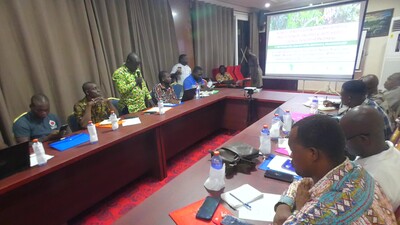
The Executive Director of the Forum for Natural Regeneration (FONAR), Mr. Sumaila S. Saaka, has called for increased national investment and coordinated action to tackle the growing threat posed by Striga, commonly known as witchweed, to cereal production in Northern Ghana. According to Mr. Saaka, Striga should no longer be treated merely as a farmer’s private challenge but as a national food security threat requiring sustained government attention and investment. He made the call on Thursday, September 17, 2026, when he delivered the opening remarks at a sensitization forum for media practitioners on Striga control in Northern Ghana, held at the Blue Sky Hotel in Zuarungu in the Bolgatanga East District of the Upper East Region. The forum was organised in collaboration with the Ministry of Food and Agriculture (MoFA) and the Ghana Journalists Association (GJA), Upper East Region Chapter. Mr. Saaka explained that Striga poses a serious threat to staple cereal crops, particularly sorghum, millet and maize, because the parasite attaches itself to the roots of crops and draws away essential water and nutrients before becoming visible above the soil. He noted that by the time the characteristic purple flowers of Striga become visible, significant damage may already have been done to the affected crops. “For a farmer in the Upper East Region watching sorghum, millet or maize wither in a field that received good rains, Striga is a very familiar and very painful reality,” he said. The FONAR Executive Director stressed that the organisation views Striga not only as an agricultural pest but also as an indication of deeper challenges associated with declining soil fertility and land degradation. He said declining soil fertility, loss of tree cover and depletion of organic matter from farmlands create conditions that allow Striga to thrive. Mr. Saaka therefore advocated an integrated approach that combines direct Striga control measures with long-term land restoration. He said FONAR’s work in promoting Farmer Managed Natural Regeneration (FMNR), climate-smart agroforestry and integrated soil fertility management was aimed at restoring the health and productivity of degraded agricultural lands. “Where soil fertility declines, where tree cover is lost, where organic matter is stripped from the land season after season, Striga finds exactly the conditions it needs to thrive,” he stated. Mr. Saaka also urged journalists to use their platforms to educate farmers and the wider public about Striga and the available control measures. He said accurate and well-informed journalism could help reach farming communities with practical information while also holding institutions accountable for interventions aimed at addressing the problem. “A single well-researched broadcast can reach many farming households that no extension officer ever will,” he said, adding that well-told stories could help replace myths and misinformation about Striga with practical knowledge. He encouraged media practitioners to pay particular attention to the experiences of farmers affected by Striga, describing their lived experiences as an important measure of whether interventions are producing the desired results. Mr. Saaka further called on the government to invest in community-level biocontrol and awareness programmes, alongside measures to restore degraded soils and strengthen pest-control interventions. He argued that cereal production in Northern Ghana should receive sustained attention as part of the country’s broader food security strategy. According to him, Striga infestation could result in substantial yield losses in affected areas, particularly in parts of the Upper East and Upper West Regions. He warned that continued inaction could contribute to early food shortages and worsen the economic pressures confronting farming households. “Government cannot treat Striga as a farmer’s private burden. It is a national food security threat, and it demands national investment,” Mr. Saaka said. FONAR seeks stronger collaboration Mr. Saaka said FONAR, MoFA and the media needed to strengthen collaboration in addressing the Striga challenge. He explained that the forum was expected to help journalists understand what Striga is, why it persists, the relationship between the weed and soil health, and the range of available control measures. He stressed that the agronomic recommendations promoted by MoFA’s extension officers and FONAR’s land restoration and natural regeneration approaches should be viewed as complementary rather than competing interventions. The forum also provided an opportunity for journalists to hear directly from a farmer affected by Striga and to visit an affected farm as part of efforts to gain a practical understanding of the problem. Mr. Saaka expressed the hope that the engagement would mark the beginning of a sustained working relationship between FONAR, MoFA and media organisations in promoting public awareness and action on Striga. He also expressed appreciation to the Awaken Trees Association of Austria for funding the activity, as well as MoFA and the GJA Upper East Regional Chapter for their partnership in organising the forum. Source: Apexnewsgh.com/Ngamegbulam Chidozie Stephen
School Infrastructure, Teacher Accommodation Top Talensi DCE’s Education Agenda
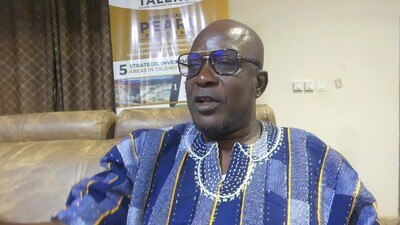
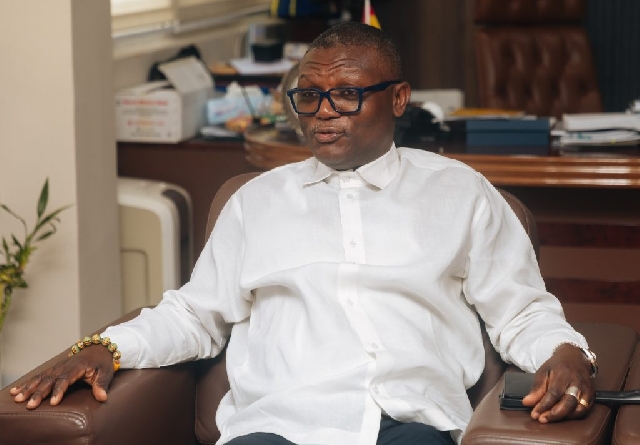
The Talensi District Chief Executive (DCE), Hon. John Millim Nabwomya, has pointed out number of interventions and achievements recorded in the education sector since taking over as District Chief Executive Hon. Nabwomya made the disclosure during an exclusive engagement with Ngamegbulam Chidozie Stephen of Apexnewsgh on the “SPEAKOUT UPPER EAST” programme. According to the DCE, the Talensi District Assembly, with support from the government and other stakeholders, has undertaken a number of projects aimed at improving teaching and learning, providing educational infrastructure and addressing some of the challenges confronting teachers and pupils in the district. Hon. Nabwomya said the Assembly has completed a school block at Gazore under the Social Cohesion (SOCO) programme. Although the facility is yet to be formally handed over, he said it is already being used by pupils. He further disclosed that the Assembly has commissioned a three-unit classroom block with an office at Gbey in the Gazore area. Another three-unit classroom block at Gatu is also expected to be handed over shortly, he said. The DCE also highlighted the completion and handover of a three-unit classroom block at the Tongo Senior High Technical School in the Baare Electoral Area. According to him, the facility includes an office for the head of the school and a changing room for girls and was also completed under the SOCO programme. Hon. Nabwomya said the Assembly has also procured educational furniture to improve the learning environment in schools across the district. He disclosed that approximately 1,200 dual desks have been procured, alongside 24 hexagonal tables for kindergarten pupils and about 240 chairs. He said the furniture was being assembled and prepared for distribution to beneficiary schools. The DCE further spoke about the Assembly’s response to rainstorm damage that affected several schools in the district. He explained that a heavy rainstorm in May caused significant damage to a number of school buildings, with some roofs ripped off. The Assembly, he said, used its internally generated funds (IGF) to begin repairing some of the affected schools. However, he noted that the situation at Gare Primary School became particularly challenging after another heavy rainstorm in August caused further damage to a section of the school that had already been affected. Faced with limited resources, Hon. Nabwomya said he sought assistance from benevolent individuals, including Dr. Martin Kolbil Yamborigya, the Commissioner in charge of Domestic Tax Revenue at the Ghana Revenue Authority. He said the Assembly’s engineers were instructed to assess the damage and prepare an estimate for the rehabilitation. According to the DCE, the affected school block was eventually reroofed using what he described as high-quality aluminium roofing sheets. He said the facility has since been put back into use. Hon. Nabwomya identified teacher accommodation as one of the major challenges affecting education delivery in the district. He explained that teachers posted to remote communities sometimes come from other regions and are faced with difficulties securing accommodation close to their schools. According to him, where teachers are forced to live in nearby towns and travel long distances to their schools every day, valuable teaching time could be lost. To address the challenge, he said the Assembly is conducting feasibility work towards constructing 10 self-contained rooms for teachers, together with a mechanised borehole, a 3,500-litre polytank mounted on a concrete stand and electricity. The proposed accommodation facilities, he explained, will be located at strategic points to serve teachers from clusters of surrounding communities. He said one such facility is currently being commissioned, while preparations are underway for two additional projects. The DCE explained that the cluster approach would allow teachers stationed in nearby communities to access accommodation without necessarily having to travel long distances from larger towns. The Assembly, according to Hon. Nabwomya, has also been supporting programmes organised by the District Education Directorate to promote girl-child education. He cited recent support provided for a Girl Child Day programme organised by the Girl Child Coordinator at the District Education Office. The initiative, he said, was aimed at encouraging girls to remain in school and supporting efforts to reduce challenges that could lead to girls dropping out. Hon. Nabwomya said the interventions form part of the Assembly’s broader commitment to improving educational infrastructure, teacher welfare and the learning environment across Talensi District. He expressed appreciation to the government, development partners, traditional authorities, individuals and other stakeholders whose support, he said, has contributed to the progress recorded in the education sector. The engagement formed part of Apexnewsgh’s “SPEAKOUT UPPER EAST” programme, which provides a platform for district-level leaders to account to residents on development initiatives, achievements and challenges. Source: Apexnewsgh.com
Talensi DCE Outlines Key Health Sector Achievements Under His Administration
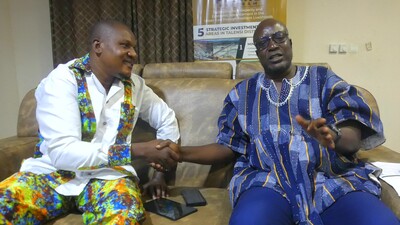
The Talensi District Chief Executive (DCE), Hon. John Millim Nabwomya, has outlined a number of interventions and achievements recorded in the district’s health sector since he assumed office. Hon. Nabwomya made the revelations during an exclusive engagement with Ngamegbulam Chidozie Stephen of Apexnewsgh on the “SPEAKOUT UPPER EAST” programme. According to the DCE, the health sector in Talensi District has witnessed significant improvements through the completion of critical infrastructure, restoration of essential services and collaboration between the assembly, traditional authorities, communities and private sector actors. One of the major achievements highlighted by the DCE is the completion of the Tindongo CHPS Compound, which he said was constructed ahead of schedule. He explained that construction of the facility commenced following a sod-cutting ceremony on October 25, 2025, with the contractor initially given nine months to complete the project. However, the project was completed in six months and subsequently handed over. Hon. Nabwomya noted that the project had particular significance for the Tindongo community, as an earlier attempt to complete it had stalled after the NDC government left office in 2016. He explained that one of the challenges that affected the project was the facility’s distance from the nearest electricity connection point. The assembly therefore used internally generated funds to procure and install electricity poles to connect the CHPS compound to the national grid. The facility, according to the DCE, has also been equipped with a mechanised borehole and polytank to provide a reliable water supply. He said the 20-bed facility also includes a daycare centre and a casework room equipped with a projector, providing additional support for healthcare delivery and community activities. Another major intervention highlighted by the DCE was the restoration of the district’s only ambulance, which had reportedly remained out of service for about three years. Hon. Nabwomya said the ambulance had been left grounded after its engine was removed and sent to Kumasi for repairs, but despite repeated assurances, the engine was not returned. Concerned about the impact of the situation on emergency healthcare delivery, the DCE said he sought support from Unity Mining, a group of small-scale miners operating in the area. He explained that rather than accepting cash directly, the assembly instructed the group to pay the money into the assembly’s official account to ensure transparency and accountability. The funds, he said, were subsequently used to procure a new engine and other necessary parts to restore the ambulance. According to Hon. Nabwomya, the ambulance is now fully operational and has become a major emergency response asset serving Talensi and neighbouring districts. The DCE also spoke about measures taken to address accommodation challenges confronting health professionals in the district. He cited the case of a newly posted doctor who was reportedly evicted from his residence, saying the district leadership responded by renovating an unused government bungalow. The renovation, he said, was completed within 72 hours, allowing the doctor to secure accommodation and continue working in the district. Hon. Nabwomya further attributed some of the improvements in healthcare delivery to regular field visits by himself and his team. He recounted a visit to the chief’s compound at Wakii, where health workers reportedly complained about unstable electricity supply and inadequate water. The challenges, he said, were addressed promptly, contributing to improved working conditions and helping facilitate the return of a midwife to the facility. He noted that the presence of the midwife has contributed to the safe delivery of newborns in the community. The DCE stressed that his administration places considerable emphasis on monitoring projects and health facilities to ensure that public resources are used appropriately. He said joint inspections are conducted with relevant sector directors and engineers to assess ongoing projects and ensure that contractors adhere to approved specifications before facilities are handed over. Beyond infrastructure and emergency healthcare, Hon. Nabwomya said the assembly has also continued to support vulnerable groups, including persons with disabilities. He explained that funds have been distributed to persons with disabilities to enable them to establish income-generating activities and improve their livelihoods. The DCE said the combination of health infrastructure, emergency response, staff welfare, regular monitoring and support for vulnerable groups forms part of the assembly’s broader efforts to improve the wellbeing of residents. He maintained that the progress recorded in the district has been made possible through collaboration among the assembly, traditional leaders, communities, health workers and development partners. The engagement formed part of Apexnewsgh’s “SPEAKOUT UPPER EAST” programme, which provides a platform for district leaders to account to residents on development interventions, achievements and challenges. Source: Apexnewsgh.com
20 NEDCo Transformers Destroyed in Upper East and North East Regions Between January and August 2026 — PURC
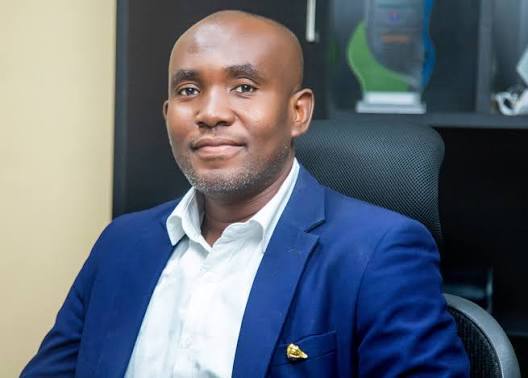
The Upper East Regional Office of the Public Utilities Regulatory Commission (PURC) has disclosed that 20 transformers belonging to the Northern Electricity Distribution Company (NEDCo) within Upper East and North Region were reportedly destroyed between January and August 2026, raising concerns about the impact of illegal electricity-related activities on power distribution across the region. According to the Upper East Regional Office of the PURC, led by Mohammed Adam Sulaiman, the destruction of the transformers is among a number of challenges affecting both electricity consumers and NEDCo as a distributor. Mr. Sulaiman made the revelation during an exclusive engagement with Apexnewsgh, where he spoke about some of the challenges confronting consumers and the electricity distribution company in the Upper East and North East regions. He said threats and attacks against NEDCo staff linked to illegal electricity use and nonpayment of electricity bills are gradually gaining ground in some communities, creating additional challenges for the effective delivery of electricity services. According to him, some of the concerns include the nonpayment of electricity bills, meter bypassing, meter tampering and illegal direct connections from distribution lines. He explained that such activities could damage NEDCo’s electrical infrastructure, including transformers and electricity meters, thereby affecting the reliability and sustainability of electricity distribution. Mr. Sulaiman also clarified that not all power outages should be attributed to NEDCo, noting that some interruptions could result from natural causes such as windstorms, which may damage electricity infrastructure and disrupt power supply. PURC urges consumers to seek lawful redress The PURC Regional Director stressed the importance of fairness in the provision of public utility services, explaining that the Commission exists to protect the interests of both consumers and utility service providers. He noted that consumers have a legitimate interest in receiving a quality and reliable supply of electricity, while utility service providers also have a legitimate interest in receiving payment for the services they provide. Mr. Sulaiman therefore appealed to consumers to remain calm and refrain from taking the law into their own hands whenever they encounter challenges involving electricity or water services. He encouraged affected consumers to seek redress through the PURC, rather than resorting to threats, attacks or other unlawful actions against utility workers. “PURC is a creation of the law, and so we apply the law in whatever we do,” he emphasised. The concerns, according to the information presented during the engagement, affect communities in parts of the North East Region, including Nasuan, Chirifoyili and Wundua, as well as Tongo and Bongo in the Upper East Region. The PURC’s call comes amid growing concerns over the need for stronger collaboration between consumers, utility providers and regulators to address illegal electricity connections, payment challenges, infrastructure damage and disputes over power supply. Source: Apexnewsgh.com
Dangote Launches Africa’s Biggest IPO, Opening Oil Refinery to Public Investment
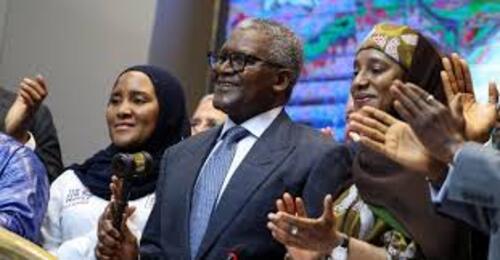
In a landmark move for African capital markets, billionaire industrialist Aliko Dangote on Monday launched Africa’s largest-ever initial public offering (IPO), opening a roughly 3% stake in his state-of-the-art oil refinery to public investors. The offering, dubbed a “people’s IPO” by Dangote, aims to raise as much as $2.1 billion to fund further expansion of the refinery, already the continent’s largest. Dangote, Africa’s richest man, said the IPO is designed to “democratise wealth creation,” giving ordinary Nigerians a chance to share in the refinery’s success. The minimum investment is set at just 10 shares, about $4, making entry accessible through fintech and digital investment platforms. The IPO is expected to raise at least 2.15 trillion naira ($1.6 billion), but could reach $2.1 billion if oversubscribed and the company issues more shares. The launch comes on the heels of a July private placement that raised $2.5 billion for a 6% stake, valuing the company at $40 billion. The IPO, however, moves the refinery’s valuation closer to $49 billion. While retail investors will pay a higher price per share than the institutional buyers in July, company officials say the earlier discount was due to lockup periods and other conditions. Interest in the IPO is high: Nigerian investment app Bamboo reported record traffic, with some users temporarily unable to log in as excitement surged. “I’ll buy 2,000 shares,” said Lagos business owner Chris Chijioke, citing Dangote’s track record despite concerns over pricing. Institutional investors in the refinery already include the Africa Finance Corporation, sovereign wealth funds, and development finance institutions. The United Arab Emirates’ ADNOC has also shown interest, according to Dangote, though details remain under wraps due to confidentiality agreements. Built at a cost of $20 billion and operational since 2024, the refinery has redefined Nigeria’s fuel market. It processes 700,000 barrels of crude daily, with ambitions to double that by 2029. Analysts say the plant has transformed Nigeria from a net importer to a net exporter of refined petroleum products, cementing its role as an economic powerhouse. Dangote revealed plans to eventually list all his conglomerate’s companies, including cement, sugar, and salt divisions, and suggested a possible secondary listing for the refinery in the United States within three to four years. “This IPO is a huge event for Nigeria and a symbol of African self-reliance,” said Charles Robertson, head of macro strategy at FIM Partners. With excitement running high and Nigeria’s equities market booming, the Dangote refinery IPO is poised to reshape the continent’s investment landscape. Source: Apexnewsgh.com
NDC Sets October Dates for Constituency Elections, Urges Calm and Order
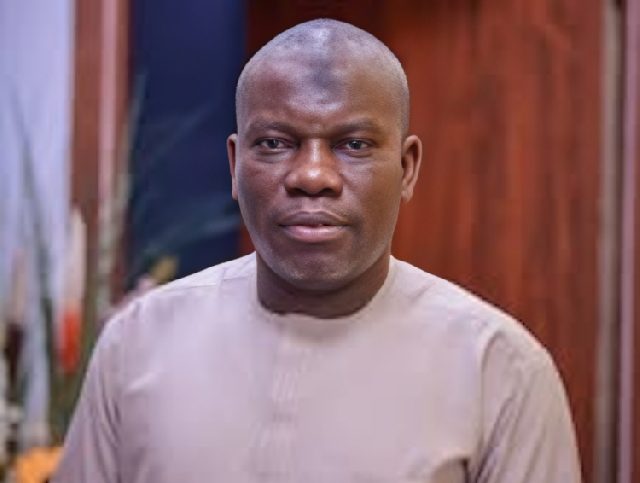
The National Democratic Congress (NDC) has announced that its constituency-level elections will be held on October 24 and 25, with party officials emphasizing the importance of peace and order throughout the process. Mahdi M. Gibrill, the party’s Director of Elections and IT, shared the news in a recent media engagement. According to Mr. Gibrill, the electoral guidelines have been carefully crafted to ensure that the upcoming polls are smooth, transparent, and free from conflict. “The arrangements and guidelines put in place are intended to ensure that the constituency elections are conducted smoothly, peacefully, and without unnecessary misunderstandings or conflict,” he stated. Mr. Gibrill also appealed to party members and supporters to exercise restraint in their language and behavior during the electoral period. “We are appealing to all party members to be mindful of their language and conduct and to avoid insults or actions that could create tension and undermine the peace of the elections,” he cautioned. Urging broad participation, he encouraged all members to respect the laid-down procedures and contribute to a peaceful, transparent, and orderly election. “We expect all members to conduct themselves responsibly and ensure that the elections are peaceful, transparent, and orderly,” Mr. Gibrill concluded. Source: Apexnewsgh.com
President Mahama Calls Urgent Security Summit to Tackle Ghana’s Border Vulnerabilities
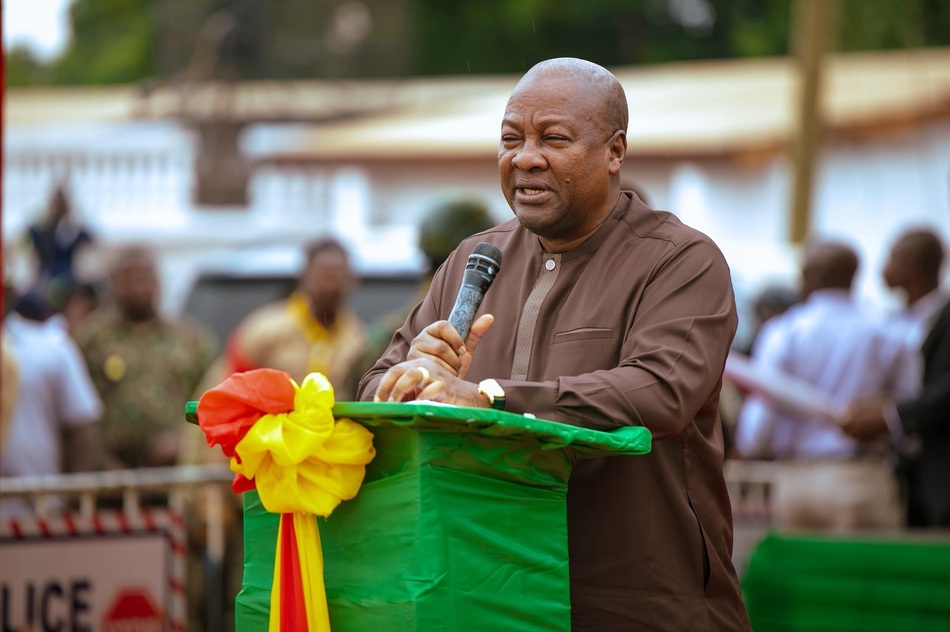
In response to rising concerns over the use of Ghana’s ports, airports, and land borders for trafficking illicit drugs, President John Dramani Mahama has summoned a high-level meeting of key security and regulatory agencies. The urgent summit is set for Thursday, September 17, 2026, at 12:30 PM at Jubilee House, Ghana’s seat of government. According to an invitation from Callistus Mahama, Secretary to the President, the meeting will bring together the nation’s top security, intelligence, port, and aviation authorities. The agenda is focused on identifying vulnerabilities in Ghana’s border security system, strengthening intelligence-sharing, enhancing cargo and passenger screening, improving inter-agency coordination, and deploying advanced technologies to disrupt narcotics trafficking. Amid growing concerns about Ghana being used as a conduit for narcotic drugs, the heads of several key institutions have been asked to attend in person, each accompanied by a relevant technical officer. Invitations have gone out to the Ministry of Finance, Ministry of Foreign Affairs, Ghana Ports and Harbours Authority, Customs Division of the Ghana Revenue Authority, Ghana Shippers’ Authority, Ghana Maritime Authority, Ghana Navy, National Intelligence Bureau, Ghana Police Service-Criminal Investigations Department/Interpol, Narcotics Control Commission, and Ghana Airports Company Limited. Terminal scanner operators, Meridian Port Services Limited and Ghana Link Network Services Limited, have also been summoned. Each institution is required to present a brief assessment of current security gaps and propose actionable recommendations for improving intelligence sharing, surveillance, screening, and joint enforcement operations. The invitation underscored the urgency of the gathering, citing the serious national-security implications of narcotics trafficking and calling for the personal attendance of the heads of all invited organizations. As Ghana seeks to safeguard its borders and reputation, the meeting is expected to produce decisive strategies for tightening security and curbing the flow of illicit substances through the country. Source: Apexnewsgh.com
MP Sosu Urges Protection of Ghana’s Image Amid Major Cocaine Seizure
It was a week of concern and reflection for Ghana as news broke that French customs had intercepted nearly 3.9 tonnes of cocaine, worth about $260 million, from a container of plastic waste shipped from Ghana to the port of Dunkirk. The staggering seizure sent shockwaves through international media, and at home, it led to a firm call for action from the Member of Parliament for Madina, Francis-Xavier Kojo Sosu. In a recent media interview, Sosu emphasized that Ghana’s hard-earned international reputation must not be tarnished by the misdeeds of a few. “Our nation’s global standing is a precious asset,” he stressed, “and we cannot allow the actions of individuals seeking to enrich themselves illegally to undermine our collective integrity.” Sosu urged authorities to launch a thorough investigation into the shipment and to ensure that anyone found responsible is swiftly brought to justice. He pointed out that under President John Dramani Mahama, Ghana had worked tirelessly to position itself as a respected leader in global diplomacy. He further commended the Foreign Affairs Minister, Samuel Okudzeto Ablakwa, for his ongoing efforts to project Ghana as a beacon of integrity and democracy in Africa. The MP’s remarks highlighted a deep concern: that the actions of a few must never be allowed to overshadow the honesty and diligence of the many. “We must stand united in transparency, accountability, and strict enforcement of the law,” Sosu concluded, “to protect the international reputation that Ghana has worked so hard to build.” Source: Apexnewsgh.com
Workers Are Receiving Salaries for No Work’ — Sumaila Abubakari Demands BOST Depot Reactivation
A well-known and active member of the National Democratic Congress (NDC) in the Upper East Region, Sumaila Abubakari, has intensified calls on the government to urgently restore full operations at the Bulk Oil Storage and Transportation Company (BOST) depot in Bolgatanga. According to him, the prolonged inactivity of the facility is denying the Upper East Region a major economic opportunity while government continues to spend taxpayers’ money on workers who, he claims, have little or no work to do. The Bolgatanga BOST Depot was established as a strategic petroleum storage and distribution facility, with the potential to serve northern Ghana and provide an important supply route to landlocked Sahelian countries, including Burkina Faso, Mali and Niger. The facility also has the potential to reduce the dependence on long-distance fuel transportation by tankers to northern Ghana, thereby easing pressure on major roads while supporting economic activities within the region. In July 2026, Apexnewsgh contacted the BOST headquarters in Accra for clarification on the status of the Bolgatanga depot. The company indicated that the facility had been undergoing an upgrade. However, Mr. Sumaila says the continued delay has become a source of concern, particularly among residents who believe the facility should have resumed operations by now. Speaking on the matter, he appealed directly to President John Dramani Mahama and all 15 Members of Parliament in the Upper East Region to take urgent steps to ensure that the depot becomes operational. “The President and his team, and all the 15 MPs in the Upper East Region, this is the only company we have in Bolga and they stopped work almost two years now.” He said residents had repeatedly raised the issue but were yet to see the desired action. “We fight, fight, fight but nothing is happening. We are begging the President. He should quickly, as possible, let the depot start work.” Mr. Sumaila further expressed concern about workers and other personnel stationed at the facility, including security personnel, customs officers and fire officers. According to him, these workers report to the facility but have limited activities to engage in because the depot remains inactive. “All are coming, sitting, looking at the quota and the tanks. We are working almost two years. So we are appealing to the government. You should quickly stand up and then open the depot to start work.” He argued that reopening the depot would have significant economic benefits for the region, particularly by creating a more efficient fuel distribution system for communities in northern Ghana. Mr. Sumaila also raised concerns about what he described as vested interests surrounding the transportation of petroleum products. He suggested that some stakeholders within the tanker transportation business could be benefiting from the current arrangement because fuel has to be transported over long distances. “I know the connection between the tanker drivers, tanker owners. They are doing that thing. Because if here is working, they can’t get the long journey.” He maintained that an operational Bolgatanga depot could supply petroleum products to areas including Navrongo, Bolgatanga, Wa and Bawku, potentially reducing the need for some long-distance tanker movements. Mr. Sumaila therefore called on all 15 MPs in the Upper East Region to speak collectively on the issue and push for the speedy completion of the depot’s upgrade and its return to full operation. “All the MPs in this region, they should wake up and talk about the company.” He said the people of the Upper East Region voted massively for the governing NDC and therefore expected their representatives to champion issues that directly affect the region’s economic development. For Mr. Sumaila, the immediate reopening of the Bolgatanga BOST Depot is not merely about the facility itself but about employment, local economic activity and creating better opportunities for families and young people in the region. He concluded that the government and the region’s 15 MPs must act decisively to ensure that the facility resumes operations. Source: Apexnewsgh.com
NDC’s Hon. Atiah David aka “The General” declares intent to contest Bolgatanga East Communication officer position
A leading member of the National Democratic Congress (NDC) in the Upper East Region, Hon. Atiah David , has declared his intention to contest for the communication officer position. Hon. Atiah David have served in several positions in the National Democratic Congress for over twelve (12) years ranging from Constituency Youth secretary, Constituency deputy secretary, Constituency treasurer, campaign team member, director of party orientation and research, member of Constituency elections committee, TEIN Member, Regional PRO for proforum( teachers front upper East region) and a member of Constituency and regional communications team etc. In student leadership, Hon. Atiah David has served as the SRC financial secretary in Gbewaa training college in 2012 and also as the SRC General Secretary at Valley View University in the year 2016. In a declaration issued on Tuesday, September 15, 2026, Hon. David said the decision follows months of broad and intense consultations with stakeholders and party elders in the constituency and the region. “After months of broad and intense consultation to contest the Bolga East communication officer position, on this day 15th September 2026 I, Hon. Atiah David therefore declare my intention to go ahead with my long-time ambition to assist with the communication strategy and commanding the narrative through simplifying the policies of the party in the Region,” he stated. Hon.Atiah David said his leadership will be rooted in honesty, transparency and accountability. According to him, political communication requires someone with a clear strategy that will help deciminate the policies and programs of the party to the average voter and citizen. He stated that his experience, competency and leadership capacity makes him the right candidate to lead the party’s communication machinery. He pledged to bring on board all communicators within the branches and resource them for prudent and effective communication ahead of the 2028 general elections. The communication officer position is a key role in the party’s administrative structure, responsible for decimination of the party’s ideology, policies and programs. Source: Apexnewsgh.com