
The Office of the Special Prosecutor (OSP) delivered some of its strongest operational results in 2025. And in the very same year, it came closer than ever to being wiped off the map.
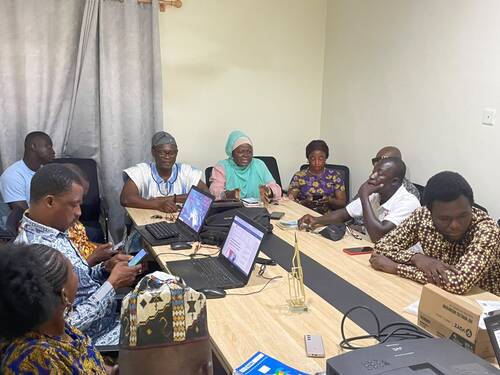
Special Prosecutor Kissi Agyebeng laid this uncomfortable paradox bare at the National Dialogue on the Office of the Special Prosecutor on Tuesday, March 31, describing 2025 as a year the institution would not soon forget, for all the wrong reasons, and all the right ones.
“2025 was our best year of performance; at the same time, it was our worst year of existential troubles,” he told the gathering. “Why should Kissi and a few officers of the Office of the Special Prosecutor always fight existential battles just to keep this office running?”
It is a question that cuts to the heart of a deeper problem. An institution designed to pursue corruption at the highest levels of government found itself, in 2025, spending precious energy not on investigations, but on its own survival.
The threat was real, and it came from within Parliament itself. In December 2025, Majority Leader Mahama Ayariga and Majority Chief Whip Rockson-Nelson Dafeamekpor drafted a Private Member’s Bill seeking the outright repeal of the Office of the Special Prosecutor Act, 2017 (Act 959). The bill’s memorandum argued that eight years of OSP operations had exposed deep structural and constitutional flaws, chief among them, a duplication of prosecutorial functions between the Special Prosecutor and the Attorney-General, which the drafters said had created institutional friction, overlapping mandates, and delays in criminal proceedings.
In plain terms, some of Ghana’s most powerful lawmakers wanted the OSP gone.
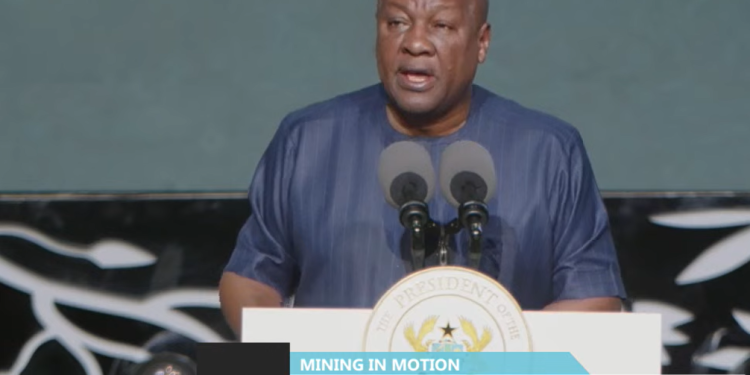
The bill did not advance. President John Dramani Mahama stepped in and requested that it be suspended, a move that, for now, kept the office breathing. But the episode left a mark. It demonstrated, with startling clarity, that the OSP’s existence is not guaranteed, and that its most persistent threats do not come from the corrupt, but from those with the power to change the law.
Agyebeng, speaking from that experience, turned to civil society with both an appeal and a challenge. The OSP, he argued, cannot survive on the goodwill of presidents alone. It needs champions beyond the corridors of power, voices in communities, in boardrooms, and in the media, willing to defend it when politicians come calling with repeal bills and memorandums.
“When I become the former Special Prosecutor, I want to look back and say: civil society forged this office and civil society preserved it,” he said. “It is your handiwork. Do not let it die.”
The words carried the urgency of someone who has seen how quickly things can unravel. Ghana built the OSP to be a guardian of public accountability. In 2025, it needed to guard itself.
The dialogue on Tuesday was, in many ways, a call to action, a reminder that anti-corruption institutions are only as strong as the public will that stands behind them. Whether that will prove strong enough remains, for now, an open question.
Source: Apexnewsgh.com