



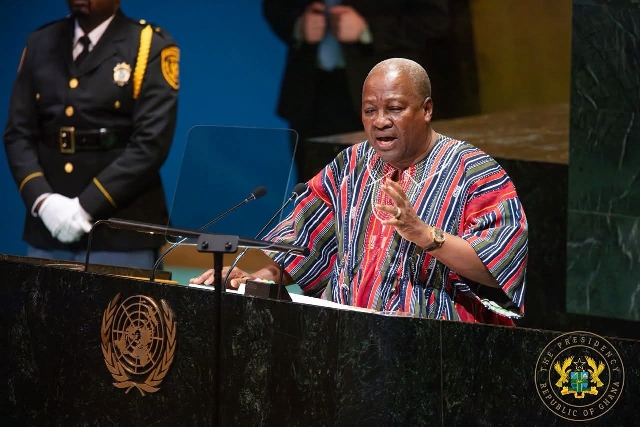
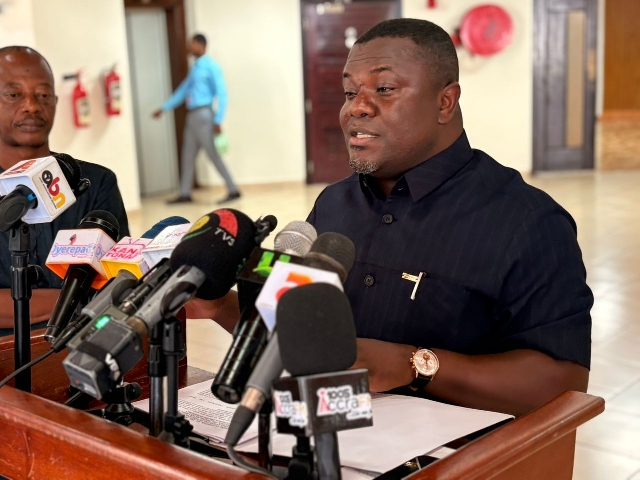

In the thought-provoking documentary “Swallowed by Drugs,” produced by Ngamegblam Chidozie Stephen of Apexnewsgh, Mr. Saeed Abdul-Aziz, Upper East Regional Commander of the Narcotics Control Commission (NACOC), offers a comprehensive look into the region’s ongoing battle with youth drug and alcohol abuse. His remarks highlight not only the commission’s multi-pronged approach but also the crucial role of public engagement, community partnerships, and a compassionate, open-door policy.
Commander Abdul-Aziz explains that a core pillar of NACOC’s strategy is public education and awareness campaigns, which are regularly conducted across the region. “We go to schools, FM stations, churches, mosques, and communities to educate the public about the dangers and effects of drug use. We believe that when we start teaching at the basic and secondary school levels, the youth become aware and are less likely to fall into substance abuse,” he states. The commission’s dedicated team works tirelessly, making sure that as many young people as possible are sensitized to the risks of drugs.
He further describes how NACOC encourages youth engagement in positive activities as a form of prevention. “We organize sports and cultural events to keep young people involved and busy. The more they are engaged in healthy activities, the less likely they are to be influenced by peers to experiment with drugs,” Abdul-Aziz notes.
Recognizing that the fight against drug abuse cannot be won alone, the commander underscores the importance of partnerships. “We actively collaborate with NGOs, religious bodies, and other stakeholders. The work is too large for any one agency, so we reach out and work together to strengthen our impact.” These partnerships extend to enforcement, with NACOC working alongside the Ghana Police Service, Immigration Service, and community leaders to prevent drug trafficking and clamp down on those seeking to bring illicit substances into the region.
On the enforcement front, Abdul-Aziz reveals that while cannabis remains the most commonly abused substance in the Upper East, there is a worrying rise in the use of opioids and other synthetic drugs. He notes, “We make a lot of arrests every year, particularly targeting those trafficking drugs into the region. Our teams are vigilant and dedicated to reducing the flow and availability of these substances.”
Despite these successes, Abdul-Aziz acknowledges that not all drug users are criminals; many are vulnerable individuals in need of help. “The law now recognizes that substance abusers are, in many cases, sick people who need support, not just punishment. When we encounter such individuals, we counsel them and, where necessary, refer them to rehabilitation centers.” He emphasizes the importance of early intervention and urges families, teachers, and community leaders to bring individuals struggling with addiction to NACOC for help. “Our doors are open. We do not seek to punish, but to help people recover and reintegrate into society.”
Commander Abdul-Aziz also addresses concerns about fear and stigma, particularly regarding NACOC officers now wearing uniforms. “Our uniforms should not frighten anyone away. We are here to help, not just enforce. Parents, teachers, and employers should feel comfortable bringing anyone who needs help to us. We will not arrest them but rather support their recovery.”
He further appeals to community elders and chiefs, asking for their cooperation and hospitality when NACOC teams come to engage with communities. “Many people who abuse drugs do so out of ignorance of their effects. When we are given the chance to educate, we can make a real difference.”
While enforcement and education are vital, Abdul-Aziz stresses that the fight against substance abuse is a collective responsibility. “We urge all stakeholders, government agencies, NGOs, religious institutions, community leaders, and families, to join us. Every child is at risk, and if we ignore the issue, it may eventually affect us all. Working together, we can create a safer environment and reduce crime and conflict fueled by substance abuse.”
He concludes with a message of hope and unity: “With combined effort, open dialogue, and compassion, we can save our youth from being swallowed by drugs and secure a brighter future for the Upper East Region.”
Through the words of Commander Saeed Abdul-Aziz, “Swallowed by Drugs” highlights not only the challenges but also the proactive steps being taken to turn the tide against youth substance abuse, reminding all that the path to a safer society begins with education, empathy, and collective action.
Source: Apexnewsgh.com