







Prof. David Millar Calls for a Complete Slave Route Narrative and Links Tourism to Reparations at PEARL Launch
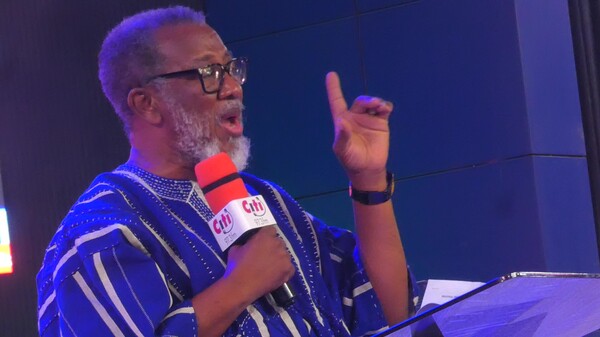
At the launch of PEARL, a transformative 10-year framework plan for the Upper East Region, Professor David Millar, serving as Chairman, addressed the gathered congregation with a message that blended history, identity, and the promise of economic renewal. The event, organized by the Regional Coordinating Council, saw Prof. Millar share his forward-thinking views about the role of tourism in regional development, particularly through the lens of historical truth and reparative justice. “The tourism sector needs to be looked at,” Prof. Millar began, his voice resonating with conviction. “In my university, we are redefining the slave routes. If you go into the archives, you will find that these routes are usually traced from Salaga and run to the coast, the exit points. But that’s an incomplete or checkered history.” He described a new approach his university is pioneering: a ‘ground-through’ methodology. “We walk the actual distance of the slave route and redesign the slave maps to show clearly that the coast was just an exit point. If I were to put it simply, it was like a lorry park, the people came from somewhere to board those lorries.” Prof. Millar called on local chiefs and community members to champion this fuller story. “We will map the route and the languages spoken along it. This will provide proof, so when we reach the end, if the last set of slaves weren’t speaking Twi or Fante, it means they didn’t make those trips. If they spoke Guruni, Frafra, Dagare, or Sisala, then that is their route.” He noted that this important project was made possible by support from the Kingdom of the Netherlands, who wished for the story to be completed. “Right now, the map of the slave route only starts from Salaga, Kintampo, and down to the coast.” Highlighting the significance of this initiative, Prof. Millar stressed its place in the region’s development plan. “This positions us for the reparation efforts of the president. Many communities may be waiting for financial support for reparations, but we want to position ourselves and make clear, legally, that we are the source of the slavery, while the south is the sink. We need both the source and the sink for a genuine claim.” He urged that the region link its reparation claims to tourism. “When those in the diaspora visit, it is good to see the sink, but it is excellent to visit the source as well. That makes sense for tourism and its potential.” Source: Apexnewsgh.com
Hajia Charity Challenges Dr. Bawumia: Demand Accountability from Cecilia Dapaah Over World Bank Funds
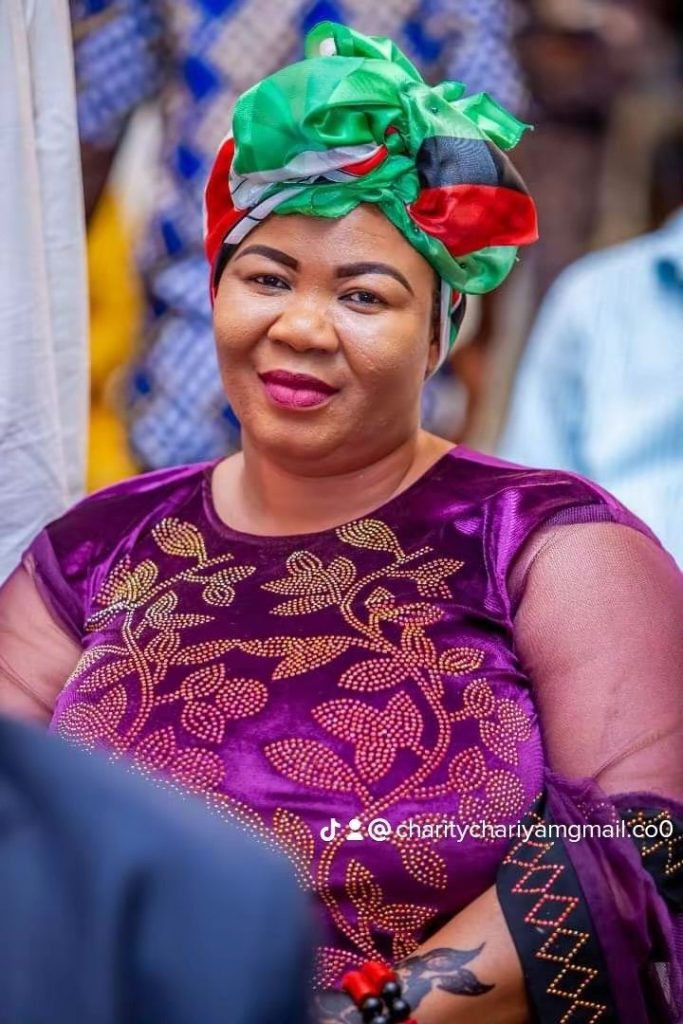
As torrential rains battered Accra, leaving over a dozen dead and tens of thousands of families displaced, the city’s heartbreak quickly turned into a political battleground. Among the most outspoken voices was Hajia Charity Rahinatu Asoemah, Deputy Director General in charge of Stores at NADMO, who condemned what she called a legacy of neglect and corruption that led to the catastrophe. Standing amid devastated communities and overwhelmed rescue workers, Hajia Charity did not mince words. “This flooding is not just a natural disaster; it’s the direct result of failed leadership and abandoned promises,” she declared to gathered to Apexnewsgh. According to her, the previous administration received substantial World Bank funding specifically earmarked for desilting and constructing drainage along the Odur River—a project that could have averted the disaster. “Ask Cecilia Dapaah what she did with the World Bank money,” Hajia Charity challenged, referring to the former Minister for Sanitation. “If those funds had been used as intended, we wouldn’t be facing such destruction and loss today.” Her frustration extended to Dr. Mahamudu Bawumia, the former Vice President and now presidential candidate for the New Patriotic Party. As Dr. Bawumia arrived to console victims, Hajia Charity called him out for not using his office to demand accountability when the funds were disbursed. “Instead of crying foul now, Dr. Bawumia should have tackled corruption when he had the chance,” she admonished. “The innocent people of Accra are suffering because leaders failed to act.” The streets, now rivers of mud and debris, became the stage for a fierce debate over responsibility. Critics argued that the NPP government’s failure to act on the Odur River project was not a mere oversight but a deliberate betrayal. “They had a singular responsibility to protect our city, and they chose to do nothing,” Hajia Charity insisted, gesturing toward the overflowing waterway. Public anger swelled as residents and journalists pressed for answers about the World Bank funds. The absence of visible progress along the Odur River fueled suspicions of mismanagement or misappropriation of donor resources. The question echoed from one flooded neighborhood to the next: if the money was released and agreements signed, where did it all go? Amid the storm of accusations, Dr. Bawumia opted for a conciliatory tone. He urged Ghanaians to unite beyond political lines, calling for President John Dramani Mahama to assemble a multi-partisan panel of experts to craft a lasting solution to the capital’s flooding woes. “Floods do not care about party colors—they devastate all Ghanaians alike,” Dr. Bawumia said, sidestepping direct engagement with the allegations. But for Hajia Charity and many ordinary citizens, technical solutions must go hand in hand with accountability. “We cannot build a safer future on a foundation of distrust,” she warned. As families sought refuge in schools and churches, the city’s wounds remained raw, and the most pressing question lingered in every conversation: with all the funds and promises, why does Accra still drown in preventable disaster? Source: Apexnewsgh.com
Talensi MP Urges Upper East to Embrace Local Products, Education, and Strategic Investment at PEARL Launch
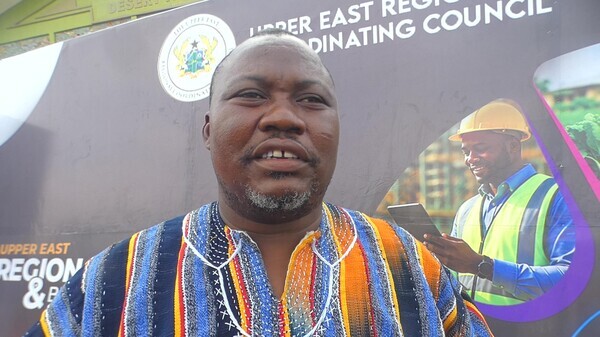
At the launch of the Prosperity through Enterprise, Agriculture, Resilience and Livelihoods (PEARL) Framework in Bolgatanga, the atmosphere was filled with hope for a brighter future. Among the many voices shaping the event was Hon. Daniel Mahama, Member of Parliament for Talensi District, who shared candid reflections and a vision for the region’s development. Hon. Mahama emphasized the importance of making the PEARL initiative a practical reality. “To ensure the success of this initiative, we must engage all relevant authorities and educate our people about the importance of health, agriculture, and economic opportunities in the Upper East. Understanding the process and benefits will help us achieve our goals,” he stated. He highlighted the region’s unique strengths, not just in agriculture, but also in mining and the potential to revive local factories. For Hon Mahama, empowering education is equally vital for the region’s transformation. “First, we must grasp the main purpose and benefits of health and become true advocates for our own progress,” he said. He called for an attitudinal change: “Let’s patronize products made in the Upper East, our smocks, shea butter, hats, and especially our locally grown rice, just as other countries proudly use their local produce.” Hon Mahama encouraged citizens to celebrate traditional foods and crafts, noting that greater support for local industries would boost both culture and the economy. As a Member of Parliament, he shared his commitment to promoting the Upper East at every opportunity, advocating for economic policies that favor the region and maximize its advantages, especially in resource-rich sectors like mining. He also touched on the importance of a common trade platform and fair tariffs within Africa to ensure that local businesses are protected and can thrive. “We need to protect indigenous enterprises and make sure opportunities are accessible to our people,” he said. Hon Mahama also highlighted the value of technical and vocational trades, encouraging youth to consider skilled trades as viable and rewarding career paths. In closing, Hon. Mahama urged all stakeholders to work together, support local products, and use every available opportunity to advance the Upper East Region. His message was clear: real transformation depends not just on policies and investments, but on pride in local culture, practical skills, and strategic action for sustainable growth. Source: Apexnewsgh.com
Gold Fortune Group Eyes Investment in Upper East Region Following PEARL Launch
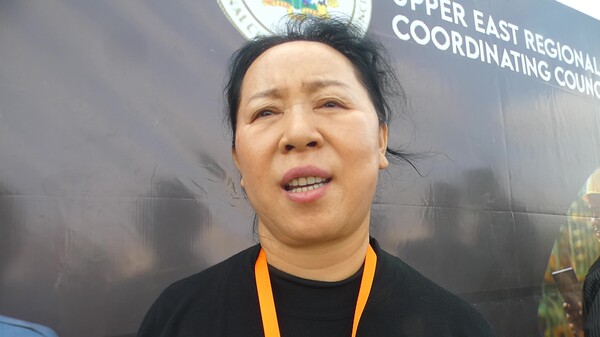
The spirit of optimism was palpable in Bolgatanga as the PEARL Framework, Prosperity through Enterprise, Agriculture, Resilience and Livelihoods, was unveiled to chart a bold new course for the Upper East Region. Among the many local and international guests was Ding Fan Lin, Executive Director of the Gold Fortune Group Company, who expressed a keen interest in bringing her company’s expertise and investment to the region. In an interview with Apexnewsgh following the event, Ding Fan Lin shared her first impressions and the company’s intentions. “It is our first time here, so we want to study the market and understand the opportunities,” she said. “From what I have seen, I believe our business can thrive in the Upper East Region. There are many possibilities for cooperation, and I am confident we can contribute to economic growth here.” The launch of the PEARL Framework attracted both local and foreign companies, all eager to explore ways to support the region’s transformation. For Gold Fortune Group, the event marked the beginning of a potential journey toward investing in and collaborating with the Upper East’s growing business landscape. With leaders like Ding Fan Lin expressing confidence in the region’s future, the Upper East is quickly emerging as an attractive destination for investment and partnership, offering hope for a new era of prosperity and development. Source: Apexnewsgh.com Email: apexnewsgh@gmail.com Phone: 0256336062
Upper East Regional Minister Call for Investors at PEARL Launch
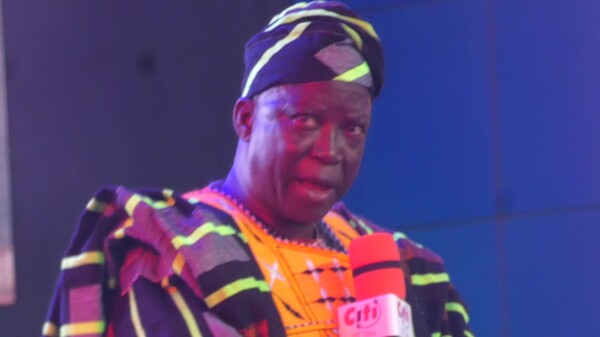
Fountain Gate auditorium in Bolgatanga on Monday was buzzed with anticipation as leaders, investors, traditional rulers, and citizens gathered for the launch of the PEARL Framework, Prosperity through Enterprise, Agriculture, Resilience and Livelihoods. At the heart of the event, Regional Minister Mr. Donatus Akamugri Atanga delivered a stirring speech that set the tone for a new era in the Upper East Region’s development journey. With a spirit of gratitude and optimism, Minister Atanga welcomed all guests, expressing appreciation for their support and belief in the region’s potential. He acknowledged the presence and encouragement of national leaders, investors, and development partners, calling their participation “a powerful affirmation of commitment to inclusive national development.” Setting the stage for the forum, Minister Atanga declared this gathering a defining moment, a pivot from focusing on challenges to celebrating resilience, culture, resourcefulness, and opportunity. “Our true identity is found in the resilience of our people, the productivity of our farmers, the ingenuity of our entrepreneurs, the richness of our culture, the abundance of our natural resources, and the immense opportunities that await strategic investments,” he proclaimed. The PEARL Framework, he explained, is the region’s bold, ten-year blueprint for transformation. Spanning all fifteen districts and aiming to mobilize over GH¢8.6 billion in investments, PEARL is designed to unlock opportunities in enterprise, agriculture, industrialization, infrastructure, and human capital development. Its goal: a competitive, resilient, and inclusive economy that contributes meaningfully to Ghana’s national transformation. Minister Atanga highlighted the region’s recent gold discoveries and the rise of major mining companies, stressing that these developments must become catalysts for broad-based prosperity. “The mineral wealth beneath our soil must become a catalyst for prosperity across agriculture, health, education, infrastructure, enterprise development, and improved livelihoods for every household in our Region,” he asserted. Yet, he warned, “Mining alone cannot deliver the transformation we seek.” True progress, he said, depends on building a diversified, innovative economy, strengthening industries, investing in people, and forging strategic partnerships. He called for investment across sectors, including agriculture, agribusiness, renewable energy, manufacturing, tourism, housing, technology, and logistics. The minister outlined flagship initiatives to be discussed at the forum: the completion of the Tamne Irrigation Dam, revival of key agro-processing factories, establishment of an Agricultural Technical University, and upgrades to regional hospitals and educational infrastructure. He emphasized the importance of behavioral and attitudinal change, insisting that infrastructure and investment would only bear fruit if matched by a culture of productivity, discipline, and responsibility. Minister Atanga underscored that the success of PEARL would require “collective commitment, shared responsibility, and sustained collaboration.” He extended heartfelt thanks to sponsors, partners, traditional leaders, and all contributors, recognizing that their efforts had made the forum, and the region’s new vision, possible. To the youth and women of the Upper East, he offered special encouragement. “PEARL is, above all, an investment in your future. Your creativity, enterprise, innovation, and leadership will be indispensable to the success of this Framework.” In closing, Minister Atanga called on all present to become partners in the region’s transformation, emphasizing hope, unity, and action over complacency or rhetoric. “Together, let us build an Upper East Region that is prosperous, resilient, competitive, peaceful, and inclusive, one that creates opportunities for its people and contributes meaningfully to Ghana’s transformation and sustainable development.” With the launch of PEARL, the Upper East Region has taken a decisive step towards a brighter, more inclusive future, one defined by collaboration, vision, and the determination to leave no community behind. Source: Apexnewsgh.com
PEARL: Presidential Message Charts Bold Path for Upper East at Development Forum
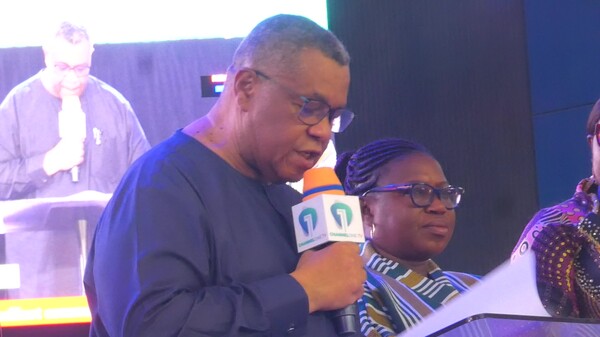
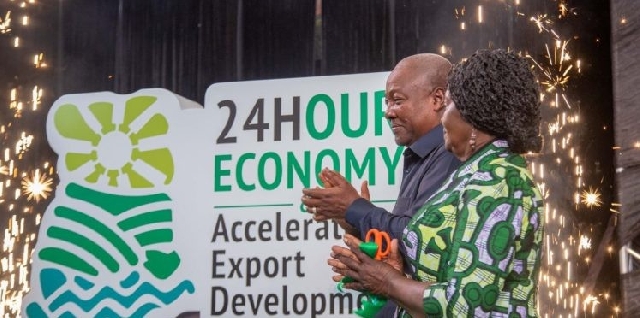
The atmosphere in Bolgatanga was charged with anticipation as the Upper East Regional Development and Business Forum and Exhibition commenced, a landmark event that drew government officials, traditional leaders, entrepreneurs, and development partners from across Ghana and beyond. Representing President John Dramani Mahama, Mr. Augustus Obuadum Tanoh, Presidential Adviser on the 24-Hour Economy and Accelerated Export Development, delivered a powerful address that both honored the region’s heritage and set a bold vision for its future. Mr. Tanoh began with warm greetings from the President, expressing regret at his absence due to pressing national duties while commending the regional leadership, the PEARL Technical Working Committee, and development partners for organizing the forum. He highlighted the significance of the 24-Hour Economy and Accelerated Export Development Programme, a national initiative to transform Ghana’s productive sectors by fostering value addition, local processing, and quality job creation. Since its launch, the programme has mobilized over $11 billion in investment and targeted 1.7 million quality jobs, with the Upper East Region standing as a vital component of this nationwide push. Turning to the heart of the occasion, Mr. Tanoh praised the PEARL Framework, Prosperity through Enterprise, Agriculture, Resilience and Livelihoods, as a 10-year, regionally driven strategy with a GHS 8.6 billion investment portfolio. He noted that PEARL was conceived by and for the people of the Upper East, reflecting their aspirations and priorities. The government’s role, he emphasized, is to be a committed partner: aligning national policy, investment, and support behind the region’s own vision for transformation. Drawing on the region’s legacy, Mr. Tanoh recounted its centuries-old role in trans-Saharan trade, its world-renowned crafts and music, and its history of integrated industrial ventures like the Zuarungu Meat Factory and Pwalugu Tomato Factory. He stressed the importance of learning from these integrated models, where agriculture, processing, and downstream industries were linked from the outset, when designing PEARL’s new projects. Such integration, he argued, is key to sustaining industrial growth and maximizing local benefits. Mr. Tanoh underscored the region’s unique strengths: fertile lands, abundant minerals, a resilient people, and a strategic location as Ghana’s northern gateway. He described emerging opportunities in gold, clay, limestone, and granite, and called for responsible development that moves beyond extraction to build value-adding industries and decent jobs for the people. He celebrated the completion of the Tamne Irrigation Dam, the expansion of Tono, and the planned transformation of the Fumbisi Rice Valley as pivotal steps toward year-round agriculture and food security. Mr. Tanoh also highlighted plans for an Agricultural Technical University and the proposed Bolgatanga Airport, both set to elevate the region’s status as a hub for trade, education, and investment. On behalf of President Mahama, Mr. Tanoh gave three assurances: once the PEARL Framework is validated, national institutions will integrate its priority projects into Ghana’s development agenda; the government will deepen regional empowerment and partnership; and the President himself will champion the region’s investment-ready projects on the global stage. He called on all stakeholders to scrutinize, refine, and strengthen the Framework over the forum’s three days, ensuring its proposals withstand rigorous review and deliver lasting results. To investors, he extended an invitation to explore the region’s opportunities, form partnerships, and support innovation and job creation. In closing, Mr. Tanoh praised the traditional authorities for their commitment to peace and stability, recognizing that sustainable development thrives only in such conditions. He officially declared the Upper East Regional Development and Business Forum and Exhibition open, wishing blessings on the region and the nation. With the PEARL Framework as its roadmap, the Upper East Region now stands poised to shape its own destiny, guided by visionary leadership, community ownership, and national partnership. Source: Apexnewsgh.com
Builsa South Showcases Its Riches as the Food Basket of the North at PEARL Framework Launch
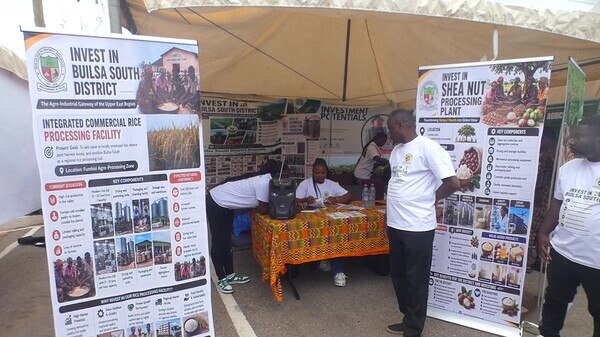
The vibrant town of Bolgatanga today played host to the unveiling of the PEARL (Prosperity through Enterprise, Agriculture, Resilience and Livelihoods) Framework, a 10-year blueprint for transforming the Upper East Region. Amidst the energy and optimism of the event, officials from the Builsa South District Assembly seized the opportunity to highlight their district’s unique strengths on a regional and national stage. Speaking passionately on behalf of the Assembly, Jafar Mohammed Saeed did not mince words as he described Builsa South as the undisputed food basket of the North. “Wherever you are, far or near, the very best place for your investments in agri- and agro-processing, or any agri-business, is Builsa South. No doubt about that,” he declared in an interview with Apexnewsgh. Saeed pointed to the district’s vast commercial rice valleys, emphasizing that farming here was not a matter of a few acres, but of hundreds and hundreds of acres ripe for cultivation. “Every farmer, far and near, can take advantage of our resources,” he said. He called on investors to explore opportunities in irrigation, noting that with the right facilities, Builsa South could unlock year-round farming and move beyond their heavy reliance on seasonal rains. But the district’s offerings extend far beyond rice. Saeed proudly highlighted Builsa South’s reputation for quality honey, especially from the Donninga area, making it the destination of choice for health-conscious consumers and commercial buyers alike. He also pointed to opportunities in shea butter production, livestock rearing, and other agricultural ventures. “Whether you’re looking for bulls, sheep, goats, or any livestock in commercial quantities, Builsa South is the place to be,” he said. Saeed was quick to assure potential investors that Builsa South has created a welcoming, enabling environment for business. “We are ready and eager to work with anyone willing to invest. You will find a stress-free investment environment here,” he promised. As the PEARL Framework charts a bold path for the Upper East Region from 2026 to 2035, Builsa South stands out as a beacon of agricultural potential and opportunity, ready to feed Ghana and attract the investment needed to fuel its growth. Source: Apexnewsgh.com
Samson Awingobit Asaki Rallies Stakeholders for Upper East Transformation at PEARL Framework Launch

It was a momentous day as Samson Awingobit Asaki, Executive Secretary of the Importers and Exporters Association of Ghana, stood before an eager audience at the launch of the PEARL (Prosperity through Enterprise, Agriculture, Resilience and Livelihoods) Framework. The air was thick with hope and ambition as Mr. Asaki addressed the gathering, marking the beginning of a bold 10-year journey to transform the Upper East Region through agriculture, enterprise, and responsible mining from 2026 to 2035. With pride, Mr. Asaki acknowledged the honor bestowed upon his Association to serve as Co-Organizer of the landmark event. “This Forum, under the theme ‘Charting the Course for PEARL – Prosperity through Enterprise, Agriculture and Regional Livelihoods,’ is not just another conference,” he declared. “It is a bold declaration that the Upper East Region is ready to take its rightful place as a strategic destination for investment, industrialization, agribusiness, trade, and entrepreneurship.” He praised the vision behind the PEARL Framework, which he described as a demonstration of purposeful leadership and a commitment to creating sustainable economic opportunities in the region. He reminded the audience that no nation could achieve meaningful economic transformation without strengthening its productive sectors, improving trade competitiveness, and connecting local producers to both regional and international markets. Highlighting the potential of the Upper East Region, Asaki pointed to its resources, from agriculture and agro-processing to shea, livestock, textiles, handicrafts, and cross-border commerce. “What is required,” he explained, “is strategic investment, infrastructure development, value addition, access to finance, and efficient market linkages.” He emphasized that such progress could only be achieved through partnerships. Asaki reaffirmed the Association’s commitment to working with government, local authorities, development partners, and the private sector to unlock new trade opportunities for businesses across the region. Mr. Asaki further commended the renewed national focus under President John Dramani Mahama’s administration, which prioritized revitalizing local production, promoting agriculture, and creating decent jobs through private sector growth. He applauded the government’s drive to improve the business environment, enhance trade facilitation, and modernize Ghana’s ports and logistics ecosystem, all of which would help position the country as the preferred gateway for regional trade under the African Continental Free Trade Area (AfCFTA). Looking to the future, Asaki encouraged local entrepreneurs to embrace innovation, improve product quality, and seize emerging opportunities in export and regional commerce. “The future belongs to businesses that are competitive, export-ready, and resilient,” he said, urging development partners and investors to recognize the Upper East Region’s wealth of opportunities and hardworking people. Bringing his speech to a close, the Executive Secretary assured the Regional Coordinating Council of the Importers and Exporters Association’s unwavering commitment. “We stand ready to support initiatives that promote enterprise development, expand exports, facilitate investment, and create sustainable prosperity for the people of the Upper East Region,” he declared, setting the stage for a decade of transformation and shared success. Source: Apexnewsgh.com