

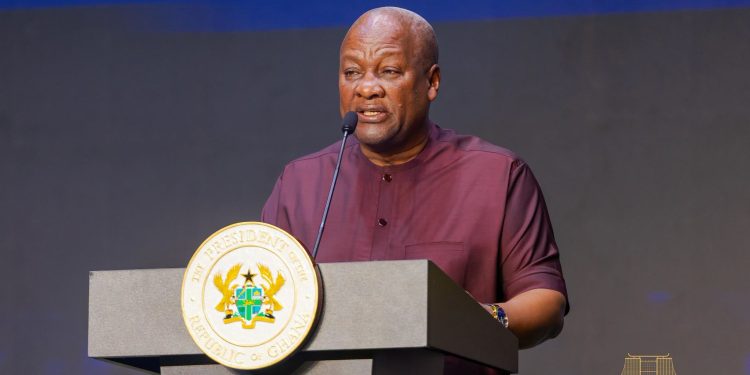



On Thursday, November 12, 2026, Finance Minister Dr. Cassiel Ato Forson stepped before Parliament to present a vision for Ghana’s future, the 2027 Budget. At its heart, the government made a bold promise: to transform hard-won economic stability into jobs, growth, and prosperity for all Ghanaians.
The numbers spoke volumes. With a planned expenditure of GH¢389.2 billion, the budget signaled an unwavering commitment to capital investments. Much of this spending would power the government’s ambitious $10-billion New Economy programme, a cornerstone for the country’s next phase of development.
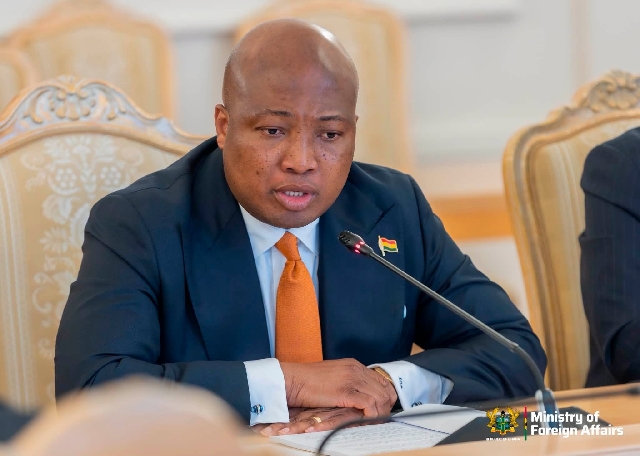
Days later, on November 16, Deputy Finance Minister Thomas Ampem Nyarko addressed lawmakers at a post-budget workshop. He looked back with pride at the progress made since the NDC government took office. “In 2025, we restored stability. In 2026, we demonstrated resilience. And in 2027, our task is to convert stability into production, jobs, and prosperity,” he declared.
The Deputy Minister’s confidence was grounded in data. Ghana’s economy grew by 6.2 percent in the first half of 2026, outpacing the annual target of 4.8 percent. Inflation was tamed to 5.5 percent in October, and gross international reserves reached $12.1 billion, enough to cover 4.5 months of imports by the end of September. Fiscal discipline had taken root, with a primary surplus of 1.4 percent of GDP and public debt holding steady at 47.5 percent of GDP.
“These statistics show an economy that is more stable, more resilient, and better positioned to support investment,” Nyarko emphasized. But he also acknowledged that numbers alone do not change lives. “Macroeconomic stability is not our destination; it is the foundation. A stable economy that does not create jobs or improve household incomes is an unfinished recovery.”
And so, with the 2027 budget, the Finance Ministry set out to complete this unfinished business. The government’s ambition is nothing less than building a new economy—one that produces what Ghana consumes, processes more of what it produces, exports greater value, and, above all, creates sustainable jobs for Ghanaians.
Source: Apexnewsgh.com