





Rice farmers in Asutsuare, Kadjanya, and Akuse in the Shai Osudoku District of the Eastern Region are sinking into a financial crisis, as large quantities of harvested rice sit unsold and post-harvest losses mount with each passing day.
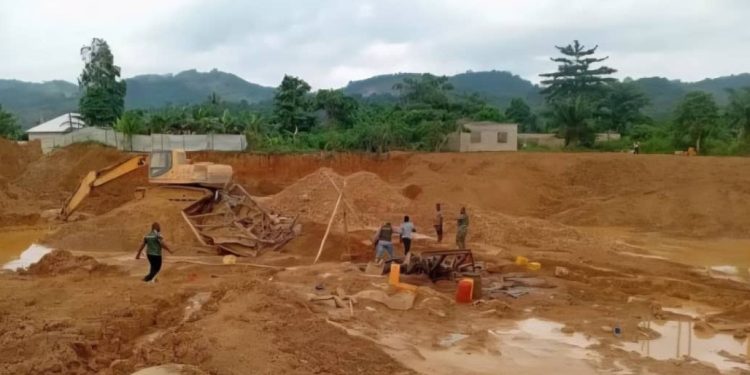
The situation is most acute at the Asutsuare rice irrigation scheme, one of Ghana’s major rice-producing hubs, spanning over 4,000 hectares and supporting thousands of smallholder and commercial farmers. Warehouses have been filled to capacity, leaving farmers with no choice but to leave excess produce exposed to the elements, where it risks spoilage. Despite significant investments in mechanisation and irrigation, farmers say the absence of a reliable market is steadily eroding their hard work and livelihoods.
The hardship has gone beyond financial strain. Reports indicate that a farmer identified as Zola allegedly died by suicide after struggling to repay a bank loan tied to his farming activities, a tragic development that has cast a dark shadow over the farming communities. Authorities have yet to publicly confirm the details surrounding the incident.
The story of Zola, however, has put a human face on what might otherwise be seen as an economic statistic, underscoring the very real and personal consequences of the crisis gripping the region.
Philip Akpoka Anumah, President of the Osudoku Rice Farmers Association, has been vocal about the pricing crisis at the centre of the problem. He pointed out that buffer stock authorities are offering just GHS350 per bag, a figure that falls below production costs, meaning farmers are effectively selling at a loss. The situation is made worse by the continued influx of imported rice, which farmers say is suppressing demand for locally produced rice and driving prices even lower.
Adding to the frustration is what farmers describe as unfulfilled assurances from the highest levels of government. The Minister for Food and Agriculture, Eric Opoku, and the Minister for Finance, Cassiel Ato Forson, reportedly visited the area and pledged interventions, including buffer stock purchases. Those promises, farmers say, have yet to translate into action, deepening their sense of abandonment.
Compounding the crisis further, rehabilitation works on sections of the irrigation scheme have stalled, leaving more than a thousand farmers idle for over a year, unable to farm, unable to earn, and increasingly unable to cope.
With their backs against the wall, the farmers are now issuing an urgent call for government intervention. Their demands are straightforward: improved market access, fair and realistic pricing for their produce, and the completion of long-delayed infrastructure projects.
They warn that continued inaction will not only devastate local rice production but could permanently damage rural livelihoods across the district, a consequence, they say, that the government cannot afford to ignore.
Source: Apexnewsgh.com