
CHRAJ Petitioned Over Alleged Misconduct by Free Zones Authority CEO

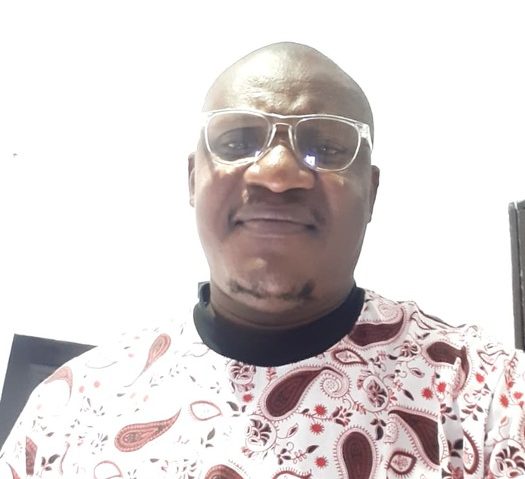
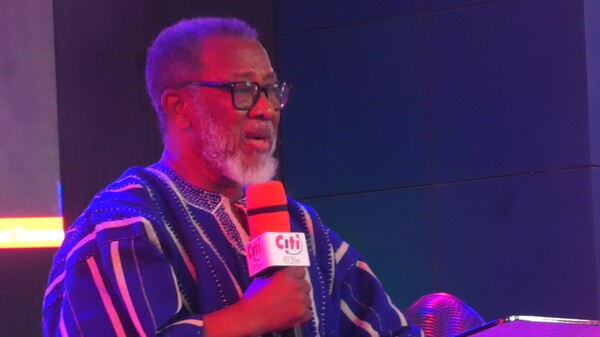
A formal petition has been filed with the Commission on Human Rights and Administrative Justice (CHRAJ) seeking a thorough investigation into the conduct of Dr. Mary Awusi, Chief Executive Officer of the Ghana Free Zones Authority. The petitioners allege that Dr. Awusi has misused official working time by making frequent media appearances unrelated to her official duties. The complaint, co-signed by Prince Owusu Bonnah, Christiana Acheampong, and Sebastian Ampah, points to Dr. Awusi’s participation in a radio discussion on Accra 100.5 FM on April 23, 2026. During the broadcast, she reportedly commented on national issues, including illegal mining, and made remarks concerning the leadership of the Church of Pentecost. The petitioners argue that such engagements fall outside her statutory responsibilities and may constitute a breach of public service ethics. According to the petition, Dr. Awusi’s comments during the interview questioned the moral authority and spiritual standing of the Church’s leadership, remarks the complainants describe as inappropriate for a public office holder. They further contend that her conduct may reflect a misuse of official time and public resources, potentially exposing the Free Zones Authority to reputational risk. The petitioners are calling on CHRAJ to determine whether Dr. Awusi’s actions amount to administrative impropriety, abuse of office, or a violation of the Code of Conduct for public officers as outlined in Ghana’s 1992 Constitution. They are also requesting a full investigation, the imposition of appropriate sanctions where warranted, and the establishment of stricter guidelines to ensure ethical conduct among public servants. To support their claims, the petitioners have attached media recordings and supporting materials said to document Dr. Awusi’s public engagements during official working hours. Copies of the petition have also been forwarded to the Chief of Staff at the Office of the President, signaling the seriousness of their concerns. Source: Apexnewsgh.com
Sports Minister Refutes Claims of Substandard Vaulting Poles at African Athletics Championships
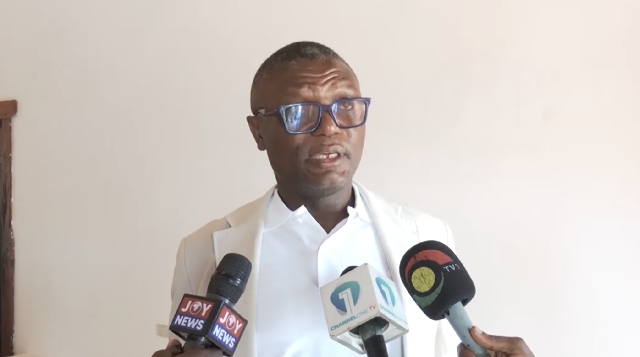
Ghana’s Sports Minister, Kofi Adams, has firmly denied media reports suggesting that foreign athletes were forced to use substandard vaulting poles provided by Ghana during the African Senior Athletics Championships at the University of Ghana Stadium in Accra. Addressing the press, Mr. Adams clarified that while Ghana’s Local Organising Committee supplied vaulting poles for the competition, none of the athletes actually used them. “It’s a standard thing. Yours is to provide the landing surface, the cross bar, and then the stand poles,” he explained. He emphasized that the vaulting poles themselves are personal equipment, with athletes preferring to compete with their own poles for comfort and familiarity. “The only thing is that the ITOs will certify it for them,” he added, referring to the International Technical Officials who inspect and approve the athletes’ equipment. The minister recounted an incident involving a Beninese athlete whose vaulting pole broke during the event, stressing that the damaged pole belonged to the athlete and had not been supplied by Ghana. Similarly, South African competitors used their own vaulting poles, Mr. Adams noted. He further disclosed that the South African team had paid a deposit at Aviance at Accra International Airport for the equipment they brought into the country. This deposit, he assured, would be refunded once the athletes left Ghana with their equipment. Reflecting on the championship as a whole, Mr. Adams concluded that the event “generally went well,” with the exception of some early power issues that were promptly addressed. Source: Apexnewsgh.com
Minority Caucus Charts Path to 2028: NPP Urged to Prepare for Power
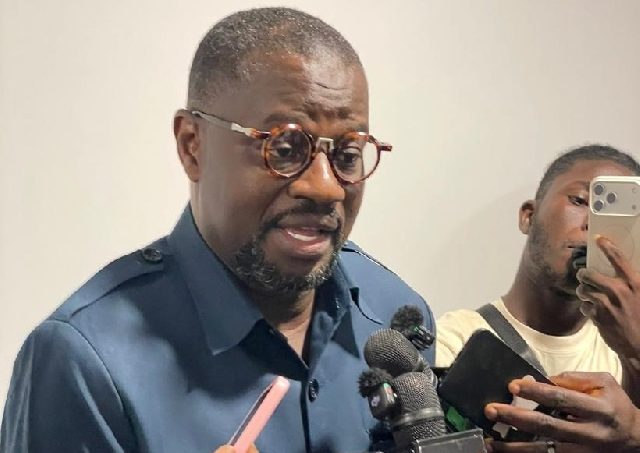
The Minority Caucus in Parliament recently gathered in Accra for a strategic workshop designed to sharpen their parliamentary approach and enhance coordination as they gear up for the next legislative session. Addressing the assembled MPs, Minority Chief Whip Frank Annoh-Dompreh delivered a candid assessment of the political landscape, asserting that the governing National Democratic Congress (NDC) had lost public confidence far more rapidly than many anticipated. He stressed that the New Patriotic Party (NPP) must seize this moment to position itself assertively for victory in the 2028 elections. Annoh-Dompreh reminded his colleagues that their primary responsibility remains holding the government accountable through rigorous scrutiny and by challenging questionable decisions. He encouraged MPs to expose what he described as hidden wrongdoings within the current administration and to intensify pressure on the government whenever shortcomings emerge. “We cannot sit back while the cocoa farmer is wailing, teachers are crying, nurses are wailing, public servants are crying, market women are crying, this is the reflection of the scam of the NDC government,” he declared, urging MPs to fully utilize parliamentary procedures to bring national issues to the forefront. The workshop’s purpose, Annoh-Dompreh explained, was to refine the caucus’s communication strategy, align its parliamentary activities, and bolster its responsiveness to the pressing needs of Ghanaians. He pointed out that many citizens were increasingly turning to the NPP as a credible alternative, and that the party needed to present a united and disciplined front to meet those expectations. He also cautioned against complacency and internal divisions, warning that these could undermine the NPP’s chances in the crucial 2028 elections. “The NPP is a party of development, and its culture and tradition have proven to be effective and capable in turning around the fortunes of our country. Victory is in our hands!” he proclaimed, rallying his colleagues for the challenges ahead. The workshop brought together Minority MPs to deliberate on legislative priorities, constituency engagement, and strategies to strengthen parliamentary oversight of the executive. Participants left with a renewed sense of purpose, ready to apply lessons learned both in Parliament and in their constituencies as the opposition intensifies preparations for the next general elections. Source: Apexnewsgh.com
Kojo Oppong Nkrumah Tells Story of Arrests and Intimidation
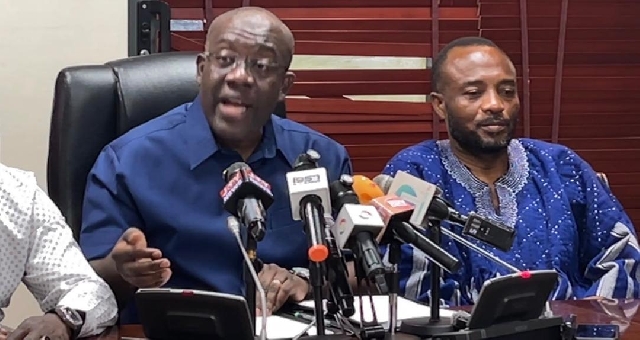
Kojo Oppong Nkrumah, the Member of Parliament for Ofoase-Ayirebi and former Information Minister, recently spoke out against what he describes as a worrying trend of political intimidation in Ghana. According to him, the current National Democratic Congress (NDC) administration is using arrests and detentions to silence critics, particularly those who express dissent on social media. In a candid conversation with the media in 2026, Oppong Nkrumah painted a troubling picture of life for opposition supporters under the present government. “Over sixteen NPP persons have been arrested for simply making comments on social media or posting things on social media that the government finds unpalatable,” he revealed. The MP claimed these arrests began shortly after the NDC assumed office and have continued, targeting more than sixteen members of the opposition New Patriotic Party (NPP). His comments were made against the backdrop of the ongoing detention of Kwame Baffoe, widely known as Abronye DC, who serves as the NPP’s Bono Regional Chairman. According to Oppong Nkrumah, Abronye’s situation is especially grave. He recounted how Abronye was arrested, denied bail, and has now been detained for several days, with his lawyers, family, and political associates unable to see him since his arrest the previous week. Oppong Nkrumah did not mince words in his criticism of the government’s actions. “The government is using arrest, detention, remand as a tool to suppress voices that they do not feel comfortable with,” he alleged. He argued that these tactics are designed not only to punish critics but also to send a message to others who might consider speaking out. “The whole idea is to intimidate people and ensure that everybody keeps quiet when they are failing on delivering on the promises they made to the Ghanaian people.” Despite these challenges, Oppong Nkrumah made it clear that the opposition will not be cowed. He assured that the NPP would continue to protest the arrests both in public and in the courts, vowing, “We will use the platforms of public advocacy to call that out as well while we do what is necessary through the judicial system.” The story he tells is one of a political climate where fear and silence are tools of governance, but also one where the fight for freedom of expression and justice continues. Source: Apexnewsgh.com
PAC Grills Peki College of Education Over Soaring Losses
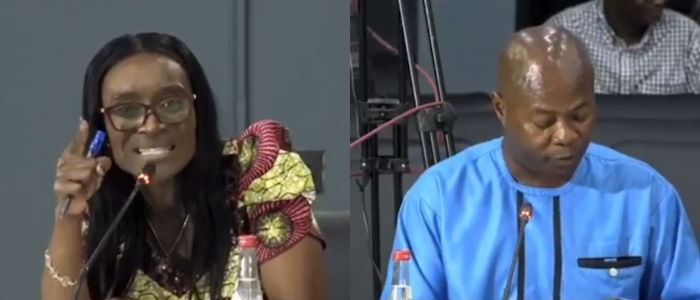
It was a tense morning in Parliament on Tuesday, May 19, as the Public Accounts Committee (PAC) turned its attention to the troubling financial records of the Peki College of Education. The air in the chamber was thick with concern as members pored over the audit findings, trying to make sense of the institution’s deteriorating financial health. The numbers told a worrying story. Losses at the college had ballooned from GH¢916,000 in 2023 to more than GH¢1 million in 2024, a rise that set off alarm bells among committee members. The PAC wanted answers. How could the gap have grown so much in just a year? Was it the fault of Ghana’s high inflation rate, as the college’s Director of Finance, Hornesmus Quarshie, insisted? Or was there more to the story? Chairperson of the PAC, Abena Osei-Asare, wasn’t convinced by the inflation argument. Leaning forward, she challenged Quarshie directly. “Your loss of GH¢1 million from GH¢916,000 is purely due to inflation? You spent over GH¢800,000 on transportation costs alone. Looking at the strength of your income, you could have postponed some of these items to avoid incurring the losses.” Her words hung in the air, underscoring the committee’s frustration. “You make a loss of GH¢916,000, and you come here and you think you can come and sit here and explain it away? You are not doing your school any good thing,” she added sternly. As the session wore on, it was clear that the PAC expected better financial stewardship from the management of the Peki College of Education. The story unfolding in Parliament was not just about numbers, but about accountability, and the hope that lessons would be learned for the future. Source: Apexnewsgh.com
The Ashanti NPP Chairman Faces Court: The Dramatic Case of Chairman Wontumi

In a courtroom drama that has captured national attention, Bernard Antwi-Boasiako, popularly known as Chairman Wontumi and the Ashanti Regional Chairman of the New Patriotic Party, stood before the High Court in Accra to answer to four serious criminal charges. The charges, defrauding by false pretence, forgery, money laundering, and intentionally causing a financial loss of over GH¢30 million to the Ghana Export-Import Bank (Exim Bank), were read out in a session presided over by Justice Halimah El-Alawa Abdul-Baasit. Chairman Wontumi, represented by his lawyer Andy Appiah-Kubi, entered a plea of not guilty. After an application by his lawyer, which was not opposed by Deputy Attorney-General Dr. Justice Srem-Sai, Wontumi was granted bail. Meanwhile, his alleged accomplice and Director of Wontumi Farms Limited, Thomas Antwi-Boasiako, remains at large, with authorities still seeking his whereabouts. The prosecution’s case paints an elaborate picture of deception. According to the charge sheet, Chairman Wontumi and Thomas Antwi-Boasiako are accused of using false pretences to obtain GH¢14.3 million from Exim Bank. They allegedly presented falsified documents, including a “Board Resolution Letter” with suspicious dates, and claimed to have secured 100,000 acres of land and employment for 38,000 people. Based on these representations, Exim Bank approved a mixed loan and grant facility of nearly GH¢19 million, ultimately disbursing over GH¢14 million to Wontumi Farms Limited by March 2018. The prosecution further alleges that in March 2018, Chairman Wontumi submitted a document labeled as a “Receipt” to secure an additional GH¢4 million from the bank, claiming it was for the purchase of agricultural machinery. However, state investigations revealed that the so-called receipt was in fact a doctored pro-forma invoice from KAS-SAMA Enterprise, originally issued only for a price inquiry. “No agricultural plant or machinery was bought. No person was employed to work on any farm. The accused persons did not own or secure the parcel of land they represented to the Bank as secured for the project,” prosecutors stated. Instead, large sums withdrawn from the company’s accounts were allegedly used for Wontumi’s personal investments and other business enterprises. As the case unfolds, the nation watches closely, awaiting the court’s verdict on one of the most high-profile financial crime cases in recent years. Source: Apexnewsgh.com
Governor Warns: Converging Risks Threaten Ghana’s Economic Gains
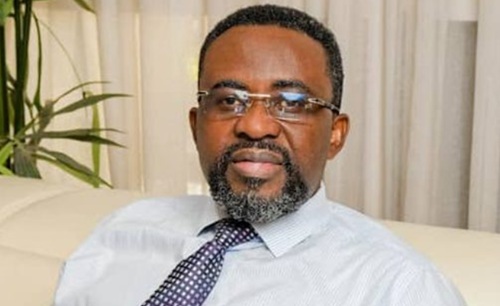
It was a pivotal moment in Accra as Dr. Johnson Asiama, Governor of the Bank of Ghana, addressed the opening of the 130th Monetary Policy Committee (MPC) meeting. With the city bustling outside, the Governor’s message inside was one of both caution and urgency: Ghana’s economy faces a confluence of external and domestic threats that could undermine the hard-won macroeconomic stability achieved in recent years. Dr. Asiama placed global energy developments and domestic pressures at the forefront of his address. He highlighted the prolonged Middle East conflict, which continues to inflate global energy prices and ripple through Ghana’s economy. “The protracted Middle East conflict and sustained energy price elevation are all risks which, if not addressed, could dislodge inflation expectations before they are firmly anchored,” he warned. For an energy-importing country like Ghana, every uptick in crude prices translates to higher fuel and transport costs, with cascading effects on consumer prices and inflation. The Governor described how these external shocks intersect with local vulnerabilities, especially disruptions in domestic energy supply, to create a “dual-channel inflation expectations problem.” Policymakers, Dr. Asiama said, are increasingly concerned that these risks could undo recent progress in stabilizing inflation. “Without timely policy responses, the current trajectory could reverse recent disinflation gains, complicating monetary policy decisions in the near term,” he cautioned. Beyond inflation, the Governor drew attention to Ghana’s external balances. Improvements in the current account, he noted, could be short-lived if global headwinds weaken export earnings and limit foreign exchange inflows. “The second risk is the current account and reserve vulnerability issues, fiscal risks from external revenue compression, and the domestic power crisis,” he explained. Fiscal risks are also heightened by possible revenue shortfalls linked to global economic slowdowns and volatile commodity prices. Dr. Asiama did not downplay the impact of domestic structural problems, particularly in the energy sector. While the power situation is “showing signs of abatement,” it still weighs heavily on the economy. Persistent power supply disruptions have driven up business costs and inflation expectations, raising the stakes for both producers and consumers. Against this backdrop, the Governor urged his colleagues on the MPC to scrutinize how well monetary policy is working in the current climate. “The current monetary policy transmission is still of concern,” he admitted, questioning whether policy signals are effectively influencing lending and credit growth. The answer, he stressed, would be critical for sustaining broader economic activity as conditions tighten. As the MPC’s deliberations got underway, it was clear that the stakes had rarely been higher. With risks ranging from global geopolitical tensions to domestic energy and fiscal challenges, the path forward would require a careful balancing act. “These risks will be central to the discussions this week,” Dr. Asiama concluded, underlining the importance of decisive and timely action. His final message was unmistakable: Ghana’s economic resilience will depend not just on the foundation of past reforms, but on the country’s ability to respond swiftly and effectively to a rapidly changing risk environment. Source: Apexnewsgh.com
Ministry of Health Recruits Over 6,200 Nurses and Midwives to Boost Primary Healthcare
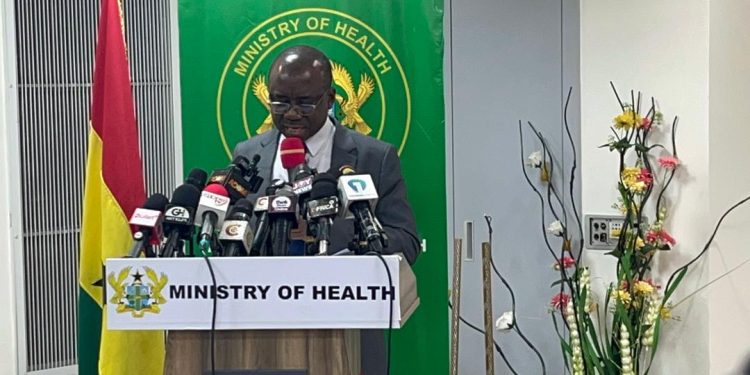
A major step forward in Ghana’s quest to strengthen primary healthcare was announced this week, as the Ministry of Health revealed that 6,245 nurses and midwives have been successfully recruited out of 6,500 available slots in its latest nationwide employment drive. The recruitment forms part of the government’s broader free primary healthcare initiative, which seeks to deploy trained healthcare professionals to underserved communities and close critical staffing gaps. The exercise, which received financial clearance from the Ministry of Finance, is part of a wider plan to recruit about 8,000 health professionals across the country. This comes as the nation grapples with a backlog of approximately 105,000 unemployed but qualified health workers, many of whom have been waiting for opportunities since as far back as 2018 and 2019. In addition to the new nurses and midwives, the Ministry also succeeded in recruiting 771 out of 900 available positions for allied health professionals, 235 out of 250 pharmacy professionals, and 300 physician assistants. These efforts are expected to significantly improve access to essential health services, especially in areas where primary care has long been lacking. At a press conference in Accra, Frederick Mensah-Acheampong, Director of Human Resources at the Ministry of Health, noted that while around 87 nursing positions remain unfilled in the Northern districts, competition for the available slots was fierce due to the large number of qualified applicants. He emphasized that the ongoing recruitment is guided by the government’s Primary Healthcare policy, which prioritizes preventive care, community-based services, and the equitable distribution of health workers. “We have received financial clearance to recruit about 8,000 health professionals from the Ministry of Finance. The Ministry acknowledges the anxiety and interest these recruitment exercises have generated, particularly given the backlog of about 105,000 unemployed health professionals, some of whom have been awaiting recruitment since 2018 and 2019,” Mensah-Acheampong explained. To ensure no qualified candidate is left behind, Mr. Mensah-Acheampong added that a mop-up exercise is planned in the coming weeks to absorb eligible applicants who were unable to complete the process during the main recruitment phase. The Ministry’s efforts mark a renewed push to deliver quality healthcare to all corners of the country, with a special focus on the most underserved communities. Source: Apexnewsgh.com
Bank of Ghana Unveils 2025 Financial Stability Review, Emphasizes Vigilance Amid Emerging Risks
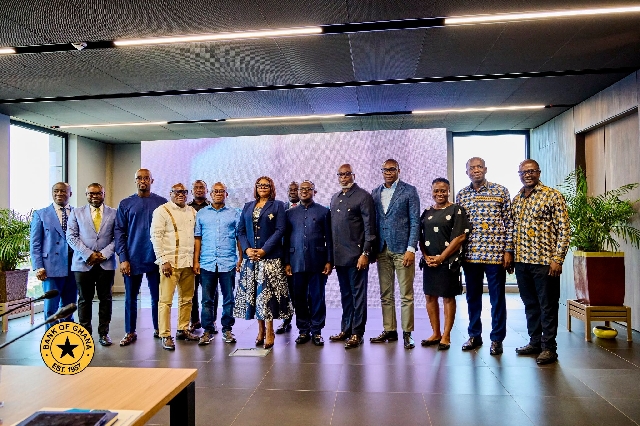
The Bank of Ghana ushered in a new chapter of transparency and oversight with the official launch of the 2025 Financial Stability Review, the flagship publication of the Financial Stability Advisory Council. The ceremony, held on Friday, May 15, 2026, brought together key stakeholders to assess the current health and resilience of Ghana’s financial sector under the theme: “From Stress to Stability: Staying on Course.” In her address on behalf of the Governor, Second Deputy Governor Matilda Asante-Asiedu praised the continued resilience of Ghana’s financial system. She reaffirmed the central bank’s unwavering commitment to maintaining stability, reinforcing public confidence, and safeguarding the integrity of the sector. However, Asante-Asiedu cautioned that new risks are beginning to emerge, subtly shaping the outlook for the financial sector. “Some risks are emerging in the outlook. Financial institutions are reassessing their business models to adapt to evolving conditions and avoid disruptions to the stable trajectory we have enjoyed,” echoed Governor Johnson Pandit Asiama in remarks included in the report. The 2025 Financial Stability Review highlights how regulators are proactively working with financial institutions to ensure they adjust their strategies in response to changing economic conditions. The report underscores ongoing efforts to preserve stability across the banking and financial services sector, even as the landscape continues to evolve. With this new publication, the Bank of Ghana signals its continued vigilance and readiness to respond to challenges, ensuring that Ghana’s financial sector remains robust and trusted in the face of uncertainty. Source: Apexnewsgh.com
Public Accounts Committee Probes Missing Vehicles and Documentation Gaps at Labour Ministry
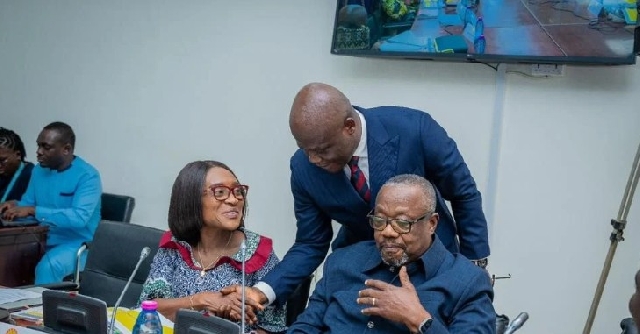
The tale of two missing vehicles has cast a shadow over the Ministry of Labour and Employment, as the Public Accounts Committee (PAC) sounded the alarm over procurement lapses and interest charges linked to unsettled claims. The issue came to light during the PAC’s review of a GH¢223,127 payment claim, highlighted in the Auditor-General’s special audit report on government arrears totaling GH¢68.7 billion. According to the audit, the sum relates to the purchase of two Nissan Tiida saloon cars that, more than a decade after their reported procurement, cannot be located. Making matters worse, the key documents supporting this transaction have also vanished. When the Ministry’s Director of Finance, Mary Ninson, appeared before the committee on May 18, she admitted that records tied to the acquisition, believed to have taken place in 2011, were missing. Auditors, she explained, had been informed that the Ministry was unable to trace the documentation, leaving the status of the vehicles in limbo. Ninson also revealed that delays in settling certain obligations led to interest charges, even though partial payments had been made for some price adjustments. The Ministry of Finance, she added, had been notified about the situation. The documentation woes did not end there. Ninson disclosed that records relating to the procurement of two-horsepower air conditioners were also missing, and while auditors were kept in the loop, efforts to obtain clarification from relevant institutions yielded no official replies. The probe extended to the Fair Wages and Salaries Commission, where a building project estimated at GH¢5.1 million was scrutinized. Of this amount, GH¢4.3 million was accepted as certified completed work, but the remaining balance was disallowed by auditors as it related to unfinished construction, a position the Ministry accepted. When PAC members pressed for details on how 40 percent of payments had been confirmed and what records supported the process, Ninson said the issue only surfaced during the audit. Subsequent efforts to verify the transaction with Japan Motors and other institutions turned up only photocopied documents; no originals could be found. Ninson emphasized to the committee that original documents are essential for authenticating payment claims. Photocopies alone, she noted, cannot be relied upon for approval or settlement. She insisted that all outstanding claims must be backed by credible, verifiable records before any future payments can be processed. The PAC’s inquiry underscores the critical need for transparency and accountability in government procurement and record-keeping, as ministries and agencies work to restore public trust and financial discipline. Source: Apexnewsgh.com