


NDC Sets Deadline for Outstanding Dues Ahead of Internal Elections
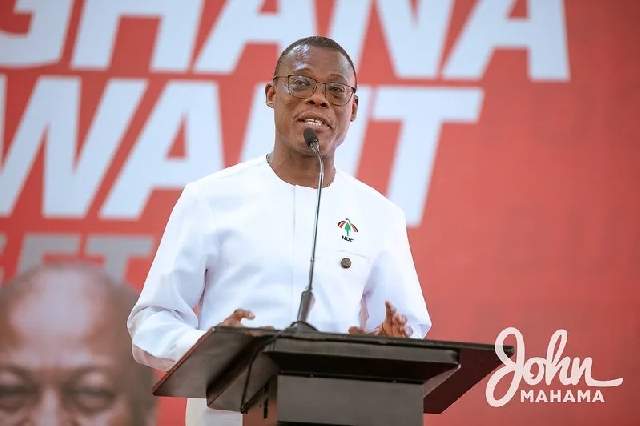
The National Democratic Congress (NDC) has issued a firm directive to all party members and aspirants with outstanding financial obligations, calling on them to settle their dues by June 18, 2026, as part of preparations for the party’s forthcoming internal elections. The announcement, made in a circular dated June 10, 2026, and signed by Deputy General Secretary (Finance and Administration) Barbara Serwaa Asamoah on behalf of the General Secretary, came in the wake of a Functional Executive Committee (FEC) meeting held a day prior. At the meeting, the party leadership resolved that only members in good financial standing would be eligible to contest in the upcoming polls. In a stern warning, the party cautioned that any aspirant who fails to clear their dues by the specified deadline will be barred from participating in the elections until all payments are made and official clearance is granted. To ensure transparency and orderliness, the NDC also released a revised electoral timetable to guide the conduct of internal elections across its constituencies and regions. According to the schedule, vetting and elections will take place from June 20 to July 11, 2026. A mop-up exercise is planned for July 14 to July 24, 2026, after which the Elections Committee will finalise the election album between July 29 and August 14, 2026. The party’s leadership has called on all regional and constituency executives, as well as aspiring candidates, to comply strictly with the directives. Emphasising the importance of discipline and fairness, the NDC underscored that adherence to financial obligations and electoral guidelines is essential for a smooth and credible internal contest as the party gears up for its next round of leadership selection. Source: Apexnewsgh.com
Minority Caucus Demands Ministerial Briefing on South Africa Evacuation
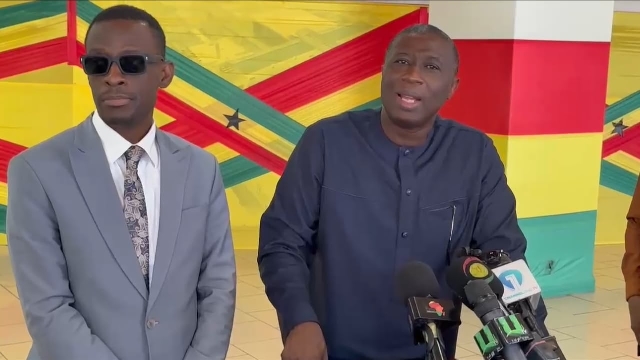
The atmosphere in Parliament turned tense this week as the Minority Caucus firmly rejected a proposal from the Majority Leader suggesting that members should simply file an urgent question to obtain information on the evacuation of Ghanaians from South Africa. For the Minority, the stakes are too high for such routine procedures. Addressing the media, Patrick Boamah, Member of Parliament for Okaikwei Central, made it clear that Parliament deserves more than written answers. He emphasized the national importance of the evacuation process, noting that it directly affects Ghana’s foreign relations and the safety and welfare of its citizens living abroad. Boamah argued that the situation extends well beyond the scope of standard parliamentary queries and called for a formal appearance by the Minister for Foreign Affairs, Samuel Okudzeto Ablakwa. According to the Minority, only a direct ministerial briefing would provide the necessary transparency and clarity regarding the circumstances surrounding the evacuation and its broader diplomatic implications. The Minority Caucus is therefore urging the Foreign Affairs Minister to appear before the House to account for the government’s handling of the evacuation operation, underscoring their commitment to ensuring parliamentary oversight on matters of significant national concern. Source: Apexnewsgh.com
President Mahama Maintains Public Approval as Ghanaians Weigh Progress and Challenges
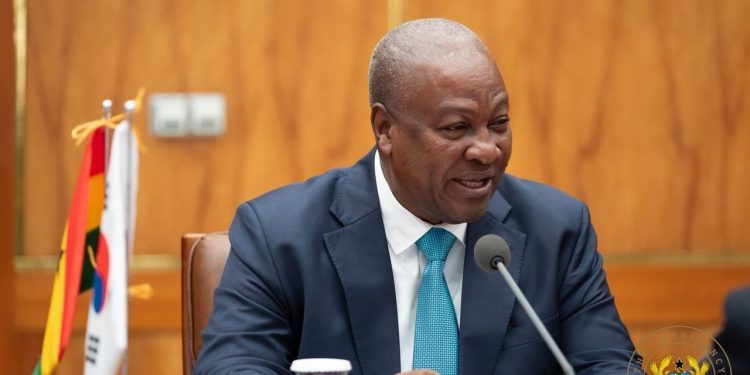
A recent nationwide survey by the Institute of Economic Affairs (IEA) has painted a nuanced picture of public sentiment towards President John Dramani Mahama, showing that the majority of Ghanaians continue to back his leadership 18 months into his administration. The poll, conducted in May 2026 and involving over 1,000 respondents from all 16 regions, found that 58.9% of citizens approve of the President’s performance, while 28.4% disapprove and 12.8% remain undecided. This endorsement comes on the back of significant improvements in Ghana’s economic indicators over the past year and a half. Since January 2025, inflation has plummeted from 23.5% to 3.4%, and the Ghanaian cedi has appreciated by 26% against key international currencies. The Bank of Ghana’s policy rate has been slashed from 27% to 14%, bringing commercial lending rates down from 32% to 20%. Ghana’s debt-to-GDP ratio has also improved remarkably, dropping from 61.8% at the close of 2024 to 45.3% by the end of 2025. These achievements have earned the country rating upgrades from major international agencies, including Fitch, Moody’s, and S&P. The IEA found that most Ghanaians who approve of the President’s performance cite these economic gains as their primary motivation, 73.5% point to improvements in the economy, 16% highlight road infrastructure, and 2.7% mention advancements in energy and electricity. Yet, the survey also notes a dip in approval from the 68% recorded in December 2025, suggesting that while macroeconomic stability is welcomed, the public is eager to see these gains reflected more directly in everyday life. Among respondents who expressed dissatisfaction, 30.9% identified the economy as a concern, and 29.9% pointed to ongoing challenges with electricity supply, a sentiment likely influenced by recent power outages in May 2026 that disrupted households and businesses. Corruption remains a significant issue, with 19.1% of disapprovers calling for more robust anti-corruption action and greater accountability from government officials. The IEA’s analysis indicates that while President Mahama enjoys a solid base of support rooted in perceived economic stabilization and infrastructure development, rising expectations around living standards, energy reliability, and anti-corruption efforts are shaping a more demanding electorate. For many Ghanaians, the full benefits of economic recovery are yet to be felt in terms of cost of living, job opportunities, and household income. As President Mahama navigates the second half of his term, the survey underscores the government’s need to balance continued macroeconomic progress with tangible improvements in the daily lives of citizens. The findings reflect a broadly supportive but increasingly expectant public, looking for real change beyond the numbers. Source: Apexnewsgh.com
The NDC at 34: A Journey of Democracy and Development

On June 10, 2026, the National Democratic Congress (NDC) celebrates its 34th anniversary, a milestone that marks over three decades of active political participation, democratic governance, and national development in Ghana. The story of the NDC began on June 10, 1992, when the party was founded during a pivotal moment in Ghana’s history. As the country transitioned back to constitutional rule under the Fourth Republic, the NDC emerged as a leading force on the political stage. Its roots trace back to the Provisional National Defence Council (PNDC) administration, led by the dynamic Jerry John Rawlings. Rawlings, who became the NDC’s first presidential candidate, led the party to resounding victories in the 1992 and 1996 general elections, setting the stage for a new era in Ghanaian governance. Since its formation, the NDC has played a vital role in shaping Ghana’s democratic journey. The party has produced three presidents—Jerry John Rawlings, John Evans Atta Mills, and John Dramani Mahama, each contributing to the nation’s progress and stability. With a strong presence in Parliament and local governance structures, the NDC’s influence has been felt in communities across the country. As the party commemorates its 34th anniversary, members and supporters are taking time to reflect on the NDC’s achievements and its contributions to nation-building. Many recall the party’s impact in expanding infrastructure, improving education, advancing healthcare, and implementing social intervention programmes and economic reforms. These milestones, achieved during its time in government, have left a lasting legacy on Ghana’s development. This year’s anniversary comes at a significant time, with the NDC once again in government under President Mahama, following the party’s return to power after the 2024 general elections. Party leaders describe the 34th anniversary as an opportunity to renew their commitment to the NDC’s founding principles of social justice, accountability, inclusiveness, and national development. Across Ghana, supporters are expected to mark the occasion with messages of solidarity, community engagements, and reflections on the party’s rich history and future aspirations. The anniversary serves not only as a celebration of the NDC’s past but also as a reminder of its enduring role in Ghana’s political evolution and its continued influence in shaping the nation’s democratic and developmental agenda. Source: Apexnewsgh.com
Nabdam MP Dr. Mark Kurt Nawaane Commissions Construction of 1No.2 Unit KG Block at Nkusiezie
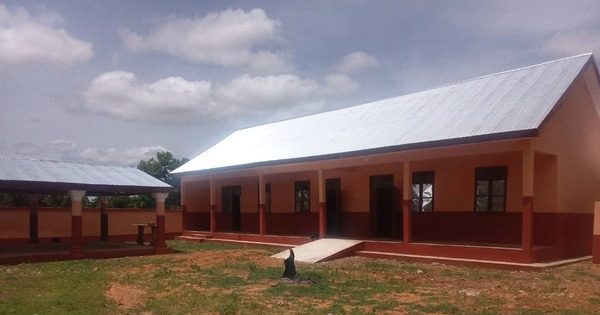
Excitement filled the air in Nkusiezie as community members, chiefs, and local leaders gathered to witness a significant milestone in the area’s educational journey. The Nabdam Member of Parliament, Dr. Mark Kurt Nawaane, stood before the gathering to commission the construction of a new two-unit kindergarten block, a facility complete with an office, storeroom, five-seater KVIP toilets, and two-unit gender-friendly urinals. Dr. Nawaane, in his address, highlighted the far-reaching impact of the project, linking it to former President Mahama’s educational policy. “This project falls in line with President Mahama’s vision to increase the number of pupils attending kindergarten. We all know the importance of early childhood education; it is during these formative years that children develop essential skills. We teach them how to speak, write, read, sing, and even instruct them in our local language, nurturing their cognitive and social abilities.” He emphasized that research shows children who benefit from quality kindergarten education tend to excel as they move through primary, secondary, and even tertiary levels. “President Mahama is committed to kindergarten education, and that is why we’ve allocated about 10 percent of the common fund towards educational projects such as this.” Dr. Nawaane extended his gratitude to the assembly for championing the policy, and heaped praise on the contractor for delivering quality work. “You can see the good work that has been done,” he noted, inviting the young contractor to stand and be recognized by the crowd. “I also want to thank the chief and people of the community for embracing this project. Community acceptance and cooperation are what make successful implementation possible.” He concluded by assuring the community that maintenance of the facility would be a priority, so that generations of children would benefit from a safe and welcoming learning environment. The event marked not just the commissioning of a building, but the start of brighter educational prospects for the youngest members of Nkusiezie. Meanwhile, the contractor of the project, Mr. Jacob Azumah of Winmailes Company Ltd, expressed satisfaction with the support he received from the assembly and community members. According to him, he was able to meet the construction deadline because of the community’s support and cooperation. The event was honoured by opinion leaders, assembly officials led by the DCE, and GES officials, all of whom commended the initiative and pledged their continued commitment to the advancement of education in Nkusiezie. Source: Apexnewsgh.com
Nabdam MP Dr. Mark Kurt Nawaane Commissions New Block at Gundug/Wore-Daah Health Centre
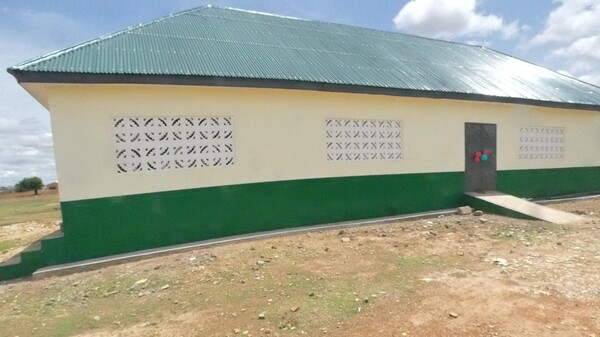
The sun rose brightly over Gundug/Wore-Daah as the community gathered with anticipation. This was no ordinary day; it was the day their health centre would take a significant leap forward. The Nabdam Member of Parliament, Dr. Mark Kurt Nawaane, stood before the crowd, his words brimming with pride and gratitude as he commissioned a new block at the health centre, an achievement made possible through determination, collaboration, and vision. Dr. Nawaane began by recounting the journey to this milestone. “There was a time they wanted to simply add to an existing facility,” he recalled, “but I insisted: our people deserve their own health centre.” The task was not simple. Land had to be secured, and not just any piece of land would do. “When it comes to health facilities,” Dr. Nawaane explained, “you can’t just build anywhere. It must be accessible, visible, and decent.” He paid special tribute to the Constituency Vice Chairman, whose tireless efforts ensured that the right location was found and acquired: “With his help, we were able to start, and now, all of this is history.” The health centre began as a modest project, just a small block. But the dream grew. “Today, we’ve added a maternity ward,” Dr. Nawaane announced, his voice full of hope for the future. He thanked everyone present, acknowledging their role in making this vision a reality. Yet, he made it clear that the journey was far from over, drawing attention to the need for improvements to the main road connecting Asonge, Zanlerigu, Damolgo, Tindongo, Pelungu, and Sakoti, to ensure even better access for all. The event was also an opportunity for the Nabdam District Health Director, Sadia Salifu, to express heartfelt appreciation. “We are very grateful for your continual support to the health service,” she said. “This facility is a testament to your commitment to improving the health of our mothers and babies.” She assured the MP and the community that the centre would be well cared for and put to full use in providing quality care. However, Madam Salifu, like Oliver Twist, humbly asked for more. She highlighted the need for medical equipment: more beds, delivery sets, and diagnostic tools. “Right now, when a scan is needed, we have to refer women all the way to Bolga. Portable scan machines would make a big difference.” She also appealed to the community to support the centre’s upkeep, noting the challenge of keeping the facility clean without a government-paid cleaner. Motivation for staff was another key point. Many staff members had relocated from far-off places to serve the community, and Salifu encouraged everyone to recognize their dedication, not just with money, but with words of thanks or simple acts of appreciation, especially during festivals. She revealed plans to add another midwife to serve the growing population, which now exceeded a thousand people across Gundug and other nearby communities. Madam Salifu also urged residents to patronize the health centre. “If you don’t come here,” she explained, “our records show fewer deliveries. Policymakers use this data, and it affects future support. Let’s show that we need and use this facility.” No story of progress is without its challenges. Salifu noted a few ongoing issues: water supply sometimes ran dry between March and April, some doors and locks needed fixing, and there was a shortage of light bulbs. She called on the contractor to ensure proper cleaning before handing over the building, as staff and community members had to step in to prepare the facility for use. Meanwhile, the contractor for the project, Jacob Azumah of Winmailes Company Limited, expressed his gratitude for the support and cooperation received from the community, which enabled the timely completion of the project. He encouraged everyone to handle the facility with care. As the ceremony drew to a close, the sense of accomplishment mingled with hope for continued support. The story of Gundug/Wore-Daah Health Centre is one of perseverance and partnership, a reminder that the journey towards quality healthcare is ongoing, and every new block laid is a foundation for a healthier future. The commissioning was attended by the community chief, the DCE, assembly officials, party leadership, and other community opinion leaders. Source: Apexnewsgh.com
Asonge-Zanlerigu Road Delay Due to Commitment Letter, Contractor to Start Soon – Nabdam MP
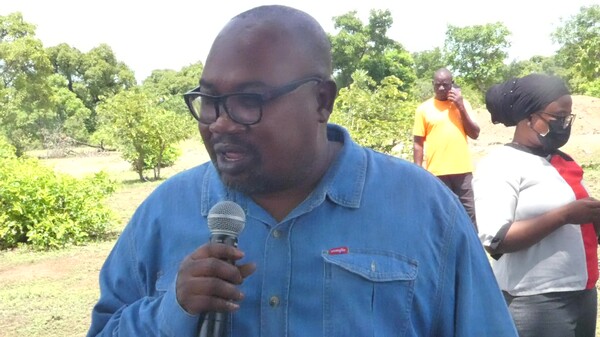
The Member of Parliament for Nabdam, Dr. Mark-Kurt Nawaane, has announced that a contractor selected to construct the long-awaited Asonge–Zanlerigu–Damolgo–Tindongo–Pelungu road is yet to receive a commitment letter, which is required before mobilising to the site. The MP disclosed during the commissioning of a maternity block at the Gundug/Wore-Daah health centre in the Nabdam District. He reassured residents that efforts are ongoing to get the project off the ground, stressing that the road has been included under the Department of Feeder Roads and remains a government priority. Dr. Nawaane used the occasion to refute claims that roads in the Upper East Region have been left out of the government’s development agenda, particularly the widely discussed “Big Push” initiative. He explained that many people have misunderstood the scope of the programme, which is largely focused on major highway projects across the country. Most roads in the Upper East Region, he noted, fall under the feeder roads category. “As for roads, this government is committed to working on them. The Big Push is mainly about highways, and many people have heard about that. But resources are also being organised for us to work on feeder roads,” the MP stated. He added that Members of Parliament from the region are actively engaging government agencies and relevant ministries to ensure feeder roads receive the necessary attention and funding. Dr. Nawaane revealed that he had successfully pushed for the inclusion of the strategic road linking Asonge, Zanlerigu, Damolgo, Tindongo, Pelungu, and extending to Sakoti on the list of feeder roads earmarked for intervention. Interested contractors have already been identified, and discussions have been held with the Department of Feeder Roads to pave the way for work to begin. Providing an update on the progress, the MP said: “I was with a contractor about five or six days ago, and we visited the national feeder roads office to find out how far the process had gone. We were informed that the commitment letter is not yet ready.” He explained that government procedures require contractors to obtain a commitment letter before commencing any project. To speed up the process, he indicated that further engagements would be held with the Minister for Roads and Highways. The MP disclosed that he had personally contacted the Roads Minister in Parliament and had been invited to a meeting alongside the contractor to explore ways of securing the release of the letter. Dr. Nawaane urged residents not to conclude that the road project has been abandoned, insisting that continuous behind-the-scenes engagements are taking place to ensure the project becomes a reality. In a pointed remark, he added: “We are not like the NPP government that will bring equipment on the site just to deceive people.” Source: Apexnewsgh.com
Reimagining Agriculture for Ghana’s Jobless Youth
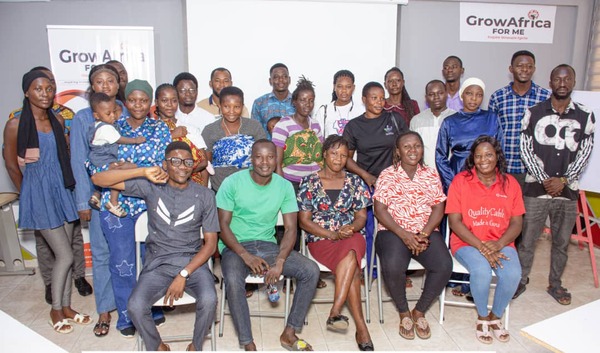
Across Ghana, the question of youth unemployment is no longer just a policy concern—it is a national urgency. With an estimated 1.9 million young people classified as Not in Education, Employment, or Training (NEET), the challenge is not only about job scarcity, but also about missed opportunities, underdeveloped skills, and an economy yet to fully harness its most dynamic population group. Yet, within this challenge lies one of Ghana’s greatest untapped solutions: agriculture. Despite being one of the country’s strongest economic pillars—contributing significantly to GDP, manufacturing, and services—agriculture continues to struggle with a perception problem among young people. It is often seen as labour-intensive, outdated, or a “last resort” rather than a modern, profitable, and innovative career path. The result is a widening gap between a sector full of opportunity and a generation searching for livelihoods. Despite agriculture’s central role in Ghana’s economy, many young people remain disengaged from the sector due to several structural and perception-based barriers. A major challenge is the lack of practical, hands-on training in modern agriculture, with many exposed only to traditional farming methods that do not reflect agribusiness as a structured, profit-driven enterprise. There is also limited entrepreneurial knowledge, making it difficult for youth to transition from production into value addition, branding, marketing, and scaling agricultural ventures. Poor access to markets and financing further discourages participation, while weak mentorship systems leave many without guidance to navigate the complexities of agribusiness. Perhaps most significantly, agriculture continues to suffer from a negative perception among young people, often seen as physically demanding and economically unattractive. These challenges have contributed to rising unemployment, rural-urban migration, and the underutilisation of Ghana’s agricultural potential. Yet, in the midst of this challenge, agriculture is quietly re-emerging as one of the most viable solutions. The Youth in Agriculture and Employability Programme (YAEP), an initiative of GrowAfrica For Me (GAFM), is designed to reposition agriculture as a modern, profitable, and innovation-driven career path for young people aged 18 to 35. Based in Bolgatanga in the Upper East Region, GAFM is a social innovation and enterprise support organisation focused on equipping entrepreneurs, startups, and SMEs with the tools to thrive. Through YAEP, it is targeting one of Ghana’s most critical development gaps—youth unemployment in a sector that remains underutilised despite its economic importance. The programme is a one-month intensive, hands-on training that combines modern agricultural practices with entrepreneurship and business development skills. It is designed to transform participants from job seekers into job creators within the agribusiness value chain. YAEP seeks to reverse this trend by building a structured pathway that takes participants from training to enterprise creation. The first phase focuses on intensive training in key agribusiness areas, including foundation to agribusiness, the agribusiness model canvas, marketing management, production and operations, financial management, human resource management, and risk management. This phase introduces participants to agriculture as a structured business system rather than an informal subsistence activity. The second phase provides coaching and mentorship, pairing participants with industry experts who offer guidance, technical support, and real-world insights. The third phase focuses on enterprise matching, where participants are exposed to functioning agribusinesses to understand practical operations, challenges, and opportunities along the value chain. The final phase provides start-up support, including advisory services and in-kind assistance to help participants launch their own agribusiness ventures. The overall objective of YAEP is to empower young people with practical agricultural and entrepreneurial skills that enhance employability and foster self-employment. Specifically, it seeks to build capacity in modern agricultural practices, equip youth with agribusiness and entrepreneurial skills, promote agriculture as a viable and profitable career path, support the development of sustainable agribusiness models, and reduce youth unemployment through enterprise creation. The anticipated impact of the Youth in Agriculture and Employability Programme (YAEP) is already visible among its participants. For Evelyn Zakaria from Bolga-Soe, the programme represents a doorway into agribusiness independence. Inspired by other young women already thriving in agriculture, she hopes to build a business in agro-processing, particularly in groundnut paste production. For her, YAEP is not just training—it is a pathway to ownership and economic empowerment. Similarly, John Abagna from the Bolgatanga East District sees agriculture as a field of endless opportunity. He believes the practical skills acquired through YAEP will enable him not only to support himself but also to create jobs for others. His ambition reflects a broader shift: young people increasingly viewing agriculture as a platform for employment creation, not dependency. For the Executive Director of GrowAfrica For Me, Albert Shiebila Mali, the significance of YAEP goes beyond training. He notes that agriculture remains one of Ghana’s strongest economic sectors, contributing significantly to GDP and supporting both manufacturing and services, yet its full potential is still constrained by low youth participation. Citing national statistics, he highlights that about 1.9 million young people in Ghana are currently NEET. YAEP, he explains, is a direct response to this challenge, designed to turn agriculture into a practical solution for youth unemployment. He emphasises that modern agribusiness success is no longer driven only by production but by business models, innovation, and value chain thinking. As such, participants are introduced to tools like the business model canvas to help them design sustainable enterprises. Beyond training, the programme integrates mentorship, enterprise exposure, and start-up support to ensure long-term impact. YAEP is supported by key agribusiness partners, including Buju Farms, Yesumde Ghana Limited, ICOUR, and Just Fertilizer. These partners provide technical expertise, industry exposure, and practical learning opportunities for participants. GrowAfrica For Me has also engaged media platforms such as GBC URA Radio in Bolgatanga and Mike FM in Navrongo to promote awareness and encourage youth participation in agriculture. Source: Apexnewsgh.com/Prosper Adankai/Contributor
Peasant Farmers Association Demands Six-Month Ban on Rice Imports to Protect Local Producers
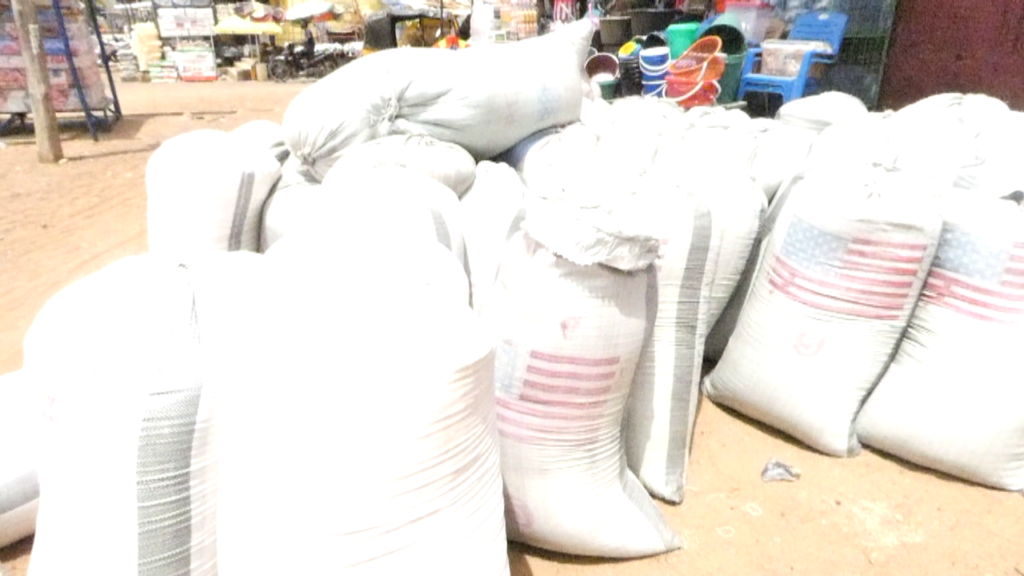
The Peasant Farmers Association of Ghana (PFAG) is urging the government to impose an immediate six-month suspension on rice imports, hoping to give beleaguered local farmers a chance to sell off unsold stocks and stabilise farm-gate prices. The Association argues that such a measure would restore confidence in the domestic rice market and provide crucial relief to producers facing mounting financial challenges. In a statement issued on Thursday, June 4, PFAG revealed that nearly 90% of local rice farmers have been left with unsold stock, despite repeated government interventions. The Association blamed the National Food Buffer Stock Company (NAFCO) for failing to procure surplus rice as directed by President John Dramani Mahama, a lapse they say has put the sustainability of local rice production at risk. PFAG’s statement paints a stark picture: “PFAG calls on the government to immediately order a moratorium on rice imports for a minimum of six (6) months to allow for the clearance of existing Ghanaian-produced rice stocks.” The Association further demanded a transparent review of NAFCO’s mandate, procurement processes, financing, and institutional capacity. They also called for a legal and regulatory framework requiring all government entities, including ministries, state-owned enterprises, hospitals, schools, prisons, and the military, to procure only locally produced rice and other staples. PFAG is also pushing for the full and immediate implementation of the rice import quota policy as part of a broader strategy to strengthen the domestic rice industry and reduce Ghana’s reliance on imports. The Association emphasised that a coordinated package of interventions is needed to build a resilient and sustainable rice value chain. “Invest in post-harvest infrastructure, including storage facilities, milling capacity, and market linkage platforms, to reduce post-harvest losses and improve the competitiveness of locally produced rice against imported alternatives,” PFAG insisted. Without urgent intervention, the Association warns that many rice farmers could face severe financial hardship, undermining national efforts to boost food production and achieve greater food security. Source: Apexnewsgh.com
Sam George Stands Firm: No Reopening of Anti-LGBTQ+ Bill After Passage
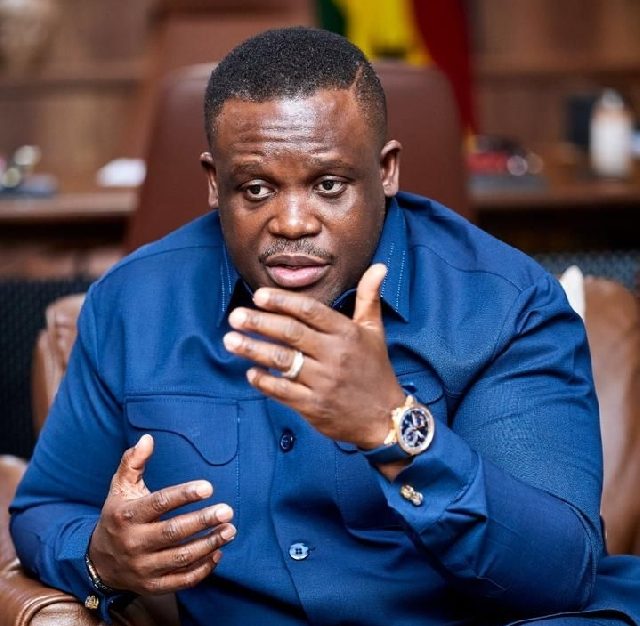
Samuel Nartey George, Minister for Communications, Digital Technology and Innovation, and sponsor of the Human Sexual Rights and Family Values Bill, 2025, has firmly rejected calls for Parliament to revisit the legislation following its passage on May 29, 2026. Mr. George’s stance comes after Speaker of Parliament Alban Bagbin urged lawmakers to reconsider the bill, which has sparked ongoing debate within the House. Speaking at the 4th African Inter-Parliamentary Conference on Family Sovereignty and Values, George stressed the importance of adhering to parliamentary procedure. “Everything that we do in this House, Parliament, is a house of rules. Respectfully to Mr Speaker, it’s not a house of appeals. It’s a house of rules. And so if there’s no rule in the rule book that gives us room to do what he wants to do, I’m saying that there is still room in there; the Presidency can come back to us,” George explained. He emphasized that once Parliament has passed a bill, its legislative role is complete and the only remaining duty is to transmit the bill to the President. “When Parliament passes a bill, Parliament becomes functus officio. I think that the only role that Parliament has today is to transmit the bill to the President,” he stated. According to George, the Constitution clearly outlines the President’s options: to assent to the bill, seek advice from the Council of State, or return it to Parliament with specific recommendations for reconsideration. “If he has an issue, he can write back to us and say, ‘I have an issue with this provision, that provision. Parliament should reconsider it with his recommendations.’ He cannot just raise objections; he must make recommendations through his Attorney-General,” he added. George further underscored that Parliament’s Standing Orders do not permit the reversal or rescission of a bill once it has been passed. “The act of rescission of a passed bill is alien to our Standing Orders,” he said. He concluded that any further concerns about the legislation must be addressed through the constitutional processes available to the President, not by reopening debate in Parliament. The Human Sexual Rights and Family Values Bill, popularly known as the Anti-LGBTQ+ Bill, now awaits transmission to President John Mahama for further action. Source: Apexnewsgh.com