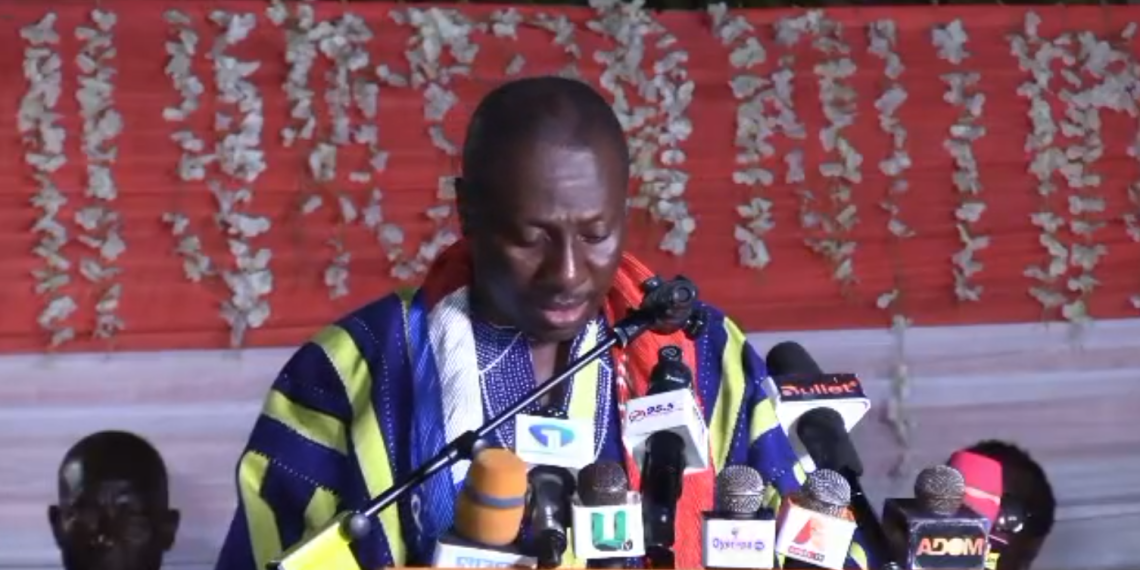
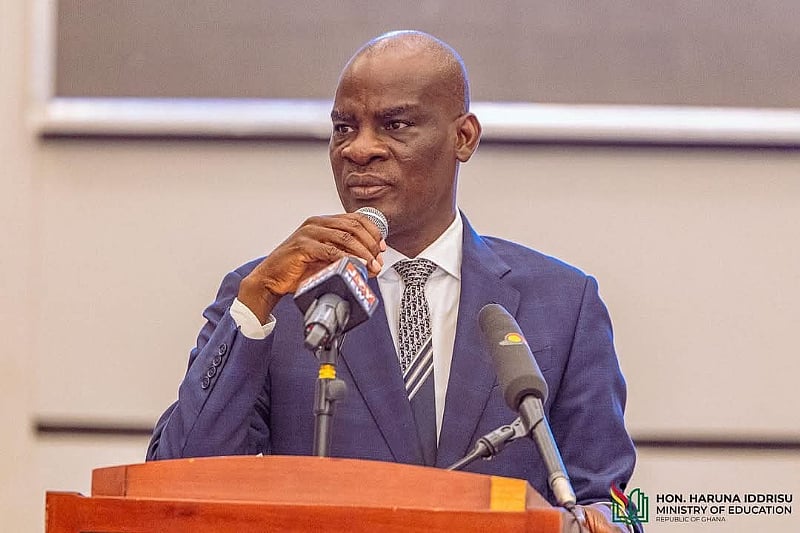
At a recent ceremony where Prof. Joshua Alabi, former Vice Chancellor of the University of Professional Studies, Accra (UPSA), was honored with an honorary degree for his transformational leadership, he took a moment to challenge the Ghana Tertiary Education Commission’s (GTEC) recent declaration regarding doctorate degrees from the Swiss Management Centre (SMC). Prof. Alabi questioned GTEC’s blanket branding of SMC-awarded doctorates as “fake,” arguing that such a sweeping pronouncement overlooks the historical and regulatory context in which many Ghanaians obtained these qualifications. He recalled that, at the time, numerous professionals—including UPSA lecturers, enrolled in SMC’s doctoral programmes based on assurances from the then National Accreditation Board (NAB), now GTEC, which gave recognition and registration to SMC in Ghana. “Many of these professionals undertook their studies based on the assurances and information available from our national regulator,” Prof. Alabi stated during his acceptance speech. He described it as both unfair and damaging to brand the qualifications of hardworking Ghanaians as “fake” when they acted in good faith, relying on documentation from state authorities. Prof. Alabi highlighted that these SMC graduates are not just ordinary professionals, but also respected academics and leaders—former Vice-Chancellors, advisors to governors, Deans, Heads of Departments, and lecturers. He also revealed that UPSA had carried out rigorous due diligence before allowing its lecturers to pursue doctoral studies at SMC. The university’s verification process included: Confirmation from the then NAB (now GTEC) Additional validation through the Swiss Embassy in Ghana Direct institutional verification in Switzerland “These steps were taken meticulously to ensure that the institution met the necessary standards before any UPSA lecturer was allowed to enrol,” he emphasized. Prof. Alabi concluded by urging GTEC to communicate regulatory decisions with clarity, fairness, and sensitivity, especially when such statements can have serious implications for the careers and reputations of Ghanaian professionals and academics. Source: Apexnewsgh.com
Kufuor Warns Politicians: NPP’s 2024 Defeat a Wake-Up Call Against Mismanagement
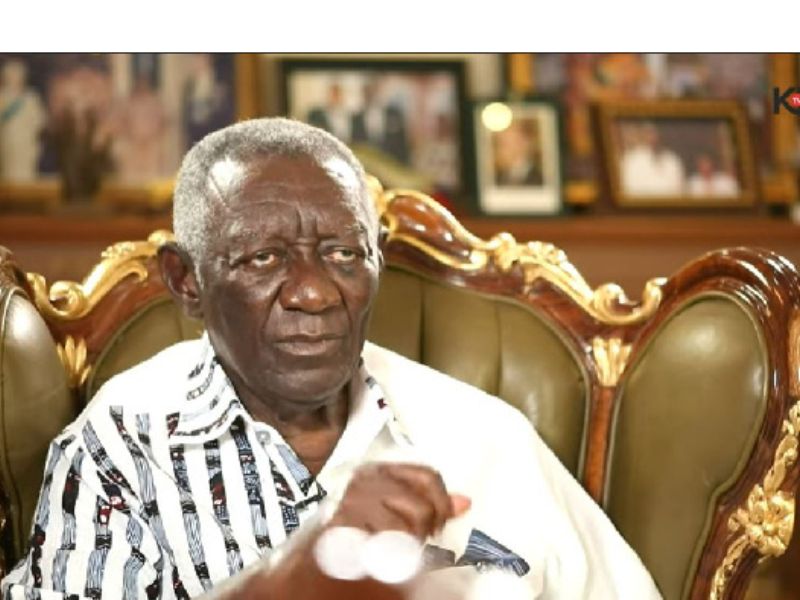
Former President John Agyekum Kufuor has sent a strong message to Ghanaian politicians, urging them to treat the New Patriotic Party’s (NPP) defeat in the 2024 elections as a clear warning: the electorate will not tolerate mismanagement. Appearing on The Delay Show, Mr. Kufuor candidly dissected the reasons behind the party’s loss. He attributed the defeat to several controversial decisions under President Nana Addo Dankwa Akufo-Addo, including the Domestic Debt Exchange Programme (DDEP), the National Cathedral project, and the failed Power Distribution Services (PDS) deal. “The Ghanaian electorate cannot be taken for granted. Politicians must learn from this,” he stressed, emphasizing that the election results reflected widespread public dissatisfaction with these key decisions. Reflecting on the party’s journey, Mr. Kufuor recalled that the NPP’s landslide victory in 2016 was built on the back of his administration’s achievements. “Before 2016, the campaign was anchored on my achievements. The government started well, but things changed after he took office,” he observed, noting a shift in governance priorities after President Akufo-Addo assumed office. The former President highlighted how post-COVID-19 decisions, particularly those affecting the bond market, the handling of the PDS deal, and the National Cathedral project, became flashpoints for public anger. He revealed that he was never consulted about the Cathedral and only learned of the project after construction was underway. He further criticized the demolition of state properties, including housing for judges, to make way for a project that remains incomplete. Mr. Kufuor traced the NPP’s recent electoral trajectory: an overwhelming victory in 2016, a razor-thin and contentious result in 2020 that led to a hung Parliament, and the emphatic defeat in 2024. “We won massively in 2016. The 2020 elections were tight and gave us a hung Parliament, and 2024 was something else altogether,” he stated. Concluding his reflections, Mr. Kufuor delivered a caution to all politicians: to retain the trust of Ghanaians, leaders must govern with transparency, discipline, and a keen sensitivity to the expectations of the people. Source: Apexnewsgh.com
Former Regional Minister Dr. Bin Salih Hafiz Bags Prestigious ADR Certification
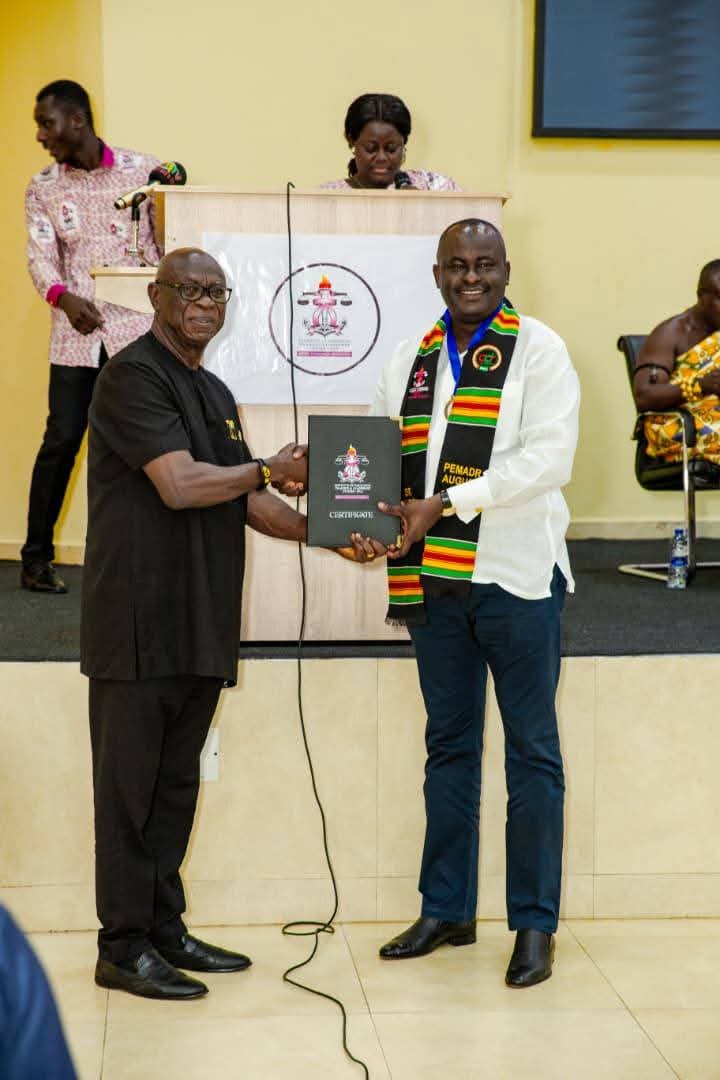
In a significant milestone in his illustrious career, Dr. Bin Salih Hafiz, the former Upper East and West Regional Minister, has been conferred with a Professional Executive Master in Alternative Dispute Resolution (ADR) from the esteemed Institute of Paralegal Training and Leadership Studies, Accra. This achievement marks a new chapter in Dr. Hafiz’s journey, positioning him as a seasoned Professional Alternative Dispute Resolution Practitioner and a proud member of the Ghana National Association of ADR Practitioners (GNAAP). The graduation ceremony, which took place on Saturday, 29th November 2025, was a testament to Dr. Hafiz’s unwavering commitment to excellence in his field. His pursuit of this advanced degree underscores his passion for harnessing the power of ADR to foster harmony and resolve conflicts in a more efficient, cost-effective, and flexible manner. Speaking on his achievement, Dr. Hafiz expressed his enthusiasm for applying his newfound expertise to make a meaningful difference in society. “I am excited to apply my enhanced skills and knowledge in ADR to positively impact society,” he said, hinting at the vast potential of ADR in transforming dispute resolution processes. But what makes ADR so compelling? For starters, it offers a fast-track resolution through mediation and arbitration, saving time and resources that would otherwise be expended in traditional litigation. The customizable processes of ADR also allow for tailored solutions that cater to specific needs, ensuring confidentiality and protecting sensitive information and relationships. Moreover, ADR empowers parties to take control of the outcome, promoting mutually beneficial solutions that foster reconciliation. “It’s a game-changer,” Dr. Hafiz notes, highlighting the flexibility and efficiency of ADR in resolving disputes. As a seasoned practitioner, Dr. Hafiz is poised to leverage his skills to make a lasting impact in his community and beyond. His story serves as an inspiration to aspiring ADR professionals and a testament to the transformative power of Alternative Dispute Resolution in Ghana’s evolving legal landscape. With his new certification, Dr. Bin Salih Hafiz joins the ranks of distinguished ADR practitioners, ready to champion a more harmonious and efficient approach to conflict resolution. The possibilities are endless, and his journey is one to watch. Source: Apexnewsgh.com
OSP Rejects Martin Kpebu’s Claims of “Self-Investigation,” Describes Allegations as Misleading
The Office of the Special Prosecutor (OSP) has strongly refuted allegations made by private legal practitioner Martin Kpebu, who claimed the OSP was guilty of “investigating itself.” According to the OSP, these assertions fundamentally misrepresent the oversight mechanisms in place within public institutions. The controversy arose after Mr. Kpebu’s release from custody, when he suggested that the OSP’s internal probe was being conducted by lower-ranking staff, implying a lack of impartiality. In response, the OSP clarified that its investigative panels are composed of senior officers whose ranks are equivalent to Deputy Commissioners of Police. Sammy Darko, the Director of Strategy, Research and Communications at the OSP, emphasized that Mr. Kpebu’s statements were inaccurate and misleading. Highlighting standard practices across the public sector, the OSP explained that internal review panels are a norm and do not equate to an institution policing itself. “Just as police misconduct isn’t probed by the fire service, and GRA issues aren’t investigated by immigration officers, the same logic applies here,” the office stated. The OSP also accused Mr. Kpebu of deliberately hindering the investigation process, alleging that he had consistently refused to cooperate and introduced new demands even after his initial concerns were addressed. Despite these obstacles, the OSP asserted that its actions remain within the boundaries of the law and reiterated that no one is above lawful accountability. Source: Apexnewsgh.com
Controversy Erupts Over Upper East Regional Airport Project as Alagumgube Association Cries Foul Over Betrayal
A simmering controversy has erupted over the much-anticipated Upper East Regional Airport project, with the region’s leading advocacy group, the Alagumgube Association, accusing the Regional Minister, Donatus Atanga Akamugri, of sidelining them at a critical stage of the project’s development. The dispute has cast a shadow over what many hoped would be a unifying milestone for the Upper East, threatening to undermine the hard-won cooperation between local communities, traditional leaders, and government agencies. At the heart of the storm is Mr. Gabriel Agambila, the founder of the Alagumgube Association. Since the inception of the airport agenda, Agambila and his group have been the driving force behind the project, mobilizing funds for land documentation, facilitating community engagement, and overseeing technical preparations. Their efforts have included everything from extending the proposed runway and repairing access roads to performing traditional rites when construction encroached upon a sacred grove. “We have gone far beyond advocacy,” Agambila said in a recent interview on Apexnewsgh’s ‘SPEAKOUT UPPER EAST.’ “We funded the extension of the runway, performed necessary rites, bought gravel for road repairs, and kept the community together.” However, Agambila now alleges that the Association has been unfairly excluded from the latest and most crucial stages of documentation. According to him, the Regional Minister orchestrated the signing of key documents in Accra without Alagumgube’s knowledge or consent. “I haven’t signed any document. Yet the documents are in Accra with all signatures. The landowners told me they signed, and I personally confirmed in the office of the CEO of the Ghana Airport Company that the documents had arrived,” Agambila recounted, his voice laced with frustration and disbelief. He claims that although his name appeared as a signatory, he never appended his signature to the final paperwork. The fallout has been immediate and intense. Chiefs and landowners, who have worked hand-in-hand with the Association for years, were reportedly so angered by the perceived betrayal that some threatened to withdraw their lands from the project. “I had to personally plead with them to keep faith in the process,” Agambila revealed. For him, the pain of exclusion is not just personal—it is communal. “It’s like an insult. We invested energy, money, and our reputation. Only to be treated as though we don’t matter.” Agambila’s personal sacrifices underscore the depth of his commitment. He gave up his job in the United States and spent nearly a year in Ghana, living among the communities, negotiating with landowners, and smoothing the sometimes-rough edges of local politics. “I confronted the Minister. He told me the documents were needed urgently. But who could have done it faster than someone who left his job and family abroad to fight for this project?” he asked, still incredulous at the turn of events. The Association’s exclusion, Agambila suspects, may be rooted in political maneuvering. According to him, the individual who submitted the documents on behalf of the region was introduced as a “party person,” suggesting that loyalty to political interests may have trumped years of grassroots engagement. “We are doing this for the region. Ministers come and go. This project outlives politics,” he insisted, reaffirming Alagumgube’s non-partisan stance. “Our advocacy is not for any party or individual. It is for the benefit of the whole Upper East.” Despite the setback, Agambila and the Alagumgube Association are not giving up. He disclosed that new investors have already shown interest in the airport project and are awaiting meetings with the Minister for Roads and the Ghana Airport Company to discuss the way forward. “We won’t relent. The region is fighting, and Alagumgube is fighting. If we secure the benefits, they are for the people, not for any individual,” he declared. The Association’s continued commitment has been welcomed by local stakeholders, many of whom see Alagumgube as the glue holding together the complex coalition of chiefs, landowners, business leaders, and residents who have championed the airport agenda for years. “Without Alagumgube, this project would not have come this far,” said one local chief, speaking on condition of anonymity. “They have been at the forefront, ensuring that everyone is consulted and every concern addressed.” As the controversy unfolds, residents across the Upper East are watching with a mixture of hope and apprehension. The airport is widely regarded as a potential game-changer for the region, promising improved connectivity, economic growth, and new opportunities for trade and tourism. However, there are fears that political disagreements and exclusionary tactics could derail the project at the last minute. “We need unity now more than ever,” said a community elder in Bolgatanga. “The airport is for all of us, not for a select few.” Observers say the dispute highlights the delicate balance between grassroots advocacy and political authority in major infrastructural projects. While government support is essential for securing funding and regulatory approval, the sustained involvement of local champions like the Alagumgube Association is often what ensures long-term success and community buy-in. For now, the future of the Upper East Regional Airport project hangs in the balance. Agambila remains optimistic but cautious, urging all parties to put aside personal and political interests for the greater good. “This is about the region’s future. Let us not lose sight of what brought us together in the first place,” he concluded. As negotiations continue and fresh investors prepare to engage with government agencies, the people of the Upper East region are left hoping that wisdom will prevail, and that the airport project, years in the making, will finally take flight without leaving its original champions behind. Source: Apexnewsgh.com
Minority Demands Legal Action Over Ministry of Transport’s GHS10 Million Overspend
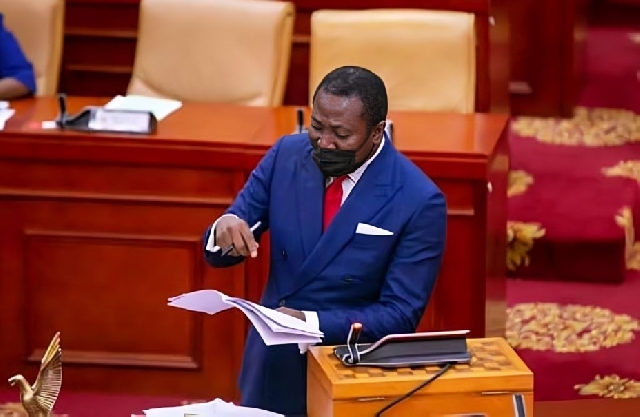
The Minority in Parliament is demanding urgent legal action against officials of the Ministry of Transport following allegations of unauthorised spending of nearly GHS10 million above the ministry’s approved 2025 budget. According to the Minority caucus, Parliament sanctioned GHS83 million for the ministry’s capital expenditure, but reports indicate that the ministry exceeded this figure by approximately GHS10 million, a move the caucus says constitutes a breach of the Public Financial Management Act. During debate on the ministry’s 2026 budget allocation on December 2, 2025, Minority Leader Alexander Afenyo Markin insisted that those responsible must be held accountable. He described the overspend as a serious violation warranting immediate investigation and consequences. Speaking on the floor of Parliament, Afenyo Markin questioned whether any officials had been referred to the Office of the Special Prosecutor, warning that the gravity of the breach could result in prosecutions. The Minority caucus is now calling for a thorough probe to ascertain how the excess funds were spent and why the ministry operated well beyond its authorised budget. Source: Apexnewsgh.com
Putin hosts Trump negotiators at Kremlin for ‘constructive’ Ukraine talks
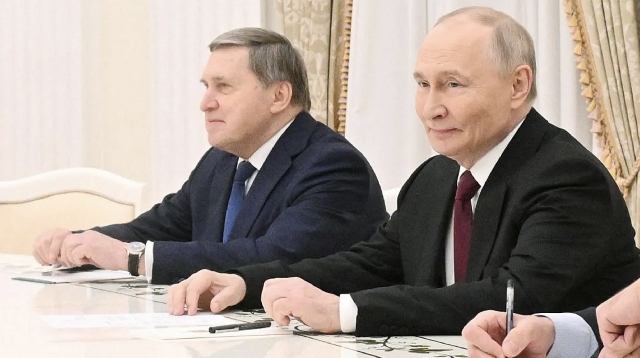
Russia’s Vladimir Putin hosted US negotiators at the Kremlin on Tuesday for five hours of talks aimed at ending the war in Ukraine. Putin’s aide Yuri Ushakov said the discussions – held behind closed doors with US envoy Steve Witkoff and President Donald Trump’s son-in-law Jared Kushner – were “constructive” but “a lot of work lies ahead”. Hours earlier, Putin had said European demands over a US-Russia draft peace place were unacceptable, adding that “if Europe wants to fight with us, we are ready to do so”. The US envoys went to Moscow after similar talks with delegates from Kyiv in the last fortnight. Ukraine’s President Zelensky said he expected a briefing by the US team after the meeting. He said there was an opportunity to end the war “now more than ever” but that elements of the proposals still needed to be worked out. “Everything depends on today’s discussions,” Zelensky told a press conference in Dublin during an official visit to Ireland. Kyiv representatives have twice met US negotiators, including Witkoff, Kushner and Secretary of State Marco Rubio, since the 28-point peace plan was circulated in November. It sparked shock in Ukraine and around Europe for appearing to favour the demands of Moscow, which invaded Ukraine nearly four years ago. After talks with Ukraine over the weekend, the White House said the proposals had been “very much refined”, although details of the updated plans have not been confirmed. Some key disagreements between Moscow and Kyiv remain – namely regarding Ukrainian sovereignty over the territories Russia partly controls and security guarantees. Zelensky said on Tuesday there were “no simple solutions”, repeating his country’s insistence that Kyiv take part in peace discussions, and that clear security guarantees be agreed, such as Nato membership – a move long opposed by Russia and ruled out by Trump. “We have to stop the war in such a manner that in one year, Russia would not come back”, Zelensky added. Putin appeared immovable on its demands as recently as last week, while Zelensky has repeatedly said he would never relinquish control of eastern Ukrainian regions. While Tuesday’s talks were under way, Trump told his cabinet in Washington that the conflict had not been easy to resolve. “Our people are over in Russia right now to see if we can get it settled,” he said. “What a mess.” Kyiv’s European allies had countered the 28-point plan with their own document – removing many of the most contentious elements, such as Washington’s recognition of Donetsk and Luhansk as de facto Russian. Speaking ahead of Tuesday’s meeting, Putin told reporters Europe’s demands were “not acceptable” and that they were trying to hinder efforts towards peace. Zelensky had met French President Emmanuel Macron on Monday, with several European leaders joining the meeting virtually. Macron said there was “no finalised plan to speak of” and that it could only be achieved with input from Ukraine and Europe. Meanwhile, fighting continued on the front lines on Tuesday. Ukraine’s military said it was still engaging Russian troops in the key eastern city of Pokrovsk – contradicting Moscow’s claim to have captured it. Russia’s Ministry of Defence shared a video on Telegram claiming to show its troops holding up flags in the strategically important city, which they have been trying to seize for over a year. Ukraine’s eastern military command claimed Russia had tried to “flag-plant” in the city so that “propagandists” could say it had been captured. “They fled in a hurry, and the mopping up of enemy groups continues,” it said in a statement on social media. Ukraine’s military said its forces still controlled the northern part of the city, with Russian units suffering heavy losses, while international observers also disputed Russia’s claim to the area. The military in Kyiv also dismissed Russia’s claims to have captured the north-eastern Ukrainian border town of Vovchansk and said it had “significantly improved” its position in the northeastern city of Kupyans, which Russia claimed to have conquered a fortnight ago. Since Russia invaded Ukraine on 24 February 2022, tens of thousands of soldiers have been killed or injured – alongside more than 14,000 civilians, according to the UN. Civilian targets including kindergartens, hospitals and residential buildings have been destroyed or heavily damaged by nightly drone or missile attacks. The conflict between the two ex-Soviet states stretches back to 2014 when Ukraine’s pro-Russian president was overthrown and Russia responded by annexing Crimea and supporting armed uprisings in eastern Ukraine. Source: bbc.com
Drop in WASSCE 2025 performance – Reality check and opportunity for correction?
Last week, the West African Senior School Certificate Examination (WASSCE) released the 2025 results, sparking intense debate across the country. After years of impressive pass rates under the Free Senior High School (Free SHS) policy, this year’s results show a sharp decline in performance. Passes in Core Mathematics pass rates fell from 66.86% in 2024 to 48.73%, while Social Studies dropped from 71.53% to 55.82%. English and Integrated Science recorded slight declines but remained relatively stable, according to the results. For many watching developments in the education sector, this downturn raises a critical question: Is this a sign of falling quality in our schools, or the result of a deliberate crackdown on examination malpractice? For me, this decline is not a failure. It could signal a necessary correction. Historic surge in infractions Between 2017 and 2024, statistics show that the country’s WASSCE results were plagued by systemic malpractice, with the West Africa Education Council (WAEC) data showing sharp increases. From 2021 to 2024 alone, 146,309 candidates were implicated in cheating schemes. Cheating incidence rose by more than six folds, from 10,386 cases in 2021 to 62,046 in 2024. In effect, 13.6% of candidates who sat for the 2024 WASSCE exams were implicated in exam malpractices! The data show that common infractions between this period included collusion, smuggling of foreign materials, impersonation, and digital leaks via social media platforms such as WhatsApp and Telegram platforms. WAEC’s five-year statistics further reveal that over 532,000 subject results were withheld and nearly 39,000 cancelled in 2024 alone, with hundreds of entire results annulled annually. Despite these disturbing statistics, prosecutions were historically rare until recent years. Integrity push It can be recalled that following the years of exam malpractices, the Ghana Education Service (GES) and the Ministry of Education this year vowed a zero-tolerance stance on cheating ahead of the exams. Invigilators and supervisors were warned of immediate dismissal if found aiding malpractice, while candidates were urged to rely on their preparation rather than leaked materials. It appears the exam body, WAEC followed through, given the outcome of the exams. The results showed that WAEC cancelled subject results for 6,295 candidates, annulled entire results for 653 candidates, and withholding results for hundreds more. Outside exams, investigations into alleged collusion in 185 schools are ongoing. Notably, 35 individuals, including 19 teachers, have faced prosecution, with 19 already convicted. This unprecedented enforcement contrasts sharply with previous years, when civil society groups like Africa Education Watch (Eduwatch) repeatedly flagged systemic malpractice with little consequence. It does appear that for too long, we allowed a culture of shortcuts to thrive to be able to present a particular image about our education system and its products. Eduwatch’s Executive Director,Mr Kofi Asare, has long argued that unrealistic performance targets for schools and political pressure to showcase the Free Senior High School (SHS) program’s success fueled widespread cheating. Mr Asare once cautioned that the education system had shifted toward prioritising exam scores over real learning and urged the adoption of technology-driven solutions, such as installing CCTV cameras in examination halls, to restore integrity. Free SHS and quality debate The Free SHS policy undeniably expanded access, lifting financial barriers for hundreds of thousands of families. As a son of humble beginnings, I am fully aware of how financial burdens kill dreams, partly explaining why I have supported hundreds of brilliant needy students and underprivileged people to access education and opportunities that fund schooling. But critics say the rush for quantity under the Free SHS and the general attempt to present the program as the best, insulates it from proper critique necessary to strengthen quality and sustain it. It is recalled that university lecturers reported alarming gaps in foundational skills among Free SHS graduates, with some institutions even considering entrance exams to bridge deficits. “We’ve sacrificed quality for quantity,” Professor Martin Oteng Ababio, a senior University of Ghana lecturer, lamented in September 2024, citing overcrowded lecture halls and underprepared students. This year’s results may therefore reflect a system recalibrating from inflated grades to genuine merit as explained by both the GES and the Ministry of Education. That is why this year’s results is not a failure but a painful and necessary correction. Why academic integrity matters Education is the bedrock of national development. When certificates lose credibility, the entire economy suffers, from employers questioning graduate competence to universities lowering standards to accommodate ill-prepared entrants. Ghana cannot afford to produce “excellent grades but hollow minds,” as the nonprofit, LEADIF warned in its call for radical transparency in exam administration. Integrity in assessment ensures that success is earned, not bought or leaked. It rewards hard work, builds confidence, and nurtures a generation equipped for innovation and leadership. For businesspeople and education advocates like us, this is the moment to champion quality over quantity and to invest more in teacher training, infrastructure, and technology that supports honest learning. Way forward While it is important to find the root cause the 2025 WASSCE results to be able to institute measures against a repeat, it is advisable to detach politics and emotions from the debate and focus on how to reset the entire education system to regain the confidence of external stakeholders. In the meantime, we must continue to maintain the crackdown on malpractice with transparent sanctions, invest in stronger teaching through smaller classes, better resources, and continuous teacher training, and remove politics from education so performance reflects learning, not scorecards. At this turning point, one truth stands out: discipline and integrity are non-negotiable if we are to raise a generation capable of leading national progress. The real question is not whether the drop in performance is embarrassing, but whether we have the courage to accept it as the price of restoring credibility to our education system. The writer is a philanthropist and businessman Source: By Seidu Agongo

Obasanjo Hails Mahama’s Vision at G20, Announces Launch of Accra Reset Secretariat in Ghana
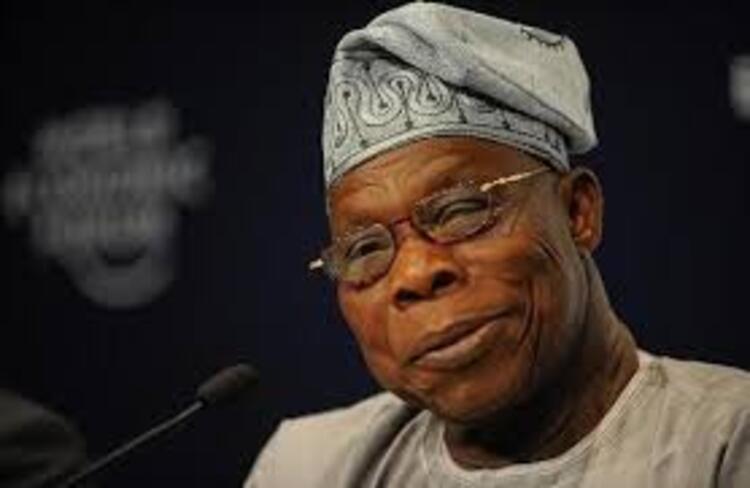
Former Nigerian President Olusegun Obasanjo delivered a landmark address at the G20 Leaders’ Summit in Johannesburg, announcing the launch of the Accra Reset’s interim Secretariat in Ghana and spotlighting President John Dramani Mahama’s transformative leadership in global development cooperation. Speaking on behalf of President Mahama, the driving force behind the Accra Reset, Obasanjo informed world leaders that the Global South-anchored platform has grown its Circle of Leaders to encompass over two dozen former Heads of State and international organisation leaders spanning Africa, Asia, Latin America, Europe, and the Caribbean. “President Mahama extends his deep appreciation to H.E. President Cyril Ramaphosa, whose leadership has guided this G20 cycle with clarity, courage, and a profound commitment to justice,” Obasanjo said, conveying greetings from the Ghanaian President and African Union Champion for Reparations. Obasanjo described the Accra Reset as a paradigm shift in development, moving away from “an economy of dependency” fostered by traditional aid and loans. “To move forward, we must re-architect our economies based on trade and investment,” he asserted. He stressed that the initiative seeks to transform development cooperation into a system that is “country-led, regionally empowered, and globally coherent,” breaking with decades of top-down North-South dynamics. The establishment of the Secretariat in Accra marks a new era for the initiative, which President Mahama envisions as a means to ensure that global governance reforms are “co-created, not imposed; negotiated with fairness, not inherited from history.” A High-Level Panel will soon prepare a landmark report on restructuring global governance, to be delivered to a commissioning authority of Heads of State representing both the Global North and Global South. Obasanjo also lauded South Africa’s G20 Presidency under President Ramaphosa for championing priorities that resonate with the Accra Reset’s mission—including a fairer global financial system, enhanced global health resilience, equitable technology partnerships, and broader Global South involvement in multilateral decision-making. “The Accra Reset stands ready to work closely with the G20,” Obasanjo affirmed, positioning the platform as “connective tissue interlinking the public, private, and civil factions of Global South societies.” The initiative aims to move international development from “endless aspirational targets to workable business models that drive real and durable change,” embodying President Mahama’s pragmatic vision for economic transformation across the Global South. Source: Apexnewsgh.com
The Ministry of Works and Housing Pushes Forward on Saglemi Affordable Housing Project
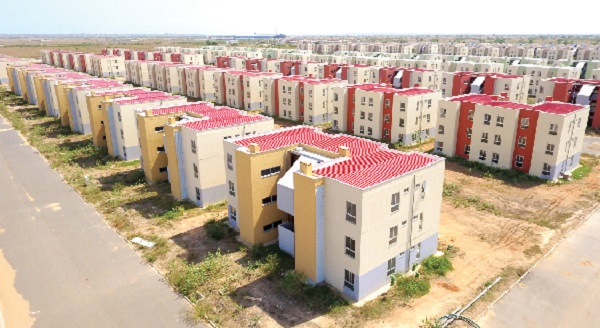
The Ministry of Works and Housing has reaffirmed its commitment to delivering the first phase of the Saglemi Affordable Housing Project, aiming for 8,000 completed units by the end of 2026. This ambitious goal comes on the heels of parliamentary approval of a GHS1.4 billion budget for the initiative. Despite this progress, the Ministry voiced serious concerns about the slow pace of funds released for 2025. As of October 2025, only GHS360 million of the GHS918 million earmarked for capital expenditure had been disbursed by the Ministry of Finance. This significant shortfall, officials explained, has hampered the execution of critical infrastructure projects essential to the housing agenda. During the presentation of the Works and Housing Committee’s report on the 2026 budget estimates, Chairman Vincent Oppong Asamoah outlined major programmes for the coming year. These include accelerating affordable housing construction, expanding drainage systems, and upgrading coastal protection structures. Chairman Asamoah stressed that the timely release of funds will be crucial if the Ministry is to meet its targets, particularly for the flagship Saglemi project. He underscored that the project remains a central pillar of the government’s national housing agenda, making the efficient flow of resources all the more vital for success. Source: Apexnewsgh.com