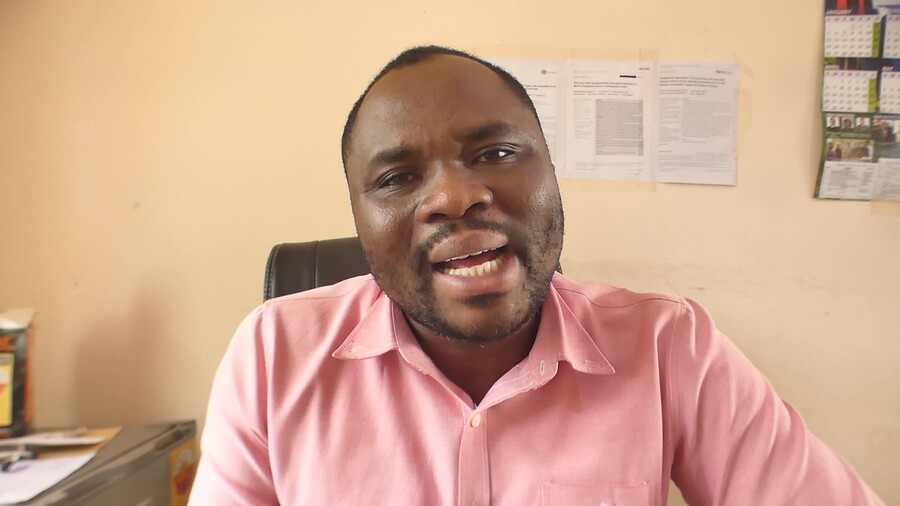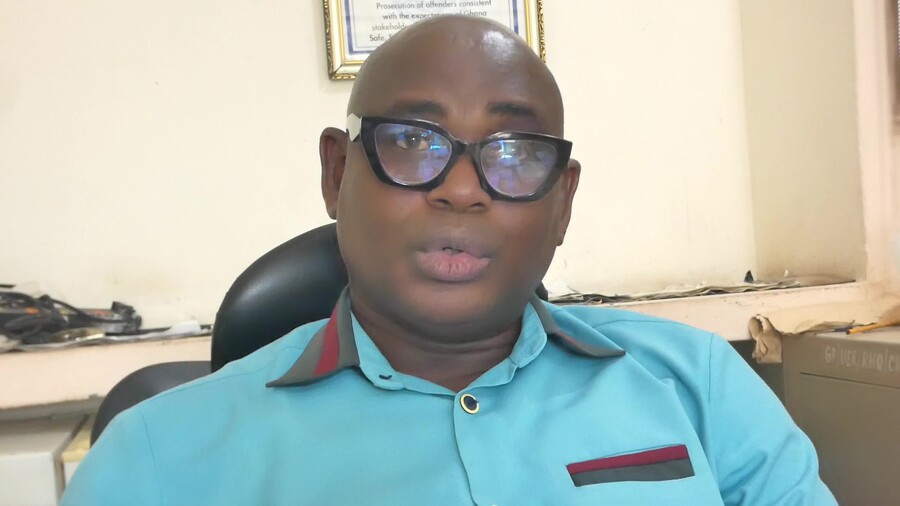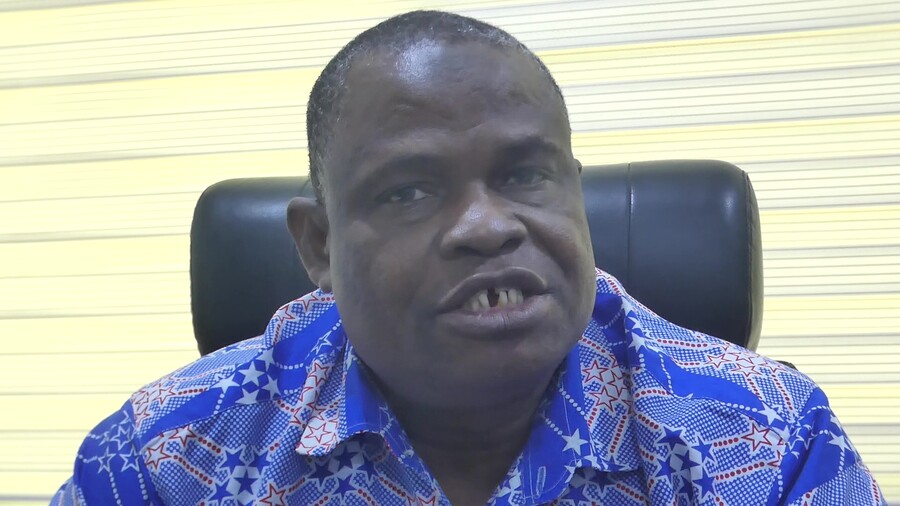



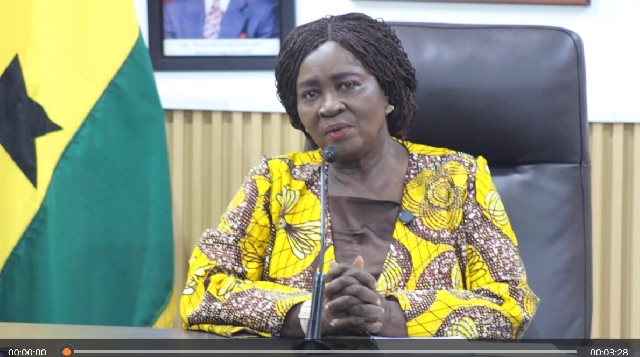
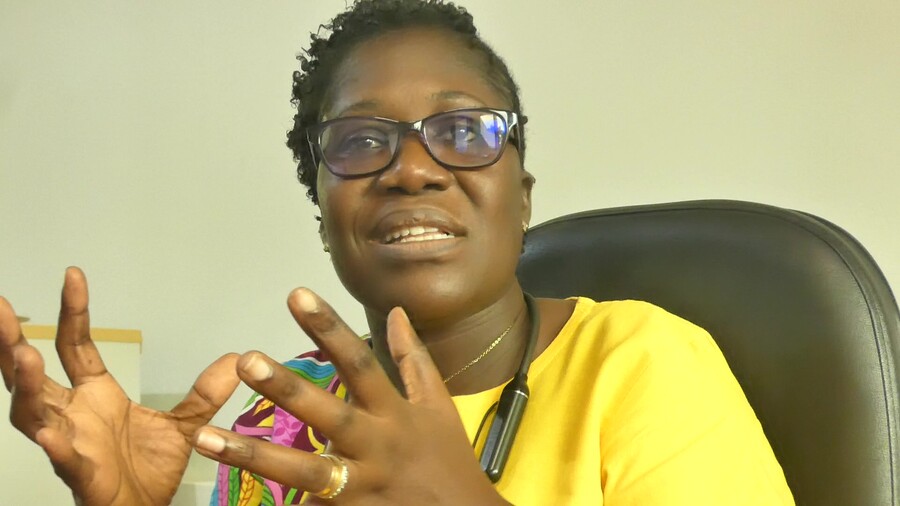
The fight against drug and alcohol abuse among the youth continues to dominate public health discussions, with worrying revelations emerging from the Upper East Region. Gifty Chigayefin Damsongor, the Upper East Regional Mental Health Coordinator, has voiced deep concern about the alarming rise in substance use among young people and its devastating impact on their mental health, education, and family life. She made this important call in a documentary titled “Swallowed by Drugs produced by Apexnewsgh.” “There are a lot of substances the youth are experimenting with, but the most common ones we encounter are alcohol, cannabis, and tramadol,” she explained. “Tramadol comes in different forms, T25, Tramadol 500, and is being misused heavily. On top of that, we now see shisha, nicotine, and even e-cigarettes, which are used in a way that makes it difficult for parents and guardians to detect.” According to Madam Damsongor, many young people underestimate the risks of substances such as energy drinks, which they consume excessively without realizing the long-term consequences. “Some youths don’t consider energy drinks as psychoactive substances. They think they are just normal drinks. But over time, they become addicted without even knowing it,” she said. “Addiction means you are aware of the dangers, yet you cannot stop. That’s when the substance begins to control your brain’s pleasure system.” “You start with a little alcohol and feel the effect. But with time, that same amount no longer satisfies you, so you increase the dose. Before long, you may need 10 bottles to feel what one bottle gave you initially. At that point, the substance has hijacked your brain’s dopamine system.” Madam Damsongor also highlighted how social media and celebrity lifestyles fuel substance abuse. “The youth are curious and easily influenced. When they see adverts for alcohol or celebrities using substances, they are tempted to experiment. Musicians, for example, often rely on substances to overcome stage anxiety. But that performance habit quickly becomes an addiction that extends beyond the stage.” She emphasized that addiction is not only about drugs or alcohol. “We now see behavioral addictions, gambling, pornography, compulsive lying, and even stealing. Some people are addicted to these behaviors in the same way others are addicted to drugs.” “If you’re a responsible and observant parent, you will notice changes. A once-friendly child may suddenly become withdrawn, easily irritated, restless, or perform poorly in school. Some may even experience hallucinations, seeing things that are not real.” She cautioned parents against rushing to prayer camps without medical intervention. “Even if you believe there are spiritual causes, you must first tackle the physical. At the facility, we can run substance tests, detoxify the system, and provide psychotherapy. Afterwards, if you want prayers, you can add that, but ignoring medical treatment is dangerous.” Damsongor recounted how peer and family influences expose children to substance use at a young age. “In many homes, alcohol is kept openly, and children are even sent to buy it. Out of curiosity, they try it, and before long, they are hooked. In other cases, peers introduce them to smoking or drugs. Sadly, I have seen lives destroyed because of what started as mere experimentation.” She called for urgent steps to integrate mental health education into schools to prevent future crises. “If the Ghana Education Service introduces mental health lessons at the JHS and SHS levels, it will help. Students must learn early about the dangers and consequences of substance abuse so they can make informed choices.” “Substance abuse can destroy your health, your education, and your future. If you find yourself addicted, whether to a substance or a behavior, seek help. Mental health experts are available in every district and community. We are here to help you recover and reclaim your life.” Source: Apexnewsgh.com
Swallowed by Drugs: Dr. Denis Warns Drug Abuse Is a Silent Mental Health Time Bomb, Urges Awareness and Stronger Law Enforcement
The Medical Administrator of the Presbyterian Psychiatric Hospital, Dr. Denis Bomansang Daliri, has raised alarm over the growing trend of drug and alcohol abuse among the youth, warning that the region faces a “silent mental health time bomb” if urgent steps are not taken. Speaking with Ngamegbulam Chidozie Stephen in a documentary titled “Swallowed by Drug”, Dr. Denis revealed that the majority of young patients admitted to his facility are battling substance abuse, often involving multiple drugs at once. “Currently, the majority of the patients we have, especially the youth, almost everyone admitted actually abuses one substance or the other. Most of them are polysubstance users – mixing alcohol, nicotine, marijuana, tramadol, and more,” he disclosed. Dr. Denis explained that many patients do not come to the hospital claiming they are abusing drugs. Instead, they often present with symptoms like insomnia, hallucinations, or hearing voices. “A person may actually be abusing substances but might not come because of it. They might come because they can’t sleep, or they’re hearing voices. Through our assessment, we’re able to tell them, ‘OK, so you are abusing substances, and this is the reason why you are here,’” he said. He added that the presentations vary depending on the drug: some patients arrive in acute intoxication, others in painful withdrawal, while others may show no symptoms at all but still have long-term dependency. Highlighting the mental health consequences, Dr. Denis noted that many of the substances abused are psychoactive, directly affecting the brain. “These substances play a very big role in destabilizing mental health. They affect your ability to think, your behavior, and in some cases, they trigger psychosis,” he warned. He cited marijuana as an example, saying, “With cannabis, we see what is called cannabis-induced psychosis. The person begins to hallucinate, hear voices, and believe things no one else can see. If the drug is withdrawn, they may return to normal, but the more they continue, the more permanent the damage becomes.” For individuals with a family history of mental illness, he cautioned, the risks are even higher. “If such a person abuses drugs, it can easily trigger a mental health condition that might have otherwise remained hidden,” he explained. Dr. Denis described the youth as particularly vulnerable due to curiosity, peer pressure, and the easy availability of substances. “Their brains are still developing, so anything they get hooked on now, they may be hooked on for life,” he stressed. He also pointed to cultural practices that normalize alcohol consumption and weak border controls that make smuggling drugs easy. “In many places here, alcohol is not even seen as a problem. Young people can walk into a shop, pay, and buy it freely. Combine that with cannabis and cigarettes at drinking spots, and it becomes a deadly mix,” he said. To address the crisis, Dr. Denis emphasized a multi-pronged approach: Law Enforcement: “In our markets, you’ll find someone selling phone accessories but also dealing drugs. Even scrap dealers sell tramadol. Law enforcement must tackle this head-on, and our borders must be secured.” Awareness Creation: “We assume young people know the dangers, but many don’t. Education must start from primary school to prepare their minds before they are introduced to these substances.” Treatment over Punishment: “Substance abuse should not be seen only as a behavioral crime. By the time someone becomes addicted, it has become a biological problem. Arresting and jailing addicts only worsens their plight. What they need is treatment, not punishment.” Rehabilitation Centers: “If someone in the Upper East wants help, they shouldn’t have to travel to Kumasi or Accra. Government must expand rehabilitation centers regionally to make help accessible.” Dr. Denis also cautioned against stigmatizing addicts, noting that rejection only pushes them deeper into addiction. “When we stigmatize and condemn them, they go back to drugs for comfort. But when we accept and support them, they find solace and are more likely to quit,” he advised. He concluded with a strong warning that ignoring the problem will have dire consequences for families and society. “Substance abuse is a silent mental health time bomb. If we don’t strengthen awareness, treatment, and law enforcement now, the cost will be unbearable tomorrow.” Source: Apexnewsgh.com
Jersey returns £7m of ‘tainted’ funds to Nigeria
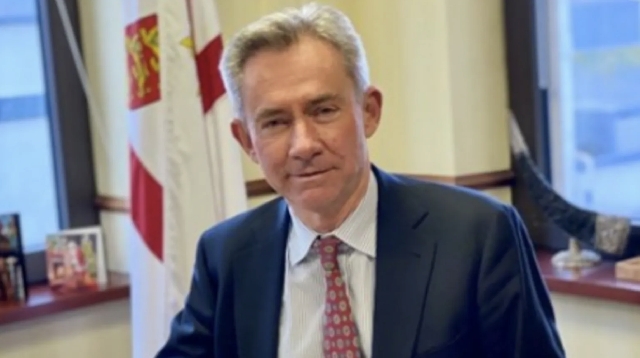
More than $9.5m (£7m) from “tainted property” held in a Jersey bank account is to be returned to the Government of Nigeria to support an infrastructure project. His Majesty’s Attorney General for Jersey Mark Temple KC signed a Memorandum of Understanding (MOU) in December to return the money. The MOU built on two previous agreements between Jersey and Nigeria involving the repatriation of more than $300m (£230m). In January 2024, the Royal Court found the funds were “more likely than not” proceeds from a corrupt scheme where third-party contractors diverted government funds “for the benefit of senior Nigerian officials and their associates”. Lateef Fagbemi, Nigeria’s Attorney-General and Minister of Justice, said the repatriated assets would be used “in line with the terms” of the MOU. He said: “The successful recovery and repatriation of the forfeited assets underscores the effectiveness of Nigeria’s collaborative efforts with its international partners in ensuring that there is no safe haven for illicitly acquired wealth or assets moved to foreign jurisdictions.” Funds will contribute to the final stages of a stretch of highway that acts as a “vital link” between Nigeria’s capital and its second-largest city. Temple said the return demonstrated “the strength of our civil forfeiture legislation as a powerful tool in the fight against corruption”. Source: bbc.com
Ukraine Offers to Release Captured Ghanaians Fighting for Russia, Says Foreign Minister Ablakwa
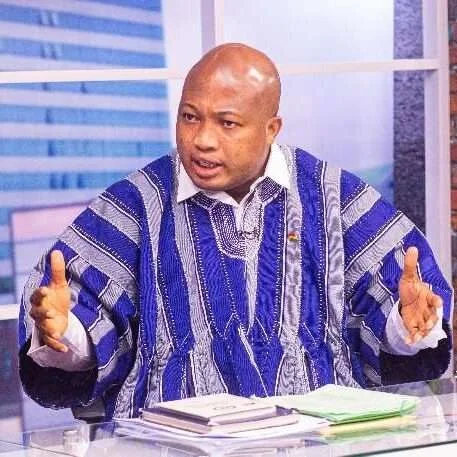
A new chapter in Ghana’s diplomatic efforts unfolded this week as the Minister for Foreign Affairs and Regional Integration, Mr Samuel Okudzeto Ablakwa, revealed that Ukraine is ready to hand over some Ghanaians captured while fighting as mercenaries for Russia. The announcement came via Mr Ablakwa’s official Facebook page, where he credited Ukraine’s Foreign Minister, Andrii Sybiha, for his cooperation and goodwill. “See you in Ukraine next month,” Mr Ablakwa wrote, hinting at imminent high-level talks to advance the process and secure the safe return of the detained citizens. Mr Ablakwa reaffirmed the government’s dedication to the safety and welfare of Ghanaians abroad. “The Ghanaian Government will continue to prioritise the safety and welfare of all our citizens, no matter how challenging it might be,” he stated, emphasizing Ghana’s unwavering commitment despite the complexities involved. He also highlighted the robust diplomatic ties between Ghana and Ukraine, noting that ongoing engagement continues to deliver positive outcomes for both countries. This partnership, he stressed, has been crucial in addressing sensitive issues and protecting Ghanaian nationals during turbulent times. The development comes as the world watches the Russia-Ukraine conflict with increasing concern about the recruitment and coercion of foreign nationals—including Ghanaians—into the fighting. Ghanaian authorities have repeatedly warned citizens against involvement in foreign armed conflicts and have intensified diplomatic efforts to secure the release and repatriation of affected nationals. As the government prepares for further negotiations in Ukraine, families back home remain hopeful that their loved ones will soon return, thanks to continued diplomatic vigilance and international cooperation. Below is the response from the Ukrainian Foreign Affairs Minister Source: Apexnewsgh.com
Swallowed by Drugs: Minister Rallies Youth and Parents in Fight Against Substance Abuse
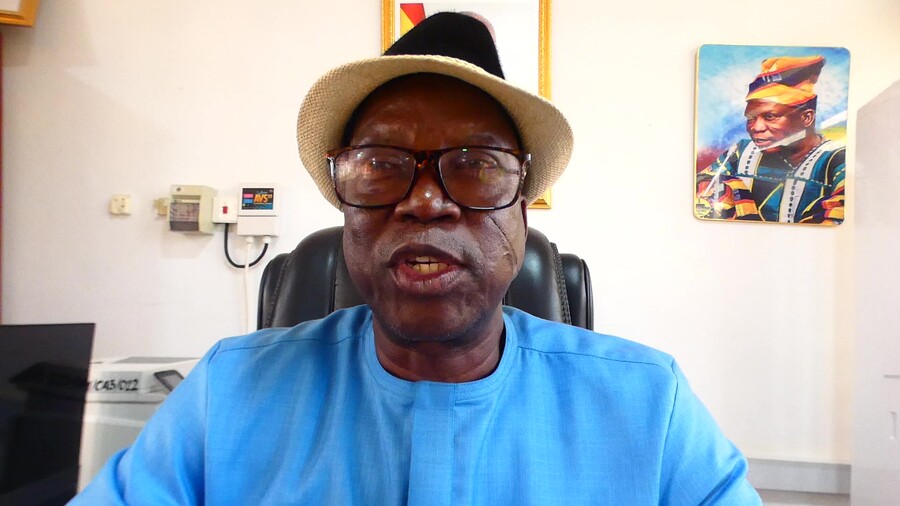
The Upper East Regional Minister, Mr. Akamugri Donatus Atanga, has expressed deep concern over the rising trend of drug and alcohol abuse among the youth in the region, cautioning that such practices only worsen personal struggles instead of resolving them. In a documentary titled “Swallowed by Drugs” with Apexnewsgh’s Ngamegbulam Chidozie Stephen, the Minister likened the reliance on drugs and alcohol as a way of coping with stress to “postponing problems.” “If you are seeing that you are stressed, and for that matter, you want to go under the influence of drugs or alcohol to free yourself, you are simply postponing that stress,” he warned. “Because when the influence of the drug is over, then you have worsened your situation.” Instead, Hon Atanga encouraged young people to channel their energy into productive activities. “I would want to advise that you should concentrate on your academic activities and other professions. If you are into crafts, focus on that. When you concentrate on that, it can take you out of your troubles far better than alcohol or drugs,” he said. The Minister further urged the youth to draw inspiration from those who have overcome hardship, rather than imitating negative examples. “Don’t allow the people who have lost their way to influence you. Rather, look for the successful people to join,” he advised. The Regional Minister did not spare parents from responsibility, stressing that family attitudes often shape the choices children make. He noted that dismissing or ignoring children’s concerns could push them toward substance abuse. “Sometimes, as parents, we push them into these things. If you knock at them whenever they raise concerns, they feel nobody minds them in society. Then they resign themselves to taking drugs so they can take comfort and adapt,” he explained. He urged parents to adopt open dialogue, counseling, and positive mentorship for their children. “When you see them taking drugs, sit them down, look for counselors, or help them associate with people of good character,” he advised. The Minister also pointed to the increasing availability of unregulated pharmacies and drinking spots as fueling the crisis. “Now you have pharmacies everywhere, some not properly regulated, where hard drugs can be accessed easily. You also have drinking spots all over, which makes alcohol too available,” he observed. He recommended stricter measures by local assemblies to regulate sales. “Assemblies should pass by-laws to supervise the sale of alcohol and the operation of pharmacies. Regular inspections must be done to ensure the drugs sold are wholesome,” he said, adding that such interventions would help reduce abuse. As “father of the region,” Hon. Atanga concluded with an appeal to the youth to resist the lure of substance abuse and invest in their future. “There is not only one person who faces difficulties. Others have faced even worse situations and overcome. If you put your time to proper use, you will sustain yourself and rise above depression and hardship,” he reminded. Source: Apexnewsgh.com
Swallowed by Drugs: Upper East Regional Crime Officer Details Police Role in Combating Youth Substance Abuse
In the revealing documentary “Swallowed by Drugs,” produced by Ngamegbulam Chidozie of Apexnewsgh, Superintendent Mr. Godwin Kpakpoe Moi, Upper East Regional Crime Officer, sheds light on the multi-faceted role of the Ghana Police Service in addressing drug and alcohol abuse, especially among the youth. Supt. Moi emphasized that the police are not only focused on making arrests, but are engaged in a broad, strategic effort to prevent and reduce the consequences of drug abuse across the region. “Our work is layered,” he explained. “It involves intelligence, prevention, partnerships, and, importantly, protecting vulnerable groups such as the youth.” A critical part of the police mandate is the enforcement of drug laws and the disruption of supply chains. Supt. Moi described how law enforcement agencies work to identify and dismantle the operations of drug producers, distributors, and traffickers. “We employ methods like surveillance, informant networks, undercover operations, controlled deliveries, and border checkpoints. The aim is to cut off the supply, because reducing the availability of drugs means fewer young people are exposed to them,” he noted. When offenders are apprehended, the police seize drugs, chemicals, and other paraphernalia. In severe cases, assets such as vehicles and bank accounts used in trafficking are confiscated. These actions not only remove drugs from circulation but also disrupt the financial incentives driving the trade. Recognizing that enforcement alone cannot solve the problem, Supt. Moi highlighted the importance of community policing. “We have become more receptive and open in our approach. We conduct outreach programs in schools, churches, mosques, youth clubs, markets, and lorry parks to educate people about the dangers of drug use and the tactics of dealers,” he said. Through these outreach initiatives, the police inform the public about how drugs fuel crime and encourage citizens to report suspicious activities. They also work closely with schools, training teachers to spot early signs of drug use among students and establishing police-school liaison units to foster ongoing communication. The police also collaborate with guidance counselors and social workers to direct at-risk youth toward help before addiction takes hold. “We are not therapists, but we play a key role in referring drug-dependent individuals to rehabilitation centers,” Supt. Moi explained. He stressed that not every case ends in prosecution; instead, the police support diversion programs, drug courts, and the reintegration of rehabilitated youth back into society. Supt. Moi acknowledged the broader dangers of drug markets, which often attract violence, exploitation, fraud, and gang activity. “We work to remove dangerous individuals from the community, shut down drug dens, and patrol hospitals, schools, and community centers to keep them safe,” he said. The police also collaborate with health, education, and social welfare services, as well as with community and opinion leaders. He cited international partnerships with organizations like Interpol and the United Nations Office on Drugs and Crime (UNODC), which provide training and resources for local officers to better identify and tackle the drug problem. Supt. Moi concluded his remarks with a call for ongoing collaboration. The challenges posed by substance abuse, he said, require joint efforts from law enforcement, healthcare, social services, educators, community leaders, and the public. “Our fight goes far beyond the arrest of suspects. It is about prevention, education, protection, and giving the youth a fighting chance for a healthy, productive future.” His message in “Swallowed by Drugs” reflects the police service’s evolving approach—one that balances enforcement with compassion, and recognizes that solving the substance abuse crisis demands the involvement of the entire community. Source: Apexnewsgh.com
BoG Governor Announces Policy Workshop to Strengthen Domestic Gold Purchase Programme
At the 77th Annual New Year School held at the University of Ghana on Tuesday, January 6, the Governor of the Bank of Ghana (BoG), Dr. Johnson Asiama, outlined a forward-looking strategy to enhance the country’s Domestic Gold Purchase Programme (DGPP). Addressing a diverse audience of experts, policymakers, and practitioners, Dr. Asiama revealed that the Central Bank, in collaboration with GoldBod and the Ministry of Finance, will soon organise a targeted policy workshop. The aim is to assess and refine the DGPP, drawing on global best practices to ensure the programme’s continued relevance and effectiveness. Dr. Asiama explained that the DGPP was launched at a time of considerable economic strain, but has since played a pivotal role in restoring confidence in Ghana’s economic outlook. “Arguably, the institutional role of the GoldBod has strengthened coordination across the value chain, while the introduction of a gold FX auction mechanism has enabled more structured and transparent intermediation of gold-related foreign exchange flows,” he noted. Looking ahead, Dr. Asiama called for the G4R programme to be firmly anchored within the broader framework of the Government of Ghana, emphasizing that responsibility for its sustainability should be shared across various institutions. He urged for informed debate, evidence-based analysis, and diverse perspectives on the DGPP, highlighting its status as a national priority. The planned workshop is set to bring together leading minds to chart a sustainable path for Ghana’s gold sector, ensuring that the DGPP continues to serve the country’s economic needs in line with international standards. Source: Apexnewsgh.com
Asantehene Calls for Closer Ties between Chiefs and Police
On a historic Tuesday, January 6, 2026, the revered Asantehene, Otumfuo Osei Tutu II, paid a courtesy visit to the Inspector General of Police (IGP), Mr. Christian Tetteh Yohuno. The visit was not just ceremonial, but a momentous call for change in the way security is managed across Ghana’s communities. During the meeting, Otumfuo Osei Tutu II proposed the forging of a closer partnership between traditional authorities and the Ghana Police Service. He urged the IGP to see chiefs not as bystanders, but as valuable allies in community policing. According to the Asantehene, “Let chiefs serve as allies in community policing. Let officers be trained to understand the customs of the people they protect.” He emphasized that genuine security and trust can only be achieved when the police and traditional leaders work together, with mutual respect and understanding. Otumfuo Osei Tutu II further advised that police officers should receive training in the customs and traditions of the communities they serve, as cultural awareness fosters better engagement and more effective conflict resolution. “Let dialogue proceed, deployment and mediation proceed confrontation. This is not softness but intelligence,” he said, advocating for intelligence and empathy as core pillars of modern policing. The Asantehene’s historic call sets the stage for a new era of collaboration, where chiefs and police unite to ensure peace, understanding, and safety for all. Source: Apexnewsgh.com
The Upper East Region’s Battle with Maternal Mortality
In 2025, the Upper East Region of Ghana was rocked by a heartbreaking revelation. Dr. Barimah Baba Abubakari, the Regional Director of Health Services, made a sobering announcement: over 60 women had died from maternal complications in the region that year alone. This news broke during the unveiling of a new National Health Insurance Scheme (NHIS) office in Nangodi, Nabdam District. As local leaders, health professionals, and residents gathered in anticipation of better healthcare access, Dr. Abubakari’s words cast a shadow, highlighting a crisis demanding urgent attention from all corners of society. He explained that these deaths were not inevitable. Many could have been prevented if expectant mothers received timely antenatal care, skilled delivery, and proper postnatal support. Yet, the problem extended beyond the reach of medical services. Deep-rooted social and cultural practices, he noted, often hinder women from seeking the care they need. Husbands, families, and community leaders all have crucial roles in encouraging women to attend clinics, deliver in health facilities, and seek help at the first sign of complications. Dr. Abubakari also addressed a persistent challenge: a critical shortage of healthcare professionals. Of the 35 medical officers posted to the region, only six reported for duty, and just one accepted a posting to a district hospital. This left many facilities understaffed, especially in rural areas where the need was greatest. Despite these difficulties, hope was in the air. The commissioning of the NHIS office was hailed as a positive step, promising to bring health insurance services closer to the people and improve access, especially for vulnerable groups. Dr. Mark-Kurt Nawaane, Member of Parliament for Nabdam and Chair of Parliament’s Health Committee, reassured the community of his dedication to strengthening healthcare delivery. He stressed the government’s unwavering commitment to universal healthcare by 2030, aligning with the global Sustainable Development Goals. As the event concluded, stakeholders agreed that the new NHIS office could become a turning point. With collective effort, from policymakers to families, the Upper East Region could look toward a future where maternal mortality is drastically reduced, and every woman has the chance for a safe, healthy birth. Source: Apexnewsgh.com
Prophet Uche’s prophecy and the Sudden Death of an MP Stir National Conversation
In the early hours of the new year, the atmosphere at Regin House Chapel was charged with anticipation as congregants gathered for the annual Watch Night Service. Prophet Eric Boahen Uche, known to many simply as Prophet Uche and a spiritual disciple of the famed Prophet Isaac Owusu Bempah, delivered a message that would soon echo far beyond the church’s walls. Standing before his congregation on December 31, 2025, Prophet Uche urged Ghanaians to pray fervently for the nation’s lawmakers. His prophecy was stark: Parliament, he warned, would see vacant seats in 2026, ushering in by-elections and a period of uncertainty. “For 2026, we should pray for Parliament again,” he intoned. “There is going to be a vacant seat in the Parliament House. If you know someone in Parliament, dip that person into the blood of Jesus because two seats will become vacant. There will be two by-elections in Parliament.” The prophecy took on new significance less than a week later when the news broke that Mohamed Naser Toure Mahama, the long-serving Member of Parliament for Ayawaso East, had passed away on January 4, 2026, after a brief illness. His death, set to trigger a constitutional by-election, immediately drew public attention back to Prophet Uche’s warning. Mr. Mahama, who was born in Nima, Accra, in 1965, served Ayawaso East with distinction for over a decade, representing the National Democratic Congress (NDC) since 2012. Renowned for his decisive victory in the 2024 general elections, where he secured more than 70 percent of the vote, Mahama was also a businessman and a scholar, holding a BSc in Marketing from Central University, a diploma from GIMPA, and an MBA from Doshisha University in Japan. His passing has set off a wave of reflection and speculation, particularly on social media, as citizens revisit Prophet Uche’s words and debate their significance. While the nation mourns its departed legislator, attention now turns to the Electoral Commission, which must set the stage for a by-election in Ayawaso East. In the midst of grief, the intersection of prophecy and politics has become a focal point of national conversation. Source: Apexnewsgh.com