Ghana Revenue Authority Announces Sweeping VAT Reforms Under New Law
Business, Opinion

Ghana Revenue Authority Announces Sweeping VAT Reforms Under New Law

Sweeping changes are on the horizon for Ghana’s Value Added Tax (VAT) system, following the passage of the Value Added Tax Act, 2025 (Act 1151), which will come into force on January 1, 2026. The Ghana Revenue Authority (GRA) announced the reforms in a notice to VAT-registered taxpayers and the public, promising a new era of simplicity, equity, and efficiency in tax administration. According to the GRA, the new law introduces a host of measures designed to ease the tax burden on businesses and households while boosting compliance. Among the most notable changes is a significant increase in the VAT registration threshold for businesses dealing in goods, from GHS 200,000 to GHS 750,000. This move is expected to bring substantial relief to micro and small-scale enterprises, reducing their compliance burden and freeing them from VAT obligations. In a further effort to streamline the tax regime, the Act abolishes the COVID-19 Health Recovery Levy, eliminating an extra cost that had been introduced during the pandemic era. The National Health Insurance Levy (NHIL) and the Ghana Education Trust Fund (GETFund) levy have also been re-coupled, meaning businesses can now claim input tax credits on these levies. By treating both NHIL and GETFund as deductible input taxes, the GRA aims to enhance fairness and transparency throughout the VAT system. A major highlight of the reforms is a reduction of the VAT rate to 20 percent, a measure specifically intended to lighten the load for households and businesses and stimulate economic activity. The VAT Flat Rate Scheme (VFRS) has also been abolished, paving the way for a unified VAT structure that the Authority says will be more transparent and easier to administer. The GRA emphasized that these reforms are designed to simplify the VAT system, promote equity, improve administrative efficiency, and encourage voluntary compliance. Taxpayers and professionals, including employers, accountants, auditors, importers, exporters, clearing agents, and tax consultants, are urged to familiarize themselves with the new provisions ahead of implementation in January 2026. For further information, the Authority advised the public to consult their nearest Taxpayer Service Centre or reach out via the GRA’s toll-free lines, WhatsApp platforms, or official email channels. Reaffirming its dedication to integrity, fairness, and service, the GRA underscored that these reforms are part of broader efforts to strengthen domestic revenue mobilisation in support of national development, under the theme “Our Taxes, Our Future. Source: Apexnewsgh.com

Read More
Concerns Mount Over Ghana’s Digital Customs Tracking Deal with Truedare Investments
Opinion

Concerns Mount Over Ghana’s Digital Customs Tracking Deal with Truedare Investments

A storm of controversy is brewing over a recently approved digital customs tracking agreement between the Ghana Revenue Authority (GRA) and Cyprus-registered Truedare Investments Limited. As Parliament learned of the deal, officials touted it as an “AI-driven” platform that would strengthen Ghana’s port operations at no extra cost to the state. Yet, experts and industry insiders are raising red flags, arguing that the contract not only duplicates but also complicates functions already present in Ghana’s Integrated Customs Management System (ICUMS). The Truedare platform was marketed as a bold solution to curb revenue leakages by enabling real-time tracking of container contents, improving valuation and classification, and enhancing both pre- and post-arrival audits. However, a closer technical review reveals that these capabilities are neither new nor missing from the existing ICUMS infrastructure. In fact, they represent modules and analytics tools already embedded within ICUMS, which have been operational nationwide since 2020. ICUMS was established as Ghana’s flagship single-window customs platform, unifying previously fragmented systems and integrating all border agencies into a seamless workflow. It captures every step in the customs process, from manifests and declarations to risk profiling, inspections, and post-clearance audits. Analysts note that the kind of “AI-driven” audits promised by Truedare are typically built as analytical layers on top of robust, data-rich platforms like ICUMS—meaning the fundamentals already exist and can be activated through proper configuration and support. Critics argue the real issue is not a technological shortfall, but a matter of policy consistency and effective use of existing tools. Introducing a parallel tracking and audit system, they warn, could undermine the single-window philosophy that made ICUMS a success, leading to duplicated dashboards, fragmented accountability, and operational inefficiencies at the ports. Further scrutiny has been cast on Truedare Investments Limited itself. Corporate records reveal the company was only incorporated in December 2024, with a modest share capital of €1,545 and a declared focus on “general trade.” With no proven track record in large-scale customs technology, questions have surfaced about the level of due diligence conducted before integrating Truedare into Ghana’s critical customs architecture. Financial transparency is another sticking point. Although officials maintain that the arrangement is cost-neutral for the state, analysts point to Ghana’s recent experience with performance-based digital contracts, warning that such deals often result in higher compliance costs for traders and ultimately affect consumers. As Ghana seeks to rebuild fiscal credibility and investor confidence, the Truedare contract has become a litmus test for the government’s commitment to coherence, transparency, and value for money in its digital revenue reforms. Many argue that the way forward lies not in external bolt-ons, but in strengthening the analytics, governance, and enforcement capabilities already housed within ICUMS. Source: Apexnewsgh.com

Read More
Swallowed by Drugs: Upper East NACOC Commander Outlines Education, Community Partnerships, and Open-Door Policy in Fight Against Substance Abuse SNCO SAEED ABDUL-AZIZ
Featured, Opinion

Swallowed by Drugs: Upper East NACOC Commander Outlines Education, Community Partnerships, and Open-Door Policy in Fight Against Substance Abuse

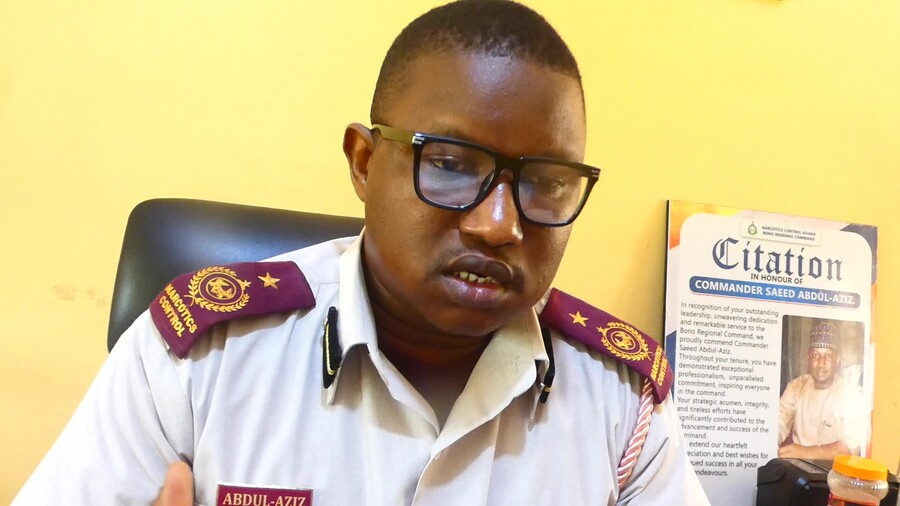
In the thought-provoking documentary “Swallowed by Drugs,” produced by Ngamegblam Chidozie Stephen of Apexnewsgh, Mr. Saeed Abdul-Aziz, Upper East Regional Commander of the Narcotics Control Commission (NACOC), offers a comprehensive look into the region’s ongoing battle with youth drug and alcohol abuse. His remarks highlight not only the commission’s multi-pronged approach but also the crucial role of public engagement, community partnerships, and a compassionate, open-door policy. Commander Abdul-Aziz explains that a core pillar of NACOC’s strategy is public education and awareness campaigns, which are regularly conducted across the region. “We go to schools, FM stations, churches, mosques, and communities to educate the public about the dangers and effects of drug use. We believe that when we start teaching at the basic and secondary school levels, the youth become aware and are less likely to fall into substance abuse,” he states. The commission’s dedicated team works tirelessly, making sure that as many young people as possible are sensitized to the risks of drugs. He further describes how NACOC encourages youth engagement in positive activities as a form of prevention. “We organize sports and cultural events to keep young people involved and busy. The more they are engaged in healthy activities, the less likely they are to be influenced by peers to experiment with drugs,” Abdul-Aziz notes. Recognizing that the fight against drug abuse cannot be won alone, the commander underscores the importance of partnerships. “We actively collaborate with NGOs, religious bodies, and other stakeholders. The work is too large for any one agency, so we reach out and work together to strengthen our impact.” These partnerships extend to enforcement, with NACOC working alongside the Ghana Police Service, Immigration Service, and community leaders to prevent drug trafficking and clamp down on those seeking to bring illicit substances into the region. On the enforcement front, Abdul-Aziz reveals that while cannabis remains the most commonly abused substance in the Upper East, there is a worrying rise in the use of opioids and other synthetic drugs. He notes, “We make a lot of arrests every year, particularly targeting those trafficking drugs into the region. Our teams are vigilant and dedicated to reducing the flow and availability of these substances.” Despite these successes, Abdul-Aziz acknowledges that not all drug users are criminals; many are vulnerable individuals in need of help. “The law now recognizes that substance abusers are, in many cases, sick people who need support, not just punishment. When we encounter such individuals, we counsel them and, where necessary, refer them to rehabilitation centers.” He emphasizes the importance of early intervention and urges families, teachers, and community leaders to bring individuals struggling with addiction to NACOC for help. “Our doors are open. We do not seek to punish, but to help people recover and reintegrate into society.” Commander Abdul-Aziz also addresses concerns about fear and stigma, particularly regarding NACOC officers now wearing uniforms. “Our uniforms should not frighten anyone away. We are here to help, not just enforce. Parents, teachers, and employers should feel comfortable bringing anyone who needs help to us. We will not arrest them but rather support their recovery.” He further appeals to community elders and chiefs, asking for their cooperation and hospitality when NACOC teams come to engage with communities. “Many people who abuse drugs do so out of ignorance of their effects. When we are given the chance to educate, we can make a real difference.” While enforcement and education are vital, Abdul-Aziz stresses that the fight against substance abuse is a collective responsibility. “We urge all stakeholders, government agencies, NGOs, religious institutions, community leaders, and families, to join us. Every child is at risk, and if we ignore the issue, it may eventually affect us all. Working together, we can create a safer environment and reduce crime and conflict fueled by substance abuse.” He concludes with a message of hope and unity: “With combined effort, open dialogue, and compassion, we can save our youth from being swallowed by drugs and secure a brighter future for the Upper East Region.” Through the words of Commander Saeed Abdul-Aziz, “Swallowed by Drugs” highlights not only the challenges but also the proactive steps being taken to turn the tide against youth substance abuse, reminding all that the path to a safer society begins with education, empathy, and collective action. Source: Apexnewsgh.com

Read More
Swallowed by Drugs: Upper East Youth President Demands Galamsey-Style Action Against Rising Youth Drug Abuse Francis Adingo
Featured, Opinion

Swallowed by Drugs: Upper East Youth President Demands Galamsey-Style Action Against Rising Youth Drug Abuse

In the acclaimed documentary “Swallowed by Drugs,” produced by Ngamegbulam Chidozie Stephen of Apexnewsgh, Mr. Francis Adingo, President of the Upper East Youth Association, delivers a passionate and urgent call to action on the growing crisis of drug and alcohol abuse among the youth in the Upper East Region. His words echo the anguish of parents, the frustration of community leaders, and the deep concern of citizens witnessing a generation on the brink. Mr. Adingo likens the menace of substance abuse to that of illegal mining, commonly known as GALAMSEY, drawing a parallel between the fight to save Ghana’s rivers and the need to save its youth. “Substance abuse is actually a major, major social canker,” he insists. “Just as we are fighting to protect our land and water bodies from GALAMSEY, we must put the same energy into protecting our youth from drugs and alcohol. What good is it to save the rivers if there is no one left to drink from them?” He paints a poignant picture of parental heartbreak: mothers and fathers who have sacrificed to raise their children, only to see their dreams dashed by addiction. “It pierces the heart of parents to see you give birth, carry a baby for nine months, raise a child up, send a child to school, and then watch helplessly as they drop out or succumb to drugs,” Adingo says. “Parents are crying day in and day out for a solution.” Highlighting the centrality of the youth to Ghana’s future, Adingo underscores that both male and female youth are the backbone of national productivity and promise. “The strength of every nation, the productivity of every nation depends on the youth,” he declares. “If we don’t address this, we are mortgaging the future of our country.” Mr. Adingo does not shy away from assigning blame or demanding accountability. He commends the National Police Special Task Force for their efforts nationwide, but asks, “What is the duty of the Narcotic Control Board? What is the duty of the local assemblies?” He argues that local authorities know where substance abusers gather, yet enforcement is often lax. “Assemblymen know these people. Law enforcement agencies have the intelligence, but why can’t they crack down?” he asks. The lack of action, he believes, allows the problem to fester, even among professionals. “Some are even uniformed men and women, nurses. My own brother was a nurse but lost his way to substance abuse. Today, he is no more.” Adingo is also critical of traditional authorities, lamenting the decline of discipline and community responsibility. “In the past, when you committed a crime, the chief would discipline you. Today, discipline has been abandoned. Chiefs, elders, opinion leaders, many have left us, the youth, to our fate.” This abdication, he observes, has weakened community bonds and accountability. He points to another serious obstacle: the erosion of trust in law enforcement. “You tell a police officer about drug dealers, and suddenly your name is out in the community. People are afraid to provide information because their safety is at risk.” Adingo argues that for the fight against substance abuse to succeed, whistleblowers must be protected, and communities must feel safe to cooperate with authorities. Adingo’s analysis is multidimensional, recognizing that substance abuse does not exist in a vacuum. He links it to poverty, regional disparities in education, and the lack of meaningful employment. “The poverty nature of our region is compounded by drug abuse and the wide gap between the South and North in terms of education,” he notes. “Until we sit down as youth, elders, opinion leaders, and chiefs, until we take collective responsibility, the Upper East is not going anywhere.” He calls for increased investment in youth development: “When more factories are built, when more incentives are given to agriculture and youth employment, the youth will be engaged. When you get yourself so engaged, you won’t have time for these things.” Adingo urges the government, civil society organizations, and all stakeholders to join forces. “We need civil society organizations, we need volunteers… it’s a canker. What do we do to come together to make sure we solve these issues?” A particularly haunting aspect of the substance abuse crisis, Adingo says, is its ripple effect. Addiction tears apart families, fuels domestic abuse, and erodes community values. “Some parents have lost hope in their children. Rehabilitation homes exist, but the fees are often too high for struggling families. We need to make rehabilitation more accessible.” He shares stories of young people who have turned their lives around through such centers, emphasizing that with discipline and support, recovery is possible. Adingo is also troubled by the normalization of substance abuse. “You see women, men, even parents, spending time in drinking spots as if it’s normal. Some die quietly in their sleep, the substances having replaced food and family.” He describes a tragic scene: “A young man demands money from his aging father for drugs; when refused, he chases him with a cutlass.” The problem, he warns, is not isolated. “If you think it is only your neighbor’s family afflicted today, tomorrow it will come to yours. When they finish destroying one community, they move to the next, recruiting more peers into addiction.” Adingo’s call to action is resolute and inclusive. “All of us, pastors, imams, assemblymen, youth groups, civil society organizations, politicians, chiefs, we all have a role to play. We must bring back discipline, support our communities, and not be afraid to speak hard truths.” He concludes on a note of hope, sharing the story of Atinbila, a young man who overcame addiction with community support and rehabilitation. “When we put in the effort, when communities rally around their youth, when we support those fighting addiction, there is hope. We can build a respectable, productive society so that tomorrow, our sons and daughters can live in peace.” Mr. Francis Adingo’s voice in “Swallowed by Drugs” is a clarion call. It is a call for unity, courage, and decisive action, a

Read More
Swallowed by Drugs: Bongo Chief Laments Loss of Children’s Future to Substance Abuse Naba Baba Salifu Atamale Lemyaarum
Featured, Opinion

Swallowed by Drugs: Bongo Chief Laments Loss of Children’s Future to Substance Abuse

The Paramount Chief of the Bongo Traditional Area, Naba Baba Salifu Atamale Lemyaarum, has expressed deep concern over the growing trend of drug and alcohol abuse among the youth in his community. Describing the situation as “heartbreaking,” the Chief warned that the future of Bongo and Ghana at large is at risk if the issue is not addressed urgently. “This is a worry to all of us,” he lamented. “We don’t see the future of our children, especially the youth. Drug abuse has become unbecoming. I don’t know whether it has legalized the abuse of drugs. It’s too serious. It’s too serious.” Naba Baba Salifu stressed that solving the crisis requires a collective effort from families, the media, and influential figures such as musicians. According to him, musicians in particular must shift their messaging to inspire discipline rather than glorify lifestyles that encourage substance abuse. “Musicians play a major role,” he noted. “They educate and sensitize the youth through their songs. But what is happening now shows they need to change their mindset towards educating them to desist from drugs.” He did not spare parents either, highlighting their complicity in the problem. “It is unfortunate that we, the parents, are contributing factors to this problem. If the father is into alcohol, how can he advise the son? He himself is an addict.” The Paramount Chief further pointed fingers at the proliferation of cheaply distilled spirits, which he said are poisoning the youth. He accused both local and industrial distillers of producing unsafe alcohol that has flooded the markets. “What they are doing now is mixing chemicals with water and calling it alcohol. This is what is killing our people,” he said passionately. “If it were proper distillation from sugar cane, that would even be better. But this one is pure poison.” He called on the government to take proactive measures to regulate the production and sale of such substances. “Government must act. They can’t just tax these distilleries and look away while our youth perish.” Naba Baba Salifu also emphasized that punishment alone will not solve the problem. Instead of jailing offenders, he suggested community-based corrective measures that would reform rather than harden them. “It’s not a matter of prosecuting and jailing,” he explained. “We must change their mindset. Internal punishments, community service, or other corrections can help more than sending them to prison, where they may return as hardened criminals.” However, the Chief painted a grim picture of the future if the situation continues unchecked. “In Bongo here, the youth are all over the streets because of drugs and alcohol. They are supposed to be our future leaders, but if we lose them, then I can say 90% of our future is gone,” he warned. The Paramount Chief’s appeal is a clear reminder that the fight against drug and alcohol abuse is not just a health issue, but a cultural and generational battle that requires urgent action from all stakeholders. Source: Apexnewsgh.com

Read More
Swallowed by Drugs: Prof. Millar Links Youth Substance Abuse to Poverty, Joblessness and Idle Wealth Prof. David Millar--President of MITDS
Featured, Opinion

Swallowed by Drugs: Prof. Millar Links Youth Substance Abuse to Poverty, Joblessness and Idle Wealth

The rising trend of drug and alcohol abuse among the youth is becoming a worrying concern in Ghana, and according to Professor David Millar, President of the Millar Institute for Transdisciplinary and Development Studies, the menace is closely tied to poverty, unemployment, and in some cases, idle wealth. Speaking with Ngamegbulam Chidozie Stephen in a documentary titled “Swallowed by Drugs”, Prof. Millar described the issue as “a double-edged thing” that is both poverty-driven and, to a lesser extent, influenced by excess wealth. “As for youth in drug abuse and alcohol, I would link it a bit… It’s attributable to poverty, and it’s also attributable to riches,” he explained. “If youth have excess money in their pockets and they don’t know what to do with it, they might use it in the area of alcohol and drugs. That is how the richest part is articulated.” He, however, stressed that poverty plays a bigger role in substance abuse among young people. “The poverty part is youth feeling helpless. They don’t have a job, they don’t have any means, they can’t earn any income. So instead of wallowing in their poor situation, they look for drugs to make them feel it’s not that bad,” he noted. Breaking down the proportions, Prof. Millar estimated that “40% will be due to riches, 60% will be due to the poverty level and joblessness.” He further explained how idleness and the lack of opportunity fuel reckless behavior among the unemployed youth. “One thing about the drugs is that when you take it, some of them suppress your urge to eat the whole day. So you can still survive a meal a day because the drugs compensate for the other non-available meals,” he said, highlighting how poverty directly feeds into substance dependence. On solutions, Prof. Millar was emphatic about job creation as the most effective remedy. “If we really want to deal with it, first of all, we need to make sure job opportunities are there for the youth. And not only white-collar jobs. There are a lot of jobs you can engage youth with, even if they are temporary,” he suggested. According to him, providing avenues for engagement and income will reduce idleness, though he cautioned that access to money can also lead some down the wrong path. Still, he insisted: “I would take that risk in providing them the jobs, providing them some income, occupying them because they are full of energy.” Prof. Millar also pointed out how politicians exploit this excess energy in young people. “Once you mobilise them and then you give them something in their pockets, they are ready to go. Because the energy is there, it must be expended,” he said. He further concluded that unless urgent interventions are made to tackle youth joblessness and poverty, drug and alcohol abuse will continue to rise, posing serious social challenges for the country. Source: Apexnewsgh.com

Read More
Swallowed by Drugs: Rising Youth Substance Abuse Prompts Warning from FDA Regional Director
Featured, Opinion

Swallowed by Drugs: Rising Youth Substance Abuse Prompts Warning from FDA Regional Director

The Upper East Regional Director of the Food and Drugs Authority (FDA), Mr. Abel Ndego, has expressed deep concern over the alarming rise in drug and alcohol abuse among young people, describing it as a major threat to public health and national development. Speaking in a documentary titled “Swallowed by Drugs”, Mr. Ndego reminded the public of the FDA’s mandate under the Public Health Act 851 of 2012 to protect health and safety by regulating products that enter, exit, or are manufactured within the country. He stressed that many of the substances abused by the youth are often unregistered and unsafe. “Most of the time, from the information we gather, we realize that the majority of substances being abused are not registered by the FDA. A typical example is tramadol,” he revealed. He explained that in recent years, Ghana witnessed a surge in tramadol misuse, prompting stricter control measures. The FDA now classifies tramadol as a prescription-only drug, which must be dispensed strictly under the endorsement of a licensed medical officer. “Tramadol is not a bad drug. It is a very effective pain reliever, especially after surgery. But the misuse and abuse of it is what has landed us in this situation,” Mr. Ndego explained. Turning his attention to tobacco products, including shisha, the FDA Director debunked myths that flavored or filtered forms are less harmful. “One hour of shisha smoking is equivalent to smoking between 100 and 200 sticks of cigarettes. That is the reality,” he cautioned. He added that tobacco smoke contains more than 3,000 harmful chemicals, including formaldehyde and carcinogens, which expose both smokers and non-smokers to severe health risks. Mr. Ndego reminded the public that smoking in public is illegal in Ghana and encouraged citizens to report offenders. “When it comes to smoking, you can even effect a citizen’s arrest. It is a crime to smoke in public places, including your own car, once the engine is on because it becomes a public space,” he emphasized. On alcohol regulation, Mr. Ndego noted that although the state has not banned alcohol consumption, strict measures are in place to limit youth exposure. Alcohol cannot be sold to anyone under 18, and advertisements are banned on electronic media before 8 p.m. He also condemned the use of celebrities in alcohol promotions, arguing that it sends dangerous signals to impressionable youth. “Unfortunately, many celebrities have been used to advertise alcoholic beverages. And because they are idols to the youth, it creates the impression that alcohol is a booster to success. That is misleading,” he lamented. Mr. Ndego highlighted the importance of joint efforts in fighting substance abuse, stressing that no single institution can solve the problem alone. “This issue is multifaceted, and we must use a multilateral approach. No agency is an island,” he said, calling for stronger partnerships with the police, customs, health institutions, schools, and traditional leaders. He revealed that the FDA is even engaging traditional authorities to consider alternatives to tobacco in cultural practices such as marriage rites. While acknowledging that substance abuse often leads to crime, Mr. Ndego argued that rehabilitation should be prioritized over imprisonment for addicts. “For those who are hooked, we should have a streamlined process that identifies them, puts them through rehabilitation, and reintegrates them into society,” he proposed. The FDA Director concluded by stressing the importance of early education in addressing the menace. “They say catch them young. At the basic level, children must be taught to check expiry dates, look out for FDA registration, and understand the dangers of drugs, alcohol, and tobacco. That way, health consciousness becomes second nature as they grow,” he said. Mr. Ndego reaffirmed the FDA’s commitment to enforcing regulations, carrying out market surveillance, and intensifying public education to protect the youth, the future of the nation, from the dangers of substance abuse. Source: Apexnewsgh.com

Read More
Swallowed by Drugs: Rev. Abukari  Urges Youth to Reject Substance Abuse, Calls for Stronger Regulation and Honest Conversations Rev. Thomas Abukari
Featured, Opinion

Swallowed by Drugs: Rev. Abukari  Urges Youth to Reject Substance Abuse, Calls for Stronger Regulation and Honest Conversations

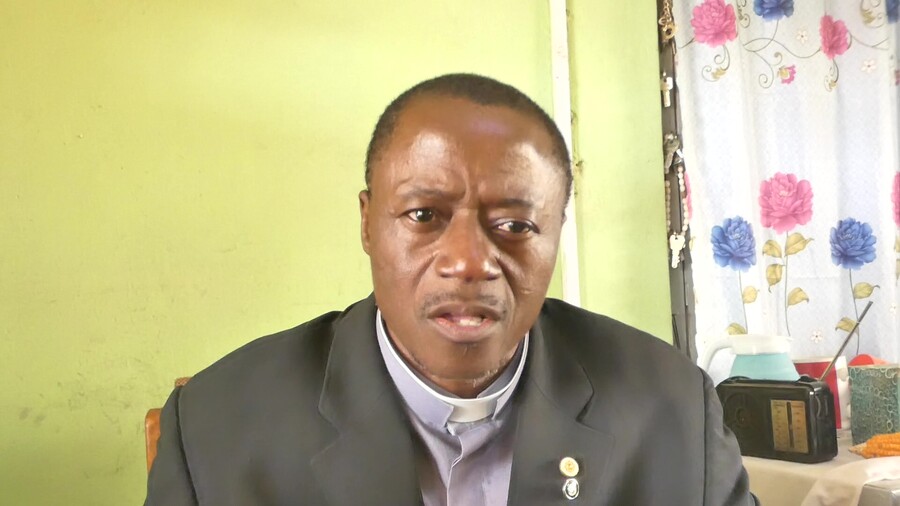
In the impactful documentary “Swallowed by Drugs,” produced by Ngamegbulam Chidozie Stephen of Apexnewsgh, Rev. Thomas Abukari, Head Pastor of the Baptist Church and Chairman of the Christian Council in Bolgatanga, delivered a heartfelt and wide-ranging message on the escalating crisis of drug and alcohol abuse among youth. His words served as both a plea for immediate action and a call for deeper societal reflection, directed not only at young people but also at parents, regulators, and the entire community. Rev. Abukari opened by lamenting the tragic loss of young lives to substance abuse in this generation. “There are a lot of lives going down the drain as a result of substance abuse,” he said, urging community leaders and authorities to take firm steps. He highlighted how the easy availability of drugs and alcohol is a major contributor to the problem, stressing, “Wherever you pass, these substances are accessible. I plead with authorities: let’s restrict their flow in the market, so access is only possible with a medical prescription and supervision.” He further identified peer influence as a significant force shaping youth choices. “Peers can be good, but negative peer pressure leads many astray. The trigger is often wrong information, myths, and lies that convince youth that drugs will help them study longer, work harder, or fit in.” Rev. Abukari called for robust campaigns to correct such misinformation, particularly targeting misleading social media adverts that glamorize substance use. “There should be real monitoring to get these kinds of misleading adverts out of the system,” he insisted. Watch the full documentary below: Curiosity, he observed, often tempts young people to experiment with drugs, sometimes with disastrous consequences. “Some things, once you try, you keep going back. Before you know it, you’re caught in a cycle of dependence. It’s like the lesson from Psalm 1—you start by walking, then sitting, then staying in the wrong place. If you avoid it altogether, you avoid the trap.” Rev. Abukari cautioned the community against relying solely on religious condemnation. “Yes, substance abuse is sinful, but let’s not forget the physical and medical damage. Liver cancer, lung disease, and other illnesses are the consequences of these habits. Fasting and prayer are important, but the body suffers the physical consequences regardless,” he explained. He also warned about the influence of celebrities, pointing out that many young people look up to them without realizing that what is seen on screen is not always real life. “Some even claim they perform better because of drugs or alcohol. They are deceiving people. Celebrities should positively be role models, not promote destructive behavior.” Addressing the desire for quick wealth, Rev. Abukari debunked the myth that drugs help people work harder or earn more. “If you get the money but your health is destroyed, who benefits? Don’t waste your body chasing money only to spend it on hospital bills or more drugs.” He reminded the youth of the importance of rest, drawing on the Biblical example that even God rested on the seventh day. He shared personal anecdotes to highlight that individuals react differently to substances, warning that what works for one person may harm another. “If you see someone claim they can stay up all night on coffee or energy drinks, that may not work for you. Everyone’s physical makeup is different, and chasing those results could harm you.” Rev. Abukari called for a return to dignity and sound-mindedness among young people. “If children see you as an elder stumbling on the streets, what dignity do you have left? Drug and alcohol abuse destroys not only your body but also your social respect, your finances, your spirituality, and your future. Who wants to marry a drug addict, or entrust responsibility to someone whose mind is clouded by addiction?” He encouraged youth to seek joy and fulfillment in healthy, natural ways. “There are traditional drinks with health benefits. Say no to hard drugs and alcohol. Living well and enjoying life doesn’t require substance abuse.” Rev. Abukari concluded with a rallying cry: “We are the people of the future. The future of this generation lies in your hands. Be responsible, be sound-minded; this is what society and your families need. Reject drugs and alcohol, and build a life you, your family, and your community can be proud of.” Through his message in “Swallowed by Drugs,” Rev. Thomas Abukari provides both a warning and a beacon of hope, a call for unity, truth, and responsibility in the fight against substance abuse. Source: Apexnewsgh.com

Read More
Swallowed by Drugs: Upper East Regional Deputy Director Augustine Akugri Shares Insights on Rising Youth Drug and Alcohol Abuse
Featured, Opinion

Swallowed by Drugs: Upper East Regional Deputy Director Augustine Akugri Shares Insights on Rising Youth Drug and Alcohol Abuse

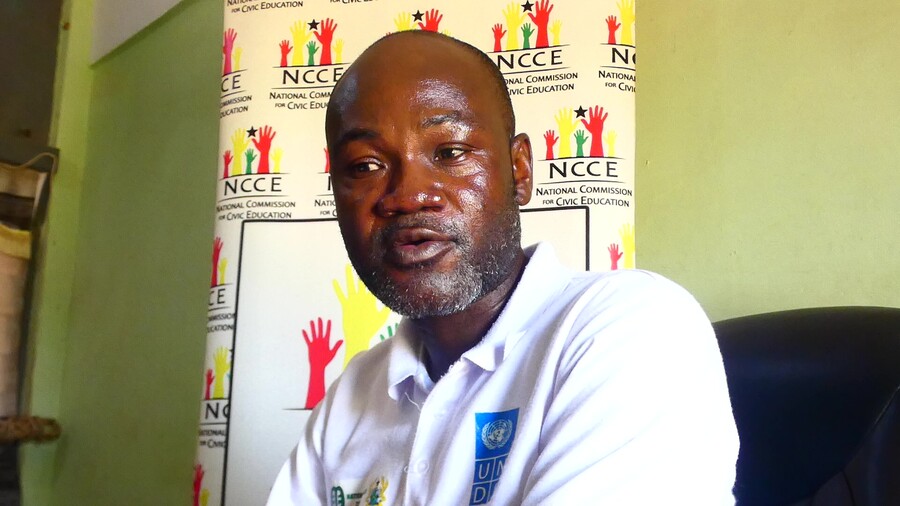
In response to growing concerns about substance abuse among young people in the Upper East Region, Augustine Akugri, Regional Deputy Director of the National Commission for Civic Education (NCCE), has offered valuable insight into the commission’s pivotal role in tackling this challenge. He spoke in the documentary “Swallowed by Drugs,” produced by Apexnewsgh. Mr. Akugri explained that the NCCE, as an independent governance institution, was established to promote civic awareness and education among Ghanaians. Its mandate includes fostering an understanding of constitutional principles, encouraging citizens to defend the Constitution against abuse, and deepening appreciation of civil rights and responsibilities. A key part of the NCCE’s mission, he noted, is to educate citizens about the dangers of substance and drug abuse. “Issues of drug abuse have become a significant challenge in the country, especially within the Upper East. If we are to promote the good name and prestige of Ghana, we must be free from the scourge of drugs,” Mr. Akugri emphasized. He pointed out that substance abuse not only tarnishes the nation’s image but also disrupts unity and peaceful coexistence. Watch the full documentary below: He explained that drug abuse undermines one’s ability to function effectively in society, whether as a worker or a responsible citizen. “For us at the NCCE, we believe that to contribute meaningfully to national development, Ghanaians must abstain from drugs and alcohol,” he said. Highlighting the commission’s strategy, Mr. Akugri described how the NCCE delivers substance abuse education in schools, communities, and through radio programs. The commission also collaborates with institutions such as the Narcotics Control Board to broaden public understanding of the dangers and effects of drugs. He shared sobering statistics, noting that every few seconds someone dies from drug use, according to the World Health Organization. Research further shows that those who start using drugs in their teens are more likely to die decades earlier than those who do not. “Illicit drugs, such as tramadol, codeine, cocaine, heroin, and even certain caffeinated alcoholic drinks, can cause severe health issues, from heart and lung diseases to miscarriages and birth defects,” he warned. Mr. Akugri stressed that drug abuse is not solely about physical consequences. “Drug abuse can affect a person physically and emotionally, impacting not just health but social life,” he said. “No one is immune to the dangers of drug abuse, and every citizen needs to understand the real risks.” Addressing why young people often fall into substance abuse, he identified several factors: peer pressure, curiosity, the desire to fit in or feel grown-up, attempts to rebel against authority, or to escape emotional problems. He underscored the dangers of experimentation, noting that dependency and addiction can quickly develop, making it extremely difficult to break free from the cycle. Mr. Akugri went on to describe the different categories of drugs commonly abused in the region: stimulants such as amphetamines, ecstasy, and tobacco, which increase activity in the central nervous system and can lead to mood swings; depressants such as alcohol and heroin, which calm users but also alter perception of reality; and cannabis, which is particularly problematic due to its hallucinogenic properties that can lead to mental health issues. “The effects of these drugs are wide-ranging,” he explained. “They can cause physical health problems, mental illness, impaired social functioning, and even risky behavior that leads to the spread of diseases.” He also highlighted the NCCE’s outreach efforts, including educational campaigns in schools, markets, and ghettos, aimed at raising awareness about the dangers and consequences of substance abuse and dependency. In conclusion, Mr. Akugri underscored the importance of understanding dependency and addiction. “A drug user can become so dependent that life without the drug seems impossible. This not only destroys the individual but also has ripple effects on families and communities,” he said. The message from Mr. Akugri and the NCCE is clear: substance abuse is a grave threat to both individuals and society, but with education and collective action, the trend can be reversed for a healthier, more productive future. Source: Apexnewsgh.com

Read More
Dr. Esmond Balfour Calls for Enhanced Cooperation with MPs to Drive Regional Development
Opinion, Politics

Dr. Esmond Balfour Calls for Enhanced Cooperation with MPs to Drive Regional Development

As delegates gathered for the 14th biennial national congress of BONABOTO, the air was thick with anticipation and pride. The theme, “BONABOTO@25: Celebrating our legacy, unity, advocacy, culture and impact, the journey continues”, set the tone for a day meant to honor the organization’s remarkable achievements and chart a path for the future. Dr. Esmond Balfour, Chairman of BONABOTO’s Upper East branch, took the stage to deliver a heartfelt welcome speech. He began by applauding the organization’s dedication to advocacy and development in the region, noting that BONABOTO’s efforts extend far beyond local borders. “Our BONABOTO UK branch,” he highlighted, “has adopted our regional hospital, consistently making generous donations in support of its operations.” Yet, despite such successes, Dr. Balfour did not shy away from addressing a persistent obstacle. With candor, he expressed concern over the lack of cooperation from the region Members of Parliament. “Our biggest challenge is implementation,” he lamented. “BONABOTO has the strategy. BONABOTO has the ideas. But we cannot bring our strategic development plan to life without collaboration from our politicians.” Dr. Balfour was quick to acknowledge the productive relationships with District Chief Executives and regional ministers, attributing their cooperation to their holistic approach to governance. However, he explained that, as outlined by the constitution, many ministers are drawn directly from Parliament. “We have always wished for a closer working relationship with our parliamentarians,” he explained. “When our ideas reach them, we hope they can champion our proposals with their ministerial colleagues and lobby for much-needed support.” Despite the challenges, Dr. Balfour’s message was ultimately one of hope and resolve. He called on delegates and leaders alike to turn the page toward greater partnership, expressing his fervent wish that this congress would mark a turning point. “We pray that from this Congress going forward, things will change. With true collaboration, the development we seek for our area can accelerate,” he concluded, his voice resonating with both realism and optimism. With a warm smile, Dr. Balfour closed his address, “Ladies and gentlemen, as you were told, I was asked to give a word. I think I have given more than one word.” His remarks left the audience reflective and inspired, ready to continue the journey of BONABOTO’s legacy. Source: Apexnewsgh.com/Ngamegbulam Chidozie Stephen

Read More