

Mr. Gabriel Agambila Champions Upper East Region’s Progress at Jubilee House Chief of Staff, Julius Debrah, and Elvis Afriyie Ankrah, Mr. Agambila
Opinion

Mr. Gabriel Agambila Champions Upper East Region’s Progress at Jubilee House

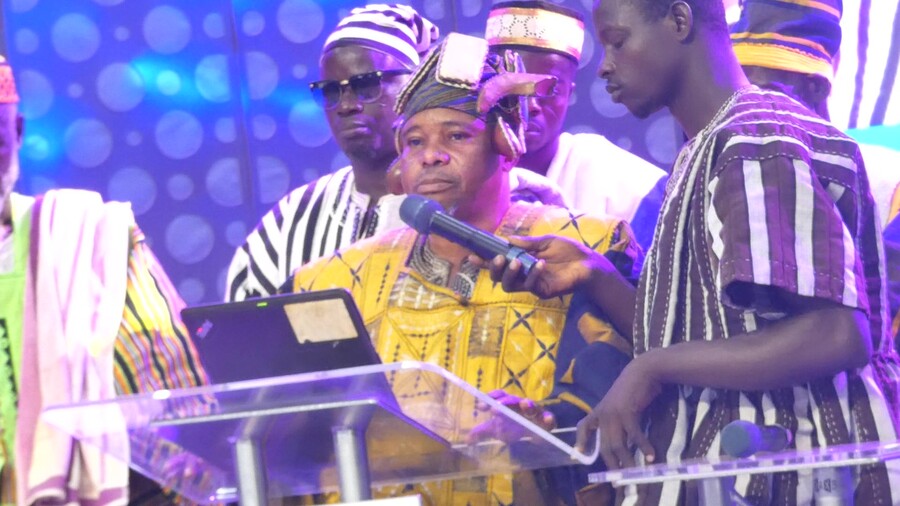
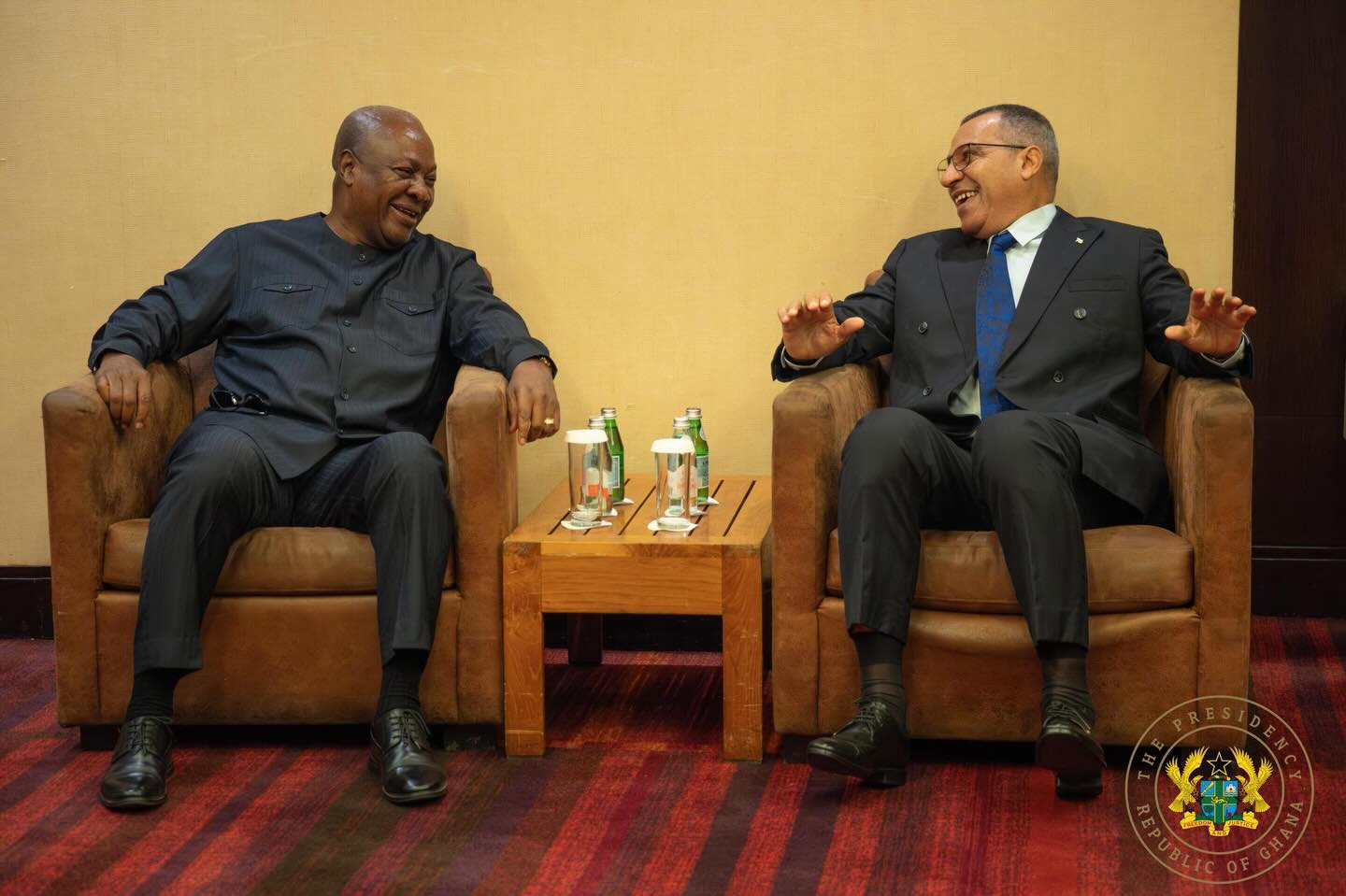
On a bright Tuesday morning, the corridors of Ghana’s Jubilee House welcomed a passionate advocate for the Upper East Region, Mr. Gabriel Agambila. Though living in the diaspora, Mr. Agambila’s heart beats for home, and as the Founder of Alagumgube, he arrived determined to champion transformative projects for his native region. His mission was clear: to engage government officials on the pressing development priorities that have long shaped the dreams of the Upper East people. In a pivotal meeting with the Chief of Staff, Julius Debrah, and Elvis Afriyie Ankrah, Mr. Agambila steered the conversation toward four core issues: critical infrastructure, sports development, cultural preservation, and traditional leadership. One of the most urgent matters raised was the absence of a standard sporting facility in the Upper East Region. “The Upper East Region has never had a sporting stadium with tartan tracks to encourage and nurture athletic talent. This is long overdue and must be addressed to promote sports development in the region,” Mr. Agambila asserted. He passionately appealed for the region’s inclusion among the three earmarked for a modern sports stadium, emphasizing the transformative impact such a project would have on the youth. Turning to aviation infrastructure, Mr. Agambila acknowledged the inclusion of the Bolgatanga Airport project in the national budget. Yet, he pressed for further action, calling on private investors to accelerate the airport’s construction. “Even though the Bolgatanga Airport has been captured in the budget, we are appealing for investors to support the process so the project can be completed within the shortest possible time,” he appealed. Alagumgube, under Mr. Agambila’s stewardship, has already made tangible contributions. The association facilitated land clearing and negotiated additional land for a standard runway, even mobilizing funds from a distinguished son of the region to carry out cadastral planning for the airport site. Cultural and educational issues were not left behind. Mr. Agambila voiced disappointment over the delayed rollout of the Grune language in schools, despite its approval three years prior. He called for immediate steps to preserve the region’s linguistic and cultural heritage. Furthermore, he highlighted the unresolved Bolgatanga chieftaincy matter, urging a swift resolution to ensure that the traditional area could benefit from strong leadership and renewed unity. The government officials present, including the Chief of Staff and Elvis Afriyie Ankrah, commended Alagumgube for its persistent advocacy, particularly its instrumental role in establishing a Passport Office in the Upper East Region. They expressed hope that more regions would benefit from such dedicated organisations championing local development. As the meeting drew to a close, Mr. Agambila offered heartfelt thanks to all who contributed to the airport land clearance and the establishment of the Passport Office. Their collective efforts, he said, stood as a testament to the unity and determination driving the Upper East Region toward a brighter future. Source: Apexnewsgh.com

Read More
Naba Yelzoya Kosom Asaga II’s Stirring Address at the 14th BONABOTO National Congress
Opinion, Politics

Naba Yelzoya Kosom Asaga II’s Stirring Address at the 14th BONABOTO National Congress

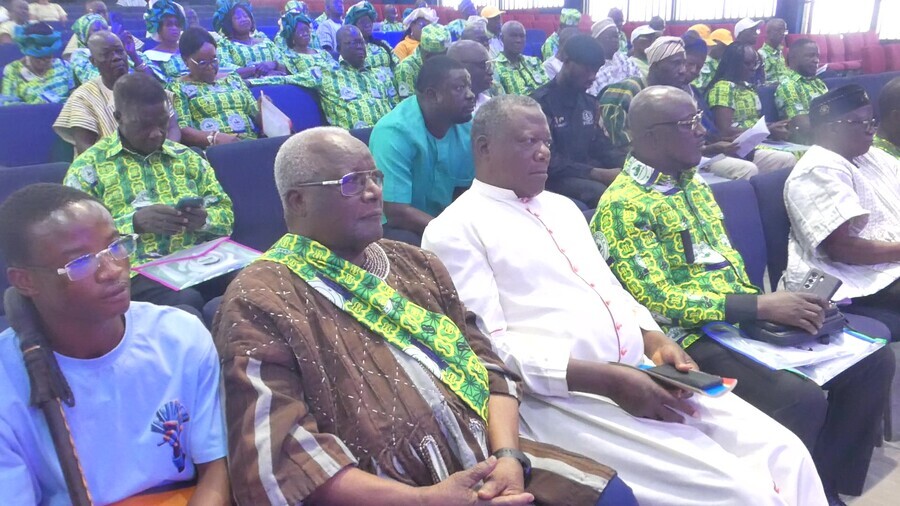
With a deep sense of humility and responsibility, Naba Yelzoya Kosom Asaga II, the Paramount Chief of the Nangodi Traditional Area, welcomed delegates to the Nabdam District for the 14th BONABOTO Biennial National Delegates Congress. His words set a purposeful tone, reminding all present that their gathering was more than a mere event; it was a powerful reaffirmation of unity and collective resolve among the people of Bolgatanga, Nangodi, Bongo, and Tongo. Naba Yelzoya reflected on the roots of BONABOTO, an association founded through reflection, experience, and foresight. He acknowledged that, as in any vibrant community, differing energies and approaches had emerged over time. Rather than allowing these differences to breed rivalry, he stressed, they must be harnessed as sources of strength. “Wisdom provides direction while enterprise provides momentum,” he said, urging leaders and elders to be peacemakers, calming tensions, discouraging unnecessary competition, and guiding their people towards cooperation and mutual respect. Turning to a matter close to his heart, the chief spoke passionately about the proposed BONABOTO College of Education in Nabdam. This initiative, he explained, was not a mere afterthought but the culmination of years of sacrifice and commitment. Land had been secured, and temporary facilities had been identified, with the former Congo Secondary School standing ready for use. He emphasized that education is the foundation for development: “A college of education here will not only train teachers but will strengthen communities, empower our youth, and secure the future of generations yet unborn.” The chief called upon BONABOTO’s leadership to remain faithful to the original promise made to Nabdam, highlighting the region’s historic lack of educational institutions compared to others. Naba Yelzoya reminded delegates that honoring this promise was about more than development; it was crucial for maintaining BONABOTO’s credibility and the unity of their communities. “To protect the credibility of BONABOTO and preserve unity among our communities, we must honor our original commitment,” he declared. The chief approached the sensitive issue of peace, particularly regarding the Baku conflict, a matter that, given his boundary with Bawku, he felt compelled to address. He commended the mediation efforts of Otumfuo Osei Tutu II and the Asantehene, whose statesmanship had laid a crucial foundation for peace. Yet, he cautioned that conflicts rooted in complex histories cannot always be resolved by attempts to restore the past. One side seeks recognition and self-determination, while the other seeks security and continuity, deep-seated concerns that must be acknowledged. “For peace to endure, no side must feel ignored or uncertain about its future,” he advised, insisting that true peace must recognize and respect the identity, history, and legitimate concerns of all parties. In conclusion, Naba Yelzoya called for greater responsibility from all, especially intellectuals and leaders who, by virtue of shared experiences and deep community ties, must not remain mere spectators in the peace process. He advocated for ending the “slave mentality” and urged his people to take up their responsibilities, emphasizing that true independence is born from responsibility. He recommended that the BONABOTO Congress formally establish a Peace Building Committee, composed of respected elders and experienced voices from across the traditional areas. This committee, he envisioned, would engage continuously, build confidence, and help carry the peace process forward with patience and cultural understanding. Thus, Naba Yelzoya Kosom Asaga II concluded, weaving together the themes of legacy, unity, advocacy, culture, and impact, reminding all that their shared journey continues, strengthened by their commitment to each other and to the future. Source: Apexnewsgh.com

Read More
BONABOTO at 25: A Story of Unity, Heritage, and Progress in the Upper East Region
Opinion

BONABOTO at 25: A Story of Unity, Heritage, and Progress in the Upper East Region

The town of Damolg-Tindongo was alive with color and pride as people gathered from Bolgatanga, Bongo, Nabdam, and Talensi, together known as BONABOTO. The occasion was no ordinary one. This was the 25th anniversary of the BONABOTO Association, a group that had spent a quarter-century standing strong for its people, celebrating their culture, and pushing for development in the Upper East Region. At the heart of the celebration stood Professor Samuel Awinkene Atintono, the National President of BONABOTO. As the crowd settled at Gibeath Ha-Elohim, Prof. Atintono took the stage to reflect on the journey. He spoke with warmth and gratitude, calling the silver jubilee “a celebration of resilience, unity, and collective progress.” BONABOTO’s story, he shared, began in the 1970s. But it was in 2001, with the first national congress, that the association’s voice grew louder and its influence spread. The decision to move congresses beyond Bolgatanga in recent years was no accident; it was a sign of the association’s open arms, welcoming all, no matter their hometown or background. Prof. Atintono was proud to recount how BONABOTO had managed to keep its members united, even though they came from different religions, political beliefs, professions, and villages. The secret, he said, was simple: dialogue, compromise, and a shared purpose. Whenever disagreements arose, members found ways to talk things through and keep moving forward together. Over the years, BONABOTO became more than a social group. It evolved into a respected voice for development across the region. From healthcare to education, from roads and airports to passport services and governance, BONABOTO’s advocacy made a real difference. Their principled, steady approach meant that when BONABOTO spoke, people listened, so did policymakers. But development, Prof. Atintono reminded everyone, cannot grow in places where there is conflict. That’s why BONABOTO worked hard to bring people together, to help settle disputes, and to encourage dialogue among chiefs, politicians, and the wider community. Their efforts helped keep the peace, so progress could continue. Culture and language are also at the heart of BONABOTO’s mission. Prof. Atintono beamed as he spoke of the association’s success in promoting the Gurene language. Thanks to BONABOTO’s efforts, Gurene is now officially recognized in schools by the Ghana Education Service, a huge step in protecting the region’s identity, pride, and knowledge. Education has always been a pillar for BONABOTO. Through the Bonaboto Education Assistance Fund (BEAF), the association has given out over GH¢400,000 to help more than 2,000 bright but needy students. These young people, Prof. Atintono hoped, would become future leaders and keep the flame burning for generations to come. BONABOTO’s caring spirit extended into health and social welfare. There were stories of free medical outreach programs, donations of equipment to the Bolgatanga Regional Hospital from BONABOTO’s UK Branch, and support for setting up a dialysis center in the region, lifesaving help for many. The association also grew stronger within itself. A national secretariat was opened in Bolgatanga, land was secured at Sumbrongo for a permanent home, and branch networks spread across Ghana. A special student wing was created, ensuring that BONABOTO’s vision would live on with the next generation. Prof. Atintono reminded everyone that BONABOTO was not just an organization, but a family. The association’s welfare programs saw them supporting members in times of trouble, during bereavement, sickness, or important family events. This, he said, was the true spirit of BONABOTO: caring for one another, always. Looking to the future, Prof. Atintono challenged the association to renew its unity, involve more young people, find sustainable ways to fund its most important projects, and work even more closely with chiefs and development partners. He said, “This 25th anniversary is not an endpoint. It is just another checkpoint on our journey.” The congress brought together a rich mix of people, government officials, traditional chiefs, academics, professionals, members of the security services, and BONABOTO members from far and wide. As everyone looked back on the association’s achievements, a sense of pride and hope filled the air. The story of BONABOTO, after 25 years, is a story of what can be achieved when a community stands together, united in heritage, purpose, and hope for tomorrow. Source: Apexnewsgh.com/Ngamegbulam Chidozie Stephen

Read More
Shattered Dreams: Swallowed by drugs
Featured, Health, Opinion

Shattered Dreams: Swallowed by drugs

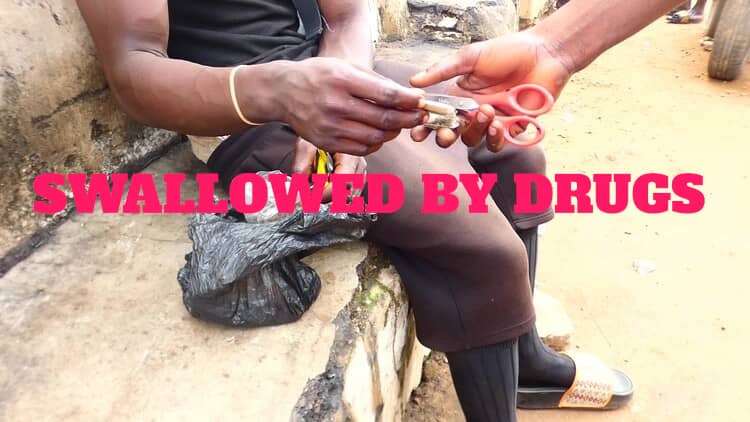
Documentary by Ngamegbulam Chidozie Stephen In the heart of Ghana’s bustling towns and quiet villages, a silent crisis unfolds. Hidden beneath the laughter, ambition, and dreams of the youth, a menace grows, one that threatens not only their futures but the very soul of communities. This is the story of how drug abuse is quietly ravaging the lives of young people, pulling them into a spiral of addiction and despair before their dreams can ever take flight. Felix was once like any other young man, full of hope, with a family that cherished him and a classroom that held the promise of a better future. But somewhere along the way, his path darkened. Drugs became his companion, and soon, he found himself wandering the streets, trading textbooks for a haze of addiction. He remembers the day it all started. “When I was in JHS3, it was when I travelled to Kumasi. That’s when I started taking it,” Felix recalls, his voice heavy with regret. “I came home, then went to school. So, that’s how I entered the job.” The “work,” as Felix calls it, is hard labor, carrying goods for others, hustling for daily survival. “If I don’t take it, I cannot work,” he admits. The drugs numb the pain, but they also sever him from his family. “Right now, I’m not close with them,” he says quietly, the weight of isolation evident in his voice. His family knows about his addiction, but not the full extent of his trauma. “Maybe they don’t know, but I don’t know if they know or not,” he confides. For Felix, every day is a battle; he needs work, but work means drugs, and drugs mean distance from those he loves. His story is one of many, a haunting echo of how quickly and quietly hope can slip away. Known to many as Hunu, he is a father, a son, and a man bearing the weight of choices he never meant to make. His story is marked by the invisible hand of peer pressure and the desperate search for belonging. “Actually, there’s a challenge. A big challenge,” Hunu admits. “I’m a student, alright. However, I cannot simply tell you that this is what happened when I entered into this. It’s all about the friends you follow. Your influence.” He speaks of how easy it is to fall in. “Someone will be there, he will not like to take it, but the moment he follows two or three people who take it, he will like to try it.” The drugs become a necessity, “The moment I wake up, I don’t take it, I will not feel alright. Not that I am sick, but I am not normal. But the moment I take it, I will get to my normal stage.” Hunu’s reflection is a stark reminder of how easily youth can be led astray, not always by malice, but by the natural desire to fit in, to be part of something, even if it leads down a dark path. At just 19, Aduko Jacqueline is already a mother of two. Her life, once filled with dreams, is now a daily struggle against addiction. She is honest about her pain, the stigma, and the longing for rescue. “If I get what I want, there will be damn smoking,” she says, her words tinged with sadness. “I’m not supposed to smoke, I’m a girl, but if I always smoke, I always stink very well. I don’t have the money to do what I want, but if I get it, I will do it. I will stop smoking.” Jacqueline’s self-awareness is heartbreaking. “As I’m sitting here, I always stink. If you only see me sitting now, without talking to anybody, I’m thinking about how to stop it. But if I don’t, it will enter me, you understand. So, unless I get someone to help me, someone behind me, so that the person will be helping me, I will increase myself so that I will stop everything and be free.” Her plea is simple: help. “I’m praying that maybe God will help me, then I will find a job.” Jacqueline’s story is a cry for support, a call to action for communities to rally around those who are struggling before they are lost. Baba, known in the ghetto as Starboy, is in his twenties but has already lived a lifetime in the shadows of addiction. His drug of choice is weed, and for him, it is not just a habit; it is a lifeline. “Weed is my life. And weed is the one that can help me with everything that I need in my life,” he shares. “If I smoke this weed… It’s really good for me. If I think of doing something bad, when I take the weed, I swear to God, I always think it’s good.” Baba’s family has long known of his addiction. “I’ve only let them understand that I’m a weed smoker. And the weeds are killing me, what I have, but what I feel happy about. Because if I smoke the weed, I feel so great.” He started young, just ten years old. Now, he says, “It gives me a lot of health. It gives me a lot of pressure, a lot of things that I can’t handle myself very well.” For Baba, the addiction is both a curse and a comfort, a chain he cannot break but one that gives him a fleeting sense of control in a world that often feels overwhelming. For Emmanuel, addiction is not just a personal battle; it is a family affair. “Well, I choose to smoke this because I can just say that it’s inside the blood of the family,” he says. “Your dad takes some. My uncle takes some. I’ve seen that taking this is normal to me.” He is a young man who should be in school or working, but instead finds himself fighting an enemy that feels almost inherited. “The smoke of the

Read More
GIPC Reaffirms Commitment to Retail Sector Transformation Under 24-Hour Economy Initiative
Business, Opinion

GIPC Reaffirms Commitment to Retail Sector Transformation Under 24-Hour Economy Initiative

The Ghana Investment Promotion Centre (GIPC) has reiterated the government’s unwavering commitment to revitalizing the country’s retail trading sector through the ambitious 24-Hour Economy initiative. Addressing the Ghana Union of Traders Association (GUTA) National Quadrennial Conference, GIPC CEO Mr. Simon Madjie underscored the vital role traders play in Ghana’s national development. He highlighted President John Dramani Mahama’s strong support for expanding the retail sector, describing it as a key strategy for economic diversification, job creation, and fostering inclusive growth. Mr. Madjie commended GUTA members for their resilience and their significant contributions to the economy. He reaffirmed GIPC’s readiness to work hand in hand with the association to unlock new investment opportunities that will benefit traders and the nation at large. The GUTA conference, held every four years, brought together representatives from all 16 regions of Ghana. The gathering concluded with the election of Clement Boateng as the new GUTA President, marking a new chapter in the association’s leadership. Source: Apexnewsgh.com

Read More
Ghana Introduces Prestigious Kwame Nkrumah Diaspora Awards
Opinion, Politics

Ghana Introduces Prestigious Kwame Nkrumah Diaspora Awards

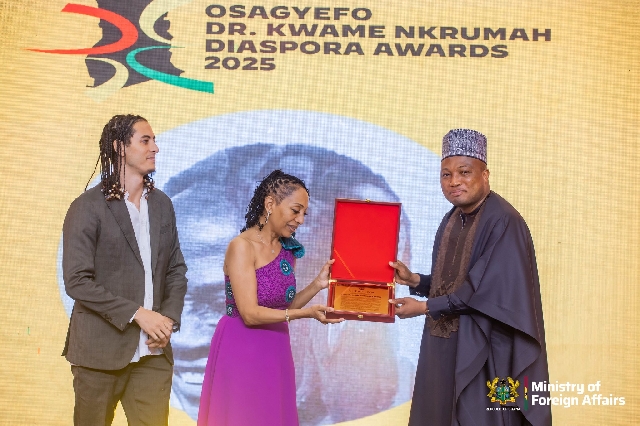
The Ministry of Foreign Affairs and Regional Integration has officially established the Osagyefo Dr. Kwame Nkrumah Diaspora Awards, an annual initiative to honour individuals of Ghanaian and African descent abroad who have made significant contributions to development, culture, and global Pan-African advancement. In a landmark event on Tuesday evening, the Ministry of Foreign Affairs and Regional Integration launched the Osagyefo Dr. Kwame Nkrumah Diaspora Awards, a new annual tradition aimed at celebrating the achievements of individuals of Ghanaian and African descent living abroad. These awards will recognise those who have made outstanding contributions to development, culture, and the advancement of Pan-African ideals across the globe. The unveiling ceremony was graced by Samia Nkrumah, daughter of Ghana’s first President and founder, Dr. Kwame Nkrumah. Her presence and participation in the launch brought a sense of history and continuity to the initiative, as she lent her family’s legacy to the prestigious awards. Also present was Professor Abena Busia, daughter of former Prime Minister Dr. Kofi Abrefa Busia, who openly supported and endorsed the programme. The involvement of descendants from two of Ghana’s most prominent political families highlighted the national importance and non-partisan spirit of the awards. The Osagyefo Dr. Kwame Nkrumah Diaspora Awards are designed not only to honour individual excellence, but also to strengthen the deep and enduring bonds between Ghana and the global African diaspora. The initiative reaffirms Ghana’s role as a beacon of Pan-Africanism and a welcoming homeland for people of African heritage worldwide. The Ministry of Foreign Affairs and Regional Integration has announced that further details regarding nomination categories, selection criteria, and the first awards ceremony will be made public in the coming weeks. Source: Apexnewsgh.com

Read More
Artificial Rain and Chaos in Accra CBD as Fire Service Responds to Mass Breathing Difficulties
Opinion

Artificial Rain and Chaos in Accra CBD as Fire Service Responds to Mass Breathing Difficulties

It was a dramatic scene in Accra’s Central Business District (CBD) on Monday as personnel from the Ghana National Fire Service (GNFS) rushed to the Cocoa Marketing Board (CMB) area. Their mission: to assist scores of people who had suddenly begun struggling to breathe amid intense Christmas shopping crowds. The usually bustling area was even more packed than usual, with shoppers making last-minute purchases for the festive season. The overcrowding quickly turned alarming when multiple individuals began experiencing acute breathing difficulties, sending waves of panic through traders, buyers, and transport operators alike. Emergency calls flooded in, and GNFS crews arrived swiftly at the scene. They sprang into action, offering initial aid and conducting atmospheric monitoring to detect any possible hazards. In a bid to clear the air, the firefighters sprayed water into the atmosphere, creating a surreal scene of artificial rain in the heart of the city. Initial reports pointed to a suspected chemical release or a concentrated plume of fumes from an unknown source as the possible cause. However, some speculated that foul odours from gutter debris—freshly collected during a clean-up exercise, may have contributed to the problem. Amidst the confusion, eyewitnesses described seeing several people gasping for breath, though no official casualty figures were immediately available. As the emergency unfolded, commercial drivers seized the opportunity to double their fares. Passengers desperate to get home in the chaos found themselves paying GHS 5 for a trip from Tudu to Kwame Nkrumah Circle, GHS 10 to Lapaz, and GHS 10 to Dome, with fares as high as GHS 20 to Nsawam. Despite the steep prices and the presence of police from the MTTD, the scramble for vehicles continued. Officials from the Ghana National Fire Service, along with the Ambulance Service and other relevant agencies, are actively investigating the incident and are expected to provide further updates as more information becomes available. Source: Apexnewsgh.com

Read More
Kojo Adu Asare Sparks Debate After Declaring Interest in Marrying Daddy Lumba’s Widow
Opinion

Kojo Adu Asare Sparks Debate After Declaring Interest in Marrying Daddy Lumba’s Widow

Former Adenta Member of Parliament, Kojo Adu Asare, has set social media abuzz following his candid declaration of interest in marrying Odo Broni, the widow of celebrated highlife legend Daddy Lumba. During an interview on Asempa FM, Kojo Adu Asare openly shared that he is currently single and holds deep admiration for Odo Broni, describing her as a woman deserving of respect and honour. He emphasized that his intentions are sincere and not motivated by a desire for publicity. However, Adu Asare was quick to acknowledge the importance of cultural traditions. He made it clear that he would only consider pursuing a relationship after Odo Broni has completed her traditional widowhood rites, stressing that Ghanaian customs take precedence over personal feelings. “I respect our traditions and I respect her as a woman. Everything must be done properly,” he stated during the interview. The revelation has since sparked a flurry of reactions online, with many debating the appropriateness of the timing, the role of cultural expectations, and the boldness of publicly expressing romantic interest in the widow of a national icon. As conversations continue across radio and social media, Kojo Adu Asare’s statement has undoubtedly captured the attention of the public. Source: Apexnewsgh.com

Read More
U.S. Extradition Request for Ken Ofori-Atta May Face Political Hurdles, Says Law Expert Ken Ofori-Atta
Opinion, Politics

U.S. Extradition Request for Ken Ofori-Atta May Face Political Hurdles, Says Law Expert

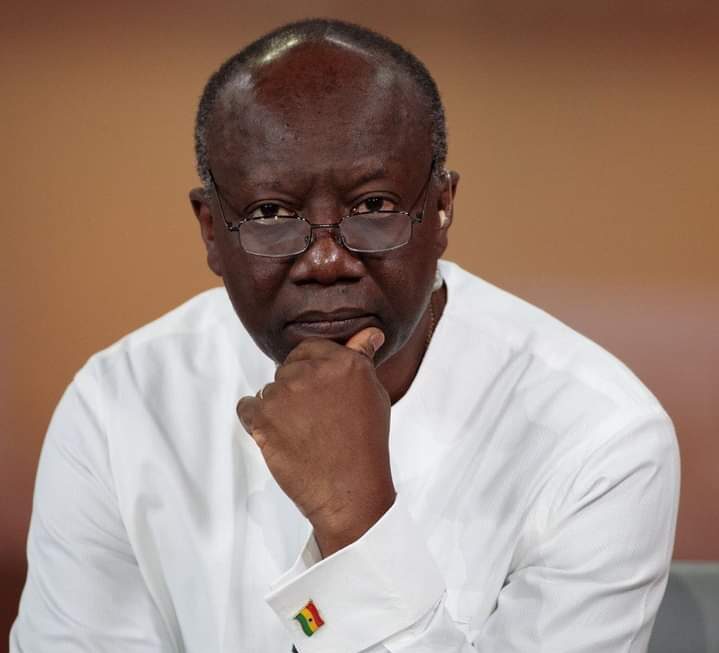
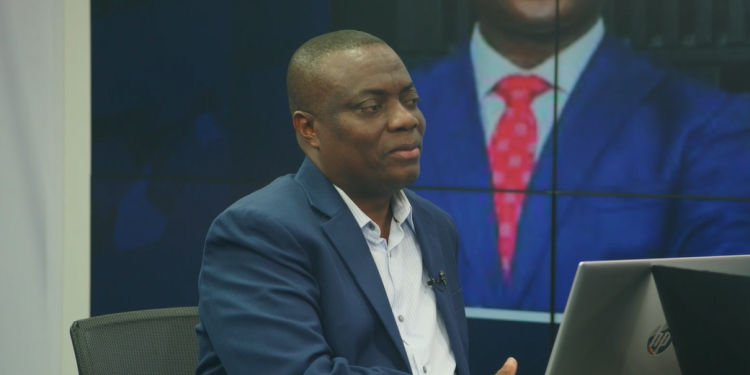
The extradition of Ghana’s former Finance Minister, Ken Ofori-Atta, to the United States could encounter significant legal obstacles if political motivations are raised, according to Professor Kwadwo Appiagyei-Atua, an International Law and Human Rights expert at the University of Ghana School of Law. Speaking in an interview on JoyNews on Saturday, December 12, Professor Appiagyei-Atua explained that while U.S. courts will focus on whether the technical and legal requirements for extradition have been met, claims of political persecution could complicate proceedings, especially in cases involving high-ranking officials. “It is possible that Mr. Ofori-Atta may argue that the extradition request is politically motivated. Such claims are not uncommon in international extradition cases, particularly where high-ranking political figures are involved,” he noted. “The U.S. courts will examine both the procedural correctness of the submission and whether there are grounds to believe the request may be politically motivated.” The extradition request, formally submitted by Ghana’s Attorney-General Dr. Dominic Ayine, seeks to have Ofori-Atta and his former Chief of Cabinet, Ernest Darko Akore, brought to the United States to face 78 corruption-related charges filed by the Office of the Special Prosecutor. The legal documents were transmitted on December 10, 2025, through Ghana’s Ministry of Foreign Affairs to the U.S. Department of Justice. This move represents a significant step in the fight against corruption, signaling Ghana’s commitment to holding public officials accountable. However, as Professor Appiagyei-Atua warns, the extradition process could be prolonged if arguments about political motivation are introduced in U.S. courts. Source: Apexnewsgh.com

Read More
NDC’s Hamza Suhuyini Urges Realism in Galamsey Fight, Citing Scale of Challenge
Opinion, Politics

NDC’s Hamza Suhuyini Urges Realism in Galamsey Fight, Citing Scale of Challenge

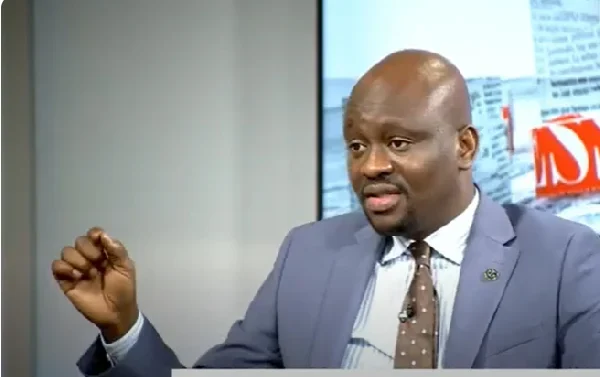
Hamza Suhuyini, a member of the National Democratic Congress (NDC) communications team, has called for a more realistic perspective on the government’s efforts to combat illegal mining, popularly known as galamsey. Suhuyini expressed concern over criticism that the government has failed in its fight against the menace, emphasizing that the magnitude of the problem makes it impossible to resolve within a single year. His remarks follow the government’s recent revocation of Legislative Instrument (L.I.) 2462, which had granted the President authority to approve mining in forest reserves. The Environmental Protection (Mining in Forest Reserves) Revocation Instrument, 2025, became law on December 10, 2025, after being tabled in Parliament by the Minister for Lands and Natural Resources, Emmanuel Armah-Kofi Buah. Speaking to the media on December 12, Suhuyini noted that the repeal of the controversial law is part of broader government efforts to address illegal mining. However, he cautioned that lasting success hinges on sustained enforcement, inter-agency collaboration, and strong public support. “We are committed to the fight, but the scale and depth of illegal mining require long-term strategies and consistent action across all levels,” he stated. “It will be unfair to expect this government to deal with all issues of illegal mining within one year. We have shown commitment in fighting it in many ways. As a government, we know that because of how deep illegal mining is, it will be difficult for us to confront it in a matter of a year.” Source: Apexnewsgh.com

Read More