
Mahama Unveils Development Plans for Upper East at Citizens’ Engagement in Navrongo
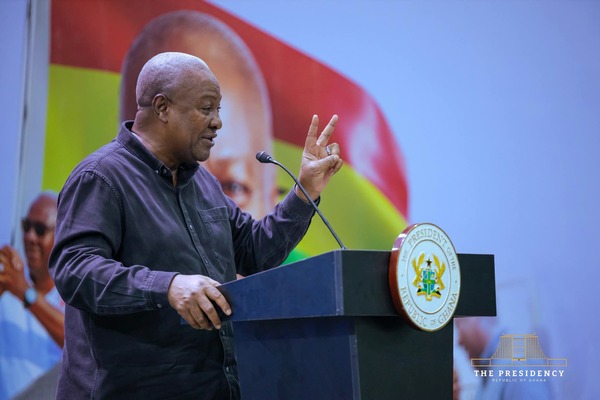
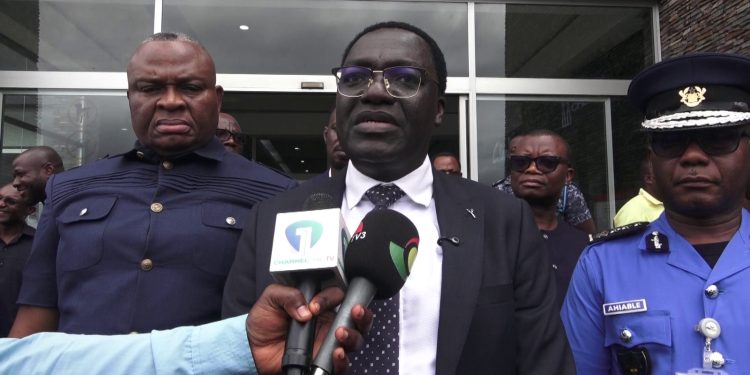
President John Dramani Mahama has outlined a series of measures aimed at accelerating development, strengthening public institutions and creating more economic opportunities for Ghanaians, with particular attention to the Upper East Region. The commitments were announced during President Mahama’s citizens’ engagement in Navrongo, which brought together key members of government to account for ongoing initiatives and outline plans to address pressing development challenges. Attorney General and Minister for Justice, Dr Dominic Akuritinga Ayine, disclosed that government intends to establish a Constitution Review Implementation Committee to begin work on implementing the recommendations of the Constitution Review process that have been accepted by government. Dr Ayine also highlighted the government’s legal interventions and ongoing court proceedings, stressing the role of the Attorney General’s Office in supporting the administration’s governance and institutional reform agenda. On infrastructure, the Minister for Roads and Highways, Kwame Governs Agbodza, announced that President Mahama has directed the ministry to take all necessary steps to ensure the completion of the Bolgatanga-Bawku-Polimakom Road by the end of 2027. He assured residents that contractors would remain on site until the project is completed, signalling government’s determination to address the long-standing road infrastructure challenges in the region. President Mahama also pointed to the restoration of calm in Bawku as an important opportunity to accelerate development and improve the livelihoods of residents. As part of efforts to strengthen agriculture and create jobs, the President announced plans to rehabilitate the Pwalugu Tomato Factory to support local tomato production and processing. Government, he added, is also working to expand onion production as part of measures to reduce Ghana’s dependence on imported onions. President Mahama identified job creation and the expansion of economic opportunities for young people as a major priority, particularly following efforts to stabilise the national economy. He further reaffirmed government’s commitment to improving the road network linking Bolgatanga and Wa, which is expected to enhance transportation, trade and economic activity across the northern parts of the country. In the education sector, the Minister for Education, Haruna Iddrisu, announced plans to establish an expanded, state-of-the-art Science, Technology, Engineering and Mathematics (STEM) institution in Bolgatanga. He also disclosed plans for the construction of special-needs education schools in Ho and Sunyani, alongside preparations for the commencement of work on regional libraries in the Ahafo and Volta Regions. The announcements formed part of government’s broader engagement with citizens to communicate its development priorities, account for ongoing programmes and identify practical measures to improve livelihoods and strengthen public services across the country. Source: Apexnewsgh.com
Upper East Region to Benefit from 267.52km Road Expansion Under Government’s Big Push Initiative
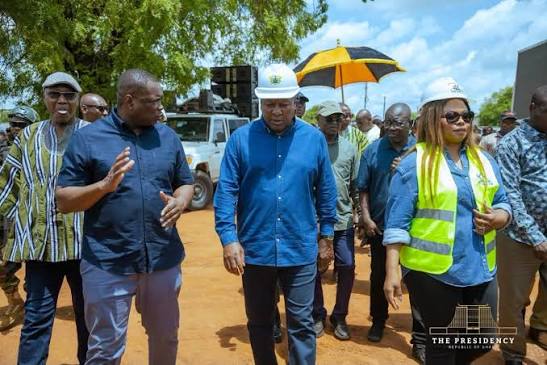
The government has earmarked 267.52 kilometres of roads for construction and rehabilitation in the Upper East Region under its Big Push infrastructure programme, marking a major investment aimed at improving connectivity and boosting socio-economic development. The announcement was made by the Minister for Roads and Highways, Kwame Governs Agbodza, during a stakeholders’ engagement held at Desert Pastures in Bolgatanga on Friday, August 14, 2026, as part of President John Dramani Mahama’s Resetting Ghana Tour. According to the Minister, the programme comprises 18 road projects, a significant increase from the previous allocation of between 50 and 60 kilometres under earlier road initiatives. He noted that President Mahama had directed that the programme should not only focus on major highways but also prioritise feeder roads that connect farming communities, schools, health facilities and rural settlements. Mr. Agbodza disclosed that approvals for the projects would be issued next week, paving the way for procurement processes, while contractors are expected to move to site within a month. The projects include the upgrading and rehabilitation of several feeder roads such as Gurumongo–Mayoro, Saboro–Wusunga, Gbedema–Kandiga, Catholic–Kpandem–Health, Chuchuliga–Awulansa, Kandiga Junction–Sirigu, Zaare Market–Zeseri, Yakubu Corner–Kpatia, and Asonge–Perlungu. Other planned works include the upgrading of the Y-Junction–Domeabra–Tempane, Bongo Central–Namoa Border, and Zebilla Hospital–Tanga roads, as well as rehabilitation of the Basyonde–Kongo road. Additional projects cover the Zaare–Nyariga–Ayonore, Zuarungu–Tongo, Bawku–Narungu, Navrongo–Pungu–Natungnia roads and township roads in Pusiga. As part of the programme, government will also construct two steel bridges along the Paga–Sirigu route—a 30-metre bridge over the Kolalibali River and a 36-metre bridge over River Gugura. Further road improvements will target routes including Asorekobisi Guinea Fowl Junction–Nyariga Canal, Extee–Azimson Bypass, Azorebisi–Nyariga Junction, Magori–Gentriga, Mogoni–Tampizua, Sakpare–Chief Palace, and Nidi–Naranzua, alongside other feeder roads within the Bawku area. The Minister also provided updates on ongoing road developments in the region. He said construction on the Navrongo–Chuchuliga–Tumu corridor is progressing steadily, while the long-stalled Bolgatanga–Bawku–Pulmakom road project has resumed, with completion targeted for 2027. He further announced plans to rehabilitate the deteriorated Bolgatanga–Tamale Highway and undertake major repairs on sections of the Eastern Corridor, particularly around Nakpanduri, Garu and Kulungugu. The projects form part of government’s broader agenda to improve road infrastructure, strengthen regional connectivity and support economic activities across the Upper East Region. Source: Apexnewsgh.com
A Message of Caution and Reflection to the NPP Delegates Across Ghana by Alhaji Dr Hafiz Bin Salih.
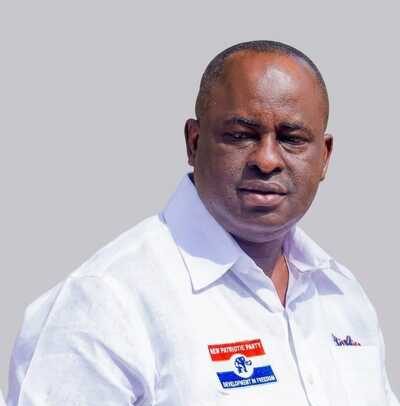
As voting day approaches on Saturday, 15th August 2026, our party faces an important choice. The decisions we make in these internal elections will shape the strength, unity, and future of the New Patriotic Party (NPP). As campaigns have intensified, we have heard many lofty promises from candidates across all regions. While hope is important in politics, we should let experience guide us. History shows that promises made during campaigns are rarely kept after the votes are counted. The Unspoken Cost of Broken Promises We need to be honest about the challenges our party still faces. In the past, delegates were promised important support, such as motorbikes, to help them work in their communities, but those motorbikes never arrived. In some regions, there were promises to build party offices in every constituency and region, but those offices were never built. These broken promises are not just empty campaign talk; they have serious consequences: • Fractured Unity: When promises are broken, resentment grows, and divisions form within our group, making it harder to work together and win important elections. • Eroded Trust: When leaders do not keep their word, the important trust between the grassroots and leadership is badly hurt. • Dampened Spirit: Nothing discourages loyal party members more than feeling used during elections and then forgotten afterwards. If a candidate truly wants to support you, they should show it before you vote, not just make empty promises after the election. Real commitment is proven by real actions, not just words. Delegates Deserve Respect, Not Deception Delegates are the heart of the New Patriotic Party. You give your time, resources, and energy to keep the party strong in every part of the country. You deserve respect, honesty, and dignity—not empty promises or dishonesty. To keep our party strong, candidates must be held to a higher standard of honesty. Leadership is not just about saying whatever it takes to win votes; it is about character, humility, and a genuine desire to serve others. Our True Focus: Victory in 2028 Let’s learn from our past. Instead of listening to empty talk, let’s judge candidates by their actions, their humility, and their real dedication to our party. We must win the 2028 general elections for the NPP. To do this, we cannot trust our party to people who make empty promises. We need leaders who are ready to work hard with the grassroots and build a strong team. When you vote, remember our past challenges, keep your dignity, and choose those who will respect you and work hard for our shared success. Development in Freedom! Long live the New Patriotic Party! God bless our homeland, Ghana! Dr Hafiz Bin Salih Member, National Council of NPP Former Regional Minister (Upper West/East) Former Upper West Regional 1st Vice Chairman Source: Apexnewsgh.com
Bolgatanga-Bawku-Polimakom Road Remains Top Priority in Government’s Regional Connectivity Drive—Pres. John Mahama
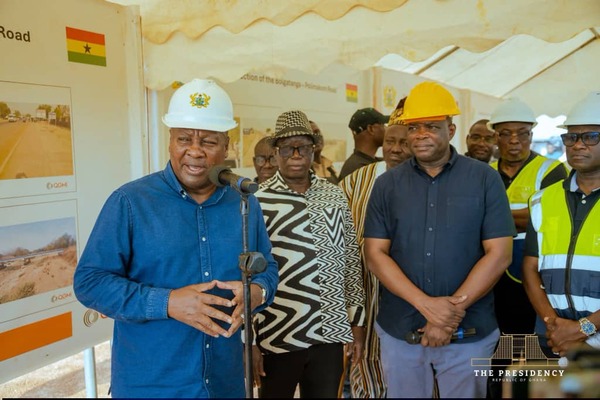
The Bolgatanga-Bawku-Polimakom Road is once again in the spotlight as President John Dramani Mahama reaffirmed its importance during his recent ResettingGhana Tour of the Upper East Region. Recognized as a cornerstone in the government’s strategy to improve road connectivity, this major infrastructure project is set to transform travel across the region and provide a vital alternative route to Accra. During his inspection of the ongoing works, President Mahama highlighted how the road will seamlessly connect the eastern and western parts of the Upper East Region, fostering greater integration and economic activity. “The Bolgatanga-Bawku-Polimakom Road will not only serve as a direct link between communities here and the capital, but it will also open up the region for trade and development,” he remarked. To allay concerns from stakeholders and contractors, President Mahama gave assurances that the government is committed to making timely payments to ensure the project stays on track and is completed within the stipulated timeframe. He also pointed to the strategic significance of the road within the broader network, noting that the Eastern Corridor connects directly with the Bolgatanga-Bawku-Polimakom stretch. The government is currently scoping the Nakpanduri-Garu-Kulungungu route, which will further reinforce the region’s transport links and strengthen the national road system. With these efforts, the Bolgatanga-Bawku-Polimakom Road stands as a symbol of the government’s ongoing commitment to enhancing infrastructure and linking communities across the Upper East Region with the rest of Ghana. Source: Apexnewsgh.com/Ngamegbulam Chidozie Stephen
President Mahama Sets 2028 Target for Completion of Chuchuliga-Tumu Road
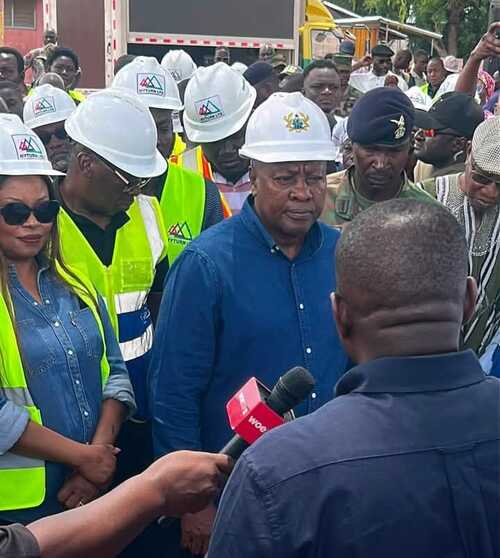
President John Mahama has pledged a brighter future for commuters in northern Ghana, announcing that the long-awaited road linking Chuchuliga to Tumu is expected to be completed by 2028. The President shared his vision for a smoother, safer journey between the two regional capitals, bringing hope to residents and motorists who have long endured challenging travel conditions. “It is my hope that by 2028, the entire stretch from here to Wa will have been completed,” President Mahama declared, outlining the government’s commitment to enhancing road infrastructure across the country. The President explained that the ultimate goal is to establish reliable road links between all regional capitals, while also upgrading major roads in selected districts. He reassured the people of the Upper East Region that the current road projects under the first phase of the ‘Big Push’ initiative are just the beginning. “We are already scoping a second phase of the Big Push,” he announced, emphasizing that the government is actively preparing to extend the programme. President Mahama acknowledged the concerns of communities whose roads were not included in the initial phase, stressing that further phases are on the horizon. “We are going to have a second phase and even a third phase of the Big Push,” he said, underscoring the government’s intention to address road needs across Ghana. Expressing confidence in the ambitious programme, President Mahama stated, “By the time we complete the entire Big Push programme in five years, I am sure everybody will be satisfied and everybody’s road will have been captured.” As communities along the Chuchuliga-Tumu corridor look forward to better connectivity, the President’s assurance signals a new chapter of development and accessibility for the Upper East and Upper West regions, and for all Ghanaians awaiting improved roads. source: Apexnewsgh.com
IGP Promotes 25 Police Officers for Exceptional Crime-Fighting Achievements
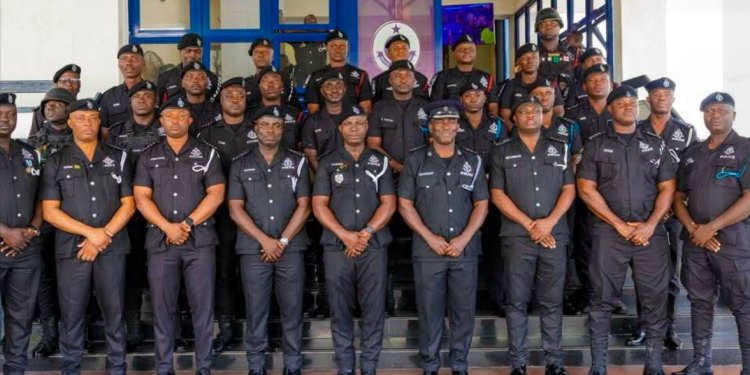
The Inspector General of Police (IGP), Christian Tetteh Yohuno, has promoted 25 police personnel in recognition of their outstanding performance and significant contributions to the fight against crime in Ghana. The officers were honored for their roles in a series of successful operations across the Bono East, Tema, and Western Central Police Regions. Their actions included the arrest of high-profile robbery suspects and the interception of suspected cocaine at the Tema Harbour. Among their notable achievements was the arrest of six suspects linked to a major robbery, in which GH¢300,000 was allegedly stolen from a victim along the Portor-Kawempe stretch of the Kintampo-Buipe Highway on July 19, 2026. Several of the promoted officers were also recognised for apprehending four suspected members of a violent robbery syndicate at Wassa Akropong in the Tarkwa area, as well as for their involvement in the recent interception of 866 parcels of suspected cocaine at the Tema Harbour. The promoted personnel include Chief Inspectors Bede Nwinbomeh and Joe Tetteh; General Sergeants Elijah Ndaga Yinimi and Kaifan Sulemanna; General Corporals Owusu Ansah Evans and Tansang Jonathan; and General Lance Corporals Osei Christopher Bonny, Kyei Francis, Ofori Francis, Anim Dominic, and Asante Isaac. Others are General Constables Adam Bakari Alhassan and Bakai Mark; Detective Chief Inspector Frank Dzah; Detective Inspectors Edem Ametowoga, Abroso, and Vincent Dankwah; and Detective Sergeants Salifu Yakubu and Samuel Mordzifa. The IGP praised the officers for their bravery, diligence, and commitment to upholding law and order. He encouraged all personnel to emulate these exemplary standards as the police service intensifies efforts to combat crime and ensure public safety nationwide. Source: Apexnewsgh.com
Minority Leader Afenyo-Markin Reflects on Ayariga’s Departure, Praises His Candid and Easygoing Nature
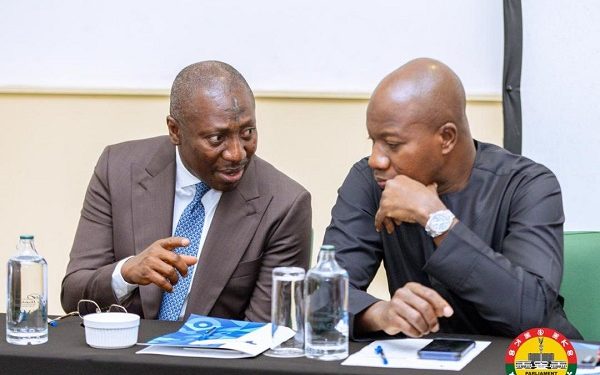
Minority Leader Alexander Afenyo-Markin has paid tribute to the outgoing Majority Leader Mahama Ayariga, describing him as a candid and easygoing colleague he will miss following Ayariga’s appointment as Minister for Local Government, Chieftaincy and Religious Affairs. Reflecting on their years of working together across the political aisle, Mr Afenyo-Markin spoke warmly of Mr Ayariga’s straightforward approach and affable personality. “I miss him. He has his strengths. He has things that I like about him. You know, he’s an affable, easygoing character,” the Effutu MP said during an appearance on Metro TV on Monday, August 10, 2026. Mr Ayariga, having been nominated to his new ministerial role, left the Majority Leader position to be succeeded by James Agalga. Mr Afenyo-Markin noted that what set Mr Ayariga apart was his willingness to speak his mind and his aversion to holding grudges, even when political disagreements arose. “Ayariga will not hide his feelings. At least I could easily predict him on what he likes and what he doesn’t like. And he doesn’t hold grudges. That is one strength I would miss,” he remarked. The Minority Leader explained that Mr Ayariga preferred to address conflicts directly. “If he’s not happy with you, he will call as a leader. This one, I’m not happy with you,” he said, adding that this candour helped prevent tensions from festering. Mr Afenyo-Markin also recalled that, despite the occasional political surprise in Parliament, both men maintained a healthy respect for each other’s roles and responsibilities. “There were times that he would surprise me. There were times that I also spring surprises on him. No politician likes surprises. But in the end, you are leading a side. You have a party interest to defend,” he reflected. Despite their different political affiliations, Mr Afenyo-Markin stressed that their differences never stood in the way of effective collaboration. “But all in all, I think we’ve worked well, and I wish him well in his new portfolio,” he concluded. Source: Apexnewsgh.com
Government Directs Minerals Commission to Take Administrative Control of Adamus Mine
The government has ordered the Minerals Commission to assume immediate administrative control of the Adamus Mine at Salman in the Ellembelle District, following the upholding of a decision to revoke Adamus Resources’ mining lease. This decisive move follows a review by a Ministerial Review Committee, which considered an appeal from Adamus Resources after its lease had been revoked over regulatory breaches. Minister for Lands and Natural Resources, Emmanuel Armah-Kofi Buah, communicated the government’s position during a working visit to the Adamus Mine, explaining that the committee had confirmed most of the violations identified during the initial assessment. This paved the way for the Minerals Commission to step in and take over management of the embattled mine. “Following the report of the Minerals Commission to the Chief Inspector of Mines, and with recommendations of the great violation of the Mining Act and mining regulations, a recommendation for revocation of some mining leases was made. The Ministry agreed with them; there was a petition, and we formed the ministerial review committee. That work has come to an end. As a Minister, I have concluded to uphold the revocation. What that means is that the Minerals Commission should, with immediate effect, take administrative control of this Mine,” Minister Armah-Kofi Buah stated. He emphasized that the review process was conducted to give Adamus Resources a fair opportunity to raise its concerns and to ensure that all allegations were thoroughly considered before the final decision. With the decision now made, the Minerals Commission is tasked with collaborating with stakeholders to address operational and safety issues at the site. Looking ahead, the government is exploring options to revitalise the Adamus Mine and restore its operations, with the aim of creating jobs and stimulating economic activity for the people of the Eastern Nzema Traditional Area and the broader economy. The development is part of a wider government effort to ensure Ghana’s mineral resources are managed in the national interest and deliver greater benefits to host communities. Minister Armah-Kofi Buah’s visit to the mine, accompanied by Minerals Commission officials and other stakeholders, was aimed at assessing the state of the facility and discussing the next steps for its future. Source: Apexnewsgh.com
Former Power Minister Dr Kwabena Donkor Denies Involvement in Berko Bribery Case
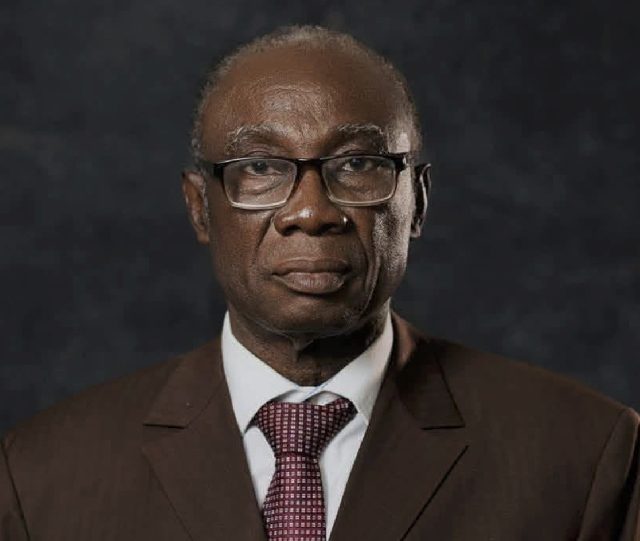
Former Power Minister, Dr Kwabena Donkor, has firmly rejected allegations linking him to the bribery scheme for which former Tema Oil Refinery (TOR) Managing Director and Goldman Sachs banker, Asante Kwaku Berko, was convicted in the United States. In a statement issued through his lawyers, Dr Donkor expressed surprise at the allegations circulating on social media, categorically denying ever asking for, demanding, or receiving any money from Mr Berko or any other person. His legal team stated that Dr Donkor had no knowledge of any payment requests made in his name and insisted he had never authorised anyone to seek money or personal benefits on his behalf. Dr Donkor did, however, confirm that he was the Minister responsible for Power during the period covered by the US case, when Ghana was negotiating the development of a power plant with Turkish energy company Aksa Enerji Uretim A.S. , referred to in the statement as ASKA Energy. These negotiations, his lawyers explained, took place at the height of Ghana’s electricity crisis, commonly known as “dumsor.” As part of the project’s due diligence, a technical delegation from relevant power-sector institutions travelled to Istanbul, Turkey, to inspect equipment for the proposed power project. Dr Donkor’s lawyers described this trip as a standard pre-shipment inspection, emphasizing that Dr Donkor did not meet with Mr Berko during the negotiations, and, in fact, has never met Mr Berko at all. The statement further stressed that Dr Donkor never discussed any personal payment or benefit with Mr Berko or anyone else in relation to the project. He asserted that if anyone sought money in his name, they did so without his knowledge or authority, and for their own benefit. Dr Donkor’s legal team also challenged the interpretation that references during the US trial to funds allegedly being sought for a “Senior Ghana Official” constituted evidence against him. They maintained that, based on Dr Donkor’s understanding, no evidence was presented at trial to show that he personally requested, received, or benefited from any payment in any currency or form. This statement comes days after a federal jury in Brooklyn, New York, convicted Mr Berko on August 6, 2026, for conspiring to pay, and paying, more than US$1 million in bribes to Ghanaian government officials to secure a power plant deal. The case involved allegations of illicit payments routed through the US financial system. Cautioning the public and media, Dr Donkor’s lawyers warned against publishing any allegations they consider defamatory or damaging to his reputation, promising swift legal action against any publication or statement that, in their view, wrongly impugns his integrity. They concluded by reiterating that the circulating allegations against their client are not supported by evidence presented during the US proceedings, as far as Dr Donkor is aware. Source: Apexnewsgh.com
EOCO Intensifies Probe into Ghanaian Angle of Asante Berko Bribery Case
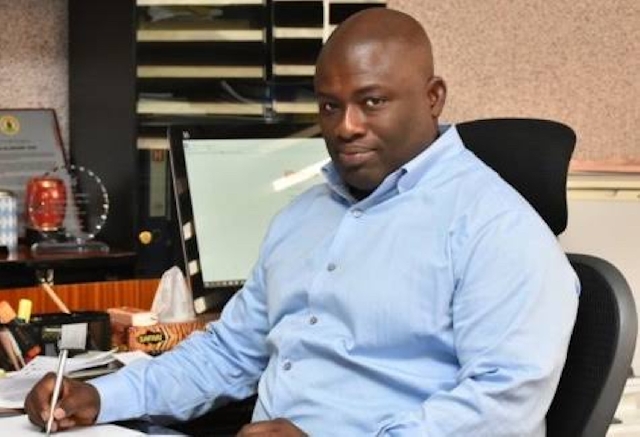
The Economic and Organised Crime Office (EOCO) has ramped up its investigation into the Ghanaian aspect of the high-profile bribery case involving former Tema Oil Refinery (TOR) Managing Director and Goldman Sachs banker, Asante Kwaku Berko. This intensified probe follows Berko’s recent conviction by a US federal jury over his involvement in a scheme that saw more than US$1 million in bribes allegedly paid to Ghanaian officials to facilitate the development and financing of a power plant. According to a statement issued by EOCO on Monday, August 10, the agency is now actively working to identify and trace funds, assets, and other financial benefits that may be linked to the alleged bribery scheme. The tracing and potential recovery of such assets, EOCO stated, is a central pillar of its Ghana-focused investigation. As part of its efforts, EOCO investigators will examine financial transactions, scrutinize individuals who may have benefited, and seek out assets acquired from or linked to suspected criminal activity. The Office noted that should any assets be found to have originated from unlawful conduct, they could be preserved and recovered, so long as the evidence and Ghanaian law permit. EOCO’s involvement dates back to 2025, after receiving a request from US authorities for information on persons in Ghana considered relevant to the bribery probe. That request specifically mentioned a former Minister of State and other public officials, broadening the scope of the investigation. Since then, EOCO has worked closely with the Attorney-General and the Ministry of Justice, tracking developments in the US case while pursuing leads on the Ghanaian side. In the wake of Berko’s conviction, the Attorney-General has moved swiftly to engage US authorities for the exchange of evidence and documents to bolster the ongoing investigation back home. Additionally, the Attorney-General has instructed EOCO to intensify its investigative efforts as more information becomes available through formal channels of international cooperation. Despite the gravity of Berko’s conviction, EOCO cautioned against assuming that criminal wrongdoing by others in Ghana is a foregone conclusion. The agency emphasized that each individual named in the evidence would be independently assessed on the basis of available evidence and in accordance with Ghanaian law. While EOCO has pledged to diligently follow the financial trail, it underscored its commitment to protecting sensitive investigative details to avoid jeopardizing ongoing inquiries or potential prosecutions. US prosecutors alleged that Asante Berko orchestrated the payment of over US$1 million in bribes to Ghanaian officials in connection with the power plant project, a scheme whose reverberations are now being thoroughly examined by Ghanaian anti-corruption authorities. Source: Apexnewsgh.com