
Education Minister Haruna Iddrisu Calls for Discipline and Peace in Schools During Upper East Visit
Education

Education Minister Haruna Iddrisu Calls for Discipline and Peace in Schools During Upper East Visit

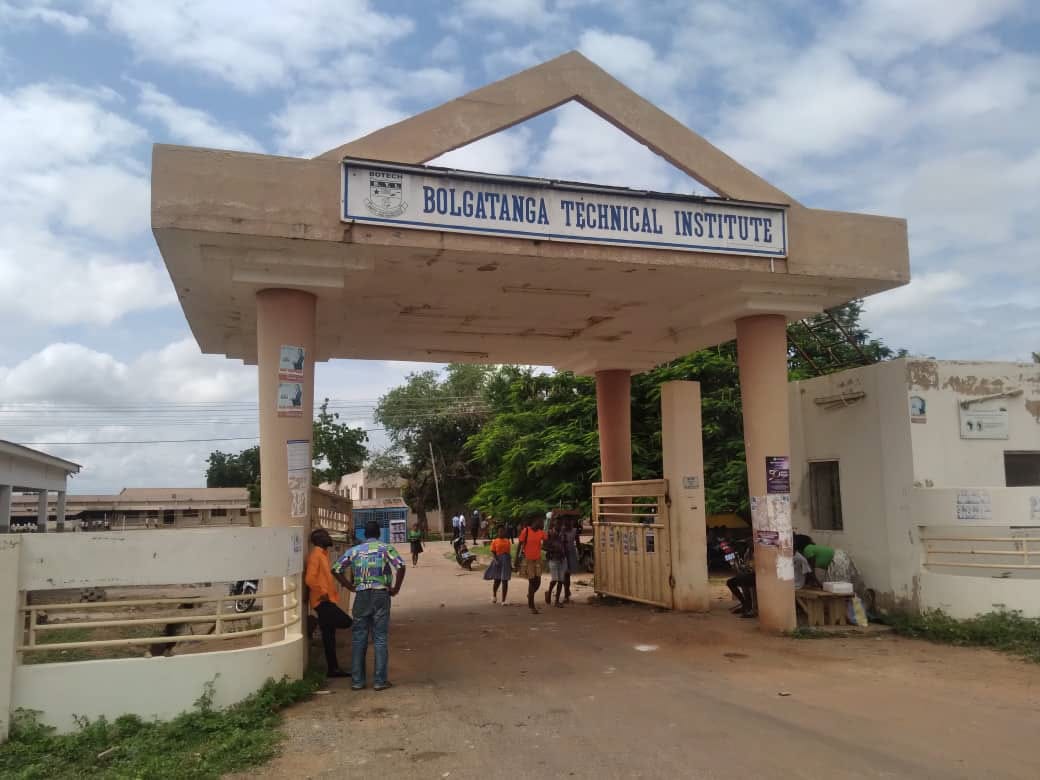
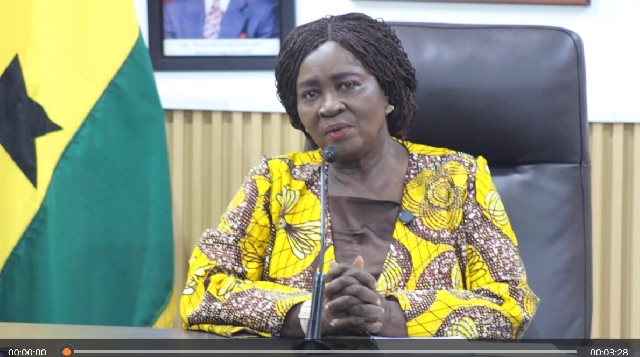
The Minister of Education, Mr. Haruna Iddrisu, has paid a working visit to schools in the Upper East Region to assess first-hand the challenges faced by teachers and the impact of the Bawku conflict on teaching and learning. Apexnewsgh reports His tour also took him to the Bolgatanga Technical Institute (Bolga Tech) where he inspected damages caused by recent student riots. Addressing stakeholders, Mr. Iddrisu expressed deep concern over the presence of security officers in educational institutions. “In the education space and in the learning environment, it is wrong, wrong, wrong to see men in uniform—whether military or police—on any campus. Education today is not just about literacy and numeracy, it’s about character molding and character building.” He warned that any compromise in shaping the values of tolerance, honesty, and integrity in young people would have far-reaching consequences for the nation’s future. “If polarization takes root in educational institutions, classrooms will remain silent and learning will be practically impossible. We will be denying these youngsters a secure, better future.” At Zamse Senior High/Technical School (ZAMSTEC), the Minister inspected uncompleted structures, including a teacher’s hostel, which he suggested could be converted into a girls’ dormitory once its structural integrity is confirmed. He emphasized the need for secured land and a protective wall for the school, assuring that such projects would receive priority attention. However, at Bolga Tech, Mr. Iddrisu was stern about the consequences of student indiscipline. “You go and fight and burn a library, then you turn around and say government should come and help you? I have asked that disciplinary actions be strictly enforced. Those culpable must be punished in accordance with the GES code of conduct.” He directed the school’s authorities to submit their final investigation report within seven days, stressing that justice must be swift and fair. “If children get it right at this age, they will get it right at age 60 or 80. If they miss the opportunity, the country misses the opportunity.” Looking ahead, the Minister reaffirmed government’s commitment under President Mahama’s agenda to inject massive investment into education in 2026. He announced a planned one billion cedi investment aimed at ending the double-track system, expanding infrastructure, rolling out a school connectivity program, and revolutionizing STEM education. Mr. Iddrisu also underscored the need to rebrand technical and vocational training in Ghana, not as an option for the less academically inclined, but as a strong pathway to skills and employment. On the issue of deploying armed security in schools, he was categorical: “No, I don’t support uniforms and glasses in schools. Why should you take a uniform? What do you want in this country, raising students to arms and uniforms? I’m sorry, that’s not acceptable. We’ll never allow that practice.” The Minister concluded by assuring that issues such as inadequate furniture would also be addressed, but insisted that discipline, peace, and values must remain at the heart of Ghana’s education system. Source: Apexnewsgh.com

Read More
Over 170,000 Students Benefit from No Fee Stress Policy, Says NUGS President
Education

Over 170,000 Students Benefit from No Fee Stress Policy, Says NUGS President

The President of the National Union of Ghana Students (NUGS), Daniel Korley Botchway, has announced that more than 170,000 students have so far benefited from the No Fee Stress Policy, a flagship initiative introduced by the Mahama-led administration. Mr. Botchway revealed that the policy has significantly eased the financial burden on parents and students, leading to improved access to education and fostering academic excellence across the country. He explained that the policy provides support for students in public tertiary institutions, including universities, colleges of education, and nursing training institutions. Despite the program’s success, Mr. Botchway acknowledged that some students are still awaiting their disbursements due to delays in the validation process. Highlighting the policy’s broader impact, Mr. Botchway noted that its second phase allows students to access loans, which are repayable two years after graduation. He praised the Ministry of Education and the sector minister, Haruna Iddrisu, for their dedication and support in implementing the policy. In related developments, Angel Carbonu, President of the National Association of Graduate Teachers (NAGRAT), commended Minister Haruna Iddrisu for his collaborative approach to educational reforms. Carbonu also disclosed that ongoing engagements with stakeholders are expected to see around 99 Senior High Schools removed from the double-track system soon. Furthermore, Irene Sam, Public Relations Officer of the National Council of Parent-Teacher Associations (PTA), applauded the minister for reintegrating PTAs into the school system. She emphasized that this move has strengthened school-community relations and reinforced the policy direction within the education sector. Source: Apexnewsgh.com

Read More
The Aggrieved Newly Posted Teachers Announce Demonstration Over Salary Delays
Education

The Aggrieved Newly Posted Teachers Announce Demonstration Over Salary Delays

The Newly Posted Teachers. Comprising graduates from Colleges of Education and universities, these teachers had devoted themselves to shaping the future of Ghana, only to find themselves trapped in a web of financial uncertainty. For twelve long months, the college-trained teachers had waited for their first salaries. Their colleagues from the universities had endured eight months of the same ordeal. The unpaid months had taken their toll, leaving the teachers struggling to pay rent, buy food, settle medical bills, and keep up with utility payments. The situation, described by many as “devastating,” had even claimed lives among their ranks. “Many of us can no longer pay our rent, which is overdue. We are unable to settle our utility bills, and even basic needs such as food and medical bills remain unmet,” lamented a member of the group. The pain in their voices underscored the gravity of their plight. At a press briefing held in Accra, the Lead Convener, Simon Kofi Nartey, made a heartfelt appeal to President Mahama. He urged the President to intervene and prompt the Ministry of Finance to release the long-awaited funds. “We know that His Excellency, John Dramani Mahama, is a listening president. We humbly call for his urgent intervention to ensure that the Ministry of Finance releases the necessary funds to pay our arrears and salaries without further delay,” Nartey stated. The teachers, united in their cause, have issued a stern warning: if their staff ID numbers are not issued, their salaries are not validated, and arrears are not paid by the end of September 2025, they will take to the principal streets of Accra in a massive demonstration. This protest, they say, will be their way of registering both their displeasure and the hardship they have endured for far too long. The fate of these teachers, and the future of those they teach, now hangs in the balance, awaiting a response from the nation’s leaders. Source: Apexnewsgh.com

Read More
The Institute for Liberty and Policy Innovation Welcomes Desmond Israel Esq. as Senior Policy Research Fellow
Education

The Institute for Liberty and Policy Innovation Welcomes Desmond Israel Esq. as Senior Policy Research Fellow

The Institute for Liberty and Policy Innovation (ILAPI) has ushered in a new era of thought leadership with the appointment of Desmond Israel Esq. as its Senior Policy Research Fellow. This strategic move underscores ILAPI’s growing influence in the fields of business regulation, cyberlaw, and digital governance, all in pursuit of a freer and more innovative society. Desmond Israel is no stranger to the intersection of law and technology. With over 20 years of experience as a legal tech strategist and cybersecurity expert, Israel brings a wealth of interdisciplinary expertise to ILAPI’s mission of fostering a prosperous and innovation-driven Africa. At ILAPI, he will spearhead the institute’s Business Regulatory and Cyberlaw Initiatives, setting the stage for transformative policy work. In his new role, Israel will: Lead policy research and analysis, offering critical insights on governance and institutional reform. Provide strategic advisory on AI governance, digital risk management, and frameworks that advance liberty. Oversee the implementation of ILAPI’s flagship projects, ensuring their impact across Africa. Mentor junior fellows and interns, nurturing the next generation of research and policy leaders. Israel’s appointment reflects ILAPI’s deep commitment to ethical innovation and digital sovereignty. Beyond his new role, Israel serves as Partner in the Cyberlaw & Technology Practice at AGNOS Legal Company, Founder & Lead Consultant at Information Security Architects Ltd (a Rapid7 Gold Partner), and Non-Executive Director (Cyber & Privacy Advisory) at Zerone AnalytiQs in British Columbia, Canada. His expertise covers data protection compliance, AI regulatory alignment, and enterprise IT governance. A recipient of the GW Law Merit Scholarship, Israel holds an LL.M. in National Security and Cybersecurity from The George Washington University Law School and is certified in CISSP, CIPM, CCT, and CC. Israel is a renowned keynote speaker at global conferences, known for bridging legal, technological, and human rights perspectives. He teaches Technology Law at GIMPA Law School and consults with the National Banking College to design board-level programs on cyber risk and AI strategy for financial institutions throughout Africa. His policy collaborations span notable organizations such as the Center for AI and Digital Policy in Washington, D.C., and the Internet Security Alliance in Virginia. ILAPI hails Israel’s appointment as a “significant step toward advancing freedom, ethical innovation, robust governance, and digital sovereignty in Africa and beyond.” Source: Apexnewsgh.com

Read More
Double-Track Debate: Dr. Yaw Osei Adutwum’s Office Rebuts Claims of Lowered Education Quality
Education, Opinion

Double-Track Debate: Dr. Yaw Osei Adutwum’s Office Rebuts Claims of Lowered Education Quality

The office of Dr. Yaw Osei Adutwum, former Minister of Education, has strongly refuted assertions by current Education Minister Haruna Iddrisu that the double-track system negatively impacted education quality in Ghana. Responding to the remarks made by Mr. Iddrisu at a media briefing in Accra on August 21, 2025, Dr. Adutwum’s spokesperson, Yaw Opoku Mensah, described the Minister’s claims as misleading and contradicted by data. During the briefing, Mr. Iddrisu had argued that the double-track policy reduced contact hours and compromised academic standards, announcing the formation of an 11-member committee to oversee its phase-out. Opoku Mensah, however, offered a different perspective. He explained that the double-track system, introduced in 2018 alongside the Free SHS policy, was a necessary emergency intervention to accommodate an unprecedented surge in student enrollment. Prior to its introduction, senior high schools had capacity for only 277,537 students—falling short by nearly 182,000 students against the expected 472,730. “The system prevented widespread exclusion, averting about 11.5 percent of students in the Northern sector and 35 percent in the Southern sector who would otherwise have missed out due to lack of space,” he said. Contrary to claims of compromised quality, Opoku Mensah stressed that the double-track system actually expanded access to top Category A schools for students from underprivileged backgrounds and increased annual contact hours from 1,080 to 1,134, while maintaining a 180-day instructional calendar. He highlighted that academic performance improved under the policy: WAEC records show over 60 percent of graduates gained admission to tertiary institutions during the double-track period. Additionally, Ghana produced the best WAEC candidates in West Africa for four consecutive years. He further noted that the double-track system was phased out in 2021, making way for the current transitional calendar. Opoku Mensah urged government officials to ground public discourse in facts rather than politicizing education policy interventions that expanded access and improved outcomes. Background The double-track and Free SHS policies were introduced in 2018 under President Nana Addo Dankwa Akufo-Addo, with Dr. Matthew Opoku Prempeh as Education Minister. Dr. Adutwum later managed the policy until its phase-out. The initiative aimed to expand access to senior high school education while addressing critical infrastructure deficits. Source: Apexnewsgh.com

Read More
WAEC Calls for Surveillance Cameras in Exam Halls to Curb Malpractice
Education

WAEC Calls for Surveillance Cameras in Exam Halls to Curb Malpractice

The West African Examinations Council (WAEC) is calling for bold new measures to protect the integrity of Ghana’s education system. Mr. John Kapi, Head of Public Affairs at WAEC, has appealed to the government to consider installing surveillance cameras in examination centres across the country, a move he believes is crucial in the ongoing fight against exam malpractice. In a recent media interview, Mr. Kapi acknowledged that WAEC has been working tirelessly to educate students and stakeholders about the dangers and consequences of cheating during exams. However, he noted that awareness campaigns alone are not enough. “Sensitisation alone is not enough. The installation of cameras in exam halls will serve as both a deterrent and a monitoring tool to curb malpractice,” he explained. Mr. Kapi warned that examination malpractice not only threatens the credibility of Ghana’s education system but also undermines the value of certificates issued by WAEC. He cautioned that failure to act decisively could have long-lasting consequences for the nation’s human resource development. He concluded by urging the government and all education stakeholders to provide WAEC with the necessary logistics and resources to enhance examination monitoring nationwide, ensuring that Ghana’s academic credentials remain respected and trusted both locally and internationally. Source: Apexnewsgh.com

Read More
No Fees Stress Programme Delivers Major Relief to Tertiary Students-Over 120,000 Reimbursed So Far
Education, Politics

No Fees Stress Programme Delivers Major Relief to Tertiary Students-Over 120,000 Reimbursed So Far

The government’s flagship ‘No Fees Stress’ programme is making waves across the nation’s tertiary institutions, bringing tangible relief to thousands of students burdened by the cost of higher education. In a recent update, the Minister in charge of Government Communications, Mr. Felix Ofosu Kwakye, shared the latest milestones of the initiative, painting a picture of significant progress and hope. As of the 7th August 2025 application deadline, the numbers tell a compelling story: a remarkable 207,087 applications poured in from students eager to benefit from the financial support. Of these, public tertiary institutions officially enrolled 178,745 students, forwarding their details for further processing. The next hurdle, validation, was met with determination. So far, 142,089 applicants have been successfully validated, clearing the way for reimbursement. Most notably, Mr. Ofosu Kwakye revealed that 120,222 students have already received reimbursement under the scheme, directly easing the financial pressures on their academic journeys. Source: Apexnewsgh.com

Read More
Ex-Government Spokesperson Urges GTEC to Focus on Unaccredited Religious Titles, Not Deputy Health Minister
Education

Ex-Government Spokesperson Urges GTEC to Focus on Unaccredited Religious Titles, Not Deputy Health Minister

Dr. Palgrave Boakye-Danquah, a former Government Spokesperson on Governance and Security, has urged the Ghana Tertiary Education Commission (GTEC) to redirect its scrutiny from Deputy Health Minister Dr. Grace Ayensu-Danquah and instead investigate the widespread use of unaccredited titles by religious bodies and individuals. Speaking to a media platform, August 19, Dr. Boakye-Danquah argued that GTEC’s focus on Dr. Ayensu-Danquah’s academic credentials was misplaced. He pointed out that many individuals, particularly within religious circles, use honorary and unaccredited titles without oversight. “GTEC should leave the Deputy Minister alone. I think that there are people who are using titles that they must pursue. From a religious background, I know that some people hold themselves with certain titles. GTEC is supposed to look at all institutions as they are,” he said. Dr. Boakye-Danquah highlighted the issue of some theological institutions in Ghana operating without proper accreditation, yet still issuing certificates and conferring titles. He urged GTEC to “turn their attention to the religious bodies—those that are using Reverend, Rev. Dr., etc., that are also not accredited,” suggesting that such action would help sanitise the system. His remarks come amid an ongoing dispute between GTEC and Dr. Grace Ayensu-Danquah, who is also the Member of Parliament for Essikadu-Ketan. GTEC has challenged her claim to the academic rank of professor and has cautioned her against presenting herself with the title. In a letter to the Chief of Staff, GTEC requested that Dr. Ayensu-Danquah provide proof of her professorial appointment by August 11, 2025. Dr. Ayensu-Danquah’s legal team, led by David K. Ametefe, responded on August 8, asserting that she was appointed Assistant Professor of Surgery by the University of Utah in the United States. The lawyers argued that GTEC had no authority to demand proof of an appointment made outside Ghana and warned that if the Commission did not withdraw its correspondence within 14 days, they would seek legal remedies to protect their client’s reputation. Source: Apexnewsgh.com

Read More
Bolgatanga Technical Institute Shut Down After Violent Student Protest
Education, Opinion

Bolgatanga Technical Institute Shut Down After Violent Student Protest

The Bolgatanga Technical Institute in Ghana’s Upper East Region has been closed down indefinitely following a violent student protest that erupted early Friday morning. The disturbance, which began around 12:30 am, resulted in six students being injured and several school properties destroyed by fire, including the library and the senior housemaster’s office. According to reports, the violence was sparked by the suspension of six students for misconduct. Their friends, in a show of solidarity, allegedly mobilized on Thursday night and launched an attack on the school in retaliation. The situation quickly escalated, with police and fire personnel rushing to the scene to restore calm and extinguish the blaze. The injured students were rushed to the Upper East Regional Hospital for treatment, while the Regional Security Council ordered the closure of the school to help de-escalate tensions and support ongoing investigations. Six students suspected to be behind the violence are currently wanted by the police. This is not the first time the Bolgatanga Technical Institute has experienced student unrest. In 2022, the school was temporarily shut down after students protested against strict invigilation during exams, vandalizing school properties and clashing with police. Similarly, in 2015, the school was closed down indefinitely after students rioted over the deplorable condition of the dormitory buildings. The Upper East Regional Minister, Stephen Yakubu, has called on the students to be disciplined and desist from taking the law into their own hands when they have grievances. The school’s principal has also appealed for calm, stating that the damages to the school and personal properties will be paid for by the students responsible. Source: Apexnewsgh.com

Read More
Schools Under Siege
Education

Schools Under Siege

By Mabel Darko Boateng  “Children must be safe and feel safe in school; only then can they truly learn.” — Arne Duncan (Former U.S. Secretary of Education, 2009 – 2016) Introduction Ghanaian schools, once regarded as safe havens for learning and discipline, now face an alarming wave of violence that threatens education at all levels. From Senior High Schools (SHSs) to universities, conflict, weapon possession, and serious fights have created fear and uncertainty for students, teachers, and communities. Incidents of School Violence In January 2025, clashes broke out between Accra Technical Centre and Kinbu Secondary Technical School, followed by a machete fight between Kumasi Technical Institute and Kumasi Anglican SHS. Again, February recorded a stabbing at Salaga SHS, where police recovered a pistol and ammunition, arresting 20 students. Also, Sokode SHS in the Volta Region was shut down after violent confrontations with residents. Tragedy struck Adventist SHS at Bantama in April, when second-year student Suzzy Pinamang suffered a permanent eye injury after a male classmate allegedly brought a gun to class and accidentally discharged it. In June, ethnic tensions at Nkwanta SHS in the Oti Region claimed three lives: two girls shot on their way home and a boy killed by a stray bullet in class. July brought a grim succession of incidents as Bawku SHS became a centre of tragedy when final-year student Hakim Kundima was fatally shot on campus. That same day, two students at Nalerigu SHS were killed in related shootings. While it can be said that these occurred in conflict areas, school violence is no longer confined to conflict zones. The month also saw a fatal stabbing over money at St Joseph Technical Institute, the killing of a Wa T.I. Ahmadiyya SHS student after a quarrel over an unwanted video, chaos at Zuarungu SHS over a stolen phone, and a viral video from Accra Academy showing students attacking a junior with a cutlass. The violence has also reached tertiary institutions. In February, Kwame Nkrumah University of Science and Technology was shaken by the suspected murder of final-year student Joana Deladem Yabani. A University of Energy and Natural Resources student survived a machete attack while returning from night classes in March. In contrast, gunmen killed one student and injured another at Gambaga College of Education. Also, in April, a first-year student at the University of Education, Winneba, died by suicide. Teachers have also become targets. Assaults on educators are increasing, with unions accusing authorities of inaction and advising members to withdraw services when threatened. When those entrusted with shaping young minds cannot feel safe, the foundation of education begins to crumble. Causes of School Violence The drivers of this surge in violence are complex: weak discipline enforcement, peer pressure, poor parental supervision, social media glorification of aggression, and easy access to illegal weapons. In troubled areas like Bawku, machetes, pangas, and guns have entered campuses.  Response by Authorities In Bawku and Nkwanta (Oti region), authorities closed all affected schools, evacuating students preparing for the West African Senior School Certificate Examination (WASSCE). The Small Arms Commission and Peace Council are working to curb the flow, while the GES and National School Inspectorate Authority have intensified code-of-conduct enforcement, inspections, and security agency collaboration. Education Minister Haruna Iddrisu’s July 2025 directive for urgent inspections and disciplinary action signalled official recognition of the crisis. Consequences of School Violence The cost is profound: lives lost, physical and psychological trauma, eroded trust between teachers and students, and disrupted academic activities. Beyond discipline issues, these attacks undermine education’s mission to provide safe, supportive spaces for growth and social cohesion. Closures and curfews derail exam preparation, while repeated exposure to violence leaves students traumatised, affecting attendance and performance. Way Forward Addressing this siege demands a comprehensive approach, stronger campus security, peer mediation, counselling, positive student leadership, and deeper parental and community involvement. Ethnic and communal disputes that spill into schools must be addressed at their roots. Securing campuses must be non-negotiable, with long-term measures like risk mapping, reinforced perimeters, and rapid-response systems. Alternative learning platforms, from radio lessons to safe temporary sites, should ensure education continues during crises (activating Education-in-Emergencies should be non-negotiable). Schools must also rebuild civic responsibility. Discipline should be firm but fair. Counselling services should be expanded, and teachers trained in trauma-informed care and conflict resolution. The justice system must act decisively; those who bring weapons to school or orchestrate attacks must face swift consequences. “Investigations are ongoing” will not save the next student. When impunity ends, deterrence begins. Conclusion Ghanaian schools are at a crossroads. Ending this siege requires not just soldiers at the gates, but a collective refusal by parents, chiefs, pastors, and policymakers to normalise violence. If we lose the classroom as a place of peace, we will lose more than exam results and the very citizens who can hold our democracy together. That is a price the nation cannot afford to pay. ***The writer is a Communications Associate with the Institute for Education Studies (IFEST_Ghana), an education think tank in Ghana.

Read More