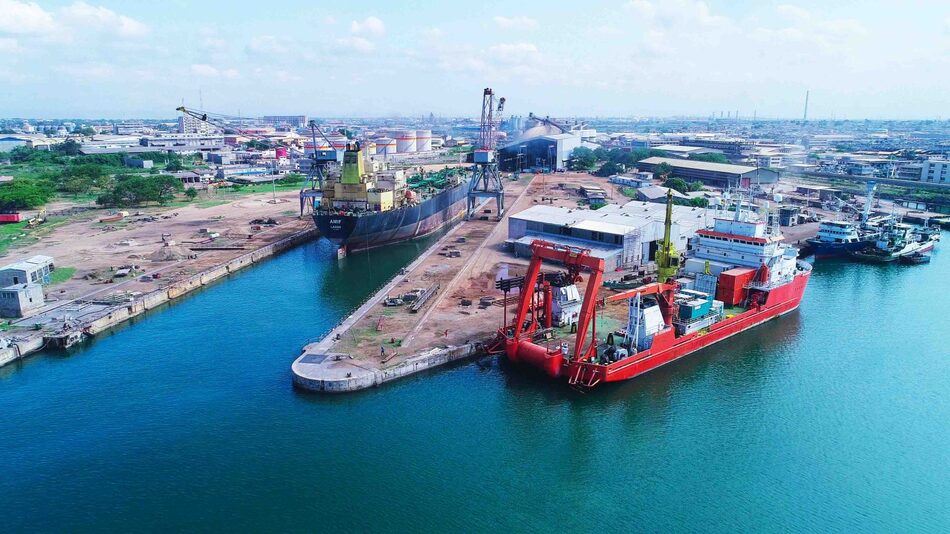
The Minister for Transport has announced that the Tema Shipyard, originally established by Osagyefo Dr. Kwame Nkrumah to repair, maintain, and overhaul ships, has been restored to full operation after being non-functional for many years After years of inactivity, the historic Tema Shipyard has roared back to life, marking a significant milestone for Ghana’s maritime sector. The announcement came from the Minister for Transport, who revealed the restoration of the facility at the Government Accountability Series in Accra on Wednesday, September 17. The revival of the shipyard, which was originally established by Osagyefo Dr. Kwame Nkrumah to repair, maintain, and overhaul ships, follows a directive from President John Dramani Mahama. This strategic intervention has transformed the once-dormant facility into a hub of renewed activity and innovation. As part of the comprehensive rehabilitation, the Shipyard has undergone several key upgrades: Dock 1’s main pump has been redesigned and reconstructed to improve docking times, Dock 2 has been reactivated for full operations, and the office facilities have been fully rehabilitated. These improvements have not only enhanced operational efficiency but have also created new employment opportunities for Ghanaians. In a move to further support the government’s 24-hour economy policy, the Shipyard has introduced a three-shift system, ensuring continuous operations and maximizing productivity. With these advancements, the Tema Shipyard is once again poised to play a vital role in Ghana’s economic development and maritime industry. Source: Apexnewsgh.com
MTN Ghana Hosts CSO Forum on Connectivity, Sustainability, and Digital Inclusion
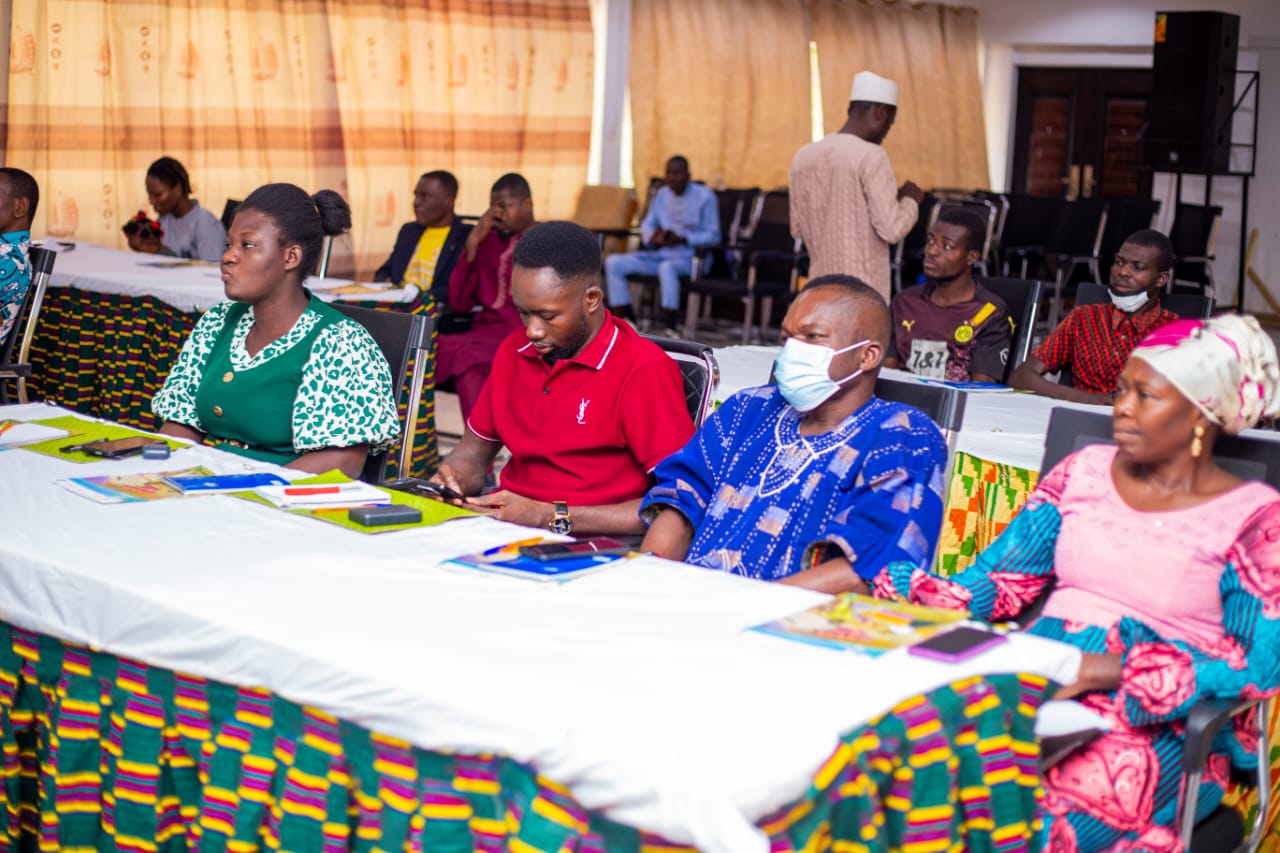
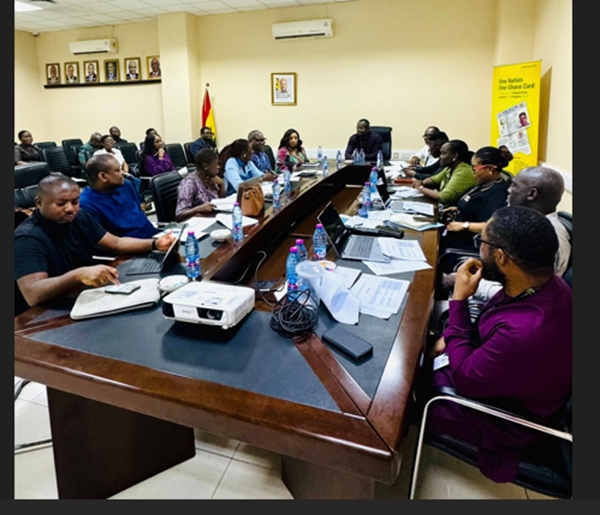
On Wednesday, September 10, 2025, MTN Ghana hosted selected representatives from Civil Society Organizations (CSOs) at its Head Office in Accra for a forum focused on connectivity, sustainability, and digital inclusion. The CSO Forum is part of MTN’s ongoing stakeholder engagement initiatives aimed at fostering transparency, gathering feedback, and strengthening partnerships that support the company’s ambition to lead digital solutions for Africa’s progress. In her opening remarks, Adwoa Wiafe, Chief Corporate Services and Sustainability Officer (CCSSO) of MTN Ghana, underscored the critical role of CSOs as partners in shaping policy and public discourse. She emphasized that as the telecom and digital sector evolves into what she described as the “sector of sectors,” MTN must continue to balance business growth with responsibility. Ms. Wiafe reiterated that sustainability lies at the core of MTN’s strategy, highlighting initiatives such as the ban on plastic bottles in MTN offices to reduce waste and protect the environment. She also noted the company’s progress in renewable energy adoption, pointing out that half of MTN Ghana’s energy needs are now met through green sources. Reuben Opata, Chief Technical Officer of MTN Ghana, delivered a detailed presentation on the evolution of mobile technology and the state of MTN’s network. He stressed the centrality of investment in delivering reliable connectivity. “You cannot deliver quality service without significant investment. MTN has invested over $1 billion in Ghana’s network because that’s what it takes to expand coverage and improve quality,” he said. Mr. Opata further explained that despite these substantial investments, challenges such as frequent fiber cuts continue to disrupt service delivery. “This year alone, MTN has spent about $22 million repairing fiber cuts. Without these repairs, communication simply stops — that’s how critical fiber is to Ghana’s connectivity,” he added. Mrs. Georgina Asare Fiagbenu, Senior Manager for Corporate Communications, reaffirmed MTN’s commitment to engaging stakeholders in advancing Ghana’s digital agenda. She also pledged to sustain open and transparent communication between CSOs and MTN to deepen collaboration and build trust. The discussions at the forum also addressed issues such as accessibility for persons with disabilities, customer experience, and the role of digital technology in driving economic growth. Participants welcomed the open dialogue and raised concerns around Mobile Money fraud, affordability, accessibility, and inclusivity, emphasizing the need for continued collaboration and highlighting areas where MTN could improve to better serve communities. Also present at the forum were Mr. Samuel Bartels, Senior Manager for Regulatory and Government Affairs, the Corporate Communications team, and other MTN Ghana staff. Source: Apexnewsgh.com
Deal is done to keep TikTok in the US, says Trump
A deal has been made between the US and China to keep TikTok running in the US, according to President Donald Trump. “We have a deal on TikTok, I’ve reached a deal with China, I’m going to speak to President Xi on Friday to confirm everything up,” Trump told reporters as he left the White House for a state visit to the UK. The social media platform, which is run by Chinese company ByteDance, was told it had to sell its US operations or risk being shut down. However, Trump has repeatedly delayed the ban since it was first announced in January. Later on Tuesday, he ordered the deadline extended again, until 16 December. The US president said a buyer will be announced soon. The Wall Street Journal reported that under a deal being negotiated between the US and China, TikTok’s U.S. business would be controlled by an investor consortium that would include tech company Oracle, private equity firm Silver Lake, and venture capital firm Andreessen Horowitz. In a new US entity created under the deal, US investors would hold a roughly 80% stake and Americans would dominate the board, with one member selected by the US government, according to the Journal, which cited people familiar with the matter. US users, meanwhile, would move to a new app, currently in the testing phase, that will have content-recommendation algorithms using technology licensed from ByteDance. TikTok’s algorithms are a top reason for the app’s success. Earlier, CNBC reported the deal would include a mix of current and new investors, and would be completed in the next 30 to 45 days. It also said Oracle would keep its existing agreement to host TikTok servers inside the US. That had been one of the main concerns of American lawmakers, over worries about data being shared with China. On Monday, a US trade delegation said it had reached a “framework” deal with China amid wider trade negotiations in Madrid. China confirmed a framework agreement but said no deal would be made at the expense of their firms’ interests. After the talks, Wang Jingtao, deputy head of China’s cyberspace administration, suggested in a press conference that the agreement included “licensing the algorithm and other intellectual property rights”. He added: “The Chinese government will, according to law, examine and approve relevant matters involving TikTok, such as the export of technology as well as the license use of intellectual property.” After initially calling for TikTok to be banned during his first term, Trump has reversed his stance on the popular video-sharing platform. In January, the US Supreme Court upheld a law, passed in April 2024, banning the app in the US unless its Chinese parent company ByteDance sold its US arm. The US Justice Department has said that because of its access to data on American users, TikTok poses “a national-security threat of immense depth and scale”. However, ByteDance has resisted a sale, maintaining its US operations are completely separate, and says no information is shared with the Chinese state. TikTok briefly went dark in January, but this lasted for less than a day before the initial ban was delayed. The deadline for a sale has since been extended four times, and the latest delay to the ban is due to end on 16 December. Source: BBC

Cedi’s Soaring Rally Cools as Market Pressures Weigh
After a stellar run earlier in the year, the Ghanaian cedi’s rise against the U.S. dollar has slowed dramatically, as fresh market pressures weigh on the local currency. According to the Bank of Ghana, the cedi had gained a remarkable 42.6% by June 2025, but by September, its year-to-date appreciation had halved to 21%. On the interbank market, the cedi traded at GH¢12.15 per dollar in September, a retreat from the currency’s strongest levels seen earlier in the year. The three months between June and September saw the cedi lose nearly 20% of its value, erasing much of the momentum that had briefly lifted it to the top of global currency charts. Performance against other major currencies was mixed. In September, the cedi strengthened 6.9% against the Euro, settling at GH¢14.23, and gained 11.8% against the British pound, trading at GH¢16.45. These gains, however, were less robust than June’s, when the cedi had surged 30.3% against the pound and 25.6% against the Euro. Looking ahead to the final quarter of the year, analysts point to import demand, remittance flows, and monetary policy moves as key factors in shaping the cedi’s future performance. Bank of Ghana Governor Dr. Johnson Asiama attributed the recent slowdown to seasonal trade pressures and weaker remittance inflows, but noted that the cedi remains among the world’s strongest currencies. “Despite the seasonal pressures and a slowdown in remittance inflows in recent weeks, the cedi remains one of the strongest currencies globally. Year-to-date, it has appreciated by about 21% as of September 12,” Dr. Asiama told reporters at the opening of the Monetary Policy Committee meeting on September 15. He added that the cedi’s performance is comparable to currencies like the Russian ruble, Swedish krona, Norwegian krone, Swiss franc, euro, and British pound. The Governor pledged that the central bank would continue to monitor the situation and intervene as needed to maintain currency stability. Source: Apexnewsgh.com
Ghana Signs $1.5 Billion Deal to Boost Oil and Gas Sector
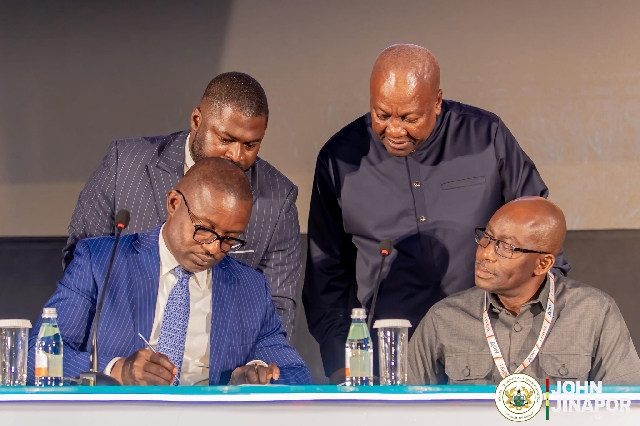
Ghana took a bold step toward securing its energy future this week, as the government signed a Memorandum of Intent with ENI, Vitol, and the Ghana National Petroleum Corporation (GNPC) for an ambitious $1.5 billion integrated strategic investment plan. The announcement, made during Africa Oil Week, signaled renewed confidence in Ghana’s upstream petroleum sector and the nation’s broader economic prospects. The Minister for Energy and Green Transition, John Jinapor, highlighted that the new investment would do more than just increase oil and gas production. “This is not just a figure on paper; it is a commitment to job creation, infrastructure development, and the long-term stability of our energy sector,” he said, underscoring the far-reaching impact of the deal. President John Dramani Mahama has long championed policies that foster an investment-friendly business climate while ensuring Ghana’s interests are protected. In line with this vision, the government recently introduced the Gas-to-Power Policy, a strategic initiative to harness Ghana’s abundant natural gas resources for electricity generation. This policy aims to boost energy security, reduce reliance on imported fossil fuels, and pave the way for sustainable development. Minister Jinapor further stressed the government’s determination to “reset” the upstream petroleum sector, addressing the decline in oil production recorded in recent years. The $1.5 billion agreement is expected to drive infrastructure growth and serve as a catalyst for Ghana’s energy transition and industrialisation agenda. As the ink dries on this landmark deal, optimism runs high that Ghana’s energy sector is poised for a new era of growth and innovation. Source: Apexnewsgh.com
MASLOC to Publish Names of Loan Defaulters After Final Warning
The Microfinance and Small Loans Centre (MASLOC) has issued a stern ultimatum to individuals, groups, and institutions with outstanding loan repayments, urging them to settle their debts by September 30, 2025. In a public notice released on September 15, MASLOC warned that it will publish the names of all defaulters in newspapers, on radio, and television if repayments are not made by the deadline. The Centre cautioned that failure to comply would result in strict enforcement actions, including legal recovery proceedings and restrictions on future access to financial support. “MASLOC funds are public resources meant to support the growth of small businesses across Ghana. Abuse or neglect of repayment obligations undermines this national effort and will be met with firm corrective measures,” the statement read. MASLOC management reiterated its commitment to accountability and the protection of state resources, urging all beneficiaries to act responsibly and fulfil their repayment obligations to sustain the programme’s impact. Source: Apexnewsgh.com
Foreign Affairs Ministry Launches Major Reforms to Reset Ghana’s Diplomacy and Accountability
The Ministry of Foreign Affairs has unveiled two sweeping policy initiatives aimed at reshaping Ghana’s diplomatic operations, eliminating waste, and strengthening accountability. Foreign Affairs Minister Samuel Okudzeto Ablakwa announced the reforms during the ministry’s performance report at the Government Accountability Series in Accra. STRIDE: Ending Rent Dependence Abroad The first initiative, STRIDE (Strategic Transition from Renting to Infrastructure Development), targets Ghana’s costly reliance on renting office spaces for its diplomatic missions overseas. With the country currently spending an estimated US$15 million annually on rent, Minister Ablakwa described the practice as unsustainable, especially since Ghana owns donated lands in 23 countries. “Ghana cannot continue to spend millions of taxpayer dollars on rent while owning donated lands in 23 countries,” Ablakwa said. Under STRIDE, the government will embark on constructing permanent chancery and residential facilities for embassies and high commissions. An open architectural design competition for the new “Ghana House” has been launched, with the aim of ensuring future diplomatic buildings embody Ghanaian culture, meet green standards, and become iconic representations of national identity. ORAL: Recovering Looted State Assets The second flagship initiative is the reinforcement of Operation Recover All Loot (ORAL), a key component of President John Mahama’s Reset Agenda. Ablakwa reported that the ministry, under ORAL, has already reclaimed lands at Airport Residential Area previously sold off, halted the illegal sale of diplomatic property in Lagos, Nigeria, cancelled a $3.5 million improperly awarded contract for the Abidjan Embassy, and created a comprehensive asset register to monitor all properties. Ablakwa emphasized that no contract under his leadership has been awarded through sole-sourcing, underscoring a commitment to competitive procurement processes. “Accountability and value for money are non-negotiable. Every cedi must serve the Ghanaian people,” he asserted. Resetting Ghana’s Diplomacy Together, STRIDE and ORAL represent what the Minister described as a “reset in Ghana’s diplomacy”—a bold shift toward fiscal prudence, anti-corruption measures, and projecting Ghana’s image with dignity on the global stage. “These policies will not only save Ghana millions but also restore confidence in the integrity of our foreign policy operations,” Ablakwa concluded. Source: Apexnewsgh.com
U.S. Customs Officials Intercept Stolen Bulldozer Bound for Ghana at Port of Baltimore
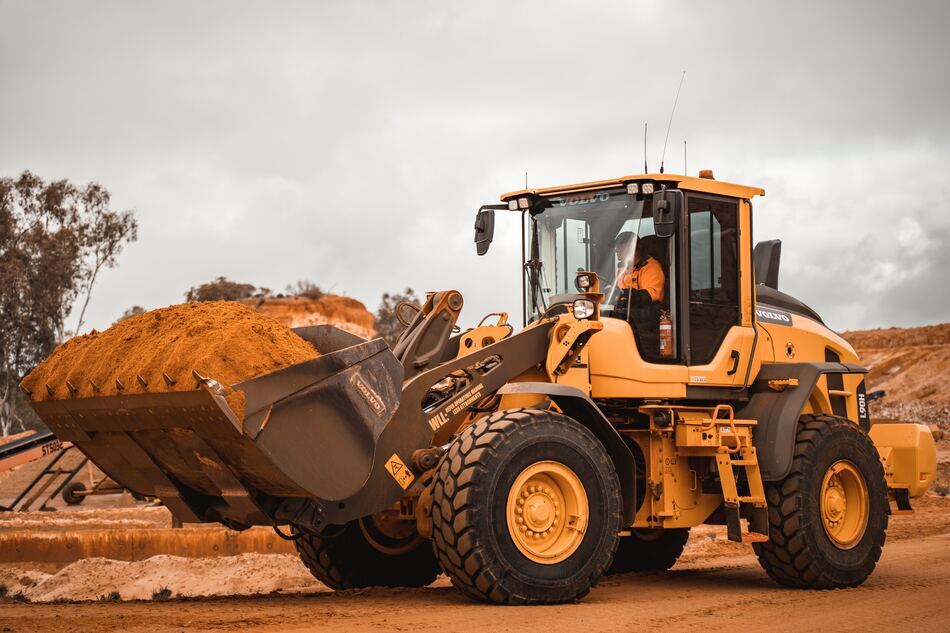
United States Customs and Border Protection (CBP) officials in Baltimore have intercepted a stolen bulldozer that was being shipped to Ghana. The discovery was made on September 3, 2025, during a routine inspection at the Port of Baltimore. CBP officers examined a 2015 Caterpillar D8T Dozer, valued at $237,000, and found that its vehicle identification number matched an active theft report filed in Carroll County, Maryland. The bulldozer was immediately seized as evidence. Authorities have launched an investigation to identify those responsible for the attempted export of the stolen equipment. CBP officials highlighted that the interception underscores the agency’s critical role in protecting U.S. exports and combating the international trafficking of stolen goods. Source: Apexnewsgh.com
Ghana’s High Commission in London to Begin Ghanacard Registration for UK and Ireland Residents
Ghanaians living in the United Kingdom and Ireland will soon be able to register for their Ghanacards at the Ghana Embassy in London, thanks to a new initiative announced by Ghana’s High Commissioner to the UK, Sabah Zita Benson. The announcement comes after Madam Benson’s recent working visit to the National Identification Authority (NIA) headquarters in Accra, where she met with the NIA’s Executive Secretary, Mr. Yayra Koku, and his team. The purpose of the meeting was to finalize a partnership that would extend the Ghanacard registration process to the Ghanaian diaspora in the UK and Ireland. According to Madam Benson, the new process has been designed to be simple and accessible. Applicants will need to complete just three steps: Fill out an online application form. Attend an online interview with the NIA team to verify their Ghanaian nationality. Visit the Ghana Embassy in London to complete their biometric capture and receive their Ghanacard. In addition to the embassy-based registration, Madam Benson revealed that plans are underway to introduce mobile registration services. These mobile units will travel to other cities across the UK and Ireland, making it easier for Ghanaians living outside London to participate in the registration exercise. “Commencement date shall be announced soon once all arrangements are complete. Thank you, Yayra. I look forward to a successful collaboration between your Authority and our Mission,” Madam Benson expressed after the meeting. This new initiative is expected to significantly improve access to the Ghanacard, which serves as Ghana’s primary identification document, for Ghanaians living abroad. Source: Apexnewsgh.com
GPRTU and Transport Operators Issue One-Week Ultimatum to Spare Parts Dealers Over Soaring Prices
The Ghana Private Road Transport Union (GPRTU) of TUC, together with allied commercial transport operators, has given spare parts dealers a one-week ultimatum to immediately reduce the prices of vehicle parts. In a strongly worded statement jointly signed by Alhaji Abass Ibrahim Moro, the transport operators described the current cost of spare parts as “unreasonable, unacceptable, and unsustainable,” warning that the escalating prices were crippling their businesses. The operators explained that previous discussions with spare parts dealers had failed to produce any meaningful results, despite repeated assurances that prices would be reviewed. “We cannot continue to operate with such high costs, and immediate action must be taken to reduce prices,” the statement emphasized. Frustrated by the lack of progress, the transport operators warned that if prices were not reduced within the one-week window, they would be compelled to seek alternative suppliers, including foreign nationals, who might offer more competitive rates. This ultimatum highlights the growing discontent within Ghana’s transport sector, which is already grappling with rising fuel prices, increasing maintenance expenses, and declining passenger numbers. As of now, spare parts dealers have yet to issue an official response to the demands. Source: Apexnewsgh.com