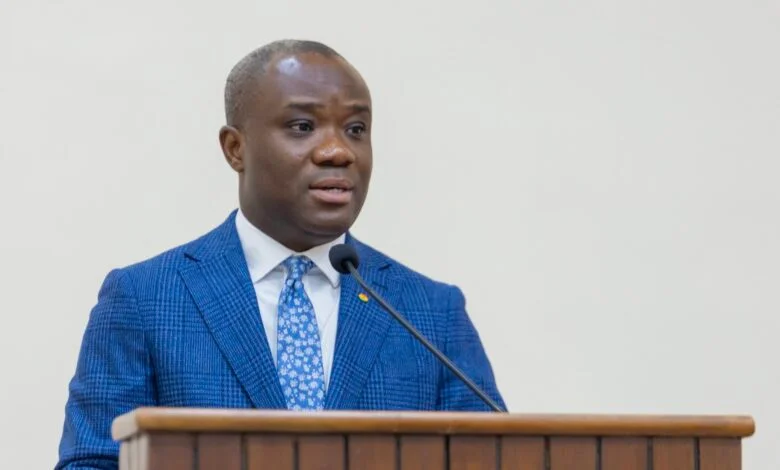

President John Dramani Mahama has voiced serious concerns regarding delays and mismanagement in the construction of the Ofankor-Nsawam dual carriage road, a crucial arterial route linking Accra and the country’s western regions. During a recent inspection of the project site, President Mahama emphasized the importance of proper site management to ensure that traffic could continue to flow smoothly even as construction progressed. He questioned why the initial loan allocated for the road had been exhausted before the project’s completion, a situation that forced the government to inject an additional GHS78 million of its own funds. The president demanded clarity on whether the issue stemmed from poor estimation or mismanagement. Addressing the financial aspects, President Mahama announced that the Ofankor-Nsawam road project would now fall under the government’s Big Push Programme, which has earmarked GHS14 billion for infrastructure this year and GHS30 billion next year. He assured contractors of steady funding but urged them to accelerate their work and use quality materials to deliver a durable road that would serve the nation for years. Chief Resident Engineer for the project, Kwabena Bempong, responded to the president’s concerns by assuring him that construction would be completed by the second quarter of 2026. As work continues, all eyes are on the Ofankor-Nsawam road, a vital link whose timely completion is seen as essential for Ghana’s economic growth and daily commuters alike. Source: Apexnewsgh.com

Government to Launch Solar-Powered Irrigation Pumps to Boost Agriculture
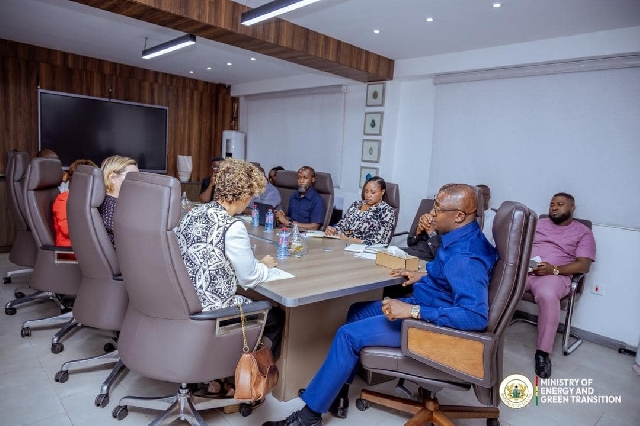
At the seventh meeting of the International Solar Alliance (ISA) regional committee for Africa, Ghana’s Minister for Energy and Green Transition, John Jinapor, unveiled an ambitious plan to roll out solar-powered irrigation pumps nationwide. Addressing the media, Jinapor explained that this initiative aims to reduce the nation’s reliance on rain-fed farming and build greater resilience among farmers. “I have had very good fruitful discussions with the Director General [of the International Solar Alliance], and immediately, what we want to set forth is to work to deploy solar irrigation pumps across the country,” he said. He highlighted the urgency for such a solution: “For some part of the country, for close to like six months during the dry season, because our farmers depend on rain-fed agriculture, they virtually have nothing to do.” Jinapor pointed to India’s successful implementation of solar irrigation and noted Ghana’s intention to follow suit. “They have agreed that they will work and collaborate with us so that we can install these solar pumps. By installing these solar pumps, what will happen is that Ghanaians will be able to engage in productive all year round. We have signed some MoUs,” he added. The meeting also featured a major announcement from the International Solar Alliance’s Director-General, Ashish Khanna, who revealed a $200 million funding facility to accelerate solar adoption across Africa. “We were proud and privileged to have 19 ministers from African countries and 39 countries represented. They heard and ratified the strategy of the International Solar Alliance of moving from ambition to action by having the support of an African solar facility, which is a catalytic finance of $200 million, with the first $75 million to be operationalized before the end of 2025,” Khanna said. This facility is expected to leverage more than $800 million in investments for decentralized renewable energy in Africa, with the first fund set to launch in Nigeria. The Ministerial Session on the African Solar Facility (ASF) focused on mobilizing domestic finance and attracting private capital to scale up solar deployment. Ministers and partners emphasized the need for transparent procurement, secure payment systems, and targeted equity support to ensure the bankability and sustainability of solar projects. The session concluded that the ASF will serve as a key instrument for scalable, sustainable, and bankable solar projects, advancing ISA’s goal of action-oriented, country-led implementation to transform Africa’s energy landscape. Source: Apexnewsgh.com
MTN Ghana Plans Careful Transition Away from 2G and 3G Networks
The spotlight fell on a critical topic for millions of mobile users: the future of Ghana’s mobile networks. Stephen Blewett, CEO of telecommunications giant MTN Ghana, addressed the press with a message of reassurance and foresight. “We are not rushing,” Blewett told reporters. “Many of our valued customers still rely on 2G and 3G services, and we understand their concerns.” He explained that while 4G coverage is extensive, the transition requires sensitivity. Some subscribers, Blewett noted, intentionally stick with 3G to better control their data usage. Others simply do not own devices that support the newer, faster network. “A lot of our customers are still operating on 3G. Even though 4G is widely available, some choose to stay on 3G because they feel data usage is faster on 4G. Others, however, use older devices that don’t support 4G,” he said. Blewett emphasized that while MTN is committed to making the most of its network spectrum and will eventually phase out 2G and 3G, the company is determined to do so responsibly. “If we push to shut down 2G and 3G without ensuring customers have affordable 4G devices, we risk leaving people behind.” With this cautious approach, MTN Ghana intends to give customers ample time and support to make the switch, ensuring no one is left disconnected as technology advances. Source: Apexnewsgh.com
Ghana’s Inflation Hits Four-Year Low as Prices Ease Nationwide
Ghana’s headline inflation continued its downward trajectory in August 2025, falling to 11.5% from 12.1% in July, according to the latest report from the Ghana Statistical Service (GSS). This marks the eighth consecutive month of declining inflation, bringing the rate below the government’s end-of-year target of 11.9%, a sign of strengthening price stability. The 11.5% reading is the lowest inflation rate recorded in nearly four years. Notably, overall prices fell by 1.3% on a month-to-month basis, providing much-needed relief for households grappling with prolonged cost-of-living pressures. Delivering the update on Wednesday, September 3, 2025, Government Statistician Dr. Alhassan Iddrisu highlighted that food inflation eased to 14.8% in August from 15.1% in July, with food prices declining by 2.5% during the month. Non-food inflation also moderated, dropping to 8.7% from 9.5% in July, while non-food prices slipped by 0.1%. Goods inflation fell to 13.9% from 14.2% the previous month, with the overall price of goods registering a 1.6% decrease. Imported inflation slowed more rapidly than locally produced goods, buoyed by a stronger Cedi and easing global price pressures. Despite the encouraging national figures, inflation rates varied significantly across regions due to differences in supply chains, transportation costs, and local economic dynamics. Analysts caution that such disparities require careful monitoring to ensure that all parts of the country benefit equally from the disinflation trend. The sustained slide in inflation is expected to bolster public confidence in the government’s economic management. However, experts note that continued vigilance is necessary, with concerns about economic growth and job creation still lingering on the horizon. Source: Apexnewsgh.com
Fuel Prices Adjusted as OMCs Respond to Market Pressures in September
Some Oil Marketing Companies (OMCs) have begun revising fuel prices in line with industry projections for September, reflecting a dynamic market shaped by exchange rate pressures and supply challenges. At Goil, petrol is now selling at GH¢12.90 per litre, a slight increase from GH¢12.88, while diesel has dropped to GH¢13.90 from GH¢14.30. Shell, however, has raised its petrol price more sharply, with a new rate of GH¢13.59 per litre, up from the previous GH¢12.89. In contrast, market leader Star Oil is holding its current prices steady until September 15, 2025, with petrol at GH¢12.77 per litre and diesel at GH¢13.35. The Chamber of Oil Marketing Companies (COMC) had earlier projected price hikes for petroleum products from September 1, largely due to the Ghana cedi’s recent slide against the US dollar. Petrol was expected to rise by between 3.86% and 5.40% per litre, with a possible ceiling of GH¢13.67. Diesel was forecast to climb by 3.39% to about GH¢14.35 per litre, and LPG by 4.57% per kilogram. The Ghana cedi’s depreciation—from GH¢10.71 to GH¢11.20 in just one month, a 3.98% drop—was identified as the sharpest so far this year and the main factor behind the upward price adjustments. This has come despite a drop in international market prices for petroleum products, with petrol falling by 0.45%, diesel by 3.73%, and LPG by 1.73%. Industry stakeholders have also noted the impact of a recent one-cedi levy on petroleum products and ongoing supply shortfalls, particularly for petrol, which have added to pricing pressures. As the market continues to respond to these complex factors, consumers are watching closely to see how prices will evolve in the coming weeks. Source: Apexnewsgh.com
DVLA Sets Ambitious Revenue Target of GHS 1.03 Billion by 2026
The Driver and Vehicle Licensing Authority (DVLA) has set its sights on a bold new revenue target of GHS 1.03 billion by the end of 2026, aiming for a remarkable 60% growth from the current GHS 649 million. The announcement came at the Authority’s 2025 Mid-Year Review Conference, where DVLA Board Chairman George Spencer Quaye rallied staff to embrace excellence and accountability in their work. “The DVLA is more than an Authority; it is a custodian of life, a guardian of order, and a driver of national development. Let us not just manage transport — let us redefine it,” Mr. Quaye declared, inspiring the audience to see the Authority’s mission in broader, transformative terms. He delivered a stern warning against financial malpractice, emphasizing that “corruption will not be tolerated. Every cedi due the Republic must enter the national coffers.” The event brought together key figures, including Deputy Minister of Transport Dorcas Affo-Toffey, members of the DVLA Board, Chief Executive Julius Neequaye Kotey, his deputies, management, and staff. Mr. Quaye expressed gratitude to all stakeholders for their ongoing dedication and urged them to work collectively to achieve the new target, describing it as a bold step toward redefining transport administration in Ghana. Source: Apexnewsgh.com
The Governor of the Bank of Ghana Raises Alarm Over Smuggling of Foreign Currency
The Governor of the Bank of Ghana (BoG), Dr. Johnson Asiama, has sounded a strong warning about the rampant smuggling of large sums of foreign currency out of the country, a development he described as a serious economic threat and a major hindrance in Ghana’s fight against money laundering. Dr. Asiama revealed that recent intelligence reports have uncovered shocking instances: individuals carrying over a million dollars in cash out of Ghana without any declaration. “People are carrying over a million dollars just out of Ghana without declaring these; those are leakages,” he stated. Dr. Asiama emphasized that the Bank of Ghana, in collaboration with the Ghana Revenue Authority (GRA) and other agencies, is now stepping up efforts to trace such funds, verify their sources, and ensure that regulations on currency declarations are strictly enforced. “That’s critical for our anti-money laundering fight,” he stressed. To address these challenges, Dr. Asiama explained that the central bank has issued new market directives aimed at closing existing loopholes and boosting the efficiency of Ghana’s financial system. “We are redefining the framework within which the market has to work. These are things we should have been enforcing earlier, but given the context, we now see the need to set clear boundaries so that the markets can function properly,” he explained. Brushing aside criticisms that the BoG’s actions are excessive, the Governor likened the new regulations to setting fair ground rules for a football match: “There’s a context within which the game has to be played, and that’s exactly what we are doing.” Dr. Asiama also addressed the controversial notice on large cash withdrawals, revealing that central bank investigations had uncovered questionable practices among some corporations. “Imagine a corporation wanting to withdraw $10 million over the counter. Their payments are abroad, and they don’t carry physical cash to settle anything. So we said no, such corporations must operate differently,” he said. For individuals, however, Dr. Asiama assured the public that small withdrawals would not be affected. “If you need $100 or $200 for personal use, you can negotiate with your bank. You have the choice of taking the cash, paying a commission, or converting it into cedis,” he clarified. Highlighting the collaborative approach, Dr. Asiama noted that the central bank had worked closely with commercial banks before rolling out the new directives. “We met with the CEOs of banks several times, took on board their feedback, and issued the notices with their input. That’s why the banks are not complaining—they were part of the process,” he said. Dr. Asiama expressed confidence that these new measures will foster accountability, protect the nation’s economy, and reinforce Ghana’s anti-money laundering regime. Source: Apexnewsgh.com
Government Moves to Terminate and Re-Award Pwalugu Dam Contract to Address Flooding
The Minister of Food and Agriculture, Eric Opoku, has revealed that the Attorney General has been instructed to initiate processes for terminating the current Pwalugu Multipurpose Dam contract, paving the way for its re-award and eventual construction. Mr. Opoku explained that this decisive move underscores the government’s determination to find a lasting solution to the recurring floods caused by the annual spillage of the Bagre Dam in Burkina Faso. For years, communities in the Upper East and North East Regions have suffered severe consequences from the spillage, with farmlands, homes, and livestock routinely destroyed, leaving farmers devastated and threatening local food production. Speaking to journalists in Accra on Friday, August 29, Mr. Opoku emphasized that the John Mahama-led administration remains firmly committed to completing the Pwalugu Dam project, describing it as a critical step toward protecting farmers’ livelihoods and strengthening food security across the country. “What we are doing is that we have asked the AG to initiate the processes for the termination of the contract, re-award the contract, and the president is committed to ensuring that the Pwalugu dam is constructed,” he said. “When that is done, it will block the effect of the spillage on our people. In the meantime, we have cautioned our people on the spillage, and we are educating them on how to manage the effects as we prepare to go into that construction.” Source: Apexnewsgh.com
GIPC CEO Reassures Investors of Ghana’s Stable Business Environment
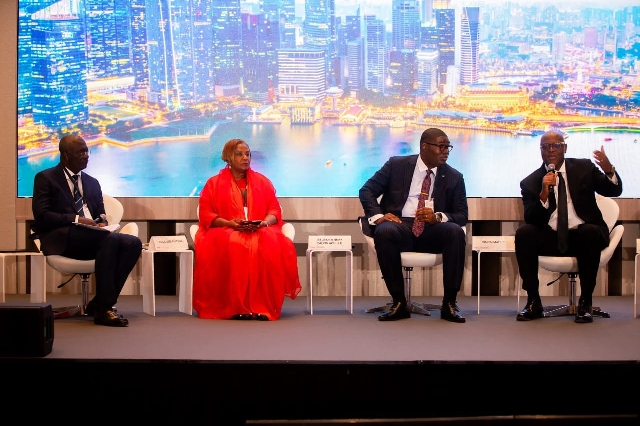
The Chief Executive Officer of the Ghana Investment Promotion Centre (GIPC), Mr. Simon Madjie (Esq.), has given investors firm assurances that Ghana remains a secure and predictable destination for business. Addressing participants at the Africa Singapore Business Forum, Mr. Madjie highlighted Ghana’s robust legal and institutional framework, pointing to mechanisms such as the Arbitration Act, the Tax Appeals Board, and the Commercial Court, all of which ensure commercial disputes are resolved fairly and efficiently. He further noted that government policy is now focused on driving long-term economic growth, with President John Mahama’s flagship 24-hour economy initiative at the forefront. This policy encourages companies, especially those in priority sectors, to operate around the clock through multiple shifts, aiming to increase productivity, create jobs, and enhance Ghana’s competitiveness across the region. Mr. Madjie also highlighted the administration’s Big Push Agenda, a comprehensive infrastructure initiative aimed at enhancing transportation, energy, and digital connectivity. The programme is designed to attract both public and private investment, supporting the country’s broader industrialization goals. According to Mr. Madjie, these initiatives will unlock new investment opportunities in fields such as manufacturing, agribusiness, technology, and clean energy. He concluded by reaffirming that Ghana’s political stability, improving macroeconomic environment, and dynamic youth workforce make the country an increasingly attractive destination for investors looking to expand in Africa. Source: Apexnewsgh.com
Ghana Gas Refutes Claims of Unsuccessful Atuabo Plant Shutdown, Affirms Operational Status
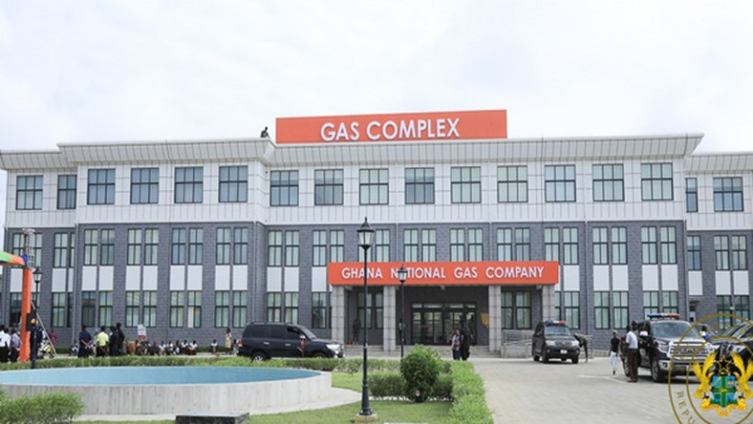
Ghana National Gas Limited Company (Ghana Gas) has categorically dismissed reports alleging that its recent maintenance shutdown at the Atuabo Gas Processing Plant (GPP) was unsuccessful and that the facility remains offline. In a statement signed by Head of Corporate Affairs, Richard Ernest Kirk-Mensah, Ghana Gas labelled the allegations, which originated from a Facebook post by the NPP MP for Oforikrom, as false and misleading. Ghana Gas clarified that the maintenance exercise was completed ahead of schedule, adhering strictly to international safety and operational standards. The company reported that the plant was restarted on August 27, 2025, and has since been supplying gas to major downstream consumers without interruption. The maintenance shutdown, according to the company, involved essential tasks such as calibration of safety systems, an overhaul of the main transmission compressor, servicing of the heat medium system, and replacement of system fluids as recommended by the Original Equipment Manufacturer (OEM). Unlike previous shutdowns, which have taken at least 14 days for restart, this year’s exercise achieved an impressive five-day turnaround, a feat Ghana Gas attributes to improved planning, efficiency, and technical expertise. Both the Chief Executive Officer and Deputy Chief Executive in charge of Technical and Operations participated in the process and commended the technical team for their diligence, reaffirming the company’s commitment to energy security and operational excellence. Ghana Gas assured stakeholders and the general public that the Atuabo GPP remains in optimal condition, providing a reliable gas supply to power producers and industries, thus safeguarding national energy stability. The company also urged media outlets and commentators to verify information from official sources before publication, warning that unsubstantiated claims could mislead the public and cause unnecessary concern. Source: Apexnewsgh.com