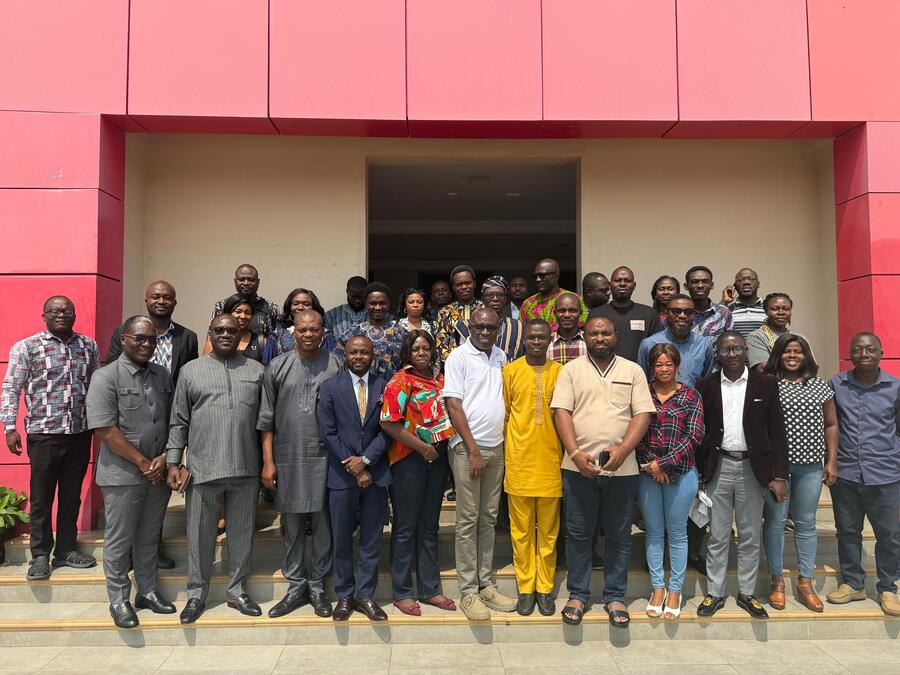
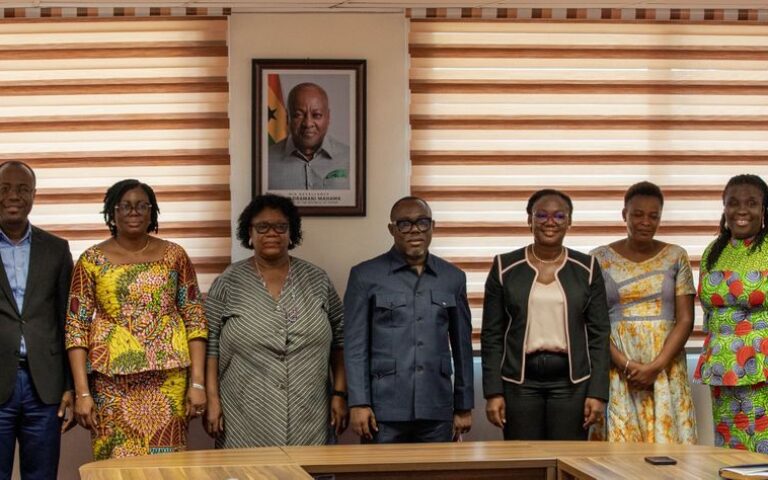
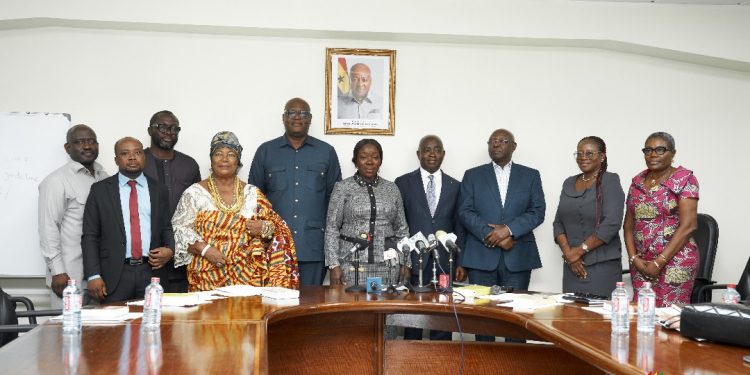
The Bank of Ghana (BoG), in collaboration with the Ghana Journalists Association (GJA), organized a landmark media engagement workshop on Non-Interest Banking and Finance (NIBF) . Apexnewsgh reports The initiative held in Koforidua from July 18 to 20, 2025, aimed at enhancing media understanding of NIBF as a tool for ethical, inclusive, and sustainable financial development in Ghana. Speaking on behalf of the Governor, Dr. Johnson P. Asiama, the Director of Banking Supervision Department, Mr. Ismail Adam, reiterated the Bank’s commitment to creating a robust legal and institutional framework for implementing non-interest banking. “This workshop is part of BoG’s broader stakeholder engagement strategy to equip the media to lead public education efforts,” Mr. Adam said. Non-Interest Banking, also known as Islamic or Participatory Banking, operates on profit-and-loss sharing principles and prohibits interest-based or unethical transactions such as gambling and speculative investments. It is open to all Ghanaians, regardless of religion, and complements conventional banking. With global NIBF assets surpassing USD 5 trillion in 2024, Mr. Adam stressed its growing influence in both Muslim and secular economies. He noted that NIBF supports key goals of the UN Sustainable Development Goals (SDGs), particularly reducing inequality, promoting decent work, and financing infrastructure projects through ethical means. Participants, including media practitioners, were sensitized on the fundamentals of Islamic finance, its role in financial inclusion, risk-sharing, and sustainable development. They were also urged to demystify misconceptions such as that Islamic banking is solely religious or a threat to conventional banking and instead promote its benefits for SMEs, trade, and Ghana’s 24-hour economy. Special commendation was given to Prof. John Gartchie Gatsi, Advisor to the Governor on NIBF, for his leadership in spearheading the initiative. The BoG emphasized its inclusive approach—bringing on board Christians and Muslims alike—to build a financial system that is representative, equitable, and supportive of Ghana’s economic aspirations. A national policy on NIBF is currently being developed. The workshop forms part of BoG’s multi-phase stakeholder engagement strategy targeting professional bodies, academia, regulators, and the media. The overarching goal is to integrate NIBF into Ghana’s mainstream financial ecosystem, increase foreign direct investment, and enhance socio-economic development. Journalists lauded the initiative as timely, strategic, and vital for public financial literacy. Source: Apexnewsgh.com/Ngamegbulam Chidozie Stephen
Lawyer and MP Jerry Shaib Calls for Strengthening Justice Institutions
On the occasion of International Day of Justice, Lawyer and Weija-Gbawe lawmaker Jerry Shaib made a call to the Government of Ghana to demonstrate unwavering commitment to strengthening the country’s justice institutions. Speaking on the floor of Parliament today, MP Shaib emphasized the need for increased budgetary allocations, comprehensive justice sector reforms, and policies ensuring equal access to justice for all. “Government must lead by example in demonstrating accountability and respect for law in all its actions and decisions,” Shaib stressed. He urged his colleague parliamentarians to recognize their sacred duty as custodians of the law and guardians of democratic principles. “We must commit to passing legislation that upholds human rights, strengthens the rule of law, and ensures that our legal framework remains responsive to the evolving needs of our society.” In an appeal to members of the judiciary, Shaib emphasized the importance of upholding the highest standards of judicial independence, integrity, and impartiality. “The judiciary remains the final arbiter of justice in our democracy, and citizens must have unwavering confidence in your ability to deliver fair and timely justice.” See Jerry Shaib’s entire statement below: STATEMENT DELIVERED ON THE FLOOR OF PARLIAMENT ON THE COMMEMORATION OF THE INTERNATIONAL DAY OF JUSTICE BY HON. JERRY AHMED SHAIB (ESQ.), MEMBER OF PARLIAMENT FOR WEIJA-GBAWE AND SECOND DEPUTY MINORITY WHIP Mr. Speaker, I rise today to make a statement in recognition of the International Day of Justice, which is being observed globally on July 17th under the theme “Accountability and Respect for Law.” This year marks the 27th anniversary of the adoption of the Rome Statute of the International Criminal Court, a historic milestone that established the first permanent international criminal court dedicated to ending impunity for the most serious crimes of concern to the international community. As we observe this International Day of Justice, we reflect on Ghana’s unwavering commitment to the rule of law, both domestically and internationally, and our role in advancing justice for all humanity. The significance of this day extends beyond mere commemoration; it serves as a powerful reminder that justice transcends national boundaries and that the fight against impunity requires collective action from the global community. The theme “Accountability and Respect for Law” resonates deeply with Ghana’s democratic aspirations and our ongoing journey toward a more just society. Related topics Nearby concert tickets The establishment of the International Criminal Court represents a paradigm shift in international law, moving from a system where sovereignty could shield perpetrators of mass atrocities to one where individual accountability takes precedence. This transformation embodies the very essence of our theme that no one, regardless of position or power, should be above the law. Accountability, as demonstrated by the International Criminal Court, means that those who commit the gravest crimes against humanity must face justice. Respect for law, the complementary aspect of our theme, ensures that legal frameworks are not merely theoretical constructs but living instruments that govern behavior and protect the vulnerable. Ghana’s legal system represents a complex tapestry of legal traditions, reflecting our colonial history and indigenous practices. As noted by the Judicial Service of Ghana, Ghana’s legal system was built on a foundation of received Anglo-Saxon common law, statutory law, and other documents, with an enduring body of largely unwritten customary usages and practices that remain a contextual feature of the modern legal system of Ghana. This diverse legal heritage underscores the importance of respecting all forms of law within our jurisdiction. True respect for law means acknowledging that justice can emerge from various legal traditions while ensuring that these traditions align with fundamental human rights principles. Since the restoration of constitutional democracy in 1993, Ghana has made significant strides in strengthening the rule of law. According to the Africa Governance, Monitoring and Advocacy Project (AfriMAP), the country has witnessed many positive developments since the restoration of civilian rule in 1993, including improvements in the administration of law and justice. These improvements reflect our growing understanding that accountability is not merely about punishment but about creating systems that prevent abuse of power and ensure transparent governance. As parliamentarians, we bear a special responsibility in advancing the cause of justice, particularly in embodying the principles of accountability and respect for law. The Parliament of Ghana serves as the primary institution for law-making, oversight, and representation, making it central to any efforts to strengthen the rule of law. Our role extends beyond simply passing laws; we must ensure that legislation is crafted with justice and human rights principles at its core. Parliament’s accountability function manifests through rigorous oversight of the executive branch, ensuring that government policies and actions comply with legal standards. We must demonstrate respect for law by subjecting ourselves to the same legal standards we expect of others and by creating laws that are fair, just, and responsive to the needs of our constituents. Related topics Nearby concert tickets The advancement of justice is not solely the responsibility of government institutions. Civil society organizations, legal practitioners, academic institutions, and ordinary citizens all have vital roles to play in promoting justice and the rule of law. Civil society organizations serve as watchdogs, advocates, and service providers, helping to ensure that justice institutions remain accountable to the people they serve. Legal practitioners have a professional obligation to uphold the highest standards of legal practice and to ensure that justice is accessible to all. They serve as guardians of respect for law by maintaining professional ethics and advocating for their clients within the bounds of legal propriety. As we commemorate this International Day of Justice, we must recommit ourselves to the pursuit of a more just society grounded in accountability and respect for law. This requires sustained effort across multiple fronts, including strengthening institutions, promoting legal education and awareness, embracing technology and innovation, and fostering inclusive justice. We must continue to invest in building strong, independent, and effective justice institutions that embody accountability in their operations and command respect through their fairness and effectiveness. This includes providing adequate resources, improving infrastructure,

Fuel Prices Set to Rise by 6% to 9% in Upcoming Pricing Window, COPEC Warns
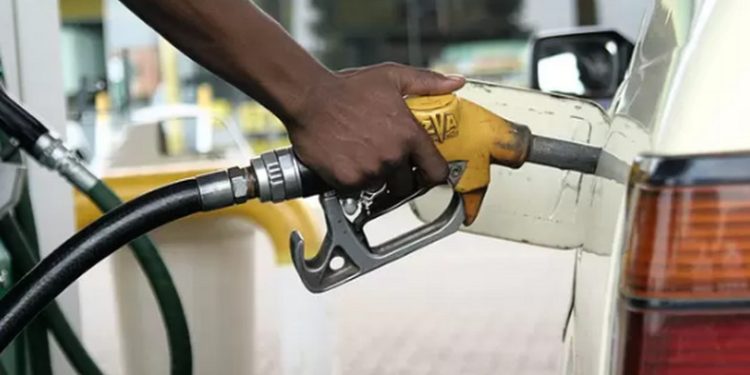
According to market analysis conducted by the Chamber of Petroleum Consumers (COPEC), fuel prices at the pump are projected to increase by between 6% and 9% during the second pricing window of July 2025. This anticipated rise comes as a response to current market indicators and is set to take effect from Wednesday, July 16, 2025. The mean retail price of petroleum products is expected to rise by an average of 8% from current levels once the new pricing window opens. Specifically, petrol prices are forecasted to increase by 6.47%, moving from an average of GHS11.59 per litre. Diesel, on the other hand, is anticipated to experience the most significant jump, rising by 9.30% from its current mean price of GHS12.97 per litre. In contrast, Liquefied Petroleum Gas (LPG) is projected to see a slight decrease, with prices expected to fall by 0.45% per kilogram, providing a small relief amidst the broader increases. In a statement released on Tuesday, July 15, COPEC explained that these projections are based on current market indicators. The estimates assume stability in global Free-On-Board (FOB) petroleum prices and the cedi-dollar exchange rate in the near term. This is notable, especially as crude oil prices have recently seen a 4.89% drop, falling from $74.43 to $70.79 per barrel, and the Ghanaian cedi has depreciated by 0.47%, shifting from GHS10.5288 to GHS10.5785 per dollar. COPEC attributed the expected price hikes primarily to the introduction of a GHS1 Energy Sector shortfall and debt repayment levy, recently implemented by the Ministry of Energy. This new financial measure is seen as a significant driver of the upcoming price increases. The Chamber also warned that final pump prices could vary within a ±5% margin from the estimates, depending on actual market movements as the pricing window progresses. As consumers brace for these changes, the implications of rising fuel prices on everyday expenses continue to be a pressing concern for many. Read below the statement by COPEC CHAMBER OF PETROLEUM CONSUMERS – (COPEC) ACCRA 14 July 2025 * FUEL PRICES ARE EXPECTED TO GO UP 6%-9% IN THE SECOND PRICING WINDOW OF JULY 2025* The current mean fuel price is expected to go up by about 8% in the next Pricing Window Analysis of Projection Barring any unforeseen major changes in global Petroleum FOB prices and the Dollar: Cedi exchange rates, indications across the downstream petroleum market are that, in the next window beginning 16 July 2025, the mean pump retail price of Petrol is expected to go up by 6.47% of the current mean price of GHS11.59/L ii. The mean price of diesel is also expected to go up by 9.30% of the current mean price of GHS12.97/L and iii. Mean LPG price per kg is also to go down by about -0.45%. Acknowledging that, the Crude price has gone down by -4.89% from $74.43/barrel to $70.79/barrel and that the Cedi has slightly depreciated relatively to the Dollar from an average rate of $1:GHS10.5288 to $1:GHS10.5785 (-0.4720%), coupled with the introduction of the Energy Sector shortfall and debt repayment levy of GHS1 by the Ministry of Energy, the following will constitute the projected mean retail prices for Petroleum products to within ±5% of COPEC’s projection starting from 16 July 2025. Petrol .. GHS12.34/L Diesel .. GHS14.18/L The Mean Price for Petrol and Diesel..GHS13.26/L LPG.. GHS11.55/kg Thus, a 14.5 kg of LPG cylinder would be expected to be sold at GHS167.43 within the next window. Below are the detailed descriptions. PETROL Though the international FOB price of petrol has decreased from $740.93/MT to $716.30/MT (-3.32%), the retail price works up to GHS12.34/L Thus, the retail price of Petrol is expected to increase by 6.47% of the current mean pump retail price of GHS11.59/L, to close selling between GHS11.72/L and GHS12.96 /L , within ±5% range of COPEC’s projected figure of GHS12.34/L. DIESEL In the same manner, with the International FOB price of diesel increasing from $722.48/MT to $743.07/MT (2.85%), the projected mean retail pump price for the next window shall be GHS14.18/L Diesel is therefore expected to increase in price by about 9.30% of the current mean pump retail price of GHS12.97/L to be selling between GHS13.47/L and GHS14.89/L , within ±5% range of COPEC’s projected figure of GHS14.18/L. 3.0 Mean Price of Petrol and Diesel The mean price of petrol and diesel for the coming window per available parameters shall be GHS13.26/L . The mean pump price is therefore expected to increase by 7.96% over the current mean price of GHS12.28/L to be be selling between GHS12.60/L and GHS13.92/L, within ±5% of COPEC’s projected mean price of GHS13.26/L. LPG With the international FOB price of LPG decreasing from $492.70/MT to $465.52/MT (-5.41%), the projected retail price of LPG is expected to be on the average at GHS11.55/kg. Thus, within ±5% error, LPG is expected to be selling between GHS10.97/kg and GHS12.12/ kg. Remarks: 1. COPEC is very much appreciative of the fairly stable Dollar:Cedi exchange rate, which is being enjoyed in the fuel industry. * It is anticipated that the Dollar: Cedi exchange rate will continue to improve for the benefit of the general consumers of petroleum products. COPEC maintains that, Government must do all it can to reduce taxes on LPG or to subsidize the price of LPG to promote and encourage its nationwide accessibility and usage which will eventually help save the environment from further degradation by the use of firewoods. Currently, the total taxes and levies on retail prices of Petrol and Diesel is about 26.55%. * COPEC is requesting for the reduction of tax rates or to take off some of the fuel taxes to lessen the burden on consumers. * Alternatively, a formula can be adopted to vary the total levies with change in the Dollar:Cedi rate. We further appeal to the government not to relent in getting Tema Oil Refinery (TOR) back on stream in order to avoid or reduce the importation of finished products, with possible associated fuel contamination. COPEC wishes to appeal
Ghana Shippers’ Authority Strengthens Regulation to Enhance the Shipping Sector
Amid growing concerns regarding the implementation and effectiveness of the Ghana Shippers’ Authority Act, 2024 (Act 1122), the Ghana Shippers’ Authority (GSA) is ramping up its enforcement efforts to better regulate the shipping and logistics sector. In a statement issued on Tuesday, July 15, 2025, the GSA outlined its commitment to the new regulatory framework established by the Act, which was passed by Parliament in July 2024 and subsequently assented to by the President in October of the same year. This transformation has endowed the GSA with the authority to oversee the shipping service industry, including shipping lines, freight forwarders, terminal operators, and clearing agents. The Act requires these service providers to submit all proposed fees, charges, and tariffs for review and approval by the GSA before they can be implemented. The Authority confirmed that it has already exercised this power, rejecting various proposed fee hikes that lacked adequate commercial justification. Addressing concerns that the GSA’s regulatory actions could hinder trade, the Authority emphasized its collaborative approach rather than an adversarial one. “We are committed to conducting in-depth investigations, hearings, and stakeholder engagement to ensure fairness in our process,” the GSA stated. Additionally, the GSA is working alongside the Bank of Ghana (BoG) to tackle complaints from shippers and freight forwarders regarding the alleged arbitrary application of foreign exchange rates by certain shipping lines. A high-level meeting involving the GSA, BoG, and industry stakeholders took place on July 15 to address these concerns, with a directive from the BoG expected to be issued within the week. To facilitate the comprehensive enforcement of the Act, the GSA is also consulting with regulators across various transport modalities—including air, sea, and land—to draft the necessary Legislative Instrument that will operationalize the law. The Authority reiterated its dedication to protecting the interests of all stakeholders in the shipping and logistics sector, aiming to position Ghana as a preferred trade hub in the region. With these steps, the GSA is taking proactive measures to enhance the regulatory environment and ensure the sustainable growth of Ghana’s shipping industry. Source: Apexnewsgh.com
Banks Overcome Capital Shortfalls Post-DDEP, Yet Challenges Remain in Ghana’s Financial Sector
13 banks that experienced capital shortfalls following the Domestic Debt Exchange Programme (DDEP) have successfully met or exceeded their recapitalization requirements as of the end of 2024. These institutions are on track to restore their Capital Adequacy Ratio (CAR) to the mandated 13 percent by the end of 2025. Despite this encouraging progress, one state-owned bank, alongside several others, remains significantly behind schedule. Factors contributing to their struggles include delays in shareholder capital commitments, elevated levels of non-performing loans (NPLs), and slow recognition of credit impairments and provisioning. According to a recent IMF Country Report, these banks are now under intensified supervision from the Bank of Ghana, which is enforcing corrective measures to ensure they meet their recapitalization targets by the approaching 2025 deadline. Furthermore, the approval and implementation of the World Bank-funded segment of the Ghana Financial Sector Stability Fund (GFSF) could provide additional support to some of these institutions, contingent on securing adequate capital injections to qualify for assistance. The report highlights ongoing efforts from Ghanaian authorities to improve credit quality and tackle financial sector legacy issues. While growth in NPLs has slowed, the overall NPL ratio remains high, standing at 22.6 percent as of 2024—though this is a decrease from 26.7 percent in the first quarter of the year. To mitigate the NPL burden, regulators are urging banks to strengthen their credit risk management systems, enhance skills in loan classification and provisioning, and closely monitor the effectiveness of NPL reduction strategies. Furthermore, the IMF report indicates that specialized deposit-taking institutions (SDIs), crucial for promoting financial inclusion, continue to be weighed down by undercapitalization and unresolved legacy challenges. Key components of the Ghana Financial Sector Strengthening Strategy (GFSSS) remain to be implemented in order to address these issues effectively. The Bank of Ghana is also revisiting its prudential and operational risk standards, progressing with the implementation of Basel II and III framework. Notably, the Bank has officially communicated to the industry that all regulatory reliefs granted after the DDEP will come to an end by the close of 2025, signaling the need for banks to bolster their resilience moving forward. As the Ghanaian financial sector navigates these challenges, the combined efforts of regulatory bodies and banking institutions will be critical in ensuring a sustainable and stable economic environment. Source: Apexnewsgh.com
New Energy Sector Levy Goes into Effect to Support Ghana’s Energy Infrastructure
As of today, Wednesday, July 16, 2025, the revised Energy Sector Levy (Amendment) Act, 2025 (Act 1141) is officially in force, marking a significant shift in the energy financing landscape of Ghana. Commonly referred to as the Dumsor Levy (D-Levy) in local parlance, the government has announced this new levy regime and will be enforced by the Ghana Revenue Authority (GRA). The implementation of the amended levy comes after a previous postponement, which allowed authorities to closely monitor global market trends and maintain recent stability in domestic fuel prices. This strategic pause aimed to ensure that the activation of the levy would not adversely impact consumers during a delicate economic period. The decision to implement the revised levy was reached after comprehensive consultations with both the Ministries of Finance and Energy, alongside a thorough review of the current economic landscape. Officials assert that the timing of this activation is part of a broader initiative to stabilize the economy while addressing critical funding gaps in the energy sector. Under the new legislation, the rates associated with the Energy Sector Shortfall and Debt Repayment Levy (ESSDRL) have been increased across several key petroleum products. These adjustments are designed to bolster revenue mobilization efforts, which will aid in settling legacy debts and providing essential investments in energy infrastructure—an area considered vital for the nation’s growth and development. As the new levy is rolled out, stakeholders in the energy sector are hopeful that this move will lead to enhanced stability and improvements in service delivery, ultimately benefiting both consumers and the economy at large. Source: Apexnewsgh.com
Public Utilities Regulatory Commission Raises Alarm Over Illegal Meters in Bono East
The Bono East Regional Office of the Public Utilities Regulatory Commission has expressed serious concerns over the rising prevalence of unauthorized meters in the region. This illegal practice is significantly impacting the revenue of utility providers, particularly the Northern Electricity Distribution Company (NEDCo). Regional Manager Cassiel Eghan Asiedu revealed alarming information during the office’s mid-year review. He stated that substandard meters, not sourced from NEDCo or the Ministry of Energy, have infiltrated the homes of unsuspecting residents, resulting in substantial revenue losses that hinder key investments in the utilities sector. “We have become aware of some individuals going around selling unapproved meters to unsuspecting residents of the region. This action is illegal and seriously affects the revenue of NEDCo. We urge prospective customers to visit the utility for service connections and to refrain from purchasing from private individuals,” Mr. Asiedu cautioned. His remarks highlighted the ongoing challenges the office faces as it seeks to ensure compliance and protect both consumers and service providers. In a positive update, Mr. Asiedu shared that the Commission has successfully facilitated credit adjustments totaling GHC79,253.91 for customers who reported discrepancies in their electricity bills during the first half of the year. Additionally, the Commission aided in the recovery of GHC21,991.47 on behalf of NEDCo. Throughout the reporting period, the office received a total of 826 complaints from consumers and utilities alike. Remarkably, 791 of these complaints were resolved, representing an impressive 95.76% success rate. The primary grievance among consumers was the quality of service, which accounted for 91.64% of all complaints lodged. To further engage the community, the Commission reached out to over 32,000 customers through its public education initiatives, simplifying access to vital information for consumers. Mr. Asiedu emphasized the importance of consolidating these gains through ongoing, transparent stakeholder engagements, as well as the vigorous enforcement of operational benchmarks. As the Commission continues its work, it remains committed to ensuring that residents of Bono East are protected from illegal practices and that the integrity of utility services is upheld for the benefit of all. Source: Apexnewsgh.com
MTN Ghana Deepens Commitment To Underserved Communities With Engagement In Donkorkrom
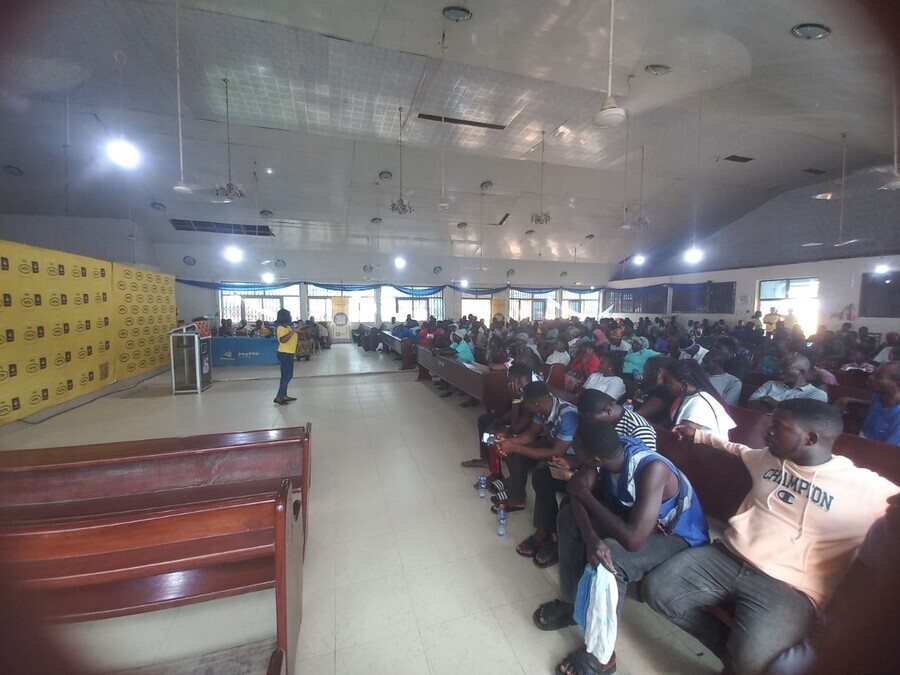
As part of its commitment to close the digital access gap and enhance customer experience in underserved areas, MTN Ghana held a community engagement in Donkorkrom in the Eastern Region aimed at empowering residents with knowledge on digital tools and mobile money safety measures. The forum focused on digital and financial inclusion for rural and remote communities and services designed to simplify their everyday lives. The forum also provided residents with vital information on how to prevent MoMo fraud. The community members were given updates on ongoing investments MTN Ghana is making to improve network infrastructure and reliability in Donkorkrom and surrounding areas. Commenting on the engagement, Georgina Fiagbenu, Corporate Communications Senior Manager at MTN Ghana said, “Our visit to Donkorkrom is a reflection of our commitment to serving all customers especially those in communities that have been historically underserved. We are listening, investing and working with urgency to improve the quality of service.” The community members actively participated in the forum, asking questions about product and services, the network and were taught how to spot and avoid MoMo scams. MTN’s team emphasized the importance of customer awareness. They also introduced the participants to digital tools to support their business operations and everyday tasks”. The District Chief Executive of Donkorkrom, Hon. Kate Mawusi, expressed her gratitude to MTN Ghana for their support to the district noting “I am happy to host MTN Ghana in Donkorkrom today. This visit demonstrates your commitment to your customers. We are excited to have you here in Donkorkrom”. The chief of Donkorkrom, Nana Akuamoah Boateng, commended MTN Ghana for coming to the community to engage with its residents. He commented that it was the first time a corporate organisation had recognised his community and organised such a forum to engage and solicit feedback on its services. He therefore urged MTN Ghana to continue to strengthen the relationship with Donkorkrom. Donkorkrom, a community with growing digital needs but limited infrastructure, was chosen as the location for the community engagement to reinforce MTN’s commitment to inclusive service delivery and improve connectivity in hard-to-reach communities. MTN Ghana has for several years organised community fora across Ghana to educate and solicit feedback on its services. These community fora underscore MTN Ghana’s dedication to providing timely information, improving digital literacy and strengthening trust through face-to-face engagement with its customers. Source: Apexnewsgh.com/Ngamegbulam Chidozie Stephen
President Mahama Appoints New Governing Board for Ghana Investment Promotion Centre
President John Dramani Mahama has announced the establishment of a new 10-member Governing Board for the Ghana Investment Promotion Centre (GIPC), a move aimed at enhancing the organization’s capacity to attract investments critical for Ghana’s economic transformation. The appointment aligns with the GIPC Act and follows consultations with the Council of State. Former Minister of State Akwasi Oppong-Fosu will chair the newly constituted board and includes influential figures from the finance, industry, and academic sectors. Among the members are Dr. Zakaria Mumuni, Deputy Governor of the Bank of Ghana; Dr. Audrey Smock Amoah, Director-General of the National Development Planning Commission; Deputy Minister for Trade, Agribusiness, and Industry, Sampson Ahi; Deputy Minister of Finance, Thomas Nyarko Ampem; and the CEO of GIPC, Simon Madjie. Additional board members include John Awuah, CEO of the Ghana Association of Banks; Mercy Afrowa Needjan, President of the Greater Accra Markets Association; Dr. Reuben Owusu Gyamfi; and Major Christine Naa Adoley Oko (Rtd). At the inauguration ceremony held in Accra, the Minister for Trade, Agribusiness, and Industry, Elizabeth Ofosu-Adjare, emphasized the pivotal role of GIPC in fostering job creation and stimulating economic growth through strategic Foreign Direct Investment (FDI). She highlighted the government’s commitment to reviewing the GIPC Act, which is designed to establish a more resilient and investor-friendly regulatory framework, asserting, “This will ensure that Ghana remains a top destination for high-quality investments.” Chairperson Akwasi Oppong-Fosu reaffirmed the board’s dedication to supporting the Ministry in achieving President Mahama’s vision of a transformed, investment-driven economy. Simon Madjie, the CEO of GIPC, described the inauguration as a significant milestone for the Centre and expressed optimism that the expertise brought by the new board members would greatly enhance the Centre’s investment promotion efforts. This development signals a renewed commitment to fostering an environment conducive to investment, ultimately driving Ghana’s economic progress. Source: Apexnewsgh.com
NDC Triumphs in Tightly Contested Ablekuma North Re-Run
The National Democratic Congress (NDC) has claimed victory in the Ablekuma North parliamentary seat, with candidate Ewurabena Aubynn emerging as the winner after a closely fought re-run election. The official results, announced by Returning Officer Joseph Nii Kwartey Okpoti, revealed that Aubynn garnered an impressive 34,090 votes, edging out the New Patriotic Party’s (NPP) Nana Akua Owusu Afriyieh, who received 33,881 votes. The results indicate a nail-biting margin of just 209 votes between the two candidates. Of the 68,328 ballots cast, a remarkable 67,917 were classified as valid, while only 411 votes were rejected, highlighting the high level of engagement from the electorate. This victory is particularly significant for the NDC, marking a decisive turnaround in a constituency that experienced disputes during the parliamentary elections following the Electoral Commission’s re-collation exercise. Aubynn’s win not only flips the seat in favor of the opposition but also bolsters the NDC’s influence in the Greater Accra Region. With this significant achievement, the party now holds 184 seats in Parliament, further cementing its two-thirds majority. However, the re-run was marred by unsettling reports of violence, including alleged assaults on journalists and political party agents. These incidents have triggered widespread outrage and calls for urgent investigations and accountability, as the need for a peaceful electoral process resonates within the community. As the dust settles on this contentious election, the NDC stands poised to make its mark in Parliament, while the broader implications of the electoral violence continue to raise concerns regarding the integrity of the political landscape in Ghana. Source: Apexnewsgh.com