The Ghana Journalists Association Decries Discontinuation of Ahmed Suale Murder Case
Business

The Ghana Journalists Association Decries Discontinuation of Ahmed Suale Murder Case

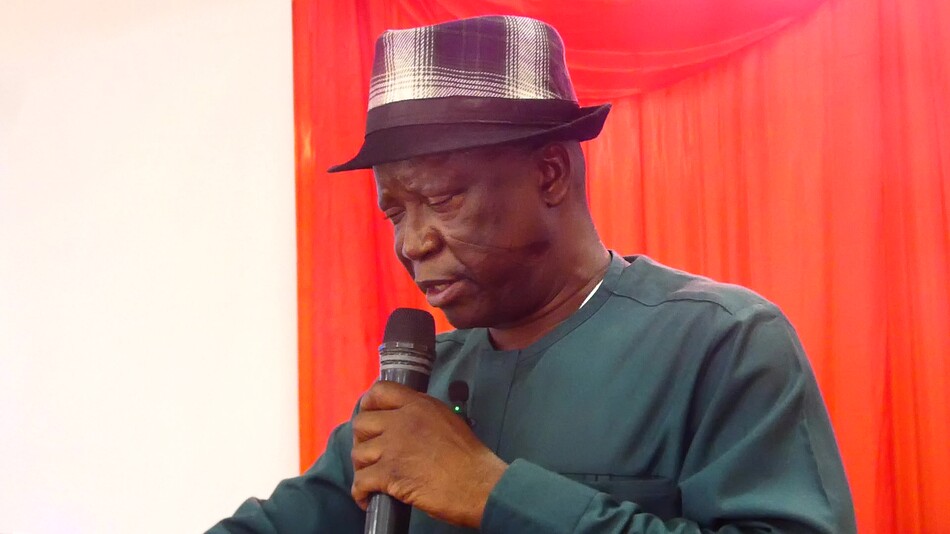
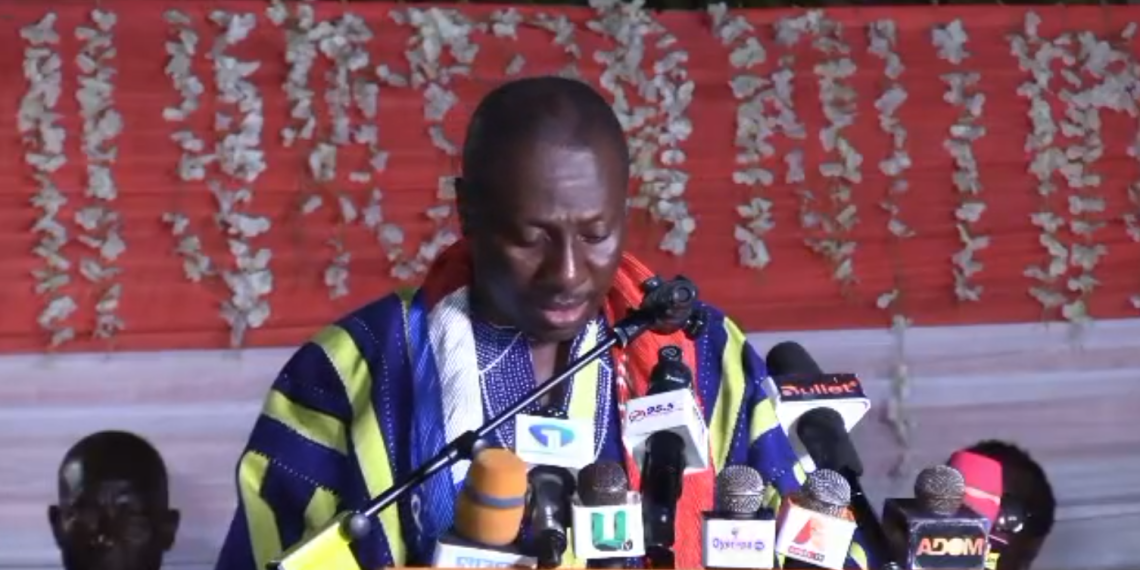
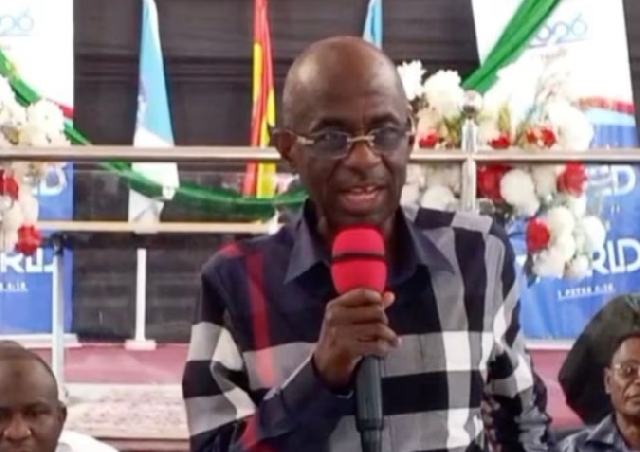
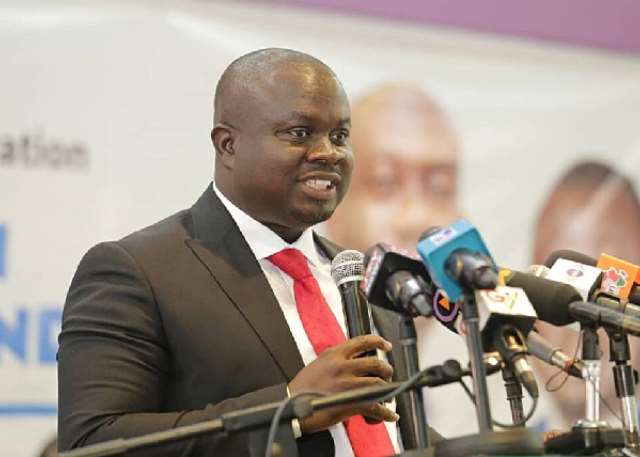
On the International Day to End Impunity for Crimes Against Journalists, the Ghana Journalists Association (GJA) sounded the alarm over what it described as an unacceptable and dangerous precedent: the discontinuation of the murder case involving investigative journalist Ahmed Suale. It has been seven years since the shocking assassination of Suale, and the GJA’s frustration was palpable as its President, Albert Kwabena Dwumfuor, addressed the media on Monday, November 3, 2025. “The GJA demands a full and transparent explanation from the Attorney General’s Department on the reasons for discontinuing the case. The Ghana Police Service must also provide clarification, as we now have a contrary briefing or report,” Mr. Dwumfuor declared, his tone resolute. He further called on the police to clearly outline the steps they are taking to find those responsible for Suale’s murder. The lack of progress, he argued, not only denies justice to the slain journalist’s family but also sends a chilling message to journalists across the nation. But justice for Suale was not the GJA’s only concern that day. Mr. Dwumfuor raised the alarm about the proposed Cybersecurity (Amendment) Bill, 2025, warning that certain provisions could threaten press freedom if not carefully revised. “We call for broad engagement, public consultation, and education to fine-tune the bill to ensure that every sector directly impacted understands and makes the needed input in the public interest,” he urged. “If what the amendment seeks to cure will worsen the cyber ecosystem, then we must tread cautiously.” Throughout his address, Mr. Dwumfuor reaffirmed the GJA’s unwavering commitment to defending media freedoms. “The GJA and the media will always seek to protect these guaranteed rights and ensure that they are not taken from us,” he vowed, pledging that the fight for justice and press freedom would continue, undeterred. Source: Apexnewsgh.com
Read More
GJA President Sounds Alarm Over Cybersecurity Bill’s Threat to Press Freedom
Business

GJA President Sounds Alarm Over Cybersecurity Bill’s Threat to Press Freedom

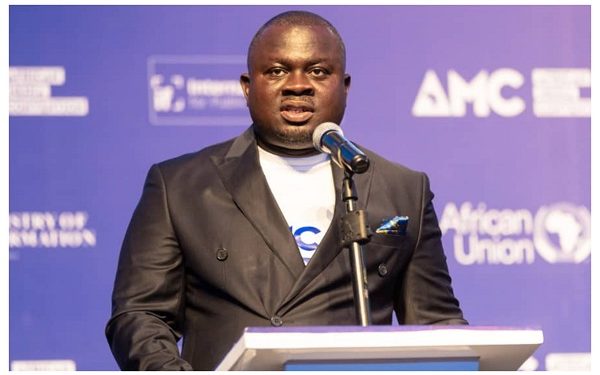
As the world marked the International Day to End Impunity for Crimes Against Journalists, the President of the Ghana Journalists Association (GJA), Albert Kwabena Dwumfuor, stepped before reporters with a message of urgent concern. Clutching a well-worn folder containing the latest draft of the Cybersecurity (Amendment) Bill, 2025, Mr. Dwumfuor’s voice resonated with the weight of his responsibility: to protect the constitutional rights of journalists and citizens alike. “We support Ghana’s efforts to bolster its cybersecurity framework,” he began, “but the amendments must strike a fair balance between national security and the freedoms we hold dear.” His caution was clear, certain provisions in the bill, if left unchanged, could pose a serious threat to press freedom and free expression. Mr. Dwumfuor called for broad engagement, public consultation, and education so that every sector affected by the bill could contribute to its refinement. “If what the amendment seeks to cure will worsen the cyber ecosystem, then we must tread cautiously,” he warned, urging lawmakers not to rush the process without adequate stakeholder involvement. He reminded his audience that the media is an indispensable pillar of Ghana’s democracy. Any attempt to limit its freedom, even under the noble cause of cybersecurity reform, he argued, would undermine the nation’s commitment to transparency and accountability. Reaffirming the GJA’s unwavering commitment, Mr. Dwumfuor declared, “The GJA and the media will always seek to protect these guaranteed rights and ensure that they are not taken from us.” He called on Parliament to engage journalists, digital rights advocates, civil society organisations, and technology experts in shaping the final legislation, so that it promotes responsible digital behaviour without compromising fundamental freedoms. The Cybersecurity (Amendment) Bill, 2025, aims to address emerging online threats, enhance regulatory oversight, and align Ghana with global best practices. Yet, concerns remain: sections of the media, the minority in parliament, and civil society have all raised red flags about the risk of government overreach and the potential misuse of the law against journalists and dissenting citizens. As the debate continues, Mr. Dwumfuor’s message echoes: only through inclusive dialogue can Ghana secure both its digital future and its cherished freedoms Source: Apexnewsgh.com  

Read More
IMF Warns Ghana: Don’t Rush Back to Costly International Borrowing
Business

IMF Warns Ghana: Don’t Rush Back to Costly International Borrowing

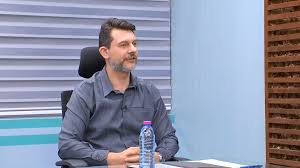
With the 2026 national budget just weeks away, the International Monetary Fund (IMF) has sounded a note of caution to Ghana’s government: resist the temptation to return too soon to international capital markets, or risk derailing the country’s fragile economic recovery. Speaking in an interview with Channel One TV, Dr. Adrian Alter, the IMF’s Resident Representative in Ghana, urged the government to be extremely prudent in its financing decisions. He emphasized the importance of seeking concessional loans from global partners such as the World Bank, African Development Bank, and the IMF itself, rather than risking expensive borrowing on the international markets. Dr. Alter explained that despite a slight improvement in global financial conditions, Ghana would still face interest rates exceeding 10 percent due to its current credit rating. “We have advised the government to be extremely prudent, not to go back to the same mistakes with excessive borrowing in the past,” he said. “When you have available concessional financing from multilateral agencies like the World Bank, the African Development Bank, and the IMF itself, you shouldn’t go to international markets where interest rates are currently extremely pricey.” The IMF’s advice comes as borrowing costs remain prohibitive for emerging economies like Ghana, making a return to the Eurobond market particularly risky. Dr. Alter pointed out that Ghana, under its IMF-supported program, is subject to strict limits on new external borrowing to maintain debt sustainability. The country is expected to keep a financing mix of about 70 percent domestic and 30 percent external borrowing, following IMF agreements and debt sustainability frameworks. Efforts are also underway to strengthen Ghana’s domestic market. “On the domestic market, we’ve worked closely with the government to start lengthening the maturity of its bonds beyond one year. We hope that at the start of next year, conditions will be in place for the domestic bond market to reopen,” Dr. Alter noted. Ghana has been unable to access international capital markets since its 2022 debt default, when the government suspended payments on most external debt to stabilize the economy. This move hurt investor confidence and cut off the country from new borrowing opportunities. Currently, Ghana is implementing a $3 billion IMF-supported program aimed at restoring macroeconomic stability. After years of growing deficits, rising debt, and soaring inflation, the country was forced to restructure its debt in 2023. The IMF program is designed to bring public debt to sustainable levels, rebuild foreign reserves, and promote inclusive growth. Source: Apexnewsgh.com

Read More
Top GRA Officials Summoned by Special Prosecutor Amid SML Contract Scandal
Business

Top GRA Officials Summoned by Special Prosecutor Amid SML Contract Scandal

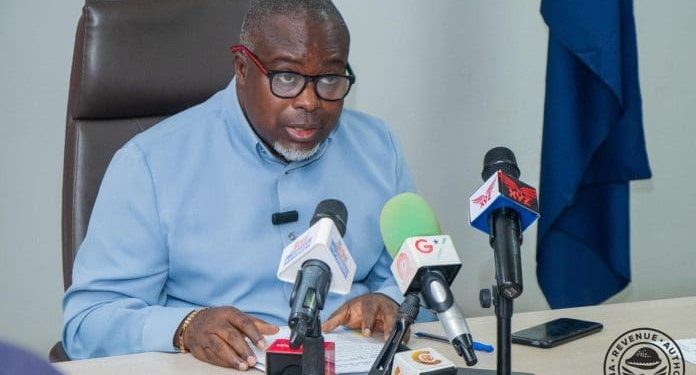
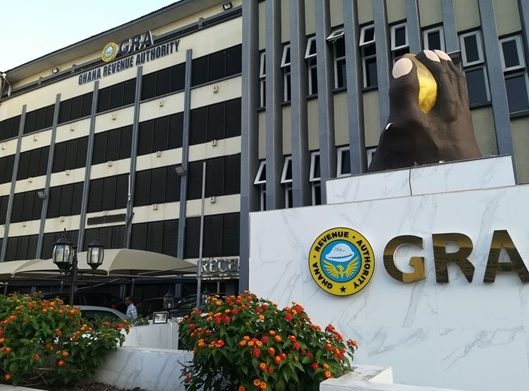
The Office of the Special Prosecutor (OSP) has intensified its investigation into the controversial Ghana Revenue Authority (GRA)–Strategic Mobilisation Ghana Limited (SML) revenue assurance contract, summoning three of the GRA’s most senior officials to appear before investigators. The Commissioner-General of the GRA, Anthony Sarpong, Assistant Commissioner for Finance, Celestine Annan, and Technical Assistant to the Commissioner-General, Kenneth Agyei-Duah, have all been directed to present themselves to the OSP as part of the ongoing probe. The summons follows the recent arrest of Freeman Sarbah, the Acting Head of Legal Affairs at the GRA, who was detained on Monday, November 3, 2025, over allegations of corruption and obstruction of justice linked to the same contract. According to OSP sources, the three senior officials were summoned after revelations that they allegedly instructed Mr. Sarbah to issue a letter to SML’s lawyers at the company’s request in mid-October. Investigators believe the correspondence may have significant implications for the inquiry. This is reportedly the second time both the Commissioner-General and the Assistant Commissioner for Finance have been invited, as their earlier statements appear to contradict the contents of the letter in question. Both Anthony Sarpong and Kenneth Agyei-Duah previously worked with KPMG, the auditing firm that was tasked with reviewing SML Ghana’s operations at the direction of former President Nana Addo Dankwa Akufo-Addo. The GRA–SML contract, which engaged SML Ghana to provide revenue assurance services in the downstream petroleum sector and other areas, has attracted intense scrutiny amid allegations of inflated costs, procurement irregularities, and questionable contractual terms. Following public outcry, the OSP opened an investigation to determine whether the contract involved conflicts of interest, abuse of office, or violations of procurement laws. The probe has since expanded to include several top officials at both the GRA and the Ministry of Finance. The Special Prosecutor, Kissi Agyebeng, has signaled that the office is preparing to prosecute several high-profile individuals implicated in the scandal by the end of November 2025. Those expected to face charges include former Finance Minister Ken Ofori-Atta, former GRA Commissioner-Generals Dr. Ammishaddai Owusu-Amoah and Emmanuel Kofi Nti, and other senior officials and advisers linked to the Finance Ministry. Preliminary findings from the OSP’s investigation reportedly point to corruption, abuse of office, and serious procurement breaches in the award and execution of the SML contracts, originally intended to enhance government revenue mobilisation. The OSP has reiterated its commitment to ensuring accountability and safeguarding public resources, warning that any individuals found culpable will be prosecuted to the full extent of the law. As the investigation deepens, the nation awaits further revelations and the possible prosecution of some of Ghana’s most senior public officials. Source: Apexnewsgh.com

Read More
Ministry of Health Urges Doctors to Embrace Nationwide Postings for Equitable Healthcare
Business

Ministry of Health Urges Doctors to Embrace Nationwide Postings for Equitable Healthcare

In a renewed push to ensure quality healthcare across Ghana, the Ministry of Health, under the leadership of Mintah Akandoh, has called on newly recruited doctors to accept their postings to hospitals and health facilities in all regions and districts of the country. This initiative, according to a statement from the Ministry, forms part of ongoing efforts to “equitably and fairly distribute doctors across the country,” so that every community, urban or rural, can access quality medical care. “This exercise is part of the Ministry’s broader commitment to improve evenly distribution of health professionals to ensure quality healthcare delivery nationwide,” the statement emphasized. The Ministry outlined that the placement process is being carried out strictly through its official online portal. Officials cautioned that no individual or group has been authorized to collect money or influence postings in any form. “Placement is being done strictly through the official online portal, and no individual or group has been authorized to collect money or influence postings,” the statement reiterated. Eligible doctors were strongly warned against engaging with middlemen or paying money to anyone promising to speed up or alter their postings. “Do not give money to any persons who promise to alter or fast-track your postings,” the Ministry cautioned, urging all applicants to remain vigilant against fraud. The Ministry reaffirmed its commitment to achieving universal health coverage by maintaining a strict policy of equitable distribution of doctors to all districts. “In our quest to achieve universal health coverage, the Ministry of Health is firmly maintaining its policy of equitable distribution of doctors to all districts,” the statement explained. All qualified doctors currently undergoing recruitment were encouraged to visit the official Ministry of Health website and complete their registration before the approved deadline on the portal. The Ministry expressed confidence that with the support and cooperation of new doctors, every region in Ghana would benefit from skilled healthcare professionals, helping to build a healthier and more equitable nation. Source: Apexnewsgh.com

Read More
Tragedy at Nangani Checkpoint: Immigration Officers Attacked by Gunmen in Upper East Region
Business

Tragedy at Nangani Checkpoint: Immigration Officers Attacked by Gunmen in Upper East Region

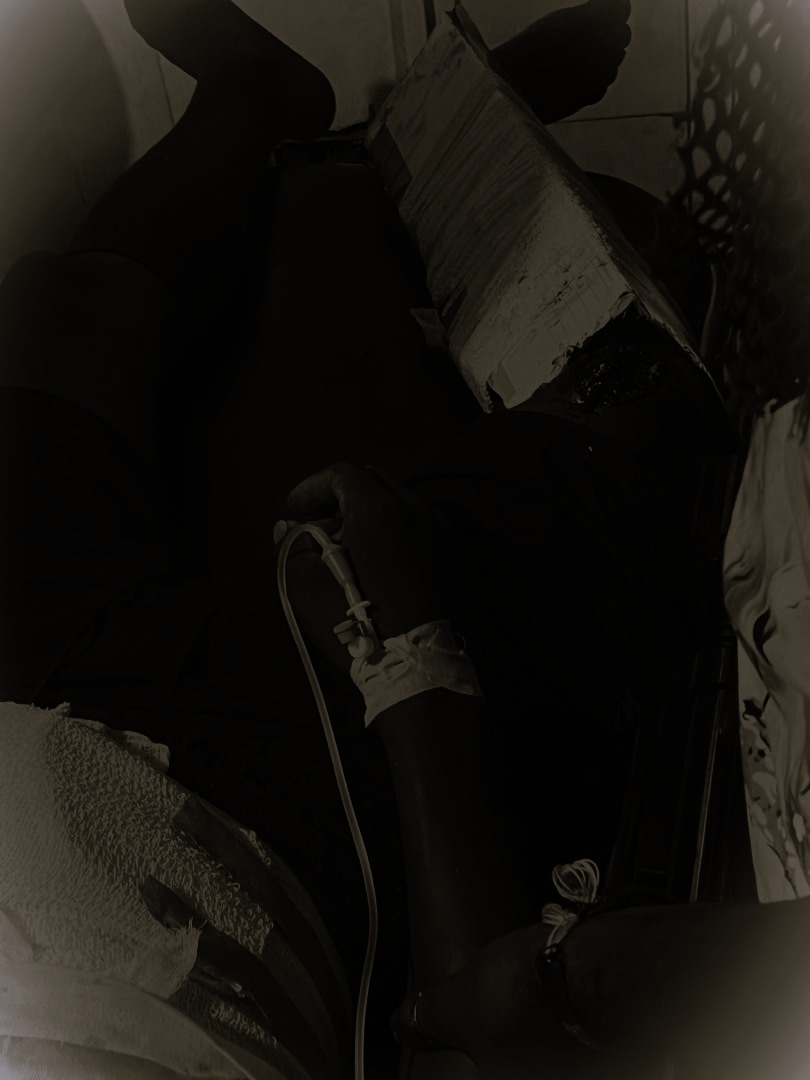
A wave of shock and sorrow has swept through the Upper East Region following a violent attack on Ghana Immigration Service officers at the Nangani checkpoint in the Tempane District. The harrowing incident, which occurred between 10:00 p.m. and 11:00 p.m., has left two officers shot and another critically injured, according to information circulating on social media and confirmed by Apexnewsgh sources. The circulated social media post indicates that the attack was carried out by unidentified gunmen, suspected to be bandits operating in the volatile Bawku area. Emergency responders rushed the wounded officers to the nearest hospital, but despite medical efforts, one of the victims sadly succumbed to his injuries. The remaining officer is reported to be in critical condition, fighting for his life as colleagues and family members anxiously await updates. The incident has heightened concerns about the security situation in the region, especially for frontline officers tasked with maintaining order and protecting Ghana’s borders. Authorities have launched a manhunt for the perpetrators, and security has been tightened at key checkpoints across the district. Source: Apexnewsgh.com

Read More
Unemployed Teachers Urge Government to Fulfill Recruitment Promise Amid Growing Uncertainty
Business

Unemployed Teachers Urge Government to Fulfill Recruitment Promise Amid Growing Uncertainty

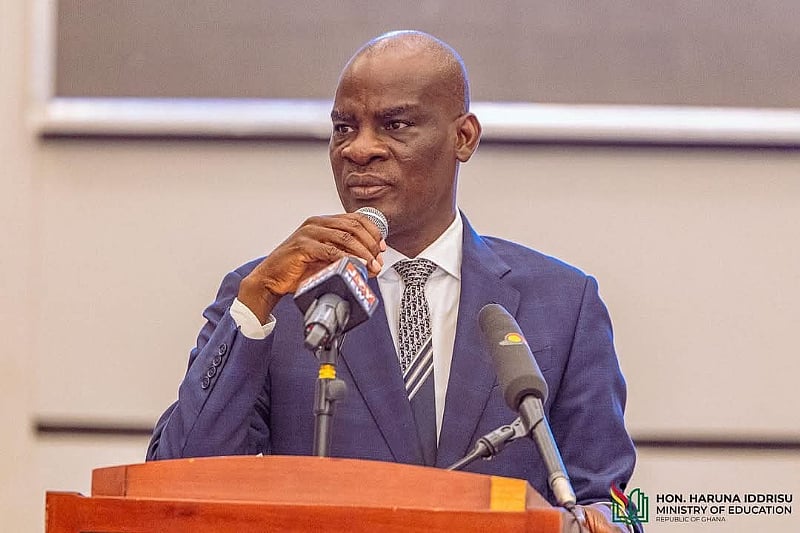
With the year drawing to a close, anxiety and frustration are mounting among thousands of newly trained teachers in Ghana. The Coalition of Unemployed Trained Teachers (CUTT), representing 2023 graduates from public Colleges of Education, has issued an urgent appeal to the government to honor its pledge to recruit 60,000 personnel, 50,000 teachers and 10,000 non-teaching staff, into the education sector before the end of 2025. The promise, made by Minister of Education Haruna Iddrisu on June 25, 2025, during a parliamentary session, brought hope to thousands of unemployed graduates. However, with less than two months left in the year, CUTT says there has been little progress. The critical step of financial clearance from the Ministry of Finance, required to kickstart the recruitment process, remains outstanding. For the members of CUTT, the delay is not just a bureaucratic setback, it is a source of economic hardship and emotional distress. Many are struggling to make ends meet, grappling with uncertainty about their future despite their eagerness to serve in classrooms across the nation. “We are appealing to the government to expedite our recruitment into the teaching service before the start of the second term of the 2025/2026 academic year,” CUTT stated in a recent release. The coalition’s leadership, including President Agyei Godwin Dakede, 1st Vice President Atakorah Nelson, 2nd Vice President Eshun De-Graft Brown, Secretary Toboase Frank Kwasi, and Organiser Paul Offeh Karikari, have been at the forefront of advocacy efforts. They say the government’s silence is weighing heavily on thousands of qualified teachers who feel sidelined after years of rigorous training and national service. CUTT’s concerns are echoed in communities nationwide, where the shortage of teachers is already affecting classroom learning. Schools in both urban and rural areas report overcrowded classrooms and a lack of instructional support, impacting the quality of education for Ghanaian children. “Our strong desire is to contribute to Ghana’s educational development, but we remain jobless and uncertain about our future,” the coalition emphasized. To draw attention to their plight, CUTT has called on the media to highlight their situation through interviews, coverage, and feature segments. The group believes that greater public awareness could help sway policymakers and accelerate the recruitment process. “We urge the media to help amplify our plight. Increased public awareness could help influence policymakers to act swiftly,” the coalition stated. The sense of urgency is palpable. With the academic calendar advancing, many worry that further delays could see another cohort of qualified teachers left on the sidelines. The coalition argues that filling these vacancies would not only offer relief to unemployed graduates but would also strengthen Ghana’s education system, improve student outcomes, and reduce the burden on overworked staff in schools. CUTT maintains that with timely government intervention and robust media support, the issue of teacher unemployment can be tackled head-on. For the thousands waiting for a chance to step into classrooms and make a difference, the hope is that the government will keep its word and act, before the opportunity is lost yet again. As the clock ticks toward the end of 2025, the voices of Ghana’s unemployed teachers grow louder, unified in their plea for action, dignity, and the chance to serve the nation’s children. Source: Apexnewsgh.com

Read More
Germany’s President Pledges €65 Million Support and Deeper Ties During Landmark Ghana Visit
Business

Germany’s President Pledges €65 Million Support and Deeper Ties During Landmark Ghana Visit

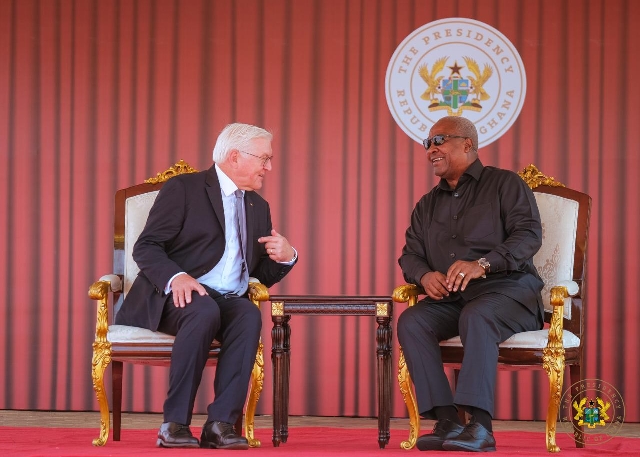
President of the Federal Republic of Germany, Frank-Walter Steinmeier, reaffirmed his country’s enduring partnership with Ghana during a three-day state visit marked by historic milestones and new pledges of support. Addressing dignitaries at the seat of government, President Steinmeier hailed Ghana as “a living democracy, a key regional actor, and an important partner for Germany in West Africa.” His visit, the fourth since becoming president, was especially significant as it marked 50 years of German–Ghanaian development cooperation. Central to the visit was the announcement of a €65 million (about GH₵823 million) support package, newly approved by the German Bundestag, for a range of development projects in Ghana. President Steinmeier explained that this funding would bolster joint initiatives in health, digital innovation, and vocational training. “Together, we are creating the foundations for sustainable economic development that will benefit both Ghana and Germany,” he said. The German leader emphasized his country’s commitment to Ghana’s youth, pointing to ongoing programs designed to equip young Ghanaians with skills in healthcare, pharmaceuticals, and the digital economy. He also highlighted efforts to expand renewable energy and improve energy efficiency—areas where Germany’s expertise continues to play a key role. President Steinmeier announced a new agreement for regular high-level consultations between the two countries, covering bilateral, regional, and global issues of mutual concern. On the economic front, he noted that Ghana had become one of Germany’s most important partners in sub-Saharan Africa. Bilateral trade grew by more than 25 percent last year, reaching €626 million (GH₵8.3 billion)—a testament to deepening commercial ties. Citing Ghana’s stability, educated workforce, English-language advantage, and geographical proximity to Europe, the president described the country as an attractive destination for German investors. He was accompanied by a delegation of business leaders from sectors including infrastructure, technology, and medical innovation, all seeking to explore opportunities in Ghana. Scientific collaboration was another highlight, with President Steinmeier praising partnerships like the Kumasi Centre for Collaborative Research in Tropical Medicine, where Ghanaian and German researchers work together on vaccine research and epidemic prevention. Germany is also supporting the expansion of a vocational training centre and a new nursing school near Kumasi, which will train 200 specialised nurses annually for Ghana’s health sector starting next year. Education remains a pillar of the partnership, with over 1,500 Ghanaian students and researchers benefiting from German Academic Exchange Service (DAAD) scholarships in 2024. President Steinmeier reiterated Germany’s support for academic exchange and capacity building. Turning to regional security, the German president commended Ghana’s leadership in promoting peace and stability in West Africa, pledging continued support for joint efforts against terrorism and transnational crime in the Sahel. He also reaffirmed Germany’s backing for Africa’s permanent representation on the United Nations Security Council. President Steinmeier’s itinerary included meetings with young tech entrepreneurs in Accra and a tour of Kumasi to inspect joint projects and interact with researchers and trainees—a testament to the expanding scope and promise of Ghana–Germany relations. “We have many common tasks ahead of us, and I am convinced that there is still a great deal of potential in our partnership that we will continue to build together,” he concluded. Source: Apexnewsgh.com

Read More
Arrest of GRA Legal Head Deepens Controversy Over SML Revenue Assurance Contract GRA
Business

Arrest of GRA Legal Head Deepens Controversy Over SML Revenue Assurance Contract

The ongoing controversy surrounding the multi-million-dollar revenue assurance contract between the Ghana Revenue Authority (GRA) and Strategic Mobilisation Ghana Limited (SML) took a dramatic turn this week, as the Office of the Special Prosecutor (OSP) arrested Freeman Sarbah, the Acting Head of Legal at the GRA. The arrest, which was publicly confirmed by the OSP, marks a significant escalation in the high-profile investigation into alleged corruption and obstruction of justice linked to the deal. According to a statement released by the OSP, Mr. Sarbah is under investigation for suspected corruption and corruption-related offences, as well as obstruction of justice, in connection with the GRA–SML contract. The contract, designed to enhance revenue monitoring in Ghana’s petroleum downstream sector, has attracted intense public scrutiny in recent months due to concerns about its cost, scope, and procurement process. While the OSP has not disclosed specific details of Mr. Sarbah’s alleged conduct, officials noted that his arrest forms part of a wider probe into irregularities and possible acts of corruption surrounding the agreement. The Special Prosecutor’s office emphasized that investigations are ongoing and appropriate action will be taken based on their findings. The SML contract has been a lightning rod for criticism from civil society organizations, anti-corruption campaigners, and members of the public, many of whom have questioned its overall value to the state and called for greater transparency. The OSP’s investigation has already seen several officials and corporate representatives invited for questioning, but Mr. Sarbah’s arrest stands out as the most significant development to date. In a parallel development, the GRA last week issued an official statement confirming that SML Ghana Limited had fully executed its contractual obligations under its agreements with the Authority, directly countering claims that the company was paid for “no work done.” The clarification was provided in a letter dated October 14, 2025, signed by Mr. Sarbah himself prior to his arrest. The letter detailed the findings of an internal GRA review covering the period from January 2019 to December 2024. According to the review, SML Ghana performed Transaction Audit, External Price Verification, and Revenue Assurance activities in the petroleum downstream sector in accordance with the contracts. “The Authority’s records and accompanying technical documentation confirm that SML Ghana Limited undertook work related to the assigned services,” the letter stated, adding that all relevant reports and evidence are available for inspection. The GRA’s statement, which comes after months of political debate and public scrutiny, asserted that all payments made to SML were based on verified deliverables. The Authority further explained that all disbursements to the company during the period under review were properly documented, reconciled, and approved in accordance with standard financial procedures. While the Transaction Audit and External Price Verification agreement was terminated in November 2024, SML’s Downstream Petroleum Revenue Assurance contract remained active until June 2025, when it was suspended following the launch of the OSP investigation. The GRA’s clarification significantly shifts the public narrative, indicating that SML Ghana did, in fact, deliver on its contractual obligations, despite ongoing controversy. However, the arrest of Mr. Sarbah has deepened uncertainty, raising new questions about the management of public contracts and the commitment of authorities to accountability and transparency. As the OSP continues its investigation, the case remains a focal point for public debate on corruption, governance, and the prudent use of state resources. Both the Special Prosecutor and the GRA have pledged to uphold due process and transparency as the inquiry unfolds, leaving Ghanaians and observers awaiting further developments in this unfolding saga. Source: Apexnewsgh.com  

Read More
Upper East Minister Calls for Action on Electricity Access at PURC Public Engagement Donatus Akamugre
Business, Opinion

Upper East Minister Calls for Action on Electricity Access at PURC Public Engagement

At a well-attended public engagement organized by the Public Utilities Regulatory Commission (PURC), the Upper East Regional Minister delivered a candid and urgent message about the region’s persistent infrastructure challenges. Addressing an audience of local residents, officials, and stakeholders, the Minister emphasized that access to reliable electricity and public water is not a luxury, but a crucial foundation for the region’s economic and social advancement. “Electricity isn’t just about lighting our homes—it powers our schools, hospitals, and businesses. Without it, our communities cannot thrive or compete,” the Minister asserted. He revealed that as of the end of February, the Upper East Region’s electricity coverage stood at just 66.5%. This figure, he noted, is far below the national average of 89%, leaving over 800 communities and sections across the region still disconnected from the national grid. The Minister described this gap as a significant barrier to progress, holding back local businesses, limiting educational opportunities, and weakening healthcare delivery. “These numbers are more than statistics. They represent families, students, and entrepreneurs who are cut off from the opportunities that reliable infrastructure brings,” he said. During his speech, the Minister took the opportunity to make a direct appeal to the Minister of Energy and the Green Transition. He called on them to review and address all outstanding issues related to the World Electricity Committee—a body in which many Upper East communities actively participated, but from which numerous areas have yet to see tangible benefits. “I urge the Ministry to ensure that no community is left behind. Many of our people were promised inclusion, but the reality on the ground tells a different story,” the Minister continued. He also highlighted the broader consequences of infrastructure exclusion, pointing out that inadequate access to electricity and water widens regional inequality and stifles the aspirations of residents. The Minister cited examples of businesses struggling to operate, students unable to study after dark, and health centers grappling with unreliable power. The Minister praised the PURC for providing a platform where citizens’ voices could be heard and for encouraging open dialogue between government, service providers, and the public. He concluded by reaffirming his commitment to advocating for equitable infrastructure development and called for collective action to bridge the gap. “Let’s work together to ensure that every corner of the Upper East enjoys the benefits of reliable electricity and water. This is how we build a stronger, more inclusive region,” he said. The engagement ended with a sense of urgency and hope, as residents and leaders alike agreed that closing the infrastructure gap is vital for the Upper East’s sustainable development. The Minister’s address was a rallying cry, echoing the collective desire for progress and inclusion. Source: Apexnewsgh.com/Ngamegbulam Chidozie Stephen

Read More