
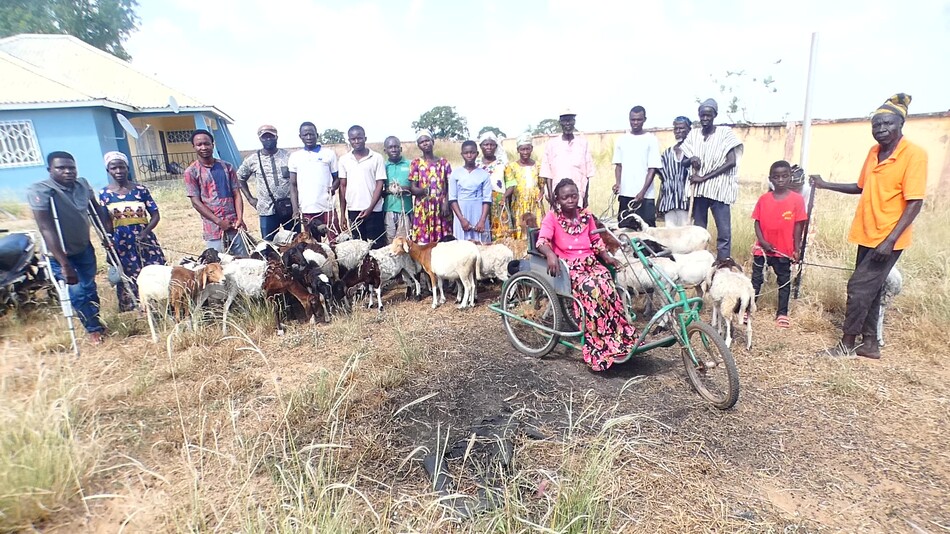
GFD Members in Talensi receive items for improved livelihood
Business, Featured

GFD Members in Talensi receive items for improved livelihood

In the Talensi District, members of the Ghana Federation of the Disability Organisations (GFD) have received some items to meet their daily needs. The Disability Fund Management Committee, under the leadership of Chairman Clement Sampana, had organized a comprehensive support program aimed at empowering persons with disabilities (PWDs) to become self-reliant and active contributors to their communities. The first phase of the day’s activities unfolded in an open field alive with anticipation. Clement stood at the front, addressing journalists and beneficiaries alike, his words clear and purposeful. “Just last week, we distributed some items, and today we are here again, handing over about 60 animals, goats and sheep, to 26 beneficiaries. Each recipient receives a token to help with transportation, ensuring their new livestock reaches home safely.” For the recipients, the livestock meant far more than an asset; it represented a path toward independence. Many had long struggled with the challenges of disability and poverty, often forced to rely on charity or the kindness of neighbors. Now, clutching ropes tied to bleating goats or sheep, they looked ahead with hope. The animals would provide income through breeding, milk, or resale, and, more importantly, a sense of dignity through work. But the morning’s generosity was only part of the story. The group soon moved to the assembly conference hall for the next phase of the initiative. Here, another ten PWDs waited eagerly, knowing that the support they were about to receive had been tailored to their unique needs and dreams. The committee distributed pumping machines, sewing machines, refrigerators, and other essential business equipment, items carefully matched to the ambitions and requests of each beneficiary. Clement made it clear that this was not a blanket handout, but a targeted investment in people’s futures. “We don’t just hand out items. If you haven’t requested a tool, we don’t buy it, because it must serve your needs,” he explained. “Today, as you receive these items, we want you to use them to start or grow your business. The goal is for you to earn your own income, support your family, and stand tall in your community.” Clement’s message throughout was one of empowerment, but also accountability. “We don’t want to see any of you begging on the streets or vulnerable to exploitation for small amounts of money. These items are your stepping stones to independence. Use them wisely, grow your businesses, and one day, you’ll be able to support not just yourselves, but others as well.” He also stressed the importance of responsibility. “If, after some time, we find that you’ve sold the items or left them idle, we’ll have to reclaim them. If you sell what we’ve given, we’ll ask you to return the proceeds, or face further action. But if you put them to good use and we see progress, we’ll be back with even more support. Our help doesn’t end today; it grows with your effort and success.” The initiative is funded through the disability common fund, a resource designed to support the economic inclusion of PWDs. Clement handed over each item with a handshake and a word of encouragement, reminding recipients, “These are your items. Use them well, and when we return, we hope to see the difference they’ve made in your lives.” For many in Talensi living with disability, daily life is a challenge not just of health, but of opportunity. A lack of resources had often meant being left behind, with few chances to build a business or support a family. This distribution, however, marked a turning point: a shift from dependency and pity to genuine empowerment and partnership. By day’s end, the signs of change were everywhere. Some recipients led their new goats and sheep home, while others tested out the heft of a new sewing machine or reviewed plans for their small businesses. Those who received cash grants began planning the next steps for their ventures. Throughout, the mood was one of gratitude, optimism, and possibility. As the gathering concluded, Clement offered a closing message: “This is only the beginning. If you make good use of what you’ve received, we’ll be back to support you again. Let’s work together to build a future where everyone, regardless of ability, can thrive.” Beneficiaries could not hide their excitement after they were handed their individually requested items. They further expressed gratitude to the assembly and the Disability Fund Management Committee for their intervention. Source: Apexnewsgh.com
Read More
Bats Blamed for Persistent Power Outages in Builsa North: Community Demands Lasting Solution
Business, Opinion

Bats Blamed for Persistent Power Outages in Builsa North: Community Demands Lasting Solution

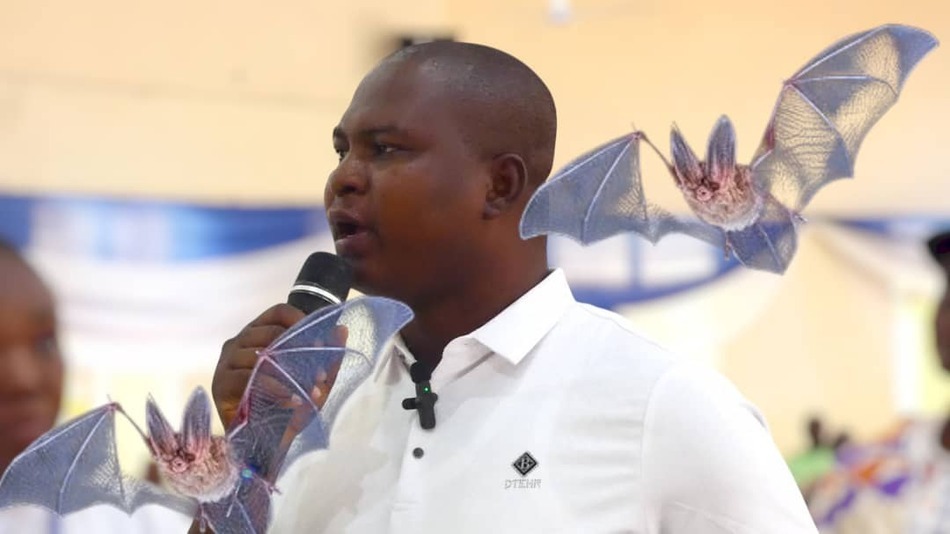
During a recent public engagement organized by the Public Utilities Regulatory Commission (PURC) in the Upper East Region, residents of Builsa North expressed growing frustration over persistent power outages, which they surprisingly attributed to bats. Apexnewsgh reports The meeting, held on Monday, brought together representatives from utility providers, local leaders, and aggrieved community members, whose patience is wearing thin over what has become a recurring disruption in their daily lives. For many in Builsa North, the frequent blackouts have gone from being a mere inconvenience to a serious threat to livelihoods, education, and health. Community members recounted how each time they reached out to the Volta River Authority (VRA) or the Northern Electricity Distribution Company (NEDCo) to complain, the explanation given was always the same: bats are to blame. “It’s always bats, bats, bats,” one resident lamented. “Every time we ask why the lights are out, they say it’s because of bats on the lines or at the substations. But how long must we accept this excuse?” The repeated reference to bats as the culprit has left many residents both bewildered and skeptical. Some see it as a convenient explanation for deeper infrastructural or maintenance problems, while others worry that the issue is not being taken seriously enough by the authorities. For the benefit of the public, Apexnewsgh conducted a quick investigation into the link between bats and power outages. The findings reveal that, while unusual, bats can indeed be responsible for electrical faults and blackouts. In areas with overhead power lines or exposed electrical infrastructure, bats can collide with wires, causing short circuits or faults that lead to outages. Large colonies may also roost or nest on transmission towers and substations. Their droppings and urine can accumulate, creating conductive paths that result in equipment malfunctions and further outages. This phenomenon, while not unique to Builsa North, is recognized by utility companies worldwide. However, communities and wildlife experts agree that there are established measures to mitigate bat-related disruptions. Utilities can install exclusion devices, modify infrastructure, or implement regular cleaning and maintenance schedules to prevent bats from roosting and reduce the risk of outages. Despite this, residents of Builsa North say they have seen little evidence of such interventions. “We are not saying bats aren’t a problem,” another participant noted at the public hearing, “but what are VRA and NEDCo doing to fix it? We deserve a permanent solution—not just excuses.” The persistent outages have had ripple effects throughout the community. Small businesses report losses when refrigeration fails or equipment cannot run. Students struggle to study after dark. Health facilities risk the spoilage of medicines and vaccines that require constant refrigeration. The issue has now become a rallying point for local advocacy, with residents calling on the PURC and all relevant authorities to hold utility providers accountable and demand a comprehensive action plan. Suggestions include the installation of bat deterrents, more frequent inspection and cleaning of substations, and investment in more resilient infrastructure. At the end of the engagement, PURC representatives assured the community that their concerns would be included in ongoing consultations and that follow-up discussions with VRA and NEDCo would address both immediate and long-term solutions. As Builsa North waits for decisive action, the hope is that future power supply stories will focus less on bats and more on the bright promise of reliable electricity for all. Source: Apexnewsgh.com/Ngamegbulam Chidozie Stephen

Read More
Talensi Paramount Chief Raises Alarm Over Water Pollution and Appeals for Improved Supply Tongraan Kugbilsong Nanlebegtang
Business, Opinion

Talensi Paramount Chief Raises Alarm Over Water Pollution and Appeals for Improved Supply

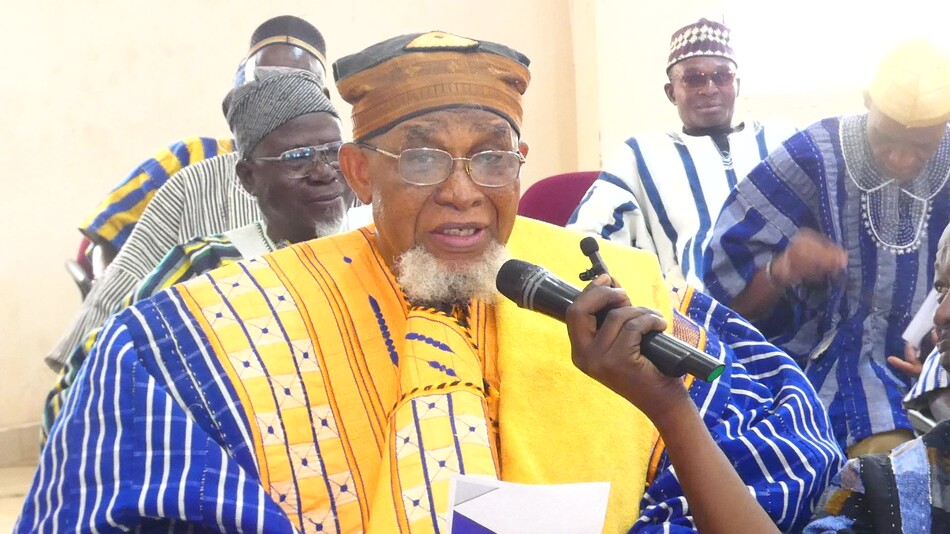
The Paramount Chief of the Talensi Traditional Area, Tongraan Kugbilsong Nanlebegtang, has raised serious concerns about water pollution in his district and called for urgent intervention to ensure clean and reliable water supply for the people of Talensi. Apexnewsgh.com His remarks came during a well-attended public engagement organized by the Public Utilities Regulatory Commission (PURC) in Bolgatanga on Monday, where community leaders, utility providers, and residents gathered to discuss issues affecting essential services in the Upper East Region. Tongraan’s address was both a warning and a passionate appeal, highlighting the environmental and public health risks posed by ongoing illegal mining activities, commonly known as galamsey, within the district. According to the Paramount Chief, Talensi is grappling with the same water pollution challenges affecting other districts, despite not being recognized as such by the regional water company. “Galamsey is happening in the Talensi district, carried out by our young men,” he lamented. “Apart from Cardinal Namdeni and Earl International, several parts of the area have been found to contain gold. As I am speaking, so many young men have gone and started digging left and right. We had to call on the District Chief Executive and the security services because they were digging and carrying away what they called ‘the sand,’ washing it into streams that flow into the White Volta and other water bodies.” The Chief described how these activities have led to severe water pollution. “The water was so polluted and turned so brown that it was very dangerous. The galamsey is happening in those parts of eastern Talensi, and it is not just a local problem. Pollution is coming from all the way from Burkina Faso into the White Volta. I don’t know how come the regional water company said that we are not affected by the pollution. But I want to tell you, you need to go and check the White Volta—the pollution is real and it is affecting us.” The Paramount Chief’s testimony painted a vivid picture of the environmental degradation experienced in Talensi, where streams and rivers have become conduits for mining waste, endangering the health of people and livestock alike. He emphasized that the problem is compounded by the lack of oversight, with many artisanal miners operating without regard for environmental standards or community welfare. Despite these challenges, the Talensi district has not been officially listed by the Ghana Water Company Limited (GWCL) as one of the areas affected by water pollution. Tongraan expressed his disappointment at this oversight and called on authorities to conduct proper assessments. “It is crucial for the water company and relevant regulatory bodies to recognize the reality on the ground. Only then can appropriate interventions be designed and implemented.” Beyond pollution, the Chief highlighted another critical issue: the chronic shortage of potable water in Talensi. “The whole of Talensi doesn’t have water supplied by the Ghana Water Company,” he revealed. “The water we have there comes from community water and sanitation systems, and that water is highly inadequate. At this point, I want to appeal to you to make sure that Talensi is captured in the budget you are making, at least to make sure you stretch water to Talensi.” His plea resonated with many in the audience, particularly residents who have long contended with water scarcity, relying on boreholes, wells, and seasonal streams—sources that are themselves under threat from pollution and overuse. The Paramount Chief called on the PURC, GWCL, and all relevant stakeholders to prioritize the extension of safe, treated water to the district, insisting that reliable access to clean water is a basic right, not a privilege. During the public engagement, other participants echoed the Chief’s concerns, recounting their own experiences with waterborne diseases, livestock losses, and the disruption of farming activities due to polluted streams. Civil society representatives urged for stricter enforcement of environmental regulations and stronger collaboration between local authorities, traditional leaders, and national agencies. Representatives from the Ghana Water Company Limited assured the gathering that their concerns would be taken seriously and promised to review the situation in Talensi. They acknowledged the need for improved monitoring of water quality and committed to exploring options for expanding water infrastructure in underserved districts. Officials from the Public Utilities Regulatory Commission also reiterated their commitment to ensuring that the voices of affected communities inform future utility planning and policy. “We are here to listen and to ensure that your input shapes our decisions,” one PURC representative stated. The meeting concluded with a renewed sense of urgency and a broad consensus on the need for immediate action. The Paramount Chief’s intervention has sparked hope that Talensi’s plight will no longer be ignored and that tangible steps will be taken to address both pollution and water scarcity. As the Upper East Region continues to grapple with the twin challenges of environmental degradation and inadequate infrastructure, community leaders like Tongraan Kugbilsong Nanlebegtang are determined to keep the spotlight on their districts, pushing for recognition, resources, and real change. For Talensi, the hope is that their voices will not only be heard but will lead to lasting solutions that safeguard the health and well-being of all residents. Source: Apexnewsgh.com/Ngamegbulam Chidozie Stephen

Read More
Upper East Regional Minister Appeals for Urgent Completion of Rural Electrification Project Donatus Akamugre
Business, Opinion

Upper East Regional Minister Appeals for Urgent Completion of Rural Electrification Project

The Upper East Regional Minister, Donatus Atanga Akamugre, has issued an impassioned call for urgent action to address outstanding issues under the government’s Rural Electrification Project, emphasizing the need to connect hundreds of unserved communities in the region to the national grid. Mr. Akamugre appealed for a recent public hearing organized by the Public Utilities Regulatory Commission (PURC) in Bolgatanga, a gathering that drew utility sector leaders, public officials, and residents eager to air their concerns about essential services. The public hearing, part of the PURC’s ongoing Multi-Year Tariff Review Program, brought together representatives from the Northern Electricity Distribution Company (NEDCo), Ghana Water Company Limited (GWCL), the Volta River Authority (VRA), civil society, and community members. The forum provided an opportunity for stakeholders to debate proposed tariff adjustments for the 2026–2030 regulatory period and to highlight local development needs. Addressing the gathering, Minister Akamugre acknowledged the significant strides made over recent years in expanding electricity coverage across rural Ghana. However, he painted a sobering picture of the persistent gaps in the Upper East Region. “As of the end of 2024, the region’s electricity coverage stood at around 66.5%, which is far below the national average of 89%. Currently, over 800 communities and sections in the region are yet to be connected to the national grid,” he revealed. The minister described how incomplete connections, coupled with delays in the delivery of transformers, poles, and cables, have left scores of schools, health facilities, and small-scale businesses without reliable power. “While water is required to support agriculture, drive local industries, and sustain our lives, electricity is needed to power our schools, hospitals, businesses, and offices,” he emphasized, underlining the critical role of electrification in the region’s social and economic progress. Mr. Akamugre used the platform to make a direct appeal to the Minister for Energy and Green Transition, urging a comprehensive review and swift resolution of all pending issues under the Rural Electrification Project. “Most of these communities were captured but unfortunately stalled under the erstwhile administration. I appeal to the Minister for Energy and the Green Transition to review and address all outstanding issues under the project,” he said, calling for a renewed commitment to bridging the rural–urban development gap. The minister’s remarks resonated strongly with participants, many of whom recounted how the lack of electricity hampers education, healthcare, and local enterprise, especially in remote districts such as Builsa, Nabdam, Garu, and Tempane. Residents shared stories of children studying by candlelight, clinics struggling to store medicines safely, and small businesses unable to expand due to unreliable power. In addition to electrification, Mr. Akamugre highlighted ongoing challenges with access to potable water. “It will also interest you to note that while the region’s rural water coverage stood at 63.9% as of 2024, according to statistics from the Ghana Community Water and Sanitation Agency, the safety of the water remains a challenge due to contamination from fluoride and chloroform. This is an issue we must address to safeguard the health of rural and peri-urban residents,” he cautioned. Throughout the hearing, participants raised concerns about frequent power outages, high utility tariffs, and poor customer service, issues that, even after grid connection, continue to undermine livelihoods and slow economic growth. Some residents lament that, despite recent improvements, persistent power fluctuations still disrupt their daily activities and put additional strain on their household budgets. Officials from the PURC assured stakeholders that all feedback from the nationwide hearings would be carefully considered in the Commission’s final decision on new tariffs for electricity and water. “We are here to listen, and your concerns will help inform the regulatory decisions that affect you,” a PURC spokesperson affirmed. The Bolgatanga session was one of several consultations scheduled across the country as the Commission prepares to set tariffs for the 2026–2030 period. The Rural Electrification Project in the Upper East Region has seen various phases of implementation. However, Minister Akamugre stressed that more needs to be done to reach the hundreds of communities still in darkness. He called on the Ministry of Energy and its implementing agencies to expedite work, prioritize delivery of needed equipment, and provide clear timelines for project completion. As the public hearing concluded, residents expressed renewed hope that the government would heed the minister’s call and accelerate efforts to deliver reliable electricity and clean water to every corner of the Upper East Region. For many, the event underscored the power of public engagement in holding authorities accountable and shaping the future of essential services. With the PURC’s tariff review process underway, the region’s leaders and residents alike are watching closely, united in their demand for progress, equity, and the fulfillment of long-promised development goals. Source: Apexnewsgh.com/Ngamegbulam Chidozie Stephen

Read More
PURC Holds Public Hearing in Bolgatanga on Proposed Utility Tariffs for 2026–2030
Business

PURC Holds Public Hearing in Bolgatanga on Proposed Utility Tariffs for 2026–2030

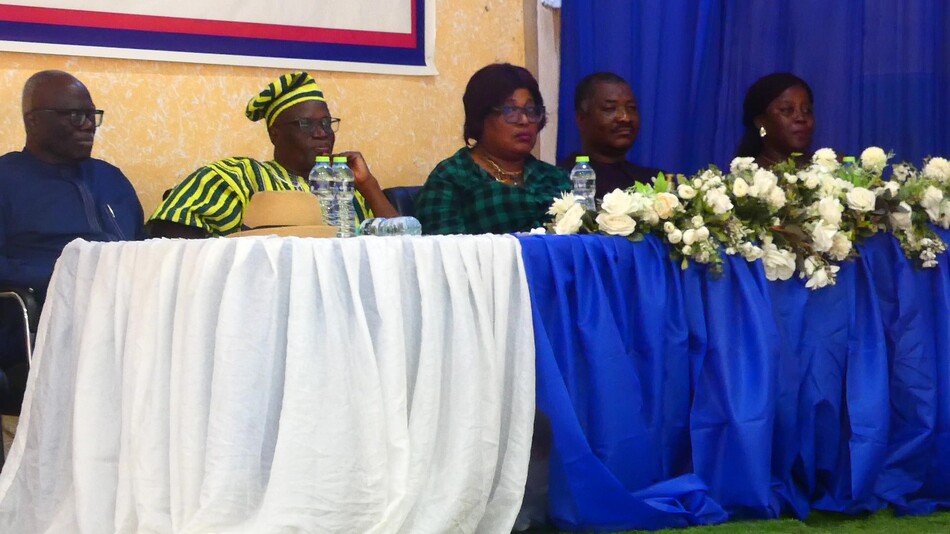
Residents of Bolgatanga, the capital of Ghana’s Upper East Region, gathered this week for a significant public consultation as the Public Utilities Regulatory Commission (PURC) held its Multi-Year Tariff Review Public Hearing. The event, which drew a cross-section of stakeholders including utility providers, civil society organizations, and traditional leaders, sought to deliberate on proposed adjustments in electricity and water tariffs for the 2026–2030 period. The Bolgatanga hearing was part of an ongoing national engagement by the PURC to solicit public views, foster transparency, and offer utility providers the chance to justify requests for upward tariff adjustments. For many residents, it represented a rare opportunity to voice their concerns directly to both regulators and service providers, with the hope that their feedback would shape the future of utility services in the region and across the country. Addressing participants, the chairperson of the PURC stakeholder committee, Nana Yaa Jantuah, underscored the delicate balance the commission must strike. “For us at the PURC, we have to strike that difficult balance, ensuring the financial viability of utility service providers while at the same time guaranteeing that you, our consumers, get the right kind of service,” she remarked. “We are highly committed to ensuring that after you have paid your bill, you get the quality of service you deserve.” Mrs. Jantuah did not shy away from sharing her own challenges with utility delivery in the Upper East Region. Citing her personal experience with erratic electricity, she revealed, “Where I stayed, the lights went off intermittently nine times ,  that is woefully unacceptable. You cannot ask consumers to pay tariffs when you are not fulfilling your side of the bargain. When I pay my bill, I expect reliable service.” She highlighted the importance of mutual accountability between utility providers and consumers. “If this is happening in one hotel, then God only knows what ordinary consumers are going through. As NEDCo presents its figures to us today, we also expect an assurance of quality service.” Her message to the Northern Electricity Distribution Company (NEDCo) and the Ghana Water Company Limited (GWCL) was unequivocal: “The PURC will not hesitate to sanction you if you are not doing the right thing. The consumer makes your work possible, if they don’t pay, you cannot function.” At the same time, she called on consumers to fulfill their obligations by paying bills promptly, reminding them that reliable service depends on sustainable revenue streams for providers. “While it is your right to receive adequate and reliable power, it is also your responsibility to pay your bills,” she added. The public hearing created a lively forum for dialogue between residents and utility companies. Community members took turns voicing their grievances, with many highlighting issues such as frequent power outages, low water pressure, and delayed maintenance. Some questioned whether proposed tariff increases would be matched by noticeable improvements in service standards. Representatives from NEDCo and GWCL took the opportunity to explain the challenges they face, including rising operational costs, aging infrastructure, and the need for investment to expand and maintain networks. They argued that reasonable tariff adjustments are critical for sustaining operations and meeting the growing demand for electricity and water. Civil society organizations present at the hearing emphasized the need for greater transparency and accountability in the tariff-setting process. They called for clear communication on how new tariffs would be used to enhance service delivery and protect vulnerable populations from disproportionate price hikes. The Bolgatanga hearing is just one stop in a nationwide consultation being conducted by the PURC ahead of its final determination on utility tariffs for the 2026–2030 regulatory period. The commission has pledged to carefully consider all submissions before making decisions that will affect millions of Ghanaians. Mrs. Jantuah reassured attendees that the PURC remains committed to protecting the interests of both consumers and service providers. “We are not here to rubber-stamp any proposal,” she said. “We want to ensure that whatever decision we take is fair, transparent, and in the best interest of all stakeholders.” As the country awaits the conclusion of the hearings and the announcement of new tariffs, the hope among Bolgatanga residents is that the process will result in more reliable, accountable, and fairly priced utility services. Many expressed optimism that their voices had been heard and would influence the PURC’s final decision. The commission is expected to wrap up its nationwide hearings in the coming weeks, with a final announcement on utility tariffs set for later this year. For Bolgatanga and the wider Upper East Region, the outcome will be watched closely as communities continue to call for not just affordable rates but also a tangible improvement in the delivery of essential utilities. Source: Apexnewsgh.com/Ngamegbulam Chidozie Stephen

Read More
Bolgatanga Welcomes First-Ever Passport Application Centre Inaugurated
Business, Opinion

Bolgatanga Welcomes First-Ever Passport Application Centre Inaugurated

In a momentous step toward inclusive development and improved public service delivery, the Ministry of Foreign Affairs and Regional Integration, under the leadership of Hon. Samuel Okudzeto Ablakwa, has officially inaugurated the Bolgatanga Passport Application Centre (PAC) in the Upper East Regional capital. Apexnewsgh reports This landmark initiative forms part of the government’s broader commitment to decentralising passport services, thus ensuring that every Ghanaian, regardless of geographic location, enjoys equitable access to essential documentation. For decades, residents of the Upper East Region and its surrounding communities faced significant hurdles in obtaining or renewing their passports. The closest PACs were located in Tamale and Kumasi, forcing applicants to embark on long, costly, and often inconvenient journeys, sometimes spanning over three hours, just to complete the process. For a region with a population exceeding 1.3 million, this meant countless hours lost, added financial burdens, and unnecessary risks on the road. The opening of the Bolgatanga PAC signals an end to these challenges. Speaking at the commissioning ceremony, Hon. Ablakwa acknowledged the historical significance of the day: “This is the first time in the history of the Upper East Region that we are opening a Passport Application Centre. Today, we are making history. It should not have taken us this long, but as they say, better late than never.” He further emphasized that development must be inclusive and not limited to a select few regions: “Government services must be made available to all parts of Ghana so that all of us can feel a part of our national progress and transformation.” The story of the Bolgatanga PAC is also one of community spirit and collaboration. The Alagumgube Association, a local group with its founder, Gabriel Agambila, played a pivotal role by mobilizing resources to assist in the renovation of the facility, originally a Ghana Commercial Bank property. The bank readily handed over the building for conversion, removing all obstacles to the project. Regional authorities also demonstrated keen interest, with the regional minister reaching out for the Ministry’s approval and support. Hon. Ablakwa praised the sense of unity, stating, “What we celebrate today is a mark of togetherness, of unity, of community support where we all come together.” The Minister was quick to commend the Ministry’s staff, who undertook long journeys and tireless nights to ensure that the new centre met the exacting standards required for a modern passport office. This included directors from various departments, Finance, Passport, Consulate in Humanitarian Affairs Bureau (COHAB), and Information Public Affairs Bureau (IPAP), alongside private partners and courier companies, all combining their efforts for a seamless launch. The Bolgatanga PAC is a key milestone in a nationwide agenda. Until now, seven regions in Ghana lacked a passport application centre. With the new addition, that number is down to six, and Hon. Ablakwa has set an ambitious target: by the end of 2025, every one of Ghana’s 16 regions will have its own PAC. “We are putting in the resources, we are putting in the effort, and I am very confident that by the end of this year, all 16 regions in Ghana will have passport application centers,” he assured. This commitment, he explained, stems from the government’s belief that development must be inclusive, reaching every corner of the country. He reminded attendees that the acquisition of a passport is a right, not a privilege, for every Ghanaian citizen. The Bolgatanga PAC is not just about access; it also represents a leap forward in security and efficiency. Ghanaian passports are now highly sought after, particularly following successful negotiations for visa waivers and the country’s removal from the US sanction list. As a result, demand for Ghanaian passports has surged, particularly in border regions like Upper East, which shares a boundary with Burkina Faso. Hon. Ablakwa assured the public that robust security protocols are in place to prevent fraudulent passport acquisition. All PACs across Ghana are networked and powered by advanced AI technology. “Once you are blacklisted here in Bolga, immediately, in real time, you are blacklisted at all passport application centers across the country,” he explained, highlighting a new era of digital vigilance. “We have retrained all our passport application offices. There is absolutely no way that we are going to allow the Ghanaian passport to be easily obtained by any foreigner.” The Minister also discussed a suite of customer-focused reforms designed to make the passport process more convenient than ever. Notably, applicants no longer need to return to the PAC to receive their passports; instead, Ghana Post now delivers completed passports directly to applicants’ homes or offices. An e-tracking system allows applicants to monitor the status of their applications in real time. Additionally, the Ministry guarantees that passports will be ready within 15 working days, with an expedited service available for those who need their documents even faster, sometimes in as little as three days. The Bolgatanga PAC is equipped to issue Ghana’s latest generation of chip-embedded passports, compliant with International Civil Aviation Organization (ICAO) standards. These modern documents offer enhanced security features and durability, ensuring their holders enjoy a smooth experience both locally and internationally. Hon. Ablakwa demonstrated the effectiveness of the new system by surprising the first seven citizens of Bolgatanga, who had earlier completed their biometrics, with their new chip-embedded passports—ready in under five days. “We mean business,” he declared, “This is not some white elephant commissioning. Once we commission, the passport application officials will start work immediately. And those of you who don’t have passports can apply immediately.” Residents of the Upper East Region seeking passport services can now contact the Bolgatanga PAC via email at ipab@mfa.gov.ghOpens a new window or by phone at +233 240 913 284 and +233 240 793 072. For updates and further information, the Ministry maintains an active presence on its official X (Twitter) handle, @GhanaMFA. Citizens are encouraged to take advantage of the Ministry’s online application platform for faster, more efficient processing and to utilize the new centre for all passport-related needs. The inauguration of the

Read More
GWCL Boss Raises Alarm Over Developer’s Encroachment on Pewe Treatment Plant
Business

GWCL Boss Raises Alarm Over Developer’s Encroachment on Pewe Treatment Plant

The Managing Director of the Ghana Water Company Limited (GWCL), Adam Mutawakilu, has sounded the alarm over a developer’s persistent encroachment on the intake area of the Pewe treatment plant. According to Mutawakilu, the developer’s construction activities have led to severe siltation, which is now threatening the plant’s capacity to produce clean water for the community. Despite repeated directives to cease work, the developer has pressed on, accelerating construction and causing further siltation and increased turbidity in the water. The consequences have been immediate and severe: the Pewe plant was forced to shut down for three days, leaving residents without water and resulting in significant revenue loss for GWCL. The encroachment not only hampers the current operations of the facility but also jeopardizes its future expansion. With increased turbidity, the plant faces operational challenges, and there is growing concern about potential damage to critical equipment. Faced with this growing crisis, Mutawakilu has appealed to National Security to step in and halt the developer’s activities. He emphasized that the situation goes beyond a local water supply issue, warning that it poses a broader threat to the country’s water security. GWCL is now awaiting action from National Security to reclaim the affected land. The company is also urging authorities to safeguard all water intake points to prevent similar incidents in the future. Mutawakilu underscored the urgency of the matter, stressing that GWCL cannot continue to operate under such conditions. He called for immediate support to ensure an uninterrupted supply of water to the people and to protect the integrity of the nation’s water resources. Source: Apexnewsgh.com

Read More
Dr. Mark Kurt Nawaane Champions Skills Training for 55 Women
Business, Politics

Dr. Mark Kurt Nawaane Champions Skills Training for 55 Women

The Member of Parliament for Nabdam Constituency in the Upper East Region took a bold step toward women’s empowerment by supporting the training of 55 women in his constituency. The event, held at District Assembly, marked a significant stride in the fight against poverty and unemployment among women in the area. The MP, reflecting on his recent engagements with both men and women in the community, underscored the importance of economic independence for women. While he had earlier encouraged local farmers to form cooperatives for government support, his focus at this event was squarely on the women. The participants were trained in a variety of practical and marketable skills, including soap making, producing granulated oil, making pastes and sauces, and other essential products. The MP praised the women’s dedication and highlighted that such initiatives are central to the government’s vision of empowering women to become self-reliant and entrepreneurial. Fulfilling a campaign promise, he revealed that a portion of his common fund had been allocated to make this training a reality. As a further boost, he announced a seed capital donation of Ghc 20,000 (twenty thousand Ghana Cedis to help the women acquire equipment and start small businesses together. The plan, he explained, is to encourage teamwork and collective entrepreneurship, maximizing the impact of the support. He expressed optimism that even if a handful of women successfully form businesses and market their products, the initiative would be a success. The MP stressed that these efforts were crucial in the ongoing battle against poverty, especially in a district known for its high poverty rates. He encouraged the women to not only use their new skills for personal gain but also to drive economic growth within their communities. Madam Leticia Yamga, the NDC Nabdam Constituency Women’s Organizers, echoed the MP’s sentiments, affirming that the training targeted 55 branch women organizers from Nabdam. She emphasized the importance of economic empowerment, stating her hope that the women would use their newfound skills, ranging from making dawadawa tea to soap and other products, to support their families and carve out a brighter future. Among the trainees was Nangoot Clemencia, a mother of two and a disease control officer, who expressed heartfelt gratitude to the MP. With her new skill in soap making, she is confident she can now pay her children’s school fees and support her family. The atmosphere at the training ground was one of excitement and newfound confidence. The initiative not only provided practical skills but also ignited hope, showing that with the right support, women in Nabdam can transform their lives, break the cycle of poverty, and inspire others in their community to do the same. Source: Apexnewsgh.com/Ngamegbulam Chidozie Stephen

Read More
Business Community Sounds Alarm: FABAG Slams Proposed Electricity Tariff Hike as Threat to Ghana’s Industry
Business

Business Community Sounds Alarm: FABAG Slams Proposed Electricity Tariff Hike as Threat to Ghana’s Industry

The business landscape in Ghana is growing tense as the Food and Beverages Association of Ghana (FABAG) leads a chorus of criticism against the Public Utilities Regulatory Commission (PURC) over its proposal to increase electricity tariffs in the coming year. In a strongly worded statement released in Accra, FABAG, supported by the Ghana Union of Traders Association (GUTA) and the Ghana Plastic Manufacturers Association, denounced the planned hike as “anti-business, anti-growth, and fundamentally flawed.” The announcement sparked outrage among industry leaders, who argue that the current high cost of electricity is already choking the lifeblood of Ghanaian businesses. According to the associations, the pricing regime has become a major stumbling block for industrial growth, pushing many small and medium-scale manufacturers to the brink. For sectors that depend heavily on energy—such as manufacturing, cold storage, and food processing, the threat feels existential. Business owners fear that further tariff increases may tip them over the edge, forcing closures and job losses. FABAG’s statement painted a grim picture of the future if the tariff hike proceeds. The association warned that as electricity becomes less affordable, illegal connections and electricity theft are likely to surge, creating an environment where honest business owners are penalized while rule-breakers prosper. The associations also accused the electricity sector of inefficiency and mismanagement, arguing that businesses and ordinary citizens are unfairly shouldering the burden of systemic losses and corruption. Adding to their concerns, FABAG highlighted how the existing pricing structure makes local manufacturing less attractive and encourages imports, counteracting the nation’s push toward industrialization. With operational costs rising and competitiveness slipping, many enterprises are finding it difficult to survive. Calling for a change in direction, FABAG and its partners urged the government and the PURC to reconsider the proposed tariff increases. Instead, they advocated for reforms focused on efficiency, transparency, and sustainable pricing, measures they believe would support, rather than stifle, economic growth. Despite their frustration, FABAG reaffirmed its commitment to collaborate with the government and industry partners to ensure that Ghana’s power sector becomes a foundation for progress, not a barrier to it. The message was clear: for Ghana to achieve true industrialization, the needs of its businesses must come first. Source: Apexnewsgh.com

Read More
Deputy Defence Minister Ernest Brogya Genfi Opens Challenges Annual Forum 2025 at KAIPTC
Business

Deputy Defence Minister Ernest Brogya Genfi Opens Challenges Annual Forum 2025 at KAIPTC

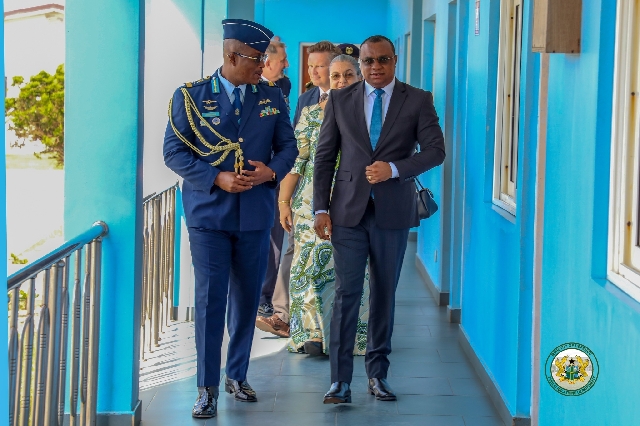
The Deputy Minister for Defence, Mr. Ernest Brogya Genfi, took centre stage as Guest of Honour at the opening ceremony of the Challenges Annual Forum 2025, held at the Kofi Annan International Peacekeeping Training Centre (KAIPTC) in Accra. The prestigious three-day event, running from Tuesday, October 14 to Thursday, October 16, 2025, is themed “Adapt and Advance: Renewing the Impact of Peace Operations.” This year’s forum has assembled leading peacekeeping practitioners, policy experts, and academics from around the world for high-level discussions on the latest trends and emerging challenges in international peace operations. The gathering serves as a vibrant platform for knowledge exchange and collaboration, focused on exploring new strategies to enhance the effectiveness and relevance of peace missions in today’s increasingly complex global security environment. Organisers anticipate that the insights and recommendations from the forum will help shape future policy directions and foster greater international cooperation in peacekeeping and conflict resolution. Source: Apexnewsgh.com

Read More