



Petrol, Diesel and LPG Prices Set to Rise from September 16
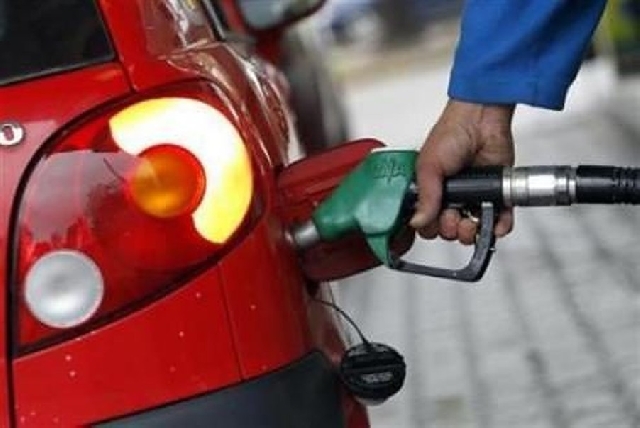
Consumers across Ghana are expected to pay more for petroleum products from Wednesday, September 16, 2026, following an increase in the minimum price floors for petrol, diesel and Liquefied Petroleum Gas (LPG) by the National Petroleum Authority (NPA). According to the NPA’s latest price floor data for the second pricing window of September, the minimum price for petrol has been set at GH¢16.00 per litre, while diesel will have a minimum price of GH¢16.77 per litre. The minimum price for LPG has also been increased to GH¢10.97 per kilogramme. The latest figures represent increases across all three petroleum products compared with the price floors announced for the first pricing window of September. The petrol price floor has increased by GH¢1.47 per litre, from GH¢14.53 to GH¢16.00, while diesel has risen by GH¢1.17, from GH¢15.60 to GH¢16.77. LPG, meanwhile, has recorded a marginal increase of GH¢0.12 per kilogramme, moving from GH¢10.85 to GH¢10.97. However, the NPA’s minimum price floors do not necessarily represent the final prices consumers will pay at filling stations. Under the Petroleum Product Pricing Guidelines, Oil Marketing Companies (OMCs) and LPG Marketing Companies are required to comply with the prescribed minimum price floors for the applicable pricing window. The floor prices, however, exclude premiums charged by International Oil Trading Companies, operating margins of Bulk Import, Distribution and Export Companies, as well as marketers’ and dealers’ margins. These components are determined independently by the respective companies in accordance with the pricing guidelines. COPEC Projects Further Increases The latest development has heightened expectations of higher pump prices from Wednesday. The Chamber of Petroleum Consumers (COPEC) is projecting a 4.24 percent increase in petrol prices and a sharper 10.23 percent rise in diesel prices during the second pricing window. Under COPEC’s projections, diesel could sell at approximately GH¢19.07 per litre, while petrol could reach about GH¢16.26 per litre. LPG is also projected to rise to around GH¢15.32 per kilogramme. COPEC Calls for Extension of Fuel Subsidy In response to the expected increases, COPEC has appealed to the government to extend its fuel subsidy intervention to cushion consumers from the impact of rising petroleum prices. The group is proposing a GH¢1 per litre relief on petrol, while calling for the existing GH¢2 per litre relief on diesel to be maintained until international petroleum benchmarks return to more normal levels. The expected increases are being attributed largely to rising international crude oil and refined petroleum product prices, amid heightened tensions in the Middle East and concerns over potential disruptions to global supply. Ghana’s reliance on imported refined petroleum products means domestic fuel prices remain highly sensitive to movements in international oil prices and exchange-rate conditions. A sustained rise in global petroleum prices could have wider economic implications, potentially increasing transportation and logistics costs, production expenses and pressure on household budgets. The latest NPA price floors therefore set the stage for another challenging pricing window for consumers and businesses beginning September 16. Source: Apexnewsgh.com
Ghana Launches Operation WATER SHIELD to Target Illegal Mining Financiers and Equipment Suppliers

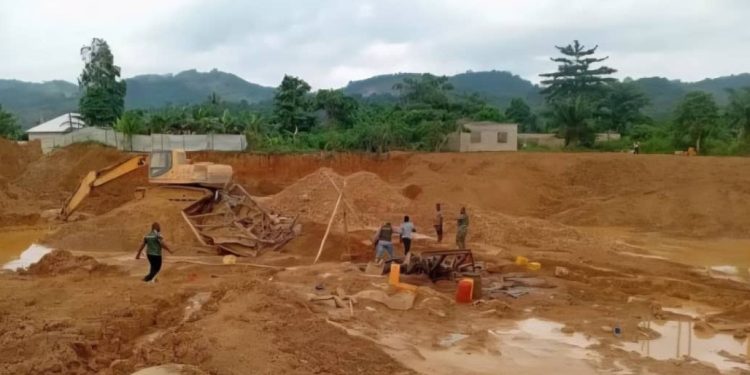
The National Anti-Illegal Mining Operations Secretariat (NAIMOS) has unveiled a bold new strategy in the fight against illegal mining, announcing plans to target not just miners, but also the financiers, facilitators, and equipment suppliers fueling the destructive activity known locally as galamsey. In a statement launching Operation WATER SHIELD, NAIMOS outlined a national enforcement campaign aimed at safeguarding Ghana’s major rivers, watersheds, and critical water resources from the ravages of illegal mining. Unlike previous efforts that primarily focused on miners and mining sites, this campaign will pursue the wider criminal and financial networks sustaining galamsey operations. The campaign will increase scrutiny on those who facilitate illegal mining, unauthorized manufacturers of chanfang machines, and individuals or companies that rent or supply excavators, water pumps, and other machinery used in the illicit trade. Enforcement, NAIMOS pledged, will be “firm, sustained and uncompromising, within the law.” Illegal miners working on riverbanks and water bodies should expect their operations to be disrupted, with any seized equipment immobilized or dealt with according to the law. Excavators, chanfang machines, water pumps, and dredging equipment will remain prime targets. Operation WATER SHIELD will focus on some of Ghana’s most threatened river systems, including the Birim, Ankobra, Tano, Bia, Pra, and Offin Rivers, as well as critically impacted sections of the Black and White Volta systems. Strategic source areas and upper catchments, which play a crucial role in downstream water quality, will also receive priority attention. NAIMOS described the campaign as a shift from isolated enforcement actions to a sustained, intelligence-led approach that targets both the source and downstream impact zones of illegal mining. The operation will be conducted in collaboration with security and state agencies to deny illegal miners access to riverbanks and waterways, dismantle their logistics and financing structures, and support the restoration of degraded water bodies. Ultimately, the Secretariat’s goal is to “substantially degrade and contain illegal mining within protected watersheds,” restrict the movement of heavy equipment into sensitive river systems, and disrupt the networks that enable illegal mining to persist. Source: Apexnewsgh.com
President Mahama Warns SOE Boards Against Conflict of Interest and Mismanagement
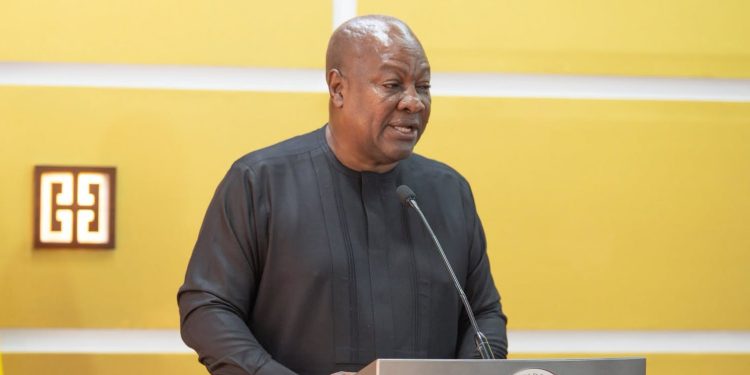
President John Dramani Mahama has delivered a stern warning to members of his administration and governing boards of State-Owned Enterprises (SOEs), cautioning them against conflicts of interest, abuse of office, and the improper management of state resources. Addressing the SIGA Governing Boards and CEOs Conference 2026 on Thursday, September 10, President Mahama emphasized the critical need for integrity, transparency, and accountability among public officials entrusted with managing state institutions and assets. He reminded government appointees and board members of their duty to protect the public interest, insisting that decisions made under their authority should be able to withstand public and official scrutiny. “Ladies and gentlemen, this administration will not tolerate conflict of interest or abuse of office. Procurement must be lawful and follow the guidelines; it must be competitive and transparent,” President Mahama declared. He further stressed that recruitment and promotions should be based strictly on merit, and that contracts, investments, and asset disposals must demonstrate clear value for money. The President made it clear that governing boards must take personal responsibility for state assets in their care—including land, buildings, equipment, and investments. He warned that unauthorized disposal or mismanagement of state assets would not be treated as a minor administrative lapse, but as a serious breach of trust against the people of Ghana. “The government will continue to demand accountability from those entrusted with managing public institutions and resources,” President Mahama stated. The conference brought together governing board members and Chief Executive Officers of SOEs to discuss best practices in governance, accountability, performance, and the effective management of public institutions. Source: Apexnewsgh.com
Ghana Seeks Deeper Partnerships with China for Value-Driven, Sustainable Mining Future
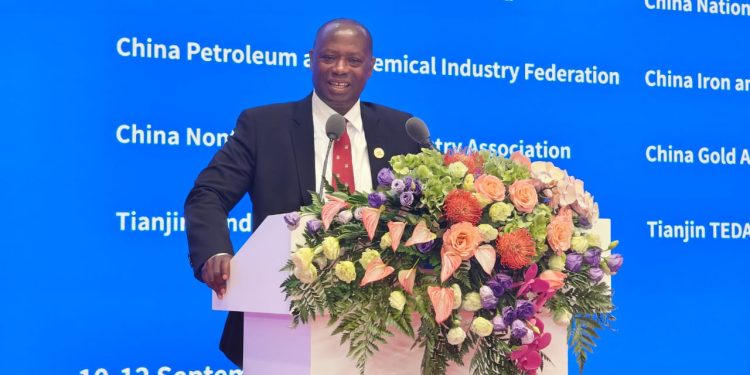
Ghana is charting a new path in its mining sector, calling for stronger partnerships with China and global stakeholders to unlock greater value from its mineral resources. The message was delivered by the Minister for Lands and Natural Resources, Emmanuel Armah-Kofi Buah, at the opening of the 28th China Mining Conference and Exhibition 2026 in Tianjin, China. No longer content with exporting raw minerals, Ghana is seeking cooperation in mineral processing, technology transfer, skills development, and infrastructure to fuel job creation and economic growth. “Our minerals must do more than generate export receipts. They must support value addition, industrial development, skills, jobs and opportunities for our young people,” the Minister emphasized. He stressed that the next chapter of Ghana’s mining industry must prioritize industries, skills, technology, jobs, and stronger communities alongside extraction. To this end, the government is reviewing its minerals and mining framework, formalizing artisanal and small-scale mining, and enhancing transparency and responsible oversight across the gold value chain. Ghana already boasts significant Chinese investments in mining, including Chifeng Gold Group, Shandong Gold, and Zijin Mining. But Mr. Armah-Kofi Buah said future partnerships should go beyond extraction to embrace mineral processing, infrastructure, local supply chains, and skills development. Environmental sustainability also took center stage, with the Minister highlighting measures to combat illegal mining (galamsey), such as the National Anti-Illegal Mining Operations Secretariat (NAIMOS) and the Responsible Cooperative Mining and Skills Development Programme (rCOMSDEP). He appealed for deeper cooperation with China in environmental management, land reclamation, and restoration of mined areas: “A river is not simply an environmental statistic. It is drinking water. It is farming. It is the livelihood of a community. It is an inheritance held in trust for a child not yet born.” Pushing for intelligent mining, Mr. Armah-Kofi Buah outlined Ghana’s efforts to modernize its geological data and digitalize the gold supply chain. He underscored the importance of accurate geological information for attracting investment and ensuring fair negotiations, calling for greater technical exchanges and mining-specific training for Ghanaians. Looking ahead, the Minister said Ghana is focused on refining more gold, advancing an integrated aluminium industry, developing iron ore resources for domestic steel production, and positioning critical minerals for new industries and technologies. This vision will be showcased during Ghana Mining Day at the conference under the theme, “Building Ghana’s Next Frontier: Geology, Value Addition and Investment Partnership.” He invited Chinese and global investors to explore mutually beneficial opportunities, stating, “We have the resources. China has deep experience in capital, technology, processing, infrastructure and industrial development. Between us lies an opportunity to build commercially sound partnerships in which Ghana creates more value at home, investors succeed, communities share in prosperity and both countries emerge stronger.” China’s Vice Premier, He Lifeng, responded by expressing China’s readiness to support developing economies with funding, technology, and fair benefit-sharing through open and transparent partnerships. The 28th China Mining Conference and Exhibition runs in Tianjin from September 10 to 12, 2026, under the theme, “Win-Win Cooperation, Green and Intelligent.” Source: Apexnewsgh.com
Port Congestion, New Fees, and a Surge in Containers: The Story of Ghana’s Shipping Challenge
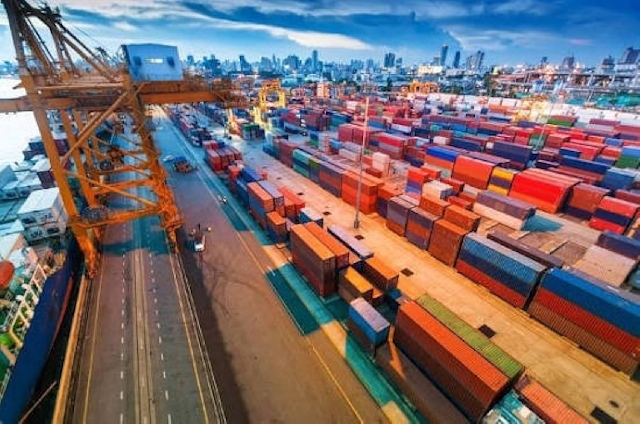
The atmosphere at Ghana’s ports has never been more charged. Shipping companies and their agents have received a clear directive from the government: begin collecting the approved GH¢720 Container Administrative Charge immediately, no exceptions. This hard stance was revealed by Transport Minister Joseph Bukari Nikpe during an interview on Channel One TV’s The Point of View. His position followed a recent court ruling that dismissed an attempt to block the implementation of the new fee. “Before we will agree, they will have to be collecting or charging the GH¢720 as we communicated to them before we can sit together with them,” Minister Nikpe stated, emphasizing that compliance with the directive is a prerequisite for any further negotiations. The GH¢720 charge, he clarified, is the regulatory ceiling for the Container Administrative Charge applied to all import and export containers, calculated per Twenty-Foot Equivalent Unit (TEU). Despite the firm approach, the government is keeping the door open for dialogue. Minister Nikpe assured shipping companies that discussions could resume, but only after they have started applying the fee as stipulated by the authorities. Meanwhile, a new challenge has emerged: an unprecedented surge in container traffic at Ghana’s ports. According to Minister Nikpe, container volumes have shot up by almost 100 percent, a level not seen in the past twenty years. This dramatic increase has led to significant congestion, especially at the Meridian Port Services (MPS) Terminal in Tema. The congestion has caused delays in cargo clearance and put immense pressure on available terminal space. To address the bottlenecks, the government is taking action on several fronts. Efforts are underway to remove containers that have overstayed at the port, and shipping lines are being urged to evacuate empty containers that continue to occupy valuable space. In a bid to ease the pressure, the Railway Development Authority has been enlisted to temporarily move some of the containers to alternate terminals. Additionally, the Ghana Ports and Harbours Authority has been instructed to acquire two more cranes to speed up cargo handling and reduce delays. As the shipping industry adapts to these new realities, all eyes are on the government and port authorities to see if these interventions will restore smooth operations and keep Ghana’s trade flowing. Source: Apexnewsgh.com
Bank of Ghana Rolls Out Tougher Penalties for Dud Cheque Offenders
The Bank of Ghana (BoG) has introduced a new, tiered penalty system aimed at curbing the issuance of dud cheques, a move designed to protect the integrity of the country’s financial system and encourage responsible banking. Under the revised rules, a dud cheque is defined as one that cannot be honoured due to insufficient funds in a customer’s account. If such a cheque is issued, the bank will reject and return it, and the account holder could face legal action in addition to financial penalties. For first-time offenders, the BoG mandates a penalty of 10% of the cheque’s face value. Offenders will also receive a formal warning outlining the ramifications of future violations. Banks are required to report these cases to both the Credit Reference Bureaus (CRBs) and the central bank. The penalties increase for repeat offenders. A second dud cheque issued within a year of the first attracts a 15% penalty and a renewed warning, with the incident again being reported to CRBs and the BoG. A third offence within the same period will result in a 20% penalty. After the third strike, consequences stiffen significantly: the customer will be banned from issuing cheques for at least three years and denied access to new credit facilities for one year. The BoG will notify all banks and Specialised Deposit-Taking Institutions of the sanction, ensuring the ban is enforced across the sector. The BoG warns that these offences can damage a customer’s creditworthiness, making it harder and more expensive to borrow in the future. Banks must notify customers of a cheque-issuing ban within five working days and recall all unused cheque books, refraining from issuing new ones until the sanction is lifted. Customers who fail to return unused cheque books within ten working days face even stiffer penalties, including a possible ban on operating any current account and inclusion in the BoG’s Directory of High-Risk Cheque Issuers. The central bank is urging all customers to be vigilant about their account balances and not to issue cheques based on anticipated funds unless they are certain the money will be available. Keeping accurate records of issued cheques and their expected presentation dates, and alerting one’s bank in the event of insufficient funds, are also strongly advised. Source: Apexnewsgh.com
Government to Introduce Biometric Verification for SIM Registration Before End of 2026
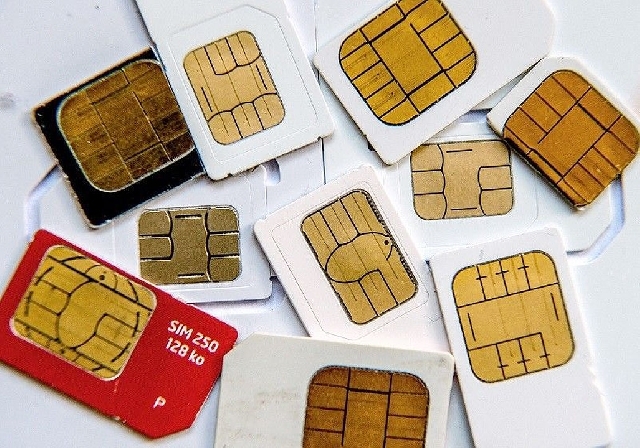
Ghana is set to take a significant leap in digital security, as the government prepares to roll out biometric verification for SIM card registration before the end of 2026. Communications, Digital Technology and Innovations Minister Samuel Nartey George made the announcement at the Government Accountability Series held at Jubilee House in Accra on Monday, September 7. Minister George revealed that Parliament has passed the Legislative Instrument (LI) on SIM registration, clearing the way for this next phase. The new biometric system will require subscribers to provide unique identifiers, such as fingerprints, when registering their SIM cards. This move, he explained, is intended to strengthen the identification of subscribers and enhance the integrity of Ghana’s SIM registration database. “The work is far from finished, and I will not pretend otherwise. But the direction is unmistakable, the results are measurable, and the resolve of this Ministry is unshaken,” Mr George said, underscoring the government’s commitment to improving regulatory frameworks as technology evolves. Authorities believe the introduction of biometric verification will make it much harder for individuals to use fraudulent identities to register SIM cards. It will also improve the traceability of subscribers, helping Ghana’s telecommunications sector combat crime and strengthen national security. With the passage of the LI, the Ministry is expected to collaborate closely with the National Communications Authority (NCA) and telecom operators to roll out the biometric system before the year’s end. Subscribers will be allotted a window to complete the verification process, with possible sanctions for those who fail to comply. This bold step signals a new chapter in Ghana’s digital transformation journey, one focused on security, accountability, and the responsible management of digital identities. Source: Apexnewsgh.com
Nabdam MP Donates 15 Sewing Machines to Centre for National Culture
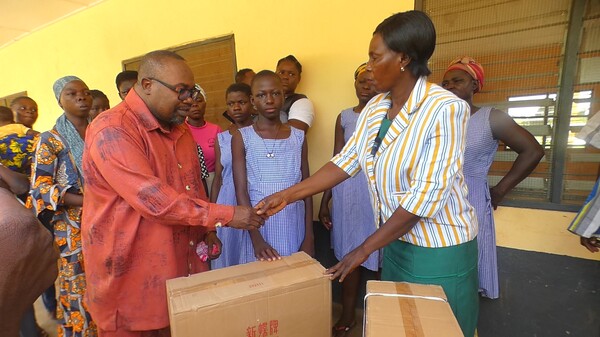
The Member of Parliament for the Nabdam Constituency, Dr Mark Kurt Nawaane, has donated 15 sewing machines to the Centre for National Culture in the Nabdam District to support vocational training for young people, particularly young women. The donation follows an inspection of the centre by the MP, during which he observed the challenges confronting the facility and the lack of equipment needed to effectively train the youth in various vocational skills. Speaking at the presentation ceremony, Dr Nawaane said the initiative was largely community-driven and had been championed by the Nabdam District Director of the Centre for National Culture, Madam Gladys Ayamga. According to him, Madam Ayamga had been working over the past six months to organise young women to acquire vocational skills but faced difficulties securing the necessary equipment. He said after visiting the centre and witnessing the situation firsthand, he decided to seek support to provide the needed sewing machines. “When I went back to Accra, I tried to look around and, thanks to God, today I am donating 15 sewing machines to the centre. This is a community-initiated activity.” Dr Nawaane stressed the importance of vocational and technical education, noting that not every young person must necessarily pursue university education. He said Ghana needed more people with practical and technical skills to meet the demands of the economy. “Not everybody is supposed to learn and go to university and go and do academic work. Currently, what we lack in Ghana is technical skills. What we lack in Ghana is vocational skills,” he said. In addition to the sewing machines, Dr Nawaane announced a financial support of GH¢5,000 to assist the centre in its training activities and enable the beneficiaries to explore additional vocational areas, including weaving. He also encouraged the centre to introduce other practical skills such as hairdressing and promised to support efforts to expand vocational training opportunities across the district. The MP expressed hope that within the next two to four years, the centre would have a larger number of students acquiring different vocational skills. He further urged the beneficiaries to take proper care of the sewing machines and use them strictly for their intended purpose. “These machines are set up for you to use them to learn. Take good care of them. Make sure that you learn and learn and learn. That is just what we expect from you,” he said. The Nabdam District Director of the Centre for National Culture, Madam Gladys Ayamga, expressed gratitude to Dr Nawaane for responding to the centre’s appeal for assistance. She said efforts to secure sewing machines for the trainees had previously proved unsuccessful despite repeated attempts to obtain support. “I am so grateful to him in the sense that he is able to come out to assist these youth. In fact, it’s not easy. I’ve been with them, struggling to get sewing machines to even equip them for the training,” she said. Madam Ayamga explained that the centre plans to expand its training programmes beyond dressmaking to include beading, hand-tassel weaving and other vocational skills. She, however, appealed for further support to enable the centre to extend its programmes to more communities in the district. According to her, distance remains a major challenge for young people from communities such as Sakote who wish to benefit from the training. She therefore called for support to establish or expand training opportunities in other parts of Nabdam so that young people would not have to travel long distances to access vocational education. Genesis of the Vocational Training Madam Ayamga explained that the vocational training initiative dates back to her time working with the Centre for National Culture in Bolgatanga, where she was involved in the hand-weaving and sewing departments. She said the experience enabled her to train several young people, some of whom later joined the Centre for National Culture as workers. She disclosed that in 2024, the centre trained 15 young women in dressmaking and five others in hand-tassel weaving. After completing their training, some beneficiaries received sewing machines and continued practising their trades within their respective communities. Others subsequently followed her to Nabdam, where they continued their training and graduated in 2025. Madam Ayamga said following the graduation, she appealed to the MP and the Nabdam District Assembly for support to recruit and train more young people. She also said the programme had opened its doors to persons with disabilities and other young people seeking opportunities for self-employment. She cited the example of a trainee who had previously learned dressmaking but returned to the centre to acquire additional skills in hand-tassel weaving. Madam Ayamga said the ultimate goal was to equip young people with practical skills that could enable them to become self-reliant and improve their livelihoods. The centre is expected to continue expanding its vocational programmes as it mobilises additional support and equipment for trainees across the Nabdam District. Source: Apexnewsgh.com
Nabdam MP Nawaane Inspects 24-Hour Economy Market Project, Urges Contractor to Deliver Quality Work
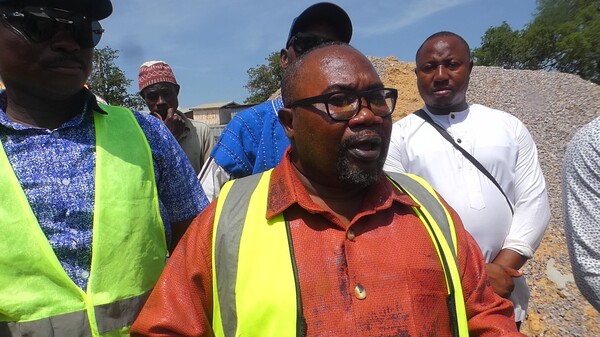
The Member of Parliament for the Nabdam Constituency, Dr. Mark Kurt Nawaane, has inspected the ongoing construction of the Nabdam 24-hour economy market project, a flagship initiative under the John Dramani Mahama-led NDC administration. The visit was aimed at assessing the progress of work and encouraging the contractor, Mac-Deen Ghana Limited, to maintain high standards and ensure the timely completion of the project. Dr. Nawaane expressed satisfaction with the level of work undertaken so far by the contractor, but urged the company not to become complacent. He encouraged Mac-Deen Ghana Limited to focus not only on completing the project but also on delivering a quality, world-class facility that would serve the people of Nabdam for years to come. According to the MP, projects of this nature provide Ghanaian contractors with an opportunity to demonstrate their capacity and contribute meaningfully to the country’s development. He also appealed to wealthy Ghanaians and local businesses to invest their resources in Ghana rather than moving their capital abroad. “Nobody is coming to develop this country for us. We have to develop our country ourselves. We’ve got to put in the resources,” Dr. Nawaane said. He urged Ghanaians with financial resources and expertise to invest in local industries, create jobs and help generate wealth within the country. Dr. Nawaane further challenged the contractor to view the Nabdam project as an opportunity to build a strong reputation that could lead to future contracts. “Don’t get swollen headed. Make sure that it is not just a matter of doing the work, but doing it very well,” he advised. The MP explained that quality delivery on the project could serve as an advertisement for the contractor and position the company for similar projects in the future. He also expressed appreciation to President Mahama for the vision behind the 24-hour economy initiative and urged the contractor and its workers to put in the necessary effort to ensure that the project becomes a reality. Contractor Promises Timely Completion A representative of Mac-Deen Ghana Limited assured Dr. Nawaane and the people of Nabdam that the company was committed to delivering the best possible project. The representative disclosed that the project was expected to be completed within 24 months, although ongoing rainfall had affected the pace of construction. He assured the MP that the contractor had several projects at various stages of completion but remained committed to handing over the Nabdam 24-hour economy market to the people as promised. “We want to assure you that this project will be completed and handed over to you,” the representative said. The contractor also expressed the hope that, by God’s grace, Mac-Deen Ghana Limited would be among the first contractors to successfully complete and hand over a 24-hour economy market project to its beneficiaries. The Nabdam market project is expected to provide modern commercial infrastructure and support economic activities in the constituency as part of the government’s broader 24-hour economy agenda. Source: Apexnewsgh.com/Ngamegbulam Chidozie Stephen
Pump Price Movements Mark September’s First Pricing Window
As the first pricing window of September unfolds, Ghana’s fuel landscape is witnessing a flurry of price adjustments by major Oil Marketing Companies (OMCs), each charting its course in response to international and local market pressures. It all began quietly, with most OMCs, except Star Oil, holding their pump prices steady, despite projections that petrol and diesel prices would climb in the new pricing period. But Star Oil soon broke the silence, announcing its second price hike for September’s first window. The company raised the price of diesel from GH¢16.97 to GH¢17.26 per litre, and petrol from GH¢14.97 to GH¢15.43 per litre, while keeping RON 95 unchanged at GH¢17.97 per litre. Star Oil attributed these changes to rising international prices for refined petroleum products, even as the Ghana cedi showed signs of strength. In contrast, state-owned GOIL chose not to adjust its prices, maintaining those set in the previous window. Petrol at GOIL outlets remains at GH¢15.43 per litre, diesel at GH¢17.26, and Super XP 95 at GH¢17.97. The company explained its decision as an effort to offer consumers some relief at the pumps amid the ongoing price volatility. Shell, another major player, also held its ground, keeping petrol at GH¢15.99 and diesel at GH¢17.59 per litre. Its premium V-Power fuel is retailing at GH¢17.99 per litre. Meanwhile, TotalEnergies nudged its petrol price upward from GH¢15.99 to GH¢16.18 per litre, though its diesel price remained at GH¢17.59. Excellium 95, the company’s premium offering, continues to sell at GH¢17.99 per litre. These price movements reveal the complex, competitive dance among Ghana’s OMCs as they react to international refined product prices, shifts in the cedi’s strength, and each other’s strategies. With Brent crude hovering above $95 a barrel due to renewed tensions in the Middle East, the specter of further pump price hikes looms if global market pressures persist. Regulatory agencies are also active. For September’s first window, the National Petroleum Authority (NPA) has raised the price floors, the minimum legal prices at which OMCs and LPG Marketing Companies can sell fuel. Petrol’s floor is now GH¢14.53 per litre (up from GH¢13.92 in August’s second window), and diesel’s floor is GH¢15.60 per litre (up from GH¢15.19). Only LPG saw a slight decrease, slipping to GH¢10.85 per kilogram. These regulated floors set a baseline but exclude various industry premiums and margins, which each company determines independently within the guidelines. To cushion consumers, the government has extended a GH¢2 per litre reduction in the regulatory margin on diesel into September’s window. This ongoing intervention aims to soften the blow from rising international prices as OMCs revise their pump prices. As the month unfolds, all eyes will be on the pumps, and the international markets, to see if further adjustments lie ahead. Source: Apexnewsgh.com