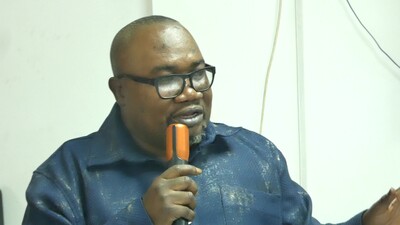

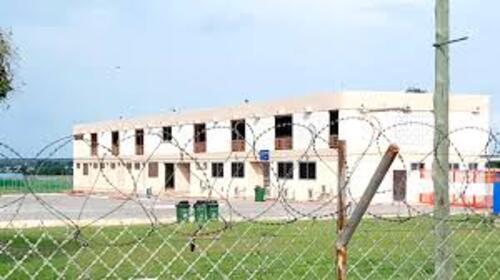
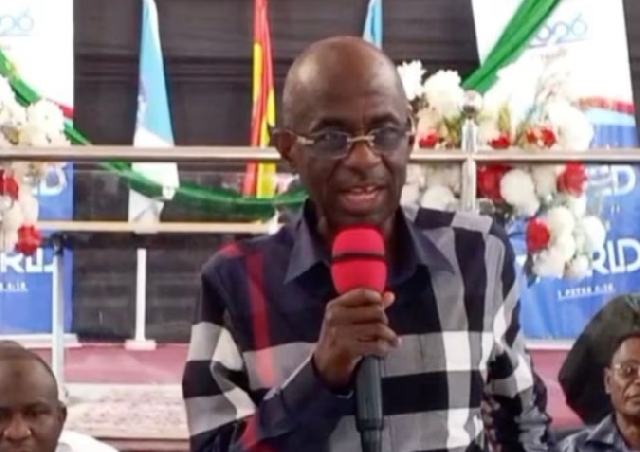
Mr. Saeed Ibrahim, the head of Imaging at Bolgatanga Regional Hospital, stands as a solitary figure in a sea of necessity. Apexnewsgh reports With over 25 years dedicated to his role, he has become a steadfast pillar in a department grappling with a critical shortage of staff. “Our major challenge now is staffing,” he laments, highlighting the stark reality that he is currently the only Radiographer employed by the Ghana Health Service across the entire region. As he reflects on his two and a half decade journey, Mr. Saeed acknowledges the impact of this staffing shortfall. “For years, I’ve had to rely on casual workers to fill the gaps,” he shares, his voice tinged with the weight of responsibility. Excitingly, the department has recently received new imaging machines that hold the promise of improved healthcare services, yet without adequate personnel to operate them, their potential remains untapped. When questioned about why radiographers seem to leave or not stay in the region, Mr. Saeed responds thoughtfully. “Over the past ten years, we’ve had a few posted here, but many have chosen to return elsewhere,” he explains. His insight reveals a community of dedicated professionals who, despite their desire to contribute, are often overwhelmed by the challenges they face. “We know each other well,” he continues. “The conditions aren’t always what they should be, and without the proper support, it’s difficult to thrive.” This conversation took place during a pivotal site visit by a Health Committee delegation, organized to assess conditions across various hospitals in the region. Dr. Mark Kurt Nawaane, the committee chairman, along with other members, was there to witness firsthand the struggles and triumphs of healthcare facilities including the Bolgatanga Regional Hospital. As Dr. Saanwie Aiden, the Medical Director of the hospital, welcomed the committee, he expressed his gratitude for their presence. “This visit sheds light on the daily challenges we face,” he stated, blending pride in recent advancements with a poignant acknowledgment of persistent needs. Among these needs is the critical absence of a biomedical engineer, a position that has left the hospital vulnerable. “Whenever equipment malfunctions, we find ourselves reaching out to engineers from Accra or Kumasi, which often complicates matters further,” he confessed, reflecting on the frustration that arises from relying on external solutions. The visit was more than mere observation; it was an opportunity for genuine engagement. Dr. Aiden and Mr. Saeed shared their hopes that the committee’s attention would catalyze the necessary support to fill staffing gaps and promote sustainable healthcare practices. They voiced a collective aspiration for improvement, not just for the hospital but for the communities they serve. Among the committee members present were notable figures such as Patrick Boakye-Yiadom, Anthony Mwikara Sumah, and Kingsley Agyemang, the Member of Parliament for Aboakwa South. Together, they listened intently, aiming to pave the way for a healthier future for the Upper East region, rallying forces to ensure that healthcare, especially in Bolgatanga, can flourish in the face of adversity. Source: Apexnewsgh.com
Upper East Health Workers Deserves More Study Leave than Those in Accra and Kumasi– Dr. Mark Kurt Nawaane
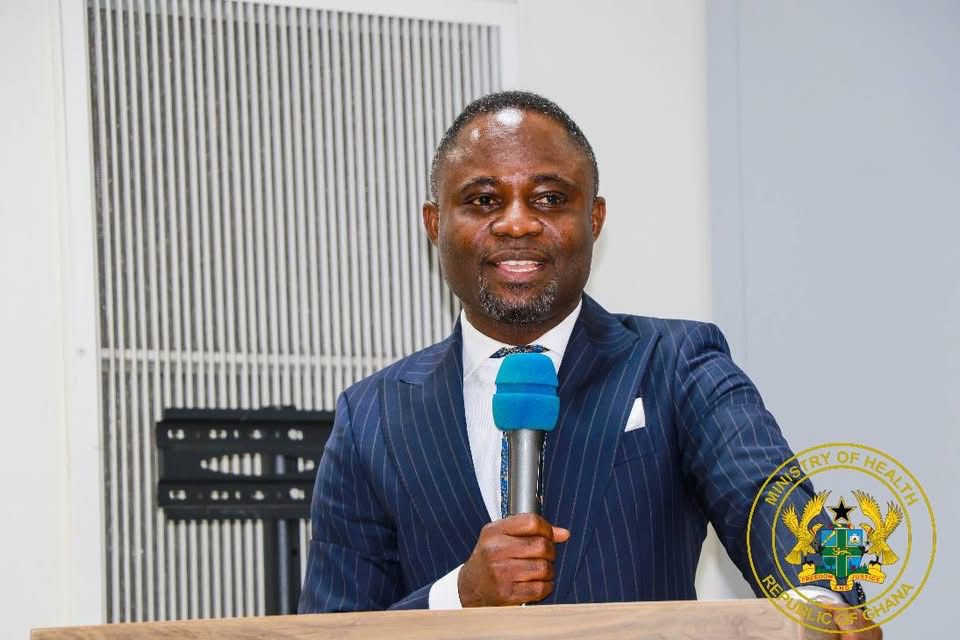
Dr. Mark Nawaane, the Chairman of the Parliamentary Select Health Committee, has advocated for more favorable study leave policies for healthcare workers in the Upper East Region. Apexnewsgh reports During a recent visit to the Bolgatanga Regional Hospital, Dr. Nawaane emphasized the unique challenges faced by healthcare professionals in less urbanized areas compared to their counterparts in bustling cities like Accra and Kumasi. This visit was part of a broader initiative where members of the Health Committee were divided into three teams, each tasked with assessing different hospitals across the region. Team One, including Dr. Nawaane, visited Bolgatanga Regional Hospital as well as Nalerigu Regional Hospital, Tamale Teaching Hospital, Tamale Regional Hospital, and Wa Regional Hospital. Meanwhile, Team Two assessed facilities in Damongo, Techiman, Sunyani, and Goaso, while Team Three turned their focus on the important hospitals in Kumasi. The purpose of these extensive assessments was clear: to engage directly with healthcare professionals and stakeholders, evaluate infrastructure, and improve the quality of service delivery. The initiative underlined the Health Committee’s commitment to addressing the pressing challenges within the public health sector, striving to ensure that quality healthcare is accessible to all citizens, regardless of their location. Upon arrival, Dr. Saanwie Aiden, the dedicated Medical Director of Bolgatanga Regional Hospital, warmly welcomed the committee members. He expressed his gratitude for their visit, recognizing it as an opportunity to bring attention to the challenges that the hospital grapples with on a daily basis. As discussions progressed, Dr. Aiden shared the hospital’s journey—a tale interwoven with significant advancements and unmet needs. “We have received several facilities aimed at improving our services,” he spoke passionately, his voice tinged with both pride and concern. “However, a major hurdle remains: we are in dire need of qualified staff to utilize these facilities effectively for our community’s benefit.” He painted a vivid picture of one of the hospital’s most pressing issues—the absence of a biomedical engineer. Without this critical position filled, the hospital found itself in a precarious situation whenever equipment malfunctioned. “We often have to rely on engineers from Accra or Kumasi, which can lead to complications,” he expressed, his brow furrowing with frustration. “Regrettably, there have been instances where these external engineers have exacerbated the problem, leaving us with faulty equipment instead of the solutions we desperately required.” Dr. Aiden harbored hope that the committee’s visit would not only spotlight the hospital’s needs but also catalyze the support necessary for meaningful change. With unwavering determination, he stressed the urgency of filling staffing gaps to ensure that the Bolgatanga Regional Hospital could deliver effective and efficient care. His call to action resonated, reflecting the collective aspiration for improvement—for the hospital, its dedicated staff, and the community they were committed to serving. Among the committee members visiting the Bolgatanga Regional Hospital were: Dr. Mark Kurt Nawaane – Chairman Patrick Boakye-Yiadom – Deputy Ranking Member Anthony Mwikara Sumah – Member Kingsley Agyemang – Member of Parliament for Aboakwa South. Together, they listened and engaged, hoping to pave the way for a healthier future for the Upper East region. Source: Apexnewsgh.com
Parliament’s Health Committee Takes a Vital Journey to Improve Healthcare Access
The Health Committee of Parliament, under the leadership of Chairman Dr. Mark Kurt Nawaane, embarked on a crucial outreach visit to the Regional Hospitals in the Upper East and Northern East Regions. Apexnewsgh reports The visit, an integral part of their monitoring process, aimed to evaluate the quality and accessibility of health services for communities in these underserved areas. As the team toured various facilities, including different wards, the outpatient department, and diagnostic centers, it quickly became clear that a major hurdle faced by these hospitals is a severe staffing shortage. Dr. Nawaane highlighted the urgent need for government intervention, stating, “Staffing is the number one issue we encountered, and it’s clear that the government needs to take decisive action.” The committee’s findings painted a stark picture of healthcare in Bolgatanga, a municipality that, despite its designation, was described by Dr. Nawaane as a remote area in dire need of support. “It should be classified among the deprived areas requiring government assistance,” he emphasized. The chairman pointed out the critical need for specialists, underscoring the fact that the entire Upper East Region only has one radiographer and one gynecologist when experts estimate that at least six of each are necessary. “Our women are suffering,” he stated, urging that financial clearance for healthcare personnel be expedited, particularly for those willing to serve in remote areas like Bolgatanga. He recognized the efforts of Bolgatanga hospital management’s in maintaining cleanliness and operational standards but raised concerns about the hospital’s Internal Generated Fund (IGF) being disappointingly low. “Management must work to close all leakages by engaging stakeholders effectively,” he advised. The parliamentarians divided themselves into three teams, each assigned to different hospitals for comprehensive assessments. Team One includes visits to Bolgatanga Regional Hospital, Nalerigu Regional Hospital, Tamale Teaching Hospital, Tamale Regional Hospital, and Wa Regional Hospital. Team Two will evaluate Damongo Regional Hospital, Techiman Regional Hospital, Sunyani Regional Hospital, and Goaso Regional Hospital. Meanwhile, Team Three will tour Kumasi Regional Hospital, Komfo Anokye Teaching Hospital, and several other key facilities. Throughout their visits, the MPs intend to closely engage with healthcare professionals and stakeholders, as well as to assess infrastructure and service delivery quality. This initiative reflects the ongoing commitment of the Health Committee to address the pressing challenges in the public health sector and to ensure that quality healthcare becomes accessible to all citizens, no matter where they live. Dr. Saanwie Aiden, the dedicated Medical Director, welcomed members of a visiting committee. He expressed his satisfaction with their visit, recognizing its significance in shedding light on the challenges that the hospital faced daily. As the discussions unfolded, Dr. Aiden shared the hospital’s story—a narrative marked by progress but shadowed by pressing needs. “We have received numerous facilities to enhance our services,” he said, his tone a mix of pride and concern. “However, we face a significant challenge: we need qualified staff to operate these facilities effectively for the benefit of our community.” “One glaring example is our lack of a biomedical engineer. Without this crucial role filled, we’re left in a tough spot when equipment breaks down. We have no choice but to rely on engineers from Accra or Kumasi.” His brow furrowed slightly as he continued, expressing frustration over the situation. “Unfortunately, there have been times when these hired engineers have caused more harm than good, leaving us with faulty equipment instead of the solutions we sought.” The visit from the committee, Dr. Aiden hoped, would not only highlight the hospital’s needs but also serve as a catalyst for much-needed support. With determination in his voice, he stressed the urgency of addressing staffing gaps to ensure that the Bolgatanga Regional Hospital could serve the community effectively and efficiently. It was a call to action, echoing the collective hope that things could improve—for the hospital, its staff, and most importantly, the people they served. The members of the health committee who visited the Bolgatanga Regional Hospital are as follows: Dr. Mark Kurt Nawaane – Chairman Patrick Boakye-Yiadom – Deputy Ranking Member Anthony Mwikara Sumah – Member Kingsley Agyemang – Member of Parliament for Aboakwa South. Source: Apexnewsgh.com/ Ngamegbulam Chidozie Stephen
President Mahama Dismisses Tamale Teaching Hospital CEO Over Patient Death
President John Dramani Mahama has dismissed the Chief Executive Officer of the Tamale Teaching Hospital (TTH), Dr. Adam Atiku, following reports of alleged negligence that led to the recent death of a patient at the hospital’s Accident and Emergency Ward. Apexnewsgh reports The decision comes amid growing concerns about the deteriorating state of healthcare delivery at the facility. Several essential medical equipment at the hospital are reportedly non-functional, raising serious concerns about the quality of care provided to patients. In response to the situation, Minister for Health, Kwabena Mintah Akandoh, paid an unannounced visit to the hospital to assess the challenges facing healthcare delivery in the Northern Region. During the visit, Minister Akandoh expressed serious concern over the number of idle medical machines, despite payments being made to suppliers. He also highlighted the impact of the ongoing water crisis in Tamale on hospital operations, describing it as a broader regional issue that requires urgent presidential intervention. Minister Akandoh assured patients that the Ministry would work with hospital management to resolve the equipment issues. He urged residents to continue using the hospital’s services, promising improved healthcare delivery. “When we finish with them, we will all think through it… Everybody should remain calm and let us continue to patronize the facility,” he stated. Source: Apexnewsgh.com
Health Minister Calls for Modernization of Nursing Training Admission Process
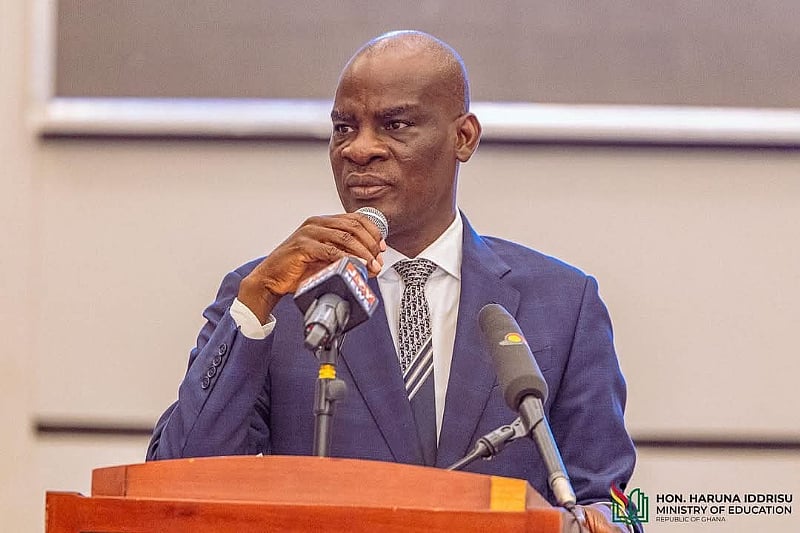
The Minister for Health, Kwabena Mintah Akandoh, has called for the modernization of the nursing training admission process to make it more accessible and convenient for applicants across the country. Apexnewsgh reports Mr. Akandoh is advocating for a system that allows prospective students to apply from the comfort of their homes, eliminating the need to travel to banks or district capitals to purchase forms. The Minister expressed concerns that many applicants still have to endure long journeys to access application forms, which he believes is unacceptable in this digital era. “This initiative will significantly ease the burden on parents and applicants, making the process more convenient and inclusive,” he said. Mr. Akandoh is open to developing a new digital admissions platform if that’s what it takes to solve the issue. Mr. Akandoh emphasized the need for a broader transformation across the health sector, stating, “The resetting agenda begins with all of us. It is a call to duty, and nursing admissions will not be left out.” He made this call in a meeting with the Principals of nursing training institutions in his office, highlighting the importance of modernizing the admission process to improve accessibility and convenience for applicants. Source: Apexnewsgh.com
Ghana’s Road Fatalities Soar by 24% in First Quarter of 2025
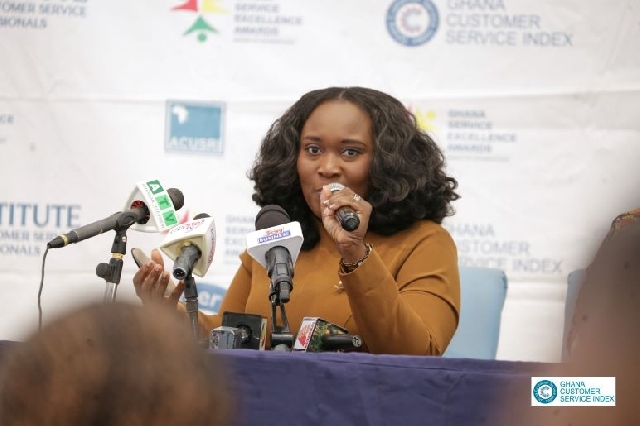
The National Road Safety Authority (NRSA) has revealed a startling rise in road fatalities across Ghana, with a 24% increase noted in the first quarter of 2025. Apexnewsgh reports According to the statistics, 752 lives were tragically lost on the roads between January and March, a significant jump from the 609 deaths recorded during the same timeframe in 2024. Pearl Adusu Sateckla, the Public Relations Officer for the NRSA, voiced her deep concern regarding this alarming trend, stating, “The situation is very worrying.” She highlighted a grim reality: every indicator, from the number of road crashes to resultant fatalities, has worsened compared to the previous year. As the Easter holidays approach—typically a time of heightened travel—the NRSA is urging drivers to exercise heightened caution on the roads. Sateckla emphasized the critical need for safety measures, advising drivers to adhere to several key practices: controlling speed, taking regular breaks to combat fatigue, avoiding vehicle overloads, and refraining from driving under the influence of alcohol. The NRSA has formally called on drivers to prioritize safety by following these essential guidelines: Control Speed: Avoid speeding, particularly during busy travel periods. Take Regular Breaks: Rest is crucial when feeling fatigued to help prevent accidents caused by exhaustion. Avoid Vehicle Overloads: Ensuring vehicles are not overloaded significantly lowers the risk of accidents. Don’t Drink and Drive: Keep alcohol consumption in check to ensure clear judgment while driving. This urgent plea by the NRSA comes amidst ongoing efforts to improve road safety in Ghana. The government is aware of the role that poor road conditions have played in contributing to fatal accidents. In light of this, measures are being put in place, including the decapping of the Road Fund to facilitate better road maintenance and ultimately reduce crashes attributed to hazardous road conditions. As the nation faces these challenges, the call for vigilance and responsibility on the roads could not be more critical. Source: Apeexnewsgh.com
Ghana’s Health Sector Grapples with Donor Funding Shortfall
Ghana’s Minister of Health, Kwabena Mintah Akandoh, has revealed that the government requires approximately $25 million to procure essential vaccines for the country this year. Apexnewsgh reports This pressing need stems from the gradual withdrawal of donor support, a trend Akandoh describes as “troubling”. The dwindling aid has left the government with limited alternatives, forcing it to seek new funding avenues. The funding shortfall follows significant cuts to USAID, previously a major contributor to Ghana’s healthcare system. These cuts have affected the supply of essential drugs and financial support, further straining the country’s healthcare resources. Akandoh emphasized the gravity of the situation, stating, “our partners who assist us in procuring most of our vaccines are gradually fading”. Despite these challenges, Ghana has made progress in strengthening its healthcare infrastructure. The European Union has awarded €32 million to support local vaccine manufacturing and pharmaceutical production. This initiative aims to develop a comprehensive ecosystem for training skilled workers, enhancing research and development, and strengthening regulatory frameworks. The EU’s commitment to supporting Ghana’s development goals includes investments in local vaccine manufacturing and pharmaceuticals. Ghana has also received support from other international organizations, including Gavi, the Vaccine Alliance. Through Gavi, Ghana has accessed funding for various health programs, including vaccine procurement and immunization initiatives. In 2024, Ghana received approval for proposals worth millions of dollars to support its health sector, including IPV support and TCA support. Additionally, the EU and German Development Cooperation have jointly launched a project to strengthen the Ghana Food and Drugs Authority’s capacity to regulate vaccine manufacturing. The Ghanaian government is working to mitigate the impact of the funding shortfall by exploring alternative funding sources and strengthening local vaccine production. With the EU’s support, Ghana aims to become a regional vaccine manufacturing hub, reducing its reliance on external aid. As the country navigates these challenges, the government remains committed to ensuring access to essential healthcare services for its citizens. Source: Apexnewsgh.com
Free Dialysis Program Expanded Nationwide to Aid Renal Patients
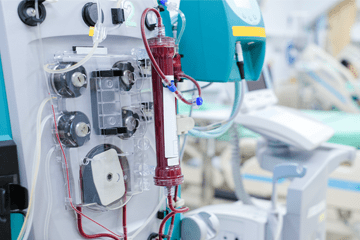
The National Health Insurance Authority (NHIA) in Ghana is set to expand its free dialysis program nationwide, aiming to increase access to life-saving treatment for renal patients. Apexnewsgh reports Under this initiative, the NHIA will acquire more dialysis machines and essential medical supplies for healthcare facilities across the country. According to Dr. Victor Bampoe, Chief Executive Officer of the NHIA, the program seeks to incorporate more patients with kidney conditions into the National Health Insurance Scheme (NHIS). “The previous government started the free dialysis, and there are 20 centers where the service is offered free of charge. What is needed is to expand it to make it more sustained in terms of funding,” Dr. Bampoe explained. By doing so, the program will transition from relying on specific funds to becoming a standard part of the NHIS, covering dialysis treatment like any other disease. This expansion is expected to alleviate the significant financial burden on patients and their families, many of whom struggle with the high costs of dialysis treatment in Ghana. By providing greater access to critical healthcare services, the NHIA’s initiative aligns with the government’s broader strategy to improve healthcare outcomes for its citizens Source: Apexnewsgh.com
President Mahama Pledges to Improve Healthcare for Military Personnel
Family members, friends, and dignitaries gathered to witness a momentous occasion—the graduation ceremony of new officer cadets. Apexnewsgh reports Amongst the crowd was President John Dramani Mahama, who took the opportunity to reaffirm his government’s dedication to improving healthcare for military personnel and their families. As he stood before the young graduates and their loved ones, President Mahama’s words resonated with purpose. He expressed that the welfare of the armed forces remains a top priority for his administration. The president passionately outlined several key initiatives designed to bolster medical support for those who serve the nation. One of the highlights of his commitment was the pledge to complete and furnish the Kumasi Military Hospital, located at Afari in the Central Command. “This facility will ensure that our military personnel and their families have access to high-quality healthcare,” he promised. In an effort to expand medical support, President Mahama announced plans for a new military field hospital in Tamale. This addition would provide crucial medical services to personnel stationed in the region, recognizing the unique challenges they face. However, the president’s vision extended beyond just healthcare. He spoke of a broader agenda aimed at enhancing working conditions for both active service members and veterans. “Our military deserves better support systems, fair compensation, and a work environment that reflects their sacrifices,” he declared, underscoring his commitment to their well-being. Sustainable financing was another critical component of his plan. President Mahama revealed the government’s intention to utilize GEHOC as an essential partner in securing long-term financial resources for the Ghana Armed Forces. This, he explained, would ensure that necessary support remains available, regardless of shifting political climates. Acknowledging the sacrifices made by military personnel and their families, the president assured them that their efforts would never go unnoticed. He emphasized that prompt payment of retirement benefits would be prioritized for those who have dedicated their lives to serving the nation, offering an assurance of care even after their service. The initiatives announced by President Mahama are part of a larger vision—to modernize the Ghana Armed Forces and create a supportive environment where military personnel can thrive. By investing in healthcare and comprehensive support systems, he aims to enhance the overall well-being of those who protect the country and their loved ones. As the ceremony drew to a close, it was clear that the president’s words had sparked hope and dedication among the newly graduated officers, setting a positive tone for the future of military service in Ghana. Source: Apexnewsgh.com
Western Regional Minister Sounds Alarm on Rising HIV/AIDS Cases
The Western Regional Minister, Joseph Nelson, has expressed deep concern over the increasing prevalence of HIV/AIDS in Ghana, despite years of effort and progress in curbing the spread of the virus. Apexnewsgh reports Minister Nelson described the situation as a “matter of great concern” and emphasized the need for renewed seriousness and urgency in addressing the pandemic. During a meeting with the Ghana AIDS Commission (GAC) at the Western Regional Coordinating Council, Minister Nelson stressed that Ghana has made significant strides in the fight against HIV/AIDS, but signs of complacency among stakeholders threaten to roll back progress. “This country has suffered for many years in the fight against HIV/AIDS,” he said. “We need to keep our focus and intensify the campaign. The current statistics in the Western Region are alarming. It’s scary, and we must act now.” The Western Region has a higher prevalence rate of 1.82% compared to the national rate of 1.53%. According to the Ghana AIDS Commission’s 2022 data, the region has 23,904 people living with HIV. The national prevalence rate is based on data from the World Bank, indicating that 1.53% of Ghana’s population aged 15-49 lives with HIV. Minister Nelson commended the Acting Director-General of the GAC, Dr. Kharmacelle Prosper Akanbong, for his proactive leadership and pledged full support to the Commission’s activities in the region. He urged health workers and key actors to introduce innovative strategies and operational improvements in the campaign to bring about positive change. Dr. Akanbong highlighted inadequate funding for focal persons as a major challenge and appealed to Minister Nelson to help mobilize support from local Assemblies, especially in high-risk areas. He also identified illegal mining (Galamsey) as a significant contributor to the rising prevalence of HIV/AIDS in the Western Region, citing the influx of workers and associated social behaviors as key factors. The GAC is mandated to coordinate the national response to HIV/AIDS, mobilize resources, and provide accurate data on the disease. Minister Nelson and Dr. Akanbong emphasized the need for sustained efforts to maintain and build upon progress achieved so far. Source: Apexnewsgh.com