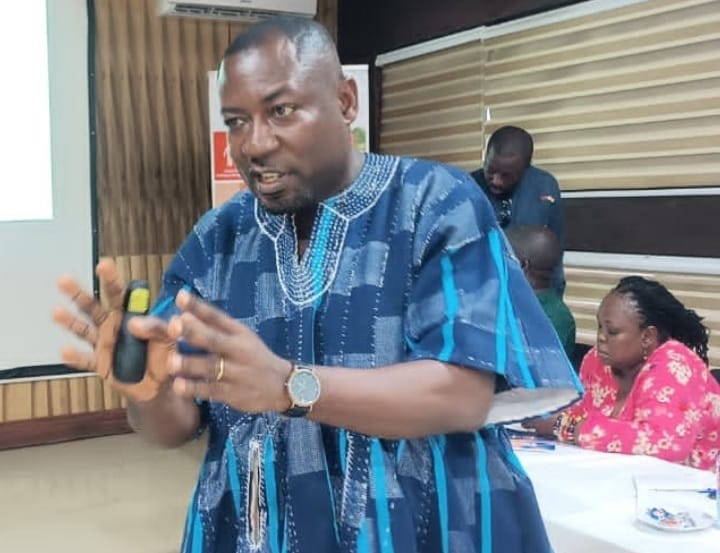


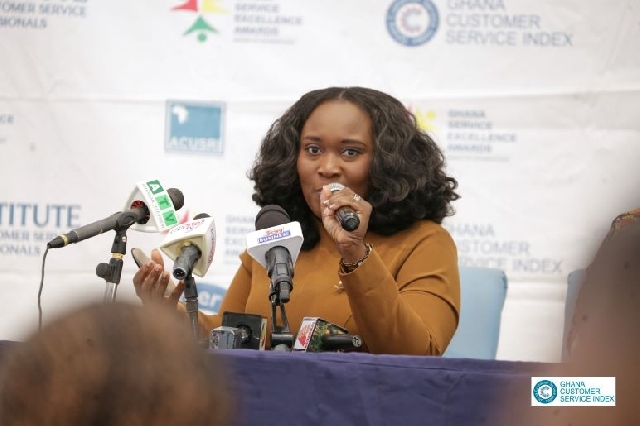
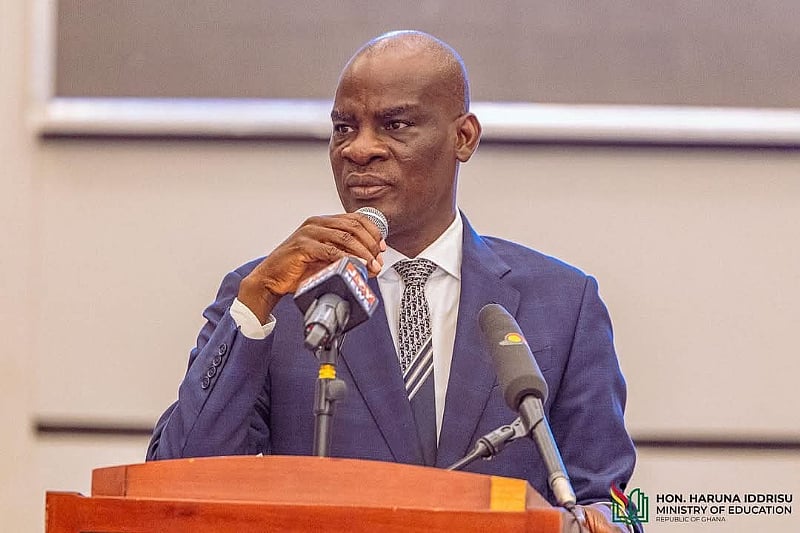

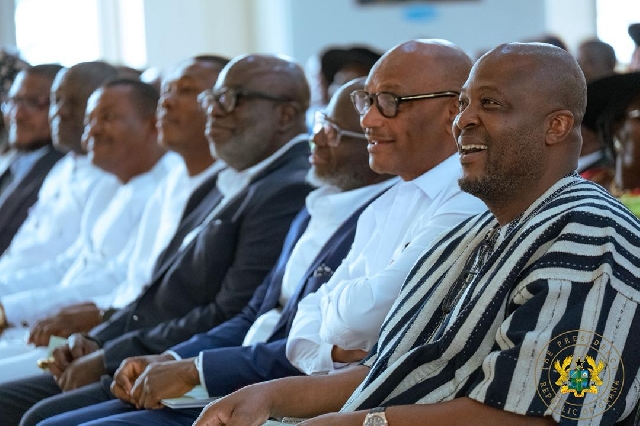
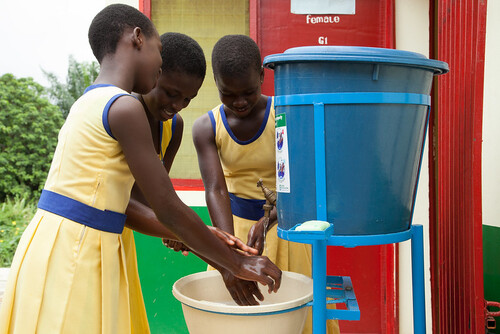
The Media Coalition Against Open Defecation (M-CODe) has appealed to journalists and media organizations to commit to improving and increasing coverage of Water, Sanitation, and Hygiene (WASH) issues in the mainstream media, with particular focus on issues of open defecation. M-CODe calls come ahead of the Third Ghana WASH Week, which is being championed by the Ghana Coalition of NGOs in the Water and Sanitation Sector (CONIWAS). The event, scheduled to take place from July 8th to 12th, aims to raise public awareness, advocate for prioritization and investment, empower communities, and foster collaboration to address the lingering WASH challenges in Ghana, particularly the pressing issue of open defecation. The third Ghana WASH Week is a crucial step towards achieving this goal. The event will focus on the theme “WASH Prioritisation and its Impacts on Social and Economic Development,” highlighting the need for prioritization and investment in WASH infrastructure, particularly sanitation and hygiene facilities, to end open defecation. Mr. Francis Ameyibor, M-CODE National Convenor, stressed that journalists and media organizations must use the platform created by CONIWAS to discuss a wide range of WASH issues affecting “our respective geographical zones.” Mr. Ameyibor urged journalists to be equipped with a newfound knowledge of WASH issues as well as the health implications of open defecation and their magnitude and to commit to contributing to improving media coverage. The M-CODe Convenor appealed to media practitioners to contact CONIWAS members and Regional and District Environmental Health Officers nationwide for interviews while doing stories in their respective regions and districts. He said M-CODe will regularly follow up with their members to see how they report on WASH and Open Defecation issues so that the high levels of interest do not fade beyond the week. He also urged WASH partners to continuously engage with journalists, sharing story ideas or tips or inviting them to join for field visits. “Let us consider the third Ghana WASH Week a call to action for all stakeholders to join forces to end open defecation and ensure that all Ghanaians have access to safe water, sanitation, and hygiene. “Together, we can make a difference and achieve a cleaner, healthier, and more prosperous Ghana by 2030,” the M-CODe National Convenor stated. He stressed that it’s important to raise awareness about the urgent need to end open defecation and improve access to safe water, sanitation, and hygiene (WASH) facilities. “Remember, every small action counts and collective efforts can lead to significant positive change. Let’s continue to raise awareness and support initiatives that promote access to safe WASH facilities and hygiene practices, especially in communities that need it most,” Mr. Ameyibor stated. Mr. Ameyibor reiterated the need for M-CODE Regional Branches to collaborate with other NGOs in the WASH sector to visit areas notorious for open defecation and shine a spotlight on these communities. He encouraged them to utilize the WASH week as an opportunity to expose areas where open defecation remains a significant issue in their respective regions, while also acknowledging and commending communities that have successfully achieved Open Defecation Free (ODF) status. According to CONIWAS, Ghana still struggles with high rates of open defecation, with over two million people practicing it, leading to severe health issues, environmental pollution, and economic losses. Key activities lined up for the week include workshops and seminars, school competitions, community outreaches, media campaigns, and public forums. According to CONIWAS, these events will bring together stakeholders from government, civil society, the private sector, and communities to share knowledge, experiences, and best practices for addressing WASH challenges, especially open defecation. CONIWAS stressed that access to WASH is a fundamental human right essential for health, dignity, and well-being. Despite progress, millions of Ghanaians still lack these basic necessities, leading to severe health issues, hindering economic development, and perpetuating poverty and inequality.
Court Grants Injunction in Favour of Psychiatric Nurses Association, Halts Implementation of Collective Agreement
The High Court, Labour Division, has granted an ex parte injunction in favour of the Professional Association of Psychiatric Nurses – Ghana (PAPNG), effectively halting the implementation of the collective agreement negotiated by the Ghana Registered Nurses and Midwives Association (GRNMA). Apexnewsgh reports The agreement was set to commence on July 1, 2024. The injunction was obtained against the GRNMA, Fair Wages and Salaries Commission, Controller and Accountant General, Minister for Finance, and Attorney General. The court’s decision highlights the exclusion of PAPNG and other unions, such as the Union of Professional Nurses and Midwives, Ghana (UPNMG), from the negotiation process, violating statutory requirements. PAPNG argued that GRNMA’s actions breached the Labour Regulations, 2007 (LI 1833) and the Labour Act, 2003 (Act 651), which ensure inclusive and fair representation in collective agreements. The association expressed satisfaction with the ruling, stating that it upholds the principles of fairness and inclusivity in collective bargaining processes, ensuring that the voices of all relevant unions are heard and respected. Source: Apexnewsgh.com Thanks for reading from Apexnewsgh as a news publishing website from Ghana. We encourage you to freely share this story via social media platform and follow us on; Facebook on APEXNEWSGH-Tv or Please contact Apexnewsgh.com on email apexnewsgh@gmail.com for your credible news publications. Contact: 0248250270/0256336062.
5,554 cases of drug abuse reported in 2023
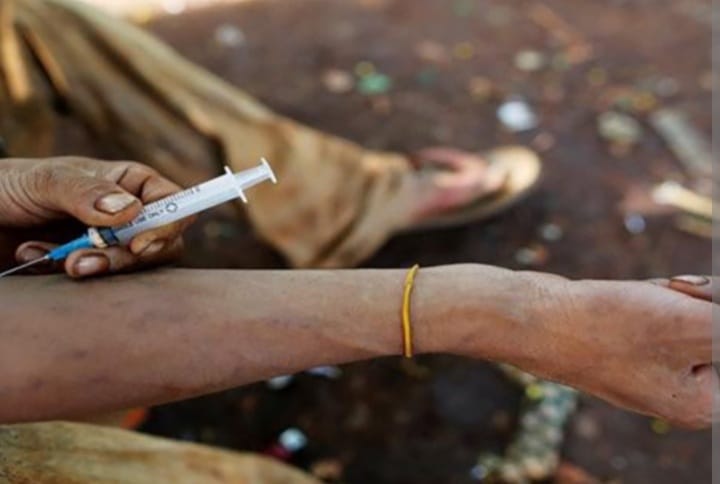
A alarming 5,554 cases of drug abuse were reported in 2023, signaling a growing concern for Ghana’s public health, safety, and socio-economic development. According to the District Health Information Management System (DHIMS), drug-related mental disorders are among the top 10 causes of mental health outpatient attendance, with a steady increase in cases over the past five years. The affected age range is predominantly 20-34 years, but disturbingly, children as young as 10-14 years are also being impacted. The Mental Health Authority is urging a collective effort to address this critical issue, emphasizing the need for stakeholders to work together to combat drug abuse and ensure a safer, healthier future for all Ghanaians. The International Day Against Drug Abuse and Illicit Trafficking, a United Nations initiative, highlights the importance of addressing drug abuse and the illegal drug trade. Ghana must take action to address this growing challenge and protect the well-being of its citizens, particularly its youth. By working together, Ghana can turn the tide on drug abuse and create a brighter future for generations to come. Source: Apexnewsgh.com Thanks for reading from Apexnewsgh as a news publishing website from Ghana. We encourage you to freely share this story via social media platform and follow us on; Facebook on APEXNEWSGH-Tv or Please contact Apexnewsgh.com on email apexnewsgh@gmail.com for your credible news publications. Contact: 0248250270/0256336062.
Ghana Marks International Day Against Drug Abuse and Illicit Trafficking
The Mental Health Authority of Ghana joins the global community in observing the International Day Against Drug Abuse and Illicit Trafficking. Apexnewsgh reports The Authority is urging stakeholders, including government agencies, NGOs, educational institutions, media outlets, and the public, to unite in the fight against drug abuse by investing in prevention efforts. Ghana faces a growing challenge with drug abuse, particularly among youth, which poses a significant threat to public health, safety, and socio-economic development. According to data from the District Health Information Management System (DHIMS), mental disorders due to alcohol and other psychoactive substances are among the top 10 causes of mental health outpatient attendance. The number of cases has been rising steadily over the past five years, with 5,554 cases reported in 2023, affecting mainly young people aged 20-34 years, but also children as young as 10-14 years. The Mental Health Authority’s call to action emphasizes the need for a collective effort to address this critical issue. The International Day Against Drug Abuse and Illicit Trafficking, a United Nations initiative, aims to combat drug abuse and the illegal drug trade. By working together, Ghana can effectively address the growing challenge of drug abuse and ensure a safer, healthier future for all. Find below statement: Source: Apexnewsgh.com Thanks for reading from Apexnewsgh as a news publishing website from Ghana. We encourage you to freely share this story via social media platform and follow us on; Facebook on APEXNEWSGH-Tv or Please contact Apexnewsgh.com on email apexnewsgh@gmail.com for your credible news publications. Contact: 0248250270/0256336062.
Accelerated Vaccine Production in Africa Crucial, Says President Akufo-Addo
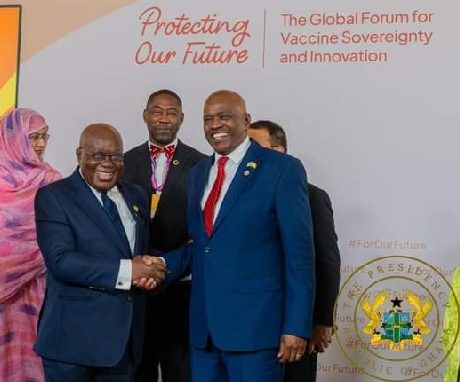
President Nana Addo Dankwa Akufo-Addo has stressed the urgent need for Africa to boost its vaccine production capabilities, emphasizing the importance of sustainability in the process. Apexnewsgh reports He made this call at the Global Forum for Vaccine Sovereignty and Innovation, a platform convened by France, the African Union, and Gavi to promote vaccine sovereignty and innovation. The President highlighted the recent approval of the African Vaccine Manufacturing Accelerator (AVMA) initiative, which was given the green light during the Gavi Board meeting in Accra. This initiative, led by Gavi and the Africa Centre for Disease Control and Prevention, aims to support the African Union’s goal of manufacturing at least 60% of the continent’s vaccine doses by 2040. President Akufo-Addo also showcased Ghana’s impressive track record on vaccination, achieved through a combination of organized campaigns and routine services. The country’s high immunization coverage rates demonstrate its commitment to protecting public health. By emphasizing the need for accelerated and sustainable vaccine production in Africa, President Akufo-Addo’s statement underscores the importance of self-sufficiency in vaccine manufacturing for the continent’s health security. The Global Forum for Vaccine Sovereignty and Innovation serves as a vital platform for advancing this agenda and fostering innovation in the vaccine sector. Source: Apexnewsgh.com Thanks for reading from Apexnewsgh as a news publishing website from Ghana. We encourage you to freely share this story via social media platform and follow us on; Facebook on APEXNEWSGH-Tv or Please contact Apexnewsgh.com on email apexnewsgh@gmail.com for your credible news publications. Contact: 0248250270/0256336062.
Sustainable WASH Services: A Cornerstone for Socio-Economic Development in Ghana
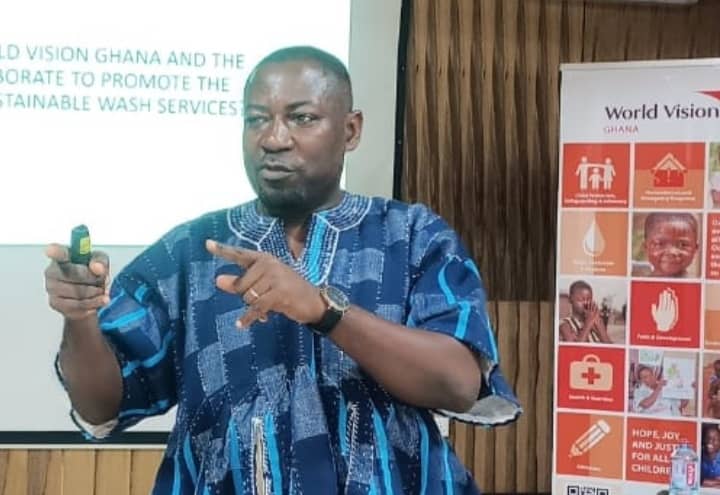
Access to sustainable water, sanitation, and hygiene (WASH) services is a fundamental human right, essential for human well-being, dignity, and economic productivity. Apexnewsgh reports In Ghana, World Vision Ghana, a humanitarian organization dedicated to improving the lives of children, families, and communities, has emphasized the crucial role of sustainable WASH services in achieving socio-economic development. During a joint workshop with the Ghana WASH Journalists Network (GWJN) and the Media Coalition Against Open Defecation (M-CODe), Mr. Yaw Attah Arhin, a WASH Specialist with World Vision Ghana, highlighted the importance of sustainable WASH services and the need for collaboration to achieve this goal. The Role of Sustainable WASH Services in Socio-Economic Development Arhin stressed that access to sustainable WASH services is a fundamental catalyst for growth and a core value of World Vision Ghana. Sustainable WASH services are critical for preventing the spread of diseases, reducing child mortality rates, and improving public health. However, he acknowledged that access to clean water, sanitation facilities, and good hygiene practices is essential for economic productivity, education, and gender equality, emphasizing that sustainable WASH services are a prerequisite for achieving the United Nations’ Sustainable Development Goals (SDGs), particularly SDG 6, which aims to ensure universal and equitable access to safe and affordable drinking water and sanitation for all. The Power of Media in Advocating for Improved WASH Services World Vision Ghana recognizes the media’s potential to drive change and transformation in society, making them valuable partners in advocating for improved WASH services. The workshop aimed to enhance the skills of journalists in the Ghana WASH Journalists Network and the Media Coalition Against Open Defecation, enabling them to effectively advocate for better WASH services and report on related issues. “By sharpening their skills and knowledge on international best practices and global developments, journalists can support World Vision Ghana’s policy engagements and influence policy changes for accelerated delivery of WASH services”. Collaboration for Progress Mr. Arhin emphasized the importance of collaboration in achieving the goal of improved WASH services. World Vision Ghana acknowledges the media’s capacity to amplify the message and drive progress in the WASH sector. The organization is committed to working with the media, government, and other stakeholders to ensure that sustainable WASH services are accessible to all Ghanaians, particularly the most vulnerable populations. By working together, we can ensure that Ghana achieves the SDGs and becomes a more prosperous and equitable society. Conclusion Mr. Arhin believes, sustainable WASH services are essential for socio-economic development in Ghana, as he further emphasized on the importance of sustainable WASH services and collaboration with the media and other stakeholders is crucial in driving progress in the WASH sector. By working together, we can ensure that all Ghanaians have access to clean water, sanitation facilities, and good hygiene practices, leading to improved public health, economic productivity, and a better future for generations to come. Source: Apexnewsgh.com Thanks for reading from Apexnewsgh as a news publishing website from Ghana. We encourage you to freely share this story via social media platform and follow us on; Facebook on APEXNEWSGH-Tv or Please contact Apexnewsgh.com on email apexnewsgh@gmail.com for your credible news publications. Contact: 0248250270/0256336062.
Environmental Communication Expert Urges Media to Champion WASH Awareness
Madam Ama-Kudom Agyemang, Executive Director of Media Platform on Environment and Climate Change (MPEC), has emphasized the media’s vital role in promoting Water, Sanitation, and Hygiene (WASH) in Ghana. Apexnewsgh reports The well known environmental communicator made her emphasis during a joint workshop for the Ghana WASH Journalists Network (GWJN), Media Coalition Against Open Defecation (M-CODe), and journalists at Ada Aqua Safari Resort. Madam Agyemang, led a session on “Strategies for Effective WASH Journalism and Advocacy,” highlighting the media’s power to raise awareness and change attitudes and behaviors. According to her, the media can make a difference by educating the public about the risks of poor WASH practices and how to prevent them, “the media can make a significant impact on the lives of all Ghanaians”. She stressed Auntie Ama, as she is widely known further encouraged journalists to utilize various media outlets to reach a wider audience and promote WASH awareness, emphasizing the importance of collaboration between the media, civil society, and government to drive meaningful change in the WASH sector. “By working together, we can ensure that all Ghanaians have access to safe water, sanitation, and hygiene facilities, ultimately improving public health and well-being”. Source: Apexnewsgh.com Thanks for reading from Apexnewsgh as a news publishing website from Ghana. We encourage you to freely share this story via social media platform and follow us on; Facebook on APEXNEWSGH-Tv or Please contact Apexnewsgh.com on email apexnewsgh@gmail.com for your credible news publications. Contact: 0248250270/0256336062.
World Vision Ghana Urges Government to Establish National Sanitation Authority
World Vision Ghana, a leading humanitarian organization, has called on the government to establish a National Sanitation Authority to address the country’s sanitation challenges. Apexnewsgh reports Mr. Yaw Attah Arhin, a Water, Sanitation, and Hygiene (WASH) specialist with World Vision Ghana, made this appeal during a joint workshop with the Ghana WASH Journalists Network (GWJN), the Media Coalition Against Open Defecation (M-CODe), and journalists from across the country. The Need for a National Sanitation Authority Mr. Arhin emphasized the need for a National Sanitation Authority, a proposal that has been pending since 2017 despite numerous meetings and discussions. He stressed that the lack of a National Sanitation Authority has hindered effective management of the sanitation sector, resulting in inadequate sanitation services for many Ghanaians. Benefits of a National Sanitation Authority Mr. Arhin highlighted the numerous benefits that a National Sanitation Authority would bring to the country’s sanitation sector. These benefits according to Mr. Arhin include: Standardization: Ensuring consistency in sanitation practices and standards across the country. Compliance: Enforcing regulations and guidelines to improve sanitation services. Enforcement: Strengthening enforcement mechanisms to address sanitation-related issues. Research and Development: Promoting innovation and research in the sanitation sector. The Current State of Sanitation in Ghana Mr. Arhin lamented that Ghana is losing out by not having a National Sanitation Authority, as the sanitation sub-sector is struggling, with only a few private sector players making a positive impact. He emphasized that the establishment of a National Sanitation Authority is long overdue and essential to address the sanitation challenges facing the country. A Call to Action Mr. Arhin urged the government to expedite the process of establishing the National Sanitation Authority and the National Sanitation Fund. He emphasized that this is critical to ensuring effective management of the sanitation sector, leading to improved sanitation services and a healthier environment for Ghanaians. Conclusion World Vision Ghana’s appeal for a National Sanitation Authority resonates with the need for improved sanitation services in Ghana. Mr. Arhin believes that establishing such an authority would standardize practices, ensure compliance, and promote research and development in the sanitation sector. “The government must take action to address the country’s sanitation challenges and ensure a cleaner, healthier environment for its citizens. By establishing a National Sanitation Authority, Ghana can take a critical step towards achieving the Sustainable Development Goals (SDGs), particularly Goal 6, which focuses on ensuring access to safe and dignified sanitation services for all”. Source: Apexnewsgh.com Thanks for reading from Apexnewsgh as a news publishing website from Ghana. We encourage you to freely share this story via social media platform and follow us on; Facebook on APEXNEWSGH-Tv or Please contact Apexnewsgh.com on email apexnewsgh@gmail.com for your credible news publications. Contact: 0248250270/0256336062.
Menstrual Health in Ghana: The Need for a Comprehensive National Policy
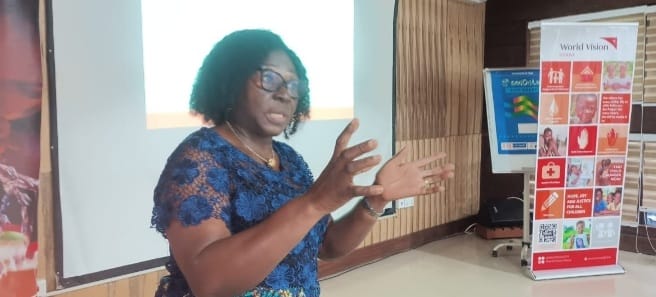
A recent joint workshop organized for WASH journalists across Ghana has shed light on the state of menstrual health in the country. Apexnewsgh reports According to Water Aid statistics, 75% of girls in Ghana learn about menstruation before their first period, but a significant 40% feel uncomfortable discussing it with their mothers. This highlights the need for improved menstrual education and open dialogue within families and communities. Executive Director of InspireHer Ghana, Madam Sandra Boakye, has made a passionate appeal to the government, particularly policymakers, to establish a national menstrual policy. She emphasized the severe impact of “menstrual poverty” on the welfare and development of young girls and women. Madam Boakye stressed that while there are guidelines for menstrual health, a comprehensive policy is lacking. She explained that a national policy would encompass how education should be done, including inclusive education for persons with disabilities and those in isolated areas. Additionally, it would cover the production, importation, distribution, and pricing of menstrual products. The workshop, organized by World Vision in partnership with the Ghana Water Journalists Network (GWJN) and the Media Coalition on Open Defecation (M-CoDE), aimed to raise awareness about menstrual health and hygiene. Madam Boakye’s appeal resonated with the participants, emphasizing the need for a comprehensive policy to address the challenges surrounding menstruation in Ghana. The statistics presented at the workshop highlight the need for improved menstrual education and open dialogue. While 75% of girls learn about menstruation before their first period, 40% feel uncomfortable discussing it with their mothers. This indicates a significant gap in menstrual education and the need for a more comprehensive approach. Madam Boakye’s appeal to the government is timely, as menstruation is an integral part of development that affects individuals in various ways. The lack of a comprehensive policy hinders efforts to address menstrual poverty, which has far-reaching consequences on the welfare and development of young girls and women. However, the workshop pointed the need for improved menstrual education and open dialogue, and Madam Boakye’s appeal for a comprehensive national policy is a step in the right direction. It is essential for the government to take heed of this call and work towards establishing a policy that addresses the challenges surrounding menstruation in Ghana. Source: Apexnewsgh.com Thanks for reading from Apexnewsgh as a news publishing website from Ghana. We encourage you to freely share this story via social media platform and follow us on; Facebook on APEXNEWSGH-Tv or Please contact Apexnewsgh.com on email apexnewsgh@gmail.com for your credible news publications. Contact: 0248250270/0256336062.
WASH: M-CODe Reaffirms Commitment to Improving WASH Services in Ghana
The Media Coalition Against Open Defecation (M-CODe) has reaffirmed its dedication to promoting access to safe water, sanitation, and hygiene (WASH) services in Ghana, with a special focus on the northern regions. Apexnewsgh reports Speaking at forum organized in partnership with World Vision Ghana in Ada Aqua Safari Resort on Thursday, the M-CODe National Convenor Mr. Francis Ameyibor, pledged to intensify efforts in addressing WASH challenges, promoting menstrual hygiene management, and advancing effective journalism and advocacy in the sector. Mr. Ameyibor expressed its gratitude for World Vision Ghana’s efforts in improving lives and looks forward to a collaborative partnership towards achieving “life in all its fullness.” The coalition vowed to utilize their platforms to amplify marginalized voices, share success stories, and inspire action towards creating a Ghana where everyone has access to safe WASH services. This commitment is a significant step towards achieving the “REPOSITIONING WASH AS A KEY DRIVER OF NATIONAL DEVELOPMENT” agenda, and stakeholders are optimistic about the potential impact on the lives of Ghanaians. Ghana faces significant Water, Sanitation, and Hygiene (WASH) challenges, with a substantial portion of the population resorting to open defecation and sharing latrines. According to statistics, 17.7% of the country’s population, equivalent to over 4.5 million people, practice open defecation, posing serious health risks. Additionally, 55% of the population, approximately 13.7 million people, share latrines, which can lead to the spread of diseases. These data above show the need for intensified efforts to improve access to safe WASH facilities, particularly in rural and underserved areas. M-CODe’s renewed commitment is a testament to the power of collaboration and advocacy in driving progress in the WASH sector. By intensifying efforts and working together, M-CODe and its partners health, dignity, and well-being for all. The National Convenor also used the medium to send his gratitude to World Vision Ghana for the wonderful partnership so far. Source: Apexnewsgh.com Thanks for reading from Apexnewsgh as a news publishing website from Ghana. We encourage you to freely share this story via social media platform and follow us on; Facebook on APEXNEWSGH-Tv or Please contact Apexnewsgh.com on email apexnewsgh@gmail.com for your credible news publications. Contact: 0248250270/0256336062.