
Dr Grace Ayensu-Danquah Appointed to Key African Union Health Committee, Elevating Ghana’s Influence in Global Health Reform
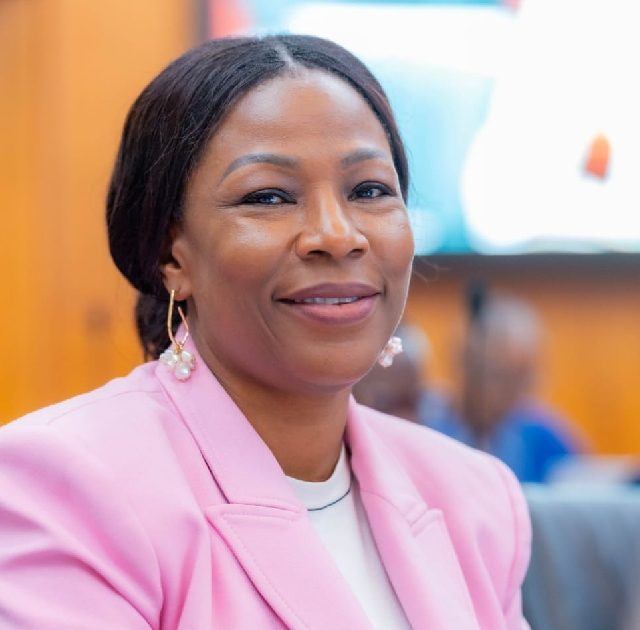
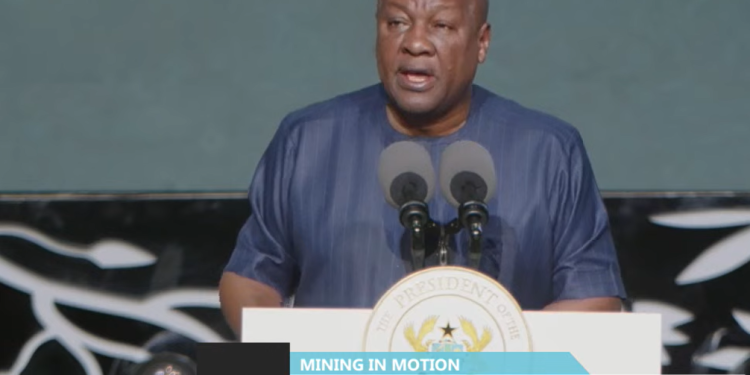
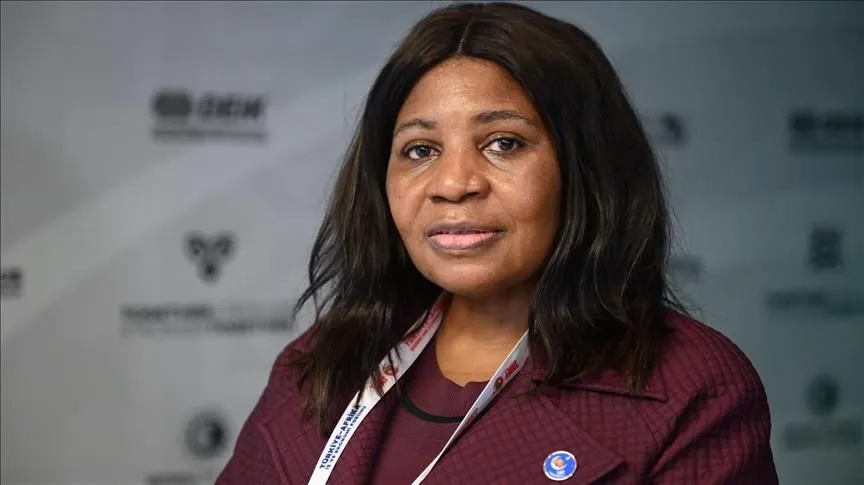
In a move that underscores Ghana’s rising leadership in continental health policy, the Deputy Minister of Health, Dr Grace Ayensu-Danquah, has been appointed as a Secretariat Member of the African High-Level Ministerial Committee (AHLMC). Her new role will see her helping to steer the reform of the global health architecture, ensuring that Africa’s interests and its citizens are placed at the heart of future health systems. The AHLMC, a flagship initiative of the African Union, was established to cement Africa’s influence in global health decision-making and champion a more equitable, coherent, and effective international health system. Dr Ayensu-Danquah, who also serves as the National Democratic Congress (NDC) Member of Parliament for Essikado-Ketan, received her appointment in an official letter dated April 13, 2026, signed by the Director-General of the Africa Centre for Disease Control and Prevention (CDC), Dr Jean Kaseya. The appointment follows a decision by the AU Assembly at its 39th Ordinary Session held in February 2026. Under the direction of the Africa CDC and with support from member states such as Ghana and South Africa, the Secretariat delivers strategic, technical, and operational assistance to the committee. Its responsibilities include engaging high-level stakeholders, providing policy and analytical support, coordinating partners, and implementing agreed reforms. As a member of this Secretariat, Dr Ayensu-Danquah will contribute her expertise to critical priorities such as health governance reform, sustainable financing, equity in healthcare access, resilient health systems, and improved data and accountability. Each of these thematic areas benefits from a dedicated Secretariat, ensuring coordinated action and high-quality outcomes for the continent. Dr Ayensu-Danquah’s credentials are both impressive and wide-ranging. A board-certified general surgeon with advanced fellowship training in trauma, burns, and reconstructive surgery, she is recognised as a leading public health policy expert. Her career includes pivotal roles in Ghana’s health sector, where she has supported efforts to strengthen health systems, expand access to care, and align Ghana’s policies with regional and continental frameworks. The appointment has been seen as a reflection of growing confidence in President John Dramani Mahama’s health policies. It also aligns with the government’s renewed emphasis on health sovereignty, health system strengthening, preventive care, and regional cooperation. President Mahama has made significant investments in public health financing, revitalised the National Health Insurance Scheme, and expanded access to primary healthcare, especially in underserved communities. Notably, he recently introduced the Free Primary Healthcare policy, aimed at helping Ghana reach Universal Health Coverage by 2030. To further these ambitions, President Mahama launched the Ghana Medical Health Trust—an initiative designed to mobilise sustainable funding for critical healthcare delivery, infrastructure, and specialist care. This trust is intended to complement public health financing by channelling resources into priority medical interventions, tertiary care, and high-quality treatment for complex health conditions. The government’s commitment to deepening Ghana’s role in continental and global health governance is equally strong, with active support for initiatives promoting equitable access to medicines, local manufacturing, disease surveillance, and data accountability. Dr Kaseya, Director-General of the Africa CDC, praised Dr Ayensu-Danquah’s experience and leadership, stating that her involvement would “greatly enrich the work of the AHLMC Secretariat” and help drive meaningful reform in global health systems. Dr Ayensu-Danquah’s academic background includes medical degrees from the University of Wisconsin–Madison and the University of Southern California, along with a Master of Public Health from Johns Hopkins University, all in the United States. She maintains active medical licences in California, Michigan, and Maryland, operates a private surgical facility in Accra, and serves as an Adjunct Professor of Surgery at the University of Utah’s Center for Global Surgery. Her service record extends to the Technical Advisory Committee on the Safety of Vaccines and Biological Products of Ghana’s Food and Drugs Authority and Days for Girls International Ghana. Through the Healing Hands Organisation, a non-governmental organisation. Source: Apexnewsgh.com
Banks, Filling Stations, and Telecoms Should Be Mandated to Provide Toilets: Journalist Calls for Bold Action Against Open Defecation
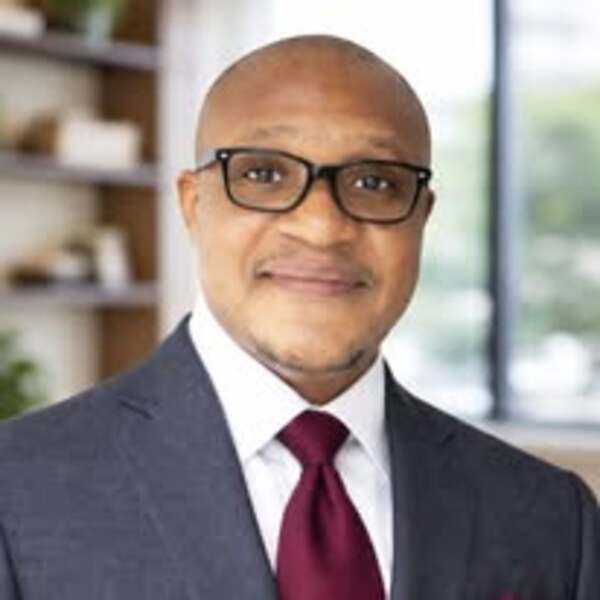
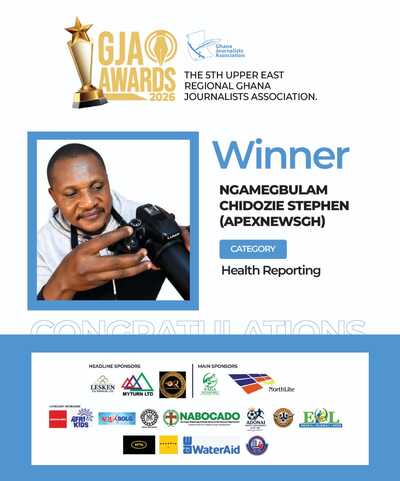
In a passionate call to action, the Editor-in-Chief of Apexnewsgh, Mr. Ngamegbulam Chidozie Stephen, has urged the government, through Municipal and District Assemblies, to enact laws compelling banks, filling stations, telecommunication offices, and other commercial establishments to provide modern toilet facilities for their clients. According to the journalist, such a measure would significantly reduce, and potentially help eradicate, open defecation (OD), a persistent public health crisis affecting both urban and rural communities across Ghana. “Open defecation is a serious threat to our health. It is something that needs to be worked on urgently,” Mr. Ngamegbulam stated. “The government must take it seriously because it affects lives, and when lives are affected, properties are also affected.” Despite national efforts, the journalist cited recent data indicating that as of late 2025, approximately 5.4 million Ghanaians – about 18 percent of the population – still practice open defecation, posing a significant public health risk. The prevalence rate has hovered between 15.2 and 18 percent, with rural areas and villages bearing the brunt. The situation is particularly dire in the Upper East Region. According to the 2021 Population and Housing Census, the region has a population of 1,301,226. Recent studies published in 2025 and 2026 show that open defecation rates there remain critically high, with estimates ranging from 49 percent to a staggering 81.9 percent of households engaging in the practice. “The Upper East Region is consistently identified every year as having one of the highest open defecation rates in Ghana. This is a cause for great worry,” Mr. Ngamegbulam emphasized. Mr. Ngamegbulam argued that tackling open defecation requires innovative thinking beyond conventional approaches. “When issues like this come up, we should be able to think outside the box. What should we do as a people to minimize this, even if we cannot eradicate it completely?” he asked. He pointed to the rapid proliferation of banks, filling stations, and other businesses across communities, yet these establishments rarely provide toilet access for their clients. “It is unfair that you go to a bank to transact business, and unfortunately, you feel the urge to ease yourself, but there is no toilet provision made for clients,” he said. “You are forced to look for a nearby bush, enter there to avoid disgracing yourself, and in doing so, create more health hazards for society.” Mr. Ngamegbulam believes that if these establishments were required to provide appropriate toilet facilities, it would go a long way in reducing open defecation. The journalist proposed a practical solution: Municipal and District Assemblies should enact by-laws making it mandatory for any bank, filling station, or similar facility within their jurisdiction to have a public toilet attached. “If assemblies can consider enacting this in their laws, it will go a long way in the fight against open defecation,” he said. “Everyone needs to come on board to contribute to eradicating this practice from our society.” He also stressed the need for toilet facilities in schools and noted that many homes still lack attached toilets, a worrying gap that demands urgent attention. “Any serious government that cares about the health of its people must take this seriously,” Mr. Ngamegbulam concluded. Source: Apexnewsgh.com
Ghana’s Free Primary Healthcare Programme: What You Need to Know
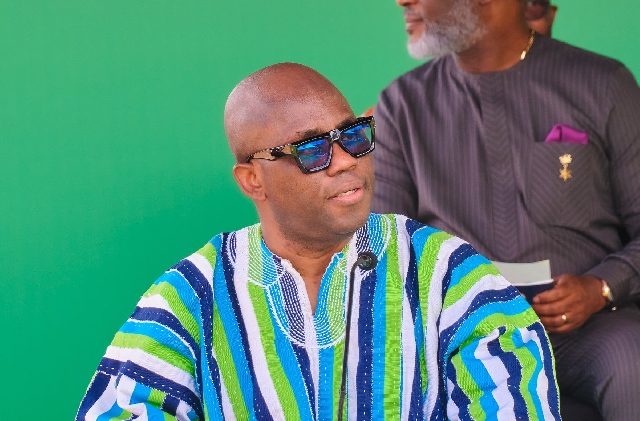
When President John Dramani Mahama launched Ghana’s Free Primary Healthcare Programme, it did not take long for questions to follow. Stakeholders across the country began asking: What exactly is this programme? How will it work? And is it simply the National Health Insurance Scheme (NHIS) under a new name? To clear the air, the Chief Executive Officer of the National Health Insurance Authority (NHIA), Dr. Victor Asare Bampoe, stepped forward with answers, and what he had to say painted a picture of a healthcare system on the cusp of meaningful change. Dr. Bampoe was unequivocal on one point: the Free Primary Healthcare Programme is not a rebranding of the NHIS. Rather, it represents a deliberate shift in how Ghana finances and delivers healthcare. For years, the NHIS has operated largely as a curative-care system, one that responds to illness after it strikes. Preventive and promotive services, by contrast, have remained chronically underfunded and heavily reliant on external support. The new programme, Dr. Bampoe explained, is designed to correct that imbalance. “The initiative explicitly defines and funds preventive services such as screenings, early detection, and community outreach,” he noted, services that have long existed on the margins of the country’s health financing architecture. At the heart of the policy is a fundamental change in how healthcare is paid for. Ghana is moving away from a traditional illness-driven financing model toward a population-based payment system — one that is proactive rather than reactive, and focused on managing public health risks before they spiral into crises. This shift, Dr. Bampoe stressed, is not cosmetic. It reflects a broader ambition to reposition primary healthcare at the centre of Ghana’s health system and to accelerate the country’s progress toward universal health coverage. One of the most significant changes under the programme concerns access. Under the new framework, individuals will be able to receive initial healthcare services regardless of whether they are enrolled in the NHIS. The goal is simple: ensure that no one is turned away at the first point of contact due to administrative or financial barriers. “This approach ensures that access to care is no longer delayed by administrative or financial constraints, while also encouraging enrolment into the NHIS through the system itself,” Dr. Bampoe explained. In practice, this means that early diagnosis becomes more achievable, and with it, better health outcomes for more Ghanaians. Dr. Bampoe was candid about the need to manage expectations. Implementation will not happen overnight. The programme will roll out in phases, with the first phase prioritising preventive services delivered through Community-based Health Planning and Services (CHPS) compounds, health centres, and polyclinics. Curative services, meanwhile, will continue under existing NHIS arrangements. To ensure the programme delivers on its promise, the policy includes clearly defined service packages, dedicated funding streams, and integration with NHIS monitoring systems, all designed to guarantee accountability across financing, staffing, medicines, and service delivery. In closing, Dr. Bampoe framed the initiative not as a short-term intervention, but as a long-term structural reform, one aimed at strengthening preventive care, improving access, and building a healthcare system that is both more resilient and more efficient. The name “Free Primary Healthcare” may still spark debate, but the vision behind it is clear: a Ghana where health is protected before illness takes hold, and where no citizen is left behind at the door of a clinic. Source: Apexnewsgh.com
Ghana Named First Beneficiary of France’s National Health Platform as Mahama Meets Macron in Paris
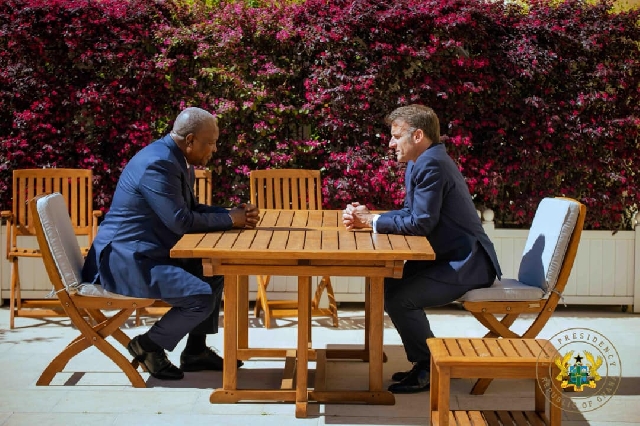
Ghana has been selected as the first country to benefit from France’s National Health Platform, a landmark health compact designed to strengthen healthcare systems, in a major announcement made by French President Emmanuel Macron during high-level talks with President John Dramani Mahama at the Élysée Palace in Paris. The announcement came as part of President Mahama’s one-day official visit to France, where the two leaders sat down for wide-ranging bilateral discussions covering agriculture, infrastructure, artificial intelligence, regional security, and Ghana’s ongoing economic recovery. The meeting opened on a warm note, with President Macron expressing gratitude to his Ghanaian counterpart for co-chairing the One Health Summit in Lyon. He also singled out the Accra Reset Initiative for recognition, describing it as significant and acknowledging the prominence it had gained during the summit. President Mahama, in turn, welcomed the new health partnership and said he was honoured to have been invited to co-chair the summit, underscoring its importance to the World Health Organisation. He added that the Accra Reset Initiative had already produced tangible outcomes that could serve as a foundation for further progress. Beyond health, the two presidents explored ways to deepen cooperation in agriculture to boost food security and enable year-round farming. Talks also touched on support for maternal health, artificial intelligence development, and the long-anticipated construction of the Accra-Kumasi expressway, a project with significant implications for Ghana’s infrastructure landscape. The leaders additionally reviewed ongoing development support being channelled through the Agence Française de Développement, France’s development finance institution. President Mahama used the occasion to express Ghana’s gratitude to both France and China for their roles in supporting the country’s debt restructuring process, pointing to encouraging signs of economic recovery on the horizon. As the talks drew to a close, both presidents reaffirmed the enduring ties between Ghana and France, a relationship anchored in shared values of democracy, peace, and a rules-based international order, while also exchanging views on pressing regional and global security concerns. Source: Apexnewsgh.com
Mahama Heads to France for One Health Summit and Bilateral Talks with Macron

Ghanaian President John Dramani Mahama is set to embark on an official visit to France beginning Monday, April 6, 2026, following a formal invitation from French President Emmanuel Macron. The two-day engagement will take President Mahama across two of France’s most iconic cities, Lyon and Paris, for a packed schedule of global health diplomacy and high-level bilateral discussions. The visit begins in Lyon, where President Mahama will attend the 2026 One Health Summit, a landmark gathering bringing together world leaders, health ministers, and global health experts to tackle some of the most pressing challenges facing humanity, from the reform of global health systems and sustainable food production to coordinated strategies for combating health crises. As founder of the Accra Reset Initiative, President Mahama will take center stage at the summit on Tuesday, co-chairing its high-level segment alongside President Macron. He is scheduled to deliver two keynote addresses during the summit. The first will be at a session on Global Health Architecture, co-chaired by President Macron and Dr. Tedros Adhanom Ghebreyesus, Director-General of the World Health Organization. That session will focus on reforming global health initiatives and endorsing a Political Declaration designed to strengthen international health cooperation. His second keynote will open the high-level segment for heads of state and government, where President Mahama is expected to articulate Ghana’s commitments and perspectives on global health security, signaling the West African nation’s growing role on the world stage. From Lyon, the President will make his way to the French capital. On Wednesday, April 8, 2026, he will be welcomed to the Élysée Palace for a bilateral meeting with President Macron. The talks are expected to center on deepening Ghana–France relations, with discussions spanning health, education, trade, investment, and regional security. Prior to the Élysée meeting, President Mahama will also be received by Gérard Larcher at the Senate House, a gesture that underscores the diplomatic significance of the visit. Following his meeting at the Élysée Palace, President Mahama is expected to return to Accra, closing out what promises to be a consequential chapter in Ghana’s international engagements. The statement was issued by Felix Kwakye Ofosu (MP), Spokesperson to the President and Minister for Government Communications. Source: Apexnewsgh.com
Adwoa Safo Urges Government to Resource Public Hospitals, Calls for Full Implementation of Mental Health Act

Former Minister of Gender, Children, and Social Protection, Sarah Adwoa Safo, has issued a passionate call to action, urging the government to make the basic needs of public hospitals a matter of urgency and to ensure these facilities are adequately resourced to function as they should. Her appeal came during a donation exercise by her philanthropic arm, the Adwoa Safo Foundation, at the Pantang Hospital, where she also turned her attention to a piece of legislation she helped champion over a decade ago. Adwoa Safo called on President John Dramani Mahama to fully implement the provisions of the Mental Health Act, 2012 (Act 846), a law passed by Parliament on March 2, 2012, with a clear and ambitious goal: to make mental healthcare free and accessible, particularly for Ghana’s most vulnerable citizens. As a former Dome-Kwabenya Member of Parliament who was part of the caucus that drove the legislation forward, she spoke with both personal conviction and institutional knowledge. Her tone, however, carried a note of deep frustration. Despite the promise the law once held, she lamented that it has “outlived its usefulness”, a consequence, she argued, of successive governments failing to adequately fund its implementation. For her, the cost of that failure is measured not in figures, but in the lives of Ghanaians who continue to go without the mental health support they deserve. “A country that is mentally healthy is also healthy in every aspect of national life,” she stressed, framing mental healthcare not as a peripheral concern, but as a cornerstone of national wellbeing. The visit to Pantang Hospital was more than a platform for advocacy; it was a demonstration of the Foundation’s long-standing commitment to walking its talk. Established in 2014, the Adwoa Safo Foundation has built a reputation for sustained support to vulnerable and disadvantaged groups across Ghana, and the day’s donation was a continuation of that legacy. The Foundation presented an array of essential items to the hospital, including eight bags of rice, 29 bags of sachet water, packs of plantain chips, two packs each of Milo and milk, 15 packs of toilet rolls, four packs of drinks, three bottles of Dettol, 10 bottles of cleaning detergent, 10 packs of mosquito nets, and a 43-inch television set. Going a step further, Adwoa Safo pledged to renovate one of the hospital’s dilapidated wards, a commitment that speaks directly to the kind of structural support the facility so desperately needs. The gesture was received with heartfelt gratitude by the Medical Director of Pantang Hospital, Dr Maalug Yennusum, who described the intervention as both timely and deeply appreciated. He took the opportunity to brief Adwoa Safo on ongoing development efforts at the facility, including farming projects designed to support patient feeding and generate income to cover administrative and operational costs. He also spoke of initiatives to beautify the hospital environment, with the aim of creating a more therapeutic and welcoming space for patients. Yet beneath the progress, the challenges remain stark. Dr Yennusum painted a candid picture of a hospital stretched thin, where many patients simply cannot afford the cost of their own care. “Most of our inmates do not even have money to pay for their treatment, so we rely heavily on support,” he said, a sobering reminder of why visits like Adwoa Safo’s matter far beyond the items donated. He appealed to other well-meaning individuals and organisations to follow her example, calling on Ghanaians of goodwill to step in where the system has fallen short. Source: Apexnewsgh.com
Former Deputy Upper East Regional Minister Daniel Awenyue Syme Dies After Defying the Odds for Years

The doctors had written their verdict years ago. They said he would not make it this long. But Daniel Awenyue Syme, a man who had spent a lifetime in quiet, steadfast service to others, was not one to bow easily, not to illness, and not to fate. On Sunday, March 16, 2026, he finally let go. The family of former Deputy Upper East Regional Minister Daniel Awenyue Syme announced his passing on Sunday, confirming that he died after years of battling health challenges. His son, Jonathan A. Syme, shared the news in a statement that was equal parts grief and gratitude. “Doctors told him years ago that he would not make it this long, but he defied all odds,” Jonathan said. He added that the family found solace in the fact that his father did not suffer in his final moments — a small mercy at the end of a long and meaningful journey. Syme’s story is one of steady, purposeful ascent through the corridors of public service. He began his administrative career as District Secretary of the Builsa District, a role that would eventually grow into that of District Chief Executive — a position he held from 1990 to 2001. During those years, he became known as a man who showed up, rolled up his sleeves, and got things done, earning credit for his contributions to local governance and development in the area. But his ambitions and abilities were not confined to the district level. He climbed the ranks of the audit service with the same quiet determination, eventually reaching the position of Assistant Auditor General, a testament to a career built on integrity and discipline. His public service journey culminated in his appointment as Deputy Upper East Regional Minister, a role he served in from 2012 to 2016. To those who knew him best, he was more than the titles he carried. Family members remembered him as a “model politician and auditor”, a rare combination of words that speaks to a man who managed to hold onto his principles in two fields where principles are often tested. “He gave everything he had to the betterment of others and always put himself last,” Jonathan Syme said of his father, words that, in a few short sentences, paint the portrait of a man whose greatest investment was always in the people around him. Since the announcement, tributes have begun to flow in from community members and colleagues who knew Syme as a leader of dedication, integrity, and quiet strength. The outpouring of remembrance reflects a life that touched far more people than perhaps even he knew. Funeral arrangements are expected to be announced in the coming days. For now, a family mourns — and a region pauses to remember a man who, by all accounts, gave his best to the end. Rest well, Daniel Awenyue Syme. You made it further than they said you would. Source: Apexnewsgh.com
Nursing College Principal Suspended Over Unapproved Admissions and Unauthorised Programmes
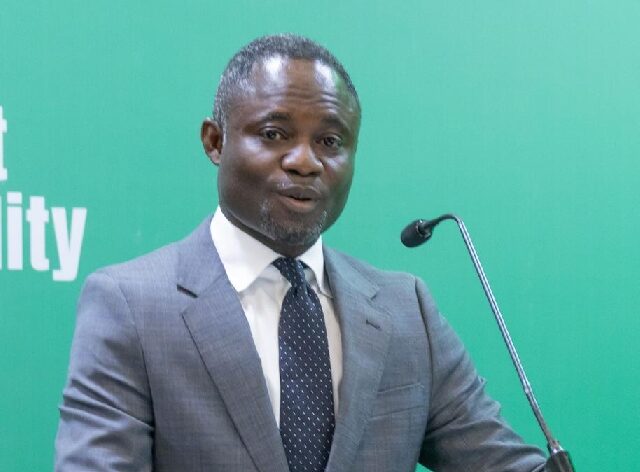
The principal of the College of Nursing in Nkanchina is out of the office, at least for now. The Ministry of Health has suspended Fredrick Anaba with immediate effect, following serious allegations that he admitted students without authorisation and introduced academic programmes that never received official approval. The suspension, announced in a ministry statement dated March 12, 2026, does not come out of the blue. The trouble began on February 19, 2026, when the ministry formally queried Mr. Anaba over the college’s admissions for the 2025/2026 academic year. After receiving and reviewing his response, the ministry concluded that his explanation raised more questions than it answered, and that a full administrative investigation was the only way to get to the bottom of the matter. With the principal now sidelined, the ministry has directed him to hand over the administration and management of the college to the Acting Vice Principal, ensuring that the institution continues to function without disruption while investigators do their work. The suspension will remain in place until the probe is completed. The ministry made clear that this is not simply a matter of administrative housekeeping. At stake are the integrity of approved admission quotas and the legitimacy of programmes being offered to students training to work in Ghana’s health sector, concerns the ministry says it takes seriously across all health training institutions in the country. Head of Public Relations at the ministry, Isaac Ofei Baah, who signed the statement, assured the public that further updates would be provided once investigations are concluded. Source: Apexnewsgh.com
Health Minister Pledges Full Support for Victim of Armed Forces Recruitment Stampede
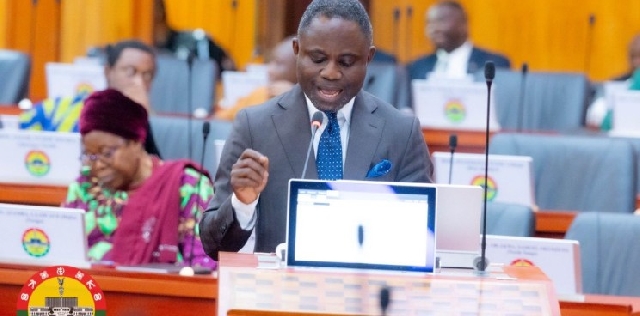
The Minister for Health, Kwabena Mintah Akandoh, has reaffirmed the government’s commitment to ensuring the best possible care for Sandra Baafi Boateng, the young woman who suffered life-threatening injuries during the Ghana Armed Forces recruitment stampede at the Baba Yara Sports Stadium on November 12, 2025. Addressing Parliament, Mr. Akandoh updated Members on Ms. Baafi Boateng’s current condition and stressed that the Ministry stands ready to arrange advanced treatment abroad if her medical team deems it necessary. “Every viable medical intervention, both within Ghana and overseas, is being considered to guarantee the highest standard of care,” he assured. Since the incident, Ms. Baafi Boateng has been under intensive specialist care, with the state covering all medical costs to relieve her family of financial burden. After initial treatment, she was transferred on February 26, 2026, to the 37 Military Hospital, where a multidisciplinary team of specialists continues to manage her recovery. Alongside ongoing medical attention, she is also receiving rehabilitation and psychosocial support to aid her recuperation. Mr. Akandoh highlighted that Ms. Baafi Boateng has remained bedridden since the stampede but emphasized that the Ministry remains closely engaged with both the Komfo Anokye Teaching Hospital and the 37 Military Hospital to ensure her care is expedited. He concluded his remarks with a pledge to Parliament: “The Ministry of Health has remained actively engaged to ensure that Ms. Sandra Baafi Boateng receives the requisite specialist care and that every necessary step is being taken to expedite her treatment and recovery.” Source: Apexnewsgh.com
No Patient Should Be Turned Away Without Proper Assessment, Says Health Ministry Spokesperson
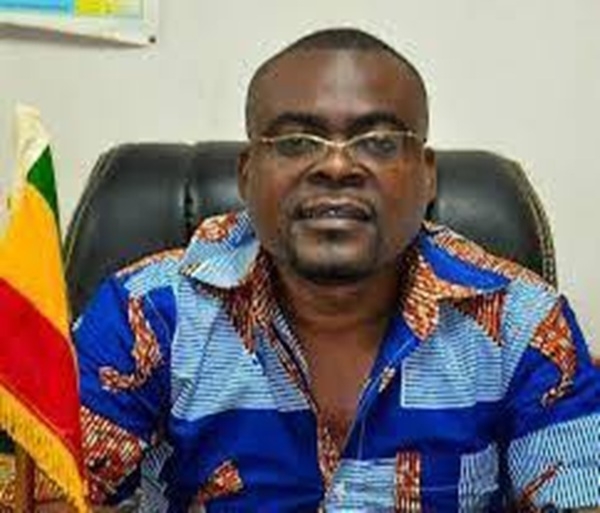
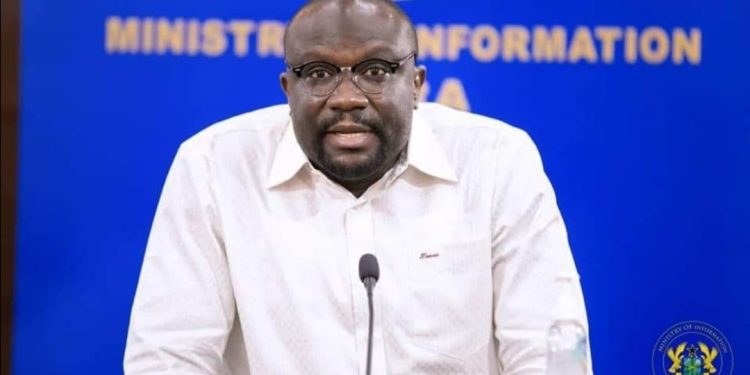
According to Tony Goodman, the spokesperson for the Ministry of Health, “No patient should ever be told there is ‘no bed’ without proper assessment,” Mr. Goodman declared, his voice steady with conviction. He explained that only an authorized medical professional, not security guards or other unauthorized staff, should make decisions about a hospital’s capacity to admit new patients. He painted a vivid picture for his audience: A worried family arrives at the hospital’s entrance, only to be turned away by someone not qualified to judge the urgency of their loved one’s condition. “This is not acceptable,” Mr. Goodman insisted. “In an emergency, the priority must always be to stabilise the patient first. Only after this, should a decision be made about bed availability or a potential referral.” He reminded everyone that when patients are sent away without proper care, it often leaves them with nowhere else to turn. “There may be no immediate alternatives—no other hospital, no available doctor. It is our duty to provide immediate care and to ensure the patient’s condition is managed before considering transfer arrangements.” Looking to the future, Mr. Goodman shared promising news about long-term solutions. The Ministry of Health, he revealed, is preparing to bridge the gaps in specialised healthcare delivery. In the coming months, new training programmes will be launched for nurses, focusing on areas like oncology, critical care, emergency care, and nephrology. “For years, our focus has been on training general nurses. But now, we need more specialists who can respond effectively to critical situations,” he said. The Ministry will soon begin recruiting nurses for these specialised programmes, aiming to strengthen the healthcare system’s ability to handle complex and urgent cases. Through his story, Mr. Goodman painted a vision of a more compassionate and prepared health service, one where every patient receives the assessment and care they deserve, and where no one is left behind for lack of a bed. Source: Apexnewsgh.com