GRNMA stands firm amid ongoing strike- says they’re open for talks, not renegotiation
Health, Opinion

GRNMA stands firm amid ongoing strike- says they’re open for talks, not renegotiation

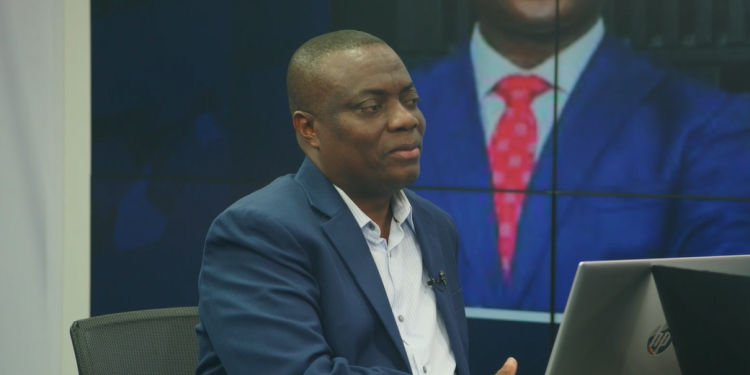
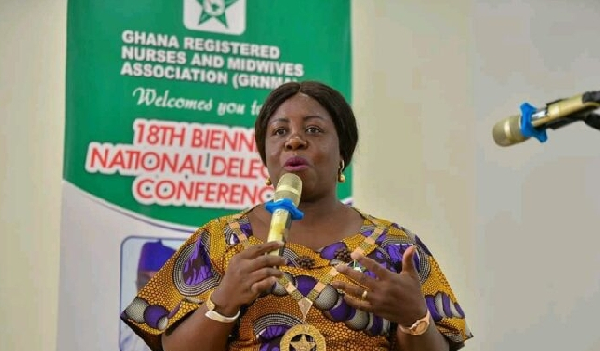
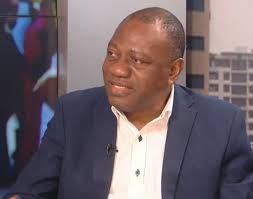
The Ghana Registered Nurses and Midwives Association (GRNMA) has expressed its willingness to engage with the Ministry of Health but insists that it will not return to the negotiation table over matters already agreed upon. Apexnewsgh reports The association’s stance comes amid a nationwide strike that began on June 4, 2025, over the government’s failure to implement the provisions of their 2024 Collective Agreement. GRNMA’s Greater Accra Regional Chairman, Jefferson Asare, made it clear that while the association is open to discussions, it will not accept any attempts to reopen negotiations on matters already finalized. “We are ready to meet. If we receive a letter now, we will move anywhere they want us to go. But for renegotiation, we are not ready,” Mr. Asare stated in an interview on the Citi Breakfast Show. Mr. Asare stressed that among the various groups in the health sector, it is only nurses and midwives whose agreed-upon conditions of service remain unfulfilled. “In the health ecosystem, it is not only nurses who have problems with the conditions of service. But we are the only group whose conditions of service have not been implemented,” he added. The ongoing strike has disrupted healthcare services across the country, prompting calls from stakeholders and the public for a swift resolution. GRNMA maintains that the government must honour its commitments rather than attempt to renegotiate already-settled terms. The association’s firm stance underscores the need for the government to address the concerns of nurses and midwives to restore normalcy to the healthcare system. Source: Apexnewsgh.com/Ngamegbulam Chidozie Stephen

Read More
Minister of Health Appeals to Nurses and Midwives to Return to Work
Health

Minister of Health Appeals to Nurses and Midwives to Return to Work

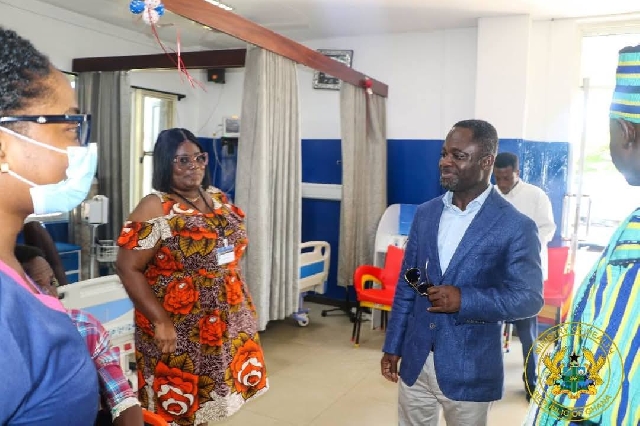
The Minister of Health, Kwabena Mintah Akandoh, has made a passionate appeal to members of the Ghana Registered Nurses and Midwives Association (GRNMA) to return to their posts, citing the critical needs of patients across the country. Apexnewsgh reports The Minister’s plea came during a monitoring visit to major health facilities in Accra, including Korle-Bu Teaching Hospital, LEKMA Hospital, and Ridge Hospital. During his visit, Minister Akandoh assessed the impact of the ongoing strike on healthcare delivery and noted that the industrial action has clearly affected operations and the quality of care for patients. While some nurses and midwives remain at work, the Minister emphasized the need for all healthcare professionals to return to their duties. “I recognise the genuine concerns of our dedicated nurses and midwives,” Minister Akandoh said. “However, I appeal to them to reflect on the health and lives of vulnerable Ghanaians who depend on their care every day.” He assured health professionals that the government is actively working to address their grievances and resolve the impasse. The Minister emphasized his commitment to continued dialogue, expressing hope for a swift resolution. “I remain open to constructive engagement with all stakeholders, and I am confident we can find a common path forward that protects both the interests of our healthcare workers and the well-being of the public,” he added. The Ministry has reiterated its readiness to work collaboratively with the GRNMA to ensure that pressing challenges are resolved in a manner that strengthens Ghana’s healthcare system. The Minister’s appeal highlights the need for a collaborative solution that prioritizes the health and well-being of patients while addressing the concerns of healthcare professionals. Source: Apexnewsgh.com/Ngamegbulam Chidozie Stephen

Read More
Pharmacist Shot and Killed in Bolgatanga
Featured, Health

Pharmacist Shot and Killed in Bolgatanga

A tragic incident occurred in the Upper East Region’s capital, Bolgatanga, where a pharmacist, Mohammed Zibrim Zia-Ulhak, was shot and killed in his private vehicle. Apexnewsgh reports The incident happened around 10 to 11 p.m. at the Tindonsobligo community on Thursday night. According to sources, Mr. Zia-Ulhak was returning home after closing from work when the incident occurred. Residents in the area suddenly heard gunshots coming from the direction of his vehicle. After a few minutes, they rushed outside to find Mr. Zia-Ulhak dead in his white pickup truck, with bullet holes visible on the windshield and other parts of the vehicle. The perpetrators had already fled the scene. The incident has sent shockwaves through the community, with many mourning the loss of the pharmacist. The motive behind the shooting is yet to be determined, and an investigation is likely underway to apprehend the culprits. The loss of Mr. Zia-Ulhak has left a void in the community, and his family, friends, and colleagues are grappling with the tragic news. Source: Apexnewsgh.com

Read More
Mpox Outbreak in Western Region of Ghana: 19 Confirmed Cases Reported
Health

Mpox Outbreak in Western Region of Ghana: 19 Confirmed Cases Reported

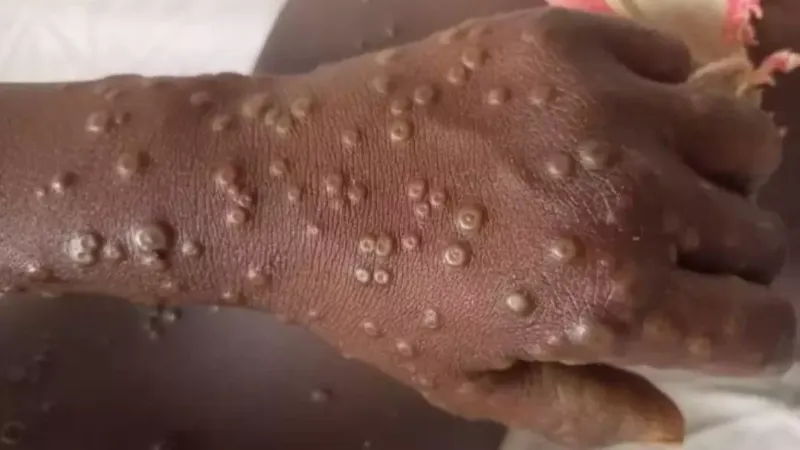
The Western Region of Ghana is facing a concerning public health situation, with 19 confirmed cases of Mpox (Monkeypox) reported. According to Ms. Vida Nyarko, a public health nurse at the Effia Kwesimintim Municipal Health Directorate, the Effia Kwesimintim municipality currently accounts for 4 of these cases, with 17 additional samples awaiting investigation. Background of the Mpox Outbreak Mpox, previously known as monkeypox, is a viral disease that has been reported in various parts of the world, including Africa, where it is considered endemic in some regions. The first cases of Mpox in Ghana were reported in 2022, with the Ghana Health Service (GHS) confirming several cases across different regions. Symptoms of Mpox Mpox symptoms can vary in severity and typically include: Rash or lesions Fever Swollen lymph nodes Headache and muscle aches Fatigue While there is no specific treatment for Mpox, supportive care can help manage symptoms and prevent complications. Good hygiene practices, such as regular handwashing, avoiding close contact with infected individuals, and proper wound care, can help prevent the spread of the virus. The Effia Kwesimintim Municipal Health Directorate, along with other health authorities, is actively investigating the outbreak and working to identify the source of the virus. Contact tracing and surveillance are also being conducted to monitor the situation and prevent further transmission. Ms. Nyarko emphasized the importance of practising good hygiene, avoiding excessive handshakes, and maintaining a healthy diet to boost the immune system. The public is advised to remain vigilant and take necessary precautions to protect themselves and their loved ones. The health authorities are working tirelessly to contain the outbreak and prevent further spread of the virus. As the situation continues to unfold, it is essential for the public to stay informed and follow the guidance of health authorities. Source: Apexnewsghcom/Ngamegbulam Chidozie Stephen

Read More
GRNMA Calls on Members to Withdraw Emergency Services
Health

GRNMA Calls on Members to Withdraw Emergency Services

The Ghana Registered Nurses and Midwives Association (GRNMA) has called on its members to withdraw all emergency services as part of its ongoing strike action. In addition, GRNMA has also withdrawn Out-Patient Department Services and outlined a roadmap for its industrial action. The GRNMA has outlined the following roadmap for its planned industrial actions: June 2-3, 2025: Nurses and midwives will wear red armbands and headbands in protest. June 4-8, 2025: Withdrawal of outpatient department (OPD) services. From June 9, 2025: Total withdrawal of all nursing and midwifery services nationwide. The Association has called on all nurses and midwives to remain “focused, resolute and unperturbed” and to participate fully in the industrial action. GRNMA President, Perpetual Ofori Ofori Ampofo, has urged members to follow the roadmap of actions diligently. The Ministry of Health had appealed to the Association to rescind its decision to proceed with the industrial action and directed all heads of units to ensure continuous healthcare services. However, GRNMA has stated that members will not be intimidated by “divisive and false narratives” and has called on the Health Ministry to channel its energies towards getting approval of the Collective Agreement from the Ministry of Finance and implementing same. The Association has called on Parliament to intervene in the matter to prevent a total shutdown of nursing and midwifery services by June 9, 2025. GRNMA has expressed gratitude to the nursing and midwifery fraternity for their solidarity and urged members to remain vigilant, united, and steadfast in their fight for the approval and implementation of their Collective Agreement. Source: Apexnewsgh.com/Ngamegbulam Chidozie Stephen

Read More
June 3 Disaster: A Decade of Sorrow and Unresolved Issues
Health

June 3 Disaster: A Decade of Sorrow and Unresolved Issues

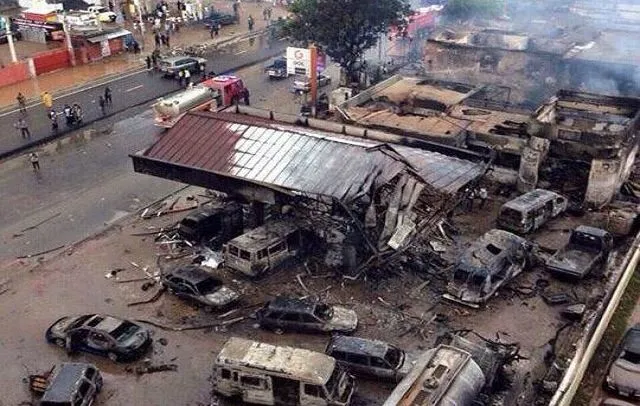
Today marks the 10th anniversary of the devastating flood and fire disaster that struck the heart of Accra, claiming 154 lives and leaving the nation in shock. Apexnewsgh reports On that fateful night of June 3, 2015, torrential rains pounded the capital, and an explosion at the GOIL filling station near Kwame Nkrumah Circle turned a dire flood emergency into a national tragedy. Hundreds of individuals, caught in the downpour and rising floodwaters, had sought shelter at the fuel station. But as water levels surged, fuel leaked from the station and floated across the surface. In a flash, a spark triggered a massive explosion, engulfing the area in flames. The aftermath was grim, with bodies scattered across the streets and some found days later in open drains. A government-appointed committee launched an investigation into the cause of the fire and outlined a chain of events that led to the explosion. The report identified the flooding of Kwame Nkrumah as the remote cause, the overflow of fuel from the GOIL station as the intermediate cause, and the act of an individual, Seth Kwesi Ofosu, who reportedly dropped a lit cigarette into the floodwaters laced with fuel, as the final spark. While some remedial efforts have been undertaken over the years, many believe that the deeper structural issues contributing to the disaster remain unresolved. Poor urban drainage, inadequate waste management, and unregulated construction continue to pose risks in the city. As the nation reflects on the 10th anniversary of the June 3 disaster, survivors, victims’ families, and civil society groups are once again calling for accountability and sustained action to ensure such a tragedy never happens again. The June 3 disaster serves as a reminder of the importance of addressing the underlying causes of such tragedies. The government and relevant stakeholders must take concrete steps to prevent similar disasters in the future. The nation must come together to demand accountability and action, ensuring that the lives lost were not in vain. Source: Apexnewsgh.com/Ngamegbulam Chidozie Stephen

Read More
Minister Appeals to Nurses to Reconsider Strike
Health

Minister Appeals to Nurses to Reconsider Strike

The Minister for Employment, Jobs, and Labour Relations, Dr. Rashid Pelpuo, has appealed to the Ghana Registered Nurses and Midwives Association (GRNMA) to reconsider its planned strike scheduled for Monday, June 9, 2025. The Association had announced its intention to strike on Wednesday, May 28, citing unresolved concerns over conditions of service. Dr. Pelpuo warned that the industrial action could severely disrupt the country’s healthcare system. He stressed the importance of dialogue between all stakeholders, emphasizing that strikes have a direct impact on society and development. “When we embark on a strike, it has a total effect on society,” Dr. Pelpuo said. “This means that employers and stakeholders must always work together to conclude when there is no need for a strike. Eventually, the government must listen to them, the health authorities must listen to them.” Meanwhile, a joint statement issued by the National Association of Registered Midwives Ghana and other unions distanced themselves from the planned action, citing a disagreement with the GRNMA’s interpretation of a collective resolution made at a prior meeting. The GRNMA criticized the dissenting unions, accusing them of undermining the push for better working conditions. The Association argued that the breakaway groups had failed to prioritize the welfare of Ghanaian nurses and midwives. The situation remains tense, with the outcome of the planned strike still uncertain.

Read More
UER: 1190 cases of Yaws were suspected and treated between 2020 and 2024–GHS
Health

UER: 1190 cases of Yaws were suspected and treated between 2020 and 2024–GHS

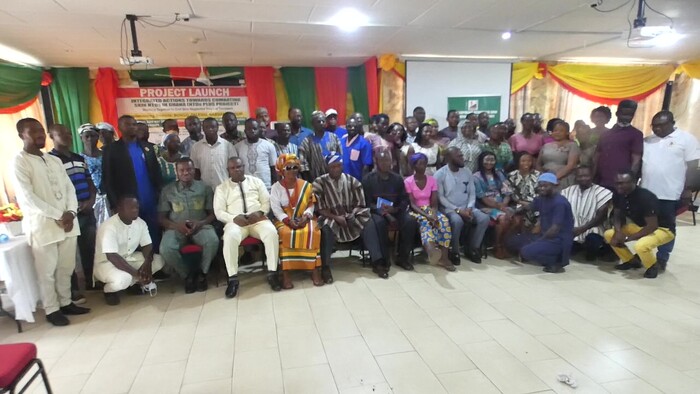
The Upper East Regional Health Director, Dr. Braima Baba Abubakari, has highlighted a pressing public health concern in the region during the launch of the “Integrated Actions Towards Combating Skin NTDs in Ghana (NTDs Plus Project)” by Development Research and Advocacy Centre (DRAC). Apexnewsgh reports Leprosy and Yaws continue to affect many lives, with alarming statistics revealing the severity of the issue. A speech by the Regional Health Director indicates that between 2020 and 2024, the region detected 137 cases of Leprosy, with over 80% of patients reporting with advanced stages of disability. This indicates a significant delay in seeking medical attention, which can lead to long-term consequences. In the same period, approximately 1190 cases of Yaws were suspected and treated in the region. Dr. Abubakari expressed enthusiasm about the NTDs Plus Project, designed to address the challenges faced by individuals with Skin NTDs. The project leverages existing community structures to deliver health services, ensuring a comprehensive approach to tackling these diseases. The partnership between the health department and DRAC, supported by the Anesvad Foundation, is crucial to the project’s success. With the launch of the NTDs Plus Project, the Upper East region takes a significant step towards reducing the burden of Skin NTDs. By working together, stakeholders aim to improve health outcomes and enhance the quality of life for those affected by these diseases. The project’s success will depend on the collaborative efforts of all parties involved, and Dr. Abubakari expressed optimism about the positive impact it will have on the region. The Director of Programmes at DRAC, Mr. Aberinga Milton, announced that the NTDs Plus Project marks a significant milestone as the second phase of DRAC’s skin NTDs programming. The initial project, which targeted five districts in the Upper East Region – Binduri, Builsa South, Bongo, Nabdam, and Talensi – laid the groundwork for the new initiative. According to Mr. Aberinga, the NTDs Plus Project brings numerous improvements and benefits designed to support victims of skin NTDs and their communities. Mr. Aberinga highlighted the prevalence of specific health issues in certain areas of the region. Leprosy, he noted, is a significant concern in Bongo, while Yaws and other skin diseases are particularly prevalent in the Bolgatanga East area. These findings emphasize the need for targeted interventions to address these health challenges and improve the well-being of residents in these communities. With the NTDs Plus Project, DRAC is poised to build on its previous successes and make a meaningful impact in the lives of those affected by skin NTDs. The project’s improvements and benefits aim to provide comprehensive support to victims and their communities, ultimately contributing to a healthier and more resilient Upper East Region. The Bolgatanga Municipal Chief Executive’s representative, Presiding Member Mr. Stephen Akugre, officially launched the NTDs Plus Project on behalf of the MCE. At the launch, Mr. Akugre acknowledged the project’s potential impact and importance in Bolgatanga and the region as a whole. He expressed his support for the project, assuring DRAC that the MCE would work to ensure its success in the region. With a declaration, Mr. Akugre marked the official start of the NTDs Plus Project, paving the way for its implementation and anticipated positive outcomes. The Project launch saw the presence of Stakeholders from all the affected district and communities. Source: Apexnewsgh.com/ Ngamegbulam Chidozie Stephen

Read More
Empowering Health Workers to Support Maternal Mental Health in Upper East Region
Health

Empowering Health Workers to Support Maternal Mental Health in Upper East Region

BasicNeeds-Ghana has taken a significant step towards improving maternal and child health outcomes in the Upper East Region by training 200 health care workers on managing the mental health of pregnant women. Apexnewsgh reports This initiative is part of a larger project aimed at supporting the poorest and most vulnerable women and girls in the region. The project, according to Mr. Bernard Azuure, Upper East BasicNeeds Programme Coordinator, seeks to strengthen community systems to deliver integrated, people-centred services. These services include HIV, TB, sexual reproductive health (SRH), and mental health and psychosocial support during the peripartum period. The target beneficiaries are women and adolescent girls living with or at risk of HIV, TB, and gender-based violence/intimate partner violence (GBV/IPV). The project also aims to address gender-based differences and inequalities in access to healthcare services and health status among pregnant and postpartum women and adolescent girls. By doing so, it hopes to promote equitable access to healthcare and improve overall health outcomes for this vulnerable population. By training health workers to manage mental health issues during pregnancy, BasicNeeds-Ghana is taking a crucial step towards improving maternal and child health outcomes in the Upper East Region. This initiative has the potential to make a significant impact on the lives of women and girls in the region, and it is a testament to the organization’s commitment to promoting holistic healthcare. Dr. Dennis Bomansang Daliri, a respected health worker and the Upper East Regional psychiatrist, highlighted the complexities of postpartum mental health issues, emphasizing that they can have severe short- and long-term consequences for newborns. These challenges are often difficult for parents to deal with, and in extreme cases, can lead to tragic outcomes such as suicide and infanticide, although these are rare. The financial burden on healthcare systems is substantial. Dr. Daliri outlined the psychological approach used at his facility to address these challenges. A key component of this approach is motivational interviewing, a technique that helps individuals progress from denial to realization and ultimately to deciding to change. This approach acknowledges that overcoming postpartum mental health issues takes time, patience, and support. He further emphasized the crucial role of psychosocial support for pregnant women during an engagement with health workers. He stressed that offering emotional and practical assistance is vital for expectant mothers, as it can significantly impact their mental health and overall well-being. By providing psychosocial support, healthcare providers can help alleviate common pregnancy-related stressors, reduce the risk of mental health disorders like depression and anxiety, and foster a positive maternal-fetal relationship. Dr. Daliri’s message was clear: “A happy mother is a happy baby.” By prioritizing psychosocial support, healthcare providers can play a pivotal role in shaping maternal experiences and outcomes. This approach underscores the importance of comprehensive maternal care that integrates emotional and psychological well-being, ultimately contributing to healthier families. Source: Apexnewsgh.com

Read More
Ghana’s Water Crisis Warning: A Call to Action
Featured, Health

Ghana’s Water Crisis Warning: A Call to Action

Ghana could face a severe clean water crisis by 2030 if immediate and collective action is not taken to protect its water resources. Apexnewsgh reports This warning was issued by Dr. Justice Aduko, Project Manager for Blue Deal Ghana, during a sensitisation workshop organised for members of the Gambaga-Sub-Basin Committee. Dr. Aduko cited scientific studies highlighting the escalating threats to the country’s water bodies due to pollution, illegal mining, poor waste management, and climate change. He emphasized that illegal mining is a major concern, consuming vast amounts of water and contaminating it with hazardous chemicals. The Blue Deal Project, backed by the Dutch government, aims to build the capacity of local stakeholders in water resource management. The initiative seeks to ensure that 20 million people worldwide gain access to clean, safe, and adequate water. In Ghana, the project promotes Integrated Water Resources Management (IWRM) approaches, focusing on areas such as drinking water, sanitation, and disaster risk reduction. The workshop trained participants in conflict resolution, trust-building, and effective communication skills. Sabastein Salia Yiah, an engineer who attended the training, described it as transformative, highlighting the importance of being well-informed about water conservation. Dr. Aduko reaffirmed Blue Deal Ghana’s commitment to equipping stakeholders with the tools and strategies to protect water resources. He emphasized the importance of collective action, stating, “Water is life. Without it, sustainable development is impossible. We must act now, and we must act together.” The initiative encourages stakeholders to take action, including tree planting, proper waste management, and combating illegal mining activities near water sources. Source: Apexnewsgh.com

Read More