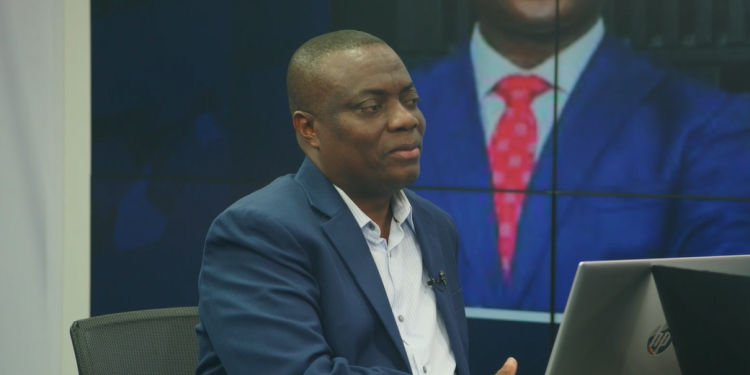
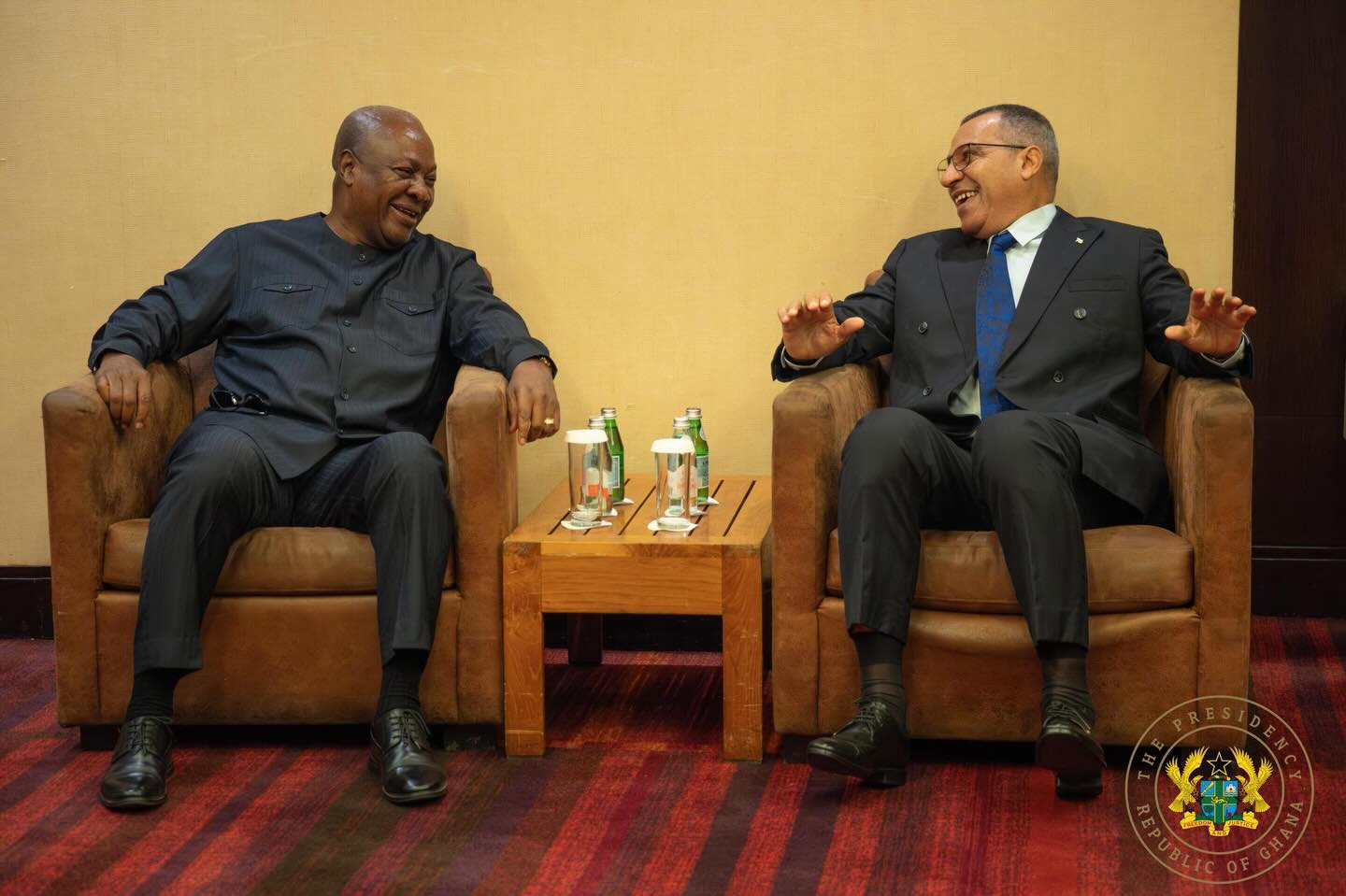

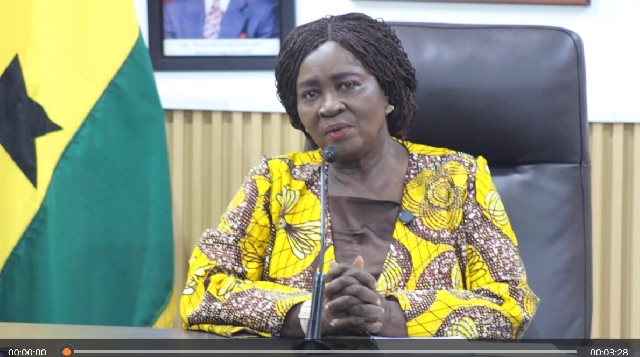
The Ghanaian government has announced plans to take over the Damang Mine after Gold Fields’ mining lease expires in April 2025. Apexnewsgh reports According to Isaac Tandoh, Deputy Chief Executive Officer of the Minerals Commission, the country is ready to assume full control of the mine. “We will run it,” Tandoh stated bluntly when asked about Ghana’s plans for the mine after Gold Fields’ departure. He emphasized that mining agreements cannot last indefinitely and that the government will support foreign investments but take over when agreements expire. Tandoh dismissed concerns about Ghana’s capacity to manage the mine, highlighting that local expertise can immediately begin working on several unmined smaller pits within the Damang concession. “People have been talking about capacity and capital, but we have a lot of local capacity, including rock shovels, BCMs, engineers, and planners,” he said. The Damang Mine, spread across 23,666 hectares, is located 30km north of Tarkwa in Southwest Ghana. Gold Fields Ghana Holdings Limited currently owns 71.1% of the mine, IAMGOLD owns 18.9%, and the Ghanaian government holds 10%. Tandoh revealed that all discussions held so far point to a state-led operation of the Damang Mine after Gold Fields’ exit. “In all the meetings I have been in and all the discussions I have had, we are looking at the state running the mine. No individual will be made to do that,” he added. With local technical know-how readily available, Ghana is poised to take control of the mine and develop its resources. Source: Apexnewsgh.com
Government’s Stance on Mining in Forest Areas Sparks Controversy
Minister for Environment, Science and Technology, Dr. Ibrahim Murtala Muhammed, has assured Ghanaians that concerns surrounding the Legislative Instrument (L.I.) permitting mining in forest areas will be addressed through the amendment of the Minerals and Mining Act 2003. Apexnewsgh reports According to Dr. Muhammed, this move demonstrates the Mahama administration’s commitment to listening to the concerns of its citizens. We are beginning the process of amending the Minerals and Mining Act 2003 to bar individuals from mining in forest areas,” Dr. Muhammed stated on TV3’s Key Points program. He emphasized that this process would satisfy issues around the L.I, showcasing the government’s willingness to listen and respond to public concerns. However, Dr. Ken Ashigbey, Convener of the Media Coalition Against Galamsey, has criticized the government’s stance, urging President John Dramani Mahama to fulfill his promise to revoke the L.I entirely. Dr. Ashigbey argued that the particular L.I is “bad and should go,” questioning why the president has been able to remove the E-levy but seems hesitant to revoke the L.I for mining in forest areas. Dr. Ashigbey’s sentiments were echoed in his statement, “How come the president who said he is going to revoke L.I, is now saying that we should amend, that is a blot.” This criticism highlights the ongoing debate surrounding the government’s approach to addressing galamsey and environmental concerns in Ghana. Source: Apexnewsgh.com
Galamsey Fight Must Be Lifelong Commitment, Not Short-Term Campaign – Gov’t Spokesman
The Minister of State for Government Communications, Felix Kwakye Ofosu, has called for a fundamental shift in how Ghana approaches its battle against illegal mining (galamsey), stressing that the fight requires sustained, unending commitment rather than time-bound campaigns. Apexnewsgh reports Speaking on Channel One TV’s Face to Face program on Tuesday, Kwakye Ofosu dismissed the notion of setting rigid deadlines to eradicate galamsey, arguing that illegal mining will always resurface if vigilance wavers. “The conversation shouldn’t be about timelines. Combating galamsey must be a continuous, lifelong responsibility of the state,” he asserted. “We must accept that there will always be those who try to exploit our resources illegally—our duty is to stop them every single time.” His remarks come amid growing public frustration over the persistent destruction of water bodies, forests, and farmlands by illegal miners, despite numerous government interventions. Kwakye Ofosu acknowledged that Ghanaians are tired of empty assurances and want visible, decisive enforcement. “What matters is that people see real action—whenever someone engages in galamsey, they must face immediate consequences. That’s the commitment the public expects, not unrealistic pledges like, ‘We’ll end it in two months,’” he emphasized. He stressed that only consistent enforcement, stronger monitoring, and community involvement can gradually reduce the menace. While the government has deployed military task forces and high-tech monitoring systems, Kwakye Ofosu’s comments suggest a shift toward sustained policy rather than temporary crackdowns. Civil society groups, however, remain skeptical, demanding more transparency in anti-galamsey operations and stiffer penalties for offenders, including public officials involved in the trade. Source: Apexnewsgh.com
Ghana’s Goldbod Initiative: A Game Changer for the Economy—Finance Minister
Finance Minister Dr. Cassiel Ato Forson stands optimistic about a pioneering program known as the Goldbod initiative. Apexnewsgh reports During a recent meeting with Myriam Montrat, the Canadian High Commissioner to Ghana, Dr. Forson declared Goldbod a potential game changer, aimed at stabilizing the cedi, enhancing foreign exchange inflows, and fostering sustainable job creation. At its core, the Ghana Gold Board (Goldbod) represents a flagship initiative that seeks to transform the management and tracking of gold exports in the country. Designed as a specialized agency, Goldbod will formalize gold trading, especially supporting small-scale mining operations. This initiative focuses on traceability, which not only enhances the credibility of Ghanaian gold on international markets but also aligns with broader economic goals of currency stability and long-term growth. The benefits of Goldbod are multifaceted. By improving control over gold exports, the initiative intends to strengthen Ghana’s foreign exchange reserves, thereby offering a strategic buffer for the cedi. Moreover, rather than focusing solely on short-term revenue generation, Goldbod prioritizes the creation of jobs, aiming to alleviate some of the economic pressure faced by the cedi in recent times. Additionally, in a nod to the past successes of the Ghana Cocoa Board (Cocobod), Goldbod is set to build upon that legacy with an emphasis on transparency, efficiency, and impactful results. However, the road ahead is not without its challenges. Dr. Forson openly acknowledged previous mismanagement issues within Cocobod but emphasized that these should not overshadow the broader vision for Goldbod. He expressed confidence that the initiative will be fully operational soon and highlighted the government’s commitment to implementing corrective actions under the guidance of the IMF to rectify structural issues inherited from past administrations. Moreover, the international dimension of Goldbod is enhanced by partnerships like the one with Canada. High Commissioner Montrat congratulated Dr. Forson on his recent appointment and reiterated Canada’s commitment to strengthening its longstanding ties with Ghana across various sectors, including agriculture and technical vocational education and training (TVET). Such partnerships could provide vital international support and investment, further solidifying Goldbod’s integral role in Ghana’s economic development. As the Goldbod initiative gathers momentum, it promises to be a transformative force in advancing Ghana’s economic agenda and improving the lives of its citizens. Source: Apexnewsgh.com
Ghana’s Finance Minister Justifies Higher Taxes for Mining Companies
Ghana’s Minister of Finance, Dr. Cassiel Ato Forson, announced an increase in taxes for mining companies during his 2025 budget statement. Apexnewsgh reports The Growth & Sustainability Levy for these firms will see a rise from 1% to 3%, a significant adjustment designed to ensure that gold mining companies contribute fairly to the nation’s progress. At a press conference, Dr. Forson underscored the importance of this measure, pointing out that the mining sector has consistently generated substantial profits. “Mining companies make significant profits, and it is only right that they contribute more to national development,” he asserted, reinforcing the belief that everyone should play a part in bolstering the country’s economy. The Finance Minister also took the opportunity to highlight the numerous economic reforms his government has implemented, with an eye toward stability and growth. He noted that these changes have been instrumental in easing the financial burdens faced by Ghanaians, ensuring improved public services, and fostering disciplined economic management. Among the key victories for the citizens, Dr. Forson pointed to recent bills signed into law by President John Mahama, which include the repeal of the contentious Electronic Transfer Levy, increased funding for vital social programs, and comprehensive tax reforms aimed at promoting economic growth. He also emphasized the importance of stricter financial discipline to ensure responsible fiscal management. In closing, Dr. Forson reaffirmed the government’s commitment to resetting Ghana’s economy for long-term stability and prosperity. “We are putting money back into the pockets of Ghanaians while making sure government finances remain strong,” he concluded, leaving the nation hopeful for a more equitable and robust economic future. Source: Apexnewsgh.com
Ghana to Restrict Excavator Imports to Combat Illegal Mining
The Minister for Lands and Natural Resources, Emmanuel Armah-Kofi Buah, has announced that the government is considering restrictions on excavator imports to curb illegal mining activities. Apexnewsgh reports This move aims to protect Ghana’s environment and water resources from the devastating effects of unregulated mining operations. Minister Buah expressed deep concern over the alarming scale of environmental destruction caused by illegal mining, particularly in forest reserves and along riverbanks. The unchecked influx of heavy-duty machinery, especially excavators, has enabled illicit mining activities with severe ecological consequences. The government plans to restrict excavator imports, targeting loopholes that allow mining-related machinery to be used for illegal purposes. This move is not intended to cripple legitimate businesses or construction firms but rather to prevent the misuse of equipment. Ghana currently spends $6.2 billion on excavator imports, primarily for mining activities that harm the environment and water resources. The government believes it’s time to take decisive action to protect the country’s natural resources and public health. Source: Apexnewsgh.com
Government Cracks Down on Illegal Mining: 107 Foreigners Deported
The Minister of the Interior, Mohammed Mubarak Muntaka, has announced that 107 foreigners have been deported since he took office as part of the government’s efforts to combat illegal mining, known as “galamsey”. Apexnewsgh reports This move underscores the government’s commitment to protecting Ghana’s natural resources and addressing the environmental and economic impacts of illegal mining. Minister Muntaka has directed the Inspector-General of Police to transfer all regional, divisional, and district police commanders stationed in mining areas. This decision aims to replace long-serving officers who have not effectively tackled the galamsey menace. Rationale Behind Transfers “The decision to transfer these commanders stems from their prolonged stay in mining areas, where illegal mining continues to thrive. We need new faces and fresh perspectives to address this challenge,” Minister Muntaka stated. The government remains resolute in its fight against illegal mining, with plans to roll out more stringent measures to safeguard Ghana’s natural resources. Minister Muntaka emphasized the importance of collaboration between law enforcement agencies, urging regional police commanders to act swiftly when foreigners are found engaging in illegal activities. Illegal mining has had devastating effects on Ghana’s environment and water bodies, drawing widespread criticism. The government’s efforts aim to address these issues and protect the country’s resources for future generations. Source: Apexnewsgh.com
NDC’s Ade Coker Calls for 3-4 Year Mining Suspension to Restore Ghana’s Lands
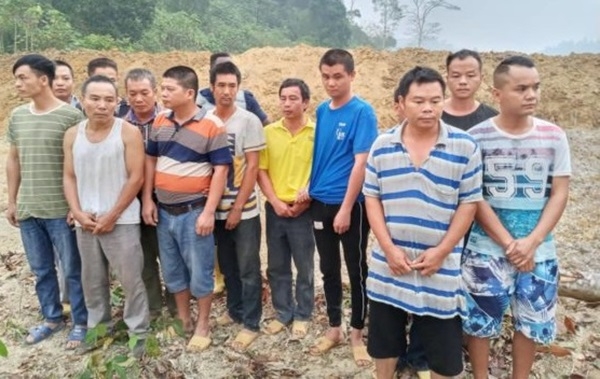
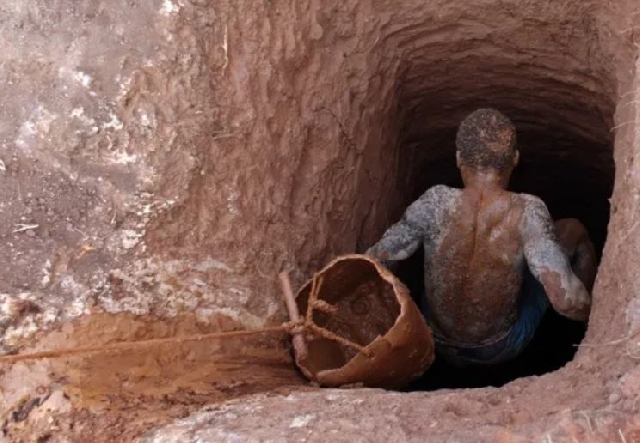
Joseph Ade Coker, the former Greater Accra Regional Chairman of the National Democratic Congress (NDC), has taken to the airwaves to sound the alarm on the rampant illegal mining activities known as galamsey. Apexnewsgh reports During his poignant appearance on Channel One TV monitored by this platform, Mr. Coker spoke fervently about the alarming toll galamsey is taking on the nation’s natural resources, calling for immediate and decisive action. Galamsey, characterized by small-scale mining operations, has wreaked havoc on Ghana’s land and water resources. Mr. Coker painted a stark picture, revealing that a staggering $2 billion worth of gold mined in Ghana was exported to Dubai, most of it illicitly, leaving the country with crumbs in terms of revenue. This underhanded trade not only robs Ghana of its rightful incomes but also jeopardizes the environment, exposing the land to degradation and contamination. With the urgency of a crisis at hand, Mr. Coker laid out a framework for potential solutions. He advocated for a complete ban on galamsey, arguing that halting illegal mining activities is crucial to preventing further environmental damage. Furthermore, he suggested the temporary suspension of small-scale mining operations to allow for essential land reclamation efforts. Mr. Coker didn’t stop there; he proposed that large-scale mining companies should also cease their operations for a period of three to four years, allowing the earth a chance to heal. To bolster these efforts, he emphasized the need for an inventory of excavators utilized in mining operations, which would help curb their misuse for illegal activities. The conversation around galamsey has gained momentum recently, especially following the efforts of law enforcement. In a significant crackdown, the Western Central Regional Police Command successfully apprehended 11 individuals involved in illegal mining activities along the Bonsa River in the Western Region. Among those arrested were seven Ghanaians and four Chinese nationals, marking a decisive step in the government’s commitment to combat galamsey and safeguard Ghana’s abundant natural resources. As these discussions unfold, the fate of Ghana’s environment hangs in the balance, and the call to protect it becomes ever more urgent. Mr. Coker’s passionate plea serves as a rallying cry for the nation—now is the time to act and reclaim the land for future generations. Source: Apexnewsgh.com
Government to Establish Special Courts for Expedited Prosecution of Galamsey Offenders
Government has announced plans to set up special courts for the speedy prosecution of persons cited for galamsey. Apexnewsgh reports The Ministry of Lands and Natural Resources is working closely with the Minister of Justice and Attorney-General, as well as the judiciary, to finalize the modalities for establishing these courts. According to Emmanuel Armah-Kofi Buah, Minister of Lands and Natural Resources, the government is committed to ensuring expedited prosecution of illegal miners. This move comes on the back of calls by stakeholders in the forestry sector and environmental activists for specialized courts to swiftly prosecute those who flout mining regulations. The call for specialized courts has been endorsed by key stakeholders, including Dr. Hugh Brown, CEO of the Forestry Commission; Daryl Bosu of A Rocha Ghana; and Dr. Kenneth Ashigbey, Convener of the Media Coalition against Galamsey. They argue that the weak prosecution regime is a major hindrance in the fight against galamsey, and that dedicated courts would help clear the backlog of outstanding cases related to environmental crimes. Key Provisions of the Minerals and Mining (Amendment) Act, 2019 (Act 995) – A Ghanaian engaged in illegal mining faces a fine of GH¢120,000 to GH¢180,000 and imprisonment of 15 to 25 years. – A foreigner engaged in illegal mining faces a fine of GH¢1.2 million to GH¢3.6 million and imprisonment of 20 to 25 years. Despite these provisions, the prosecution rate for illegal mining remains low. Data from the Forestry Commission reveals that out of 845 persons arrested for mining in forest reserves over the past two years, only 20 have been prosecuted. Stakeholders are advocating for 24-hour courts to expedite the prosecution of galamsey offenders. They also emphasize the need for stiffer sanctions, particularly for foreigners, and for building the capacity of prosecutors and judges to understand environmental crimes. Source: Apexnewsgh.com
Media’s Critical Role in Combating Galamsey Highlighted by Lands Minister
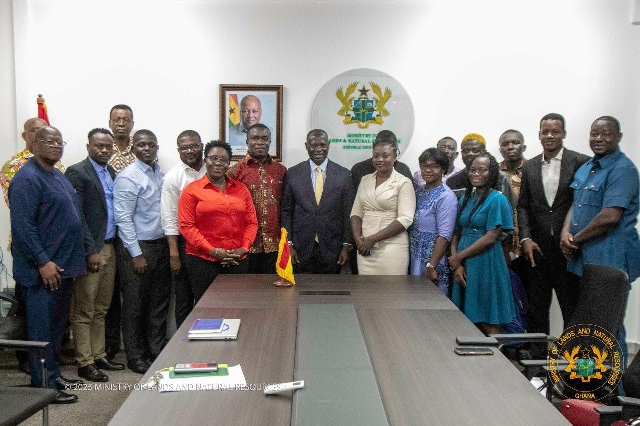
Minister for Lands and Natural Resources, Emmanuel Armah-Kofi Buah, MP, has emphasized the vital role of the media in combating galamsey. Apexnewsgh reports During an extensive meeting with representatives from major media houses based in Accra, Armah-Kofi Buah stressed the need for a collective effort to address the complexities of illegal mining, particularly around water bodies and forest reserves. The meeting, which coincided with reports of an attack on Forestry Commission officers, highlighted the severity of the issue. Armah-Kofi Buah revealed that upon taking office, nine forest reserves had already fallen under the complete control of illegal miners. The statistics on water pollution were alarming, with turbidity levels in water treated by the Ghana Water Company Limited ranging between 5,000 and 12,000 NTU, more than 10 times the permissible point. The scale of land degradation was equally staggering, with illegal mining consuming an area equivalent to 7,500 football fields. To combat this, the government has outlined a five-pillar strategy: Enforcement of Existing Laws: Strengthening collaboration with law enforcement agencies to intensify crackdowns. Structural Overhaul: Reshuffling teams to man sites and forest areas, preventing complacency and ensuring adequate cover. Stakeholder Engagement: Involving traditional leaders, local authorities, and District Security Councils in the licensing process. Technology Deployment: Establishing a monitoring system to track mining equipment and activities in real-time. Public Sensitization: Raising awareness to foster collective responsibility in the fight against galamsey. The Minister identified flaws in the current licensing system as a major enabler of illegal mining. To address this, the government is decentralizing the licensing regime, ensuring traditional authorities and District Security Councils become the first point of approval for mining permits. Armah-Kofi Buah urged the media to remain vocal and objective, cautioning against politicizing the issue. The media practitioners commended the Minister for the engagement and pledged to use their platforms to bolster the fight against illegal mining. Source: Apexnewsgh.com