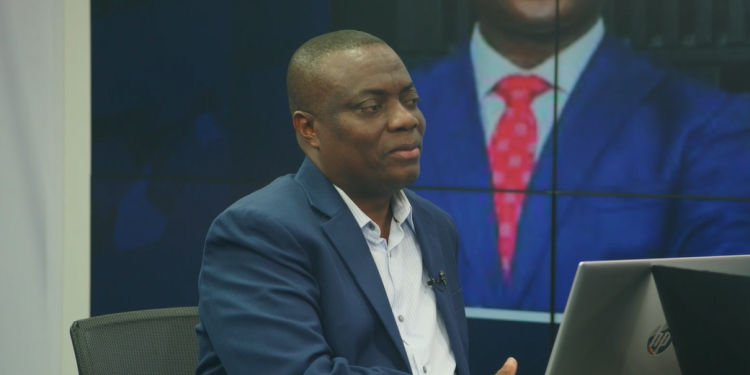
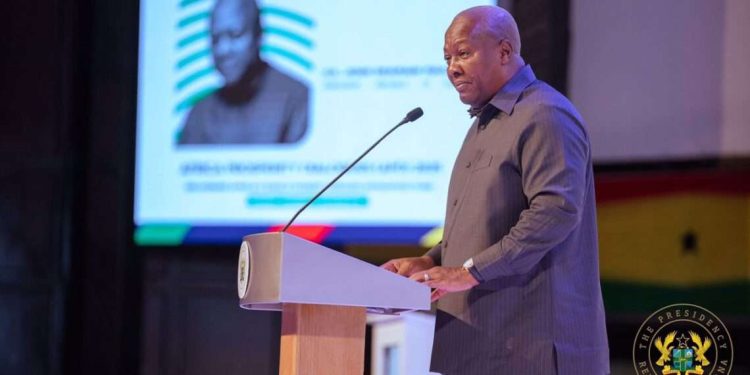
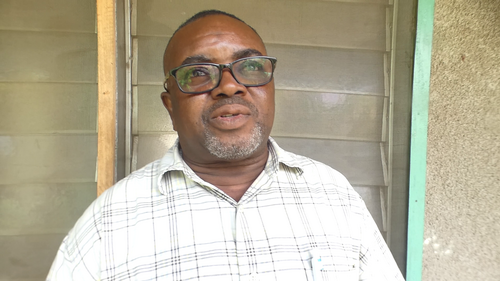
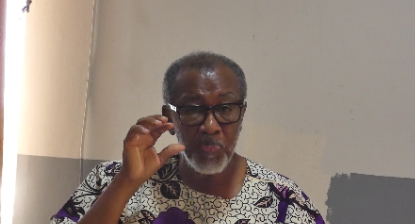
Associate Professor Felix Y. T. Longi, a social historian at the University of Development Studies, has thrown his weight behind the promotion of grass biochar as a sustainable alternative to traditional charcoal. Apexnewsgh reports Speaking at a regional stakeholders’ dialogue organized by the Millar Institute for Transdisciplinary and Development Studies on Monday, July 8, 2024 in Tamale , Prof. Longi emphasized the enormous benefits of grass biochar, including environmental protection, climate change mitigation, and improved agricultural production. He envisioned a future where a consortium of like-minded individuals would come together to organize a national or international conference to share research findings and best practices on grass biochar. By adopting grass biochar, Ghana can reduce its reliance on fuel wood and chemical fertilizers, which have harmful environmental and health impacts. Prof. Longi also pointed the importance of decolonizing knowledge production and promoting indigenous knowledge systems. He believes that by embracing grass biochar and organic manure, Ghana can break free from the shackles of colonialism and develop a more sustainable and self-sufficient agricultural sector. The historian emphasized that the time has come for Ghana to take steps towards self-reliance and environmental sustainability, citing examples of other countries that have successfully made the transition. He urged stakeholders to support the grass biochar initiative, which he believes has the potential to transform Ghana’s agricultural landscape. Source: Apexnewsgh.com Thanks for reading from Apexnewsgh as a news publishing website from Ghana. We encourage you to freely share this story via social media platform and follow us on; Facebook on APEXNEWSGH-Tv or Please contact Apexnewsgh.com on email apexnewsgh@gmail.com for your credible news publications. Contact: 0248250270/0256336062
GhaFFaP President Advocates for Sustainable Practices and Grass Biochar Application
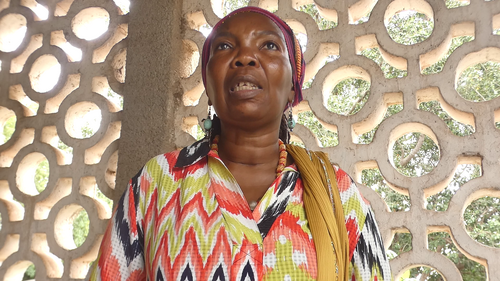
The National President of the Ghana Federation of Forest and Farm Producers (GhaFFaP) and a leader for Savannah Women Farmer Association (SWFA), Madam Alima Sagito Saeed, has stressed the need for sustainable practices and the application of grass biochar to improve soil fertility and promote environmentally conscious farming methods. Apexnewsgh reports Speaking at a stakeholders’ dialogue in Tamale, Madam Alima highlighted the federation’s goal of ensuring its members achieve the best possible outcomes from their investments in land and farming practices. She noted that soil fertility has become a significant issue affecting farmers but emphasized that alternatives like grass biochar can provide opportunities for improvement. The GhaFFaP president further emphasized the importance of adopting environmentally conscious practices to ensure sustainability and highlighted the federation’s efforts to restore sustainable practices and promote knowledge management over the past four years. According to Madam Alima, the federation has collaborated with the Millar Institute for Transdisciplinary and Development Studies, a research and knowledge management institution, to produce sustainable products and promote sustainability awareness. The stakeholders’ dialogue brought together state institutions, community development organizations, and partners to discuss alternative approaches to restoring forests, lands, and livelihoods. Madam Alima stressed the importance of adding value to grassroots initiatives and promoting sustainable practices to ensure a sustainable future for farming communities. She believes, the application of grass biochar, as introduced by the Millar Institute, is seen as a key solution to improving soil fertility and promoting sustainable farming practices. “By adopting this approach, farmers can improve their yields, reduce environmental degradation, and contribute to sustainable agriculture practices in Ghana”. She stressed Source: Apexnewsgh.com Thanks for reading from Apexnewsgh as a news publishing website from Ghana. We encourage you to freely share this story via social media platform and follow us on; Facebook on APEXNEWSGH-Tv or Please contact Apexnewsgh.com on email apexnewsgh@gmail.com for your credible news publications. Contact: 0248250270/0256336062
Pwalugu Multi-Purpose Dam Advocacy Brief
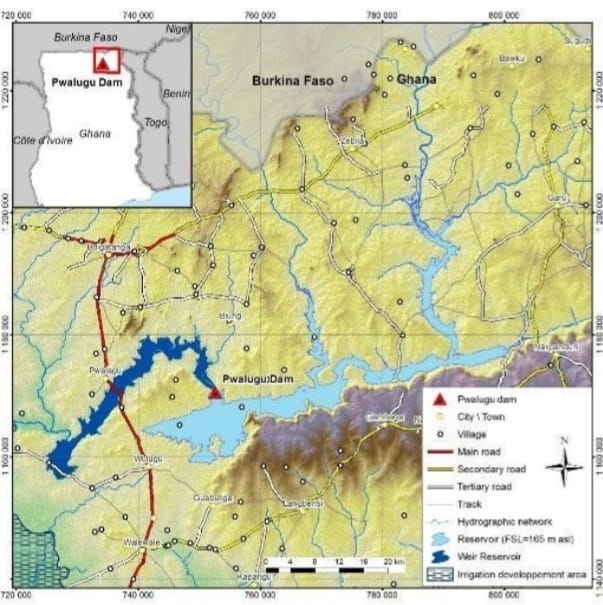
Put together by Prof. David Millar ((20th May, 2024)) 1.0 CONTEXT AND HISTORY OF THE PROJECT Pwalugu project was firstly studied in 1993 at a prefeasibility level, along with two other schemes on the White Volta River (Kulpawn and Daboya) and one project on the Oti River (Juale). Pwalugu project was recommended as a priority project to foster economic development in Northern Ghana. In 2013, the Volta River Authority (VRA) – the main power generation company in Ghana, solely owned by the Government of Ghana (GoG) – and TRACTEBEL signed a contract for the feasibility and detailed design studies of the Pwalugu Multipurpose Dam Project (PMDP). The Pre-Feasibility and Feasibility Studies were respectively completed in May 2014 and January 2016. The ESIA carried out by Mott McDonald highlighted important impacts related to the large dam reservoir. In response to concerns about the environmental and social impact of the original dam height of 40m, the VRA requested TRACTEBEL to conduct complementary studies to assess different project options. This led to the reduction of the dam height to 35m. In 2019, Government of Ghana decided to implement the project and mandated TRACTEBEL and SRC Consulting to carry out the Environmental and Social Impact Assessment Study (ESIA) and the Resettlement Action Plan (RAP) of the Pwalugu Multipurpose Dam Project (PMDP). In its final design, the PMDP is intended to contribute to the economic development of Northern Ghana by several means: Developing the irrigation potential of the White Volta plains; Mitigating floods downstream of the dam; Generating power to be injected on the northern end of the national grid; Developing other economic activities on the reservoir, such as fishery. 1.1 Pwalugu Multipurpose Dam Project (PMDP) includes: A composite dam made of a rolled compacted concrete (RCC) dam in the central valley/riverbed, rockfill dam with clay core on the left Bank and an earth dam with clay core on the right bank. The maximum dam height is about 60 m asl, with a crest elevation set at 168m asl and 1.8 km long; A gated spillway equipped with 6 gates; Two bottom outlets with sills located at the dead storage level (137 m asl); Two power intakes (one per turbine) located at 137.10m asl; In order to be operated in case of maintenance of the two turbines, an independent outlet is set for the environmental flow located near the intakes of the two turbines at 137m asl. A Hydro-Power Plant located at the toe of the dam on the left bank with an installed capacity of 59.6 MW. The plant will comprise 2 Kaplan-type turbines with single capacity of 29,8, supplying an average 176 GWh/year of which 100 GWh will be delivered with 95% reliability every year; An irrigation weir located 50 km downstream of the main dam. The weir is composed by a concrete structure for the canal intake, a concrete primary weir to evacuate the normal operating flows and earthen gabion secondary weir to act as a spillway when floods occur. The weir is 1 km long with a crest elevation set at 133 m asl; A 161-kV power transmission line 15km long from the switch yard to the existing Tamale-Bolgatanga Transmission line. A 20,000ha irrigation development area located downstream of the weir (which is not part of the present ESIA); A Solar Plant with an installed capacity of 50 MW (which is not part of this ESIA). A base camp is planned to house the project owner and contractor’s personnel during the construction period and to accommodate the operating personnel during the project’s operational life. The PMDP will create two reservoirs: A main reservoir upstream of the main dam with a 2,6 billion m3 storage capacity and a 263 km² surface area, the FSL is set at 165m asl and the Maximum water level is set at 165.23 masl. A weir reservoir upstream of the weir with a maximum surface area of 81km2 (corresponding to the area flooded for a 1 in 1000 return period flood) 1.2 Dam alternatives study In 2018, the VRA requested Tractebel to investigate five alternative scenarios (Alternatives 1 to 5) in addition to the one studied earlier throughout the Feasibility Study (Alternative 0). In the previous studies, the dam design was driven by the maximisation of the energy generation and the development of 20,000 irrigated hectares in the downstream floodplain. The purpose of the alternatives study was to compare different alternative schemes with a dam sized for irrigation as the primary operational purpose. The 5 alternatives were: Alternative 0: baseline scenario that corresponds to the Feasibility Study design with a main dam with an FSL =170m asl, a diversion weir and irrigation area of 20,000ha; The arrangement of Alternative 1 with a dam elevation set at FSL = 151m asl; Alternative 2 differs from Alternative 1 by the location of the axis of the main dam, which is set on the so called “upstream axis” identified at the pre-feasibility study stage with a FSL at 158.5 m, a diversion weir and an irrigation area of 20,000ha; Alternative 3 is made of one unique reservoir. This unique dam is located on the irrigation weir axis studied and investigated during the Feasibility Study (FSL= 140.5 m asl). The irrigated areas remain the same; Alternative 4: Located on the same site as Alternative 3, Alternative 4 dam crest is determined so that the reservoir can store enough water to irrigate 5,000 Ha by gravity (FSL= 137.5m asl). The dam is designed to allow future heightening of the dam permitting the extension of the irrigated area up to 20,000 Ha. dam axis that corresponds to the Feasibility Study irrigation weir axis The arrangement of Alternative 5 (current design) is similar that of the baseline scenario (Alternative 0), only the dam height differs. FSL = 165m asl; With a dam crest located 5 meters below that of Alternative 0, Alternative 5 generates slightly less energy (-15%) but also limits the social and environmental impacts as its total reservoir area is reduced
Societal Norms Diluted, Leading to Increase in Witchcraft Accusations and Lynching—Prof. Millar
In a recent documentary titled “THE HORRORS OF WITCHCRAFT ACCUSATION”, produced Ngamegbulam Chidozie Stephen of ApexnewsGh, Prof. David Millar, President of the Millar Institute for Transdisciplinary and Development Studies (MITDS), shed light on the alarming rise of witchcraft accusations and lynching incidents in various communities. Millar attributed this trend to the weakening of societal norms. According to Prof. Millar, the dilution of societal norms can be attributed to the shrinking size of families and the weakening of family ties. Additionally, modern influences, such as changes in governance systems and perceptions of wellbeing, have played a role in altering the perception of poverty. These factors have collectively contributed to the increase in witchcraft accusations and subsequent instances of lynching. The astute Professor Millar further highlighted that accusations of witchcraft are typically targeted towards marginalized and vulnerable individuals. These individuals, often from poor and unknown families, become easy targets for labeling as witches. However, traditionally, being called a witch was considered a status symbol. Chiefs and elders in the northern communities of Ghana valued witches, as they were believed to possess the ability to predict calamities and serve as early warning systems for the community. Contrary to the traditional role of witches as spiritual protectors, the recent victims of lynching are individuals from families that do not have witches. Millar emphasized that these victims are not true witches, as their alleged witch status is a fabrication. The lynching incidents emerge from modern interferences that have distorted the understanding and appreciation of witchcraft in society. He further proposed that traditional structures and systems, such as chiefs, elders, and family heads, can protect accused witches in communities. Rather than relying on government or NGOs, he believes that involving the community itself is crucial for finding a solution to this pressing issue. Through community involvement, witchcraft accusations can be carefully evaluated, ensuring that innocent individuals are not unfairly targeted. To reinstate discipline and ensure fairness in the process of identifying witches, Prof. Millar suggested implementing a practice where the village chief and elders sip the concoction given to the alleged witch before it is administered. This approach would establish a sense of responsibility, preventing baseless accusations and promoting a more thorough examination of each case. However, Prof. Millar’s engagement with ApexnewsGh has unveiled the underlying causes of the surge in witchcraft accusations and the subsequent lynching incidents in Ghana. “By understanding the dilution of societal norms and implementing traditional protective structures, communities can work towards eradicating this dangerous and unjust practice”. Prof. Millar stressed The documentary was sponsored by MRG with support from MPEC Source: Ngamegbulam Chidozie Stephen Please contact Apexnewsgh.com on email apexnewsgh@gmail.com for your credible news publications. Contact: 0256336062
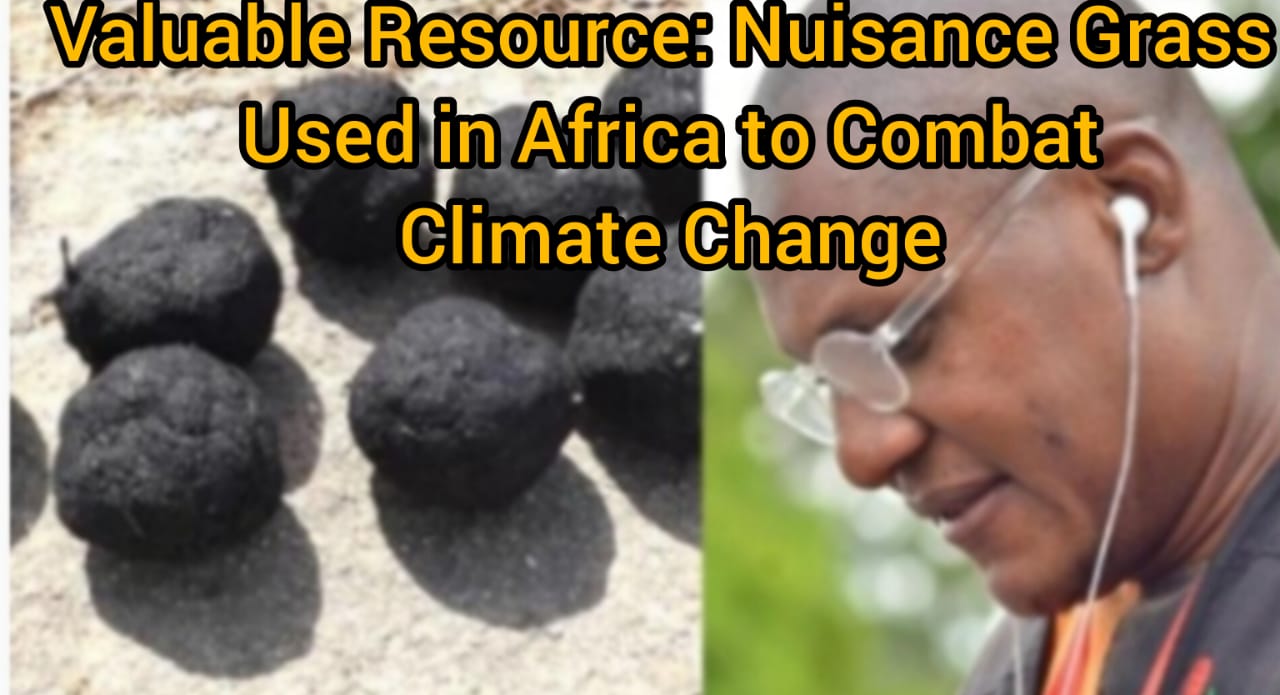
Valuable Resource: Nuisance Grass Used in Africa to Combat Climate Change
Grass, often viewed as a nuisance in Africa due to its persistent growth and tendency to invade fields and gardens, may soon be recognized for its value as a raw material. While it may seem surprising, grass has the potential to become a valuable resource, with opportunities for economic development and innovation. Apexnewsgh reports. In recent years, researchers and entrepreneurs have been exploring the possibilities of utilizing grass for a variety of purposes. From turning it into biofuels to using it as a sustainable building material, there are numerous ways in which grass can be harnessed for its beneficial properties. This shift in perspective is transforming the way we view this seemingly ordinary plant. One of the key advantages of utilizing grass is its abundance in Africa. With vast swathes of land covered in grass, there is a huge potential for harnessing this resource for economic gain. By finding innovative ways to process and utilize grass, countries in Africa can create new industries and job opportunities, contributing to overall economic growth. Meanwhile, utilizing grass as a raw material offers environmental benefits. By promoting sustainable practices for grass harvesting and processing, we can reduce our reliance on non-renewable resources and lower carbon emissions. This not only benefits the environment but also contributes to the fight against climate change. Increasing LPG Prices Drive Citizens to Wood Fuels in Africa In a recent investigation by Ngamegbulam Chidozie Stephen of Apexnewsgh.com, a troubling trend has emerged in which citizens are increasingly turning to wood fuel products such as firewood and charcoal due to the rising cost of Liquefied Petroleum Gas (LPG). This shift is primarily affecting the lower class of citizens, who are finding it increasingly difficult to afford the higher prices of LPG. The price of LPG has been steadily increasing, making it a less viable option for many households, particularly those with limited financial resources. As a result, individuals are resorting to traditional wood fuels as a more affordable alternative for cooking and heating purposes. While the use of wood fuels may provide temporary relief for those struggling to afford LPG, it also comes with significant drawbacks. The reliance on wood fuels contributes to deforestation and environmental degradation, leading to long-term negative impacts on the environment and public health. It is imperative for policymakers and stakeholders to address the underlying issues driving the increase in LPG prices and provide affordable alternatives for citizens. Promoting sustainable practices and investing in clean energy solutions can help mitigate the reliance on wood fuels and reduce the negative impacts on the environment. As citizens in Africa grapple with the rising cost of LPG, the need for accessible and affordable energy solutions becomes more urgent. By addressing the root causes of the issue and promoting sustainable energy sources, we can ensure a more sustainable future for all. The Environmental Impact of Charcoal Production on Economic Trees Charcoal is a key component in our cooking activities, but the continued felling of economic trees such as rosewood and shea trees for charcoal production raises an important question. These trees not only contribute significantly to the economy but also provide vital benefits to citizens as especially the vulnerable. Meanwhile, in addition to their economic value, the felling of these trees for charcoal production poses a significant threat to the environment. In an era of climate change, the loss of these trees can have devastating effects on our ecosystem and overall well-being as a society. It is important to consider the long-term consequences of prioritizing charcoal production over the preservation of valuable economic trees. Sustainable practices must be implemented to ensure that we can continue to enjoy the benefits of these trees without causing harm to our environment. It is essential that we strike a balance between our short-term needs for charcoal and the long-term health of our planet. Grass-Charcoal Innovation: A Hidden Gold in the Open for Africa In a groundbreaking development, Professor David Millar, the President of Miller Institute for Transdisciplinary and Development Studies in Ghana, has introduced a new innovation that could potentially revolutionize the way people view grass as a commodity in Africa. Described as a “Hidden Gold in the Open,” grass has now emerged as a solution to various challenges including bushfire burning, deforestation caused by the felling of economic trees, and the creation of job opportunities, especially in rural areas. The concept of Grass-Charcoal, a charcoal product made from grass briquettes, is poised to become a viable alternative to wood fuels. As awareness of this innovation spreads, more people are expected to recognize the economic potential that nuisance grass holds. The process of producing grass charcoal is less labor-intensive and environmentally harmful compared to traditional methods of charcoal production, making it an attractive option for both producers and consumers. Professor Millar’s Grass-Charcoal innovation represents a significant opportunity for African countries to address unemployment, particularly in rural communities. By embracing this innovative approach, African leaders can support the creation of more job opportunities while simultaneously promoting sustainable practices that benefit both people and the environment. The Grass-Charcoal innovation is indeed a “Hidden Gold in the Open” for Africa, waiting to be explored and utilized for the greater good. Recommendation Therefore, it is recommended that local governments, communities, and individuals work together to promote sustainable forestry practices, reforestation efforts, and alternative sources of fuel to reduce the reliance on charcoal production. By taking action now, we can help protect our forests, wildlife, and future generations. Let us prioritize the preservation of our economic trees and work towards a more sustainable future for all. Source: Apexnewsgh.com Please contact Apexnewsgh.com on email apexnewsgh@gmail.com for your credible news publications. Contact: 0256336062
Prof. Millar advocates for the construction of Dams to be included in the SOCO project
President of the Millar Institute for Transdisciplinary and Development Studies (MITDS) Professor David Millar has made a passionate appeal to those responsible for the SOCO project to consider including the construction of a dam in the SOCO project. “I heard about the SOCO Project and the amount that is committed to the project launched by the Vice President to enter into livelihood development by having in place projects that will minimize conflicts. I think that is a good project. But, I will suggest strongly the inclusion of the construction of a dam to this project” The Gulf of Guinea Northern Regions Social Cohesion (SOCO) Project was launched by Dr. Mahamudu Bawumia Ghana’s Vice President in the Upper East Regional Capital Bolgatanga. The project is expected to reach over 4,600 border-zone communities across the northern Gulf of Guinea sub-region and in Ghana, specifically 48 Metropolitan, Municipal, and District Assemblies (MMDAs) in six regions in the north will be direct beneficiaries of the SOCO project. Out of total financing from the World Bank International Development Association (IDA) of $450 million for four countries Ghana, Cote d’Ivoire, Togo, and Benin, Ghana benefitted with a share of $150 million. Addressing the congregation exactly a year ago at the SOCO launch, Dr. Bawumia said the project has been conceived and designed to address the effect of the spillover of conflict and extremism from the Sahel region to reduce vulnerability because of exposure to the impact of climate change, strengthen local institutions and through economic opportunities and build trust. Apexnewsgh.com/Ghana Please contact Apexnewsgh.com on email apexnewsgh@gmail.com for your credible news publications. Contact: 0256336062
1V1D: Over Ghc 200 Million shared by party boys for no work done –NORPRA Report
A report conducted by the Coalition of Northern Ghana CSOs led by the Northern Patriots in Research and Advocacy (NORPRA) after a 6-month implementation of the One Village, One Dam (1V1D) Expenditure and Performance Tracking project in five regions in the northern part of Ghana clearly reveals the monies were shared by party boys in the name of 1V1D for no meaningful work done. The extensive report dubbed ‘Ghana’s Oil Money on Dried Dams’ was supported by the Africa Centre for Energy Policy (ACEP) under its Extractive Industry and Climate Change Governance Fund (EICCG). Engaging journalists during the report launch On Monday, May 29, 2023, the Executive Director of Northern Patriots in Research and Advocacy (NORPRA) Bismark Ayorogo explained, “We went round to do expenditure and performance tracking of One Village One Dam across the 5 regions in northern Ghana and to also find out from communities members through focus view discussions, interviews, and assessment, what they make of the dam in terms of its performance. And this is at the back of the policy of government to provide One Village One Dam, so that there will be increased agricultural productivity, increase food security, creation of jobs, and a reduction in migration from the rural communities to the urban centers particularly the Southern part of the country from the north”. Mr. Ayorogo said upon their study: “They were able to track expenditures of 285 One Village One Dam and at the end of it all, we realized that government spent over Two Hundred Million Ghana Cedis (Ghc 201,000.000.00) on these dams and when we strike the average we realized that government spent over Six Hundred and Seventy Thousand Ghana Cedis (Ghc 670,000.000.00) per dam against the contract sum as we saw in award letters Two Hundred and Fifty Thousand”. According to Mr. Ayorogo most of the places they visited, the community members were saying they have not contributed in any way to increase food security or agricultural productivity in their communities. So, we want to find out more from other communities. The policy says, the dams are there to help create jobs, increase food security, agricultural productivity. “We went to most of the communities and one of them is Gbedembilisi Community in the Builsa South, we got there and we were able to get 20 farmers and the first we asked is, has One Village One Dam benefitted and all the 20 disagreed that, the dam doesn’t have enough water for all year farming because the dam was dried. We went to Jadema Community and asked the question if, One Village One Dam has enough water for all-year farming. One Village One Dam has contributed to increased agricultural productivity? One Village One Dam has contributed to food security? And One Village One Dam contributed to reducing migration as a result of Job opportunities? These are statements we picked from the policy document of the government from the 2017, 2018,2019, and 2020 to 2021 budget statements and the economic policies of the government and regrettably, the community members who participated in the focus group discussion and backed it with a community score card, said the dams did not contribute in any way. So, went further to the dams to see it ourselves and shockingly, almost all the dams were dried. No single dam was functioning, no single dam was having water and there was no dry season farming around any of the dams we visited”. He revealed We decided to continue, who knows, if the 285 dams may not be enough to conclude what we have gotten, there is still a need to extend to other communities and fortunately, because of the good leadership of this community who are always ready to participate in the development process of their community, we got the Chief and Assemblyman of Dachio to help us talk to the community members. Meanwhile, when journalists were transported to the Dachio shoddy constructed dam, the evidence available revealed the shoddy job done by the contractor was rather causing more harm than good. Evidence also shows that the Dachio Dam spillway is just at the same high-level size with a building block which has resulted to massive erosion at the community even to the extent of affecting Chief House. Engaging the Chief of the Dachio community Naaba Akaliga II at the dam site when we visited his community, he openly told pressmen that, the government did not mean well for his community with their poverty eradication project. “They only came to punish us in Dachio, they don’t want to give us any dam, that is why I described it at the initial stages that it was a football park and not a dam. This dam doesn’t help anybody in Dachio, and neither do we drink from it. Maybe, some people are fetching water from it to build their houses, is the only thing I can say. This dam does not help us anywhere. This is not the site for the dam, why would they leave the site and come where houses are built to construct a dam? They wanted to destroy us. I regretted convincing my people to vote for this government” the chief expressed. Hon. Zakari Abdul Aganbire, a Dachio Assemblyman who was also present at the dam scene when a team of journalists visited the scene said: “Looking at the land that was handed over to the contractor, if they had moved up a little, all these places would have been the land for the people to use for the dry season farming. But they came and landed at the land and constructed the dugout. In fact, there was no supervision. “Looking at the spillway, the least rain that falls gathers a little water and the rest dashes out, which has created a galley in the community”. The last time people of Cape Coast came to do research, when I brought them this way it wasn’t easy for us, because the community members thought they were

Graduation: MITDS graduates PhDs and MPhils completed students, introduces new programme
Millar Institute for Transdisciplinary and Development Studies has introduced a new programme to help upgrade the research skills, techniques, and knowledge of young academics who will want to conduct cutting-edge research of international quality. This was made known by the President of Millar Institute for Transdisciplinary and Development Studies Prof. David Millar during his speech at the 5th congregation of the Institution on Saturday, May 27, 2023. Meanwhile, Prof. Millar hinted that the school is securing funds to kick-start the programme. Addressing the congregation, the President of the Millar Institute with excitement also announced the school’s seventh edition of the internal refereed journal: Ghana Journal for Culture and Development (CULTRAD) is out, as he encourage scholars and particularly students to get a copy. Meanwhile, the new MITDS Council Chairman Naa Lawyer Ganglaar Bog-Belagr Tater V who also participated in the graduation ceremony also eulogized the graduating students for their relentless effort in seeing themselves through such a milestone despite some of the challenges along the way. Expressing his gratitude to the graduating students and the institution, Naa Lawyer Ganglaar Bog-Belagr Tater V said, it is an honor and a dream come true for him to be presiding over the congregation for the second time as the Chairman of the occasion. “For me, this is the first time I feature as Council Chairman although I was a member of the previous Council. We are yet to be inaugurated but it is only proper for me and the newly constituted Council to say a very special thank you to the Prof. Saa Dittoh regime. The choice of Prof. Saa Dittoh to chair was the best thing to ever happen to MITDS”. Naa Lawyer Ganglaar Bog-Belagr Tater V said. Director of Academic Planning and Quality Assurance at UDS Prof. Shamsu-Deen Ziblim who delivered a speech at the graduation ceremony on behalf of the UDS Vice Chancellor Prof. Seidu Alhassan said, without government support, he is already amazed at the quality of teaching, research and community service currently going on in Millar Institute for Transdisciplinary and Development Studies; as he strongly supports the call for the government to be visible in their endeavors. Extending his congratulatory message to the graduands, Prof. Shamsu-Deen Ziblim said, they should see the conferment of a degree at today’s graduation as another phase of their academic life. He encourages them to feel challenged and continue to keep expanding their horizon in other to make themselves even more relevant and marketable for themselves. Meanwhile, giving a valedictory speech on behalf of the graduands, Dr. Emmanuel Batesim Atami said, the enterprise of embarking on a postgraduate study at MITDS appeared a never-ending enterprise. Narrating some of their challenging times as students, Dr. Atami said: “There were times they got to the academic wonderland and uncertainty and a modicum of frustration asked themselves, “What at all brought us here?” stressing that the hour of fulfillment is here”. Meanwhile, extending their gratitude the graduands said, their first appreciation and high sense of indebtedness goes to the president of the MITDS, Prof. David Millar, the astute academic. “Prof. your patient and facilitative spirit is your most distinguishing urge. Please, keep that nitch, never let go of it, and both you and this esteemed institution will witness great dimensions of progress never imagined”. “To the faculty and staff of the university, we register our most sincere gratitude. You collectively cultivated in us several critical rudiments to shape us into real academic thinkers. You will forever remain in our memories and be a guiding touch in practice wherever we will find ourselves” However, graduands further used the occasion to extend an appeal, especially to agencies interested in the growth of education in the country to consider turning an eye to the MITDS as a young and developing institution there a myriad of logistical, academic, and human resource areas that require partnership, collaboration, and support to propel the institution deliver improved services. Source: Apexnewsgh.com/Ghana Please contact Apexnewsgh.com on email apexnewsgh@gmail.com for your credible news publications. Contact: 0256336062
MITDS Matriculation: Prof. Millar extends an appeal to the government, GETFund, Donors or any Philanthropist for assistance
President of Millar Institute for Transdisciplinary and Development Studies Prof. David Millar has made a passionate appeal to the Ghana Government, GETFund, and any Donor or Philanthropist, to assist the Institution at this toddling stage of our life with more academic facilities such as ICT Services, Library, and Classroom. He added: “We also need an Administration Block to enable us to relinquish the made-shift facility we currently are in” Prof. Millar appealed the Seventh Matriculation Ceremony of 2022/2023 students held at the school hall on Saturday, February 25, 2023 Meanwhile, MITDS matriculated 14 Ph.D. and 3 MPhil students at its seventh matriculation ceremony. Addressing the congregation Prof. Millar said: “We are proud to announce that we have the following application for our Post- Graduate Programme. Ph.D. we have 14 (fourteen) students and it brings our last index number to Eighty Seven (87). So, it means this small space has positioned itself to give birth to 87 seven doctors if they so desire. And is a full fee pay. So you can understand that if 87 students paid their money in full that means that the people appreciate what we do here”. He further reminded Matriculants that by swearing the Matriculation Oath and signing the Matriculation Register, they have accepted to abide by all the Rules and Regulations governing the conduct of Junior Members of this Institute as specified in the Handbook for Junior Members. “Dear Matriculants, examinations are an important aspect of your training in this Institute If any student refuses to write examinations, for no reason or without any written permission and approval, he or she will face the necessary punishment”. Prof. Millar stated The President reiterated that MITDS is committed to providing balanced access to female applicants, physically challenged persons, and socially excluded/ marginalized persons to pursue our academic programmes. As an Open University, we are committed to engaging with all well-meaning NGOs/CSOs to provide quality community service. We are also committed to an enhanced ICT-based education to expand access to quality education and the best practices both locally and internationally”. He said Source : Apexnewsgh.com/Ghana Please contact Apexnewsgh.com on email apexnewsgh@gmail.com for your credible news publications. Contact: 0256336062
Stakeholders of Ghana Federation of Forest and Farm Producers endorses newly introduced grass charcoal
Stakeholders with the Millar Institute for Transdisciplinary and Development Studies in the new grass charcoal innovation have given some exciting testimonies, following the grass charcoal training they have acquired from the Millar Institute. Grass charcoal or if you like briquettes is a new innovation introduced by Prof. Millar of the Millar Institute for Transdisciplinary and Development Studies. The new innovation came along with huge benefits and some communities have described it as a life changer, especially for the people living in rural communities. Through this innovation, bush fire burning and even farmers who continuously cry about losing their farm produce through bush fire burning will cry no more. This is because what we do know as a nuisance grass has now become an essential commodity to landowners across the Savannah ecological zones. Stakeholders, who were part of the dialogue engagement organized by the Millar Institute on Friday, February 24, 2023, say they are particularly excited because the innovation makes use of a very simple material and also makes use of locally available materials. Mr. Mark Akparibo, Executive Director of Tere- Bere lauded Millar Institute for the new innovation. According to Mr. Akparibo, they are looking at how they can improve upon the environment and key issues are basically fire and its environmental effects. “The Millar Institute has been able to develop through research brought about grass charcoal which has also been translated into the training of various Forest and Farm Producers. My organization Tere-bere is one of the organizations that benefited from the training program and we are quite excited to be sharing some of the results we are having in grass charcoal production and other Organic matter from crops that are also been used for grass charcoal”. “We are particularly excited because the innovation makes use of a very simple material and also makes use of locally available materials”. “I can say that for my group, we decided that we will go beyond just grass and to look for other locally available materials to be able to produce the grass briquette and i must say that we have been able to produce some grass charcoal which our members are using within their localities”. “Through our various research programs, we have realized that close to about 90% of biodiversity in the northern savannah ecological zone is been reduced through bush burning. So, a lot of what is happening is as a result of bush burning which also reduces the tree cover in the ecological zone but also prevents another biodiversity from thriving. So, we believe that if bush burning is able to stop, close to 90% of our forest resources will grow up”. Mr. Akparibo expressed Executive Director of Community Action in Development and Research Eric Dalinpuo, told Apexnewsgh.com that, his group members received the new innovation with excitement. According to him, his members were able to produce what they are using daily in their various households. However, stressing they are now looking at producing in a commercial quantity. Explaining Further he said, “We had a project with FAO called the FFF project and under the FFF project, we have a number of organizations that comes together as beneficiaries of FFF project and these organizations come together and formed what we called Ghana Federation of Forest and Farm Producers GhaFFAP and under the umbrella of GhaFFAP, the Millar Institute has gotten also some funding from FAO to take us through this lovely new product that’s coming up call grass briquette and fortunately all the organization under GHaFFAP were eligible to get training from Millar Institute and they did well, they went round and train all the organizations and these organizations that have huge membership are also trickling down the training to their membership. So, we are beneficiaries. Since we received the training from Millar Institute, we have to replicate it to so many member groups and the member groups are so happy and so much interested in the new learning and some of them are making the charcoal at their household level. Now, what we want to do, is to see how we can go commercial because this is something we have the material available everywhere and they can fetch this grass to begin to make income for themselves. So, is the income-making aspect that is important to us as an organization, It is true they can use it for their house cocking but how will they make extra income for themselves? So, we will see how we can get a potential buyer and see if we can also bring our women together to produce in the commercial quantity we can supply. Nana Kwame Paul Executive Director of Organic Farming Association (ABOFA) who was also part of the Dialogue meeting organized by the Millar Institute on Friday said, with regards to the production of the grass briquette which was introduced to them in the year 2022, they took the initiative and decided to expand and train more on the briquettes innovation. “Initially when the call came, people had some perceptions and they were asking whether is possible to produce charcoal with grass but luckily for us, we had training at the Ofrokrom at the Chief Palace. “We started with a few women that were committed to producing the grass, we try to bring in other things that were not used and were thrown away by people such as coconut hats, maize stalls, maize sticks, and the normal grass”. “A lot of stakeholders have come on board hopefully to be trained and other NGOs want us to train their groups in these charcoal briquettes”. “Honestly speaking, I have tested it, I have used it in my house and I have seen the difference because I have the normal charcoal and the briquettes and when you compare the period of using it, will tell you that you have to go for grass briquette. It takes a longer time to reduce in size and have more of the dust. It also has