








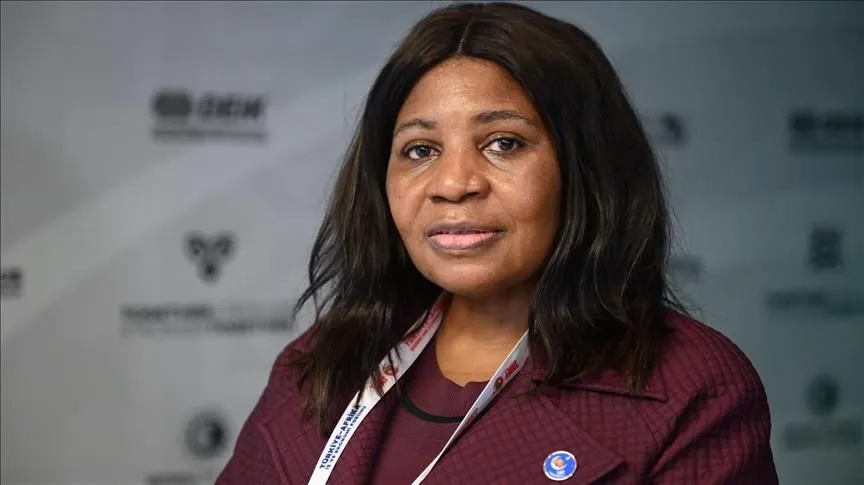
In an engagement with the media on Thursday, August 2025, Mr. Jonathan Adabre Atiah, the Executive Director of the Development, Research and Advocacy Centre (DRAC), shared his insights on the critical challenges faced by vulnerable populations dealing with neglected tropical diseases (NTDs) in the Upper East Region.
As the head of an NGO dedicated to addressing these issues, Mr. Atiah emphasized the urgency of focusing on skin NTDs, which include conditions like leprosy and lymphatic filariasis, commonly referred to as “skin NTDs.”
“We are confronting significant challenges in our region, particularly concerning diseases that affect the most vulnerable,” Mr. Atiah stated. With support from the Anesvad Foundation, DRAC is actively involved in a range of initiatives aimed at eliminating these diseases and improving the lives of those affected.
One of the key strategies employed by DRAC is engagement with the media, as Mr. Atiah pointed out the essential role that journalism plays in raising awareness. “As a civil society organization, there are limited avenues for us to reach policymakers and community leaders directly,” he explained. “By collaborating with the media, we can effectively disseminate the right information and drive action to change the narrative surrounding these neglected diseases.”
He highlighted the dire consequences of neglecting skin NTDs, noting that many individuals suffer from severe challenges due to these conditions. “We see deformities and individuals who are unable to work or support themselves, especially in the advanced stages of diseases like leprosy,” Mr. Atiah lamented. The data from DRAC indicates that hundreds of individuals across the districts are affected, primarily in rural and often overlooked areas.
Mr. Atiah outlined the specific districts where DRAC operates, which include Bongo, Talensi, Nabdam, and Binduri, covering a total of 40 communities. “In Bongo, we are present in 15 communities; in Talensi, 10; in Nabdam, another 10; and five in Binduri,” he detailed. As part of their initiatives, DRAC has also committed to installing 10 boreholes in these communities to improve access to clean water.
DRAC’s approach also focuses on community engagement, working with health management committees to raise awareness and promote anti-stigma and anti-discrimination behaviors regarding individuals suffering from NTDs. Additionally, Mr. Atiah stressed the importance of collaborating with public health workers and health volunteers to enhance education and strengthen the capacity of those on the front lines of addressing these critical health challenges.
As the conversation concluded, Atiah reiterated the need for increased attention to neglected tropical diseases and the vital role of the media in shining a light on these pressing issues. Through collaboration and heightened awareness, he believes the narrative surrounding skin NTDs can be transformed, ultimately leading to improved support and resources for those affected.
However, in an engaging session aimed at enhancing media coverage of neglected tropical diseases (NTDs), award-winning journalist Mohammed Fugu, who also serves as a media consultant, took the lead in guiding journalists through effective reporting strategies.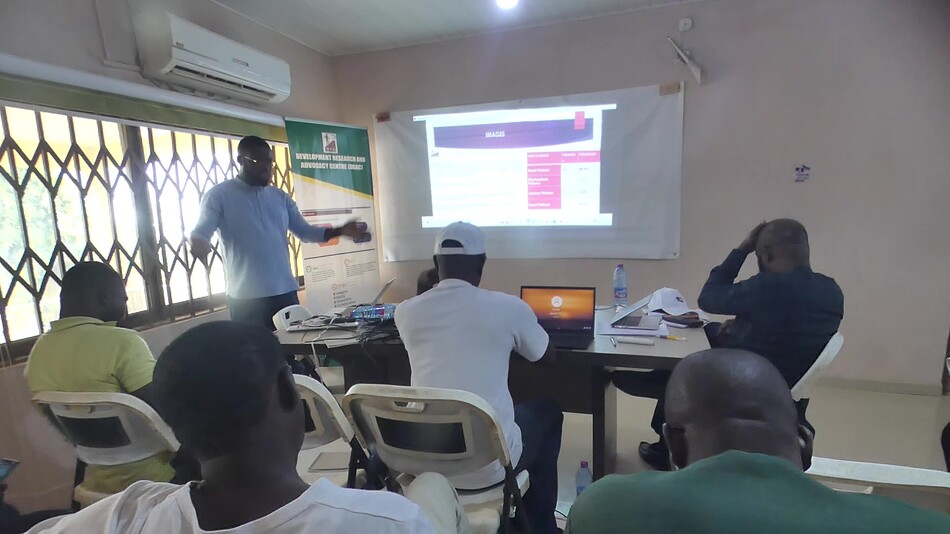
Fugu’s expertise shone as he elaborated on crucial thematic areas for reporting on NTDs, detailing visual illustrations and the five essential pillars of NTDs reporting.
As he spoke, the atmosphere in the room was charged with enthusiasm. Journalists found themselves captivated by his insights, eager to deepen their understanding of how to effectively communicate the challenges posed by NTDs to the public. Fugu emphasized the importance of responsible and accurate reporting, highlighting how the media can play a pivotal role in increasing awareness and prompting action in addressing these often-overlooked health issues.
Following the enlightening engagement, journalists expressed their gratitude toward the Development, Research and Advocacy Centre (DRAC) and its funding partners. The appreciation extended beyond mere words; it reflected a collective commitment to improving the dialogue around neglected tropical diseases and advocating for those affected.
The session not only equipped journalists with the necessary tools for impactful reporting but also fostered a sense of collaboration between the media and the organizations working tirelessly to combat NTDs.
As the day concluded, there was a palpable sense of optimism regarding the potential for increased awareness and action stemming from improved media coverage.
Source: Apexnewsgh.com/Ngamegbulam Chidozie Stephen