


Young people in Ghana’s Upper East Region are calling for urgent, concrete measures to institutionalise youth participation in peace and security governance, as momentum builds toward the development of Ghana’s National Action Plan (NAP) on Youth, Peace and Security (YPS). Their message is clear: youth must not only be seen as beneficiaries of peacebuilding efforts but as equal partners in shaping them.
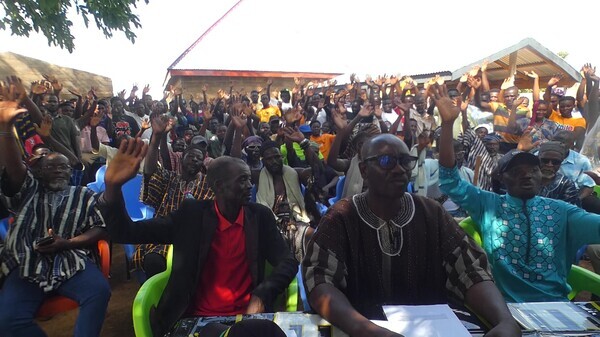
This call emerged strongly during the Upper East Youth Consultation on Ghana’s National Action Plan on Youth, Peace and Security, held at the Upper East Regional House of Chiefs in Bolgatanga. The multi-sectoral forum brought together young people from across the region, alongside representatives of government institutions, security agencies, civil society organisations, and development partners, to examine the role of youth in building sustainable peace.
Organised by the National Youth Authority (NYA) in collaboration with the United Nations Population Fund (UNFPA) and the United Nations Development Programme (UNDP), the consultation forms part of Ghana’s broader commitment to implementing United Nations Security Council Resolution 2250, which recognises the positive role of young people in conflict prevention and peacebuilding. It also aligns with the African Union’s Continental Framework on Youth, Peace and Security and ECOWAS regional strategies that promote youth inclusion in governance and security processes.
A Platform for Youth Voices
Participants engaged extensively on the five pillars of the Youth, Peace and Security framework: Participation, Protection, Prevention, Partnership, and Disengagement and Reintegration. Discussions provided a platform for young people to share their lived experiences, concerns, and practical recommendations for ensuring that peacebuilding efforts reflect the realities of communities in the Upper East Region.
Throughout the engagement, youth participants stressed that while they are often at the forefront of community mobilisation and local peace initiatives, they remain largely excluded from formal decision-making spaces. They argued that sustainable peace cannot be achieved without deliberate policies that recognise young people as legitimate stakeholders in governance.
A recurring theme was the need for sustained political will, adequate funding, and genuine youth partnership. Participants noted that youth inclusion must go beyond symbolic representation and translate into structured involvement in policy formulation, implementation, and monitoring.
Representation Gap in Peace Structures
One of the key concerns raised during the consultation was the limited representation of youth in statutory peace and security bodies. Participants observed that although young people form a significant portion of the population, their voices are often missing in critical institutions responsible for conflict resolution and national security.
Several contributors called for amendments to the National Peace Council Act to make youth inclusion mandatory in peace governance structures. According to them, formalising youth representation would ensure that policies better reflect the needs and perspectives of younger generations, who are frequently at the centre of both conflict and peace efforts.
The absence of youth voices in decision-making processes, they argued, has led to missed opportunities in addressing emerging threats such as political vigilantism, chieftaincy disputes, and land-related conflicts that disproportionately affect young people.
Protection Concerns and Gender Dimensions
The consultation also shed light on the vulnerabilities young people face, particularly young women. Participants highlighted the growing exposure of youth to violence, political manipulation, and economic exploitation. Cases of sexual and gender-based violence, especially during periods of political tension or communal disputes, were cited as major concerns.
Many participants pointed to inadequate access to justice for victims of violence, calling for stronger protection systems and support services. They stressed the need for community education programmes that address harmful cultural norms, promote gender equality, and empower young women to participate safely in civic life.
Youth and Conflict Prevention
Discussions under the Prevention pillar focused on the role of young people in early warning systems and community peacebuilding efforts. Participants noted that youth often have first-hand knowledge of emerging tensions within their communities, yet their insights are rarely integrated into formal conflict prevention mechanisms.
They advocated for stronger youth engagement in early warning networks, training in peace education, and capacity-building initiatives that equip them with the skills to mediate disputes and promote dialogue. According to participants, empowering youth with these tools would significantly reduce the risk of violence and foster long-term social cohesion.
Economic Empowerment as a Peace Strategy
Economic vulnerability emerged as another critical issue linked to youth involvement in conflict. Participants argued that unemployment and limited livelihood opportunities increase young people’s susceptibility to manipulation by political actors and criminal networks.
To address this, the consultation recommended prioritising skills training, entrepreneurship support, and income-generating ventures as part of the national peace strategy. Economic empowerment, they noted, is not only a development issue but also a powerful tool for conflict prevention.
Strengthening Partnerships
The Partnership pillar underscored the importance of collaboration among government institutions, civil society organisations, traditional authorities, and youth-led groups. Participants called for improved coordination to avoid duplication of efforts and ensure efficient use of resources.
They emphasised that youth-focused organisations should be treated as equal partners rather than mere implementers of externally designed programmes. Building trust between institutions and young people, they argued, is essential for the success of the National Action Plan.
Reintegration and Rehabilitation
Under the Disengagement and Reintegration pillar, discussions focused on supporting young people who have been involved in violent activities or political vigilantism. Participants advocated for targeted reintegration programmes that provide psychosocial support, education, and livelihood opportunities.
They stressed that addressing the root causes of youth involvement in violence is crucial to preventing recidivism and promoting community healing.
Commitment from Stakeholders
The Upper East Regional Director of the National Youth Authority, Francis Takyi-Koranteng, assured participants that the outcomes of the consultation would inform the final National Action Plan. He emphasised that youth-driven recommendations would play a vital role in strengthening peace and security governance across the country.
On his part, a representative of the United Nations Development Programme, Mr. Hamza, revealed that the project being implemented in the Upper East, Upper West, and North East Regions is funded by the Peacebuilding Fund. He reaffirmed the UN’s commitment to supporting Ghana’s efforts to empower young people as agents of peace.
Looking Ahead
The Upper East Youth Consultation represents a significant step in Ghana’s journey toward developing a comprehensive and inclusive National Action Plan on Youth, Peace and Security. By centring youth voices and addressing region-specific challenges, the process seeks to create a framework that reflects the realities on the ground.
Participants expressed optimism that if their recommendations are fully integrated and backed by political commitment and resources, Ghana could set a strong example for youth inclusion in peace governance across West Africa.
As Ghana moves forward with the development of the National Action Plan, the message from the Upper East Region is unmistakable: young people are ready to lead, collaborate, and contribute meaningfully to building a more peaceful and secure nation. What they seek now is recognition, opportunity, and a seat at the decision-making table.
Source: Apexnewsgh.com/Prosper Adankai/Contributor