




In Accra, decision-makers from all walks of Ghanaian life gathered for a crucial meeting. The stakes were high: a new study from the Institute of Statistical, Social and Economic Research at the University of Ghana revealed a startling truth, Ghana was losing more than GHS 6.2 billion every year because of diseases born from poor waste management and sanitation.
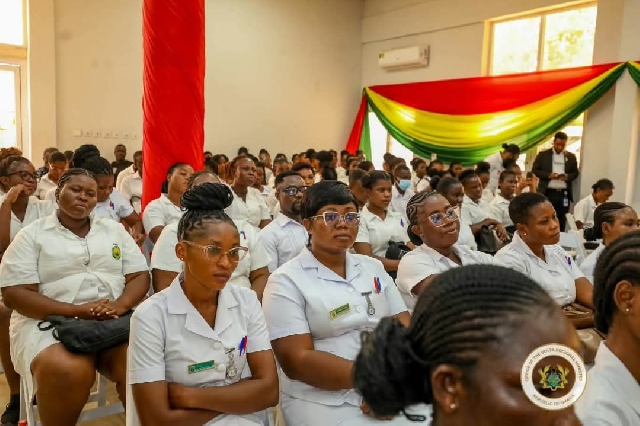
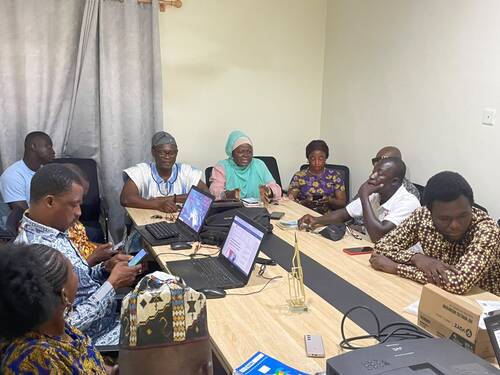
The room was filled with policymakers, Members of Parliament, local authorities, development partners, and private sector leaders. They had all come to hear Professors Peter Quartey and Dr. Kwame Adjei-Mantey unveil findings from their research, “An Economic Analysis of the Benefits of Adequate Investment in Waste Management and Sanitation in Ghana.” The numbers they shared painted a sobering picture: five diseases, malaria, cholera, pneumonia, typhoid, and diarrhea, were costing the nation nearly 31.9 million lost workdays each year, and an estimated 177,222 lives.
The economic toll was enormous. The researchers calculated direct medical costs at about GHS 5.8 billion a year, with another GHS 650 million lost due to reduced productivity. Despite these losses, Ghana was spending only about GHS 38 for each tonne of waste collected—a modest sum compared to the scale of the problem.
The study’s cost-benefit models revealed that every GHS 1 invested in waste management under current conditions generated GHS 180 in returns. Yet, if Ghana could boost its investment to around GHS 1,028 per tonne, matching other lower-middle-income countries, the returns could soar to GHS 556 for every cedi spent. The total national benefits could reach GHS 58 billion in 2025 and rise to GHS 67.2 billion by 2032, driven by fewer diseases, deaths, and workdays lost.
As the story continued, the researchers faced probing questions from the audience. How much of the disease burden was truly linked to waste? The research team explained that their estimates relied on global health data and assumed about 45 percent of the targeted diseases were due to waste exposure. Some wondered if the ambitious investment scenario could work in rural and slum communities where waste collection was a challenge. Professor Quartey acknowledged these complexities, suggesting that flexible, community-based solutions would be needed instead of a one-size-fits-all approach.
The session ended with a call to action. Professor Quartey urged the government to stop treating sanitation as a leftover item on the budget and instead see it as a powerful investment for Ghana’s future.
The research team concluded that Ghana’s annual losses from poor sanitation far outweigh what the country currently spends. They called for more investment, targeted support for high-risk areas, and stronger data systems, so that, one day, stories of loss could become stories of progress.
Source: Apexnewsgh.com