
A peacebuilding expert and former Regional Secretary of the Upper East Regional Peace Council, Mr. Ali Anankpang, has urged journalists to dig deeper into conflict-related issues and provide the public with a balanced understanding of both the causes of conflicts and ongoing efforts to promote peace.
He said the media had a critical responsibility to amplify peacebuilding initiatives across the Upper East Region, particularly in conflict-affected areas such as Bolgatanga, Doba-Kandiga and Bawku.
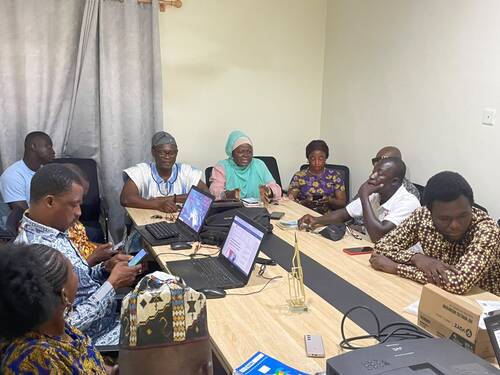
Mr. Anankpang made the call on Tuesday during a media training engagement organised by the Navrongo-Bolgatanga Catholic Diocesan Development Organisation (NABOCADO) under the Integrated Peace Building for Improved Food and Nutrition Supply (INPEACE) Project.
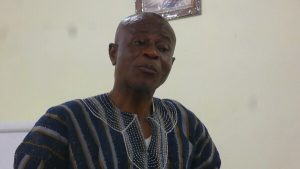
According to him, several peacebuilding interventions were ongoing across the region, but many of them were not receiving the level of media attention needed to inform the wider population.
He therefore encouraged journalists to interview individuals and organisations involved in peace promotion to understand their perspectives and communicate their efforts to the public.
“There are efforts in building peace in the region across the various conflicts, Bolgatanga, Doba-Kandiga and Bawku and all these efforts are being made, but they need to be amplified. And who can do that better than the media?” Mr. Anankpang asked.
He stressed that while violent incidents often dominated news coverage, peacebuilding activities were also taking place and deserved equal attention.
“Without the media, there is no way people really know what is happening, except that all we hear is about violence. But while the violence is taking place, we also know that peace efforts are going on,” he noted.
Mr. Anankpang said journalists could help bring these efforts to the attention of the public by engaging peace actors, understanding their interventions and reporting on how communities and other stakeholders were working to prevent conflicts.
The peacebuilding expert also acknowledged improvements in conflict-sensitive reporting in the region, saying some journalists had moved beyond reporting incidents to examining the historical, social and economic contexts surrounding conflicts.
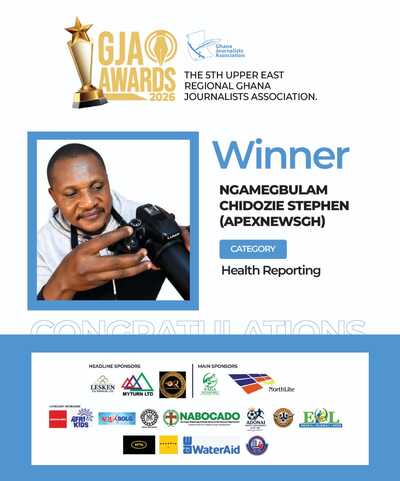
He cited reports that had explored the historical origins of settlements, including engagements by ApexnewsGh with experts on history, as examples of journalism that could help audiences better understand the underlying issues.
He also mentioned reports and interviews conducted around the Bongo area, as well as extensive coverage of the Bawku conflict and its effects on education and the local economy.
According to him, such reporting was important because it helped the public understand that, despite the challenges in conflict-affected areas, efforts were being made to restore peace and normalcy.
He cautioned journalists against amplifying only conflict and violence, warning that such reporting could create fear and discourage people from returning to affected communities.
“When we amplify only the conflict, then it will continue to scare people away. But when you begin to talk about peace, like some of you have done, then people will begin to have confidence to return to their place, and that is how communities are developed,” he said.
Mr. Anankpang, however, urged journalists not to become complacent with the progress made so far but to continue strengthening their coverage of peacebuilding initiatives.
He encouraged the media to maintain professional and responsible reporting that would help the public appreciate the progress being made in peacebuilding across the region.
“You need to do more. What you do is so important that you cannot rest on what you have done so far. Continue to add your voice to what is happening in terms of peace promotion,” he urged.
He added that responsible and comprehensive reporting would help showcase the Upper East Region not only as an area experiencing conflicts but also as a region where significant efforts were being made to promote peace, stability and development.
Meanwhile, Mr. Anthony Adongo Apubeo, Upper East Regional Secretary of the Ghana Journalists Association (GJA), has commended NABOCADO for its continued support towards strengthening journalists’ capacity in conflict-sensitive reporting.
Speaking on behalf of the GJA, Mr. Apubeo expressed appreciation to NABOCADO for consistently organising training programmes aimed at equipping journalists with the skills needed to report responsibly on conflict-related issues.
He described the initiative as a step in the right direction, stressing the important role the media plays in society, particularly in promoting peace, educating the public and shaping public discourse.
He encouraged continued collaboration between media organisations and peacebuilding institutions to ensure that journalists are adequately equipped to report conflict-sensitive issues in a manner that promotes peace and social cohesion.
Source: Apexnewsgh.com/Ngamegbulam Chidozie Stephen