


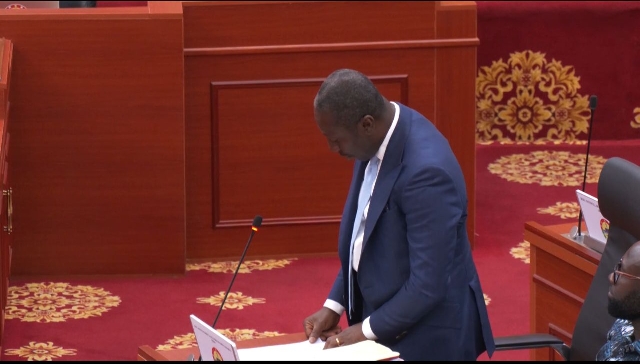






The conversation around pricing continues to evolve. Elizabeth Ofosu-Adjare, the Minister for Trade, Industry, and Agribusiness, recently addressed a pressing concern: the government’s inability to compel traders to lower prices, even as the Cedi appreciates and inflation eases.
Speaking after a closed-door meeting with leading business groups—including the Ghana Union of Traders Association (GUTA), the Association of Ghana Industries (AGI), and the Food and Beverage Association of Ghana (FABAG)—the Minister emphasized the limitations imposed by Ghana’s liberalized market system. “The government does not have the authority to enforce price controls,” she explained. Instead, she advocated for dialogue as the most effective approach to ensuring relief for consumers.
Ofosu-Adjare reported that the discussions with key stakeholders had proven fruitful. Some manufacturers have expressed their willingness to reduce prices as a response to recent macroeconomic improvements, such as the strengthening of the Cedi and a decline in inflation rates. “I am happy to inform you that the direct importers have agreed to lower their prices, and some have already taken that step,” she shared with optimism.
However, she acknowledged the complexity of the situation. Representatives from GUTA and AGI provided insights during the meeting, confirming that while the stabilization of the Cedi is a positive development, it may take time for these changes to translate into lower consumer prices. “They need a bit of time for it to reflect in the prices. It will happen gradually,” she reassured the stakeholders.
In a marketplace where prices often fluctuate alongside economic indicators, the discussions led by Minister Ofosu-Adjare highlight the balance between governmental influence and the realities of a liberalized economy. As consumers await potential price reductions, the path forward relies on collaboration and a commitment to seizing economic opportunities for the benefit of all.
Source: Apexnewsgh.com