
Former Defence Minister Nitiwul Accuses Mahama Administration of Abandoning Galamsey Fight
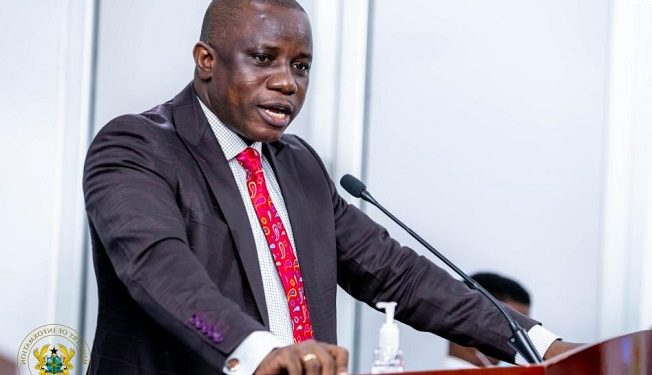
Former Minister for Defence, Dominic Nitiwul, has sharply criticized the administration of John Dramani Mahama, accusing it of abandoning the fight against illegal mining, known locally as galamsey. Speaking in an interview with Citi News on Wednesday, February 18, 2026, Nitiwul expressed alarm over the worsening depletion of forest reserves and the increasing pollution of major water bodies under the current government. Nitiwul noted that illegal mining has long been a source of grave environmental problems in Ghana, destroying forests and contaminating rivers that serve as vital sources of drinking water. Despite recent efforts by the government to clamp down on galamsey, he argued that the situation has only deteriorated. “No, no, that is worse off. Completely worse off. Everybody knows it’s worse off,” Nitiwul asserted. “We’ve depleted a lot of our team. Last year, what happened on the field was bad. It’s worse off.” He further alleged that the government has essentially abandoned its efforts to curb illegal mining. “I think the government has given up. That’s why nobody’s talking about it any longer. They’ve just given up. That’s basically what it is,” he said. Nitiwul’s comments highlight growing concerns about the government’s commitment to tackling galamsey and the environmental toll the practice continues to exact on Ghana’s natural resources. Source: Apexnewsgh.com
Ga Mantse Escapes Unhurt in Oti Region Road Accident
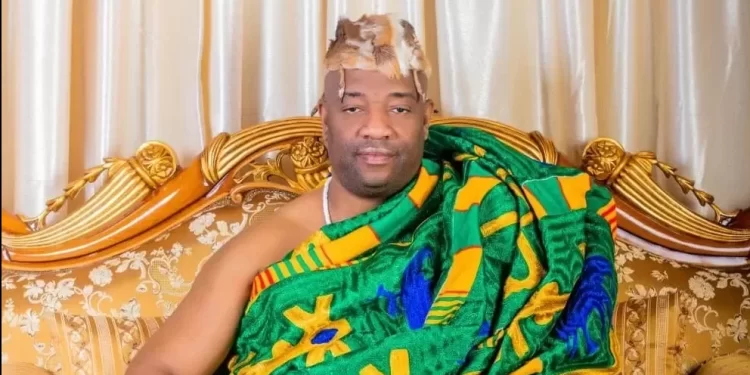
The Ga Mantse, King Tackie Teiko Tsuru II, is reported to be in stable condition and unharmed after being involved in a road accident in the Oti Region in the early hours of Thursday. The incident occurred at around 2:00 am as the King was making his way back to Accra from Tamale, where he had paid a private visit to the Yaa Naa, the overlord of the Northern Region. The visit was part of ongoing efforts to foster unity and strengthen ties among Ghana’s traditional authorities. According to sources close to the palace, while the Ga Mantse emerged from the crash without injury and remains in good spirits, his driver was not as fortunate. The driver sustained critical injuries and was promptly rushed to hospital for medical attention. The palace has assured the public that the King is safe, and traditional engagements with other chiefs will continue as planned. Source: Apexnewsgh.com
Ministry Unveils Plans for Digital Church Registry Amid Thousands of Unregistered Churches
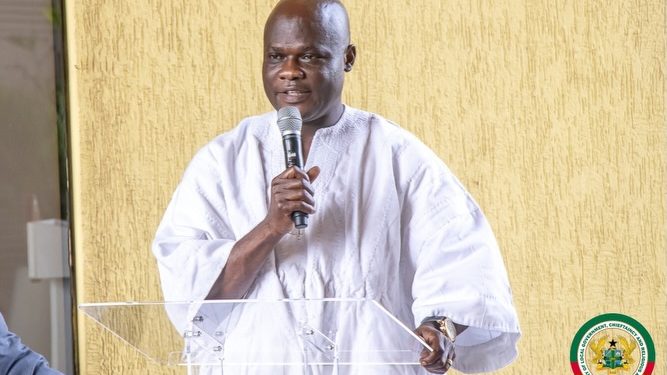
A sweeping effort to bring order and transparency to Ghana’s burgeoning religious sector is on the horizon, as the Ministry of Local Government, Chieftaincy and Religious Affairs announces plans for a nationwide digital registry of churches. On Wednesday, February 18, 2026, Minister Ahmed Ibrahim addressed Parliament, revealing that while over 2,200 churches are formally registered in Greater Accra as of 2025, thousands more operate nationwide without official recognition. Minister Ibrahim outlined the government’s intention to introduce a digital platform to streamline the registration process and provide accurate, real-time data on churches across the country. “We will establish a formal collaboration with the Registrar General’s Department, the Office of the Attorney General, and the Ministry of Justice to assess records of churches registered as companies limited by guarantee,” he stated. He further explained that metropolitan, municipal, and district assemblies would keep local registers of churches under their jurisdictions, while the new digital platform would empower churches to update their operational status regularly. This initiative, he said, aims to ensure accurate, comprehensive, and up-to-date data, critical for governance, planning, and regulatory oversight. Recent regional surveys show that in Greater Accra, 98.1% of churches are single-owner entities, with the remainder affiliated to larger denominations. Though the Registrar General’s Department does not publish a consolidated national figure, available data suggest that the total number of churches in Ghana is in the several thousands. The proposed digital registry will be linked to the Registrar General’s database, enabling verification of operational churches and enhancing transparency in the sector. Minister Ibrahim concluded, “This is a timely step toward modernising our administrative systems and strengthening accountability in the religious sector, which has experienced rapid growth in recent decades.” The Ghana Statistical Service, meanwhile, continues to track religious affiliations rather than registrations, with 71.2% of Ghanaians identifying as Christians, according to the 2021 Population and Housing Census. Source: Apexnewsgh.com
Chief Justice Clears EC Chair, Deputies, and Special Prosecutor of Removal Petitions
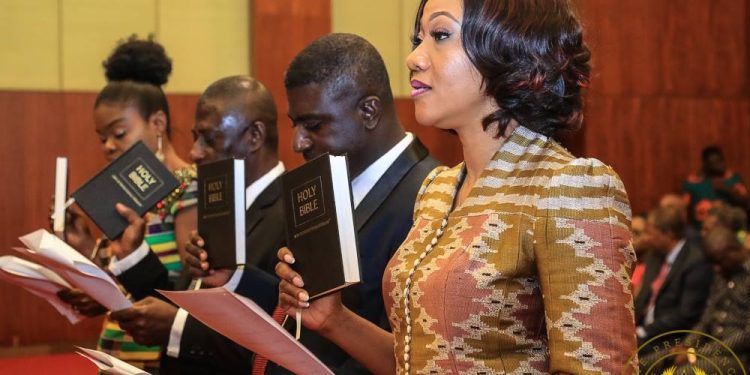
The chapter on a series of high-profile removal petitions has come to a close, following a determination by Chief Justice Paul Baffoe-Bonnie that no prima facie case exists to warrant further investigations against the Chairperson of the Electoral Commission, her deputies, or the Special Prosecutor. According to a statement released by the Presidency on Wednesday, February 18, 2026, President John Dramani Mahama had referred seven petitions for the removal of Electoral Commission Chair Jean Mensa and her deputies, along with three separate petitions targeting Special Prosecutor Kissi Agyebeng, to the Chief Justice. The referrals, made on November 25, 2025, were in line with Article 146 of the 1992 Constitution and Section 15 of the Office of the Special Prosecutor Act, 2017 (Act 959), which requires the Chief Justice to determine if the petitions disclose a case worth investigating. By a letter dated January 26, 2026, the Chief Justice informed President Mahama that none of the petitions established sufficient grounds for removal proceedings against the officeholders. The announcement, signed by Felix Kwakye Ofosu, Spokesperson to the President and Minister for Government Communications, effectively brings an end to current attempts to unseat the Electoral Commissioner, her deputies, and the Special Prosecutor. With this decision, the affected officials remain in office, as the legal threshold for further action has not been met. Source: Apexnewsgh.com
Martin Kpebu Urges Publication of Petitions Against EC Chair, Special Prosecutor
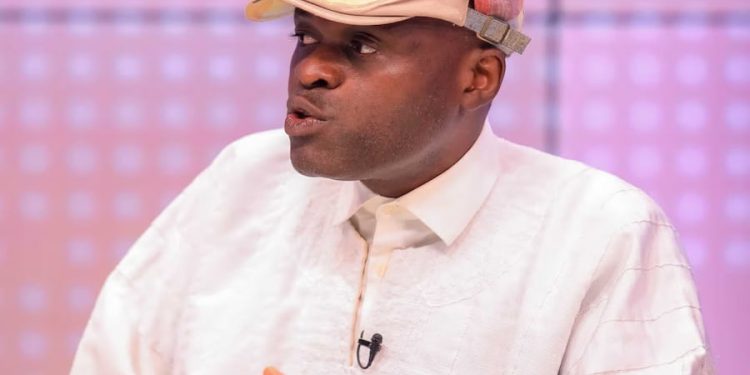
Private legal practitioner Martin Kpebu is calling for full transparency in the ongoing debate over high-profile removal petitions against top public officials. On Wednesday, February 18, Kpebu urged authorities to publish the petitions seeking the removal of Special Prosecutor Kissi Agyebeng, Electoral Commission Chairperson Jean Mensa, and her deputies, arguing that public access is essential for fair and objective discussion. Kpebu’s call follows a recent statement from the Presidency, which revealed that Chief Justice Paul Baffoe-Bonnie had ruled that the petitions failed to establish a prima facie case and would not proceed further. The petitions, seven in all, had been referred to the Chief Justice by President John Dramani Mahama in November 2025, in accordance with Article 146 of the 1992 Constitution and Section 15 of Act 959. Despite this ruling, Kpebu, whose own petition against the Special Prosecutor remains undecided, maintained that Ghanaians deserve to see the actual content of the petitions. “After that, let’s publish the petitions, so the public can comment too. Otherwise, it will just be based on people’s beliefs and biases. Without seeing the petitions, you cannot comment,” he told journalists. A statement issued on February 18, 2026, by the Minister of State in charge of Government Communications, Felix Kwakye Ofosu, confirmed the Chief Justice’s response, dated January 26, 2026, which stated that none of the petitions warranted further action. Kpebu insists that making the documents public would move national debate beyond speculation, allowing citizens to engage with the facts and contribute meaningfully to the discourse. Source: Apexnewsgh.com
NPP Sets September 2026 for National Executive Elections, Extends Mandates of Party Officials
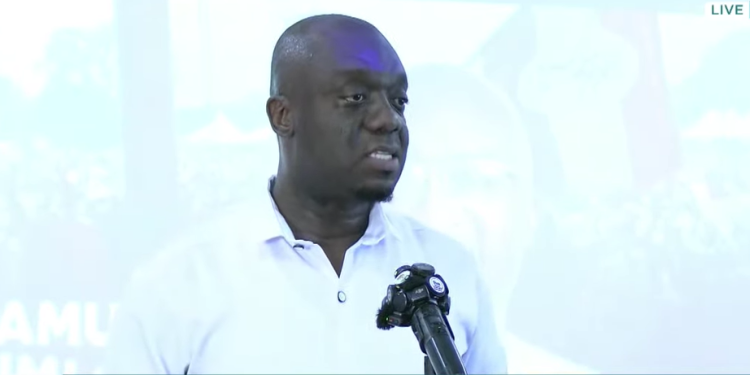
The New Patriotic Party (NPP) has mapped out a detailed timetable for its upcoming national executive elections, with the key poll slated for September 18 to 20, 2026. The announcement, made by General Secretary Justin Kodua Frimpong at a press conference on Wednesday, February 18, lays the groundwork for a series of internal electoral activities designed to ensure a smooth leadership transition within the party. According to Mr. Kodua Frimpong, the process begins with the opening and closing of nominations from August 10 to 14, 2026. Would-be aspirants will then file their nominations from August 15 to 17, followed by a vetting process scheduled for August 20 to 23. The vetting report is set to be presented on August 25, with any appeals to be heard from August 28 to 29. This comprehensive timeline is aimed at ensuring transparency and orderliness throughout the party’s electoral process. “The national executive elections are as follows: The processes and procedures, opening and closing of nominations shall be from August 10 -14, filing of nominations shall be on August 15-17, vetting of aspirants August 20-23, reading of vetting report shall be on August 25, appeals shall be taken from August 28-29. The elections shall be held between September 18-20, 2026,” Frimpong announced. To prevent disruptions during the electoral period, the NPP has also extended the tenure of office for polling station executives, constituency executives, branch executives, electoral area coordinators, and regional executives whose mandates would otherwise expire. Frimpong explained that this measure is intended to maintain order and continuity within the party’s ranks. “This will help not to distort the elections,” he assured. With these measures in place, the NPP is set to embark on a carefully orchestrated internal election process, aiming for a seamless transition of leadership. Source: Apexnewsgh.com
The Speaker of Parliament Calls for a Third Political Force in Ghana

At the Political Inclusion and Consensus Building Forum hosted by the African Centre for Parliamentary Affairs (ACEPA) on Wednesday, February 18, Speaker of Parliament Alban Bagbin took the stage with a powerful message: Ghana’s democracy needs a third strong political force. Reflecting on the nation’s democratic journey since the dawn of the Fourth Republic in 1992, Bagbin shared personal memories of attending the first National Democratic Congress (NDC) congress in Cape Coast. He recalled the striking diversity among delegates, which fostered a sense of unity and national purpose. Bagbin noted that he had also been present at several New Patriotic Party (NPP) congresses, where he observed a similar commitment to engagement and inclusiveness. But Bagbin expressed concern that Ghana’s political landscape has become increasingly limited, dominated by just two major parties. “Now, we seem to have only two strong, vibrant, surviving parties,” he remarked. “For me, I think we need a third force.” His call for broader political competition is rooted in the belief that a vibrant, multiparty system will deepen Ghana’s democracy and offer voters more choices. As the country looks ahead, Bagbin’s words serve as an invitation for new voices and movements to help shape Ghana’s political future. Source: Apexnewsgh.com
The Speaker’s Disappointment: No Female Candidates in Ayawaso East By-Election
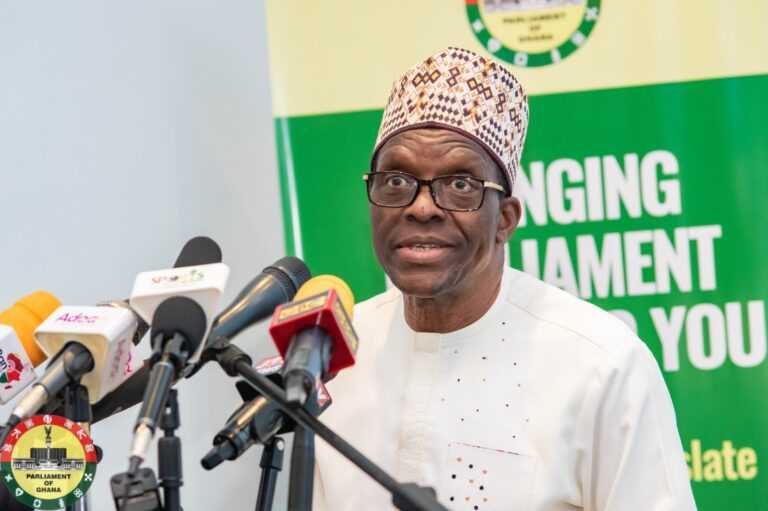
On a Wednesday filled with anticipation at the Political Inclusion and Consensus Building Forum, the Speaker of Parliament, Alban Bagbin, delivered a message tinged with both hope and disappointment. Organized by the African Centre for Parliamentary Affairs (ACEPA), the event was intended to spotlight the path toward greater political inclusion in Ghana. Yet, Bagbin’s remarks cast a shadow over the proceedings. As the Ayawaso East by-election approaches on March 3, Bagbin confessed he had been eagerly waiting for at least one political party to present a woman as its parliamentary candidate. “I was waiting for any party to have fielded a female candidate in the Ayawaso East by-election. I will personally support the candidate because we need more of our women in Parliament. Unfortunately, the parties have disappointed me,” he lamented. Bagbin emphasized that the journey to representation in Parliament begins at the party level. “Political parties are the gateways to representation. Parliament is the arena where representation becomes decision-making. Therefore, inclusion must begin in parties and mature in Parliament,” he said, urging parties to open their doors wider to women and other underrepresented groups. The by-election was called after the unfortunate passing of the sitting MP, Mahama Naser Toure, who died in January while receiving treatment at the Korle Bu Teaching Hospital. Now, five men are vying for the seat: Baba Jamal of the National Democratic Congress (NDC) holds the first spot on the ballot, Ibrahim Iddrisu of the Liberal People’s Party (LPP) is second, and the New Patriotic Party (NPP) candidate, Yussif Baba Ali, is third. Two independent candidates, Alhaji Mohammed Umar Sanda and David Kannor, fill the fourth and fifth positions, respectively. The competition has not been without controversy. The NDC has revoked the membership of Alhaji Mohammed Umar Sanda for contesting as an independent, citing a breach of party rules. As the by-election draws near, Bagbin’s call for greater female participation echoes in the halls of Parliament and beyond, a reminder that true representation starts with bold choices at the party level. Source: Apexnewsgh.com
Decade-Long Delay on Critical Buluk Road Sparks Youth Protest in Fumbisi
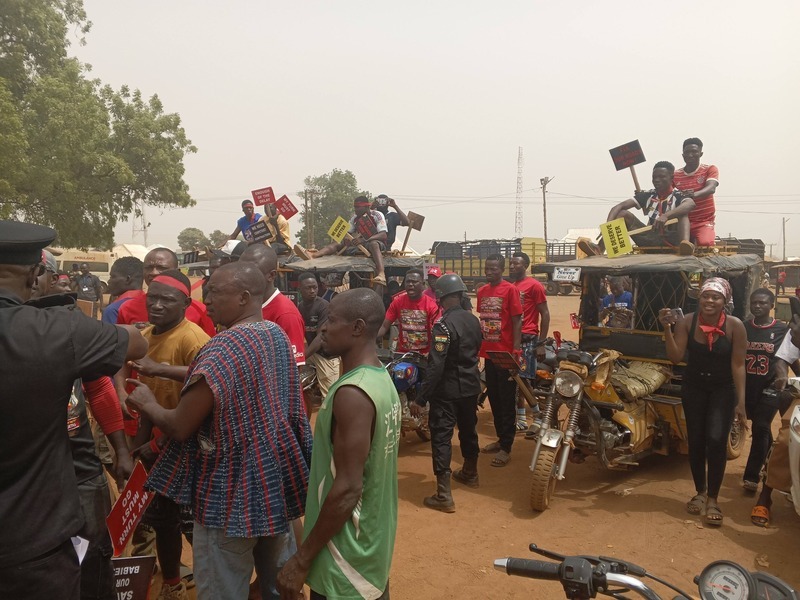
Hundreds of youth from the Builsa South District took to the streets in Fumbisi today to pressure the government into completing the long-stalled Chuchuliga–Sandema–Fumbisi–Wiesi road project. The demonstrators argue that the interminable delay is endangering lives, crippling livelihoods, and jeopardizing the food basket of the Upper East Region. Speaking at a press conference during the protest, convener Amwaate Isaac Atiim detailed the severe impact of the project’s abandonment on the residents of Buluk and the surrounding areas. The group revealed that despite being awarded to Myturn Construction Company Limited back in 2016, the Navrongo–Chuchuliga–Sandema–Fumbisi–Wiesi road remains in a deplorable state nearly ten years later. They stressed that this is no mere feeder road, but a crucial artery linking farming hubs, markets, health centres, and schools across the Builsa North and South districts. “This road is essential for inter-district connectivity, and its neglect has inflicted immense suffering on our people,” the group’s statement read. The protesters highlighted the strategic importance of the area, noting that the Builsa South District hosts the largest rice valley in northern Ghana, producing thousands of tonnes of rice annually alongside maize, millet, sorghum, and legumes. They cautioned that the deteriorating road network is severely hampering the evacuation of produce, threatening the livelihoods of farmers and undermining national food security. The demonstrators issued a clear set of demands to the authorities, calling for: Contract Review: An immediate review of the contract with Myturn Construction Company Limited, with a view to termination if the firm is found incapable of completing the work. Re-awarding of Project: The prompt engagement of a competent contractor with the technical and financial muscle to finish the road and its associated networks swiftly. Policy Implementation: The immediate application of the government’s annual 10-kilometre asphalt road policy per district to ensure durable roads for Builsa North and South. Public Accountability: Transparent disclosure of the project’s status, funding, and completion timeline to the public. Source: Apexnewsgh.com
Chamber of Agribusiness CEO Calls for National Agriculture Database to Protect Local Farmers
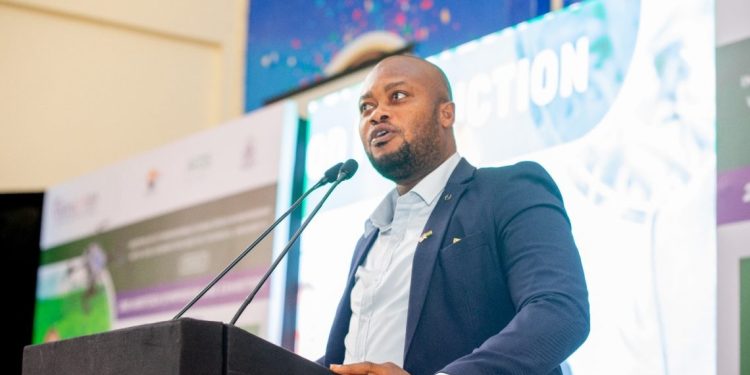
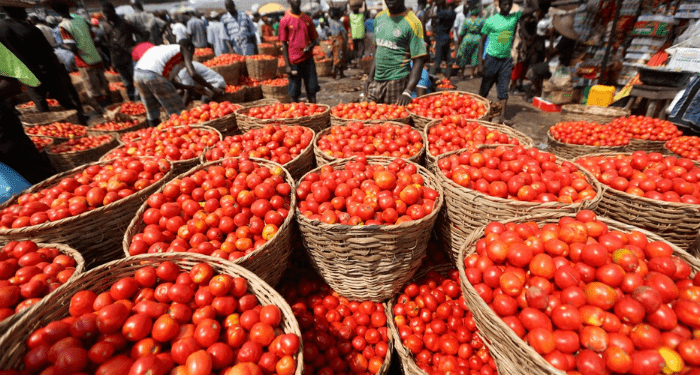
A sense of urgency gripped the agricultural community after grim reports surfaced: Ghanaian tomato traders, in search of produce in Burkina Faso, had been attacked by insurgents. The incident cast a spotlight on the dangers local traders face when crossing borders to secure agricultural goods and reignited debate over Ghana’s dependence on imports. Amid the growing concerns, Anthony Morrison, Chief Executive Officer of the Chamber of Agribusiness Ghana, took to the airwaves on the Citi Breakfast Show, Tuesday, February 17, with a clarion call for government action. Morrison advocated for the establishment of a comprehensive national agriculture database, arguing that such a tool is critical to regulating imports and shielding local farmers from harmful market distortions. He pointed out that Ghana’s continued reliance on imported agricultural commodities, even when local production is available, highlights a significant policy gap. “The Chamber has proposed over the last 10 years that, as a country, we have come of age, and there is a need for us to build an agriculture information database where we know how many fields are under production for every commodity,” Morrison explained. According to him, a robust agricultural information system would empower authorities to better regulate imports, support local producers, and stabilise markets. Importantly, it could also help reduce the risks traders face when venturing outside the country for supplies. “If somebody comes to apply for a permit to import a certain quantity of a product, we use the database to tell the person that in the next month, these are the quantities that are going to be harvested locally so your 50,000 import permit cannot be approved,” he said. Morrison emphasised that the lack of such a system leads to market disruptions and post-harvest losses, as imported crops often arrive just as local harvests are coming in. The Chamber, he said, has long championed a data-driven approach to guide decisions on import permits and safeguard the livelihoods of Ghanaian farmers. His remarks served as a rallying cry to policymakers: the time has come for Ghana to harness the power of information to strengthen its agricultural sector and protect its people. Source: Apexnewsgh.com