
Chief Justice Clears EC Chair, Deputies, and Special Prosecutor of Removal Petitions
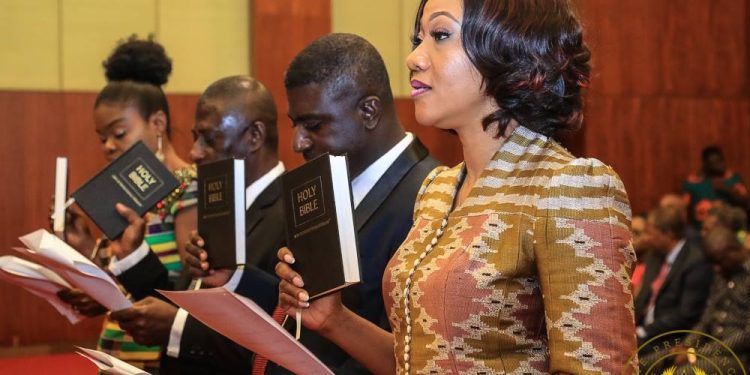
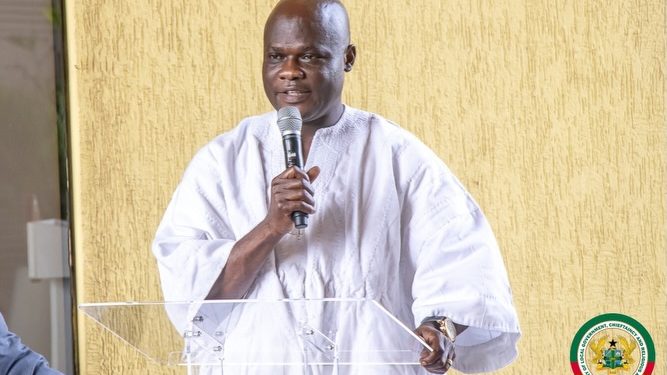
The chapter on a series of high-profile removal petitions has come to a close, following a determination by Chief Justice Paul Baffoe-Bonnie that no prima facie case exists to warrant further investigations against the Chairperson of the Electoral Commission, her deputies, or the Special Prosecutor. According to a statement released by the Presidency on Wednesday, February 18, 2026, President John Dramani Mahama had referred seven petitions for the removal of Electoral Commission Chair Jean Mensa and her deputies, along with three separate petitions targeting Special Prosecutor Kissi Agyebeng, to the Chief Justice. The referrals, made on November 25, 2025, were in line with Article 146 of the 1992 Constitution and Section 15 of the Office of the Special Prosecutor Act, 2017 (Act 959), which requires the Chief Justice to determine if the petitions disclose a case worth investigating. By a letter dated January 26, 2026, the Chief Justice informed President Mahama that none of the petitions established sufficient grounds for removal proceedings against the officeholders. The announcement, signed by Felix Kwakye Ofosu, Spokesperson to the President and Minister for Government Communications, effectively brings an end to current attempts to unseat the Electoral Commissioner, her deputies, and the Special Prosecutor. With this decision, the affected officials remain in office, as the legal threshold for further action has not been met. Source: Apexnewsgh.com
NPP Sets September 2026 for National Executive Elections, Extends Mandates of Party Officials
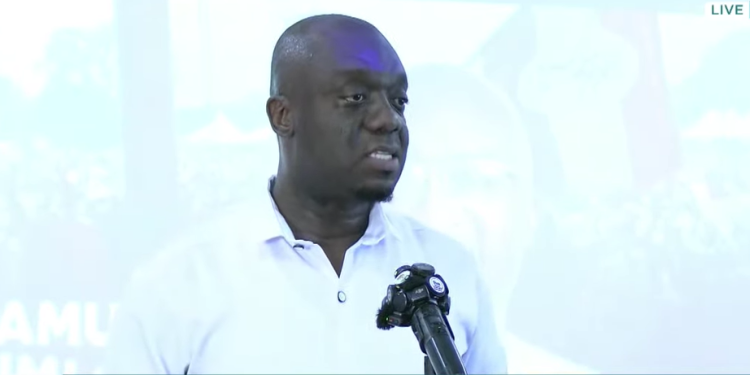
The New Patriotic Party (NPP) has mapped out a detailed timetable for its upcoming national executive elections, with the key poll slated for September 18 to 20, 2026. The announcement, made by General Secretary Justin Kodua Frimpong at a press conference on Wednesday, February 18, lays the groundwork for a series of internal electoral activities designed to ensure a smooth leadership transition within the party. According to Mr. Kodua Frimpong, the process begins with the opening and closing of nominations from August 10 to 14, 2026. Would-be aspirants will then file their nominations from August 15 to 17, followed by a vetting process scheduled for August 20 to 23. The vetting report is set to be presented on August 25, with any appeals to be heard from August 28 to 29. This comprehensive timeline is aimed at ensuring transparency and orderliness throughout the party’s electoral process. “The national executive elections are as follows: The processes and procedures, opening and closing of nominations shall be from August 10 -14, filing of nominations shall be on August 15-17, vetting of aspirants August 20-23, reading of vetting report shall be on August 25, appeals shall be taken from August 28-29. The elections shall be held between September 18-20, 2026,” Frimpong announced. To prevent disruptions during the electoral period, the NPP has also extended the tenure of office for polling station executives, constituency executives, branch executives, electoral area coordinators, and regional executives whose mandates would otherwise expire. Frimpong explained that this measure is intended to maintain order and continuity within the party’s ranks. “This will help not to distort the elections,” he assured. With these measures in place, the NPP is set to embark on a carefully orchestrated internal election process, aiming for a seamless transition of leadership. Source: Apexnewsgh.com
The Speaker of Parliament Calls for a Third Political Force in Ghana

At the Political Inclusion and Consensus Building Forum hosted by the African Centre for Parliamentary Affairs (ACEPA) on Wednesday, February 18, Speaker of Parliament Alban Bagbin took the stage with a powerful message: Ghana’s democracy needs a third strong political force. Reflecting on the nation’s democratic journey since the dawn of the Fourth Republic in 1992, Bagbin shared personal memories of attending the first National Democratic Congress (NDC) congress in Cape Coast. He recalled the striking diversity among delegates, which fostered a sense of unity and national purpose. Bagbin noted that he had also been present at several New Patriotic Party (NPP) congresses, where he observed a similar commitment to engagement and inclusiveness. But Bagbin expressed concern that Ghana’s political landscape has become increasingly limited, dominated by just two major parties. “Now, we seem to have only two strong, vibrant, surviving parties,” he remarked. “For me, I think we need a third force.” His call for broader political competition is rooted in the belief that a vibrant, multiparty system will deepen Ghana’s democracy and offer voters more choices. As the country looks ahead, Bagbin’s words serve as an invitation for new voices and movements to help shape Ghana’s political future. Source: Apexnewsgh.com
The Speaker’s Disappointment: No Female Candidates in Ayawaso East By-Election
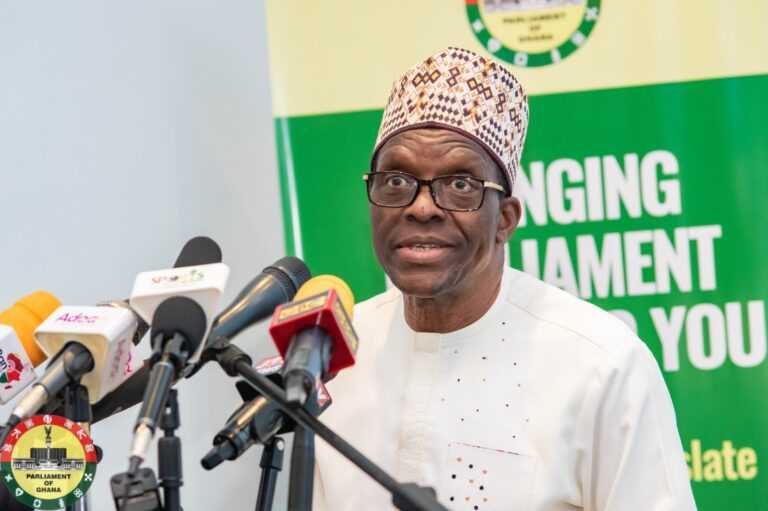
On a Wednesday filled with anticipation at the Political Inclusion and Consensus Building Forum, the Speaker of Parliament, Alban Bagbin, delivered a message tinged with both hope and disappointment. Organized by the African Centre for Parliamentary Affairs (ACEPA), the event was intended to spotlight the path toward greater political inclusion in Ghana. Yet, Bagbin’s remarks cast a shadow over the proceedings. As the Ayawaso East by-election approaches on March 3, Bagbin confessed he had been eagerly waiting for at least one political party to present a woman as its parliamentary candidate. “I was waiting for any party to have fielded a female candidate in the Ayawaso East by-election. I will personally support the candidate because we need more of our women in Parliament. Unfortunately, the parties have disappointed me,” he lamented. Bagbin emphasized that the journey to representation in Parliament begins at the party level. “Political parties are the gateways to representation. Parliament is the arena where representation becomes decision-making. Therefore, inclusion must begin in parties and mature in Parliament,” he said, urging parties to open their doors wider to women and other underrepresented groups. The by-election was called after the unfortunate passing of the sitting MP, Mahama Naser Toure, who died in January while receiving treatment at the Korle Bu Teaching Hospital. Now, five men are vying for the seat: Baba Jamal of the National Democratic Congress (NDC) holds the first spot on the ballot, Ibrahim Iddrisu of the Liberal People’s Party (LPP) is second, and the New Patriotic Party (NPP) candidate, Yussif Baba Ali, is third. Two independent candidates, Alhaji Mohammed Umar Sanda and David Kannor, fill the fourth and fifth positions, respectively. The competition has not been without controversy. The NDC has revoked the membership of Alhaji Mohammed Umar Sanda for contesting as an independent, citing a breach of party rules. As the by-election draws near, Bagbin’s call for greater female participation echoes in the halls of Parliament and beyond, a reminder that true representation starts with bold choices at the party level. Source: Apexnewsgh.com
Ghana and Lebanon Forge Stronger Security Ties
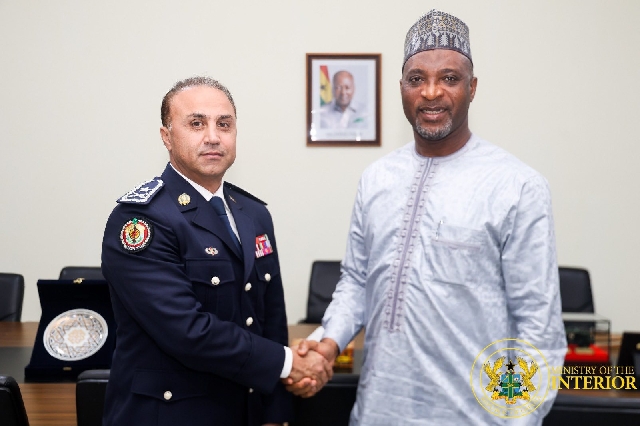
On Monday, the office of Ghana’s Minister for the Interior, Mohammed Mubarak Muntaka, buzzed with diplomatic activity as he welcomed a high-level delegation of Lebanese security officials to Accra. The meeting marked a significant step towards enhanced cooperation between the two countries, focusing on the pressing challenges posed by transnational crime. The Lebanese delegation, led by Ali Samih Jaafar, Consul General of Ghana in Lebanon, included key figures such as Brigadier General Morshed El Hajj Sleiman, Deputy Director of State Security in Lebanon; Colonel Ayman Machmouchi, Head of the Drug Repression Bureau; and Lieutenant Colonel Salah El Hajj, Head of the Office of the Deputy State Security. Their arrival underscored the seriousness with which both nations viewed the growing threat posed by cross-border crime. Discussions during the meeting focused on the major security concerns shared by Ghana and Lebanon. Topics such as cyber fraud, drug trafficking, money laundering, and other emerging threats dominated the agenda. Both sides explored practical ways to foster closer collaboration, with special emphasis on intelligence sharing, capacity building, and joint security operations. Minister Muntaka stressed the importance of global partnerships in the fight against transnational crime, pointing out that sustained international cooperation is crucial for ensuring safety and security. He expressed Ghana’s determination to deepen ties with Lebanon, noting that such engagement is vital for tackling the complex challenges faced by both countries. By the end of the meeting, a renewed commitment was clear: Ghana and Lebanon would work hand-in-hand to address shared security threats and further strengthen diplomatic relations. The day’s engagement set a constructive tone for future collaboration, paving the way for a safer, more secure partnership between the two nations. Source: Apexnewsgh.com
Minority Caucus Demands Urgent Payment to Cocoa Farmers Amid Growing Crisis
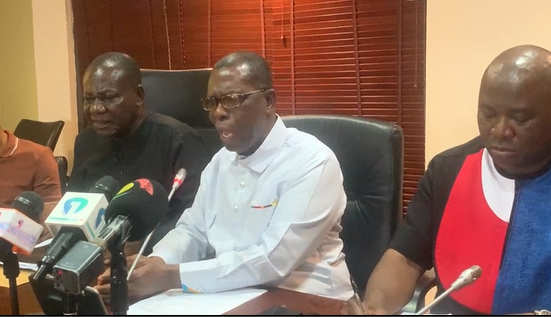
The Ranking Member on Parliament’s Food, Agriculture and Cocoa Affairs Committee, Isaac Yaw Opoku, has sounded the alarm over mounting hardship in Ghana’s cocoa sector, urging the government and the Ghana Cocoa Board (COCOBOD) to immediately pay farmers for beans sold since November 2025. Speaking to journalists in Accra on February 5, Mr. Opoku warned that payment delays are driving both farmers and the industry to the brink of crisis. Mr. Opoku revealed that many cocoa farmers have not received payments for over three months, leaving them unable to afford necessities like medication, school fees, or care for sick relatives. Some, he said, were even forced to forgo Christmas celebrations due to financial strain. The hardship has been compounded by Licensed Buying Companies (LBCs), who, unable to secure reimbursement from COCOBOD for cocoa already delivered, now owe farmers billions of cedis and have had to halt new purchases. “Farmers are being forced to sell on credit, accept heavy discounts, or return home with unsold produce,” Mr. Opoku said, painting a bleak picture of the human and economic toll. He dismissed claims by COCOBOD that sufficient funds had been released as misleading, stating that the reality on the ground was one of financial distress and broken promises. The Ranking Member also criticized the government for failing to deliver on campaign pledges of higher producer prices, noting that the current farmgate price of GH¢3,625 per 64kg bag falls far short of the GH¢6,000–GH¢7,000 per bag promised to farmers before the 2024 elections. He expressed concern over reports that the government might consider reducing the producer price to settle arrears, describing such a move as a betrayal. Beyond the plight of farmers, Mr. Opoku warned that the survival of indigenous cocoa buying companies and transporters is at risk, with capital locked up and operations grinding to a halt. He attributed some of the financial woes to wasteful spending and administrative mismanagement within COCOBOD. The Minority Caucus is demanding immediate payment to cocoa farmers for all outstanding cocoa beans, full reimbursement of LBCs, and prompt settlement of future deliveries. They are also calling for a formal apology from both the government and COCOBOD, insisting that timely payment is not a privilege but a fundamental duty. “Cocoa farmers are not beggars. Paying them on time is an obligation,” Mr. Opoku declared. Source: Apexnewsgh.com
Government Unveils Ambitious Social and Infrastructure Agenda for 2026
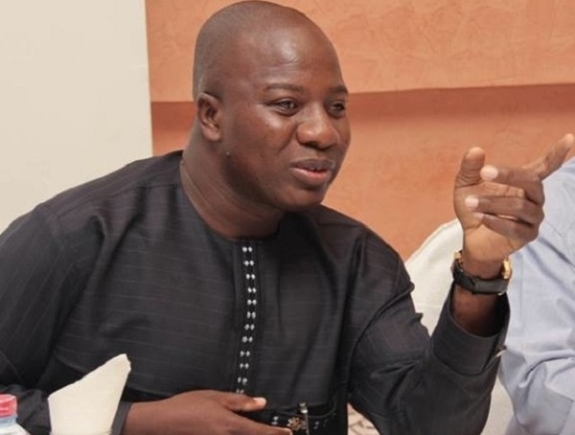
Parliament was abuzz on February 3 as Majority Leader Mahama Ayariga outlined the government’s bold vision for 2026, declaring it a pivotal year for national progress. In his address, Mr. Ayariga painted a picture of transformation, with sweeping social and infrastructure initiatives that promise to translate recent economic gains into tangible improvements for ordinary Ghanaians. Central to the government’s plan is a renewed focus on education. Mr. Ayariga announced that work would resume on 30 Community Day Senior High Schools left unfinished in previous years. But that’s just the beginning. With support from the GETFund, the administration will also embark on the construction of 200 junior high schools, 200 primary schools, and 200 kindergartens across the country. The plan extends beyond mere buildings. Recognizing the importance of a nurturing learning environment, the government will invest in teachers’ accommodation, improved sanitation facilities, textbooks, and classroom furniture. These efforts, Mr. Ayariga stressed, will ensure that the benefits of growth are felt in classrooms and communities nationwide. With these far-reaching initiatives, 2026 is poised to become a turning point in Ghana’s journey toward inclusive, sustainable development. Source: Apexnewsgh.com
Gabby Otchere-Darko Warns Technology Is Outpacing Media Regulation and Eroding Professionalism

Gabby Asare Otchere-Darko, the Founder and Executive Chairman of the Africa Prosperity Network (APN), has sounded an alarm over the growing challenges posed by rapid technological advances in Ghana’s media landscape. During an appearance on the Upside Down Show with Frema Adunyame on February 1, Otchere-Darko, himself a seasoned media owner, explained that the explosion of digital platforms and bloggers has dramatically changed the way information is shared, often at the expense of professionalism and effective regulation. He reflected on how the evolution of the media sector has left regulatory frameworks trailing behind technology, making it increasingly difficult to manage content without trampling on free expression. “Technology is always ahead of regulation. I think we are getting there. There is some sort of self-regulation, not with those who put out the content, but the ones who receive it,” he remarked. Otchere-Darko insisted that any move towards tighter regulation must tread carefully to avoid suppressing freedom of speech, a value he stressed must be preserved, even as its abuse is curtailed. “If you get into the area of regulation, and you are not careful, then you stifle the freedom of speech. It doesn’t mean freedom of speech means you can get away with anything,” he cautioned. He also addressed the darker side of digital media, particularly the reputational harm caused by the viral spread of unverified stories on social media. “They put things about you on social media, and others will Google your name, and your image is tarnished. When you try to correct it, it does not have the same traction, and it’s not sensational,” Otchere-Darko noted, adding that sometimes even responding to such content can exacerbate the situation. Looking to the future, he urged media owners to embrace new technologies and adapt to shifting industry practices to remain competitive, or risk being left behind altogether. Source: Apexnewsgh.com
President Mahama Unveils Plans for New Wa Airport After Passage of Infrastructure Levy
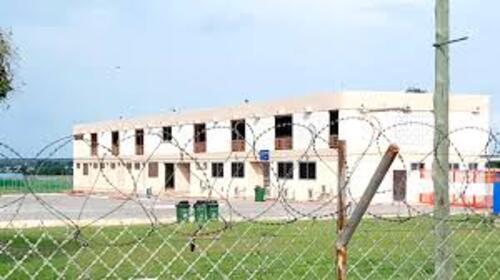
President John Dramani Mahama has announced a major boost for the Upper West Region, revealing that construction of a brand new airport for Wa will soon begin. The announcement follows the recent passage of the Airport Infrastructure Levy Bill by Parliament, a move set to transform the aviation landscape across Ghana. Speaking at the launch of the SheaPark Resource Hub Project in Wa, President Mahama explained that the newly established levy, which applies to both domestic and international air tickets, including African and ECOWAS regional flights, will feed into a special fund dedicated to airport development nationwide. “Now that money is going to go into a fund. And that fund is going to be used to develop the airports around the country,” he said. The President assured residents that the Upper West Region would be among the first to benefit, emphasizing that the planned new airport would fully replace the current facility. “And I’m pleased to announce to you that Wa is going to be a beneficiary of this fund with the construction of a new airport, not the old airport,” he declared. President Mahama highlighted the limitations of the current site, noting that its location and design are no longer fit for modern aviation needs. “As you yourselves can see, the road was diverted around the runway. And so, the Airport Company has decided on a site that was allocated years ago,” he explained. He also revealed that a team from the Ghana Airports Company Limited had recently visited Wa to assess the new location ahead of construction. “Staff of the Ghana Airport Company were in Wa to inspect the site for the construction of the new airport,” the President shared. The ambitious project is expected to significantly enhance air connectivity, stimulate economic growth in the Upper West Region, and improve access to Wa as part of the government’s wider infrastructure drive. Source: Apexnewsgh.com
Disunity is NPP’s “Slow Poison,” Afenyo-Markin Warns, Urges United Front for 2028 Victory
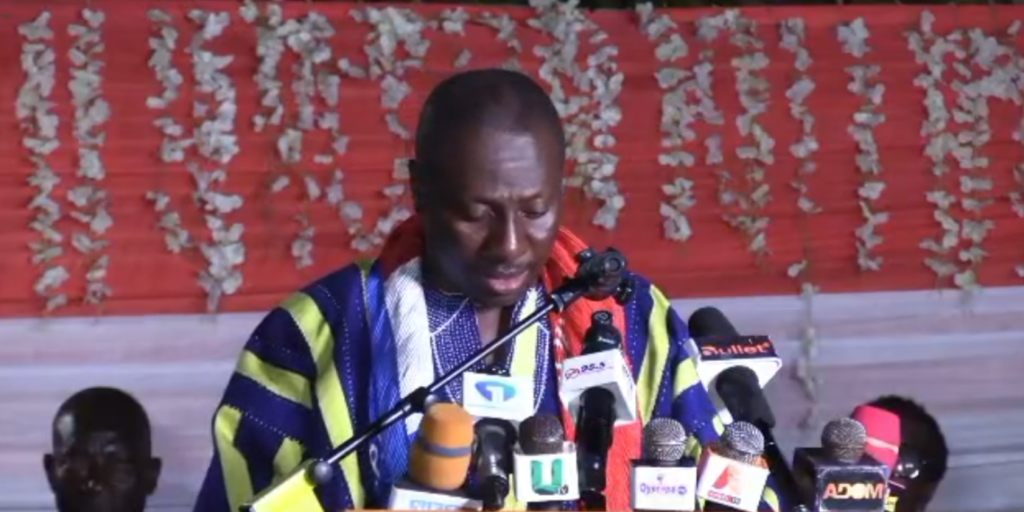
The Minority Leader and Effutu MP, Alexander Afenyo-Markin, has issued a stark warning to members of the New Patriotic Party (NPP): internal division is a “slow poison” that has repeatedly cost the party dearly at the polls. His admonition came during a convention of key NPP stakeholders in the Effutu Constituency, following the party’s flagbearer contest. Afenyo-Markin told party faithful that disunity has been the common thread in every major electoral defeat the party has suffered, regardless of how popular its policies or leaders have been. He called on all members to rally behind the newly-elected flagbearer, Dr Mahamudu Bawumia, and to put aside differences for the sake of victory in the 2028 general elections. He urged delegates to embrace a unified purpose, message, and vision, stressing that the party’s agenda must be carried to the grassroots with a single voice. Afenyo-Markin warned against a repeat of the 2024 elections, when so-called “skirt and blouse” voting, where members split their ballots between presidential and parliamentary candidates, contributed to the NPP’s defeat. “History has taught us harsh but clear lessons about disunity,” he remarked, recounting the party’s electoral setbacks in 1979, 1992, 1996, 2008, and 2012, each time when unity faltered. He pointed to the party’s historic losses, such as the split of the Danquah-Busia tradition in 1979, which allowed the PNP under Hilla Limann to take power, and similar scenarios that led to other NPP defeats. “But look at the other side of our history, when we stood together as one and rallied behind our leader, victory stood with us,” Afenyo-Markin said, referencing the party’s successes in 2000, 2004, 2016, and 2020. He described unity as the “lifeblood” of the NPP, and disunity as its “slow poison.” He concluded with a rallying cry, urging supporters nationwide to work tirelessly for Dr Bawumia and the party, warning that failure to support the flagbearer would be a failure of the party as a whole. “We must not allow the 2024 result to repeat itself. If Dr Bawumia fails, it is we who have failed him. Let us work for the party and for our country,” he said. Source: Apexnewsgh.com